REVIEW · ISTANBUL
9 Days Istanbul Ankara Cappadocia Konya Pamukkale Ephesus
Book on Viator →Operated by Adam's Holiday · Bookable on Viator
Turkey’s best hits, packed into one plan.
This 9-day circuit is interesting because it stitches together major sights in big historic cities—from Ottoman power at Topkapi to the cave churches of Cappadocia, then on to Pamukkale’s white terraces and Ephesus’ stone streets. You get a clear route, with paid entrances and practical logistics built in, so you can spend your energy on seeing, not organizing.
I especially like two things: museum entry fees are included, so you’re less likely to lose time buying tickets or reworking your day. I also like the small group limit of 15, which usually means questions get answered fast and the pace stays manageable. One consideration: the schedule is full, and several days mix major stops, so you’ll want comfortable shoes and patience when the day runs long.
In This Review
- Key highlights worth your attention
- Istanbul in one intense day: Topkapi, Hippodrome, Blue Mosque, Hagia Sophia, Grand Bazaar
- What could feel like too much
- Bosphorus by boat plus Spice Market time: seeing Europe and Asia from the water
- A small downside to plan around
- Transfer to Ankara: Atatürk’s Anıtkabir and the Anatolian Civilizations Museum
- Cappadocia’s underground churches and fairy-chimney views: Özkonak, Uçhisar, Devrent, Göreme, Avanos
- A realistic pace note
- Konya to Pamukkale: Mevlana’s mausoleum and the white terraces of Hierapolis
- One thing to double-check
- Ephesus and Virgin Mary’s House: ancient port city plus a pilgrimage stop near Selçuk
- A free day in Istanbul, then you fly out
- Price and value: what $3,280 covers, and where to budget extra
- Who this trip suits best
- Language note you should care about
- Should you book this tour?
- FAQ
- How long is the tour?
- What cities are included in the tour plan?
- What is the group size limit?
- Is pickup from the hotel included?
- Are museum and attraction entry fees included?
- Are flights included?
- What meals are included?
- What languages are available?
- What is not included in the price?
- Can I get a full refund if I cancel?
Key highlights worth your attention
- Mr. Adam and the team focus on smooth changes: feedback emphasizes quick responses and flexible help when plans shift.
- Big-name sites have ticket time handled: Topkapi, Blue Mosque, Hagia Sophia, Ephesus, and more come with included admission.
- A guided Bosphorus boat day: you get a structured look at Europe-Asia waterfront sights without guessing what matters.
- Cappadocia without guesswork: underground city, castle views, and Göreme’s open-air churches are all on the route.
- Konya and Pamukkale in one travel rhythm: Mevlana’s mausoleum plus Hierapolis and Pamukkale thermal pools.
- Plenty of eating coverage: breakfasts are included most days, plus lunches and several dinners.
Istanbul in one intense day: Topkapi, Hippodrome, Blue Mosque, Hagia Sophia, Grand Bazaar
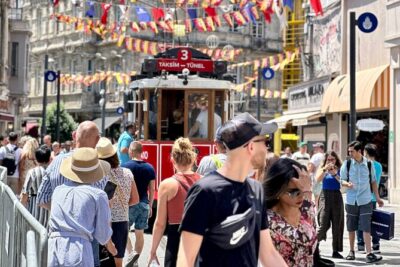
If you’ve never been to Istanbul, this day is a fast way to get your bearings. You start with Topkapi Palace, built in the late 1400s under Sultan Mehmed II. The palace served Ottoman sultans for nearly four centuries, so it’s not just a pretty building—it explains how power actually lived in the city.
Next you head to the Hippodrome, originally tied to Byzantium and later rebuilt and expanded by Emperor Septimius Severus. Even if you don’t care about chariot races, it’s a useful clue to how public life and entertainment worked in ancient Constantinople.
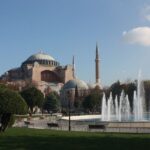
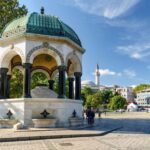
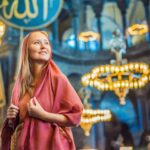
Then comes the pair people talk about: the Blue Mosque (1609–1616, designed by Mehmet Ağa for Sultan Ahmed I) facing the square toward Ayasofya (Hagia Sophia). Hagia Sophia’s story is part architecture, part political religion shift. The site was constructed three times, and today’s building is the “Third Hagia Sophia.” You also get the background that the earliest structure started under Constantine I and the site’s early Christian basilica phase opened in Constantine II’s reign—plus the note that earlier remains were heavily devastated by a major fire.
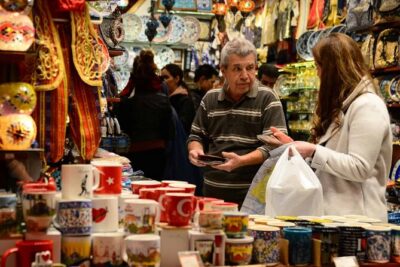
Finally, you end at the Grand Bazaar, which traces back to the 15th century and the bedesten covered market tradition. It’s a practical place to browse, and it’s also a reminder that Istanbul’s history isn’t only palaces and churches—it’s commerce.
My practical tip for this day: plan to move at your own pace inside each stop, but don’t expect a slow museum stroll. This is a “hit the big anchors” day, so bring water, a light layer, and keep your priorities straight.
You can also read our reviews of more tours and experiences in Istanbul.


What could feel like too much
If you’re sensitive to crowds and long indoor/outdoor transitions, the sheer number of major sights in one day might feel intense. The good news is that admission is included for each listed stop, which reduces friction.
Bosphorus by boat plus Spice Market time: seeing Europe and Asia from the water
On a later Istanbul day, you switch from landmark sightseeing to views and scenery. You pass by the Bosphorus Bridge, and you get context for why this strait mattered—strong currents, fish migration, and a shoreline that’s been dotted with villages, resorts, and villas.
Then you stop at Misir Carsisi (the Spice Market / Egyptian Bazaar). It’s described as one of the most valuable bazaars, next to the New Mosque complex. Even if you don’t plan to buy anything, it’s worth it just to understand how market culture fits into the wider city story.
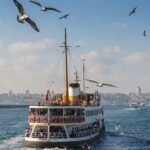
The real payoff is the Bosphorus Strait boat tour, a traditional cruise along the waterway separating Europe and Asia. Your route includes big shoreline reference points like Dolmabahçe Palace, Yıldız Palace parks and imperial pavilions, and the marble face of Çırağan Palace. The tour also touches Ortaköy, including the note that a church, a mosque, and a synagogue have existed side by side for centuries—an unusually clear example of how layered Istanbul can be.
This day is also good value because the tour structure handles the “what do I look for?” problem. You’re not stuck trying to spot every palace from a moving boat while guessing what each one is.
A small downside to plan around
Boat days can vary in comfort depending on weather. The schedule gives you a block of time on the water, but you should still dress for changing conditions and bring a hat or sunglasses.
Transfer to Ankara: Atatürk’s Anıtkabir and the Anatolian Civilizations Museum
After Istanbul, the pace shifts to politics and archaeology. In Ankara, your anchor stop is Anıtkabir, the mausoleum of Mustafa Kemal Atatürk. The museum-style narrative around it is based on the independence war and the Turkish Revolution timeline, ending on 10 November 1938. Even if you know the basics already, it helps connect modern Turkey to a specific historical storyline and place.
Then you visit the Anadolu Medeniyetleri Müzesi (Anatolian Civilizations Museum). It’s housed in two Ottoman-era buildings (Mahmutpaşa Bedesten and Kurşunlu Han). A key detail here: the museum offers more than static display, including virtual tours, animations, and T-shaped replicas tied to Göbeklitepe. That mix can make older sites feel more understandable, especially if you don’t want to spend the whole trip reading plaques.
Why this works for your itinerary: Istanbul can be nonstop big monuments. Ankara slows the story down and grounds you in the modern national narrative and broader Anatolian timeline.

Cappadocia’s underground churches and fairy-chimney views: Özkonak, Uçhisar, Devrent, Göreme, Avanos
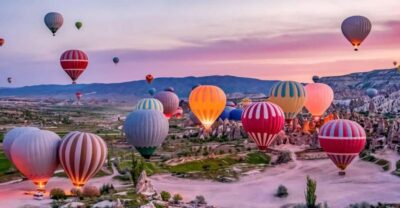
Cappadocia days are usually the emotional highlight of Turkey trips, and this one is built to hit the main themes: carved rock life, valley formations, and the region’s church heritage.
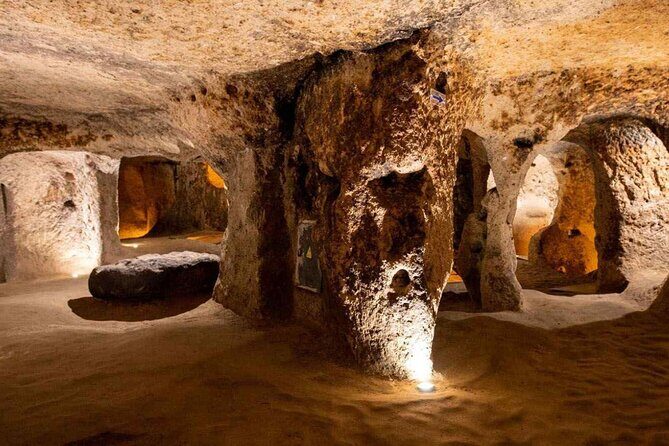
You start with Özkonak Underground City. The description explains that after the Roman period, early Christians settled around Özkonak and carved a city into the rocks under St. Basil’s leadership, partly as protection from pressure and intense Arab raids. This stop is a reality check—Cappadocia wasn’t only beautiful scenery; it was also shelter.
Next, Uçhisar Castle: it’s described as a natural shelter and watchtower, with settlements dating back to the Hittite period (3rd millennium BC). With Christianity’s spread in the Roman period, Uçhisar became an important center for early Christian communities. You’re getting both the geological “how it was used” and the human “what happened there.”
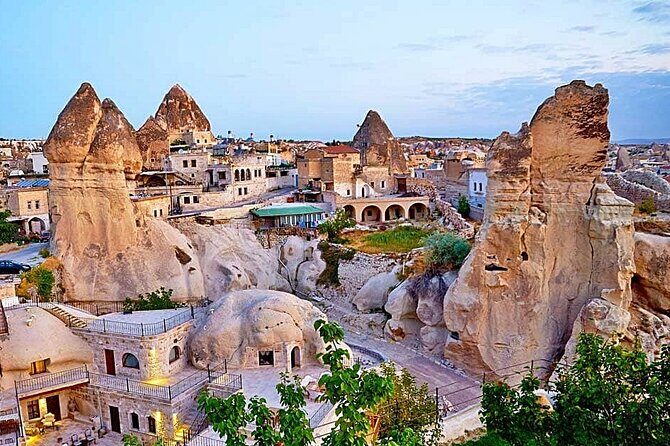
Then comes Devrent Valley, famous here for its fairy chimneys shaped like animals. The description points to a giant camel-shaped chimney as one of the valley’s symbols, plus the ability to see human-like forms carved by nature.
After that, your Göreme Open Air Museum stop is the crown jewel for Cappadocia’s church history. The area includes the best churches in Cappadocia and multiple monastic complexes, which is why it’s such a popular destination. You’ll want your attention ready for smaller details; the museum is compact but dense with meaning.
Finally, you end the day in Avanos, known for pottery. The text says Avanos pottery history goes back to the Hittites, who ruled Cappadocia. Even if you’re not buying anything, it gives you a cultural thread: the region’s craft life ties back to deep time.
A realistic pace note
This day includes several stops that require movement between viewpoints and sites. It’s manageable, but you’ll enjoy it more if you keep expectations simple: take photos when you can, and don’t try to “master” every spot.
Konya to Pamukkale: Mevlana’s mausoleum and the white terraces of Hierapolis
This part of the trip changes tone. You go from Cappadocia’s stone shapes to Konya’s spiritual landmark, then on to one of Turkey’s most photographed natural sights.
In Konya, you visit the Mevlana Muzesi (Mevlana Dergah / mausoleum complex). The core structure is the tomb of Mevlana, with the mausoleum built in 1274. The description notes that sources mention structures of a dervish lodge next to the tomb, though they didn’t all survive to the present day. Still, later buildings—like the semahane, masjid, and kitchen—were built in the 16th century. It’s the kind of place where you’ll feel the weight of time through architecture and layout, not just through text.
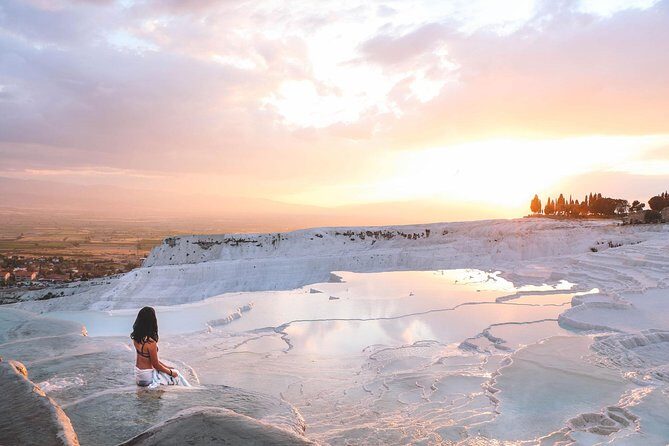
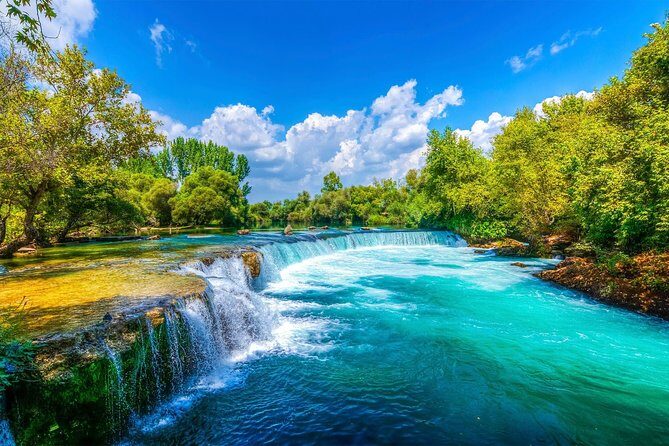
Then you head to Pamukkale Thermal Pools, described as stunning white calcium pools clinging to the side of a ridge. Pamukkale means “cotton castle,” and it connects directly to the ancient city of Hierapolis—with ruins nearby and the area framed as a popular short visit destination.
You finish at Hierapolis & Pamukkale, including details about the theatre built in 129 for Emperor Hadrian’s visit, then renovated under Septimius Severus. The text also notes that Caracalla visited in 215 and granted the title neocoros, which came with privileges for the city. That “who benefited and why” angle makes the ruins feel less random.
Practical takeaway: this is a stop where time matters for photos and for actually enjoying the thermal pools and ruins without rushing. If you’re someone who likes to sit for a few minutes, build that into your day.
One thing to double-check
The tour description mentions Antalya, but the detailed stops listed here focus on Istanbul, Ankara, Cappadocia, Konya, Pamukkale, and Ephesus. If Antalya is a must for you, confirm what’s actually included in the specific departure you book.
Ephesus and Virgin Mary’s House: ancient port city plus a pilgrimage stop near Selçuk
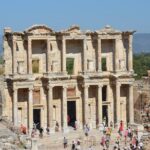
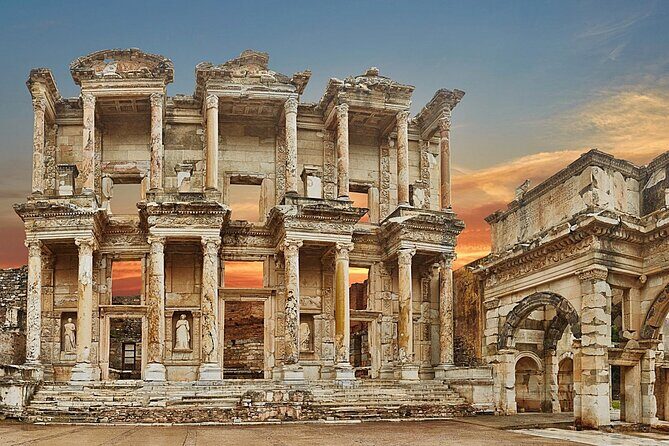
Ephesus is one of those names that sounds famous even before you see it. Here, you visit the Ancient City of Ephesus, described as a well-preserved ruins site in modern-day Turkey. The text frames it as once the most important Greek city and a major Mediterranean trading center, and it also notes that Ephesus was a hotbed of early Christian evangelism and remains an archaeological and Christian pilgrimage destination.
That blend helps: you’re not only looking at ancient civic power; you’re also seeing how the early Christian story spread through port cities and trade networks.
After Ephesus, you visit the Virgin Mary’s House near Selçuk. The description is clear about its meaning: it’s believed to be the last residence of Mary, mother of Jesus Christ, and it’s presented as a sacred sanctuary for pilgrims and visitors. Even if you’re not religious, this stop can be moving because it’s built for contemplation and reverence.
My practical tip: bring a light layer and water. Ruins days can be sun-heavy, and pilgrimage sites often have quieter spaces where you’ll want to slow down.
A free day in Istanbul, then you fly out
One of the more valuable parts of this plan is that you’re not forced to cram Istanbul every day. There’s a free day in Istanbul, giving you about eight hours to decide how you want to spend it—time at your hotel or going back to places you already liked.
This matters because your earlier Istanbul days are packed with major entrances and big walking loops. The free time helps you do two smart things: revisit a spot you want more time with, or simply recover from a full schedule.
On the final day, you depart for the airport according to timing and end the service. The package includes arrival and departure airport transfers, which makes the last day less stressful.
Price and value: what $3,280 covers, and where to budget extra
At $3,280 per person, this tour isn’t cheap, but it’s not trying to be a bare-bones backpack route either. The package includes:
- Professional English & Spanish guide
- Domestic flights from İzmir to İstanbul
- Transfers (including İstanbul to Ankara, plus airport transfers)
- Museum entry fees for the listed sights
- Accommodation as mentioned on the plan
- Dinner (4), breakfast (8), lunch (5)
- All tours described on the route
- Pickup offered and mobile tickets
That’s a lot of “logistics friction” handled for you. If you’ve ever planned a multi-city Turkey trip yourself, you know the hidden costs: museum lines, entrance fees you forget to budget, and the time lost coordinating transportation. Here, many of those are bundled.
What’s not included is also clear: drinks and personal expenses, plus optional add-ons. So I’d budget extra cash for water, snacks, and anything you buy at markets like the Grand Bazaar or Egyptian Bazaar.
Who this trip suits best
This is a strong fit for you if you want:
- A guided experience with paid entrances handled
- A multi-city route that still keeps a “small group” feel (max 15)
- An easy way to see Istanbul, Cappadocia, Pamukkale, and Ephesus without planning every day from scratch
- Support in English or Spanish, and possibly other languages depending on departure day
Language note you should care about
The description says you can book the tour in 4 languages (English, Spanish, Italian, Portuguese) if you choose the Thursday section. For Saturday departures, tours are listed as available only in Spanish and English.
Should you book this tour?
I’d book it if you’re looking for a structured Turkey overview where major historical stops are handled with museum tickets included, and you value the added support of pickup and guided pacing. The strongest signal here is how the organizer support is described: the team led by Mr. Adam is portrayed as responsive and able to handle changes smoothly, which is exactly what you want on a complex multi-city trip.
I wouldn’t rush if you hate packed days or you’re traveling with very strict timing needs. The plan is dense, and it links big anchors across several regions. Also, since Antalya is mentioned in the broader description but not clearly shown in the detailed stop list you’re given, confirm that piece before you commit.
FAQ
How long is the tour?
It’s listed as approximately 9 days.
What cities are included in the tour plan?
The stops shown include Istanbul, Ankara, Cappadocia, Konya, Pamukkale, and Ephesus (with the Virgin Mary’s House near Selçuk).
What is the group size limit?
The tour has a maximum of 15 travelers.
Is pickup from the hotel included?
Pickup is offered, and the plan includes transfers such as arrival and departure airport transfers and transfers between cities.
Are museum and attraction entry fees included?
Yes, admission ticket fees are listed as included for the sights in the schedule.
Are flights included?
Domestic flights from İzmir to İstanbul are included.
What meals are included?
Breakfast is included (8). Lunch is included (5), and dinner is included (4). Drinks are not included.
What languages are available?
The description says Thursdays offer 4 languages (English, Spanish, Italian, Portuguese). Saturdays are available only in Spanish and English.
What is not included in the price?
Optional tours, drinks, and personal expenses are not included.
Can I get a full refund if I cancel?
You can cancel up to 3 days in advance for a full refund, and cancellation changes within 3 days are not refunded.