REVIEW · ISTANBUL
Basilica Cistern Tickets Skip the-line Entry
Book on GetYourGuide →Operated by Aussie Tours Travel Agency · Bookable on GetYourGuide
Under Istanbul, water still tells stories. This skip-the-line fast track entry gets you into the Basilica Cistern quickly, so you can focus on the part that matters: the hush, the reflections, and the Byzantine engineering glowing in dim light. You’ll visit the Basilica Cistern with a guide (or audio option) in about 30 minutes, with time to spot the most famous oddities before your attention fades.
What I like most is how clearly the experience connects the cistern to the living city above—especially the reason it was built in the first place. I also like the guided way the site is read as a place of mysteries, including the legendary Medusa head bases that sit sideways and upside down.
One thing to weigh: this is not wheelchair accessible, and the cistern requires comfortable shoes. Also, the visit is short, so if you want a long, slow self-guided wander, this format may feel brisk.
In This Review
- Key things that make this cistern tour worth your time
- Basilica Cistern in 30 minutes: what you’ll actually see
- Skip-the-line entry through a separate route: why it matters
- Justinian’s water system: the story behind the underground room
- The column forest: reused Roman pieces and what you’ll notice
- Medusa heads sideways and upside down: the mystery you’ll remember
- Your guide vs audio guide: how to get the most from 30 minutes
- Practical tips: shoes, photos, and the rules that actually affect you
- Who this tour suits best—and who should consider another pace
- Price and value: is $62 per person fair?
- Should you book the Basilica Cistern skip-the-line tour?
- Bottom line
- FAQ
- How long is the Basilica Cistern experience?
- Do I skip the line with this ticket?
- What is included in the tour?
- Where is the meeting point?
- Is photography allowed?
- Is the Basilica Cistern wheelchair accessible?
- Are there any rules about what I can bring?
- Is the visit easy to walk through?
- What about cancellation or paying later?
Key things that make this cistern tour worth your time
- Fast track entry through a separate entrance, so you lose less time in lines
- A 30-minute guided walk that targets the highlights without dragging
- The Byzantine water system story, tied to the Great Palace and nearby buildings
- Spotting reused Roman columns and noticing why the columns look different
- Seeing the Medusa head sculptures and learning the mystery behind their placement
- Optional audio guide languages if you’re not on the live guide option
Basilica Cistern in 30 minutes: what you’ll actually see
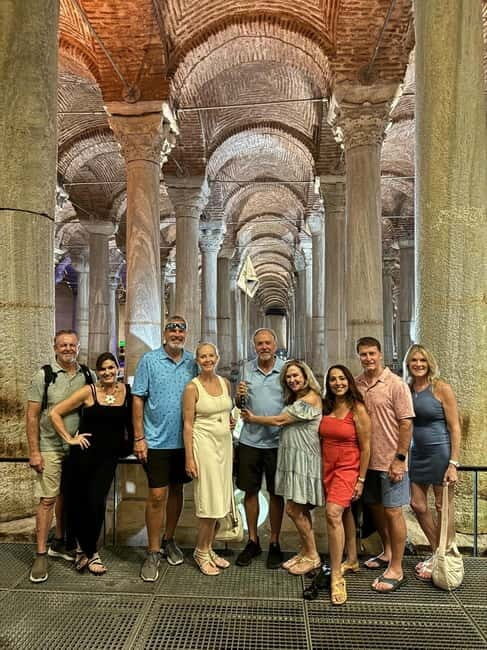
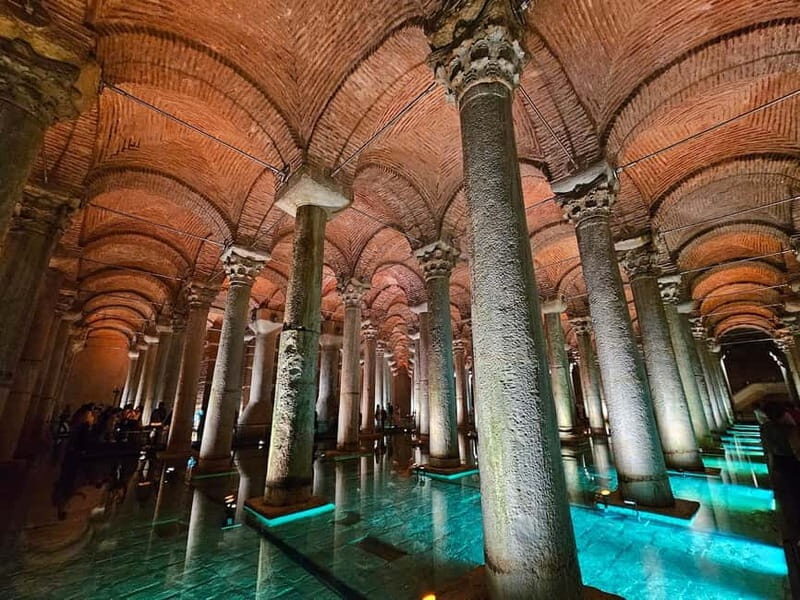
The Basilica Cistern is Istanbul’s big underground water reservoir—the kind of place where you instantly understand why people have been fascinated for centuries. The scale hits fast: it was built in the 6th century, starting in 532 AD during Emperor Justinian I’s reign, and it was meant to supply water for the Great Palace and nearby public buildings.
In a 30-minute visit, you won’t tour every corner the way a self-paced stroll might. But you will get what most people come for: the core chamber, the visual “forest” of columns, and the two famous Medusa head bases. If your goal is to see the cistern’s standout scenes with clear context, this timing works.
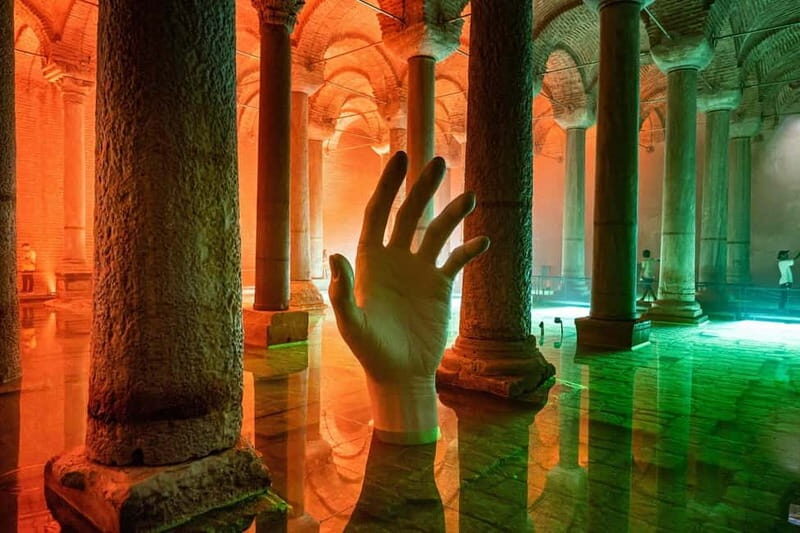
The atmosphere is part of the payoff. Expect dim lighting, cool air, and reflections on the water. In this kind of space, your brain catches details quickly—especially when someone points them out. That’s where a guide (or a good audio track) changes everything from sightseeing to understanding.
You can also read our reviews of more tours and experiences in Istanbul


Skip-the-line entry through a separate route: why it matters
This experience is built around time. Skip-the-line entry matters in Istanbul’s top sights because waiting can eat your energy. Here, you enter through a separate entrance, which usually means less milling and more actual looking.
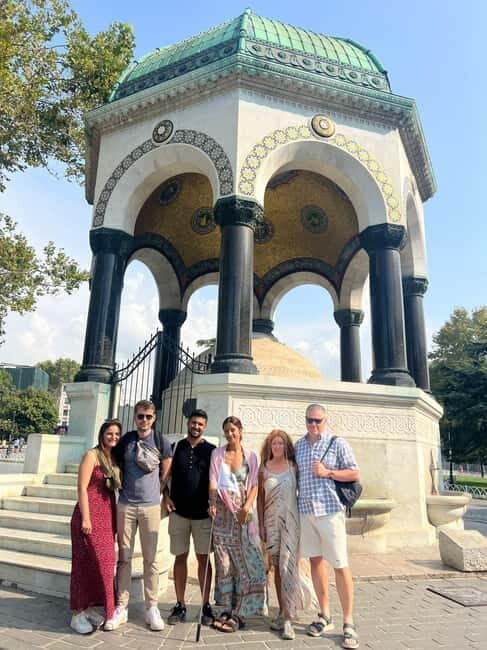
You also get a clean start: the meeting point can vary based on what you book, and two listed starting options are Alman Çeşmesi or Yerebatan Sarnıcı. That flexibility is helpful if you’re pairing this with other Old City stops on the same day.
Because the visit is only 30 minutes, the “before” time counts. Fast entry helps you arrive with your attention intact. That’s especially important for the Basilica Cistern, where the drama is slow—dim light, water reflections, and details that you’ll want time to notice.
Justinian’s water system: the story behind the underground room
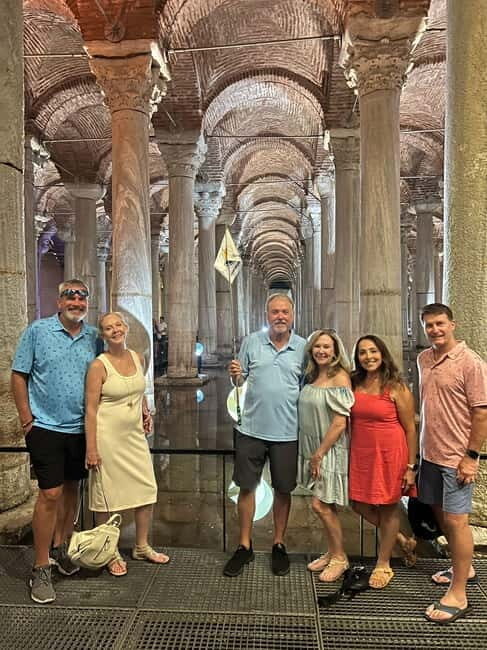
The cistern isn’t just a pretty chamber. It was an infrastructure project, and it worked as part of a larger city plan. This reservoir was built to supply water to the Great Palace, plus nearby public buildings, and it supported the imperial city’s needs during Justinian’s era.
When you hear the explanation out loud, the site becomes less spooky and more impressive. Those rows of columns start to make sense as engineering, not just decoration. The guide’s job is to connect what you’re seeing to how Byzantine Istanbul functioned—water management under a dense, busy urban surface.
If you’re the type who likes a “why this exists” answer, this is the strongest value of having a guide or audio narration rather than just buying general entry. The cistern gets famous for its Medusa heads, sure—but the real mind-blower is that this was a working system built to serve real buildings above.
The column forest: reused Roman pieces and what you’ll notice
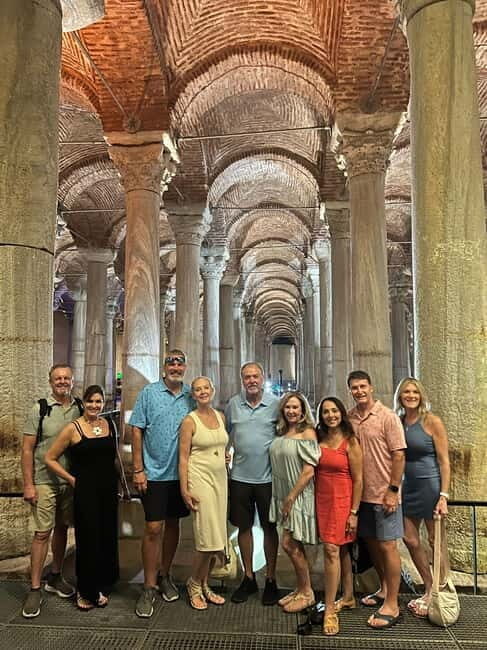
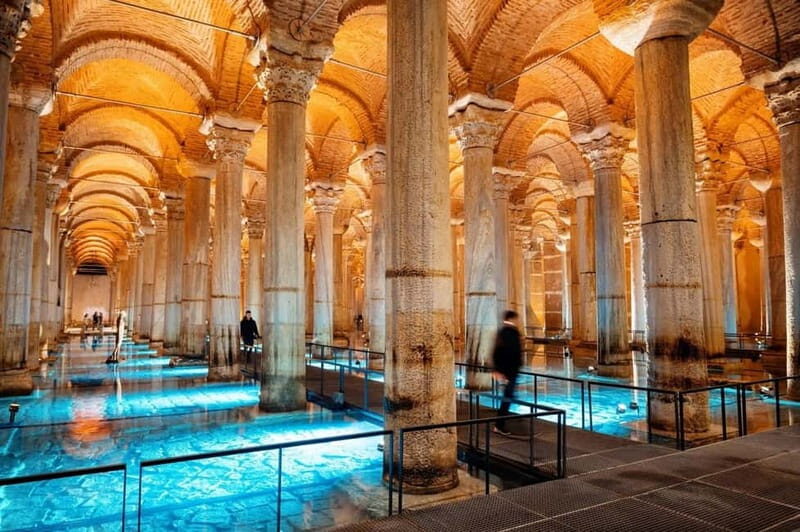
One of the coolest things about the Basilica Cistern is that the columns don’t look uniform—and that’s not an accident. The cistern is supported by 336 marble columns, arranged in 12 rows of 28. Many of these columns were reused from earlier Roman structures.
That reuse shows up visually. You may spot differences in how the columns look compared to each other. It’s one of those details that rewards you for slowing down and actually looking at materials, not just shapes.
In a short guided tour, you can miss the “reused materials” concept unless someone points it out. Once you know to look for variation, your eyes start catching it quickly. It turns the cistern into a physical archive: layers of empire stacked into one space.
Also worth noting: the columns are about 9 meters (30 feet) high. Even if you can’t measure it, your perspective does the measuring. The scale makes the chamber feel taller than it looks, and it amplifies the echo-like quiet of the underground setting.
Medusa heads sideways and upside down: the mystery you’ll remember
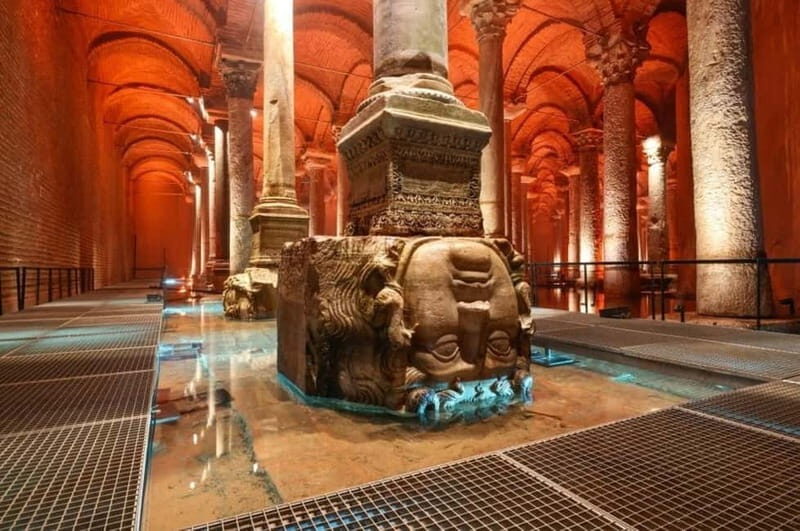
The Basilica Cistern’s most famous visual quirk is the set of Medusa head bases. There are two of them, and they’re placed sideways and also upside down. Their exact purpose is unknown, which is why the cistern keeps drawing people back even after they’ve “done” the photo.
Here’s what I’d focus on during your visit:
- First, locate both Medusa head bases so you don’t end up thinking you saw the only one
- Then look at the placement—sideways, upside down—because that’s the whole reason this is discussed
- Finally, listen to the explanation you’re given about the mystery, since it’s the kind of detail that’s more interesting with context
The cistern’s dim light and water reflections can make the sculptures feel even more surreal. Photography is allowed, but flash photography is not permitted, so keep your shutter steady and rely on the lighting that’s already there.
Whether the Medusa story clicks as legend or as interpretation doesn’t matter as much as the fact that it’s a visual “hook” you’ll carry with you after the visit.



Your guide vs audio guide: how to get the most from 30 minutes
This experience can include different modes. If you choose the private guide option, you get an English live tour guide. If you choose the audio option, you’ll have an audio guide in multiple languages: English, Spanish, French, Italian, Arabic.
For me, live narration is the easiest way to keep your attention in a place like this. A good guide can turn confusing facts into a simple mental map: why it was built, what the columns mean, and why the Medusa heads are placed the way they are.
One guide name you’ll see with this type of tour is Zeki. People highlight that he was engaging and patient with questions—exactly what you want when you’re trying to absorb a site in a short window. Even if you’re not on that exact guide schedule, it’s a sign the best tours take interaction seriously.
If you’re on audio, treat it like a script you actively participate in. Stop at key spots—columns, Medusa heads—and let the narration catch up to your eyes. In a tight 30-minute slot, that approach keeps you from speed-walking through the best parts.
Practical tips: shoes, photos, and the rules that actually affect you
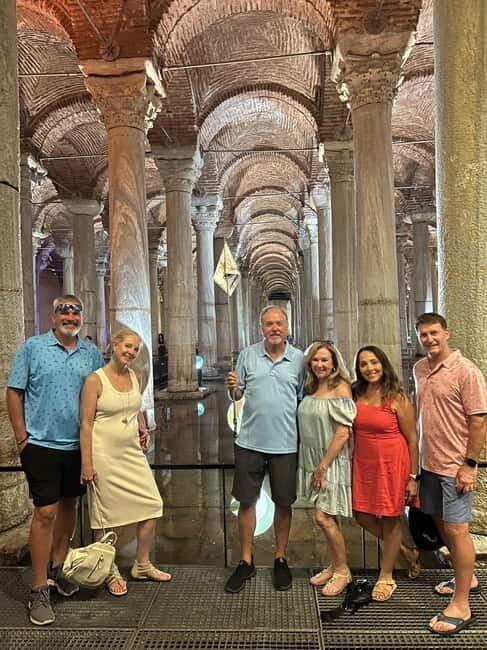
The cistern involves a moderate amount of walking, and the underground surfaces and lighting can make footing feel different than outdoors. Wear comfortable shoes—you’ll thank yourself halfway through.
Photography is allowed, but flash photography is not permitted. That’s a big deal here, because flash can ruin the atmosphere and it can also get you into trouble. If you want photos, plan for natural low-light shots and keep your camera steady.
Simple rules also apply: weapons or sharp objects aren’t allowed. Keep your bag tidy, and keep your belongings with you at all times. In a tight indoor space, that’s just common sense.
And one accessibility note that affects planning: the Basilica Cistern is not wheelchair accessible. If that’s relevant for your group, you’ll want to plan an alternative route or a different attraction for mobility needs.
Who this tour suits best—and who should consider another pace
This fast track format is ideal if you:
- Want the Basilica Cistern highlights in about 30 minutes
- Prefer not to waste your day in lines
- Like history told in plain language, not just a “look at this” pass
- Want help understanding what you’re seeing—especially the Justinian-era purpose and the reused columns
You might want to consider a different approach if you:
- Prefer a long, slow, self-guided visit where you can linger in one spot for photos and comparisons
- Have mobility needs and would benefit from a more flexible route (since the cistern isn’t wheelchair accessible and walking is part of the visit)
For most people with a full Istanbul itinerary, this works well. You get the main story beats without turning the cistern into a half-day project.
Price and value: is $62 per person fair?
The price listed here is $62 per person. For a short 30-minute experience, the value comes from what’s bundled with that ticket.
You’re paying for three big things:
- Fast track entry through a separate entrance (time saved)
- Interpretation via a live English guide (private option) or an audio guide (if you choose that option)
- A focused route that prioritizes the biggest visual and historical moments, including the Medusa heads
If you were just buying basic entry tickets, you’d still see the cistern—but you might miss the bigger context: why it was built under Justinian, how the water system connected to the Great Palace, and why the columns vary because of reuse.
So yes, $62 can feel like a lot for a short underground walk. But in practice, it’s “pay to get the meaning quickly,” and the skip-the-line part matters if your day is packed.
If your schedule is flexible and you don’t mind waiting, you could spend less on generic entry. If your time is tight, or you want the site explained in a way you can remember later, this price can make sense.
Should you book the Basilica Cistern skip-the-line tour?
I’d book it if you want the Basilica Cistern’s top moments with less hassle. The fast track entry is the practical win, and the guide or audio layer is the “why it matters” win. The 30-minute format is also a plus: you get the highlights without letting the visit turn into a long indoor slog.
I wouldn’t book it if you’re determined to wander slowly, lingering for long photo sessions at every column angle. This tour is designed to be efficient, not endless.
Bottom line
If your goal is to see the cistern’s most famous scenes—those towering columns and the Medusa heads—while understanding how Justinian-era engineering shaped what you’re standing in, this is a smart way to do it.
FAQ
How long is the Basilica Cistern experience?
It lasts about 30 minutes.
Do I skip the line with this ticket?
Yes. You get skip-the-line entry through a separate entrance.
What is included in the tour?
Fast track entry is included. Depending on the option you pick, you may also get an English live guide (private option) and/or an audio guide.
Where is the meeting point?
The meeting point may vary depending on the option booked. Starting location options listed include Alman Çeşmesi and Yerebatan Sarnıcı.
Is photography allowed?
Yes, photography is allowed. Flash photography is not permitted.
Is the Basilica Cistern wheelchair accessible?
No. The Basilica Cistern is not wheelchair accessible.
Are there any rules about what I can bring?
Weapons or sharp objects are not allowed.
Is the visit easy to walk through?
There is a moderate amount of walking involved, so comfortable shoes are recommended.
What about cancellation or paying later?
You can cancel up to 24 hours in advance for a full refund. You can also reserve now and pay later.