REVIEW · ISTANBUL
Blue Mosque, Hagia Sophia & Basilica Cistern, Hipodrom Tour
Book on GetYourGuide →Operated by Aussie Tours Travel Agency · Bookable on GetYourGuide
Istanbul compresses centuries into a single afternoon. This guided loop connects Hagia Sophia and the Blue Mosque to the stories around them, then drops you underground for the Basilica Cistern and into the old arena area of the Hippodrome. It is a lot of landmarks, explained in a way that makes them easier to remember.
I especially like that the guide uses simple, on-the-ground context for two buildings that have changed roles over time, and that headsets help you catch every detail without craning your neck. One thing to plan for: ticketing and entry rules are strict, and the Blue Mosque can be closed to tourists during prayer times, so parts of your visit may shift.
In This Review
- Key things to know before you go
- A tight route through Istanbul’s biggest icons
- Hagia Sophia: what you’re really looking at
- Blue Mosque: blue tiles, six minarets, and prayer-time timing
- Hippodrom tour: reading the old arena in modern Istanbul
- Basilica Cistern: the cool air you can feel
- Price and value: where the $15 really goes
- Dress code and rules that can change your pace
- What kind of group this feels best for
- A note on guides like Oktay
- Should you book Blue Mosque, Hagia Sophia, Basilica Cistern and Hippodrom?
- FAQ
- FAQ
- How long is the tour?
- What’s included in the tour price?
- Are tickets included for Hagia Sophia and the Basilica Cistern?
- Is skip-the-line entry included for the Blue Mosque?
- What dress code do I need to follow?
- Are there restrictions on bags and photography?
- Is the Blue Mosque open to tourists during prayer times?
Key things to know before you go
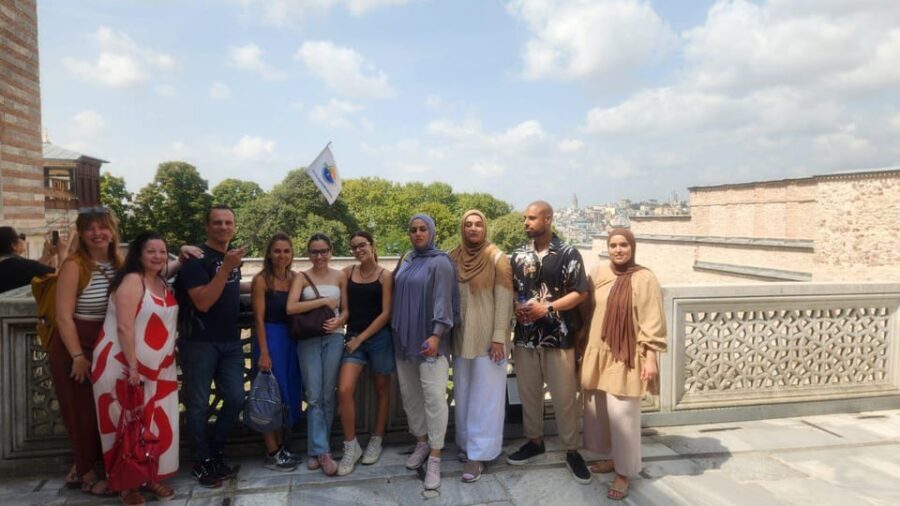
- Hagia Sophia is an active mosque now, so expect shoe removal and head covering for women
- The Blue Mosque is still active, and it can close during prayer hours
- Basilica Cistern tickets cost extra, so check your total budget early
- You get an English guide plus headsets, which makes a fast route feel less rushed
- No skip-the-line entry is included for the Blue Mosque, so line time is on you
- The Hippodrome stop is a quick read of the city’s old stadium area, not a museum day
A tight route through Istanbul’s biggest icons
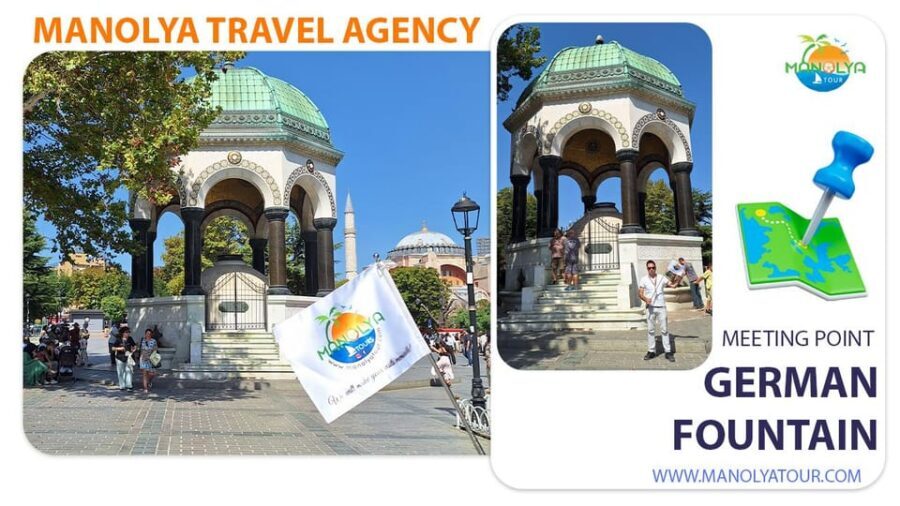
This tour is built for people who want the headline sites without turning the day into a map marathon. You cover four major points: Hagia Sophia, the Blue Mosque, the Hippodrome area, and the Basilica Cistern. Even if you only have a short stay in Istanbul, this route gives you a clear storyline: Byzantine power, Ottoman transformation, and the everyday city life that grew around both.
The time window is flexible on paper (listed as 1 to 3 hours depending on the option), but the real takeaway is that you’ll be moving through busy areas. You’re not meant to sit and stare for hours. Instead, you get a guided orientation that helps you see what matters: domes, minarets, the layout, and the reasons these places still shape Istanbul’s identity.
You can also read our reviews of more tours and experiences in Istanbul.


Hagia Sophia: what you’re really looking at
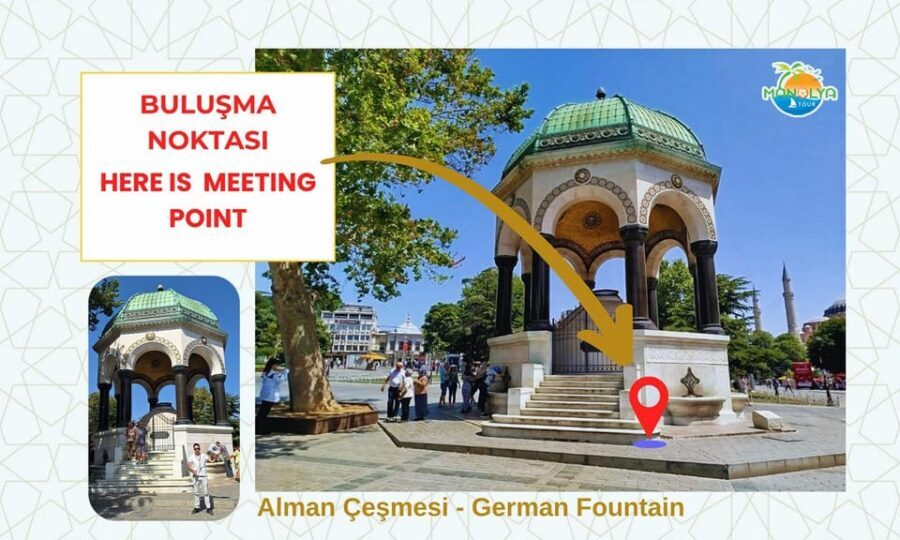
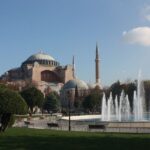
Hagia Sophia is one of those places where the architecture does half the explaining. The tour frames it from the start: it was originally built as a cathedral under Byzantine Emperor Justinian I in 537 AD. Then you get the big historical pivot—after the Ottoman conquest of Constantinople in 1453, it became a mosque.
One of the most useful parts of a guided visit here is understanding the building as a living record of power and belief. The site became a museum in 1935 during Atatürk’s reforms, and then, in 2020, it reverted to a mosque. That sequence helps you understand why you’ll see layers: the space feels both sacred and historic, depending on what’s happening inside on the day you go.
Practical stuff you should plan around:
- You will need to remove your shoes when entering.
- Women are required to cover their heads.
- Large bags or backpacks are not allowed inside.
- Flash photography is not allowed inside.
If you’re the kind of person who needs a reason to care about a building, this tour does a good job giving you that. You’ll still have to look up and around yourself, but at least you know what you’re seeing.
Blue Mosque: blue tiles, six minarets, and prayer-time timing
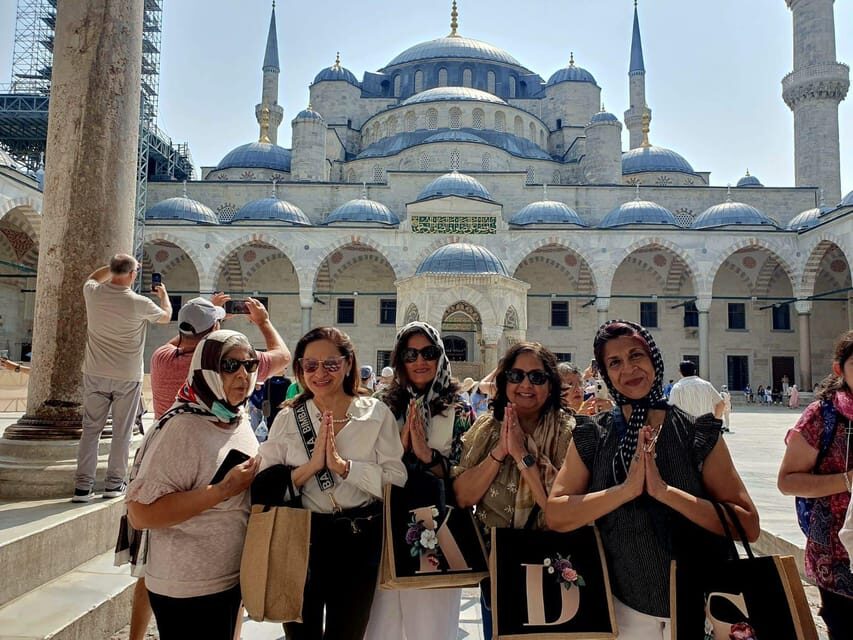
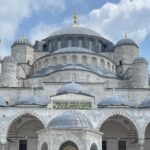
The Blue Mosque is often treated like a photo stop, but it works better when you understand what the guide is connecting: it was built between 1609 and 1616 under Sultan Ahmed I. That timeframe matters because it helps you place the mosque’s design in the Ottoman period rather than treating it like a generic landmark.
Then there’s the part you can’t miss once you’re there—the stunning blue tiles that give the mosque its name. The tour also points out the overall structure: a large central dome surrounded by smaller domes, plus six minarets. When you know to look for those features, the building becomes easier to read instead of just impressive.
One consideration can affect your day: the Blue Mosque is closed to tourists during prayer times. When that happens, you’ll be routed through an exterior tour instead. That can still be worthwhile, but it’s not the same as walking inside and seeing the tilework and layout up close.
Also note:
- Skip-the-line entry is not included for the Blue Mosque.
- Scarf and body cover are not included, so you should plan to bring what you need.
- Dress code is modest: knees and shoulders must be covered for both men and women.
I like that the tour sets expectations around the mosque being active. You get fewer surprises and less frustration when lines or access shift.
Hippodrom tour: reading the old arena in modern Istanbul
The Hippodrome stop is shorter, but it’s a smart use of time if you want context. This area was the stage for the Byzantine-era city’s public life, and your guide helps you connect what’s around you to what used to happen there—politics, spectacle, crowds, and imperial messaging.
You won’t treat this like a big indoor attraction. Think of it as a chance to place Hagia Sophia and the Blue Mosque within the broader city scene. Istanbul isn’t arranged like a theme park. It grew in layers, and the Hippodrome area is one of those places where your understanding clicks when you get a bit of narration.
If you enjoy history you can sense—street-level history—you’ll probably appreciate this section more than you expect. It turns the walk between landmarks into something purposeful.
Basilica Cistern: the cool air you can feel
Then you go underground, literally. The Basilica Cistern is located in the historic heart of Istanbul and is one of the most atmospheric structures from the Byzantine Empire. The tour describes it as a vast water reservoir built in the 6th century during Justinian I’s reign, originally supplying water to the Great Palace and nearby buildings.
What matters for your experience: it is not just about seeing columns. It’s about stepping into a different temperature, a different sound, and a different mood. Your guide’s explanations help you understand why this space was so significant—water infrastructure as a power system.
Budget note: Basilica Cistern tickets are not included and cost extra (listed as 30 Euro each). So the $15 tour price won’t be your full total if you add this stop. Still, the cistern is one of those Istanbul experiences where the payoff is visual and physical—you’ll feel like you’ve entered a real hidden world, not just walked past another building.


Price and value: where the $15 really goes
At about $15 per person, this tour price feels like a deal—especially because it includes:
- An English-speaking tour guide
- A Blue Mosque tour
- A Hippodrom tour
- Headsets, so you can hear the guide better
But it’s also important to do the math. Tickets for Hagia Sophia (extra 25 Euro each) and Basilica Cistern (extra 30 Euro each) are not included. And skip-the-line entry for the Blue Mosque is not included either.
So, the real value isn’t that the tour removes all lines or bundles everything. The value is the interpretation: you’re paying for guided context, plus the practical setup (English guide and headsets) that helps you get more meaning out of busy, high-impact stops.
If you’re trying to keep the day simple and you want someone to point out what to notice—this tour is a solid choice. If you’re determined to save money by only paying for sights you can access cheaply, then you’ll want to calculate your total ticket cost before booking.
Dress code and rules that can change your pace
This is the part that can quietly make or break a mosque day. The good news: the rules are clear, and if you follow them, the visit stays smooth.
You should bring:
- Comfortable shoes
- A head covering or kippah
- Camera
- Water
You should also plan for:
- No short skirts
- No tight clothing
- No sleeveless tops
- Knees and shoulders must be covered for both men and women
- No backpacks or large bags inside Hagia Sophia and the Blue Mosque
- Flash photography is not allowed inside Hagia Sophia
And yes, you may need to remove shoes at Hagia Sophia. If you’re thinking about it: wear footwear that’s easy to slip off and back on without wrestling.
The tour also points out that scarf/body cover are not included, so don’t rely on being handed one at the door.
What kind of group this feels best for
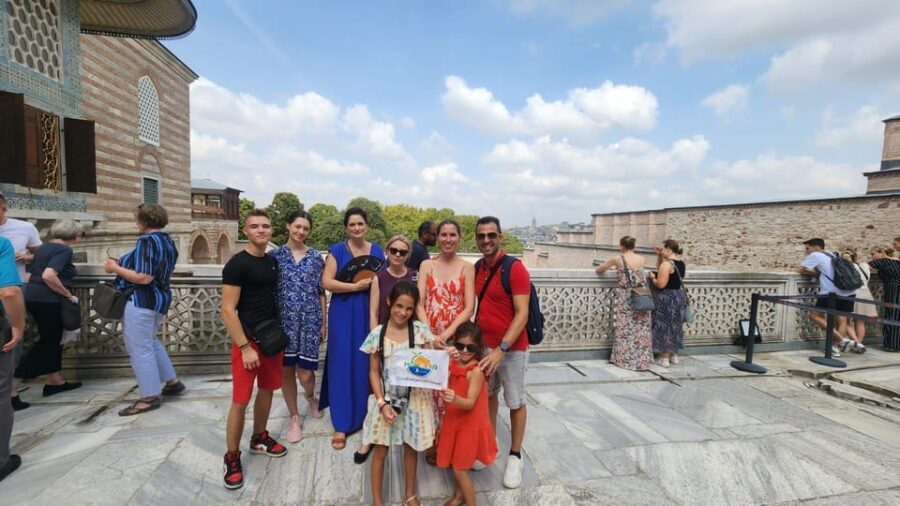
This tour fits best if you:
- Want an organized route through Istanbul’s top icons
- Like learning why buildings changed over time (Byzantine to Ottoman to modern-day function)
- Appreciate hearing the guide clearly, without fighting the crowd noise (headsets help)
It may not fit if you:
- Need wheelchair access or have mobility impairments—this tour is listed as not suitable for wheelchair users
If you’re comfortable walking and you like structure, you’ll likely enjoy how the tour compresses a lot of meaning into a short window.
A note on guides like Oktay
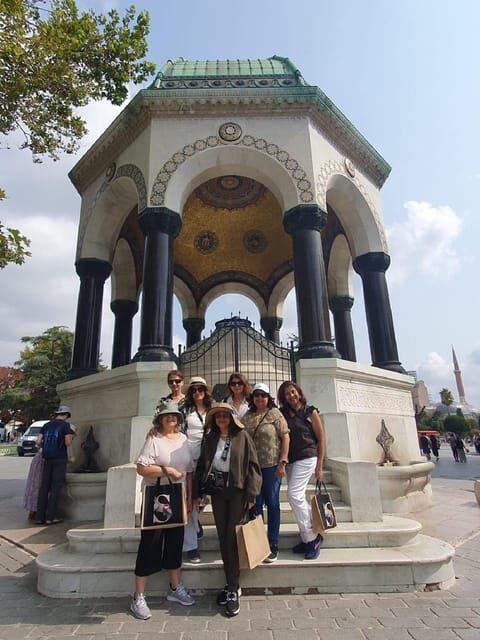
One of the standout themes from the experience is how much the guide matters. When the guide is clear and friendly, the whole day feels easier to process. If you’re lucky enough to get a guide like Oktay, you’ll likely appreciate the way he can point out the main monuments and explain the mosque, cistern, and Hagia Sophia stories in plain terms.
You can also treat this as a gentle tip: arrive with your questions in mind. Even simple ones like why something was converted, or what a specific architectural feature signals, can make the explanations land harder.
Should you book Blue Mosque, Hagia Sophia, Basilica Cistern and Hippodrom?
I’d book this tour if you want a guided, high-clarity Istanbul day where you don’t have to guess what you’re looking at. The headset inclusion and the guide-led storytelling are the big reasons. You’ll spend less time figuring out details and more time actually seeing.
Skip or rethink it if:
- You’re strict about controlling every ticket and entry yourself
- You expect skip-the-line entry for the Blue Mosque (it’s not included)
- You’re worried about mosque closures during prayer times (the Blue Mosque can shift to an exterior-only visit)
For most visitors, this is a strong value purchase for orientation plus interpretation—and those are exactly what you want when Istanbul’s top sights can otherwise feel like a blur.
FAQ
FAQ
How long is the tour?
The duration is listed as 1 to 3 hours, depending on the option and starting time availability.
What’s included in the tour price?
It includes an English-speaking tour guide, a Blue Mosque tour, a Hippodrom tour, and headsets to hear the guide better.
Are tickets included for Hagia Sophia and the Basilica Cistern?
No. Tickets for Basilica Cistern cost extra (30 Euro each), and tickets for Hagia Sophia cost extra (25 Euro each).
Is skip-the-line entry included for the Blue Mosque?
No. Skip-the-line entry for the Blue Mosque is not included.
What dress code do I need to follow?
Dress modestly: no shorts or sleeveless tops, and knees and shoulders must be covered for both men and women.
Are there restrictions on bags and photography?
Yes. Large bags or backpacks are not allowed inside Hagia Sophia and the Blue Mosque. Flash photography is not allowed inside Hagia Sophia.
Is the Blue Mosque open to tourists during prayer times?
No. During prayer times the Blue Mosque is closed to tourists, and visitors are given a tour of the exterior instead.