REVIEW · ISTANBUL
Byzantion Walk Path and City Walls of Istanbul
Book on Viator →Operated by Taha Guide of Turkiye · Bookable on Viator
Istanbul has plenty of sights that impress you fast. This walk-style tour slows you down so the Byzantine defenses make sense, gate by gate, wall by wall, ending with the art that explains why the Byzantines cared so much about skill and beauty. You’ll start near the famous landmarks, but most of the time you’ll be reading the city like a map in stone.
I love two things most: the licensed English guide who keeps the story clear, and the mix of stops where the wall sections are free admission while the Chora Museum is the only paid add-on. It’s a smart way to spend a few focused hours instead of cramming more tickets and bus rides into one day.
One thing to consider: this is a walking tour along historic routes. If you have leg problems or limited mobility, it may not be the best fit.
In This Review
- Key highlights you’ll feel right away
- Why Istanbul’s walls feel different than the usual sights
- Yedikule: the big wall section and the Golden Gate
- Silivrikapı: the gate that looks rebuilt on purpose
- Mevlanakapı and the Theodosian Walls: engineering you can picture
- Chora Museum: the paid finale and why the timing matters
- Guide quality and pacing in a private group up to 15
- Price and time: what $372.07 per group really means
- Practical tips: shoes, breaks, and using public transport
- Who should book this Byzantion walk?
- Should you book this tour
- FAQ
- What is the price for this tour?
- How long does the tour last?
- Where do we meet for the tour?
- What language is the tour offered in?
- Is this a private tour?
- Are admission tickets included?
- Is this tour okay if I have leg problems?
Key highlights you’ll feel right away
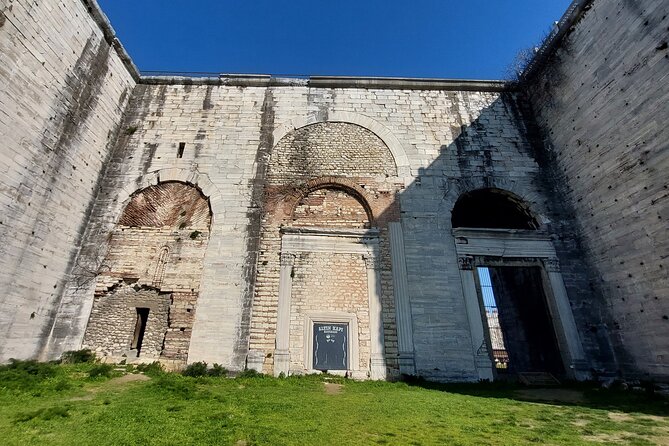
- Yedikule and the Golden Gate: a dramatic first look at the city’s wall power and Ottoman-era dungeons
- Silivrikapı: a Late Byzantine gate rebuild with irregular stone and brick bands
- Mevlanakapı and the Theodosian Walls: a walk that helps you picture a multi-layer siege defense system
- Chora Museum: the star stop for surviving Byzantine mosaics and frescoes, but plan around Friday closure
- Private group up to 15: a smaller setting that makes pacing and questions easier
Why Istanbul’s walls feel different than the usual sights
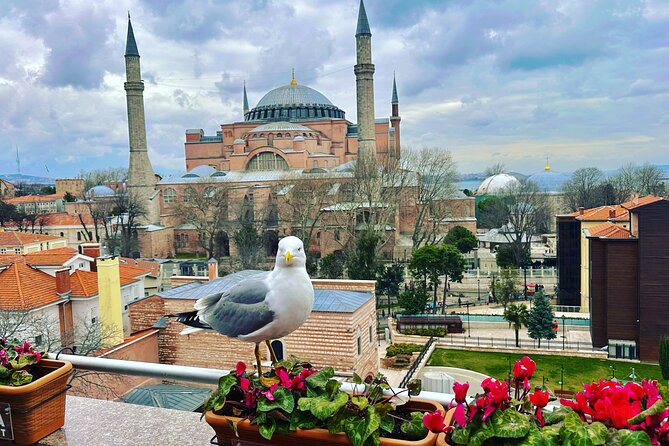
Most first-timers in Istanbul aim for domes and minarets. This tour gives you something tougher and more tactical: the built evidence of how Constantinople survived. Standing near the old gates, you can almost feel the logic of defense—where armies would slow down, where attackers would concentrate, and how the city expected trouble.
The wall story also connects two different sides of Byzantine life. On one hand, there’s engineering meant to stop cannons and siege engines. On the other, you end with the Chora Museum, where art from the 14th century shows a shift toward naturalism and human feeling. That contrast makes the day click.
You can also read our reviews of more tours and experiences in Istanbul.



Yedikule: the big wall section and the Golden Gate
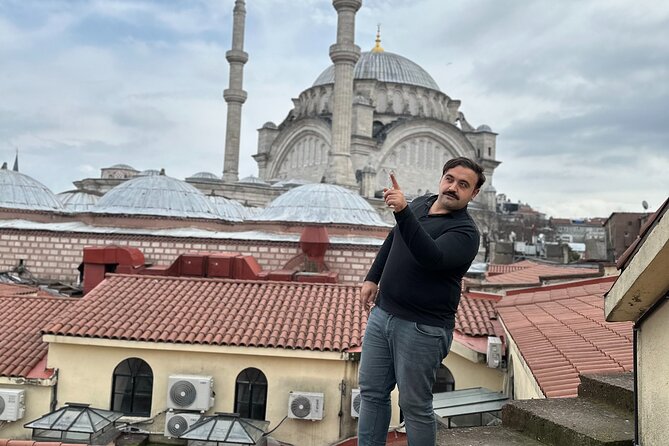
You’ll begin at Yedikule and focus on the biggest surviving portion of the city walls in that area, plus the Golden Gate. Even if you don’t know Ottoman history, the Yedikule zone has a heavy, real-world vibe because it’s tied to dungeons during the Ottoman period. That changes how you see the walls: they stop being an abstract monument and become part of a system that controlled people.
This stop is also your best moment to get oriented. Your guide can help you understand where this gateway fits into the larger defensive line. Since the admission ticket here is free, you can spend the full time simply walking, looking, and letting the guide’s story stitch it all together.
Practical note: plan to do this in good energy. The day works best when you let the first wall section set the pace for how you’ll interpret everything that comes after.
Silivrikapı: the gate that looks rebuilt on purpose
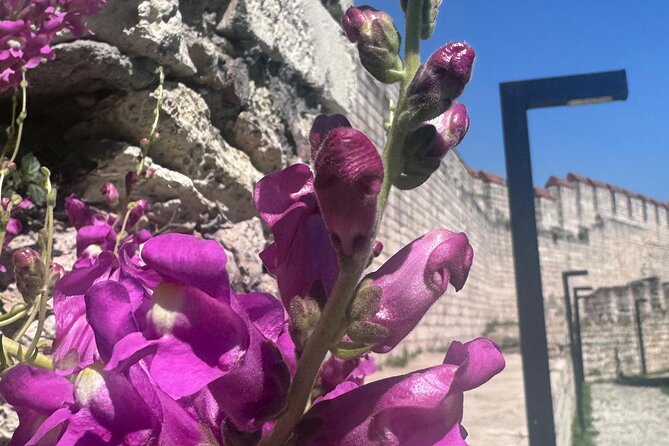
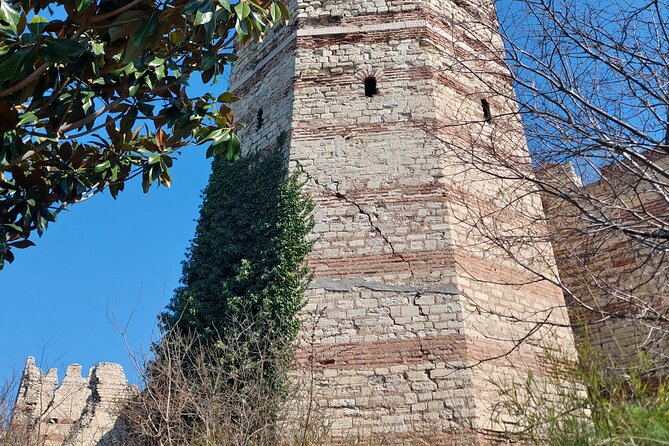
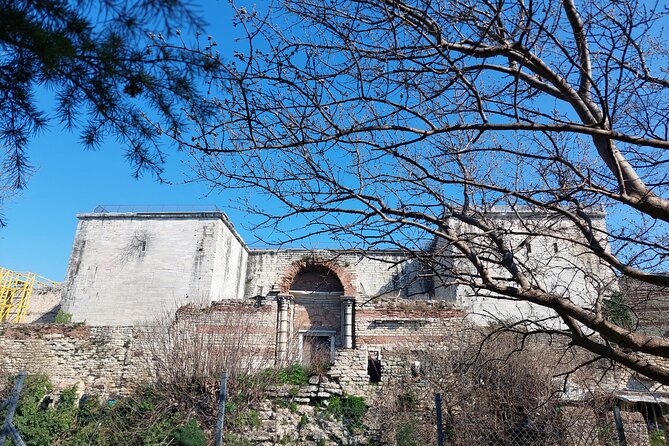
Next comes Silivrikapı, the main gate north of Belgrad Kapı. It sits between two polygonal gateway towers, and that shape matters. It’s not just decorative; polygonal towers help with angles and control, letting defenders cover approaches more effectively.
What I like here is the detail you can actually see. The gate was renewed in the Late Byzantine period using irregular stones and brick rows placed between. That means you’re looking at layered history in physical form, not just a single preserved snapshot. Your guide’s job is to point out these practical clues—where the rebuilding shows up and what it suggests about the city’s priorities when upgrades were needed.
This is a shorter stop, so it plays like a focused chapter. Don’t rush it. If you miss the visual cues of the rebuild, the gate becomes just another entrance in a long wall line.
Mevlanakapı and the Theodosian Walls: engineering you can picture
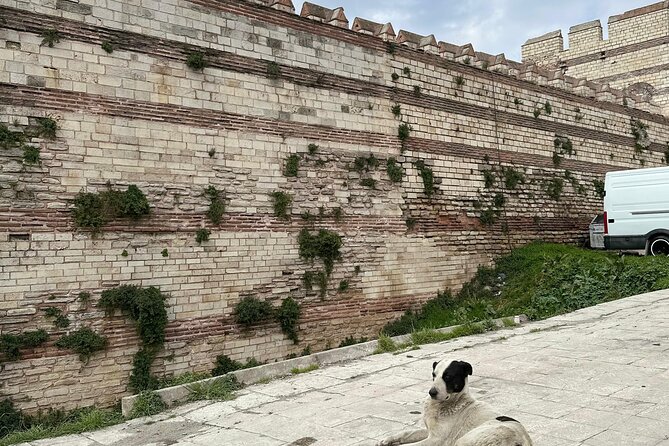
This is the heart of the “how did they defend a city” part of the day. Walking near Mevlanakapı, you’ll tackle the defenses that held off invaders for over a millennium. The main takeaway is that the Theodosian Walls were not a single barrier. Think of them as a system.
In plain terms, you get three layers to understand:
- a deep moat
- an outer defense wall
- a massive inner wall, about 12 meters high
That design wasn’t random. The idea was to absorb cannon fire and repel siege engines. Standing close to where those defenses sit, you can start connecting the geometry and the depth to the tactics. It’s a very different way to learn than reading facts on a screen.
This stop is also where your guide’s style matters most. The best guides make you picture what an attack would look like and how defenders could respond. In the past, guides like Taha have been especially praised for turning history into something you can mentally walk through, including with helpful check-ins for breaks.
This segment is free admission, which makes it a strong value anchor for the whole tour. Spend your attention here, not just your feet.
Chora Museum: the paid finale and why the timing matters
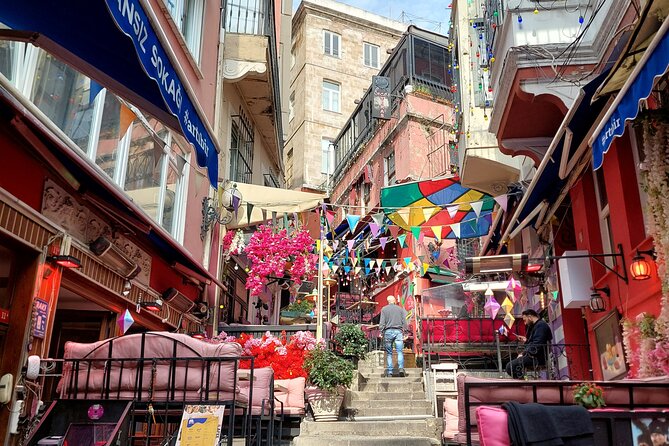
Chora Museum is the artistic capstone. The museum was originally the Church of the Holy Savior in Chora, and today it’s known for an outstanding surviving collection of Byzantine mosaics and frescoes. If you only do one indoor Byzantine art stop in Istanbul beyond the headline sites, this one is often the most satisfying for its sheer survival of original work.
Expect a “how the Byzantines changed” feeling. The mosaics and frescoes created in the 14th century are associated with the Palaeologan Renaissance, and a key change is how the artwork leans toward naturalism and human emotion. That shift can be hard to sense if you’re only looking at faces without context, so a good guide helps you notice what’s different about the later style.
Two practical points you must plan around:
- Admission to Chora Museum is not included in the tour price.
- The museum is closed on Fridays. If your trip lands on a Friday, you’ll need an alternate plan.
Your guide will spend about 1 hour 20 minutes here, which is usually enough time to see the major works without turning the visit into a rushed blur.




Guide quality and pacing in a private group up to 15
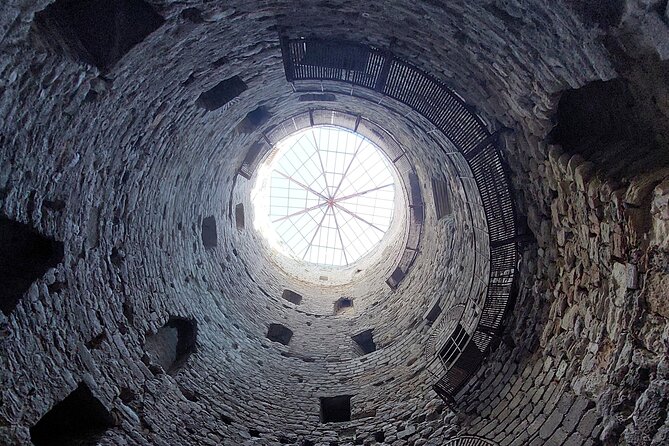
This is a private tour, which matters more than you’d think. You’re not trying to keep up with a crowd. The group size can go up to 15, and that usually means you get a calmer rhythm and more chances to ask specific questions.
The guide team is led by Taha Guide of Turkiye, and multiple names show up in the guide lineup, including Taha, Ally, and Taja. The common thread is what I’d want from any wall-and-art combination: clear storytelling, practical emphasis, and pacing that doesn’t steamroll your feet.
From what you can expect on tours like this, your guide will also check in about breaks. That’s a small thing, but it’s the difference between enjoying a walk and just getting through it.
If you’re traveling with mixed interests—someone who wants defense history and someone who wants mosaics—you’ll likely appreciate how the tour holds both threads.
Price and time: what $372.07 per group really means
The price is $372.07 per group for up to 15 people. That can sound steep if you think in per-person terms. But if your group size is near the top end, the cost drops quickly. Even at moderate group sizes, the guide time and the structure of four focused stops can make the day feel efficient.
Here’s the value logic I use:
- You get a licensed English guide for the whole experience.
- Three major wall/gate stops have free admission tickets.
- Chora Museum is the only stop with admission not included, so you’re not paying museum fees on top of every outdoor component.
As for duration, the tour is listed as about 1 to 5 hours. Realistically, your schedule will depend on your pace and how long you spend in each area. The typical stop durations add up to a few hours, and you’ll also have time for transit by taxi or public transportation between points.
If you’re thinking about fitting this into a broader Istanbul plan, treat it as a half-day that pairs well with a heavier museum day or an evening meal near Sultanahmet/Fatih.
Practical tips: shoes, breaks, and using public transport
You should come with moderate physical fitness. The tour is not recommended if you have leg problems. That’s the big eligibility signal to trust. Even if you can walk, the wall routes can be tiring, and the day’s best when you can keep a steady pace.
You’ll also want comfortable walking shoes with grip. The sites are outdoors, and you’ll be doing gate-to-wall walking rather than museum-floor strolling.
The meeting point is German Fountain Binbirdirek at Meydanı Cd, 34122 Fatih/İstanbul, Türkiye. Start time is 9:00 am, and the tour ends back at the meeting point. Because it’s near public transportation, you can likely reach the area without a private vehicle.
One more practical perk: service animals are allowed, which is helpful if you need that support during walking segments.
Who should book this Byzantion walk?
Book it if you want Istanbul’s old-world story told through the city’s defenses and its art, not just the big postcard sights. It’s a great match for:
- People who like history that explains strategy, not just dates
- Art lovers who want Byzantine mosaics and frescoes with context
- First-timers who want a structured, guided way to see less crowded wall sections
- Anyone who values a private-group pace so questions don’t get lost
It may not be the right pick if:
- You have limited mobility or leg pain
- You only want fully indoor sightseeing (most of this is outdoor walking)
- You’re visiting on a Friday without a flexible plan for Chora Museum (it’s closed Fridays)
Should you book this tour
Yes, if you want a day that feels focused and coherent. The best part is the pairing: the walls give you the logic of defense, and Chora Museum gives you the human side of Byzantine culture through surviving mosaics and frescoes.
If you’re deciding between this and another major museum tour, I’d lean toward this when you like “seeing how things work.” Even if you’re new to Byzantine history, the experience is designed to turn architecture into understanding, gate by gate. Just make sure your schedule avoids a Friday trip unless you’re prepared to swap the Chora Museum piece.
FAQ
What is the price for this tour?
The price is $372.07 per group, up to 15 people.
How long does the tour last?
It runs about 1 to 5 hours, depending on timing and pace.
Where do we meet for the tour?
The meeting point is German Fountain Binbirdirek, At Meydanı Cd, 34122 Fatih/İstanbul, Türkiye. The tour ends back at the meeting point.
What language is the tour offered in?
The tour is offered in English.
Is this a private tour?
Yes. It’s a private tour/activity, and only your group participates.
Are admission tickets included?
Admission is free for Yedikule, Silivrikapı, and the Mevlanakapı wall area. Chora Museum admission is not included.
Is this tour okay if I have leg problems?
No, it’s not recommended if you have leg problems. The tour requires moderate physical fitness. Service animals are allowed.