REVIEW · ISTANBUL
Dolmabahce Palace & Uskudar(Asian Side) Afternoon Tour
Book on Viator →Operated by Istanbul Walks · Bookable on Viator
That first ferry feeling is a treat. This Dolmabahçe Palace & Üsküdar afternoon tour strings together big Istanbul moments: hilltop views over both continents, Ottoman-era mosque stops, a stroll through the Üsküdar fish market area, then a guided walk through the last grand Ottoman showpiece at Dolmabahçe. I especially love the mix of sides and time periods, plus the way the guide ties architecture to real people. One fair warning: with Istanbul traffic and a tight 4-hour window, you should expect highlights, not every room at a slow pace.
Two things I like a lot: you get door-to-door hotel pickup/drop-off in an air-conditioned vehicle, and the tour includes the Dolmabahçe Palace entrance fee plus round-trip ferry transfers across the Bosphorus. The other big win is viewpoint time at Çamlıca Hill (268 meters / 879 feet up), where you can look over the Bosphorus Bridge, Bosphorus Strait, and the Golden Horn. The possible drawback is the time split: you’ll move through several stops quickly, and the palace tour is set for a limited duration.
To make this work well, you need the right mindset. Think: see the important parts, get great orientation, and ask questions while you’re there. If you’re the kind of person who wants to linger alone in one chapel for an hour, you might feel a bit rushed.
In This Review
- Key things to know before you go
- A short afternoon that hits both continents
- Çamlıca Hill: your Istanbul orientation, with real height
- How to use the hill time well
- Üsküdar mosques: Ottoman architecture with calmer energy
- Yeni Valide Mosque Complex
- Şemsi Pasha Mosque Complex (Mimar Sinan)
- Mihrimah Sultan Camii (Iskele Camii)
- The practical side
- Üsküdar fish market time: snackless culture-watching
- Crossing the Bosphorus by ferry, then seeing the Palace from the right side
- Dolmabahçe Palace: Ottoman grandeur with neoclassical style
- If you care about Ottoman state power
- Inside the palace: Medhal Hall, Crystal Staircase, and the Harem
- A key timing reality check
- Getting your money’s worth from a $276.57 afternoon
- When it’s a “yes” price
- When it’s a “think twice” price
- How traffic and pacing can affect your experience
- My practical advice
- Who should book this Dolmabahçe and Üsküdar afternoon tour
- A quick note on guides
- Should you book this afternoon tour?
- FAQ
- What time does the Dolmabahçe Palace & Üsküdar tour start?
- How long is the tour?
- Is hotel pickup and drop-off included?
- Are Dolmabahçe Palace tickets included?
- Does the tour include ferry rides?
- What happens if Dolmabahçe Palace is closed?
- How big is the group?
Key things to know before you go
- Çamlıca Hill views from 268 meters with Bosphorus Bridge and Golden Horn in sight
- Üsküdar mosque stops including Şemsi Pasha (Mimar Sinan) and Mihrimah Sultan (1546–1548)
- A guided Dolmabahçe Palace tour built 1843–1856, with highlights like the Medhal Hall and Crystal Staircase
- Atatürk details you can’t “Google” on the spot, including the fixed bedroom clock at 9:05
- Small-group feel with a maximum of 5 travelers
- Ferry day logistics handled for you, so you’re not juggling transport across the water
A short afternoon that hits both continents
This isn’t a “choose your own adventure” day. It’s built like a fast, curated route with transportation handled end-to-end. You start at 1:00 pm, get picked up from centrally located hotels, ride by coach, then you’ll cross the Bosphorus by ferry as part of the flow of the day.
What I like about the structure is that it forces good sightseeing logic. You don’t bounce randomly between neighborhoods. Instead, you build context: Asian side first, then you cross back toward Dolmabahçe on the European side. That order helps you understand what you’re seeing, not just collect photos.
You can also read our reviews of more tours and experiences in Istanbul.


Çamlıca Hill: your Istanbul orientation, with real height
The day begins with a drive to Çamlıca Hill on the Asian side. It’s not just a quick photo pull-over. You reach a summit around 268 meters (879 feet), and you get a clear line of sight over the Bosphorus Bridge and the Bosphorus Strait, plus the Golden Horn with its domes and minarets.
This stop is valuable because it gives you geography in a way a map can’t. Once you’ve seen the water channels and major bridge connection from above, it gets easier to picture the rest of your day as one connected place—not scattered neighborhoods.
How to use the hill time well
If the weather is clear, this is where you can slow down. I’d plan to:
- Pick one “anchor view” (bridge + waterline) and stay with it for a minute
- Take a wide photo first, then come back for close angles of minarets and skyline shapes
- Treat it as your mental reset before you head into mosques and palace interiors
Also, if you’re hoping for a relaxed pace, this is your best bet. It’s open-air, and there’s space to stretch your legs between stops.
Üsküdar mosques: Ottoman architecture with calmer energy
After the hill, you shift into Üsküdar, and that change in mood is part of the charm. Here you’re not only seeing famous structures—you’re walking into neighborhoods where daily life still does the talking.
You’ll visit key mosque complexes:
Yeni Valide Mosque Complex
This is an 18th-century Ottoman complex. Even with limited time, it helps you understand how Ottoman religious architecture evolved beyond the earliest imperial icons you might see elsewhere in Istanbul.



Şemsi Pasha Mosque Complex (Mimar Sinan)
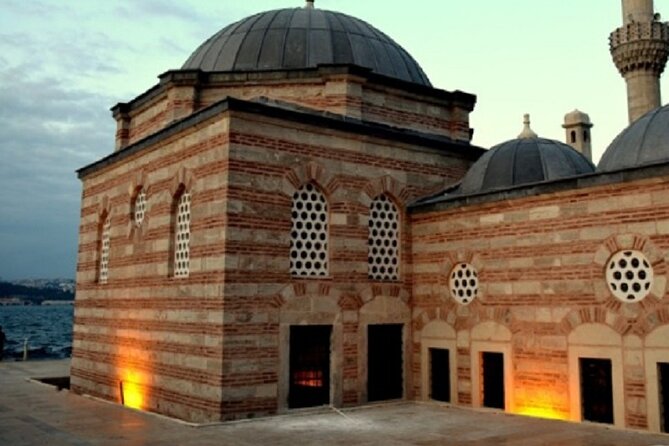
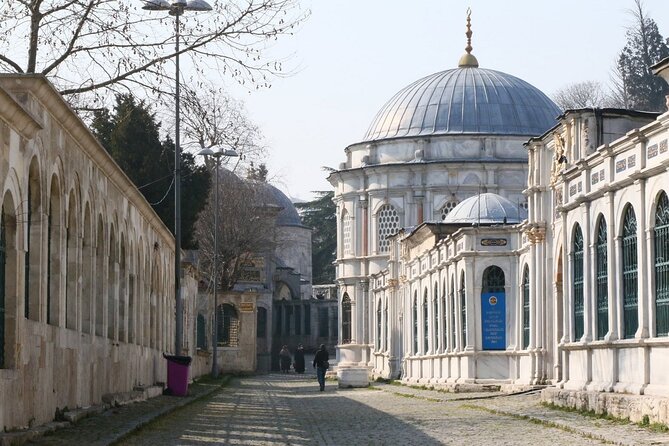
This one is a standout if you like architecture with pedigree. It was designed by Mimar Sinan for Grand Vizier Şemsi Pasha. Sinan’s work often feels controlled and purposeful: proportions make sense even when you’re moving quickly.
Mihrimah Sultan Camii (Iskele Camii)
This mosque is associated with Mihrimah Sultan and was designed by Mimar Sinan, built 1546–1548. It’s also known as Iskele Camii, which is a handy reminder of how these sites are tied to their waterfront neighborhoods.
The practical side
These mosque stops are typically short—think picture, glance around, and listen as your guide points out details. If you’re visiting for the art and design, you’ll enjoy it. If you want long quiet time for personal prayer or full museum-style pacing, you may want to pair this tour with an extra independent visit later.
Üsküdar fish market time: snackless culture-watching
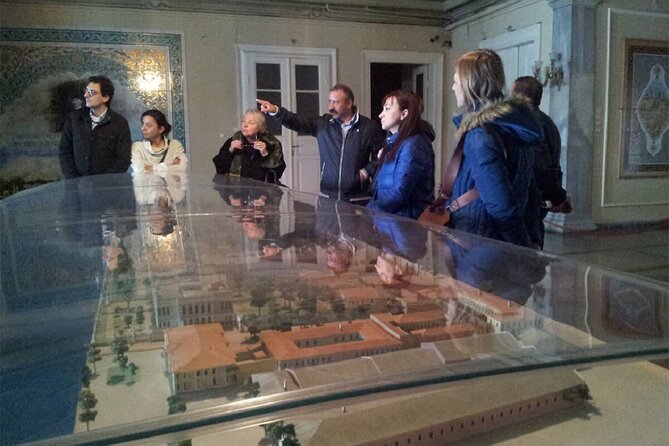
One of the tour’s stated joys is a stroll through the Üsküdar fish market area. This is where you get the everyday Istanbul layer: locals moving through routines, vendors doing their thing, and the water-adjacent rhythm of the neighborhood.
Your best strategy here is simple: keep your expectations flexible. You’re not on a food tour with a guaranteed tasting menu, and food isn’t included. But you can still enjoy it by:
- Treating it like a “people-and-place” walk
- Watching for color and activity you won’t see from a viewpoint
- Using the time to buy a drink if you want one on the way
If you’re sensitive to crowds, go slow. Market areas can feel busy, especially around peak hours.
Crossing the Bosphorus by ferry, then seeing the Palace from the right side
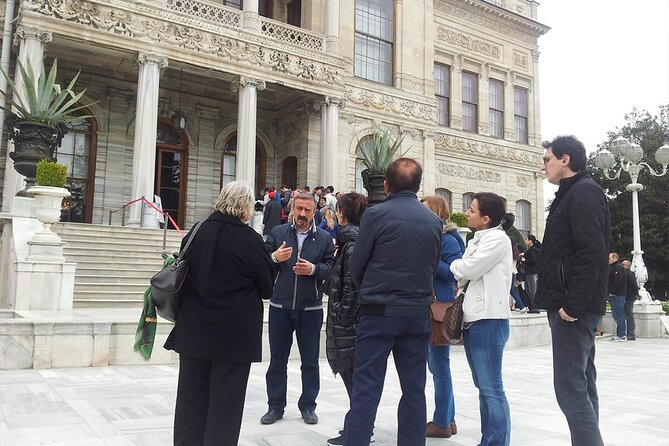
A big reason this tour works is the round-trip ferry transfer. Crossing by water changes how you experience Istanbul. From land, the skyline feels layered. From the ferry, the whole city becomes a moving stage—bridge angles, waterfront buildings, and long stretches of coastline.
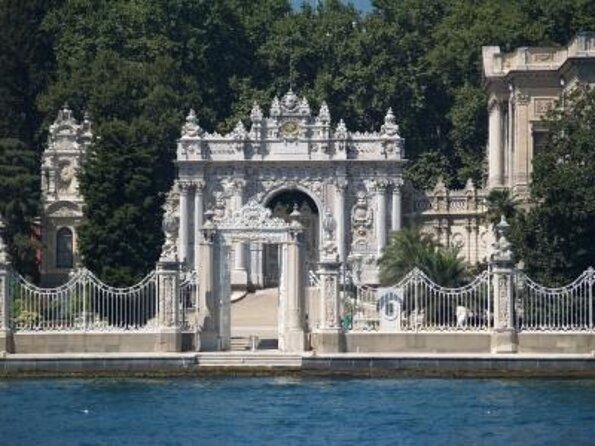
And then comes the pivot: after the ferry segments and the drive elements, you finally reach Dolmabahçe Palace on the European-side waterfront. That location matters. A palace like this doesn’t sit politely in the background. It’s meant to impress from the water approach as well as the streets.
Dolmabahçe Palace: Ottoman grandeur with neoclassical style
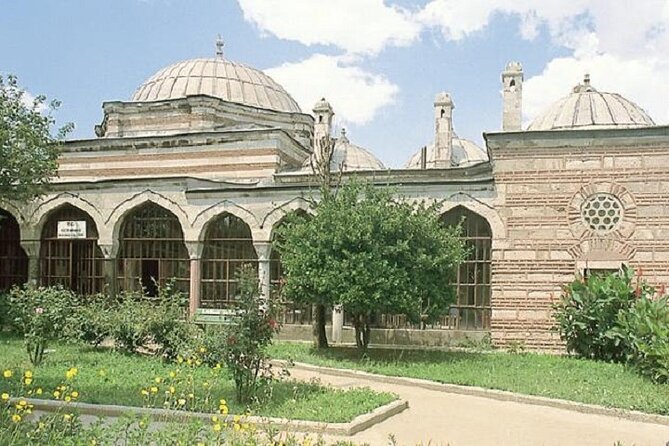
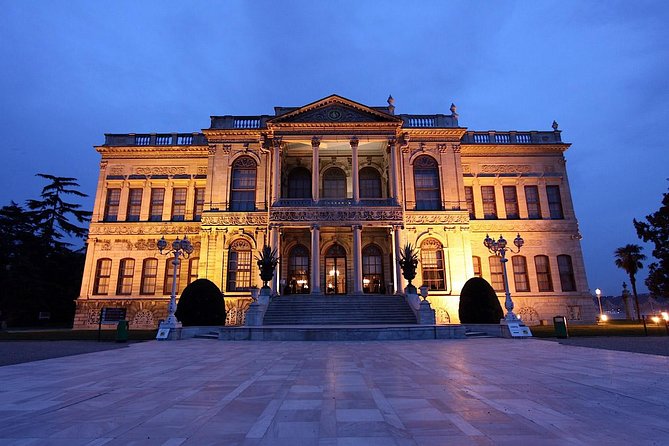
Now for the main event. Dolmabahçe Palace was built between 1843 and 1856, and it’s often described as a bridge between eras. This tour frames it that way: you’ll learn how it became one of the final grand Ottoman palaces, and you’ll see why its exterior and interior blend styles.
The look that most people notice first is the surface drama—ornate façade and a kind of formal theater. The guide’s job here is to help you read it. You’re not just staring; you’re learning why certain choices look the way they do.
If you care about Ottoman state power
Dolmabahçe is a strong stop because it connects people to place. The palace isn’t only about architecture. You’ll hear about the rulers who lived here, and you’ll get the story of how the building functioned at the center of authority.
Inside the palace: Medhal Hall, Crystal Staircase, and the Harem
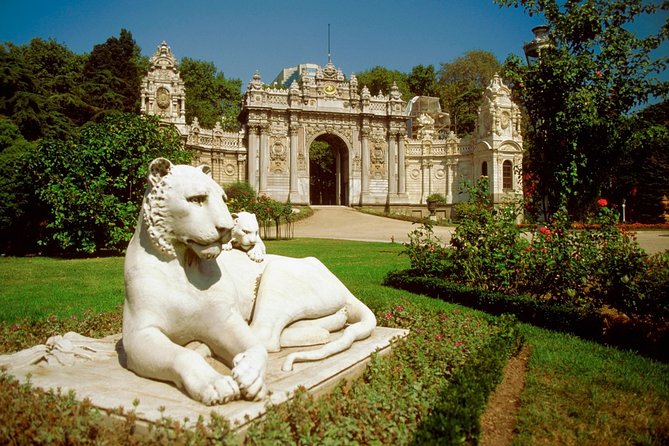
The guided portion is designed to hit the most talked-about interiors. You’ll spend about 2 hours at Dolmabahçe, and that time usually feels like a “best of” sprint through major rooms.
You’ll be shown highlights such as:
- Medhal Hall
- The Crystal Staircase
- The Harem section
Those names matter because they point you to what the palace does well. The Medhal Hall sets the ceremonial tone. The Crystal Staircase gives you that visual wow factor. And the Harem section helps you understand the palace as a lived-in space, not just an exterior monument.
A key timing reality check
This is exactly where the tour can feel great—or rushed—depending on your pace. If you’re someone who wants to read every plaque and linger in quiet corners, expect to feel time pressure. If you’re happy with a guided route that chooses the most meaningful rooms, you’ll likely feel satisfied.
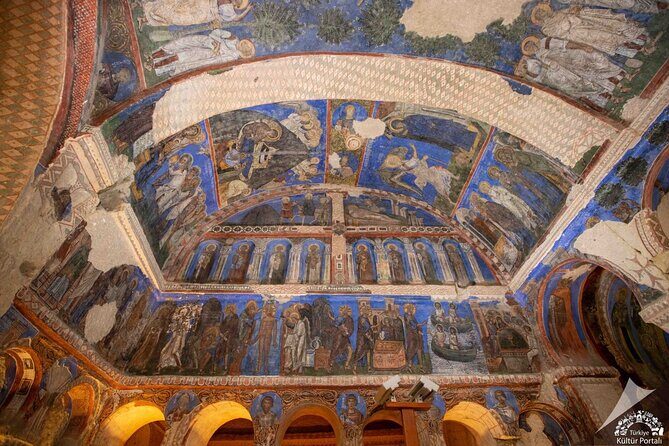
Also, there’s an operational detail to know. Dolmabahçe Palace is closed on Mondays and Thursdays. On those days, your visit is substituted with the Chora Museum. So if you’re planning around specific rooms at Dolmabahçe, check the day-of-week.
Getting your money’s worth from a $276.57 afternoon
Let’s talk value without pretending this is cheap. At $276.57 per person for about 4 hours, you’re paying for more than entry to a single sight.
What you’re getting that matters:
- Hotel pickup and drop-off in an air-conditioned vehicle
- English speaking licensed guiding
- Dolmabahçe Palace entrance
- Round-trip ferry transfers between Europe and Asia
If you tried to piece this together alone, the friction would start adding up quickly: getting yourself across the Bosphorus, organizing ferry timing, and finding a guide who can explain what you’re looking at inside Dolmabahçe. Here, those parts are already handled. That’s why the price can feel fair even if the day is short.
When it’s a “yes” price
This tends to make sense if you:
- Want a guided “highlights” version of Dolmabahçe
- Prefer not to spend your limited vacation time on transport juggling
- Like architecture and want context delivered in plain language
When it’s a “think twice” price
If your top goal is slow, solo exploring of palace rooms, a short guided format might not match your style. In that case, you might get more satisfaction doing Dolmabahçe at your own pace on another day.
How traffic and pacing can affect your experience
Istanbul is not shy about traffic. And this tour explicitly involves driving segments plus a ferry crossing. That combination can create uneven timing. In a best-case scenario, you’ll arrive feeling ready to enjoy each stop.
In a worse-case scenario, you’ll feel the day stretch out on the road, and then the sightseeing time becomes tighter. If you’ve never visited Istanbul, here’s the honest expectation: the city can turn a “short afternoon” into a longer one if roads are clogged.
My practical advice
- Wear comfortable shoes. Interiors and mosque areas usually mean standing and walking.
- Build in patience. Your guide can only steer so much.
- If something feels rushed, ask one or two pointed questions. You’ll get more meaning out of each minute.
Who should book this Dolmabahçe and Üsküdar afternoon tour
This tour is a strong fit for you if you want:
- A half-day structure that still feels like you saw real Istanbul, not just one landmark
- A combination of Asian side sights (Çamlıca Hill and Üsküdar mosques) and the big European-side finale at Dolmabahçe
- A guided experience in English with licensed professional guiding
It’s also a good choice if you like small-group sightseeing. The maximum group size is 5 travelers, which often means less waiting and more room to hear your guide clearly.
A quick note on guides
One Istanbul Walks guide name you may see mentioned in feedback is Elliyan. If you get a guide like that style—friendly and informed—you’ll probably feel the storytelling land well inside the palace.
Should you book this afternoon tour?
I’d book it if your goal is a smart “first hit” at Dolmabahçe plus a meaningful slice of Üsküdar. The included ferry, palace entry, and pickup make it a tidy package, and the Çamlıca Hill viewpoint is a great way to reset your bearings.
I’d pass or adjust expectations if you’re the type who wants to linger for hours in one place. This is timed. It’s designed to show you the highlights and move on. Also, if you’re traveling on Mondays or Thursdays, note the Dolmabahçe closure and the Chora Museum substitution so you don’t end up disappointed.
If that sounds like your travel style, you’ll likely enjoy how the day flows—from height and water views, to quiet architectural moments, to the grand finish at Dolmabahçe.
FAQ
What time does the Dolmabahçe Palace & Üsküdar tour start?
The tour starts at 1:00 pm.
How long is the tour?
It runs for about 4 hours.
Is hotel pickup and drop-off included?
Yes. The tour includes complimentary hotel pickup and drop-off from centrally located hotels.
Are Dolmabahçe Palace tickets included?
Yes. Dolmabahçe Palace entrance fee is included.
Does the tour include ferry rides?
Yes. It includes round-trip ferry transfers between Europe and Asia.
What happens if Dolmabahçe Palace is closed?
Dolmabahçe Palace is closed on Mondays and Thursdays. On those days, the visit is substituted with a Chora Museum visit.
How big is the group?
The tour has a maximum of 5 travelers.