REVIEW · ISTANBUL
Escorted 10 Days Tour of Istanbul, Cappadocia, Ephesus and Pamukkale
Book on Viator →Operated by Ada Vegas Travel · Bookable on Viator
Turkey rewards anyone who lets someone else handle the logistics.
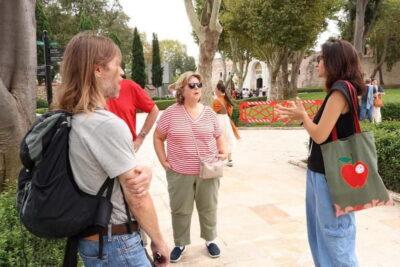
I like this kind of tour because it ties together the big icons without making you run around with a spreadsheet. In practice, you’ll move with a licensed guide (names I’ve seen tied to this route include Emrah and Murat) and a driver team that handles the handoffs between cities and airports. With a small max group size, it also feels more human than the big-bus model.
I love that you get 9 nights of lodging plus the essential transfers and guided sightseeing, so you spend your energy on the sights instead of planning. I also love the built-in rhythm: Istanbul’s monuments first, then the Aegean ruins, then the otherworldly Cappadocia caves and valleys.
One drawback to consider: this is a “see a lot” itinerary, so expect travel days with flights and early starts. And if you’re picky about time on every stop, note that some past guests felt the Pamukkale portion could be tight, and one mentioned the Istanbul hotel location wasn’t as central as they hoped.
In This Review
- Key things I’d mark on your mental map
- Value Check: What you’re actually buying for $4,500
- Arrival and orientation in Istanbul: you start calm, not stressed
- Sultanahmet in one packed day: Hippodrome, Blue Mosque, Topkapi, Hagia Sophia, Grand Bazaar
- Bosphorus Strait day: spice bazaar first, then Europe meets Asia
- Kusadası as your launch pad: a breather before Ephesus
- Ephesus day: the Library of Celsus plus a whole ancient city working together
- Pamukkale and Hierapolis: travertines, gates, and the time trade-off
- Cappadocia arrival by flight: Kayseri in, cave hotel out
- Goreme, Dervent, Pasabag, plus crafts shopping with a guide
- Kaymaklı Underground City and the Uchisar–Pigeon Valley route
- Back in Istanbul: a last night to breathe and sort photos
- Price and logistics: the real pros and cons of a flight-heavy route
- Who should book this 10-day Turkey tour
- Should you book this tour?
- FAQ
- How long is the Turkey tour, and where does it start and end?
- What’s the price per person?
- Do you offer airport pickup, and do I get a mobile ticket?
- What meals are included?
- Are dinner or drinks included?
- How many people are in the group?
- Are entrance tickets included for key sites like Topkapi Palace and Hagia Sophia?
- Is the tour refundable if I cancel?
Key things I’d mark on your mental map
- Max 15 people: small enough for questions, big enough to feel social
- Big-ticket sights included: Topkapi Palace and Hagia Sophia admission are marked as included
- Two continents day: Bosphorus Strait plus an Egyptian bazaar stop
- Cappadocia cave hotel: your stay shifts from city comfort to rock-cut rooms
- Ephesus + Hierapolis combo: ancient cities across two different kinds of ruins
- Crafts shopping with guidance: you’re taken through carpet weaving, leather, and jewelry
Value Check: What you’re actually buying for $4,500
At $4,500 per person, you’re paying for convenience plus coverage. This price isn’t just “a guide standing next to you.” It’s tied to 9 nights accommodation, local licensed tour guiding, and all transfers, including the domestic flights that make Cappadocia and the Aegean region work inside 10 days.
On top of that, key meals are included: breakfast is included 8 times and lunch is included 6 times. Dinner is not included, and drinks aren’t included either. So the smart way to think about the cost is: you’re buying the structure of the trip—where you sleep, how you get there, and which major stops have staff and timing around them—then you’re still free to choose dinners at your own pace.
Is it worth it? For most people, yes, if you want to see Istanbul + Ephesus + Pamukkale + Cappadocia without planning the flights, transfers, and day tours yourself. If you’re the kind of traveler who likes to build every day from scratch, this may feel pricey. But if you want fewer logistics headaches and more sightseeing, the bundle makes sense.
One more practical note: the tour is capped at 15 travelers and requires a minimum of 2 people per booking, which usually helps keep the experience from turning into a chaotic assembly line.
You can also read our reviews of more tours and experiences in Istanbul.


Arrival and orientation in Istanbul: you start calm, not stressed
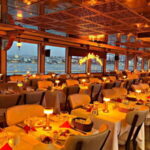
Day 1 is simple on purpose. You land at Istanbul Airport, meet a professional driver, and transfer to your hotel in Istanbul. That matters more than it sounds. Istanbul traffic can be unpredictable, and having that first transfer handled means you can focus on getting settled.
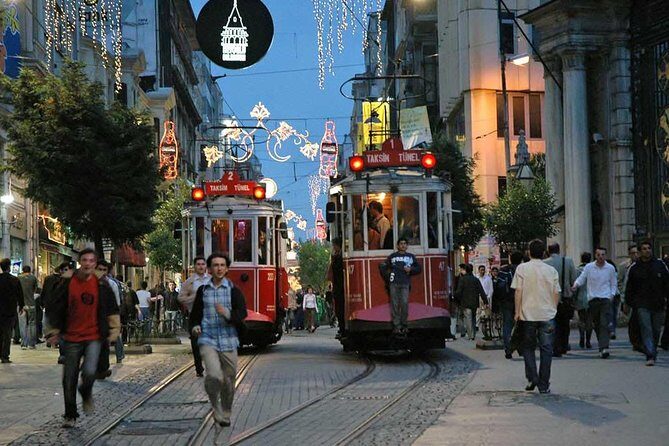
From there, the trip’s base rhythm is built around Istanbul’s Old City core. You’ll spend the first full day in and around Sultanahmet, where the major monuments cluster. Later, you’ll also get a Bosphorus day that changes the scenery fast—sea views, the Europe–Asia feeling, and a different kind of Istanbul street life.
If you’re sensitive to hotel location, do note one past comment: one guest said the Istanbul hotel felt far from the center with long travel times. Your final Istanbul night is described as being in a more central hotel, but the day-one location can vary, so it’s worth expecting that trade-off.
Sultanahmet in one packed day: Hippodrome, Blue Mosque, Topkapi, Hagia Sophia, Grand Bazaar
This is the day that most people come to Istanbul for. It’s also the day with the densest “wow” factor per hour.
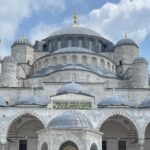
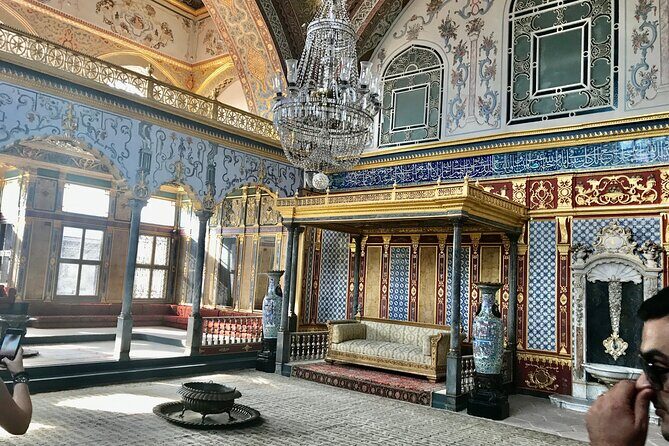
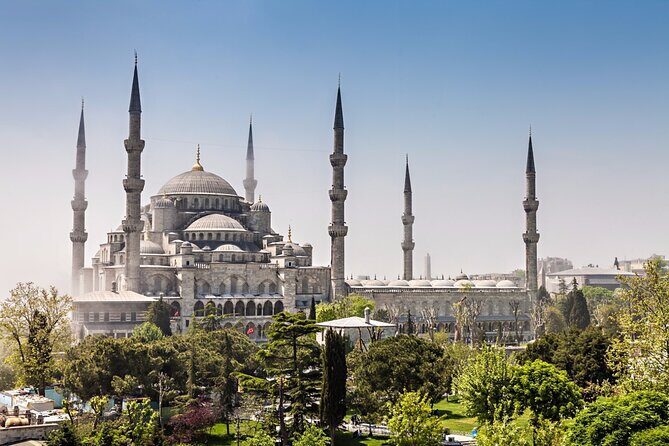
You start at the Hippodrome, an area tied to the city’s long timeline. Then the tour moves into the heart of Ottoman and Byzantine power: the Blue Mosque (famous for its Iznik blue tiles), followed by Topkapi Palace. Topkapi gives you that scale shift—from sacred sites to the Ottoman court world. Admission for Topkapi is marked included, so you’re not getting tugged into last-minute payment decisions.
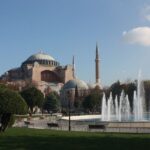
Next is Hagia Sophia (Ayasofya). You’re not just seeing a building. You’re seeing an architectural argument made in stone: how empires remake spaces while still borrowing each other’s ideas. Admission is marked included here as well, which is a relief on a day like this.
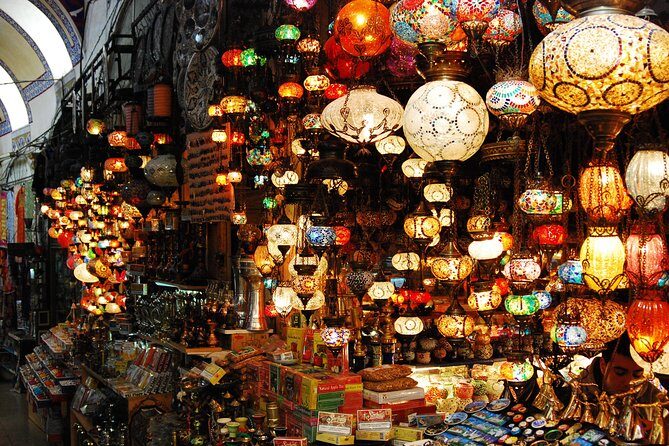
Finally, you end in the Grand Bazaar, one of those places where your brain has to learn a new kind of pacing. It’s large and older than modern shopping malls in every way that matters. You get time for browsing and bargain hunting, and you’ll likely find it easier when you’re not doing the navigation alone.
Time reality check: this is a long day. Even with included admissions, you’ll still want to pace yourself—especially if you’re sensitive to walking on uneven stone or standing for photos.
Bosphorus Strait day: spice bazaar first, then Europe meets Asia
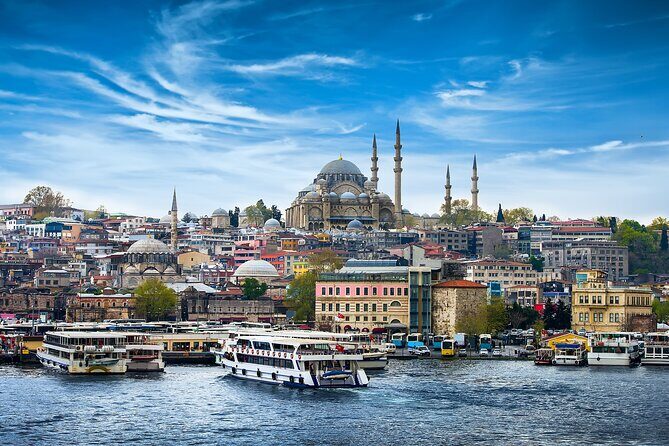
The Bosphorus day is the change of pace you need after temple and palace intensity. You begin with a quick stop at the Egyptian Spice Bazaar, which is a sensory warm-up: stacks of spices, dried fruits, sweets, and the kind of smells that make the rest of the trip feel more local.
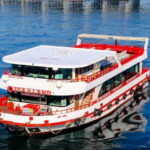
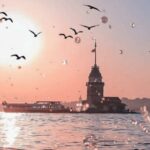
Then you’ll cross between two continents, Europe and Asia. That’s not a gimmick here—it’s part of Istanbul’s identity. You’ll get views that make the city feel like it’s stitched together by water and history at the same time.
One nice benefit of doing this with an escorted tour is timing. Bosphorus crossings and the best viewing windows are easier when someone else manages the “when” and “where.”
Kusadası as your launch pad: a breather before Ephesus
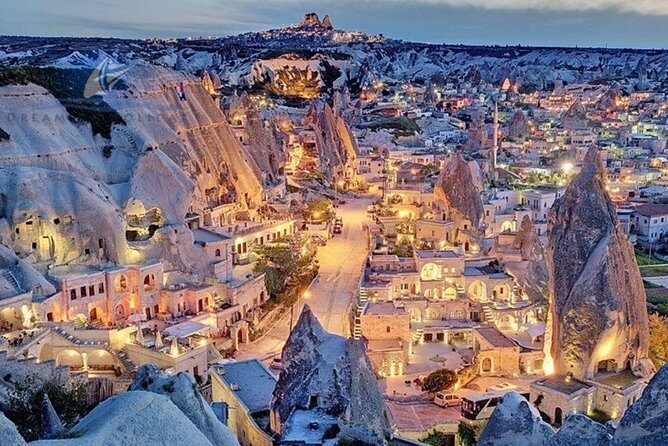
After breakfast on Day 4, you transfer to the airport and fly to Izmir, then continue to Kuşadası. The rest of the day is at your leisure.
This is a smart structure. It prevents your first ruin day from feeling like Day 1 energy in a different city. You arrive, drop bags, and get time to reset. Kusadası is also a practical base for the Ephesus region, so you’re not wasting time with long-distance daily commutes.
If you want to maximize your evening, use the free time to simply walk, eat something local, and let your body catch up. With this kind of itinerary, doing nothing can be a good move.


Ephesus day: the Library of Celsus plus a whole ancient city working together
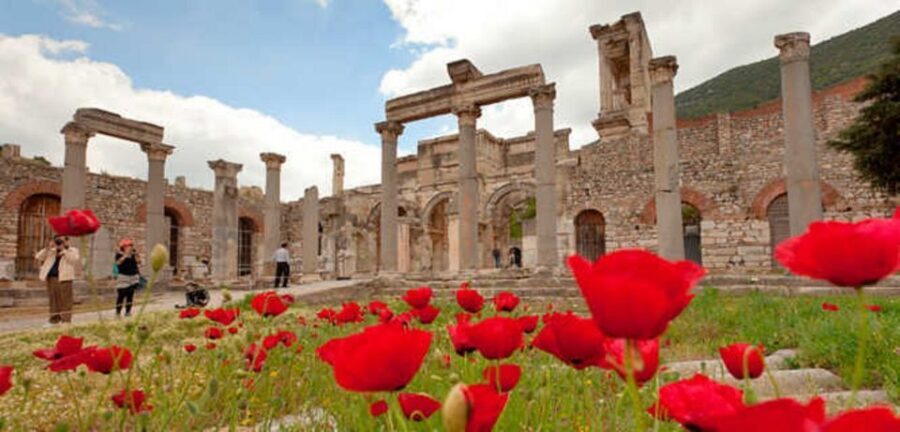
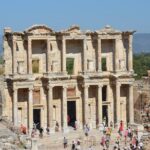
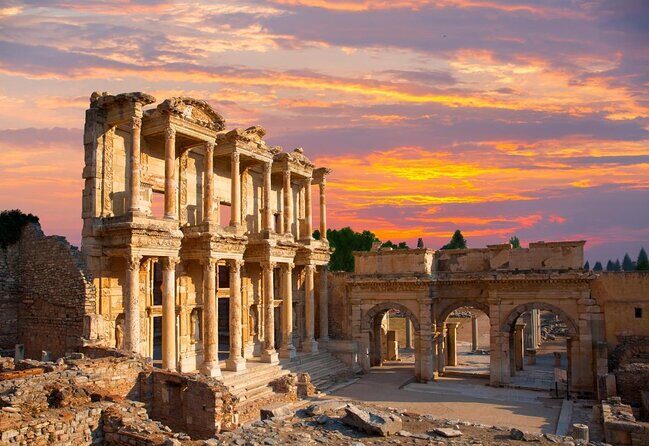
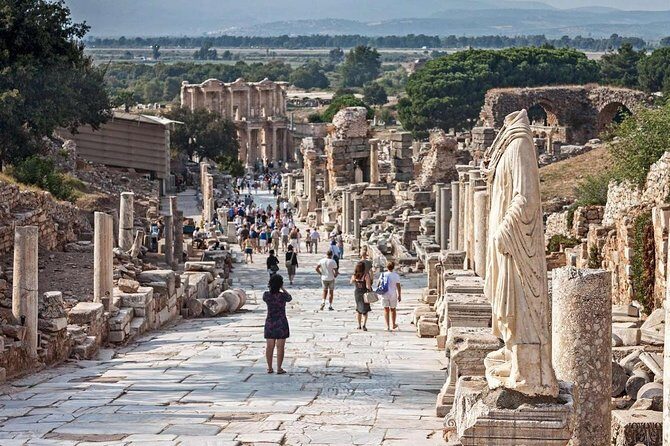
The Ancient City of Ephesus day starts at 09:00, and it earns its reputation. Ephesus was a major commercial hub with serious wealth behind it, and you can see that in the way the ruins fit together as one urban machine—public spaces, theaters, and buildings designed for movement and crowd life.
You’ll tour through the areas that most people dream about: the Theatre, gymnasium, agora, baths, and the Library of Celsus. This isn’t just a photo stop. The site reads differently when you’re walking it with someone who can connect what you’re seeing to how Ephesus functioned.
Admission is marked included for this day too, which helps the flow. After the guided portion, you’ll have free time to relax in the evening.
Possible drawback: Ephesus days can feel long. Ruins take time. You’ll likely want a slow pace for the details even if the group pace is faster.
Pamukkale and Hierapolis: travertines, gates, and the time trade-off
Pamukkale is on another level for visuals. This day is built around two UNESCO-level ideas: the terraces and thermal travertines at Pamukkale, plus the ruins of Hierapolis.
You depart for Pamukkale at 09:30. Before the famous white terraces, you’ll visit parts of the Hierapolis complex like the Domitian Gate, Colonnaded Gate, and a cathedral area. You’re essentially seeing how a city’s power and planning looked when Greeks and Romans still shaped what people built.
Then comes the signature stops: the Pamukkale Museum and the actual travertines. You’ll also hear about Karahayit, including the red waters. Admission is marked included, and lunch is part of the day’s structure.
Here’s the realistic trade-off: the stop is popular, and it can be time-pressured inside a 10-day schedule. One past guest specifically noted they had little time for Pamukkale. So if Pamukkale is your top “must-do,” go in knowing you may not get the kind of slow, lingering you’d do if you were staying nearby for longer.
On the plus side, doing it as part of a package saves you the hassle of finding transport, booking the right day, and figuring out sequencing. And the payoff is worth it.
Cappadocia arrival by flight: Kayseri in, cave hotel out
After breakfast, you fly from Izmir to Cappadocia, routed through Kayseri. When you land, you’ll be taken from Kayseri Airport to your cave hotel.
That cave hotel detail matters. You’re switching from city rooms to rock-cut spaces. Even if the amenities are the same as modern hotels, the building style changes how the whole trip feels. You’ll likely sleep better that first night because the day ends with less city bustle and more “in the rocks” quiet.
The rest of the day is yours to explore at leisure. Use it simply: a walk around your area, dinner on your own schedule, and maybe an early night.
Goreme, Dervent, Pasabag, plus crafts shopping with a guide
This is a guided Cappadocia day with several of the headline valleys and landmarks.
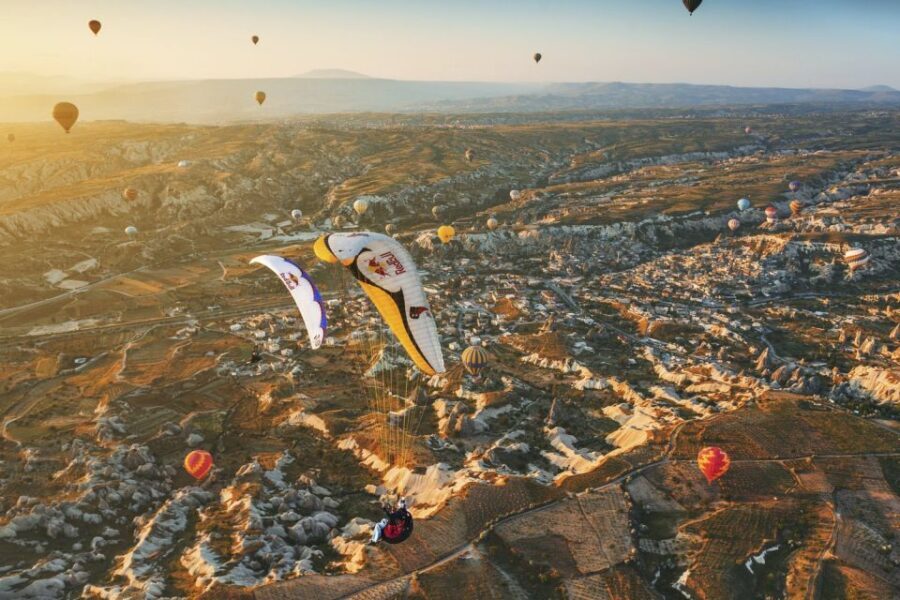
You start after breakfast with Göreme Open Air Museum, then move to Dervent Valley and Pasabag Valley. This is the “fairy chimney” side of the region: rock shapes, carved areas, and viewpoints where your camera gets a real workout.
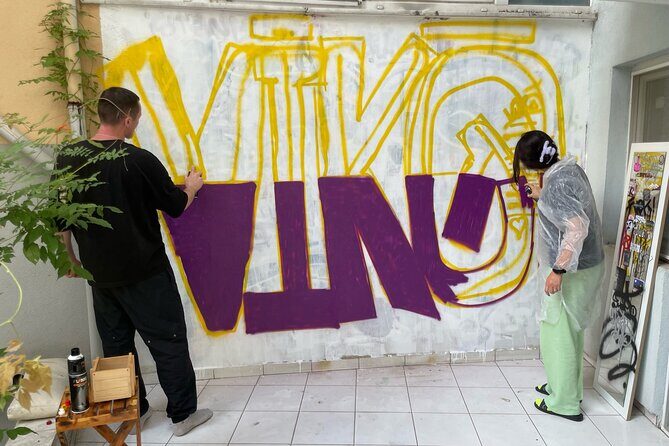
Lunch is included on this day, and then you’ll go to a shopping tour with guided explanation of ancient crafts. The stops mentioned include carpet weaving, leather manufacturing, and jewelry. The big practical advantage: you’re guided through these places so you’re less likely to get steamrolled by sales pressure while you’re trying to understand what you’re seeing.
If shopping isn’t your thing, you can still treat it as cultural learning. Just set a budget and decide what you’d actually bring home.
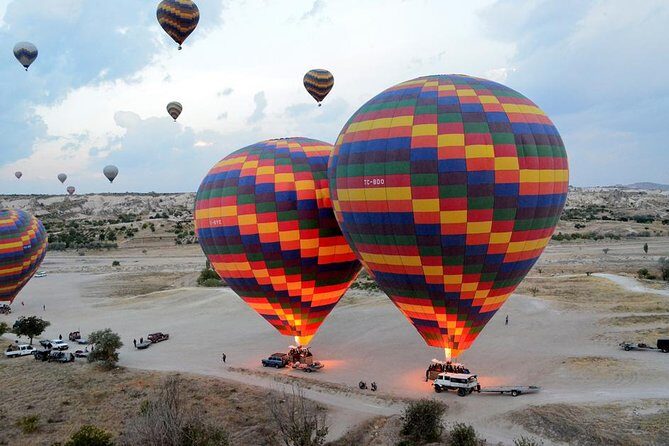
There’s also a note about optional hot air ballooning before the tour begins, with the balloon ride starting at sunrise. The itinerary itself doesn’t list ballooning as part of the main day flow, so you should treat it as an add-on you’d coordinate separately.
Kaymaklı Underground City and the Uchisar–Pigeon Valley route
Day 9 is another Cappadocia highlight day, but with a different kind of wonder.
You visit Kaymaklı Underground City, described as a place where Christians hid from Roman armies and raids. The site includes halls used for crops and self-sufficient living: barns, rooms, kitchens, and ventilation channels. It’s the kind of underground architecture that makes you understand how people adapted when safety meant depth.
After that, the tour includes Uçhisar Castle, Avcılar, and Pigeon Valley. Pigeon Valley is famous in Cappadocia for a reason: it’s visually distinctive, and it connects the “living in rock” theme to the land itself.
Then you shift back toward Istanbul. After the tour, you rest at the hotel and have a free afternoon until your transfer to the airport. You fly back to Istanbul, and then check into a central hotel for your final overnight.
That final night is valuable. With a trip like this, you’ll be grateful for a base where you can get dinner at a normal hour and stop answering your own internal “did we do enough today?” questions.
Back in Istanbul: a last night to breathe and sort photos
You don’t get another full Istanbul monument day on Day 10. You check out after breakfast and head home.
So use the day before wisely. Your final evening is your chance to do something simple in Istanbul: eat well, take a slower walk, and let what you saw settle in. With Istanbul, the best memories often come after the major stops, when you’re just enjoying the city’s atmosphere and your feet aren’t required to sprint.
Price and logistics: the real pros and cons of a flight-heavy route
Let’s be honest: this tour works because it uses air travel between regions.
You fly to Izmir then continue to Kusadası, then fly again to Cappadocia via Kayseri, then fly back to Istanbul on Day 9. That’s efficient, but it also means you’ll be managing airport transfers and the general energy cost of travel days.
Here’s what you gain:
- Less time stuck in transit than you’d likely face with only road travel
- More days with real sightseeing (Ephesus, Pamukkale, multiple Cappadocia stops)
- Clear coverage with licensed guiding at the major sites
Here’s what you might not love:
- The itinerary can feel full, and some stops might not get as much slow wandering time as you’d like
- Your hotel experience can vary by location, and at least one past guest flagged this in Istanbul
If you can accept that trade-off, the structure is a strong value.
Who should book this 10-day Turkey tour
This one fits best if you:
- Want major sights in Istanbul, Ephesus, Pamukkale, and Cappadocia without heavy planning
- Like the idea of guided days paired with some leisure time (Kusadası evening, Cappadocia free time, final Istanbul day)
- Prefer a small group up to 15 people rather than a big crowd
- Are comfortable with domestic flights as part of the trip style
It’s less ideal if you:
- Plan to spend lots of extra time at one site and don’t want your schedule nudged
- Need fully guaranteed hotel location details at booking (a review noted distance from the center)
Should you book this tour?
If your goal is to see Turkey’s headline highlights with minimal stress, this tour is a strong choice. The package includes the hardest part to organize yourself: long-distance movement plus the guided sightseeing that makes the sites easier to understand.
My decision rule is simple: if you want an organized Turkey route where someone else handles transfers and timing, book it. If you want total freedom and you don’t mind planning flights and day tours one by one, you can probably build a cheaper DIY version. But that DIY usually costs you time and mental energy.
If you do book, pick your priorities ahead of time. For many people, that means deciding whether Pamukkale or Ephesus is your top “slow-down” stop, then mentally accepting that other sites will be viewed at touring pace.
FAQ
How long is the Turkey tour, and where does it start and end?
It’s a 10-day escorted tour that starts and ends in Istanbul, making it convenient for flight connections.
What’s the price per person?
The price is $4,500.00 per person.
Do you offer airport pickup, and do I get a mobile ticket?
Pickup is offered, and you receive a mobile ticket.
What meals are included?
Breakfast is included 8 times, and lunch is included 6 times.
Are dinner or drinks included?
No. Any dinner and drinks are not included.
How many people are in the group?
The tour has a maximum of 15 travelers.
Are entrance tickets included for key sites like Topkapi Palace and Hagia Sophia?
Yes. Admission is listed as included for Topkapi Palace and Hagia Sophia.
Is the tour refundable if I cancel?
No. This experience is non-refundable and cannot be changed for any reason.