REVIEW · ISTANBUL
Fire of Anatolia – Istanbul, Cappadocia, Pamukkale, Ephesus, Troy
Book on Viator →Operated by Fez Travel · Bookable on Viator
Turkey hits hard in 11 days. Fire of Anatolia strings together the big icons (Istanbul, Cappadocia, Pamukkale, Ephesus, Troy) plus Gallipoli, with an English-speaking guide and entrance fees handled for you. It’s also capped at 20 travelers, which keeps the experience from feeling like cattle-class.
I especially like how the guides work with the group in real time. Irem adapted the pace to fit your needs and kept answers coming without making you feel hurried, and Fatih Karci is the type who adds small details that make stops feel more human.
The main consideration is the pace: you’ll travel between regions and do real walking in historic sites, so comfortable shoes matter.
In This Review
- Key Things I’d Prioritize on This Tour
- Istanbul Days: Topkapi, Blue Mosque, Hagia Irene, and the Hippodrome
- Bosphorus Ferry Time and a Smooth Switch Toward Cappadocia
- Cappadocia: Goreme Valley, Fairy Chimneys, and Underground Levels
- Konya: Rumi at the Mevlana Museum and Çatalhöyük’s Neolithic Clues
- Pamukkale’s White Terraces and the Hierapolis Ruins Nearby
- Laodicea and Leather Craft Time in the Lycus River Valley
- Ephesus With a Guide: Artemis, Celsus, the Amphitheater, and the Museum
- Pergamon Acropolis and Troy’s UNESCO Story With the Troy Museum
- Gallipoli WWI Battlefields: Lone Pine, Chunuk Bair, ANZAC Cove, and Trenches
- Istanbul Wrap-Up and Airport Transfer for Your Onward Flight
- Price and Value: What You Get for $2,802.68 and What Still Costs Extra
- Who This Tour Fits Best (and Who Might Feel the Strain)
- Should You Book Fire of Anatolia?
- FAQ
- How long is the Fire of Anatolia tour?
- Where does the tour start and end?
- Do you get pickup?
- How big is the group?
- Are entrance fees included?
- Are meals included?
- Are there optional activities?
Key Things I’d Prioritize on This Tour
- Small group size (max 20) so you can ask questions in crowded venues
- English-speaking guide for the full trip, not just one city
- Istanbul to Cappadocia includes a flight, so you lose less time to long transit days
- Two big UNESCO stops with museum time: Ephesus and Troy (including the Troy Museum)
- Gallipoli WWI sites by name, including Lone Pine, Chunuk Bair, ANZAC Cove, and more
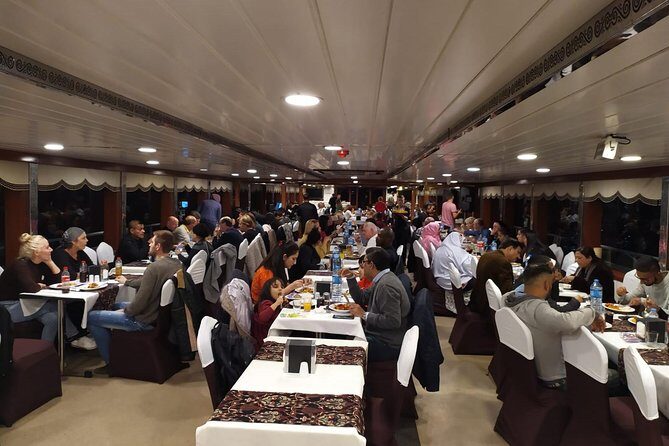
- Optional add-ons like a Turkish folklore evening in Cappadocia and a Bosphorus cruise
Istanbul Days: Topkapi, Blue Mosque, Hagia Irene, and the Hippodrome
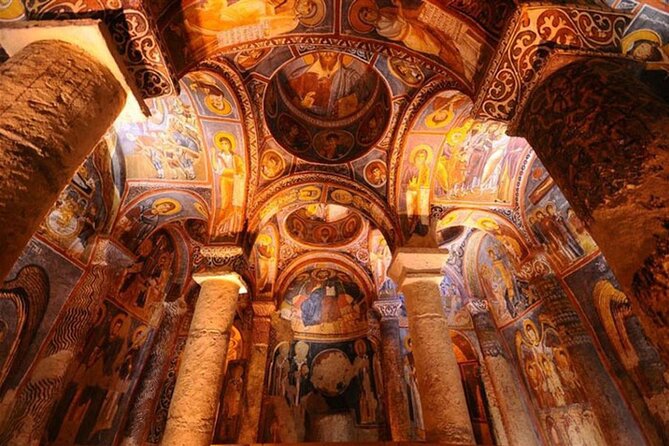
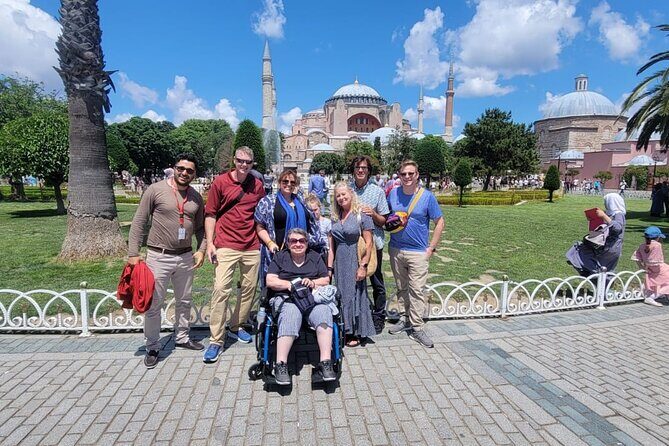
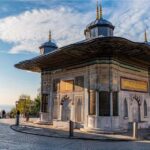
Istanbul on this tour isn’t just a photo run. You get guided time at Topkapi Palace, and the visit includes Hagia Irene, which many people skip on their own because it’s harder to plan around. The main idea here is simple: you see the major sights while your guide handles the what-to-look-for details.
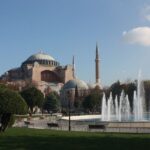
Then you shift to the classics that anchor the skyline. The schedule includes the Blue Mosque, St Sophia Museum, and the Hippodrome area, so you start connecting Byzantine, Ottoman, and even Roman-era threads instead of treating each stop like a separate postcard.
One practical tip: plan to dress for churches/mosques appropriately, since you’ll be covering multiple sacred sites in a short window. You’ll also want a short attention strategy—pick 2 or 3 things per stop you really want to notice, because there’s a lot of art and architecture to process.
You can also read our reviews of more tours and experiences in Istanbul.


Bosphorus Ferry Time and a Smooth Switch Toward Cappadocia
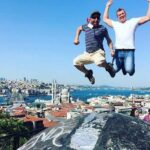
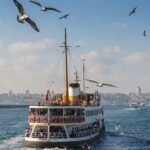
The Bosphorus segment is one of those days that feels like a reset. You cruise between Europe and Asia, and the tour also includes an additional 1-hour Bosphorus cruise by public ferry, with your guide pointing out historical spots as you pass them.
If you’re the kind of traveler who likes motion and views, you’ll enjoy this more than another museum day. It’s also a smart pacing choice before you fly to a totally different kind of Turkey.
After the Bosphorus time, you fly to Cappadocia. That flight matters for value: it cuts down the kind of overland travel time that can steal energy from the actual sightseeing.
Cappadocia: Goreme Valley, Fairy Chimneys, and Underground Levels
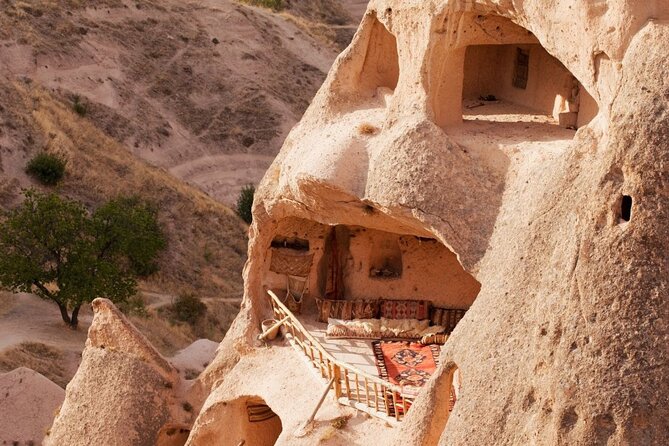
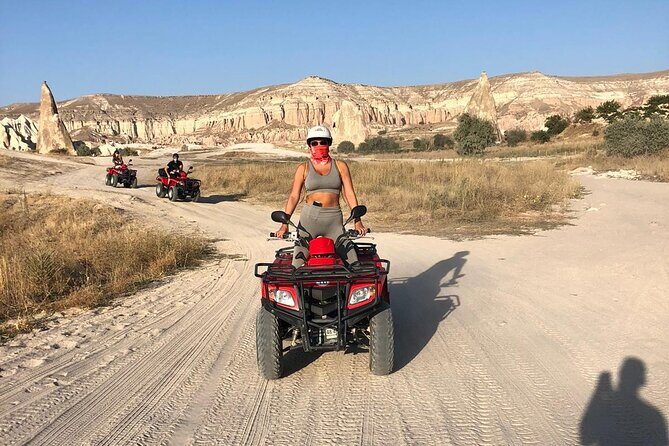
Cappadocia is where the tour earns its wow factor. You visit the Goreme Valley Open Air Museum and see the fairy chimneys up close, which are the kind of views you can’t quite translate through photos. Your day also includes exploring underground city levels, so you’re not only looking at odd rock formations—you’re seeing how people lived in them.
This is also the day to bring your camera habits under control. The photo opportunities are constant, but you’ll be better off slowing down for 10 minutes at a time rather than sprinting from viewpoint to viewpoint.
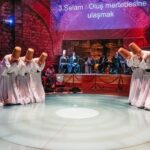
In the evening, you have an optional Turkish folklore experience with folklore and belly dancers. It’s not required to enjoy Cappadocia, but it’s a fun way to end the day when you’re already in the mood for cultural rhythm.
Konya: Rumi at the Mevlana Museum and Çatalhöyük’s Neolithic Clues
Konya is a great counterweight to the volcanic scenery. You’ll visit the mausoleum of Mevlana Celaleddin Rumi and the Mevlana Museum, where you can see his beautifully adorned tomb and exhibits connected to the Whirling Dervishes tradition. Even if you don’t know the story beforehand, your guide’s framing helps you understand why this spiritual tradition has stayed important for centuries.
Then the tour continues to Çatalhöyük’s museum. You’re looking at one of the world’s oldest and most advanced Neolithic settlements, which brings a different kind of awe. Instead of standing in ruins built around classical temples, you’re stepping back toward how early communities organized daily life.
If you like history that explains how humans shaped cities and routines, this is a satisfying day. It’s also a good break from the larger-than-life mega-sites.
Pamukkale’s White Terraces and the Hierapolis Ruins Nearby
Pamukkale is often described in a way that can sound like a marketing brochure, but on the ground it’s still special. You’ll visit the calcium travertines and stroll the terraces that create that famous white appearance. The key value here is that you’re guided through the area so you know what you’re seeing and where to walk for the best views.
You also pair Pamukkale with major ruins at Hierapolis, including the Temple of Apollo and the Necropolis. That combination works well because it stops the day from becoming only one kind of photo. You get both natural spectacle and the archaeological story around it.
A practical note: the terraces involve walking on uneven areas. You don’t need hiking gear, but you do want shoes that feel stable.


Laodicea and Leather Craft Time in the Lycus River Valley
Laodicea is a smart “less obvious” stop that changes the tone of the trip. You explore the ancient city, known as a chief city in the Lycus River Valley region, and your guide gives the background that makes the ruins easier to interpret.
Then you switch to a locally handcrafted leather goods display. This isn’t just shopping time. It helps you connect the ruins to the present day by showing how craft and commerce still work in Turkey, just under different needs and materials.
If you’re the type of traveler who likes side-quests that don’t feel random, you’ll appreciate this portion. It’s also a good mental break between Ephesus-level concentration and Troy-level intensity.
Ephesus With a Guide: Artemis, Celsus, the Amphitheater, and the Museum
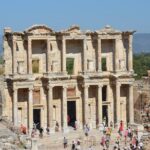
Ephesus is one of the main anchors of this whole tour, and you don’t just get to walk in and hope for the best. You’ll have a guided tour of the site, with highlights that include the Temple of Artemis, the Library of Celsus, and the impressive amphitheater. Those names matter because they’re tied to why Ephesus was a trade hub and religious center.
You also add museum time at the Ephesus Archaeology Museum. That’s a big deal for value, because it gives context for what you’re seeing outdoors. You can connect artifacts to the buildings rather than treating everything as separate.
Carpet weaving is another major stop within Ephesus day. At a carpet village, you learn how carpets are made by hand and what factors affect their value. You’ll likely still see products for sale, but the point here is learning the process and the pricing logic so you can shop with your eyes open.
Then the day ends with wine tasting in Selçuk. It’s a relaxing finish after hours of walking and reading your guide’s explanations in real time.
Pergamon Acropolis and Troy’s UNESCO Story With the Troy Museum
The day moving toward Troy is packed, but it stays meaningful because you get two different flavors of ancient site. You start by going up to the magnificent acropolis of Pergamon at Bergama. The temples and library are part of why Pergamon was a major cultural and political center, and seeing it from the height helps you understand the scale.
Then you continue to Troy, a UNESCO World Heritage Site. You explore the ancient city and also visit the new, award-winning Troy Museum. That museum component is a big plus because it helps you separate legend from evidence. You don’t have to be an expert to enjoy it—you just follow the story your guide sets up.
If you like the idea of history as a layered argument—what’s tradition, what’s archaeology—Troy is an especially good match for this tour.
Gallipoli WWI Battlefields: Lone Pine, Chunuk Bair, ANZAC Cove, and Trenches
Gallipoli is the emotional heavyweight of the trip. After breakfast, you visit WWI Battlefields including Lone Pine and Chunuk Bair Memorials, ANZAC Cove, The Nek, Johnston’s Jolly, and the original trenches and tunnels.
This isn’t a casual sightseeing day. You’ll be walking through places where the physical layout helps explain the fighting, and your guide’s framing matters here more than on a lighter cultural stop. It’s a day that sticks with you, even if you came in with only a basic knowledge of the campaign.
Afterward, you drive back to Istanbul. That long return ride adds fatigue, so keep your energy for dinner and a bit of decompression instead of trying to squeeze in extra plans that night.
Istanbul Wrap-Up and Airport Transfer for Your Onward Flight
Your final day is straightforward: you end the tour and get transferred to the airport. The value of this kind of closing is that you don’t have to figure out how to time your departure while you’re mentally still unpacking the whole trip.
You’ll say goodbye to your new travel group in Istanbul, and then you’re off.
Price and Value: What You Get for $2,802.68 and What Still Costs Extra
Let’s talk money in a way that helps you decide. At $2,802.68 per person for an 11-day tour, you’re paying for more than transportation. You’re getting an air-conditioned vehicle, a professional English-speaking guide for the duration, entrance fees, inbound and outbound airport transfers in Istanbul, and meals that include breakfast (10) and dinner (7).
You’re also paying for efficiency. The trip includes an internal flight from Istanbul to Cappadocia, plus multiple regional transfers. If you tried to piece this together on your own, you’d likely spend a lot of time coordinating entry tickets, guides, and travel timing across cities.
What’s not included is also important. Travel insurance is not included, and optional activities are extra. The tour specifically mentions suggested optional experiences, including the optional Turkish folklore evening in Cappadocia and an optional half-day Bosphorus cruise.
One last value point: the tour uses mobile tickets and caps the group size at 20. Those details can seem small, but they usually mean smoother entry and less waiting in lines.
Who This Tour Fits Best (and Who Might Feel the Strain)
This tour is a strong match if you want a guided “greatest hits” path through Turkey without turning your trip into a logistics project. It’s especially ideal if you like history, and you want both famous sites like Ephesus and Troy and less-expected stops like Laodicea.
It’s also a good fit if you prefer structured days. The tour keeps a steady rhythm, and the guide support matters, especially when you’re moving through crowded venues where small-group management counts.
The flip side is physical pace. The tour notes moderate physical fitness, and the schedule involves a lot of walking and time in historic terrain. If you need a slower day-to-day pace, you might find the between-city transitions tiring. Think comfy shoes, a light daypack, and a willingness to rest when the day ends.
Should You Book Fire of Anatolia?
I’d book this tour if you want one ticket that connects Istanbul, Cappadocia, Pamukkale, Ephesus, Troy, and Gallipoli with a real English guide and entrance fees handled. It’s also worth it if you appreciate the way guides can add context—people like Irem and Fatih Karci are the type who help you understand what you’re looking at, not just where to stand for photos.
Skip it only if you know you struggle with an active schedule and long travel days. Also keep in mind it’s weather-dependent, since the experience requires good conditions to run.
If you match those two checkboxes—comfortable walking and a love for big historical stops—this is a very efficient way to see a lot of Turkey without losing days to planning.
FAQ
How long is the Fire of Anatolia tour?
The tour runs for about 11 days.
Where does the tour start and end?
It starts in Istanbul, with an inbound transfer from the airport in Istanbul, and it ends in Istanbul with an outbound transfer to the airport.
Do you get pickup?
Pickup is offered.
How big is the group?
The tour has a maximum group size of 20 travelers.
Are entrance fees included?
Yes. Entrance fees are included.
Are meals included?
Yes. Breakfast is included (10), and dinner is included (7).
Are there optional activities?
Yes. Optional activities include a Turkish folklore evening in Cappadocia, and there is also an optional half-day Bosphorus cruise.