REVIEW · ISTANBUL
Flying Carpet 15-Day Tour from Istanbul
Book on Viator →Operated by Fez Travel · Bookable on Viator
Turkey packs a lot of wow.
This 15-day Western Turkey and history-heavy loop starts in Istanbul and ends there too, with expert guiding plus included entrance fees and in-country transport. You’ll cross time periods fast: Ottoman masterpieces, WWI battlefields, ancient cities tied to Greek myths and Roman engineering, then hot springs, lakes, and Cappadocia caves.
I love that the trip is built around small-group touring (up to 12 people) and a professional English-speaking guide, which makes long travel days feel organized instead of chaotic. I also like that you get both big-name stops (Blue Mosque, St Sophia, Ephesus, Troy, Cappadocia) and the “in-between” experiences that make it feel real, like a carpet weaving village lesson and wine tasting in Şirince.
One drawback to consider: this is a lot of ground in 15 days, so you’ll spend several days on long driving stretches and early starts. If you want a slow, lazy vacation, you might find the pace tiring.
In This Review
- Key highlights worth booking for
- Istanbul to the Bosphorus: start with scale and symbols
- Gallipoli: history you feel in your chest
- Troy and Pergamon: ancient cities with layers
- Ephesus and Şirince: where ruins meet craft and wine
- Aphrodisias and Pamukkale: sculpture, hot springs, and surreal whites
- Fethiye: a breathing space, plus optional boat and canyon time
- Kayaköy and Antalya: ghost village photos to ancient burial stories
- Perge and Aspendos: theatre with serious acoustics
- Konya: Mevlana’s world and Çatalhöyük’s ancient roots
- Cappadocia travel day: caravansary stops and underground cool air
- Goreme Valley and Avanos: fairy chimneys and pottery you can hold
- Ankara back to Istanbul: closing the loop with Ataturk’s mausoleum
- The small-group advantage: how 12 people changes everything
- Price and value check for $3,915.35
- Who should book this tour
- Should you book the Flying Carpet 15-Day Tour?
- FAQ
- How long is the Flying Carpet 15-Day Tour from Istanbul?
- Where does the tour start and end?
- What’s included in the price?
- Are meals included?
- Does the tour have a group size limit?
- Are there optional activities during the tour?
- Do I need travel insurance?
Key highlights worth booking for
- Two-continents Istanbul first, with Blue Mosque, St Sophia, Topkapi, and the Hippodrome plus a Bosphorus cruise option
- Gallipoli WWI sites with stops at Lone Pine, Chunuk Bair, ANZAC Cove, The Nek, and more memorial areas
- Ancient hits in sequence: Troy, Pergamon, Ephesus, Aphrodisias, Perge, and Aspendos
- Pamukkale + Hierapolis plus a swim stop in Roman-era hot springs
- Cappadocia time with real activities, including a Goreme Valley museum visit and pottery in Avanos
- Max 12 people, so your guide can actually manage questions and timing without turning it into a cattle drive
Istanbul to the Bosphorus: start with scale and symbols
Your first day is all about orientation. You’re transferred to your hotel after arriving in Istanbul, then you get the rest of the day free to wander at your own pace. It’s a good buffer day, because jet lag plus mega-cities can be a rough combo.
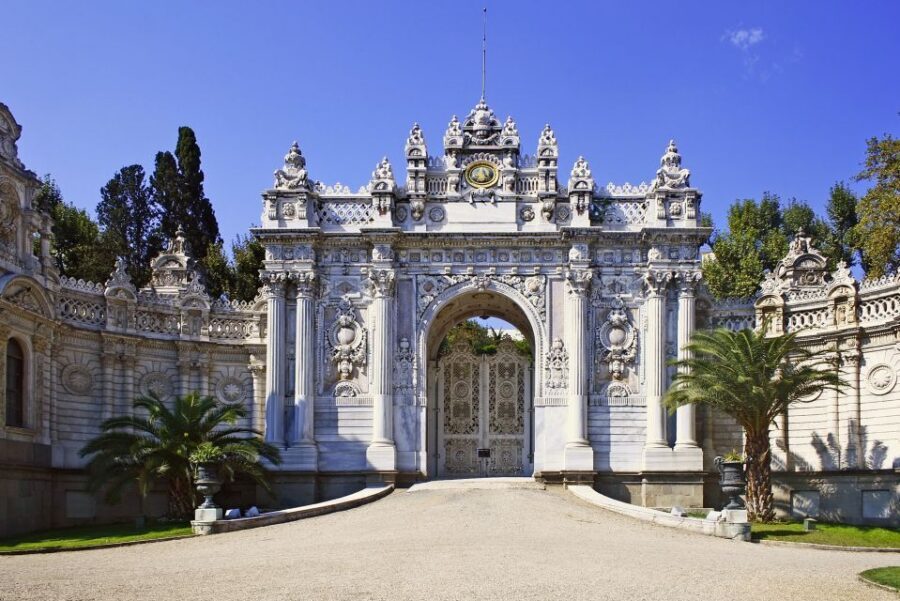
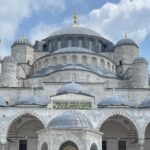
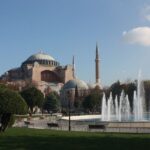
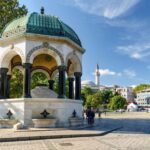
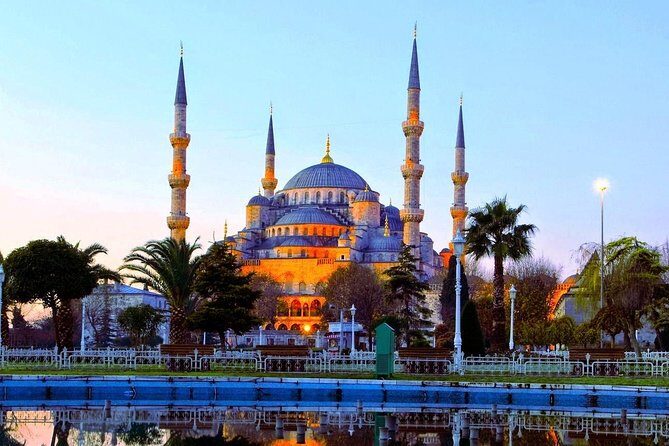
On day two, you’ll get a full guided walk through Istanbul’s big three: the Blue Mosque, St Sophia Museum, and Topkapi Palace, plus time at the Hippodrome. This is the Ottoman and Byzantine “greatest hits” set, but your guide’s job is the important one: turning stone and myths into a clear story you can follow.
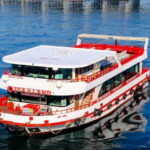
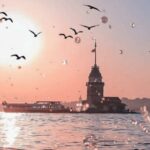
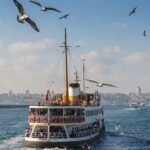
Later, you cruise between Europe and Asia on the water separating the continents. There’s also an optional half-day Bosphorus cruise, which is the kind of add-on that’s worth considering if you like skyline views and want your Istanbul day to feel more like a slow drift than a checklist.
Practical tip: wear shoes you can handle on uneven sidewalks. Istanbul is stunning, but it’s not built for dainty footwear.
You can also read our reviews of more tours and experiences in Istanbul.


Gallipoli: history you feel in your chest
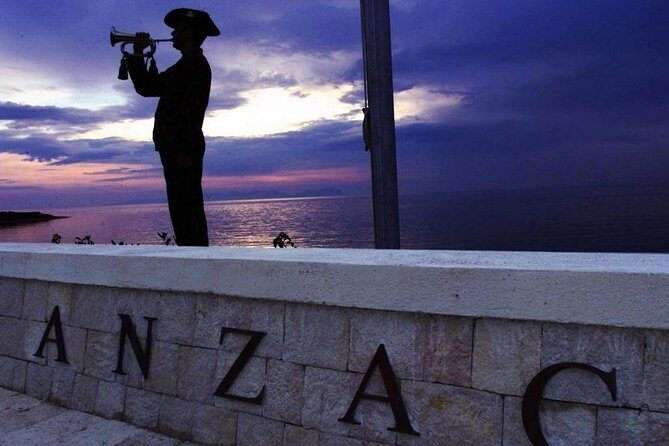
Gallipoli isn’t a “sit and look” day. It’s a long, guided journey across the WWI battlefields and memorial areas, including Lone Pine and Chunuk Bair Memorials, ANZAC Cove, The Nek, Johnston’s Jolly, plus original trenches and tunnels.
This stop is emotionally heavy even when you know the basics. What helps is how the guiding connects geography to events—how the land shaped decisions, and why these names matter. If you’re visiting in a memorial season (like spring), you may notice the atmosphere feels extra solemn. Either way, keep your expectations grounded: it’s meaningful, not entertainment.
The day runs long, but the structure is what makes it manageable. You’re not bouncing randomly between points. You’re moving through the key sites while someone helps you place them on a mental map.
Consideration: this is one of the days where you’ll want to pace your energy. Bring water, and don’t plan a big nightlife move afterward.
Troy and Pergamon: ancient cities with layers
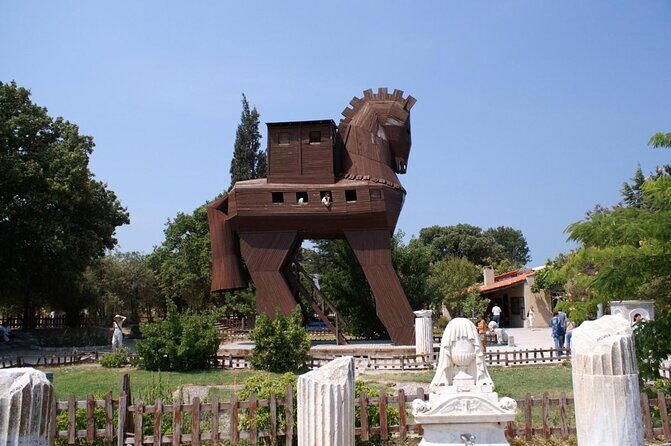
Day four is built for people who like ancient history but also want modern context. You start at Troy, a UNESCO site, with time to explore the ancient city area and visit the Troy Museum (newer and easier to understand if you don’t already know the stories). Then you continue to Bergama (Pergamon) and up to the acropolis.
Pergamon is where you’ll see why ancient powers competed not just for land, but for ideas, culture, and prestige. Your stops include major ruins tied to temples and public life, and the area’s layout is part of the lesson: the view from the heights helps the site click into place.
Practical tip: if you’re prone to museum fatigue, break your focus into “what would daily life look like here” moments instead of trying to absorb everything at once. A few strong anchor points beat information overload.
Ephesus and Şirince: where ruins meet craft and wine
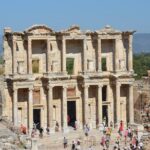
If Istanbul is your “big city intro,” then Ephesus is your “wow, that’s huge” moment. You’ll visit Ephesus with a guided tour of major highlights: the Temple of Artemis site, the Library of Celsus facade, and the impressive amphitheater. There’s also the Ephesus Archaeology Museum, which helps you understand what you’re looking at outside.
One detail I really like here is the carpet weaving village experience. It’s not just a sales stop. You learn how carpets are made by hand and what affects their value—basically a shortcut to not getting tricked by marketing blur. If you like buying local crafts, this is where you’ll shop with your eyes open.
After the history, you head to Şirince for wine tasting. This shift matters. It gives your brain a rest from stone and dates and replaces it with something sensory: smells, flavors, and a slower pace.
What to watch: if you’re not into wine, that doesn’t have to kill your afternoon. Şirince is also a place to simply enjoy the setting and the break from ruins.
Aphrodisias and Pamukkale: sculpture, hot springs, and surreal whites
Day six starts with a leather shop visit, then moves to Aphrodisias, an ancient city dedicated to Aphrodite and famous for a school of sculpture. You’ll see the stadium (one of the best preserved in Anatolia), the Temple of Aphrodite, the Tetrapylon, theatre, and the Museum.
This is a great day because Aphrodisias is less “tour-bus loud” than some bigger sites, and that lets you slow down and study stone details. Even if mythology isn’t your thing, the sculptural work and city planning give you a real sense of skill and ambition.
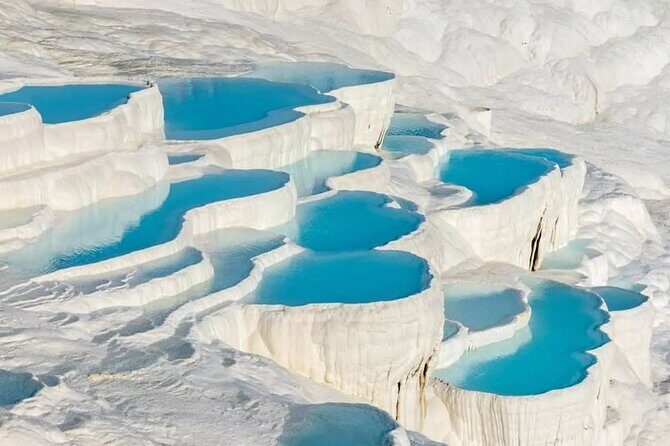
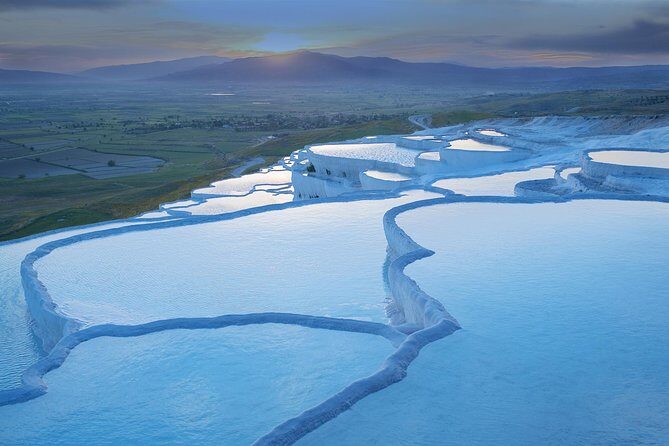
Then you go on to Pamukkale. Here, the white terraces—Travertines—look almost unreal. You also tour the ancient city of Hierapolis, and you’ll get time for a swim in the hot springs, including the Roman-era tradition of using the thermal waters for healing claims.
After Pamukkale, you keep moving to Salda Lake, known as the Turkish Maldives for its clear water and mountain setting, before traveling onward toward Fethiye.
Practical tip: bring swimwear and a towel you don’t mind getting sandy. Also, expect slick surfaces around water areas.


Fethiye: a breathing space, plus optional boat and canyon time
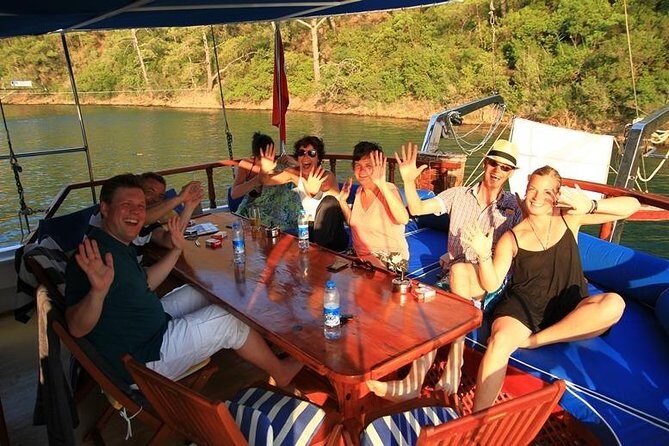
In Fethiye you get a more flexible day. You can explore at your own pace, and there are optional activities listed: a 12 island boat trip and a Saklikent Gorge tour.
This “choose your energy” day is smart. After many guided stops, you get to decide whether you want a full adventure outing or just slow walks, cafés, and waterfront time. If you like photos, Fethiye’s coastal feel can deliver quickly, with less effort than another museum day.
Kayaköy and Antalya: ghost village photos to ancient burial stories
Day nine starts with Kayaköy, a deserted Greek village where the light can be perfect for dramatic photos. The point isn’t to treat it like a spooky set. It’s more powerful than that: you see how people lived, then imagine the silence left behind.
From there, you continue to Antalya and visit the Antalya Necropol Museum, which focuses on burial practices and artifacts from different time periods. It’s not flashy, but it’s the kind of stop that makes history feel human. Death rituals are always cultural—and seeing them through material remains makes it tangible.
Perge and Aspendos: theatre with serious acoustics
In the morning you visit Perge, another ancient site that helps show how cities functioned in daily life—roads, public spaces, and the “big civic” mindset.
Then it’s on to Aspendos, famous for having the best preserved 2nd-century amphitheater in Turkey. This is one of those places where ruins stop being abstract. The shape and design make it clear why amphitheaters mattered: this was entertainment, public gathering, and status, all rolled into one.
Back in Antalya in the afternoon, your time is free, so you can grab a late lunch, wander neighborhoods, or just do nothing for once (a highly underrated travel skill).
Konya: Mevlana’s world and Çatalhöyük’s ancient roots
Day eleven moves to Konya. You visit the Mevlana Celaleddin Rumi mausoleum and the Mevlana Museum, with tomb-adorned spaces and exhibits tied to the Whirling Dervishes and spiritual traditions. Even if you don’t follow the tradition personally, the museum setting helps you understand why this figure continues to matter.
Then you continue along the Silk Road thread by visiting the Çatalhöyük Museum, tied to one of the world’s oldest advanced Neolithic settlements.
This day works well because it pairs two time scales: spiritual legacy and early human settlement life. Together, it gives you a wider Turkish story than the Greek-and-Roman loop.
Cappadocia travel day: caravansary stops and underground cool air
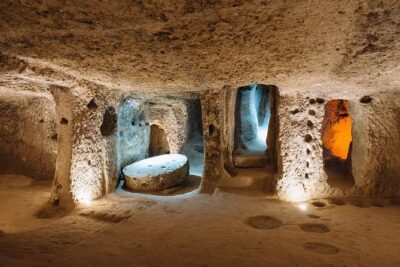
You’ll head to Cappadocia on day twelve, stopping at Sultanhani Caravansary along the way and exploring an underground city.
A caravansary is basically a fortress for travelers and trade. It makes the Silk Road concept real: people didn’t just “move.” They depended on safe, organized hubs.
The underground city adds contrast. It’s a reminder that survival and ingenuity come before romance. Even the idea of living underground in harsh conditions feels practical once you’re there.
Practical tip: keep a layer handy. Underground spaces can feel cooler than the outside air.
Goreme Valley and Avanos: fairy chimneys and pottery you can hold
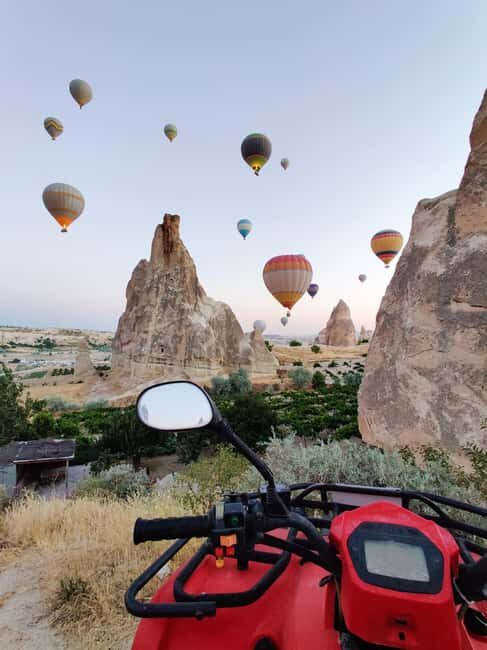
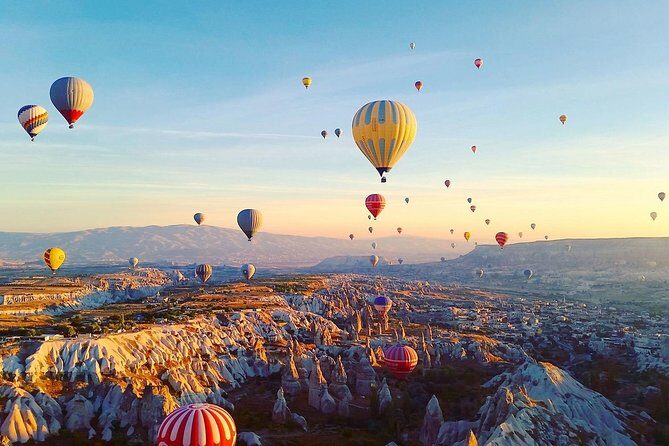
In Cappadocia’s Goreme area, you visit the Goreme Valley Open Air Museum and see fairy chimneys. Then you move through valleys including Pigeon Valley and Red Valley, plus Cavusin village. This is a full day of views and walking, and it’s the right kind of active for Cappadocia.
Later you visit Avanos, where you learn about handmade pottery. The point here is to slow down and notice craft processes you can’t replicate quickly with mass production. If you’re buying a souvenir, this is where a purchase feels tied to skill, not a quick store stop.
Ankara back to Istanbul: closing the loop with Ataturk’s mausoleum
On day fourteen, you depart early for Ankara, the capital. You visit Anitkabir, the mausoleum of Mustafa Kemal Ataturk, and then you return to Istanbul.
This is a smart “bookend” stop. Istanbul is layered with empires and religions. Ankara gives a national story that feels more modern and political, rounding out your Turkish picture before your final transfer back to the airport.
The small-group advantage: how 12 people changes everything
This tour caps at 12 travelers, and that matters more than it sounds. With smaller groups, your guide can adjust timing when a site is crowded, and you can ask questions without shouting over everyone else. It also makes the day flow smoother when you’re balancing guided portions with free time.
You’ll travel in an air-conditioned, non-smoking vehicle, with pickup and transfers included in Istanbul. Long driving days are still long, but being in a comfortable vehicle reduces the stress and keeps you ready for the next stop.
Also, support from the guide can be practical, not just historical. Some guides on this program have been praised for stepping in with day-to-day help—things like hotel check-in support and helping you understand meal options when you’re ordering on the go. That kind of help turns a tricky language moment into an easy one.
Price and value check for $3,915.35
At $3,915.35 per person for a 15-day trip, you should look at what’s included because that’s where the value usually comes from on a long loop.
This package includes:
- 14 nights accommodation
- Professional English-speaking guide
- Transport in an air-conditioned vehicle
- Entrance fees (for the listed sites)
- Istanbul inbound and outbound transfers
- Tips except driver and guide
It also lists breakfast (optional for 14 days) and dinner (optional for 7 days). So depending on your booking option, you may have a good chunk of meals handled, which reduces your daily planning load.
What’s not included:
- Suggested optional activities
- Tips for driver and guide
- Compulsory travel insurance
For me, the value logic is simple: entrance fees and guided time across multiple major UNESCO-level sites aren’t cheap if you plan everything yourself. Plus, you’re covering big geography—without you having to coordinate trains, buses, and admissions daily. If you want an efficient “best of Western Turkey” trip with someone else doing the timing, the price can make sense.
If you’re the type who loves DIY travel and wants total control over stops, you might find it pricey. But if you want your time spent on sites (not logistics), it’s easier to justify.
Who should book this tour
This is a strong fit if you:
- Like history plus real-world travel rhythm, not just one city at a time
- Want a guided path through Istanbul, the Aegean ruins, Mediterranean coast, and Cappadocia
- Prefer small-group energy over large bus crowds
- Are okay with a few long travel days in exchange for seeing more in less time
It may be less ideal if you want:
- A relaxed vacation with minimal driving
- Totally flexible pacing with no fixed guided structure
Should you book the Flying Carpet 15-Day Tour?
I’d book it if you want a guided “greatest hits” sweep that still includes craft time, scenic breaks, and meaningful stops like Gallipoli. The small-group size and professional guide support are the real quality signals here.
I wouldn’t book it if your ideal Turkey trip is slow and beach-first, because this schedule prioritizes movement and major sites. But if you’re ready to trade some downtime for variety, you’ll get a very full Turkish story in two weeks.
FAQ
How long is the Flying Carpet 15-Day Tour from Istanbul?
It lasts about 15 days and the trip starts and ends in Istanbul, Turkey.
Where does the tour start and end?
The meeting point is at Port Bosphorus Hotel, Kılıçali Paşa, Meclis-i Mebusan Cd. No:13, 34433 Beyoğlu/İstanbul. The tour ends back at the meeting point and also includes transfers to the airport on the final day.
What’s included in the price?
Included features are inbound and outbound transfers in Istanbul, a professional English-speaking guide, transportation in an air-conditioned non-smoking vehicle, entrance fees, 14 nights accommodation, and listed meals (breakfast optional for 14 days, dinner optional for 7 days). Tips are included except driver and guide.
Are meals included?
Breakfast is listed as Optional[14] Breakfast and dinner as Optional[7] Dinner. So your exact meal inclusions may depend on your booking option.
Does the tour have a group size limit?
Yes. The tour has a maximum of 12 travelers.
Are there optional activities during the tour?
Yes. You can choose optional experiences such as a half-day Bosphorus cruise and options in Fethiye like a 12 island boat trip and a Saklikent Gorge tour.
Do I need travel insurance?
Yes. Compulsory travel insurance is listed as not included.