REVIEW · ISTANBUL
From Istanbul: 10 days Crossroads of Civilizations
Book on GetYourGuide →Operated by Euromarmara Tours · Bookable on GetYourGuide
Turkey is a crossroads, and this tour is fast.
You get that feel in a smart sequence: Istanbul’s architectural big hitters, then underground faith history in Cappadocia, UNESCO sites like Göreme and the Cotton Steps, and major Aegean ruins such as Ephesus. I like the way the route connects eras without making you do extra planning. I also like the human support built into the trip, with guides such as Murat and Nilofer getting praised for clear explanations and practical help.
One thing to weigh: the pace can mean early starts, and a few stops may feel a bit time-boxed if you want to linger for photos and slow wandering. Also, dinners in Istanbul are not included, so plan on paying for at least some meals yourself.
In This Review
- Key highlights you’ll actually care about
- Turkey’s Crossroads: why this 10-day route works
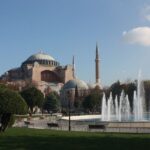
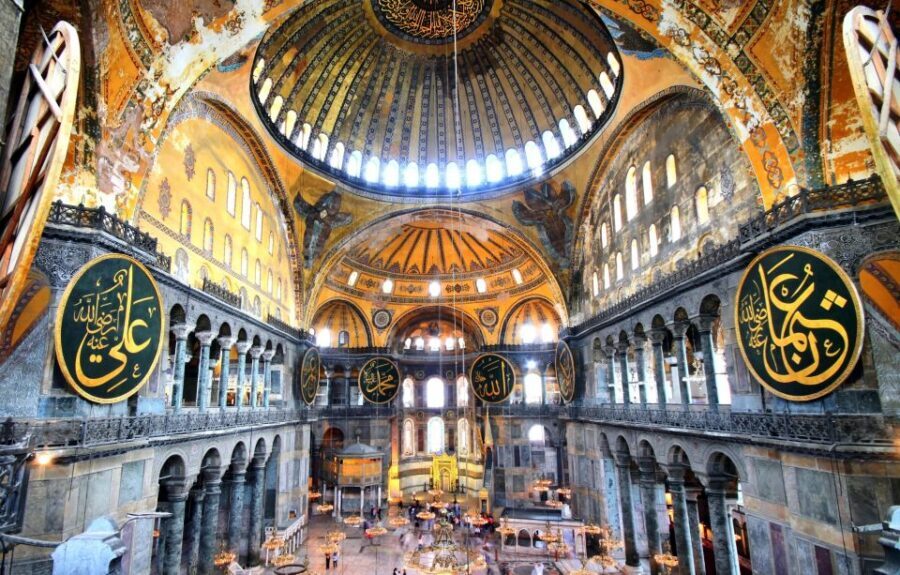
- Istanbul: architecture time without the headache
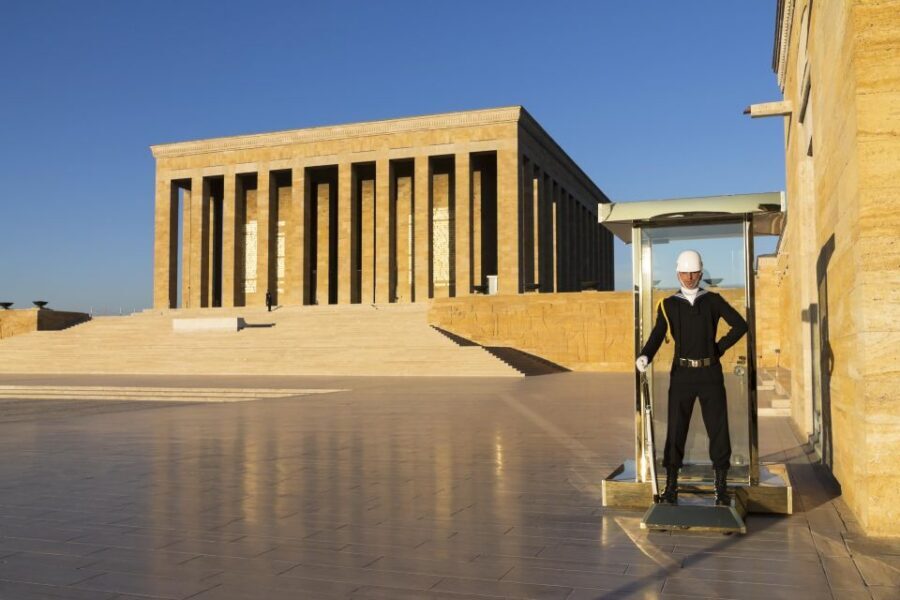
- Ankara’s museum + Atatürk’s mausoleum: the political core
- Cappadocia day: underground cities and the Göreme UNESCO zone
- Pamukkale: the Cotton Steps and a Seljuk stop at Sultanhan
- Ephesus and the Artemis city ruins: big names, tight walking
- Pergamon, Asclepion, and Troy: medicine and myth in one arc
- Bursa before Istanbul: Ottoman highlights on your last full day
- Price and logistics: what $964 buys you (and what it doesn’t)
- Guides, timing, and comfort: how to make the pace feel good
- Who this tour fits best
- Should you book this Istanbul to the Aegean Crossroads tour?
- FAQ
- What’s the duration of the tour?
- How much does it cost?
- What’s included in the price?
- Are hotel dinners in Istanbul included?
- Is airport pickup included, and how does it work?
- What languages are used?
- Does the tour include tickets and access?
- Is the tour suitable for people with mobility impairments?
Key highlights you’ll actually care about
- Express security check helps you get moving faster
- Spanish-speaking guides for the visits, plus an assistant for transfers (Spanish or English)
- UNESCO Göreme Open Air Museum plus cave-church valleys in Cappadocia
- Pamukkale Cotton Steps with the well-known thermal-water idea behind the site
- Ephesus essentials like the Library of Celsus and the Odeon, plus the Virgin Mary House stop
- A/C minibus or bus depending on group size
Turkey’s Crossroads: why this 10-day route works
This trip earns its name because it jumps across time and geography in a way that’s easy to understand. You start in Istanbul, Turkey’s bridge-city where Europe and Asia rub shoulders. Then the route keeps moving: Anatolian museums and memorials, rock churches and underground refuges, white terraces at Pamukkale, and finally the big-ticket ruins on the Aegean coast.
What makes it feel valuable is that you’re not just ticking off famous names. The stops are arranged so each place explains the next one. For example, seeing a museum that frames ancient cultures in Ankara makes Cappadocia’s religious survival stories and Ephesus’s temple city feel more meaningful, not random.
If you’re the type who likes history but also wants things to run on rails—hotel nights, tickets, transportation—this format fits you well.
You can also read our reviews of more tours and experiences in Istanbul.


Istanbul: architecture time without the headache
You’ll spend two nights in Istanbul with breakfast included. The tour is described as focusing on the city’s architectural wonders, which is enough detail to keep expectations realistic: you’re here for landmark sightseeing rather than an ultra-special niche museum track.
How to get the most from those days: pack comfortable walking shoes and keep your plans flexible. Istanbul can be uneven on foot, and weather can change fast. Also remember that dinners at the Istanbul hotels are not included, so you’ll want to either budget for meals each night or find a convenient local option near where you’ll be.
The upside is that Istanbul is a logical place to start. You’ll have a transfer from the airport and a night to reset before the longer drives to inland Turkey.
Ankara’s museum + Atatürk’s mausoleum: the political core
Ankara is often treated like a stopover by many visitors. This tour makes it more than that by centering you on two very different kinds of monuments.
First comes the Anatolian Civilizations Museum, where you’ll see a mix of older layers, including Neolithic and Paleolithic ruins tied to civilizations such as Urartu, Hatti, Hittite, and Phrygia. If you like when a museum gives you a mental map, this one does that job: it helps you understand what you’re about to see later across Anatolia.
Then you’ll visit the Mausoleum of Atatürk, the founder of the Turkish Republic. Even if you’re not a political-history person, this stop lands because it’s a clear visual marker of modern Turkey’s identity.
After that, you drive onward, with dinner and overnight included in Ankara. That dinner inclusion matters because it keeps you from having to chase a restaurant after a full day.
Cappadocia day: underground cities and the Göreme UNESCO zone
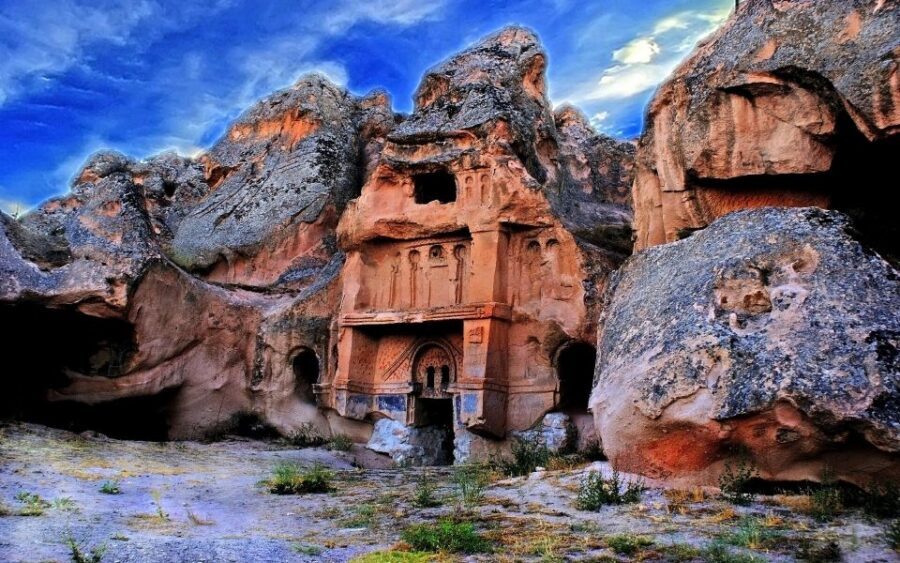
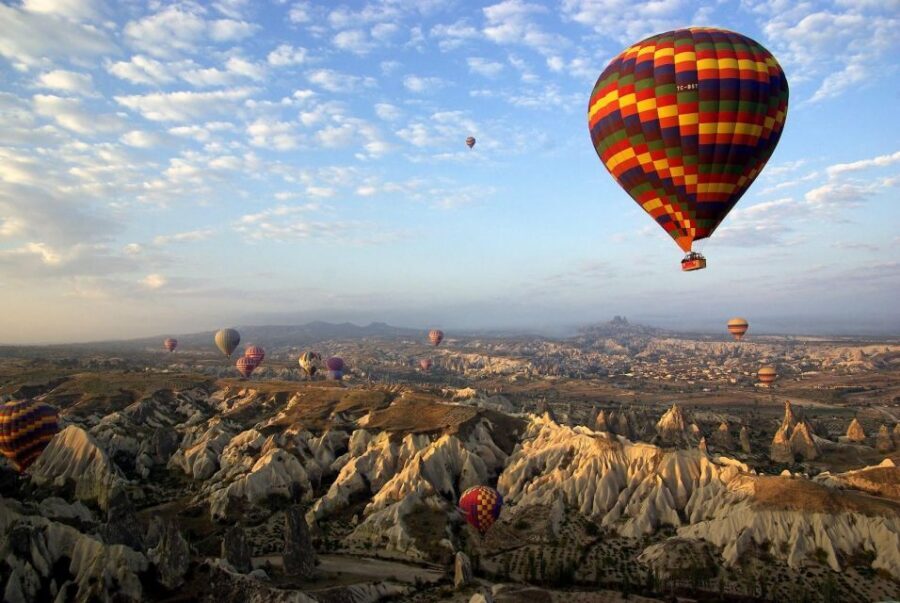
Cappadocia is where the trip turns from “interesting history” into “how is this real?” You’ll start with an underground city stop en route. This underground complex was constructed by early Christians seeking protection from attacks, which gives the site emotional weight beyond the scenery.
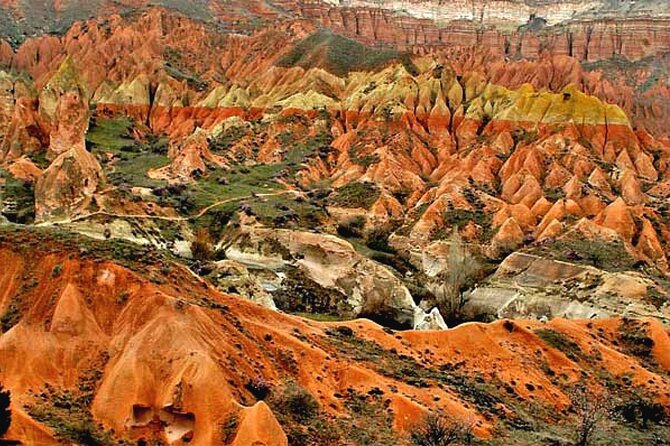
Then you hit the UNESCO centerpiece: Göreme Open Air Museum. This is the area famous for cave churches in the valleys, and the UNESCO label here is well-earned because the site is basically a whole religious neighborhood carved into stone. You’ll also move to Uçhisar Village for views over the rock formations, and then check out the fairy chimneys—those tall, hooded rock shapes that look like they’re doing something mischievous.
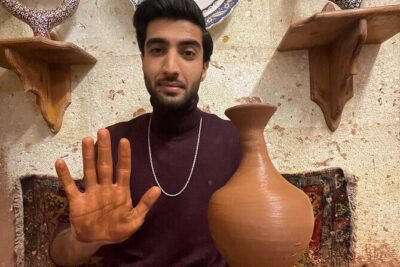
One more Cappadocia add-on I like for value: Derbent Valley, where you can explore natural rock formations and watch or visit workshops of carpets and onyx-stones. This is a practical culture stop. It’s not just looking—you get a chance to see how goods are made and talk to people connected to the craft.
The timing is busy, so do yourself a favor: bring water, pace your photo breaks, and plan to wear layers. Cappadocia mornings can feel cool even when afternoons are nicer.
Pamukkale: the Cotton Steps and a Seljuk stop at Sultanhan
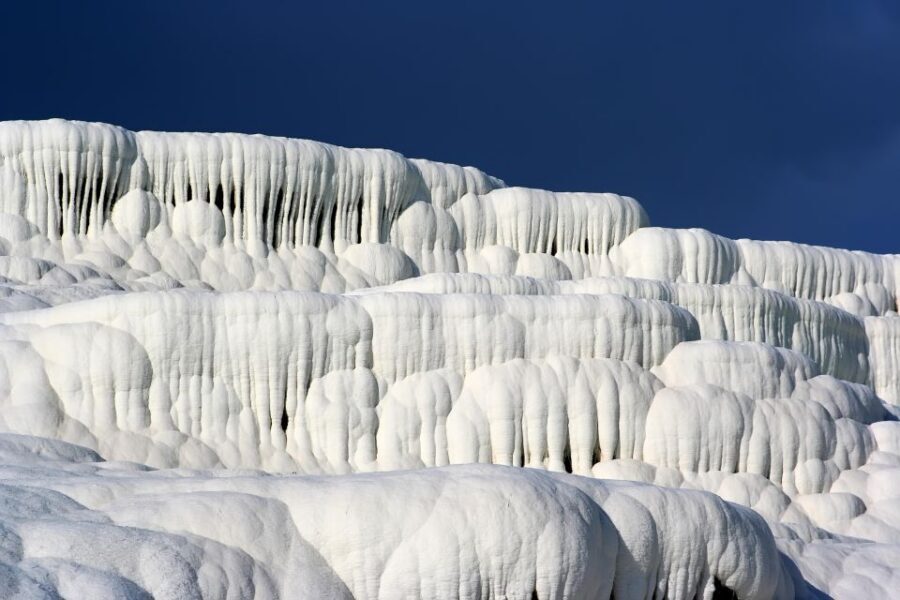
Pamukkale is the tour’s most visually iconic moment, thanks to the Cotton Steps, a UNESCO site. The big idea is the white terraces formed around the area’s thermal water, and it’s long been believed to have healing properties. Even if you don’t buy into healing claims, the visual effect is powerful—like stepping onto frozen foam.
On the way, you’ll stop at Sultanhan Caravansarai, built during the Seljuk Empire. This matters because it breaks up the driving day with something historic that’s not only about a single era. Caravansaries were travel infrastructure, and seeing one helps you understand how people moved and traded across Anatolia long before highways and airports.
After Pamukkale, you’ll have dinner and overnight included, so you’re not scrambling for a meal after a full day. It’s a small thing, but it affects how relaxed you feel.

Ephesus and the Artemis city ruins: big names, tight walking
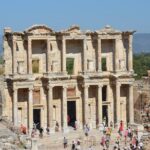
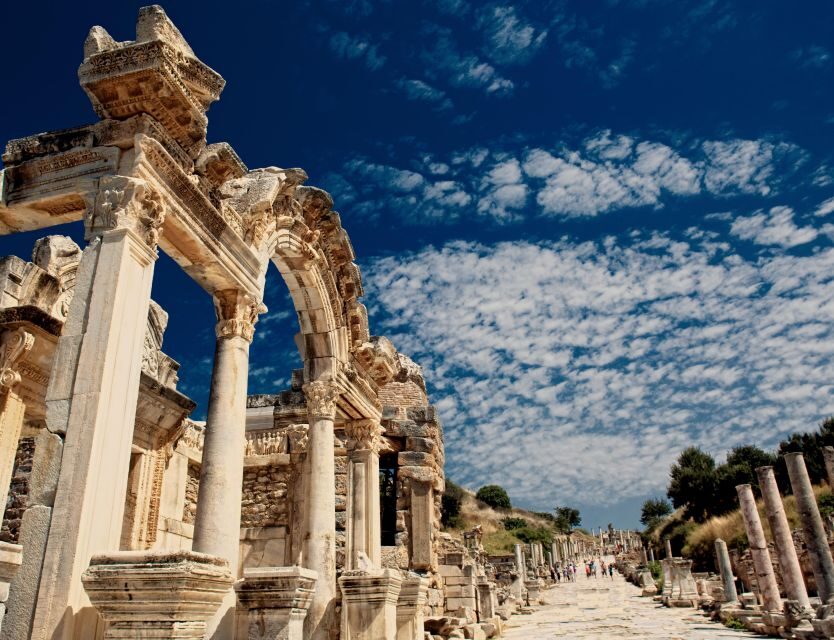
Ephesus is the kind of place that makes you understand why people get dramatic about ruins. You’ll explore the Ephesus Ruins, including the Odeon, the Temple of Hadrian, the House of Love, the Library of Celsus, and the Agora.
A note on how this feels on the ground: Ephesus is large, and the best parts are spread out. That means you’ll likely do a lot of purposeful walking rather than a slow loop. It’s worth it, but you should go in knowing you’ll be moving.
You’ll also stop at the Virgin Mary House, believed to be the final resting place of Jesus’ mother. This adds a different tone to the day, shifting from civic and temple architecture toward religious tradition.
There’s also a leather production store stop included. This type of stop can be useful if you want locally made items and a sales pitch with context, but it’s still time you give up. If you’re not shopping, treat it as a short culture and pricing comparison moment—not a must-do.
Finally, you’ll continue to Izmir for dinner and overnight.
Pergamon, Asclepion, and Troy: medicine and myth in one arc
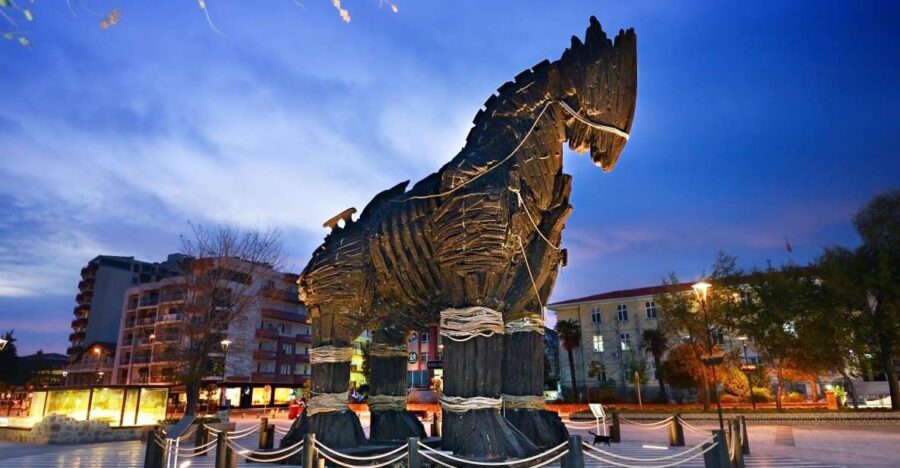
The next day stretches across two major sites—Pergamon (Bergama) and Troy—with Çanakkale as your overnight base.
In the Pergamon area, you’ll visit Asclepion, described as the first hospital of Asia Minor in human history. That claim sets expectations: this is about the early idea of organized medical care, not only about ruins for ruins’ sake. If you like seeing how societies thought about health, this stop clicks.
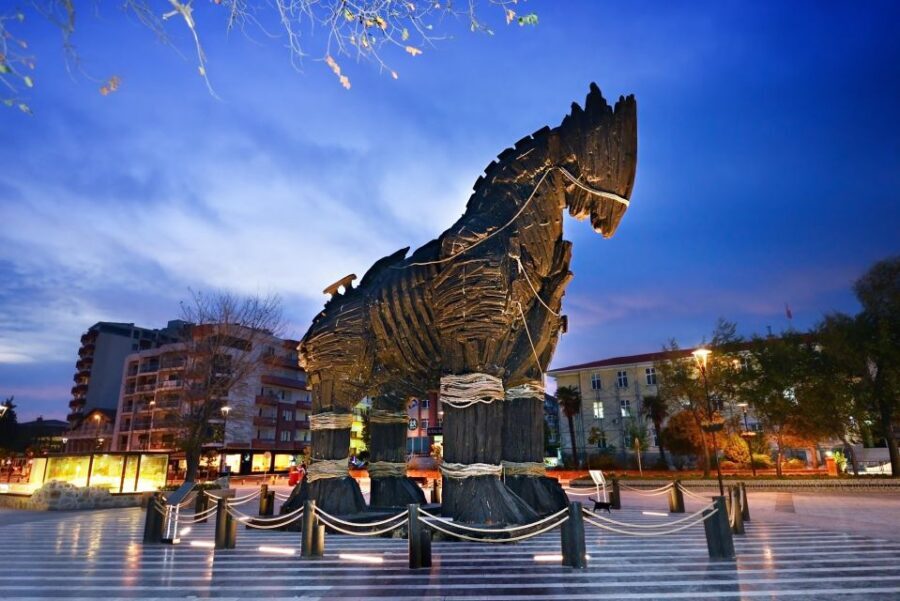
Then you drive to Troy, the famous city linked to Homer’s Iliad. Even if you only know the story basics, the place has a pull. It’s one of those experiences where myth becomes geography.
After that, you’ll stay in Çanakkale with dinner included. You’ll likely feel tired by then, but that’s also the point: you’ve compressed a lot of meaning into a single day.
Bursa before Istanbul: Ottoman highlights on your last full day
On your way back to Istanbul, you get a strong Ottoman-era side trip in Bursa, once an Ottoman capital. You’ll visit the Great Mosque (Ulu Camii), the silk-focused Koza Han (Silk Bazaar), and the Green Mausoleum.
This is a good finale because it changes the vibe from inland and ancient ruins toward a city that feels more lived-in. Even if you only touch Bursa for a day, those three stops give you a clear snapshot: monumental architecture, trade culture, and imperial burial art.
Then you continue to Istanbul for an overnight, and on the next day you fly out.
Price and logistics: what $964 buys you (and what it doesn’t)
At $964 per person for 10 days, the value mostly comes from what’s already arranged. You’re paying for hotels at multiple stops (3 nights Istanbul, 1 night Ankara, 2 nights Cappadocia, 1 night Pamukkale, 1 night Izmir, 1 night Çanakkale), plus breakfast throughout and dinners included in most places.
Transfers are built in, too: you’ll travel by minibus or bus with A/C, depending on group size, and you’ll have scheduled assistance. Entrance tickets are included for the visits, and VAT is covered. On top of that, you get an express security check to help reduce delays.
What’s not included is where you should plan your own budget. Drinks during lunch/dinner are not included, and most importantly: dinners at the Istanbul hotel are not included. So even though the tour is “all-in” for many meals, you’ll still want money for at least some evenings in Istanbul.
If you need a single room, there’s a supplement of €380 paid on the first day.
One more practical point: you need passport or ID card and comfortable shoes. That sounds obvious, but with so many ruins and valleys, it matters more here than on a city-only trip.
Guides, timing, and comfort: how to make the pace feel good
The biggest recurring praise is the guide team. Names that come up include Murat, Ohran, and Nilofer, and the drivers Mehmet and Recep. The consistent message is that the guides don’t just recite facts; they help you understand what you’re looking at and how to get the best experience with less stress.
For example, Nilofer is highlighted for being very informative and for going the extra mile for individuals, including help with reasonable prices for shopping and steering people away from highway-only food if they want something better. Murat is noted as very present and helpful even beyond the formal tour moments.
That’s a big deal because the itinerary moves quickly. When you have a guide who can point out what’s worth your photo time and what you can skip without regret, the schedule feels tighter—in a good way.
Language-wise: the tour guide for visits is Spanish, but transfers are handled by an assistant who is Spanish or English speaking. If you don’t speak Spanish, you’ll still be fine for logistics, but the storytelling during visits will be Spanish-led.
Comfort-wise, hotels are described as generally exceptional, though Internet quality can vary. That’s a minor tradeoff—most days are outdoors and you’ll be tired at night—but it’s good to know if you rely on constant connectivity.
Also, expect early starts. One of the more common complaints is that the pace sometimes pulls you out early even though you’re on vacation. If you hate waking up before your coffee, you may feel that.
Who this tour fits best
I think this works best if you want a guided overview of Turkey’s big landmarks with minimal planning. It’s also a good fit if you enjoy a mix of: museums, UNESCO heritage sites, religious and cultural layers, and major ancient ruins.
It may not fit perfectly if you:
- want long, slow time at each ruin with lots of free exploring
- rely on dinners in Istanbul being included
- need mobility-friendly pacing (it’s listed as not suitable for people with mobility impairments)
For everyone else, this is a strong way to see a lot without taking on the stress of booking trains, tickets, and multi-day logistics.
Should you book this Istanbul to the Aegean Crossroads tour?
If you like structure, clear guidance, and seeing several of Turkey’s headline sites in one trip, I’d say yes. The value feels real because tickets, hotels, and A/C transfers are handled, and the guide support seems genuinely useful—especially when the schedule gets busy.
I’d hesitate only if you hate early mornings or you’re the kind of traveler who needs extra time to wander slowly in ruins. In that case, you might feel rushed.
My quick decision rule: book it if you want a guided highlights course that still includes meaningful stops like an underground early-Christian site, Göreme’s cave churches, the Cotton Steps, and Ephesus’s signature ruins.
If you want, tell me what month you’re traveling and whether you speak any Spanish. I can suggest what to prioritize each day so you don’t feel like you’re being herded.
FAQ
What’s the duration of the tour?
The tour runs for 10 days.
How much does it cost?
The price is listed at $964 per person.
What’s included in the price?
It includes hotel accommodations at each stop (with breakfast throughout and dinner at several locations), transfers with an assistant, a Spanish-speaking guide for visits, tickets for the visits, VAT, and trips by minibus or bus with A/C.
Are hotel dinners in Istanbul included?
No. Dinners at the Istanbul hotels are not included in the package.
Is airport pickup included, and how does it work?
Yes. An assistant will meet you with a sign outside the terminal in front of the specified exit/area depending on your arrival airport (Istanbul Airport, Sabiha Gökcen Airport, or Ataturk Cultural Center).
What languages are used?
The live tour guide is Spanish. Transfers are handled with a Spanish- or English-speaking assistant.
Does the tour include tickets and access?
Yes. Visits with tickets included are part of the program, and there is an express security check.
Is the tour suitable for people with mobility impairments?
No, it is listed as not suitable for people with mobility impairments.