REVIEW · ISTANBUL
Guided Hagia Sofia, Blue mosque, Basilica Cistern skip lines tour
Book on Viator →Operated by My Local Guide lstanbul · Bookable on Viator
Istanbul hits you fast. This guided skip-lines route strings together Blue Mosque and Hagia Sophia with the Basilica Cistern, so you spend less time stuck and more time reading the details on the walls. I like the small-group feel and how the guide turns big monuments into clear stories you can actually remember. My only real heads-up: you’ll walk a lot, and some stops include stairs—doable, but plan for it.
You also get built-in breaks. There’s free coffee and/or tea, plus a tea/coffee stop at Corlulu Ali Pasa Medresesi, then the day ends near the bazaars with practical shopping pointers (and smart swaps when Grand Bazaar is closed).
In This Review
- Key things I’d plan around
- Why this Blue Mosque–Hagia Sophia combo saves your day
- Blue Mosque: what to notice after it reopened
- What makes this stop worth your time
- A practical note
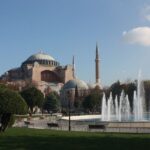
- Hagia Sophia: the 1,500 years you can actually follow
- Skip-line entry is more valuable here than you think
- What to keep an eye on
- Basilica Cistern: the underground palace and Medusa heads
- Timing and pace
- Real-world comfort note
- Hippodrome: Roman chariot racing in today’s city fabric
- Why this stop matters
- Tea and local rhythm at Corlulu Ali Paşa Medresesi
- What I’d do during the break
- Grand Bazaar strategy: shopping tips plus smart substitutes
- Watch for closure swaps
- Optional carpet stop: Vezirhan and a calmer approach to buying
- Who should choose it
- Price check: is $145.12 a good deal?
- Logistics you should plan for before you go
- Dress and items that actually matter
- Group size and guide communication
- Who this tour is best for (and who should reconsider)
- Should you book this skip-line Istanbul tour?
- FAQ
- How long is the guided tour?
- What’s included in the tour price?
- Do we need tickets for Blue Mosque, Hagia Sophia, and Basilica Cistern?
- What’s the meeting point and where does the tour end?
- What should I wear to enter the mosques?
- Is the tour suitable for kids?
Key things I’d plan around
- Skip-line priorities at Hagia Sophia and Basilica Cistern, plus admission to Blue Mosque
- Small group pacing (maximum 15; often far fewer), which makes questions and timing easier
- Must-see visuals like the Medusa heads in the Basilica Cistern
- Real neighborhood vibe at a former religious school turned cafe break
- Bazaar strategy for Sundays and festival days, including the Spice Bazaar replacement
Why this Blue Mosque–Hagia Sophia combo saves your day
Istanbul’s top sights are close together on the map, but not always close together in real life. Lines can swallow time, and guesswork is exhausting when you’re trying to see a lot in one go.
This tour is built to reduce that stress. You start in the Sultanahmet area, move through iconic landmarks in a logical order, and keep tickets handled for the big-ticket entries. You’re not just “checking boxes.” The guide explains what you’re looking at—why the domes and mosaics matter, what symbols were added as power and religion changed, and how the city reused older monuments.
One of the strongest benefits is the human layer. Guides like Omer/Omar, Burak, Salih, Pinar, and Bert are highlighted for clear English and practical storytelling. If you want to understand the city instead of just photographing it, that matters.
You can also read our reviews of more tours and experiences in Istanbul.
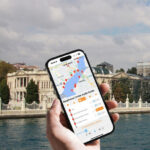

Blue Mosque: what to notice after it reopened
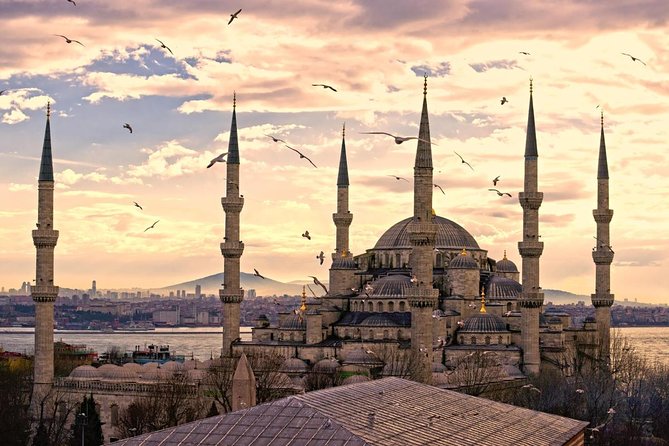
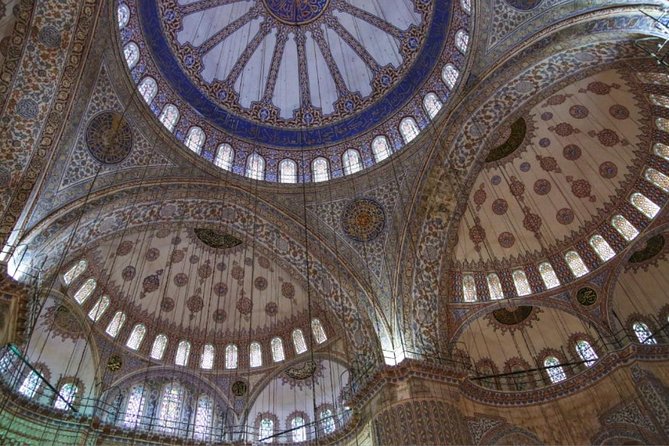
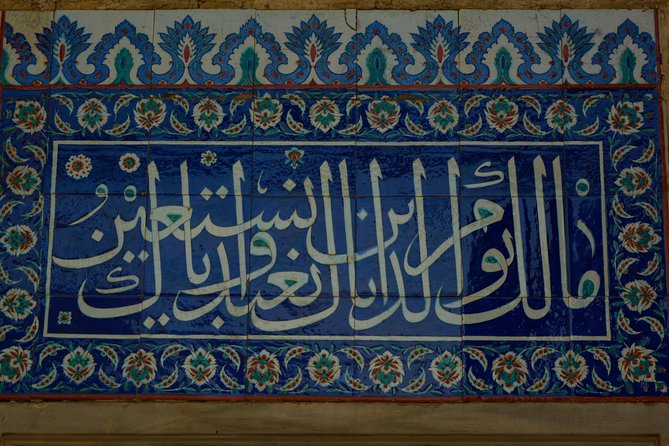
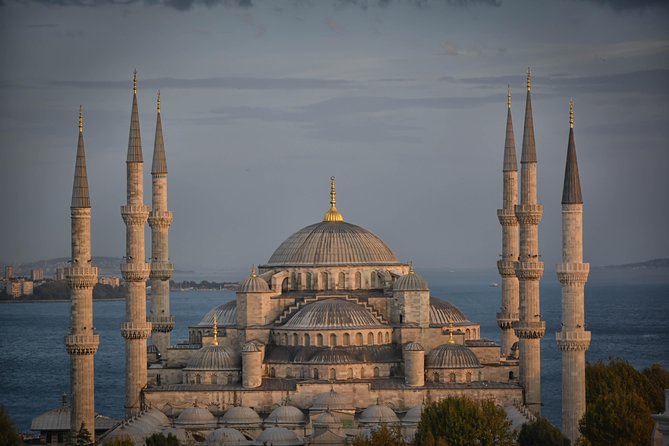
The Blue Mosque (officially the Sultanahmet Mosque) is active and it’s one of Turkey’s most visited. It’s famous for the blue İznik tiles inside, which is exactly what you’re going to look for once you’re inside.
A useful bit of context: the mosque was closed for renovation for years and has been open again since April 21. That makes this tour timing extra relevant right now—seeing it after reopening feels like catching a spotlighted moment rather than a forever-closed mystery.
What makes this stop worth your time
Spend your attention in three places:
- The interior tile work and the repeating patterns that give the space its color
- The scale of the prayer hall (it’s bigger than photos make it seem)
- The way the guide connects the design to Ottoman-era priorities
A practical note
Wear the right clothes. You’ll need shoulders and knees covered, and women should bring a scarf to cover hair inside the mosque. In warm weather, the combination of long pants and covered shoulders can feel heavy—bring water and wear breathable layers outside the required clothing rules.
Hagia Sophia: the 1,500 years you can actually follow
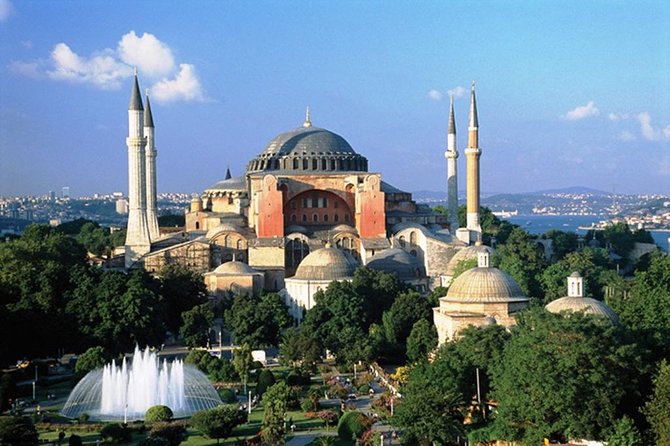
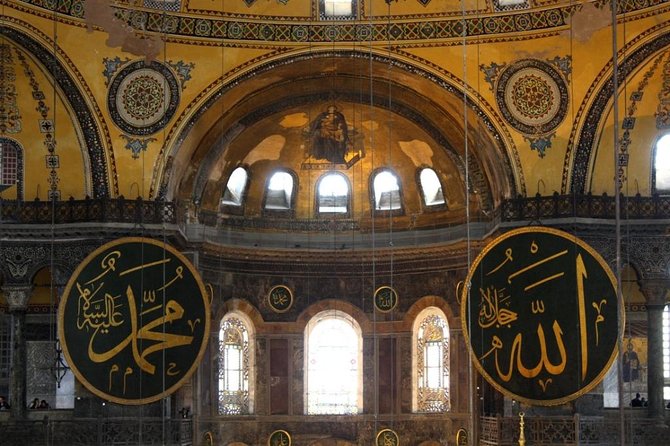
Hagia Sophia is a 6th-century AD world heritage site that tells one story in two languages: Byzantine Christianity and Ottoman Islam. The building’s design holds both eras, and the mosaics and calligraphy-like artwork help you see how the meaning shifted without the structure disappearing.
What I like about this stop is that it’s not treated like a museum lecture. The guide walks you through architecture and religion symbols so you leave understanding what you saw instead of only remembering the dome.



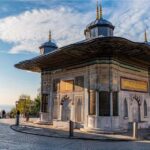
Skip-line entry is more valuable here than you think
Hagia Sophia’s line can be unpredictable. Priority entry doesn’t just save time. It protects your energy. If you’re doing several major sites in one day, that time you gain keeps the rest of your route from turning into a sprint.
What to keep an eye on
If you want quick focus points, aim for:
- Mosaic details and how they’re positioned in the space
- The calligraphy-style elements and where they appear
- The “overlay” concept: how later additions changed the meaning without erasing the earlier identity
Basilica Cistern: the underground palace and Medusa heads
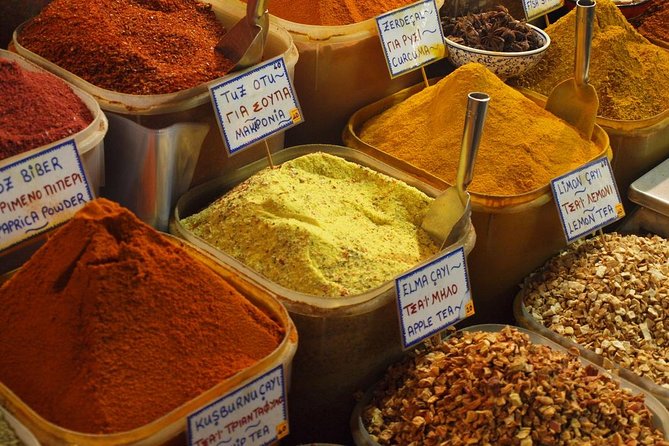
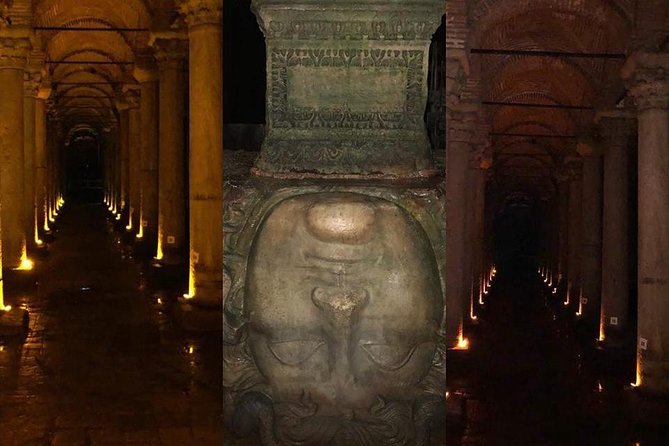
The Basilica Cistern is an underground water reservoir that feels like an underground palace. Roman engineering did something clever here: it created a cool, dark interior where sound and scale play tricks on you.
The stop is also visual in a very specific way. Don’t rush straight to the room’s center and miss the ending. Walk toward the end to see the gigantic Medusa heads—turned upside down. They’re the kind of detail your brain files as I can’t believe that’s in Istanbul.
Timing and pace
You’ll have about 45 minutes here. That’s enough for a slow look, a few photos, and time to read what the guide points out. If you’re the type who likes facts on demand, this is a great place to ask questions.
Real-world comfort note
This is a sit-and-stand walking type of visit, not a long hike, but it’s dim and cool. Bring a phone flashlight only if you need it—lighting inside can already be tricky for photos, especially if it’s busy.
Hippodrome: Roman chariot racing in today’s city fabric
The Hippodrome stop feels smaller than Hagia Sophia or the Blue Mosque, but it’s a smart one. This was the base of a Roman hippodrome built in the 4th century AD for chariot races—yet a few major monuments still survive nearby.
The guide connects those survivors to the longer timeline of Istanbul:
- Egyptian obelisk (dated to around 1500 BC)
- Serpent column (from around the 5th century BC)
- Constantine column (from around the 10th century AD)
Why this stop matters
It gives you a bridge between empires. You’re not only seeing churches and mosques. You’re seeing how the same geography kept getting reused for power, spectacle, and meaning.
It’s also a helpful reset. After the heavy wow factor of the mosques, the Hippodrome gives you a chance to look at the “older layer” of the city without the pressure of moving nonstop.
Tea and local rhythm at Corlulu Ali Paşa Medresesi
Between sights, you’ll stop for a drink at Corlulu Ali Pasa Medresesi. This place used to be a religious school until the 1930s, and now it functions as a cafe stop where people socialize.
The tour includes the tea/coffee break. That’s not fluff. It’s one of the ways you stay comfortable through the day—especially if you’re visiting in warm weather.
You might also see people using shisha/hookah. You don’t have to join that side of the scene, but it helps you feel how the area works beyond monuments.
What I’d do during the break
Use the time for two things:
- Refuel with tea or coffee
- Re-collect yourself before you hit the bazaar chaos with a plan
Grand Bazaar strategy: shopping tips plus smart substitutes
The Grand Bazaar is one of the most famous shopping areas in the world, and it can overwhelm you if you’re wandering without a route. This tour includes a visit from inside, with shopping tips from your guide so you know what to look for and how to move.
The tour also ends nearby, so you can keep shopping after the guided part. That structure works well: you get orientation first, then freedom.
Watch for closure swaps
This is important if you’re planning around days:
- Grand Bazaar is closed on Sundays. On Sunday, the tour ends at the Spice Bazaar instead.
- Both bazaars are closed on religious festivals twice a year. On those days, you’ll be substituted with Arasta Bazaar.
This kind of swap is exactly why a guided plan is useful. You don’t arrive expecting one place and then scramble to find a replacement.
Optional carpet stop: Vezirhan and a calmer approach to buying
If you want one more layer of Ottoman-era craftsmanship, there’s an optional add-on at Vezirhan Handmade Carpets & Klims. It’s set inside a caravanserai described as about 500 years old, which makes it more than just a retail stop.
The main reason this one gets positive attention is the selling style. The shop is described as not pushy, with a focus on quality and shipping if you buy.
Who should choose it
Do this stop if:
- You like learning how products are made
- You want to see traditional weaving up close
- You want a purchase environment that feels more respectful
Skip it if you mainly want more time outside and hate shopping interruptions.
Price check: is $145.12 a good deal?
At $145.12 per person for about 4 to 5 hours, this tour is priced like a serious “make the lines disappear” day.
Here’s why it often feels worth it:
- You’re getting admission included for Blue Mosque, Hagia Sophia, and Basilica Cistern
- Priority skip-line handling is part of the package where waits can be brutal
- You also get a licensed English-speaking guide and included coffee/tea
If you tried to cobble this together on your own, you’d likely end up paying similar entry costs—and still losing time to queues and decision-making. The guide’s routing and explanations are the hidden value. You’re paying for clarity and time protection.
That said, if you already love self-guided museum days, you might prefer to build your own route. This tour is most valuable when you want the heavy lifting done for you.
Logistics you should plan for before you go
This isn’t a sit-on-a-bus tour. It’s a walking day, and reviews flag the same reality: you should expect stairs at some stops, plus lots of walking across historic sites.
Dress and items that actually matter
- Shoulders and knees covered (both women and men)
- Women: bring a scarf for hair covering inside Blue Mosque and Hagia Sophia
- Wear comfortable walking shoes. You’ll thank yourself on the last third of the day.
- Bring water. Heat is real in this area, and the route spends time outdoors between interiors.
Group size and guide communication
The group is small, with a maximum set size. That helps you hear the guide better and ask questions. One note that popped up is that no microphone was provided in some cases, so if you have hearing needs, plan to sit where you can see the guide clearly and bring the right hearing support for yourself.
Who this tour is best for (and who should reconsider)
This is a strong fit if you:
- Have limited time and want the main sights grouped into one plan
- Prefer a guide who explains what you’re seeing (not just a list of buildings)
- Want coffee/tea breaks built in
- Like small-group pacing and a smoother experience through busy sites
It may be less ideal if you:
- Hate walking or stairs
- Want zero structured time and would rather wander freely with no schedule
- Prefer only one or two sites instead of multiple major stops
Should you book this skip-line Istanbul tour?
If you’re aiming to see Blue Mosque, Hagia Sophia, and the Basilica Cistern without wasting hours in lines, I’d book it. The price lines up well with what you’re actually getting: skip-line entry where it counts, a licensed English guide, and included drinks to keep you going.
I’d book especially fast if your dates include a Sunday, because the tour’s bazaar swap to the Spice Bazaar solves a common planning headache. And if you care about context—architecture, symbols, and why Istanbul layers Christianity and Islam in one physical space—this kind of guided day is the fastest way to turn sights into understanding.
If you want, tell me your travel month and whether you’re visiting on a Sunday or around a major holiday. I can suggest what to prioritize and what to expect for crowd levels and closures.
FAQ
How long is the guided tour?
The tour runs about 4 to 5 hours, roughly. Some days may run closer to 5 to 6 hours depending on pace and time spent at each stop.
What’s included in the tour price?
Entry tickets are included for Hagia Sophia and Blue Mosque, and Basilica Cistern entry is included with priority skip-line access. You also get a professional licensed English-speaking guide, coffee and/or tea, and drinks at the tea/coffee break.
Do we need tickets for Blue Mosque, Hagia Sophia, and Basilica Cistern?
No. Admission tickets for Hagia Sophia (with skip-line access), Basilica Cistern (with priority skip-line access), and entry to Blue Mosque are included as part of the tour.
What’s the meeting point and where does the tour end?
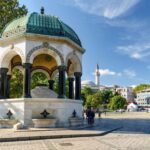
The start is at the German Fountain Binbirdirek, At Meydanı Cd, 34122 Fatih/İstanbul. The tour ends near the Grand Bazaar at Beyazıt (34126), but on Sundays it ends at the Spice Bazaar instead.
What should I wear to enter the mosques?
You should wear clothes that cover your shoulders and knees for both men and women. Women also need to bring a scarf to cover their hair inside the Blue Mosque and Hagia Sophia.
Is the tour suitable for kids?
Kids age 6 and up are charged as adults. Kids 5 and lower are free, but they need an ID or passport to prove age.