REVIEW · ISTANBUL
Hagia Sophia Private Skip The Ticket line guided Tour
Book on Viator →Operated by Istanbul Private Guided Tour: For Major Historical Attractions · Bookable on Viator
One building, a lot of layers. A private Hagia Sophia guided tour like this is for people who want the big ideas explained fast—Roman engineering, Ottoman-era changes, and why the building still works as both a mosque and a museum. I like that you get a licensed guide who can answer questions in real time, and I also like the focused pace that keeps you from wandering lost under that famous dome. The main drawback to plan for is the short visit window plus practical rules at the entrance, especially the dress code.
You’ll meet at Sultan Ahmet in front of Ayasofya Meydanı (a very central spot for Hagia Sophia), start at 4:00 pm, and spend about 40 minutes inside with your guide. Admission and headscarf details are the part to double-check before you go, because even a good plan can stall if you arrive without what’s required.
In This Review
- Key things to know before you go
- Hagia Sophia in 40 minutes: what you’re really buying
- Inside the building: Roman motifs, Ottoman additions, and the dome effect
- Dress code and ticket reality checks (don’t get caught at the entrance)
- Meeting at Sultanahmet: how to avoid the classic timing trap
- How “private” changes the Hagia Sophia experience
- Value for money: when skip-the-line + guide is worth it
- Should you book this Hagia Sophia private skip-the-ticket tour?
- FAQ
- How long is the Hagia Sophia private skip-the-ticket-line guided tour?
- Is the tour in English?
- Is this a private tour or will I be grouped with other people?
- Where do we meet for the tour?
- What time does the tour start?
- Is the admission ticket included?
- Is a headscarf included?
- What is the dress code to enter Hagia Sophia?
- What if the experience can’t run due to weather?
Key things to know before you go

- 40 minutes is the whole game: you’ll get the essentials, not a slow, lingering walk-through.
- Roman + Ottoman storytelling: you’ll look for Roman-period motifs inside and later Ottoman additions.
- Dress code is enforced: women need headscarves and long dresses; men need long dresses covering the knees.
- Admission fee is listed as not included: the skip-the-ticket-line concept helps, but you should plan to handle entry payment.
- You’ll have a private guide: only your group participates, so questions stay relevant.
- Meeting point clarity matters: the tour is tied to a specific Sultanahmet address—arrive a bit early.
Hagia Sophia in 40 minutes: what you’re really buying
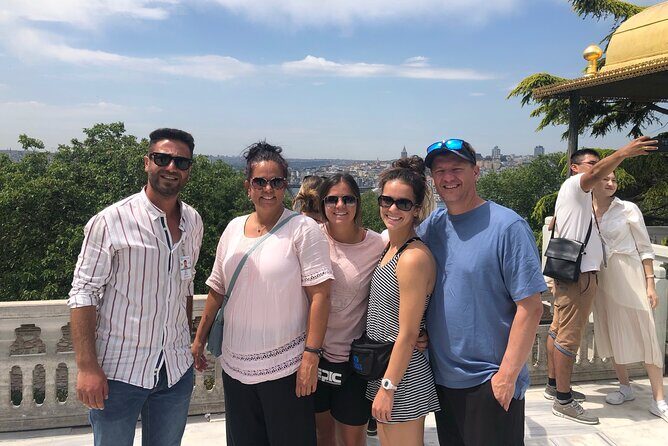
This is a short, focused guided stop at one place: Hagia Sophia Grand Mosque. The tour is designed around your time inside—about 40 minutes—so you’re not spending the afternoon waiting in lines or reading your way through 1,500 years of change.
The core value is the guide-led interpretation. Hagia Sophia isn’t just a pretty building with a famous dome. It’s a timeline you can walk through: built by the Eastern Roman Empire in the 6th century, standing for roughly 1,500 years; used as a cathedral for about a thousand years; then converted into a mosque after the Ottomans took over the city in 1453. Today, it’s partly used as a mosque and partly as a museum, so the space has to be read on multiple levels at once.
On a private tour, that matters. You can ask questions as you go—why certain elements look the way they do, what the building’s different phases mean, and what you’re looking at instead of guessing. In a place this busy, having someone who can keep you on track is a real quality-of-life upgrade.
The one big “fit” question is whether you want depth or speed. If you’re the type who loves museum-level lingering, 40 minutes may feel tight. If you want the highlights and a solid narrative so you can enjoy the building on your own afterward, it’s a good length.
You can also read our reviews of more tours and experiences in Istanbul



Inside the building: Roman motifs, Ottoman additions, and the dome effect
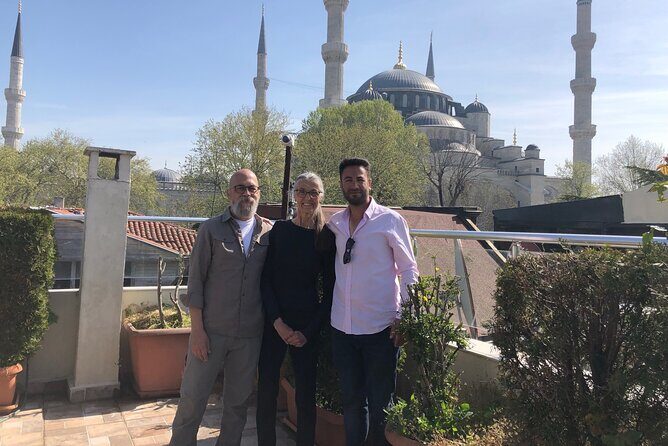
Even when you’re only there for about 40 minutes, the building does most of the work. Hagia Sophia’s dome is the first visual anchor—engineered in a way that still looks bold today. Then the guide helps you switch from awe to understanding, pointing you toward the details that explain how the meaning of the space shifted over time.
Here’s what you can expect to focus on inside:
- Roman-period motifs and icons: you’ll be shown Roman-era elements, including the kind of icons and decorative themes connected to its earlier Christian use.
- Ottoman-era additions: after 1453, the Ottomans reshaped and continued the building’s role as a mosque, leaving visible traces in how the interior is presented.
- A living-institution vibe: because the building is partly a mosque and partly a museum, your visit is not just sightseeing. You’ll likely experience the space as both worship setting and historical exhibit, which changes the energy compared with a purely secular museum.
The practical benefit of a guide here is that Hagia Sophia can feel overwhelming. There’s a lot to look at, and it’s easy to spend your time staring without learning anything beyond the obvious. A good guide turns the staring into a story—so when you look up at the dome or around at decorative features, you know what phase you’re seeing and why.
If you’re visiting on a day when you also plan other nearby sights in Sultanahmet, the 40-minute focus can actually be a plus. You get Hagia Sophia’s meaning now, then you’re free to connect the dots later as you move around the neighborhood.
Dress code and ticket reality checks (don’t get caught at the entrance)
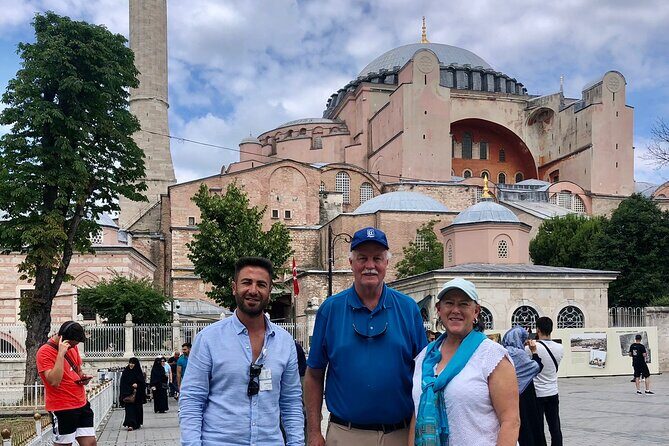
This part is not optional: dress code rules apply for entering. The requirements listed for this tour are straightforward, and you should treat them as firm.
- Women: headscarves and long dresses are mandatory.
- Men: long dresses that cover the knees are mandatory.
Headscarf guidance matters because this tour lists headscarf as not included. If you don’t already have a scarf or a dress/covering that matches the requirement, you’ll need to sort it before your time slot.
Tickets are another detail to confirm. The tour name emphasizes a skip-the-ticket-line approach, but the information provided also lists admission fee as not included, alongside a note that tickets are included that conflicts slightly. To protect your day, I’d plan like this:
- assume you may need to purchase your entry admission separately (or at least be responsible for the admission fee),
- and rely on the “skip” approach to reduce waiting rather than assuming everything is paid and handled for you.
You’ll also want to account for a moderate fitness level requirement. That usually means you should be comfortable with walking and standing for the visit timeframe, not that you need sports training.
The good news: because this is a private guide tour, you’re less likely to get stuck in a long chaotic crowd situation where everyone’s trying to figure out rules at once. Still, your best move is to show up ready—clothes covered, headscarf sorted, and entry payment handled.
Meeting at Sultanahmet: how to avoid the classic timing trap
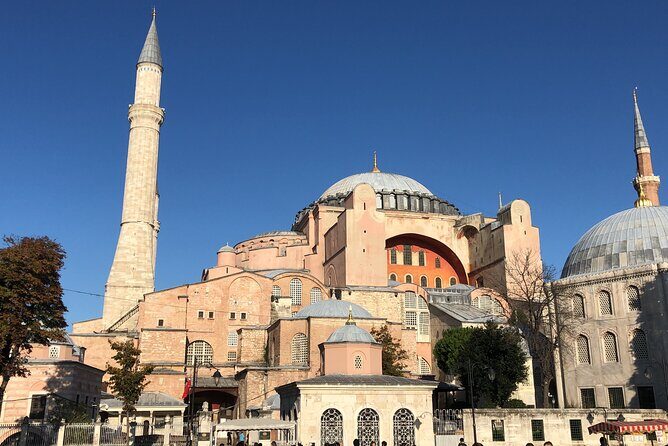
The meeting point is very specific: Sultan Ahmet, Ayasofya Meydanı No:1, 34122 Fatih/İstanbul, Türkiye. The tour starts at 4:00 pm, and it ends back at the meeting point.
Central locations are great—until they aren’t. There are often multiple entrances, multiple “nearby” landmarks, and plenty of confusion when someone arrives late and expects a guide to magically appear near the exact right corner. The address-based meeting spot is your friend, but only if you show up early and orient yourself before the start time.
Practical tip: give yourself extra buffer time. You’re doing this to remove stress, so don’t rebuild stress at the first five minutes.
Also, the tour is near public transportation. That’s helpful if you’re using tram/metro/bus around Sultanahmet, but it still pays to arrive early because crowds can affect how fast you move through the area.
Because it’s private, once you meet the guide you should feel immediately in control: you won’t be shuffled into a big group, and you’ll stay together as you head inside.
How “private” changes the Hagia Sophia experience

Hagia Sophia is one of those places where a group tour can feel like a sprint. You follow, you look, you move, you hope you remember later what you just saw. A private format changes that because your guide is focused on your questions and your pace within the time limit.
In practice, you’ll get:
- Guided storytelling focused on the building’s key transitions (Roman construction, cathedral use, Ottoman conversion, modern mixed role).
- Room to ask questions while you’re in the exact spot where the detail matters.
- A tighter route so you spend your attention on the details the guide wants you to see.
This is especially valuable if you like history but don’t want to do homework for every stone. In 40 minutes, the guide can translate the visible “what” into the meaningful “why.”
The downside is also worth naming: because it’s private and timed, you may have less opportunity for extra wandering outside the planned flow. If you want to go off-script to photograph every angle or keep reading every panel like it’s a textbook, you may need longer than 40 minutes.
You can also read our reviews of more guided tours in Istanbul




Value for money: when skip-the-line + guide is worth it
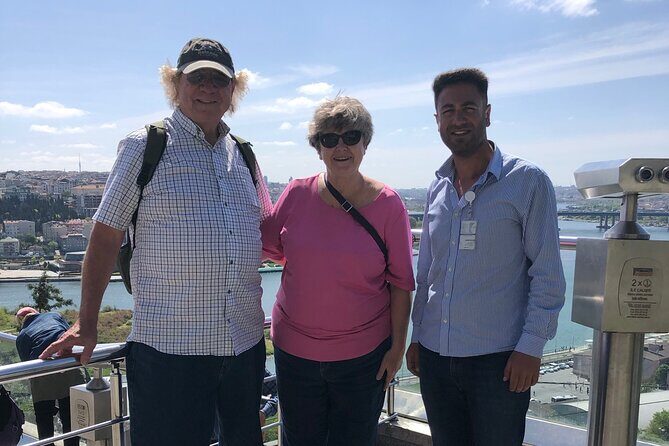
Even without a listed price here, you can still judge the value. You’re essentially paying for three things:
1) a licensed guide,
2) the convenience of a skip-the-ticket-line style plan,
3) private attention inside one of Istanbul’s most crowded landmarks.
In high-demand sites, time has a cost. A skip-the-line plan can be worth real money when lines are long and the day’s schedule is tight. The guide part is the other half of the equation. Hagia Sophia is famous, but fame doesn’t automatically mean understanding. A good guide turns the visit from “I saw it” into “I understood what I saw.”
Now the small catch: admission and headscarf are not included in the provided details. So budget for entry and make sure you have clothing that meets the dress code. If you ignore that, the tour can feel expensive for the wrong reason.
When this tour makes the most sense:
- you want the top Hagia Sophia story fast,
- you prefer a private guide over group pacing,
- you’re combining it with other Sultanahmet sights and want efficiency.
When it might not:
- you want a slow, hours-long museum-style experience,
- you want to spend time on every chapel detail without time pressure,
- you’re uncomfortable with dress code requirements and don’t plan to handle them.
Should you book this Hagia Sophia private skip-the-ticket tour?
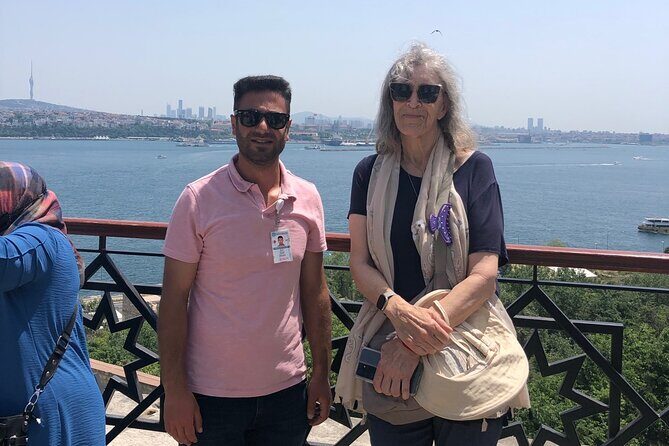
If your goal is a smart, guided Hagia Sophia visit that covers the key story beats—Roman origins, Ottoman conversion after 1453, and what you’re seeing today—then yes, this is a solid booking choice. The licensed private guide format and the short, efficient 40-minute structure are exactly what you want when time and energy are limited.
Book it if you:
- like learning while you look, not after the fact,
- want questions answered in the moment,
- are visiting around the 4:00 pm slot and want a focused window inside.
Think twice if you:
- need a long, unhurried visit to absorb details,
- haven’t planned for the dress code (including headscarf needs for women),
- might arrive without sorting admission logistics.
My best advice: get ready for the entrance rules, arrive a little early at Ayasofya Meydanı No:1, and treat the 40 minutes as a guided “greatest hits” tour—then you’ll enjoy Hagia Sophia again after your guide step-away, with your brain switched on.
FAQ
How long is the Hagia Sophia private skip-the-ticket-line guided tour?
It lasts about 40 minutes.
Is the tour in English?
Yes, the tour is offered in English.
Is this a private tour or will I be grouped with other people?
This is a private tour/activity, so only your group participates.
Where do we meet for the tour?
The meeting point is Sultan Ahmet, Ayasofya Meydanı No:1, 34122 Fatih/İstanbul, Türkiye.
What time does the tour start?
The start time is 4:00 pm.
Is the admission ticket included?
The information provided lists admission fee as not included, so you should plan on handling the entry admission separately.
Is a headscarf included?
No. Headscarf is listed as not included.
What is the dress code to enter Hagia Sophia?
Women must wear a headscarf and a long dress. Men must wear long dresses that cover the knees.
What if the experience can’t run due to weather?
This experience requires good weather. If it is canceled due to poor weather, you’ll be offered a different date or a full refund.