REVIEW · ISTANBUL
Istanbul: 48-Hour Hop-On Hop-Off Double Decker Bus Ticket
Book on GetYourGuide →Operated by Hop On Hop Off · Bookable on GetYourGuide
Two days, one open-top view. Istanbul works like two cities at once, and this 48-hour hop-on hop-off bus is an easy way to read the streets without committing to a rigid tour. The double-decker setup gives you that big, panoramic angle, while the prerecorded audio guides talk you through what you’re seeing as you move across Europe and Asia.
What I like most is how practical the ticket is: you can hop on and off across two days instead of rushing from stop to stop. I also appreciate the multilingual audio and onboard setup (Wi‑Fi and earphones), which makes it feel less like a noisy ride and more like guided city time. The main thing to consider is the price: at $84, it only feels like value if you’ll actually use both days and ride enough to justify it.
In This Review
- Key points to plan around
- From the street level to the skyline: why this bus works in Istanbul
- How the blue and red routes connect across numbered stops
- Audio guide setup: what you get on board and why it matters
- Open-top views and real comfort on a busy city ride
- Building a smarter 48-hour plan around hop-on freedom
- Price and value: is $84 for two days a fair deal?
- When this tour is the right fit (and when it isn’t)
- Practical tips to make your hop-on bus day go smoothly
- Should you book this 48-hour Istanbul bus ticket?
- FAQ
- How long is the ticket valid?
- How many routes are included?
- Can I hop on and off as I want?
- What audio languages are available on the bus?
- Is there a host or greeter on site?
- Does the bus include Wi‑Fi and earphones?
- Is the bus wheelchair accessible?
- Where does the experience end?
- Is alcohol allowed on the bus?
- What is the cancellation policy?
Key points to plan around
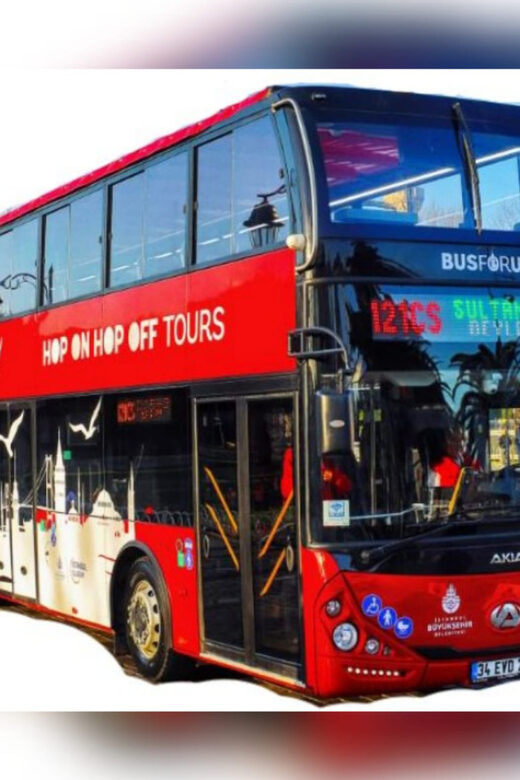
- 48 hours from first activation: Start when you’re ready, then spread sightseeing across two days.
- Two routes (blue and red): You’re not stuck with one loop; you can switch how you build your day.
- Audio in many languages: English, Spanish, German, French, Russian, Turkish, Persian, Arabic.
- Earphones plus Wi‑Fi: You get the audio without headphones hunting, and you’ll have internet for maps and updates.
- Know how the bus runs across stops: The system uses numbered stops and route color changes, so check the bus panel before you plan a late hop-on.
From the street level to the skyline: why this bus works in Istanbul

Istanbul is a city where time disappears quickly. Streets zig, traffic slows, and the viewpoints are often just out of reach unless you’re constantly repositioning yourself. This open-top, double-decker format is made for “get oriented fast” sightseeing, because it turns long drives into view time.
The hop-on hop-off design is the real win. You’re not locked into one order, so you can match the bus to your energy level, your meal schedule, and the daylight. If you want to spend a full hour somewhere, you can. If you just want a quick look from above, you can do that too.
And because the ticket is valid for two days from the first activation, you’re not forced into one big sprint. I find that matters in Istanbul, where you’ll often want to return to a neighborhood once you understand where everything sits.
You can also read our reviews of more tours and experiences in Istanbul



How the blue and red routes connect across numbered stops

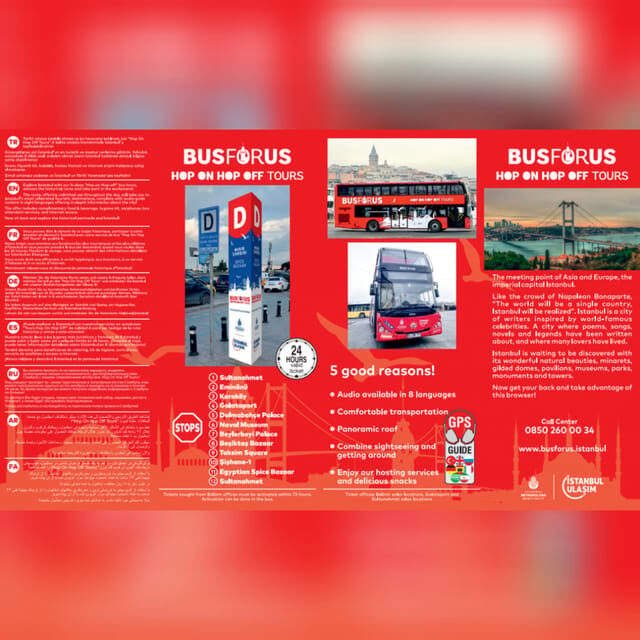
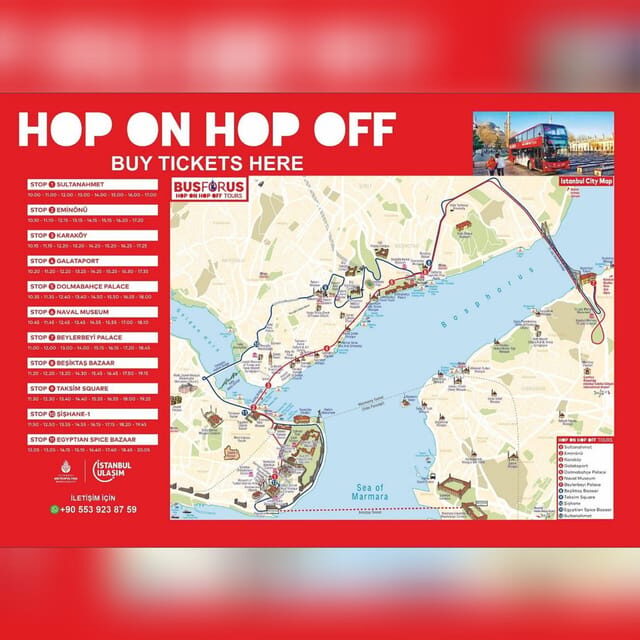
This ticket uses two routes: blue and red. The important practical detail is that the routes are not always handled like two separate buses standing side by side. One rider described how it’s effectively one continuous operation where the red route continues until a final point, and then the same bus starts handling the blue route from the next phase of stops.
What you should do with that info: plan your route-building around the numbered stops and the route color system, not around the idea that you’ll always be switching onto a totally different vehicle. If you’re trying to time a transfer, look closely at the route signage on the bus and at the stop board.
Also note that your ticket experience ends at the starting stop. That’s helpful for planning, because you’re not guessing where you’ll end up after your last ride segment.
Audio guide setup: what you get on board and why it matters

The bus comes with prerecorded commentary in multiple languages, including English, French, Russian, Spanish, German, Turkish, Persian, and Arabic. If you’re the type who likes to learn while you ride, this is the simplest way to do it without spending time hunting down info on your phone at every stop.
Even better, the bus includes earphones. That sounds small, but it changes the whole experience. You don’t have to carry your own set, and you can keep the audio at a comfortable volume while still hearing announcements.
Wi‑Fi onboard is another practical touch. In Istanbul, you often need quick help: checking which direction you walked, translating a street name, or confirming where the next bus stop is. Having that access while you’re moving makes hop-on hopping feel less like guesswork.
One more point: the onboard host or greeter is listed with availability in English, German, Russian, Spanish, Arabic, Turkish, and French. If you’re stuck, confused about boarding, or unsure how to build your next leg, that human help can make a real difference.
Open-top views and real comfort on a busy city ride
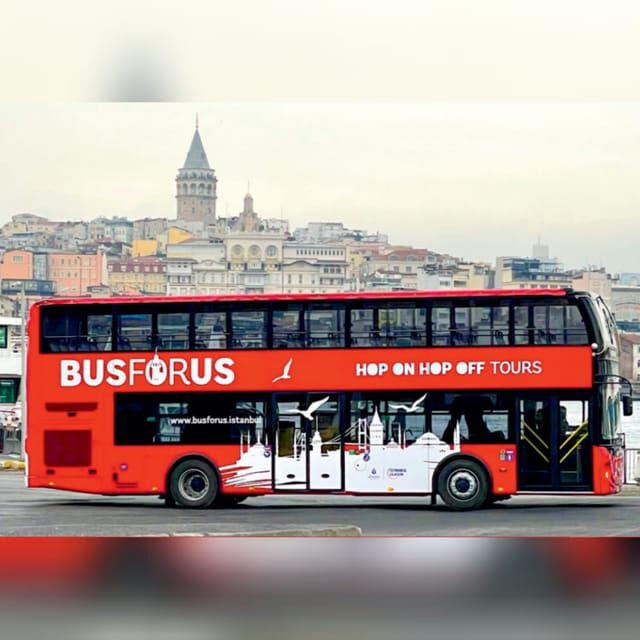
Double-deckers are great for sightseeing because you naturally end up with higher perspective than you’d get on the street. In Istanbul, that matters because the city’s shape is part of the story. You’re crossing water, hills, and dense neighborhoods, and the bus gives you constant context.
That said, open-top also means you’ll feel the weather more. Plan for the fact that the ride is outdoors at the top level. If you’re sensitive to sun or wind, bring what helps you stay comfortable, so you can enjoy the audio instead of battling the elements.
Wheelchair accessibility is listed, which is a big plus if mobility is part of your planning. And since the ticket isn’t suitable for people with heart problems, you should consider your personal comfort with prolonged rides and possible exertion around boarding points.
Finally, remember the rules: alcohol and drugs are not allowed. It’s a normal policy, but it helps set expectations for the kind of ride you’ll have—more sightseeing-focused, less party-mode.
Building a smarter 48-hour plan around hop-on freedom
Here’s how you actually use a two-day bus ticket well: you plan your rides around your sightseeing priorities, then use hop-on time as a flexible connector.
Start with this idea: the bus is your backbone. You choose what you get off for—longer photo stops, viewpoints, neighborhood exploration, or quick checks of where you want to return. Then you ride back on when it’s time to reposition, eat, or rest.
Because your ticket is valid for 2 days from the first activation, pick your start moment strategically. Start on the day you’ll be out early enough to catch more of the day’s light, and save the second day for a follow-up loop. Two days works best when you treat the first day as orientation and the second day as refinement—returning to the places that grabbed your attention.
One practical tip: treat the timetable as a living document. There can be differences between what you expect and what’s running in real time. One of the key lessons from real-world use is to check the bus panel and signage when you’re at the stop, especially if you’re trying to make a last hop-on later in the day.
If you’re planning a tight evening, don’t assume you’ll always be able to board at every stop until closing time. Confirm with the driver or host when you’re getting on, so you’re not stuck planning your night around missing transport.




Price and value: is $84 for two days a fair deal?
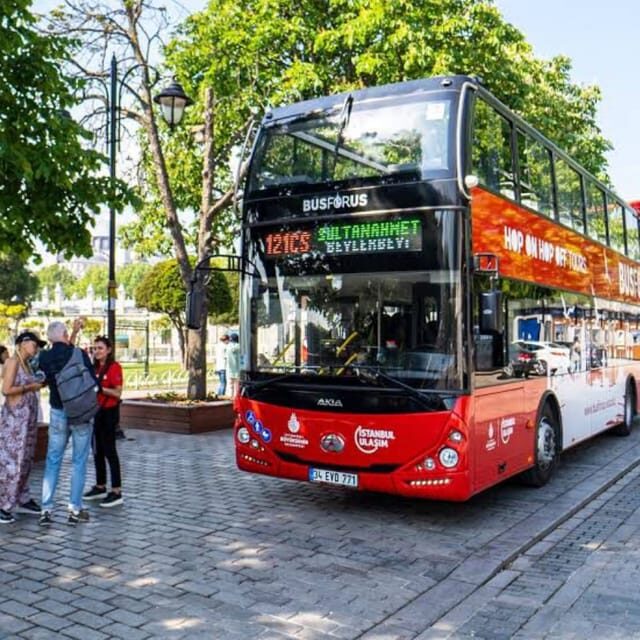
$84 per person is not a bargain price, so I think about value in a simple way: would this ticket replace multiple taxis, multiple “where do we go next” detours, and a lot of time lost figuring out transit?
This pass can be worth it if you’ll do several hop-on segments across both days. You’re paying for two things at once: transportation plus guided interpretation. The audio commentary in many languages makes it more than just a ride, and the hop-on flexibility is what keeps you from wasting time.
You’ll get the best value if:
- you plan to ride enough to justify the cost (not just one short loop),
- you use both days, not just one,
- you’re okay with the bus as your main repositioning tool,
- you prefer convenience over assembling multiple separate transport plans.
If you’re the type who already has a tight itinerary with lots of walking plus public transit, this might feel expensive. In that case, you’d want to compare it against how much you’ll actually use it for real sightseeing time.
When this tour is the right fit (and when it isn’t)
This experience fits you best if you want a smooth, low-stress way to see major areas without constantly checking routes. It’s also a good match if you like guided narration but don’t want a formal walking tour pace.
It’s less ideal if:
- you’re not likely to use both days,
- you dislike outdoor transit or weather exposure at the top deck,
- you have health concerns, since it’s noted as not suitable for people with heart problems,
- you’re expecting two completely separate, independent bus systems for each color route.
If you can’t stand uncertainty, build in a buffer. Istanbul’s traffic and operational realities can affect timing anywhere. The pass gives you flexibility, but you still need to be realistic about boarding windows.
Practical tips to make your hop-on bus day go smoothly
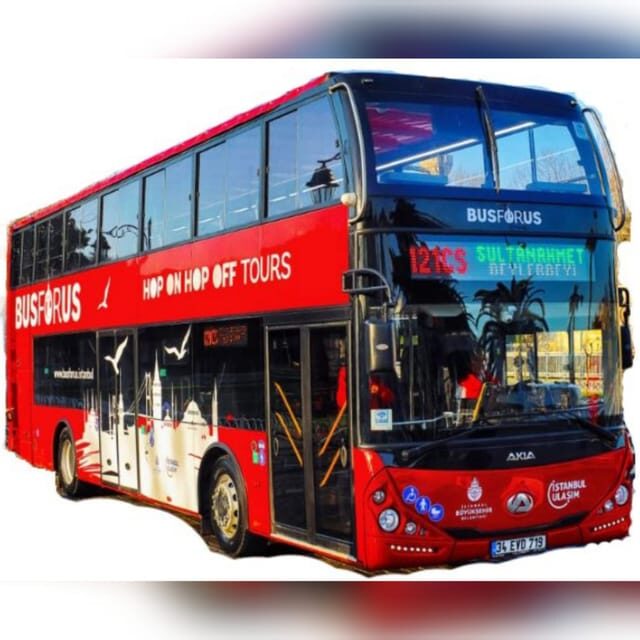
Use your electronic ticket. Bring it up on your phone so you’re ready when you board. Then, keep an eye on the route color signage and stop numbers so you’re not guessing which direction your next ride segment will take.
Before you commit to a late hop-on, check the timetable information displayed on the bus or at the stop. If you’re unsure, ask the driver or the greeter on duty. That one question can save you an hour of frustration.
Also, plan your day around comfort. Earphones are provided, so you can listen continuously, but take short breaks when you stop. The city is best enjoyed when you step out, breathe, and reset—then hop back on when you want the next viewpoint.
Finally, respect the no-alcohol/no-drugs rule. It keeps the bus atmosphere focused on sightseeing, and it also helps you enjoy the audio guide without extra distractions.
Should you book this 48-hour Istanbul bus ticket?
Book it if you want a practical way to orient yourself, move between areas, and learn through multilingual audio without locking your day into a strict schedule. The 2-day validity and hop-on hop-off setup are what make it feel useful, not just scenic.
Hold off or consider another option if $84 feels too high for how you travel. If you already have a firm plan with lots of walking and you won’t ride enough to justify two days, you may not get the value you want.
My simple rule: if you’re likely to ride multiple segments over two days, this is a smart convenience purchase. If you’re mostly doing one quick loop, it’s probably not the best use of money.
FAQ
How long is the ticket valid?
The ticket is valid for 2 days from the first activation.
How many routes are included?
You get 2 routes: blue and red.
Can I hop on and off as I want?
Yes. It’s designed as a hop-on, hop-off bus tour so you can explore at your own pace.
What audio languages are available on the bus?
The pre-recorded commentary is available in English, Spanish, German, French, Russian, Turkish, Persian, and Arabic.
Is there a host or greeter on site?
A greeter/host is listed with English, German, Russian, Spanish, Arabic, Turkish, and French.
Does the bus include Wi‑Fi and earphones?
Yes. Wi‑Fi and earphones are included.
Is the bus wheelchair accessible?
Yes, it is wheelchair accessible.
Where does the experience end?
It ends at the starting stop.
Is alcohol allowed on the bus?
No. Alcohol is not allowed.
What is the cancellation policy?
Free cancellation is available up to 24 hours in advance for a full refund.