REVIEW · ISTANBUL
Istanbul Ancient Monasteries Full-Day Tour with Lunch
Book on Viator →Operated by Istanbul Walks · Bookable on Viator
A day built around old faiths and changing empires is more fun than it sounds. This full-day loop in Istanbul focuses on Byzantine religious sites from the Constantinople era, then shows how many were reshaped over time. You’ll walk through the monastery landscape where churches became mosques, and you’ll get the kind of storytelling that helps you see what you’re looking at instead of just taking photos.
I especially like that the tour stays small (up to 4), so the guide can slow down and answer real questions. I also like the way it mixes big-name art with lesser-seen corners of the old city, including mosaics and frescoes at Chora and walking time near Tekfur Palace. One thing to plan for: it’s a full day of walking, and the day moves fast enough that good shoes matter.
In This Review
- Key highlights worth knowing
- From Sarachane to Chora: the route that makes Constantinople feel readable
- Tour size, pickup timing, and why the minivan matters
- Stop-by-stop: St Polyeuktos and the story you’ll carry all day
- Pantocrator, Pammakaristos, and church-to-mosque transformations
- Monastery Chapel of St John the Forerunner: a quiet breather in the middle
- Lunch in the Fatih area: what included really means here
- Chora Church mosaics and frescoes: the visual payoff
- Tekfur Palace walk: imperial Constantinople without the crowds
- Outside-looking-in stops: Vlaherna, the Mongols church, and the Patriarchate
- Walls, gates, and Molla Zeyrek Mosque: the geography lesson
- How much walking should you plan for?
- Price and value: what $781.90 per group buys you
- Should you book this Byzantine monasteries tour?
- FAQ
- What time does the tour start, and how long does it run?
- Is hotel pickup and drop-off included?
- How many people are in the group?
- Is lunch included, and what does it usually include?
- What are the main highlights I should expect?
- Is the tour mostly outside?
- Do I need a high fitness level?
Key highlights worth knowing
- Up to 4 people means more back-and-forth with the guide and less “single-file herd” energy.
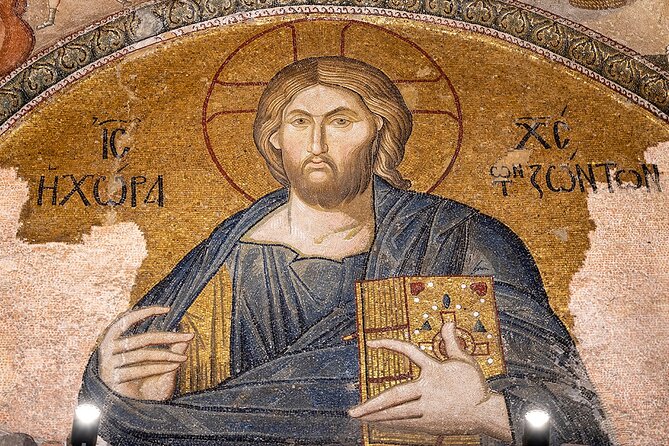
- Chora Church is the visual payoff, known here for standout Byzantine mosaics and frescoes.
- Church-to-mosque transformations are part of the story at multiple stops, with context for why that matters.
- Tekfur Palace gives you a feel for imperial Constantinople, not just religious buildings.
- Lunch is included and many meals are described as hearty, local, and more than a token set-menu.
- A long walking day with old streets and stair-and-street rhythm, so wear footwear you trust.
From Sarachane to Chora: the route that makes Constantinople feel readable
This tour works because it follows a theme you can actually track as you move: Constantinople as a religious center first, then Ottoman-era changes layered on top. You start on the European side, in the Sarachane area, and the guide builds a timeline as you go. That makes the day less random than a standard “grab your tickets and sprint” city tour.
I like that the route includes both recognizable masterpieces and places where little remains standing. You’ll see carved remnants tied to a 6th-century church tradition, then continue toward sites connected to monastic life and later conversions. The effect is like reading the same page with different inks added over centuries.
The other smart choice is how the day blends Christian and Muslim sacred architecture without pretending the story is simple. The guide helps you connect what you’re seeing (mosaic scenes, carved stone, monastery layouts, mosque adaptations) to how communities used and re-used these spaces.
You can also read our reviews of more tours and experiences in Istanbul.


Tour size, pickup timing, and why the minivan matters
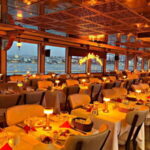
The day starts at 9:00 am, with complimentary hotel pickup and drop-off from centrally located European Side hotels. You’ll ride in an air-conditioned minivan, which is a real comfort on a day that’s mostly walking between neighborhoods.
Group size is limited to a maximum of 4 travelers. In practice, this can mean you get more personalized attention and a better pace for questions. If a day runs with very few bookings, the vibe can turn into something closer to a private experience, which several guests highlighted as a big part of why the tour felt memorable.
Duration runs about 6 hours 40 minutes to 7 hours 30 minutes, depending on how the route and timing fall. Because most stops are viewed from the street or exterior areas, you should expect a steady flow rather than long museum-style sitting breaks.
Stop-by-stop: St Polyeuktos and the story you’ll carry all day
The day’s early context matters. You begin with Sarachane and walk through the carved remains connected to St Polyeuktos, a church associated with the 6th century and one of Constantinople’s major Christian sanctuaries. Even if you’re not staring at a fully intact building, the carved fragments give you something concrete to connect to the guide’s narrative.
This is also a good place to set your mental map. Constantinople wasn’t just one monument—it was a patchwork of churches, monasteries, and institutions spread through different neighborhoods. Starting with remnants helps you understand that “what’s left” is part of the message, not a disappointment.
You’ll also get a sense of why these sites mattered enough to inspire later generations to preserve, rename, or adapt them. That theme repeats again and again later, especially as Ottoman-era mosque use enters the picture.
Pantocrator, Pammakaristos, and church-to-mosque transformations
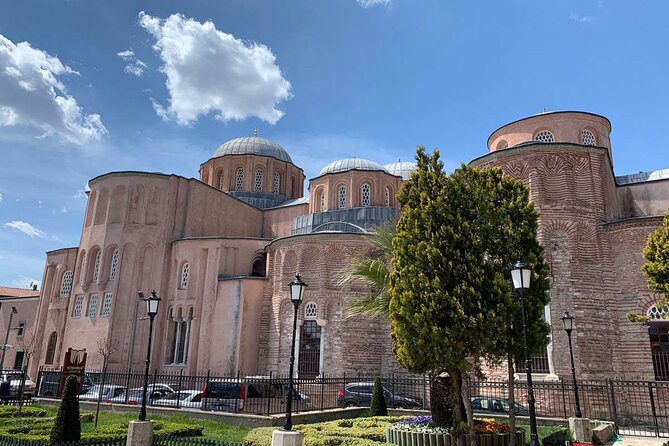
One of the most compelling parts of this tour is how it treats conversion as more than a headline. You visit sites associated with the Church of Pantocrator, a 12th-century monastery church later converted into a mosque. You also get time to see an ancient cistern, which helps explain how Byzantine Constantinople worked behind the scenes—water storage, infrastructure, and the practical side of sacred building complexes.
Then the day shifts to the Fethiye area, tied to the Pammakaristos Church tradition and known today through the Fethiye Mosque setting. The key visual focus here is the funerary chapel’s Byzantine mosaics. If you love art details, this is where the tour starts to feel like a history lesson you can actually see.
I find the balance works well: you’re not just “looking at old walls.” You’re learning what each building used to be, what it became, and what architectural clues survived the changes.
Monastery Chapel of St John the Forerunner: a quiet breather in the middle
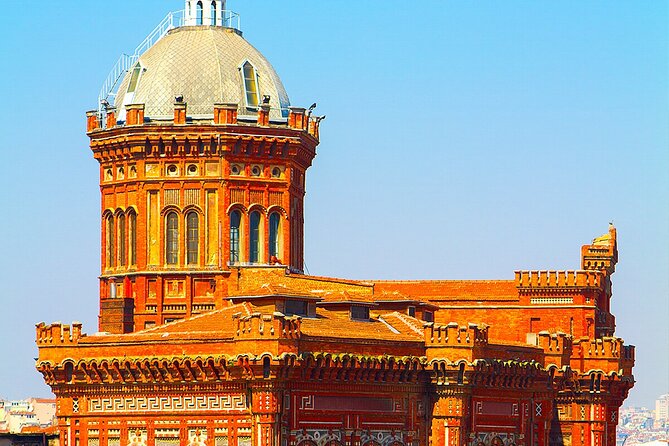
After the more visually intense mosque and mosaic moments, you move toward the Monastery Chapel of St John the Forerunner. This stop is positioned as a reset point: take a pause, catch your bearings, and let the guide’s explanations settle in.
It also helps to break up the day structurally. A full-day monastery-focused tour can feel like information overload if every stop is a sprint. This chapter gives you a slightly slower-feeling segment so you can keep track of the bigger theme: sacred space across time, not just one era.
From here, the tour naturally leads into lunch, which is a smart transition.

Lunch in the Fatih area: what included really means here
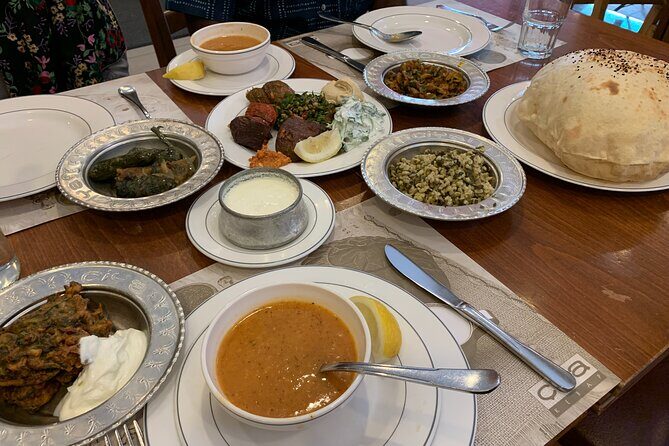
Lunch is included, and the tour usually offers a two-course meal. The format is typically soup or salad first, followed by a main that commonly includes meat and eggplant.
This is one of the parts that gets praised most in the experiences shared by others. Several guests described it as genuinely good and more generous than the usual included-lunch approach. One highlight mentioned home-cooked-style Anatolian food, and that the portion size was enough to feel like a real break, not just a pause so the itinerary can keep rolling.
For you, this matters because the day is long. If you come hungry, this lunch can carry you through the afternoon walking without feeling like you need to hunt for food later.
Chora Church mosaics and frescoes: the visual payoff
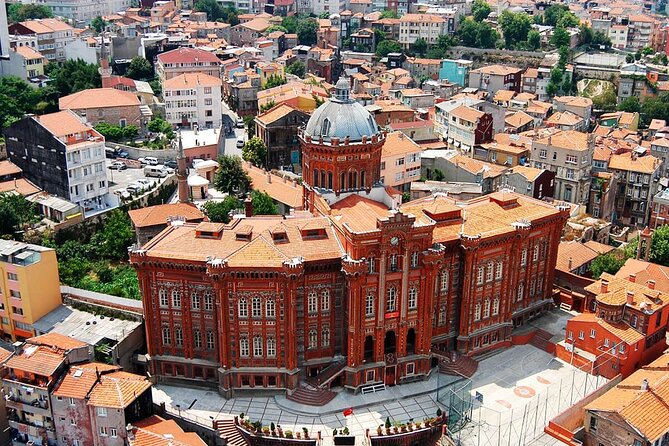
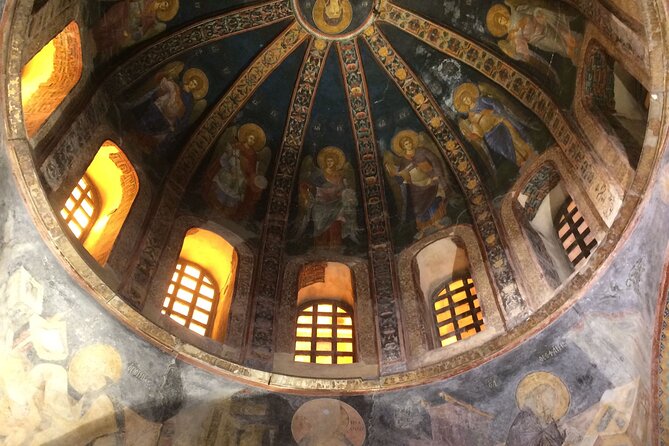
The center-piece of the art portion is Chora Church, also known as the Church of the Holy Saviour in Chora. This is where the Byzantine aesthetic becomes unmistakable: mosaics and frescoes connected to Christ’s life, presented with guide context so you know what you’re looking at.
I like Chora because it’s not just “pretty.” It’s packed with scenes and visual logic. With an expert guide, you can spot recurring symbols and understand how artists conveyed theology without writing a paragraph.
The tour experience is also shaped by pacing. You don’t just stand outside waiting for the next photo opportunity. You get time to enter and see the art described here as magnificent, and that’s exactly what makes this day worth it even if you’ve already hit the big Istanbul icons.
Tekfur Palace walk: imperial Constantinople without the crowds
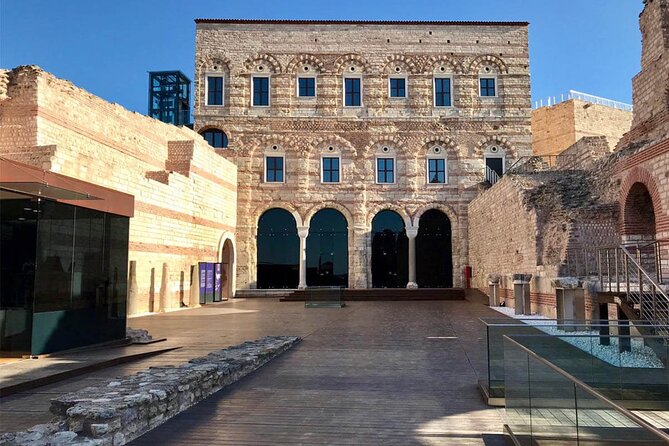
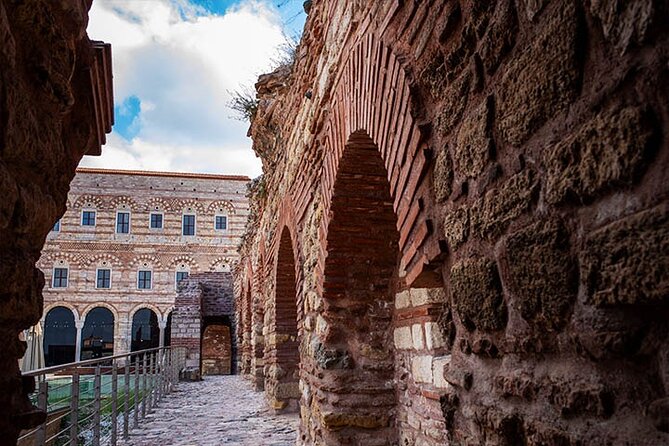
After Chora, you move toward Tekfur Palace, also called the Palace of the Porphyrogenitus. You’ll spend time walking through the palace complex area, moving through archways, courtyards, and the elegant façade.
This stop is valuable because it shifts the lens from purely religious architecture to imperial power and royal residence. It helps you picture how Constantinople’s rulers existed in the same city where monasteries shaped daily spiritual life.
You’ll also hear how this palace relates to royalty until the 15th century, when the Ottoman Empire began its reign. That time marker gives the day sharper edges—you can feel the turning point without needing a textbook.
Outside-looking-in stops: Vlaherna, the Mongols church, and the Patriarchate
Not every highlight here is about one artwork or one building. Some stops are about institutions and continuity.
You’ll see Vlaherna Meryem Ana Church from the outside in the context of Eastern Orthodox tradition. Then you visit Church of St. Mary of the Mongols, described as the only remaining Byzantine church in Constantinople that has never been converted to a mosque and has remained open to the Greek Orthodox Church.
You also get a chance to view the Private Fener Greek High School, described as the oldest surviving and most prestigious Greek Orthodox school in Istanbul. That’s an interesting change of pace: religion expressed through education and community life.
Later, you’ll also see the Ecumenical Patriarchate of Constantinople at Fener Rum Patrikhanesi. Seeing it as part of a single day’s route helps you connect “old stones” to “living institutions,” even if the buildings are viewed from outside.
Walls, gates, and Molla Zeyrek Mosque: the geography lesson
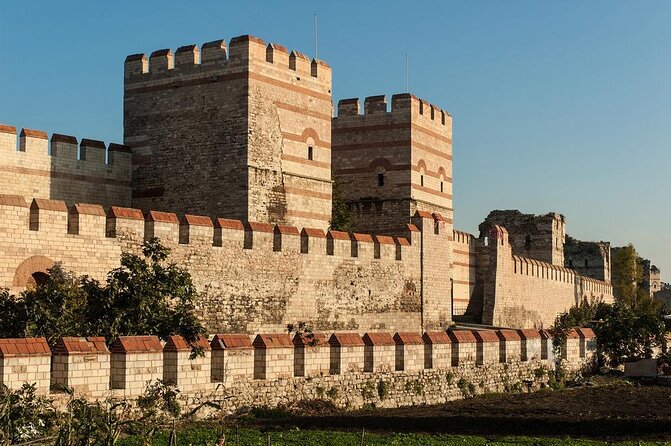
The itinerary includes time at the Walls of Istanbul, where you can see gates and fortification lines tied to the old city. Even if you’re not a military-history person, walls change how you understand everything else. They define where neighborhoods sat, where movement happened, and why certain sacred sites grew in certain directions.
The route also includes Molla Zeyrek Mosque, described as made from two former Eastern Orthodox churches and a chapel. In other words, it’s another example of sacred architecture being adapted rather than erased.
Finally, the day loops back through neighborhood streets on the way to the end, with the minivan return to your hotel. The walking through older lanes is part of why the tour feels different from jumping between the headline sights.
How much walking should you plan for?
Plan for a full day where walking is the main activity. The tour is framed for travelers with moderate physical fitness, and it’s not the type of program where you sit down between every stop.
One of the strongest practical tips from experiences shared by others is simple: bring extended walking shoes. Even if each stop isn’t long, the total distance adds up, and old streets don’t always behave like city sidewalks.
For you, the best strategy is to treat this as an all-day neighborhood walk with stops, not an “attractions parade.” If you pace yourself, you’ll get more out of the stories the guide is telling.
Price and value: what $781.90 per group buys you
The price is $781.90 per group, up to 4 travelers. That means your per-person cost depends on how full the group is:
- If 4 people join: about $195 each
- If 2 people join: about $391 each
- If you end up alone: $781.90 for one person
So what do you get for that money? You’re paying for a licensed English-speaking guide, hotel pickup/drop-off, transportation in an air-conditioned minivan, and lunch. You’re also paying for a more targeted route than a generic “big sights” tour, with time spent on Constantinople-era religious architecture and explanations that connect the dots.
Given the strong feedback on guide quality (including named guides like Diana, Ilker, Serhat, and Lutfallah), the value often comes down to how much you care about context. If you love architecture and want to understand why a church became a mosque, or what specific art panels mean, this tour tends to feel like money well spent.
If you’re mainly chasing quick postcard hits, you might prefer a shorter tour focused on the most famous landmarks. This one rewards curiosity and endurance.
Should you book this Byzantine monasteries tour?
Book it if you want a day that connects Byzantine religious buildings, monastery spaces, and Ottoman-era transformations into one clear storyline. It’s also a great pick if you’ve already done the headline Istanbul sights and now want the older, more specialized side of the city.
Skip it if your top priority is minimal walking or if you only want interior access at major museums. This route is heavily built around walking and outdoor viewing, with the biggest art payoff linked to places like Chora Church.
If you go, do one thing: come ready to walk and listen. When the guide is doing the work of connecting eras and meanings, the city stops feeling like random monuments and starts feeling like a living timeline.
FAQ
What time does the tour start, and how long does it run?
The tour starts at 9:00 am. The total duration is about 6 hours 40 minutes to 7 hours 30 minutes.
Is hotel pickup and drop-off included?
Yes. Pickup and drop-off are included from centrally located European Side hotels.
How many people are in the group?
The tour has a maximum of 4 travelers, so it stays genuinely small.
Is lunch included, and what does it usually include?
Lunch is included. It’s usually a two-course meal, often starting with soup or salad and followed by a meat-and-eggplant style entrée.
What are the main highlights I should expect?
The day centers on Constantinople-era religious buildings and monastery-linked sites, with special focus on Chora Church and Tekfur Palace. You’ll also see multiple church-to-mosque connections and Byzantine mosaic-focused sites.
Is the tour mostly outside?
The tour data notes that all places in the experience are visited from outside.
Do I need a high fitness level?
No extreme fitness is required, but the tour calls for a moderate physical fitness level due to a full day of walking.