REVIEW · ISTANBUL
Istanbul: Byzantine and Ottoman Relics Tour with Local Guide
Book on GetYourGuide →Operated by TURISTA TRAVEL AGENCY · Bookable on GetYourGuide
Mosques, palaces, and markets in one walk. This Old City circuit strings together Byzantine and Ottoman landmarks in a way that actually helps the buildings make sense, from UNESCO Hagia Sophia to the Roman-era Hippodrome. You’ll also get a guided route through the areas people usually rush through on their own.
I like two things a lot here. First, the logistics are built for speed: hotel pickup from key neighborhoods and an express security flow so you spend more time inside. Second, the tour isn’t just photo stops; the guide points out what to notice at each site, including Hagia Sophia’s layered architecture and Topkapi’s courtyards and chambers.
One consideration: this is a walk-heavy day. You’ll be on your feet for hours, and it’s not suitable for wheelchair users, plus luggage or large bags aren’t allowed.
In This Review
- Key takeaways before you go
- Why This Byzantine and Ottoman Relics Walk Feels Efficient
- Getting Started: Pickup Areas, Small Group Size, and the No-Bags Rule
- Entering Hagia Sophia (Aya Sofya) and What to Notice Inside
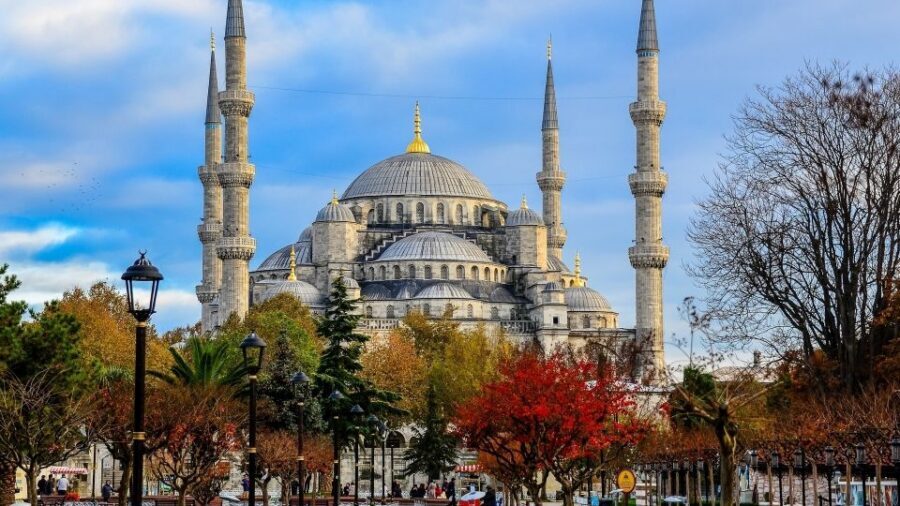
- The Blue Mosque: Six Minarets and Ottoman Identity
- Istanbul Hippodrome: Why a Chariot-Race Stadium Still Matters
- Topkapi Palace Grounds and the Harem: Courtyards Where Power Lived
- Hagia Irene Church Inside Topkapi: The 4th-Century Twin
- Grand Bazaar: World-Famous Shopping With a Story Attached
- Lunch in a Local Turkish Restaurant: Included, and Worth Using
- When Sites Close: Basilica Cistern as the Smart Backup
- Price and Value: Why $152 Can Be Fair for This Much Entry Time
- Who This Tour Suits Best (and Who Should Rethink It)
- The Real-World Pace: What You’ll Feel During a 7-Hour Day
- Should You Book This Tour?
- FAQ
- How long is the Istanbul Byzantine and Ottoman Relics Tour?
- What is included in the price?
- Do I get hotel pickup and drop-off?
- Is there any kind of skip-the-line benefit?
- What should I do if Topkapi Palace is closed?
- What should I do if Hagia Sophia is closed?
- Is lunch included, and is the tour wheelchair accessible?
Key takeaways before you go
- Express security check helps you get past one of Istanbul’s biggest time-wasters
- Hagia Sophia + Blue Mosque back-to-back makes the Byzantine-to-Ottoman shift easier to understand
- Topkapi Palace with Harem focus means you see more than just the main courtyard
- Istanbul Hippodrome adds the political angle behind the monuments
- Lunch in a local restaurant is included, so you’re not hunting mid-tour
- Weather-day flexibility: when key sights close, you visit the Basilica Cistern instead (or Arasta Bazaar if the Grand Bazaar is closed)
Why This Byzantine and Ottoman Relics Walk Feels Efficient
Istanbul’s historical center can be a blur. One minute you’re at a mosque; the next, you’re in a palace courtyard; then you’re lost in covered bazaar alleys. This tour works because it follows a logical story, not just a list of famous names.
You start where the city’s two big eras overlap. You’ll move from Byzantine architecture at Hagia Sophia into Ottoman splendor at the Blue Mosque, then pivot to the Hippodrome, where public life and power were staged for centuries. After that, the day shifts into private power at Topkapi Palace and public commerce at the Grand Bazaar. That flow matters. It turns separate landmarks into one connected experience.
You can also read our reviews of more guided tours in Istanbul



Getting Started: Pickup Areas, Small Group Size, and the No-Bags Rule
This is a small group tour limited to 10 participants, with a live English guide. For a day like this, smaller groups are a big deal. They keep the pace human, and it’s easier to hear explanations when you’re not squeezed behind a crowd.
Pickup and drop-off are included, covering hotels in the Sultanahmet, Sirkeci, Beyazıt, Aksaray, and Taksim areas. That saves you time and reduces the mental load of getting to meeting points.
Also plan around the no luggage or large bags rule. If you’re arriving from the airport with rolling cases, you’ll want to keep your day bag light. Comfortable shoes matter because the walking is the main event.
Entering Hagia Sophia (Aya Sofya) and What to Notice Inside
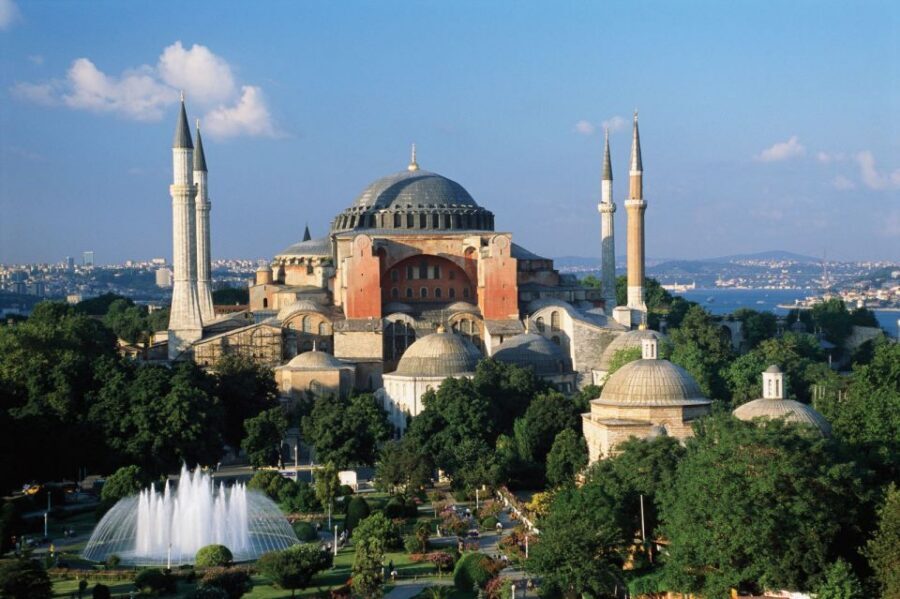
Hagia Sophia (Aya Sofya) is UNESCO-listed and billed here as a museum with both Ottoman and Byzantine works. What makes it special on a guided visit is the way the guide helps you read the building. You’re not just looking at a famous interior; you’re connecting the architecture to the story of how the site evolved over time.
One practical detail: the tour describes entry in a way that avoids coming from an outside entrance. That matters in Istanbul, where weather and crowds can be unpredictable. You’ll be focused on the building itself, not on the logistics around it.
When you’re inside, pay attention to the idea that this once-Christian church became one of the Ottoman world’s most significant religious buildings. The guide’s job is to point out what changed and what stayed recognizable—so you can see the layered identity instead of treating it like a single era landmark.
The Blue Mosque: Six Minarets and Ottoman Identity
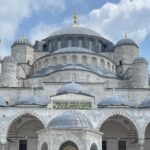
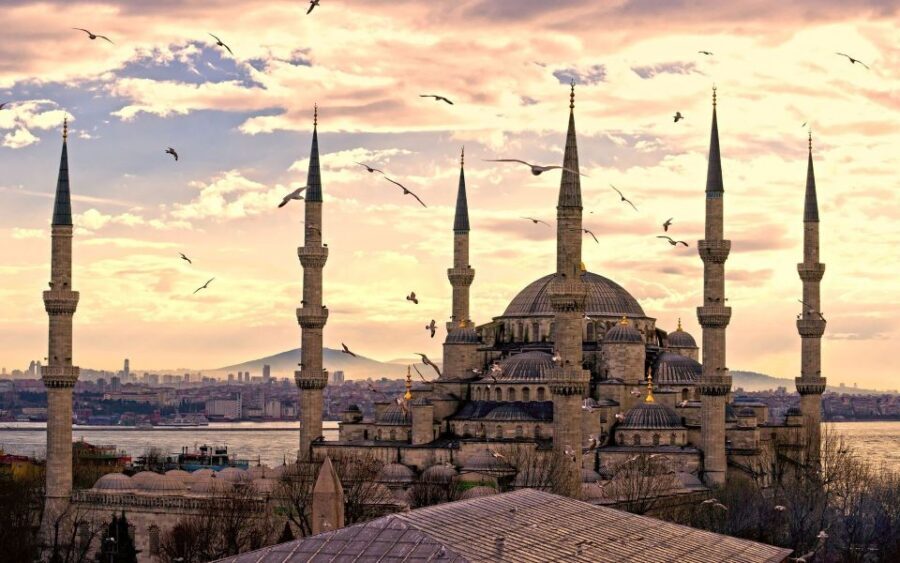
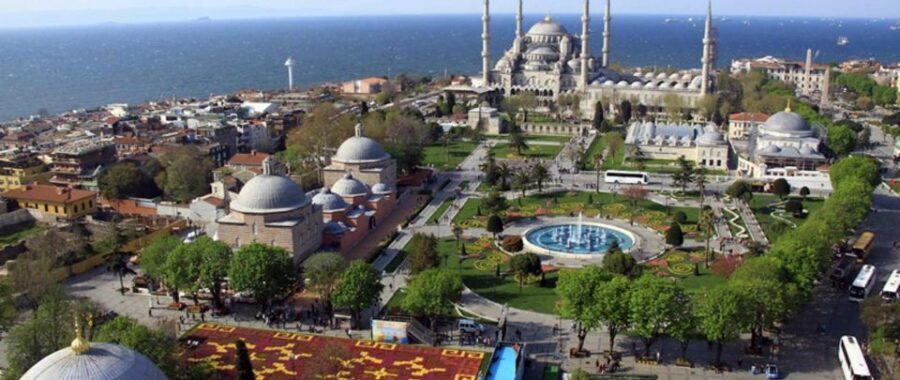
Next up is the Blue Mosque with its six minarets, built at the bequest of Sultan Ahmet I. This is a major Ottoman architecture highlight, and the best value of visiting with a guide is context. Without it, the mosque can feel like a checklist item. With it, you understand why it looks the way it does and what it signals in the Ottoman city.
This stop is also a useful reset for your eyes after Hagia Sophia. You’re still in the same general historical zone, but the focus shifts. The Blue Mosque is about Ottoman style and preservation—so you’ll be comparing two eras without traveling across town.
If you tend to get overwhelmed by crowds in big monuments, you’ll likely appreciate how the small-group format supports a steadier pace.
Istanbul Hippodrome: Why a Chariot-Race Stadium Still Matters
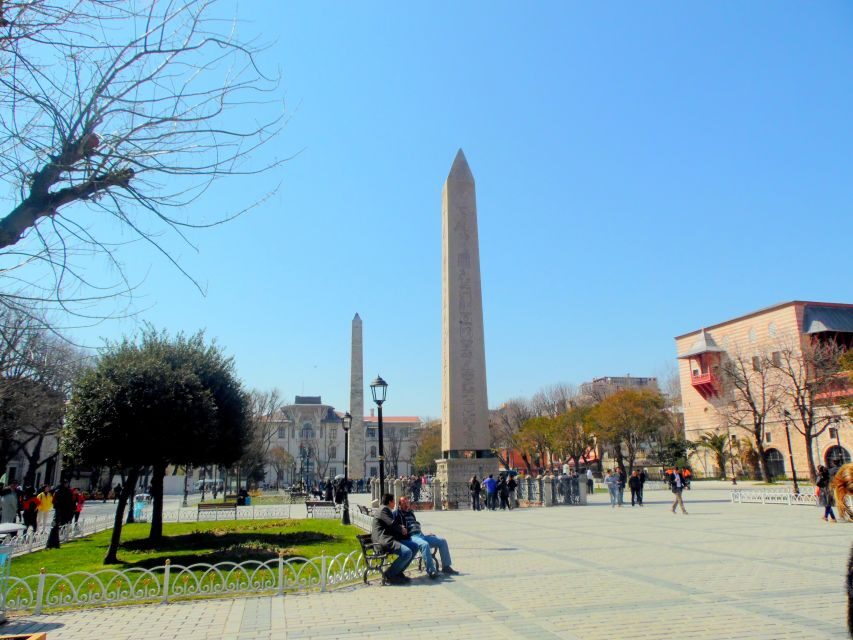
The Istanbul Hippodrome is one of those stops that can be easy to overlook if you only think of it as an old arena. The tour frames it as the center of Byzantine life for 1,000 years and then Ottoman life for another 400 years. That time span is the point.
This place wasn’t just entertainment. It was where public life gathered, where political dramas played out, and where people watched power in action. Even if you don’t know the names of every detail, the guide’s perspective helps you understand what kind of space it was.
Think of it as the city’s old public stage. When you stand in that mindset, the rest of the day makes more sense. The palaces you’ll see next weren’t isolated from everyday power—they were built into the city’s pulse.



Topkapi Palace Grounds and the Harem: Courtyards Where Power Lived
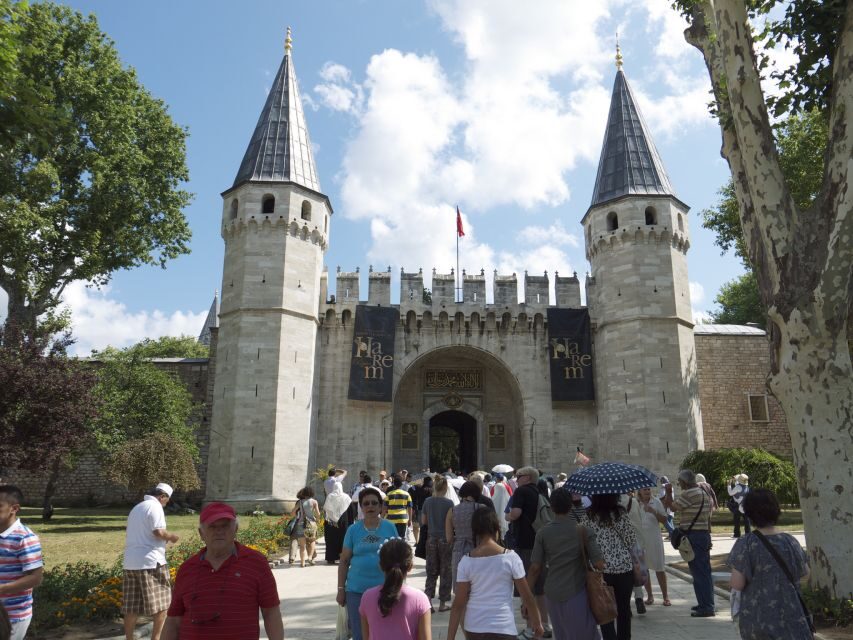
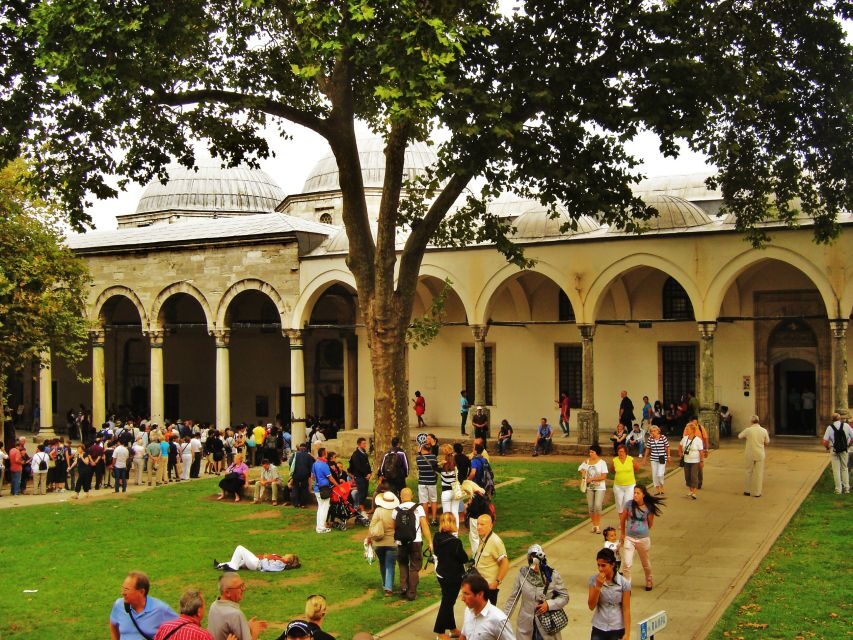
Topkapi Palace is where the tour really leans into “relics with context.” You’ll visit the palace grounds, courtyards, and chambers, and the focus includes the Harem.
Topkapi is described here as the largest and oldest palace in the world to survive to today, and the primary residence of Ottoman sultans for about 400 years. That’s more than a headline. It helps you understand why the complex feels like a small world. It wasn’t a single building; it was a system of spaces shaped around hierarchy, daily life, and authority.
The value of a guided route inside Topkapi is that you’re more likely to understand why certain areas matter, not just how they look. If you go solo, it’s easy to wander through impressive rooms without knowing what role each space played. With a guide, you’re basically learning how to orient your attention.
Hagia Irene Church Inside Topkapi: The 4th-Century Twin
A standout add-on here is Hagia Irene Church. It was built during the same period as Hagia Sophia, in the 4th century, and the name refers to Godly or Holy Wisdom in Greek. After the conquest of Istanbul, it was incorporated into the Topkapi Palace grounds and converted into a mosque.
The key point the tour makes is that, unlike many changes you might expect, there were no major changes made to the building structure. So you get a rare feeling: a site that’s religiously repurposed but architecturally recognizable.
If you like “second-tier” historical sites—places that don’t always get the same photo crowds—this is one of the reasons the tour feels more satisfying. It adds depth without dragging the day out.
Grand Bazaar: World-Famous Shopping With a Story Attached
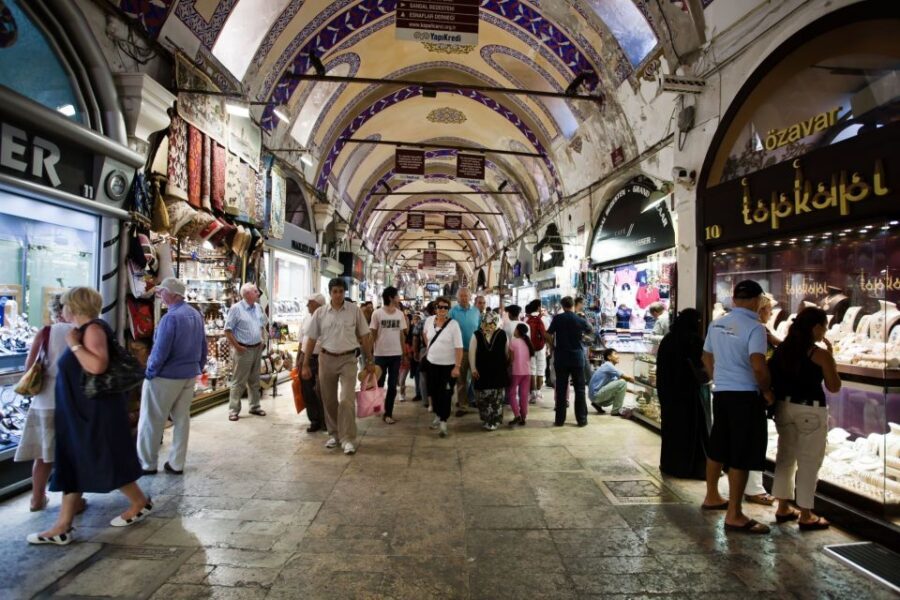
By the time you reach the Grand Bazaar, you’re ready for a different kind of energy. The bazaar is described as one of the oldest and largest covered markets in the world, and the sheer density of shops is part of the experience.
This tour frames it with what the bazaar actually is: a covered market packed with things you can imagine—jewelry, silk clothing, copper ware, and imports from further east. That list can sound generic, but guided time helps you see the place as a system, not just a place to buy souvenirs.
There’s also a useful reality built into your planning. The Grand Bazaar is closed on Sundays. If you’re on a Sunday, you’ll spend additional time at the Arasta Bazaar instead. That keeps the shopping and strolling portion from collapsing into downtime.
Lunch in a Local Turkish Restaurant: Included, and Worth Using
The tour includes a small break for lunch served in a local restaurant with typical Turkish dishes. This is one of those quiet values that often gets underestimated. If you’re trying to do Hagia Sophia, Blue Mosque, Topkapi, and the bazaar on your own, you either pay tourist-menu prices or you lose time chasing a proper meal.
Having lunch built into the schedule keeps your energy steadier. And because the day already involves a lot of walking and standing, that matters more than people think.
When Sites Close: Basilica Cistern as the Smart Backup
Plan for Istanbul closures, because big monuments do close on certain days. This tour accounts for it with an easy swap.
- If Topkapi Palace is closed on Tuesdays, you’ll visit the Basilica Cistern instead.
- If Hagia Sophia is closed on Mondays, you’ll visit the Basilica Cistern instead.
So even if the day’s main schedule shifts, you’re not stuck with only outdoor wandering. You still get a major historical site experience.
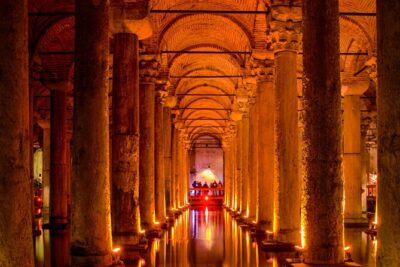
The Basilica Cistern also works well as a contrast after the bright stone and courtyards of the day. It’s a different kind of atmosphere—cooler, quieter, and focused on the underground world of the city.
Price and Value: Why $152 Can Be Fair for This Much Entry Time
At $152 per person, this tour isn’t trying to be the cheapest way to see Istanbul’s Old City. The value is in what you’re not managing yourself.
You get:
- a local guide throughout
- entrance fees included
- lunch included
- hotel pickup and drop-off in specific neighborhoods
- an express security check
For a day packed with major sites, entrance fees alone can add up fast, and Istanbul’s security lines can steal your schedule. By reducing the friction points, you’re buying time and clarity—two things that are hard to measure until you’ve lost them.
If you’re the kind of traveler who wants a plan that keeps you moving and makes monuments legible, this price makes more sense.
Who This Tour Suits Best (and Who Should Rethink It)
This is a good match for:
- first-time visitors to Istanbul’s Old City who want a guided story across several eras
- travelers who prefer small-group pacing rather than a large-bus sprint
- anyone who likes architecture and city context, not just quick photos
- couples, friends, and families who want an English-guided day with lunch handled
It’s less ideal for:
- anyone who needs wheelchair access, since it’s listed as not suitable for wheelchair users
- people traveling with heavy luggage, since luggage or large bags aren’t allowed
- visitors who hate standing and walking for hours, because this is a walking-focused route
The Real-World Pace: What You’ll Feel During a 7-Hour Day
Even with a guide and pickup, this is still a day where you’ll spend lots of time on your feet. You’re going from one major landmark to another, then down into palace spaces and market alleys.
So my practical advice is simple:
- bring comfortable shoes
- keep your day bag small and manageable
- plan on slower moments inside big sites, because people-watching and guided explanations both take time
The payoff is that you get to see the big names plus a couple of meaningful extras, without feeling like you’re rushing.
Should You Book This Tour?
I’d book it if you want the Old City to make sense. The strongest reasons to choose this one are the guided connections between eras—Hagia Sophia, the Blue Mosque, the Hippodrome, and Topkapi with the Harem—and the way lunch and entrances are built in.
I’d skip or swap to a different style of tour if you’re mobility-limited, walking makes you miserable, or you want lots of free time to shop on your own without a structured route.
If your ideal Istanbul day is guided, compact, and historically connected, this $152 plan gives you a solid slice of the city’s most important landmarks in one go.
FAQ
How long is the Istanbul Byzantine and Ottoman Relics Tour?
The tour duration is listed as 7 hours.
What is included in the price?
The price includes a local guide, entrance fees, lunch, and hotel pickup and drop-off.
Do I get hotel pickup and drop-off?
Yes. Pickup and drop-off are included from hotels in the Sultanahmet, Sirkeci, Beyazıt, Aksaray, and Taksim areas.
Is there any kind of skip-the-line benefit?
Yes. The tour includes skip-the-line through an express security check.
What should I do if Topkapi Palace is closed?
Topkapi Palace is closed on Tuesdays. On those days, the tour visits the Basilica Cistern instead.
What should I do if Hagia Sophia is closed?
Hagia Sophia is closed on Mondays. On those days, the tour visits the Basilica Cistern instead.
Is lunch included, and is the tour wheelchair accessible?
Lunch is included, served in a local restaurant with typical Turkish dishes. The tour is not suitable for wheelchair users, and luggage or large bags are not allowed.