REVIEW · ISTANBUL
Istanbul: Guided Shopping Trip with Turkish Coffee Tasting
Book on GetYourGuide →Operated by kılıclı turizm · Bookable on GetYourGuide
Shopping in Istanbul can be overwhelming fast.
This 4-hour old-town route in Sultanahmet links the Grand Bazaar and Spice Bazaar with craft stops, so you see what locals actually buy—and you get a short break for Turkish coffee and treats along the way. With an English live guide and a separate entrance to help you avoid long entry lines, you spend more time looking and less time stuck.
My favorite part is the way the guide shapes your visit: you start with the bazaar lanes and nearby jewellery streets in a focused order, instead of wandering until your feet quit. I also love the tactile stops—tea/coffee, Turkish delight tasting, and practical demonstrations at the carpet and ceramic tiles side of the market.
One thing to consider: craft shops can involve strong sales talk. If you dislike haggling, go in with a firm budget, and lean on your guide to keep you moving when you’re ready.
In This Review
- Key Things I’d Prioritize on This Trip
- Why Sultanahmet Shopping Feels Different With a Guide
- Entering the Grand Bazaar Without Losing Your Bearings
- The Craft Stops That Make Shopping Actually Make Sense
- The Jewellery Streets: Where Browsing Turns Into Real Choices
- Turkish Coffee Break and Turkish Delight: A Real Reset
- Spice Bazaar: Smell, Color, and Everyday Local Choices
- Shopping Strategy That Keeps You in Control
- What the Price Really Covers (And When It’s Good Value)
- Who This Tour Fits Best
- Should You Book This Shopping and Coffee Trip?
- FAQ
- Where is the meeting point for this tour?
- How long does the guided shopping experience last?
- What’s included during the tour?
- Is Turkish coffee actually part of the experience?
- Does this tour help you avoid long lines?
- Is this a private group tour, and what’s the group size?
- What is not included in the price?
- What’s the cancellation policy?
- Is the tour wheelchair accessible?
Key Things I’d Prioritize on This Trip
- Grand Bazaar first, with a separate entrance to cut down on the worst crowd-pressure
- Turkish coffee + delight tasting so you get a real food-and-aroma break, not just shopping
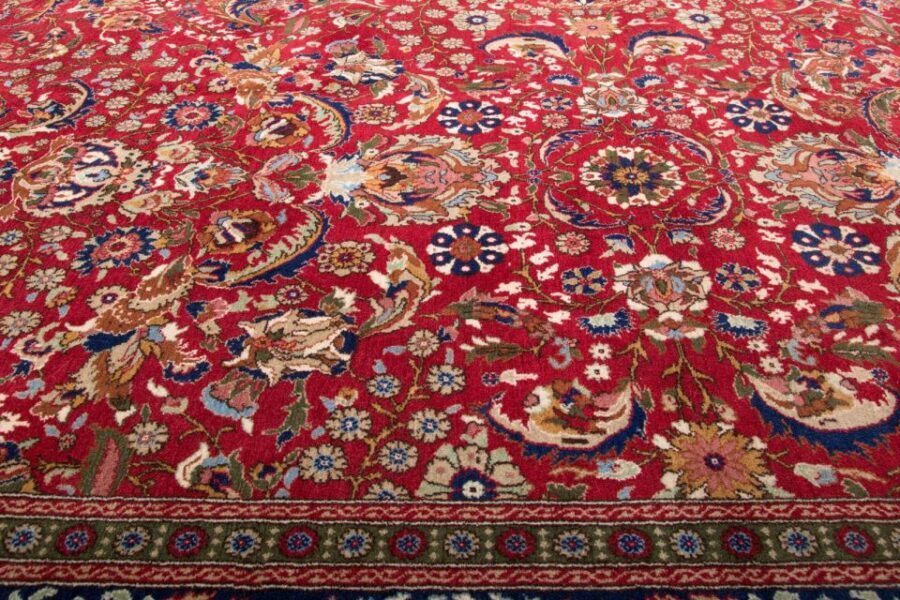
- Carpet demonstration that helps you understand what you’re looking at before you buy
- Tiles and ceramic factory stop where design details matter more than you might expect
- Spice Bazaar for sensory browsing—smell, color, and everyday local staples
Why Sultanahmet Shopping Feels Different With a Guide
Sultanahmet shopping isn’t just about buying stuff. It’s also about learning how Turkish trade works in one of the world’s densest market zones—how people price, how they negotiate, and where quality hides in plain sight.
A good guide turns the bazaar from maze-mode into plan-mode. You’ll get a route that connects the major stops—Grand Bazaar, Spice Bazaar, and the craft areas—without wasting time backtracking.
This is also a smart format if your goal is to shop well, not just shop a lot. The price is set per group (up to 14 people), so families and friend groups can make it feel efficient and good value, especially if you can keep the group tight and coordinated.
You can also read our reviews of more food & drink experiences in Istanbul

Entering the Grand Bazaar Without Losing Your Bearings
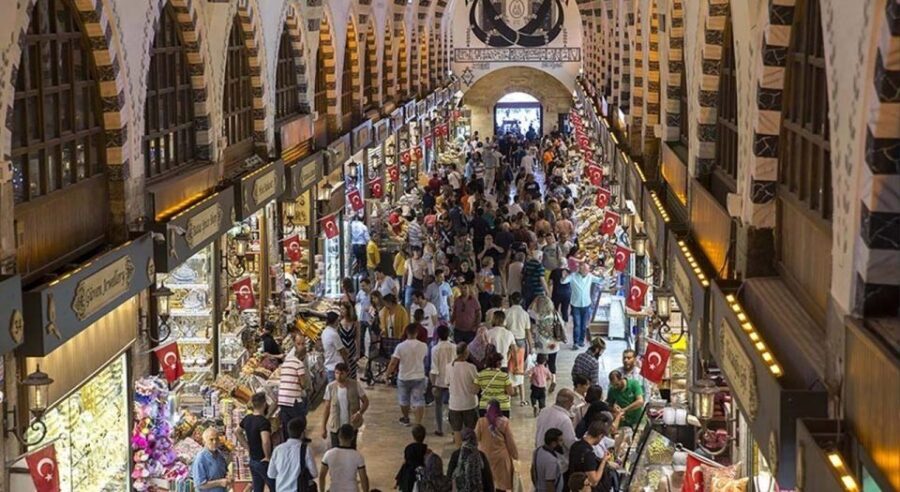
The Grand Bazaar is the big-name stop for a reason. It’s huge, loud, and easy to get spun around in—so the value here is starting with a guide and moving with purpose.
You’ll enter via a separate entrance, which matters more than it sounds. In a crowded market, every minute you can save from standing in line helps you spend longer on browsing, comparing, and asking questions calmly.
Inside, your guide will usually steer you toward categories that make sense for a first visit: textiles, small gifts, and jewellery-adjacent streets nearby. Instead of treating every shop the same, you’ll learn how to look for workmanship and materials—especially around areas tied to carpet and ceramic production.
A practical tip: when a shopkeeper invites you to sit for tea or coffee, treat it as an information moment. You can ask how the item is made, what material it uses, and what differences you should notice. Even if you don’t buy, that learning pays off when you’re comparing later.
The Craft Stops That Make Shopping Actually Make Sense
Two stops on this route are about craft, not just retail: carpet demonstration and a tiles and ceramic factory-style visit. If your shopping brain usually switches off in bazaars, these breaks can reset it.
Carpet demonstration: you’ll see how the process works and get a chance to understand what’s worth paying for. Carpets can look similar from far away, but quality is often in the details—how it’s made, how it feels, and how the design holds up. Watching the demonstration gives you a better filter for what you’re looking at rather than relying only on a sales pitch.
Tiles and ceramic factory stop: this is where visual details matter. You’ll typically be shown patterns, glazes, and finishes, with sellers explaining design choices and how pieces are made. It’s a good moment to pause and think about what you’ll actually use at home—kitchen decor, framed tile art, tableware, or giftable items.
One caution from my perspective: these craft shops can push hard to close sales. That doesn’t mean everything is bad, but you should expect pressure. If you want a calm experience, set expectations early with your guide—what you want to see, what price range is realistic, and when you’re done.
The Jewellery Streets: Where Browsing Turns Into Real Choices
Between the bazaar lanes and nearby streets, you’ll get time focused on jewellery-focused shopping zones. Even if you don’t plan to buy, jewellery streets are useful because they force you to practice comparison: different styles, different stone settings, and different story-lines from sellers.
This is also a spot where guides help you avoid getting pulled too far into random storefronts. Instead of drifting, you can ask targeted questions and compare items that feel similar at first glance.
If you’re shopping for gifts, jewellery streets can be a strong move because you’re looking for smaller, higher-value items with easier transport than large crafts. Still, be smart about your packing plan: anything fragile or stone-set needs protection.
Turkish Coffee Break and Turkish Delight: A Real Reset
You’ll stop for a Turkish coffee break along the way, plus tea/coffee and Turkish delight tasting. This isn’t just a pause for comfort; it’s a chance to slow down in a place that moves fast.
Coffee here is part of the culture of hospitality. You’ll often get a chance to sit, smell the aromas, and taste the sweets that go with the drink. That small break can make you far more patient during the next market stretch.
Also, the sensory part matters. Bazaar shopping is visual, but it’s also scent and texture. Turkish delight adds a slow, sweet moment in between the high-energy lanes of Grand Bazaar and the spice section later.
If you’re picky about your food timing, plan your energy around these stops. You’ll likely be walking and standing for stretches, and the coffee/delight break is one of the only built-in moments for a proper reset.
You can also read our reviews of more guided tours in Istanbul






Spice Bazaar: Smell, Color, and Everyday Local Choices
Then you move into the Spice Bazaar area, where the mood shifts. Instead of textiles and jewellery, you’re dealing with aromas, spices, dried goods, and daily-market items.
This stop is worth it even if you only buy small things. Spice shopping is about experience—smelling blends, comparing colors, and learning what’s used for what. Your guide can point out common categories and help you steer toward purchases that make sense for your kitchen at home.
It’s also a good place to pick up gifts that don’t require big storage space. Small jars, spice mixes, or sweet treats can be easier to pack than large, heavy items.
One more advantage: if you decide you’re not buying anything big, Spice Bazaar is still valuable. You’ll come away with new ingredients, plus a better understanding of how Turkish food flavors are built.
Shopping Strategy That Keeps You in Control
A guided shopping day can go two ways: you feel supported, or you feel rushed into decisions. I’d treat this trip like a guided shopping workshop, and use these tactics to stay in charge.
First, go in with a short wish list. For example: one carpet idea, one tile/ceramic gift, one spice or food item. That keeps you from wandering into every offer.
Second, use your guide to compare quality. The craft demo and ceramic stop are there so you can judge better. When someone shows you an item, you can ask what makes it different—materials, process, or design quality—then compare again later.
Third, set your boundary on haggling. You will likely experience bargaining as part of the process. If you’re comfortable with it, great. If you’re not, be direct and rely on the guide to keep the pace and tone friendly.
Finally, don’t forget your feet and your bag. You’re doing multiple major stops in a half-day. Bring comfortable shoes, and plan for carrying purchases while you finish the route.
What the Price Really Covers (And When It’s Good Value)
The price is listed at $114 per group (up to 14 people) for a roughly 4-hour experience. That group pricing is the main reason this can be strong value: if you’re traveling with others, the cost per person drops quickly.
What’s included:
- a private guide for your shopping time
- Turkish tea and coffee
- Turkish delight tasting
What’s not included:
- transport
- lunch
That trade-off makes sense for a shopping trip. You’re paying for time with a guide and the food-tasting moments that keep the day enjoyable. You’re not paying for long, sit-down meals or transfers.
If you’re solo, it can still be worth it when you value guidance. Walking the bazaar alone often turns into decision fatigue and wasted time. A private plan helps you browse efficiently and shop with fewer regrets.
Who This Tour Fits Best
This trip is a great fit if:
- you want to see Grand Bazaar and Spice Bazaar without getting lost
- you plan to shop for carpets or ceramics (or at least want to learn how to judge them)
- you like coffee-and-sweets breaks during a walking day
- you’re traveling in a group and can take advantage of the per-group pricing
It may be less ideal if:
- you strongly dislike bargaining and sales pressure
- you expect luxury, low-sell shopping only
- you want lots of downtime or a long lunch break
For many people, the sweet spot is being curious and flexible. You don’t have to buy big to enjoy the craft demos and the sensory market feel.
Should You Book This Shopping and Coffee Trip?
If your goal is smart shopping in Sultanahmet—Grand Bazaar, Spice Bazaar, plus carpet and ceramic craft stops—then I’d book it. The separate entrance helps you start moving faster, and the coffee/delight tasting gives you a real break in the middle.
I’d especially recommend it if you’re the kind of shopper who wants to understand what you’re looking at before you commit. The carpet and tiles/ceramic segments are built to teach your eyes how to compare, not just how to buy.
Skip this only if you know you hate haggling and can’t handle strong sales talk in craft shops. If you can set a budget and use the guide to stay on track, this format is a practical, high-value way to experience Istanbul’s market side in a single half-day.
FAQ
Where is the meeting point for this tour?
You meet in front of Eresin Hotel Sultanahmet.
How long does the guided shopping experience last?
The duration is listed as 4 hours.
What’s included during the tour?
The tour includes a private guide, Turkish tea and coffee, and Turkish delight tasting.
Is Turkish coffee actually part of the experience?
Yes. Turkish tea and coffee are included, and the day includes a coffee break.
Does this tour help you avoid long lines?
Yes. There is a skip-the-line option through a separate entrance.
Is this a private group tour, and what’s the group size?
It’s a private group experience with pricing up to 14 people per group.
What is not included in the price?
Transportation and lunch are not included.
What’s the cancellation policy?
You can cancel up to 24 hours in advance for a full refund.
Is the tour wheelchair accessible?
Yes, it is listed as wheelchair accessible.