REVIEW · ISTANBUL
Istanbul: Ephesus, Pamukkale, Cappadocia 8-Day Trip by Plane
Book on GetYourGuide →Operated by Tour Altinkum · Bookable on GetYourGuide
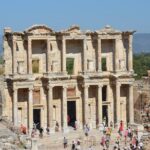
That first sight of Ephesus stuns.
This 8-day Turkey trip strings together Istanbul + ancient sites + Cappadocia rock formations in a clean route, with domestic flights doing most of the heavy lifting. I especially like the mix of big-name landmarks (Hagia Sophia, Blue Mosque) and hands-on landscapes (Pamukkale’s terraces, Cappadocia valleys). One thing to consider: it is packed, so you’ll be spending plenty of time on the move between regions.
What makes it work is the pacing: guided days where you actually learn what you’re seeing, plus short hotel stays in practical bases. Guides are English-speaking, you get skip-the-line access via a separate entrance, and the organization is end-to-end with airport transfers and a driver holding your last name sign. If you’re the type who hates early departures and fast transitions, you might find the daily schedule intense.
In This Review
- Key things I’d bookmark before you book
- Istanbul: where you start with the city’s big identity
- Bosphorus day: the cruise that helps Istanbul make sense
- Ephesus and the House of Mary: walking ancient roads with a purpose
- Pamukkale and Hierapolis: thermal water and a huge necropolis
- Cappadocia: fair chimneys, rock-cut churches, and valley walks
- Cappadocia underground: refuge life in the early Christian era
- Hotels, guides, and meals: what’s included and what to plan for
- Price and value: does $1,063 make sense for what you get?
- Practical logistics you should know before you go
- Should you book this 8-day Istanbul–Ephesus–Pamukkale–Cappadocia trip?
- FAQ
- What’s included in the trip price?
- Are admission fees included for the attractions?
- Does the trip include a hot air balloon flight?
- What meals are included?
- Which domestic flights are part of the route?
- What if Topkapi Palace is closed during my day?
- Is there skip-the-line access?
- What baggage allowance comes with the domestic flights?
Key things I’d bookmark before you book
- Domestic flights included to cut the distance between Istanbul, Izmir area, and Cappadocia
- Small-group touring with live English guides in each region (not just a bus and a headset)
- Skip-the-line via separate entrance for the main sights on guided days
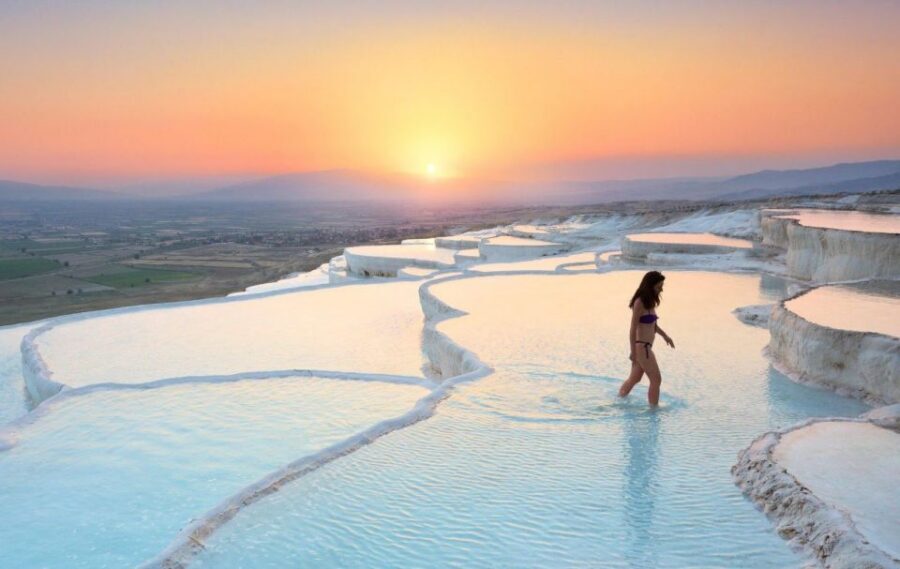
- Pamukkale thermal pools at around 35°C plus Hierapolis’ major necropolis area
- Cappadocia with major valleys and rock-cut churches including Göreme Museum
- Underground cities visit focused on refuge life of early Christians
Istanbul: where you start with the city’s big identity
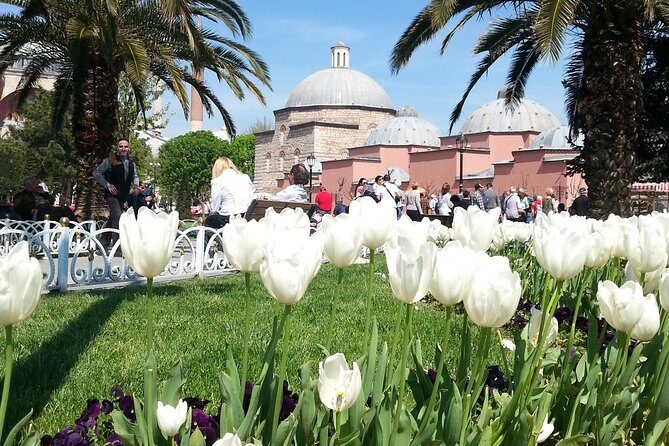
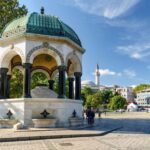
Istanbul is a city of angles. One street you’re thinking Europe, the next you’re thinking Asia. In this trip, you get that feeling fast, because the first full day is built around the old-city powerhouses: Hagia Sophia, Topkapi Palace, the Hippodrome, the Blue Mosque, and the Grand Bazaar area.
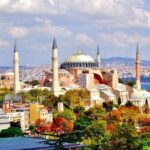
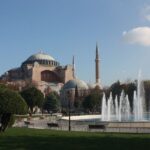
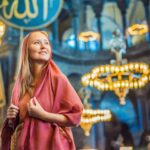
Hagia Sophia is the kind of building you can’t really shrink into a few sentences. In the Byzantine period it was the city’s religious center, and that shows in the scale and layout you notice as you move through the space. I like starting here because it teaches you how to read the city: religions change, rulers change, and the bones of the place stay.
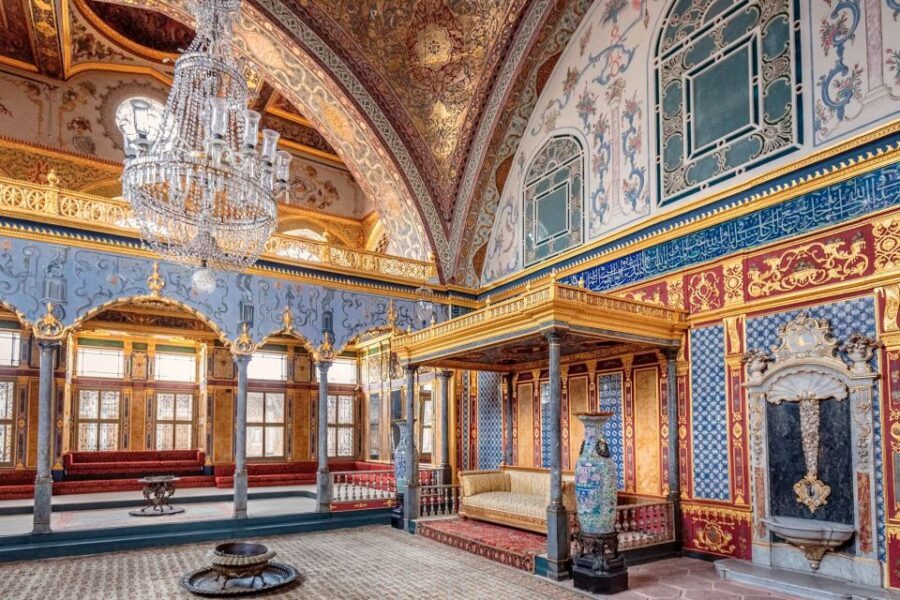
Topkapi Palace rounds out the Ottoman story. You’ll spend time on the sultan’s residence that ran for nearly 400 years. It’s not just a museum stop; it’s a reminder that Istanbul ran empires from the inside of these walls.
Then you shift to the Hippodrome, which was the Roman civil center where up to 100,000 spectators could gather. If you’re imagining it as a sports arena, you’re not far off—just with civic drama instead of halftime snacks.
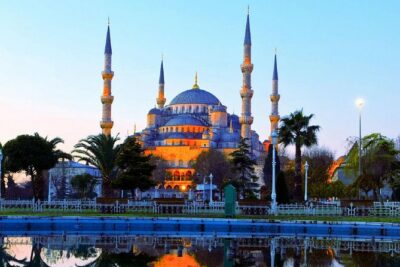
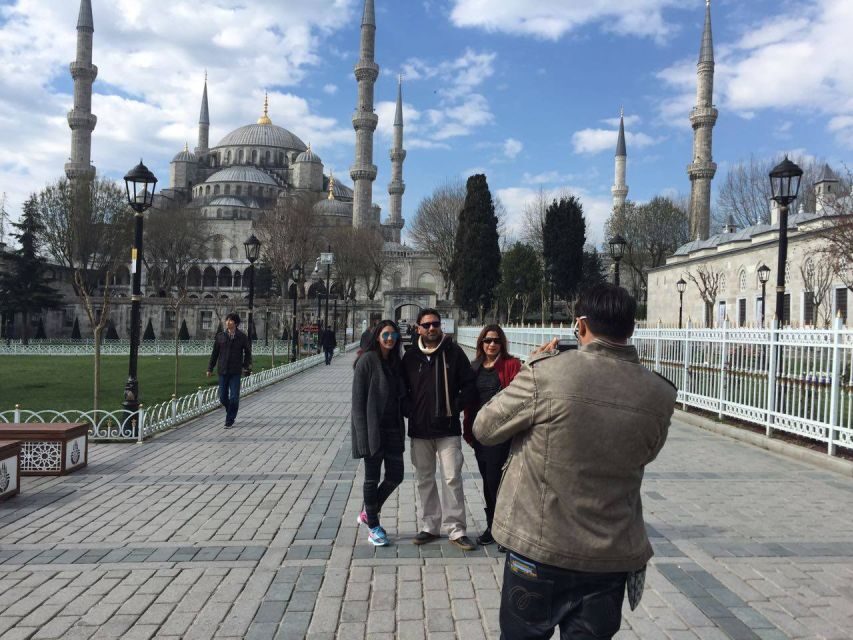
The Blue Mosque is the next anchor point. It’s famous for its six minarets and its magnificent dome, and it has a way of making you slow down without being asked. After that, the Grand Bazaar gets you into the everyday texture: 18 entrances and more than 4,000 shops, which means you’re not just looking at history—you’re stepping into old-school commerce. It can be chaotic (in a charming way), so wear comfy shoes and don’t plan to see every single stall.
You can also read our reviews of more tours and experiences in Istanbul
Bosphorus day: the cruise that helps Istanbul make sense
The day after the core sights takes you from landmark crowds to water-level perspective. You start at the Spice Bazaar (it was called the Egyptian Bazaar during Ottoman times), which is a great sensory warm-up before you head onto the Bosphorus.
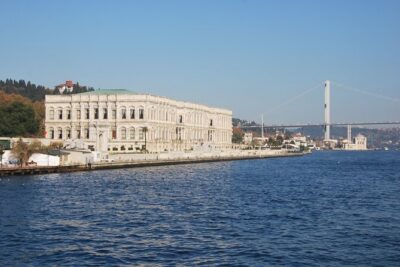
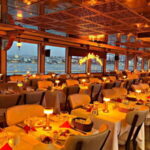
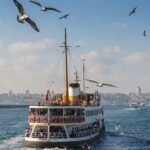
The Bosphorus cruise is where the city’s geography finally clicks. You get long views across the water and shoreline, and suddenly the city’s position between continents feels real rather than theoretical. For me, this is one of the most practical “learning” moments on the trip because it helps you understand why people fought over this place for centuries.
After the cruise, you’re not staying in Istanbul for long—you fly to the Izmir area and check into your hotel base in Kusadasi. That shift matters. It keeps the trip from turning into nonstop Istanbul overload, and it makes the ancient-site days feel like dedicated chapters rather than side quests.
Ephesus and the House of Mary: walking ancient roads with a purpose
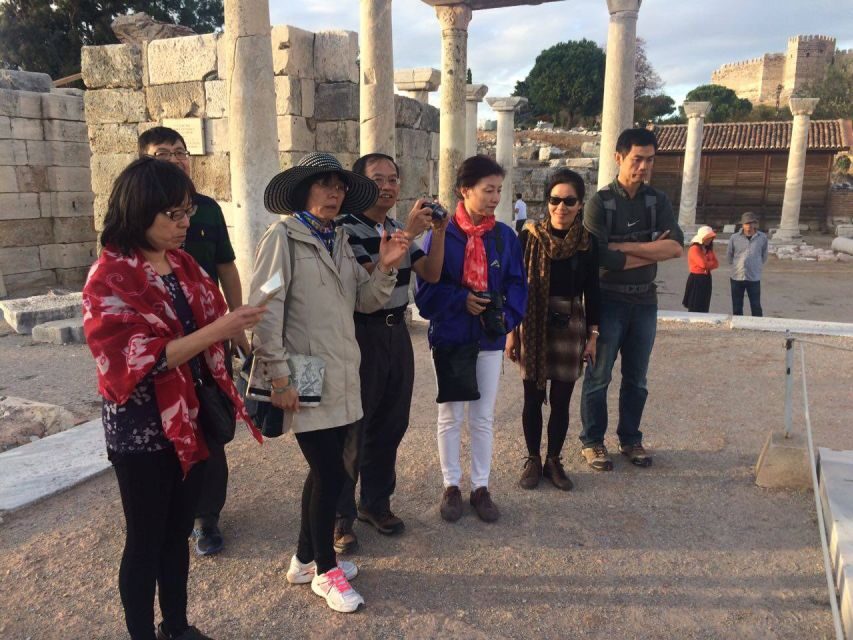
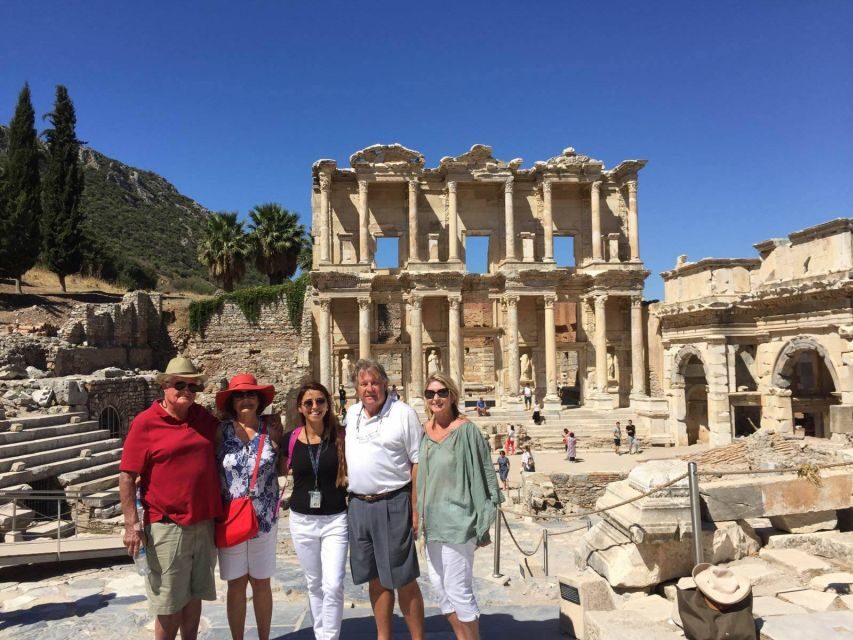
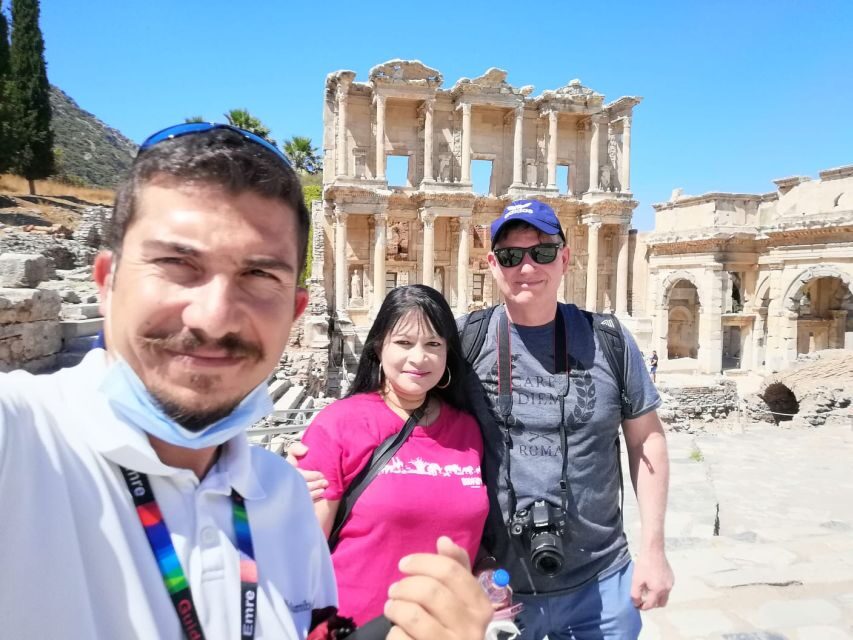
Ephesus is the kind of place that makes your brain work differently. You’ll be walking on ancient Greco-Roman streets and seeing how the city was laid out in practical terms—where people gathered, where power showed up, and how monumental buildings were used.
One of the biggest highlights is the House of the Virgin Mary. This is presented as her final house, so the mood shifts from civic spectacle to personal and spiritual significance. Even if you’re not chasing religious context, the setting gives you a quieter kind of attention before you go back to the scale of Ephesus.
In Ephesus itself, the trip includes the best-preserved parts of the classical city in the Eastern Mediterranean region. It’s also where Temple of Artemis enters the picture. Artemis is tied to the Seven Wonders of the ancient world, and that association helps you frame what you’re seeing: this wasn’t just a local temple. It was a landmark on a global stage of its era.
A note for expectations: admission fees aren’t included, so you’ll want to plan budget for site tickets on the guided days. The upside is that guided access and routing help you see more efficiently, and you’ll use the separate entrance for skip-the-line where applicable.
Pamukkale and Hierapolis: thermal water and a huge necropolis
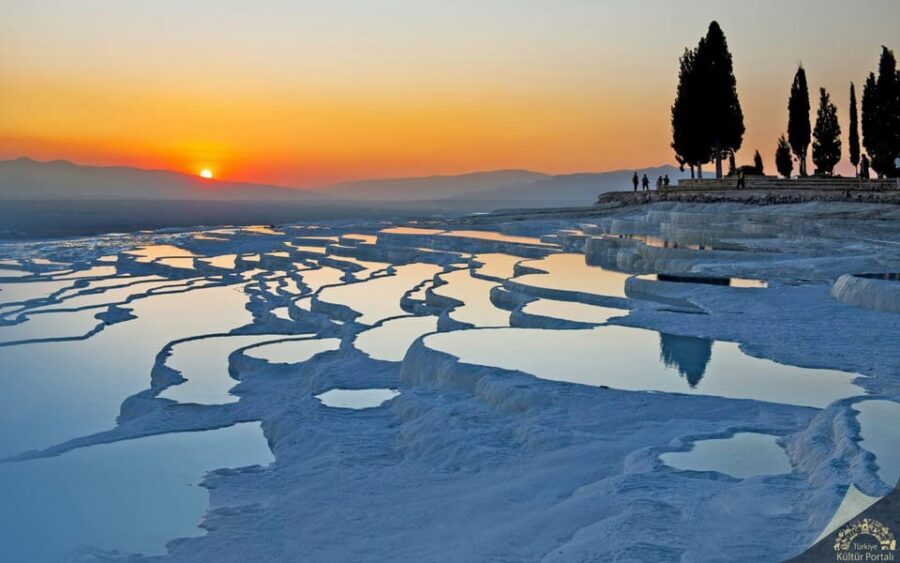
If Istanbul and Ephesus are about human architecture, Pamukkale is about the planet doing its thing. The terraces form from warm spring water running over time, and the temperature is listed at around 35°C, with calcium bicarbonate in the water. That detail matters because it changes the way you experience it—you aren’t just sightseeing, you’re interacting.
Pamukkale is described as Pools of Heaven on Earth, but I’d translate that into something simpler: it’s bright, layered, and oddly photogenic because the water shapes the look. You get the classic white terraces feel, plus the relaxation angle of soaking in natural thermal pools.
Right after, you’ll visit Hierapolis. The highlight here is the necropolis area, including the biggest set of gravestones in Anatolia (the tour description mentions 1,200 gravestones). Walking through a necropolis can feel heavy, but it also teaches you how landscapes hold memory. Hierapolis doesn’t feel like a random stop—it feels like a place where the city’s end and its influence are written in stone.
This is one of those days where I recommend keeping your expectations realistic: wear something you can get wet, take water breaks, and don’t rush photos. The pools are the point, and they go by faster than you’d like.
Cappadocia: fair chimneys, rock-cut churches, and valley walks
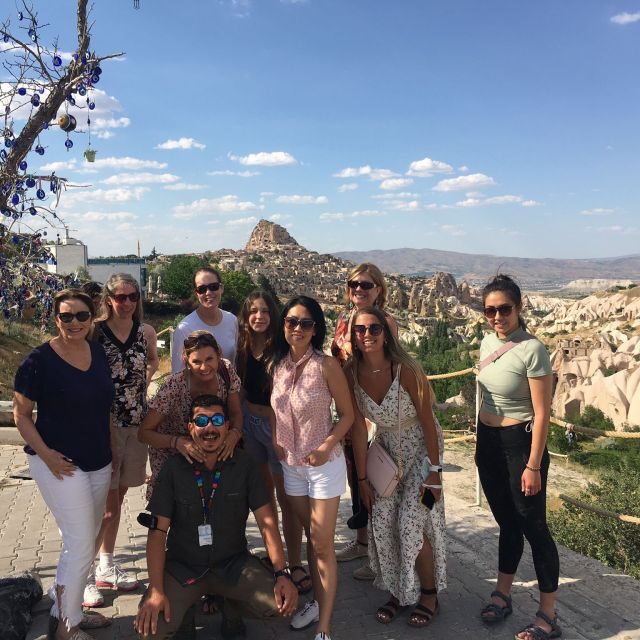
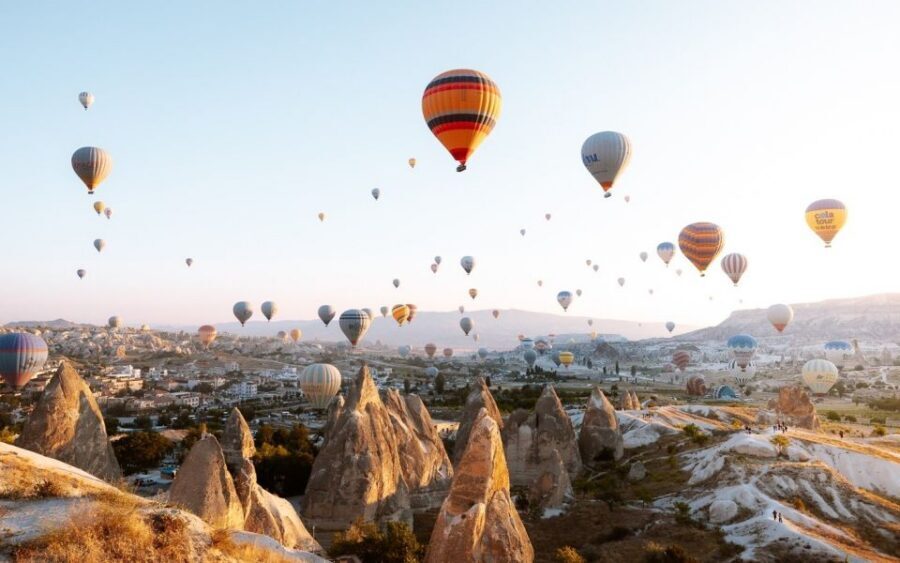
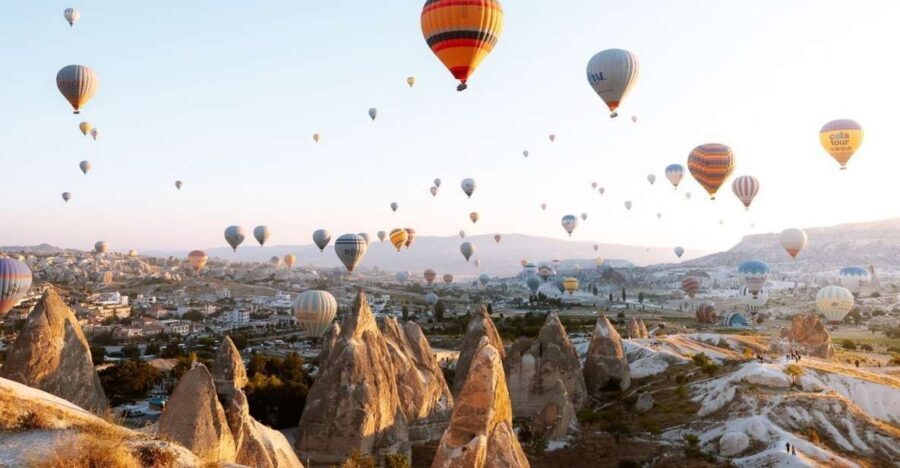
Cappadocia is the trip’s strongest “wow” factor because it mixes geology with human survival. The scenery is built from fairy chimneys, and you’ll see those shapes from multiple angles rather than just one viewpoint.
You start with Göreme Museum, which includes many rock-cut churches decorated with colorful frescoes. The description places these churches in the second half of the 9th century, which is a helpful anchor. Frescoes aren’t just pretty paint here; they make the rock churches feel like active community spaces, not just carved shells.
Next comes Devrent Valley, known for animal-shaped rocks. This is a fun stop because it works like a visual scavenger hunt. I find it helps to go slowly—if you rush, you miss the best formations.
Pasabagi (also explained as Pacha’s vineyard) adds a new layer because it’s about the chimney shapes themselves—how tall they are, how they cluster, and how the forms look different when the light shifts.
Then you move into Avanos for lunch and a pottery experience with local experts. This part is valuable because it brings craft into the day rather than keeping you purely in photo mode. If you’ve never tried pottery, it’s one of those simple ways to connect with how people live in a place that looks like another planet.
You’ll also get Göreme Panorama and a visit to Uchisar, which is another major viewpoint area. These stops are the ones where you can see why people romanticize Cappadocia—but the practical benefit is that you can start recognizing the geography across the valleys you’ll walk later.



Cappadocia underground: refuge life in the early Christian era
On the final Cappadocia day, the itinerary shifts from open-air scenery to human underground life. You’ll visit Red Valley and Rose Valley, then the Cavusin and Pigeon Valley areas before heading into underground cities.
The underground cities are explained as places of refuge for 15,000 Christians. That number helps you grasp scale, and it also changes how you perceive the tunnels and rooms. You’re no longer thinking of caves as scenery; you’re thinking of a survival plan.
Underground cities in general can feel like a maze, so having a guided context really matters. The guide helps connect what you’re seeing to why it exists—storage, shelter, and movement when the outside world is unsafe. It’s a different kind of history than Ephesus: less monumental stone, more daily endurance.
After the underground-city portion, you fly back to Istanbul and spend your last night there before departure.
Hotels, guides, and meals: what’s included and what to plan for
The package includes 3 nights in Istanbul, 2 nights in Kusadasi, and 2 nights in Cappadocia. That’s a smart structure for this itinerary because it lets you avoid constant hotel changes while still matching the geography of where you’re sightseeing.
In the feedback I saw, several people praised the hotels for being centrally located, clean, and with good breakfasts. That matters because on an itinerary this full, breakfast becomes your fuel. You’ll do a lot of walking and stairs at Ephesus, in Pamukkale’s terraces, and around Cappadocia viewpoints.
Meal planning is marked on the itinerary as B for breakfast and L for lunch on specific days. For example, day 2 includes breakfast, and multiple later days run B-L. Dinner isn’t listed as included, and beverages with meals are not included either—so budget a little extra for evening meals.
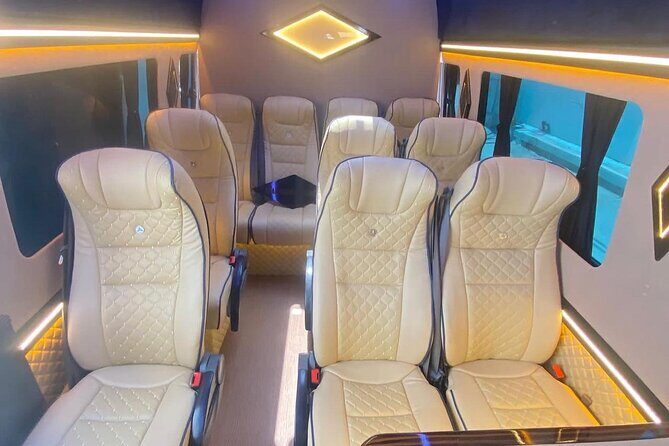
Admission fees are also not included for the sightseeing stops. I’d treat that as the main “surprise” cost category. Everything else—transfers, air-conditioned non-smoking vehicle rides, domestic flights, and guided tours—comes with the package.
Price and value: does $1,063 make sense for what you get?
At $1,063 per person for 8 days, the big value driver is that domestic flights are included along with airport transfers and guided regional touring. That combination saves you time and hassle versus trying to stitch together flights and long overland transfers on your own.
You also get English live guides and skip-the-line routing via separate entrance. Those details don’t sound dramatic until you’ve sat in a ticket line with a hot sun overhead. The structure matters.
The main cost you’ll still handle is admission tickets. You’ll also want to think about how much you care about optional experiences. Hot air balloon flight is explicitly not included, and that can be a major wishlist item for Cappadocia. If ballooning is your top priority, you’ll want to add it separately and plan ahead.
Practical logistics you should know before you go
This tour uses domestic flights in economy class with baggage allowance listed as 25kg checked plus 8kg cabin. That’s generous enough for a normal travel load, but don’t pack so heavy that you struggle with it at stairs and transfers.
Inside airports, there isn’t assistant service. Translation: you’ll want to stay alert at checkpoints and follow the group guidance, but don’t expect someone to shepherd you through every step.
Also, keep an eye on closures:
- Topkapi Palace is closed on Tuesdays, and Basilica Cistern is visited instead.
- Grand Bazaar is closed on Sundays.
- Some sites may close on religious or national holidays, so it’s smart to confirm your dates before you book.
If you like smooth mornings, this kind of closure swap is fine. It’s not a deal-breaker—it just means you should be flexible about which Constantinople-era highlight you get on which day.
Finally, expect a sign-on pickup at airports: the driver holds your last name sign. It’s simple, but it’s still one of the best ways to avoid that awkward early-arrival confusion.
Should you book this 8-day Istanbul–Ephesus–Pamukkale–Cappadocia trip?
If you want a high-coverage itinerary with guided context, practical hotel bases, and domestic flights handled, I think this is a strong choice. It’s especially good for first-timers who want the major Turkey classics without doing the planning heavy lifting.
I’d hesitate if you hate busy days or you’re the type who needs hours of unstructured wandering. This trip gives you a lot of must-sees, and the schedule expects you to keep moving. Also, if admission tickets and add-ons like a balloon flight are a deal-breaker, confirm those preferences early so the budget feels comfortable.
On balance: this is the kind of trip that works because it’s organized enough to let you enjoy the places, not just collect them.
FAQ
What’s included in the trip price?
The package includes 3 nights in Istanbul, 2 nights in Kusadasi, 2 nights in Cappadocia, economic class domestic flights, meal plan as mentioned in the itinerary, airport transfer services, and land transportation in an air-conditioned non-smoking vehicle. It also includes a live English tour guide and skip-the-line access via a separate entrance.
Are admission fees included for the attractions?
No. Admission fees for the sightseeing listed in the itinerary are not included.
Does the trip include a hot air balloon flight?
No. Hot air balloon flight is not included in the package.
What meals are included?
Breakfast is included on the days marked with B, and lunch is included on days marked with B-L. Day 1 arrival has no meal included, and beverage with meals is not included.
Which domestic flights are part of the route?
You fly from Istanbul to Izmir (for the Kusadasi area), and later you fly from Izmir/Kusadasi to Kayseri (for Cappadocia), then fly from Kayseri back to Istanbul.
What if Topkapi Palace is closed during my day?
Topkapi Palace is closed on Tuesdays. If that happens on your date, the tour visits the Basilica Cistern instead.
Is there skip-the-line access?
Yes. The tour includes skip-the-line access through a separate entrance for the included sights on guided days.
What baggage allowance comes with the domestic flights?
Domestic flights include 25kg checked baggage plus 8kg cabin luggage.