REVIEW · ISTANBUL
Istanbul: Hagia Sophia & Basilica Cistern Tour with Tickets
Book on GetYourGuide →Operated by Walks In Europe · Bookable on GetYourGuide
Skip the ticket lines and hit the good stuff fast.
This guided small-group outing pairs two top Istanbul sights with an expert local guide, so you’re not stuck translating plaques while the clock runs. I like that it starts in Sultanahmet with a logical walking plan, and it uses headsets so you can actually hear the story even in crowds. One thing to keep in mind: Hagia Sophia and the cistern can be closed unannounced, so the day might include a swap instead of the exact venue order.
What I really like is the ticket value. You get priority admission for both places, plus pre-reserved entry timed to the schedule, which makes a big difference during peak hours. A second win: the guide doesn’t just point at big buildings—they connect Hagia Sophia to the Ottoman conquest and explain what you’re seeing in the Basilica Cistern’s underground space.
The main drawback is physical and practical. The Basilica Cistern has 50 steps down and then up with no lift, and the tour requires dress that respects a functioning mosque.
In This Review
- Key Things I’d Prioritize
- Two Icons, One Smart Guided Plan
- Meeting Up in Sultanahmet or Starting at Galataport (Cruise Option)
- Basilica Cistern: Subterranean Palace, Medusa Heads, and 50 Steps
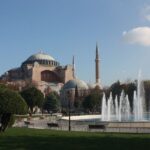
- Hagia Sophia: A Mosque-Meets-Church Story You Can See
- Dress code: don’t treat it like a suggestion
- The Hippodrome Walk and the Finish at Sultanahmet Square
- Tickets, Headsets, and Why Skip-The-Line Actually Helps
- Price and Value: What You’re Paying For
- Dress Code and Security Rules You Should Know Before You Go
- If Hagia Sophia or the Cistern Is Closed, Here’s the Swap Plan
- Who This Tour Fits Best
- Should You Book This Hagia Sophia and Basilica Cistern Tour?
- FAQ
- What’s the duration of the tour?
- Does the tour include tickets for Hagia Sophia and the Basilica Cistern?
- How does skip-the-line work?
- Where do I meet the guide?
- If I’m on a cruise, do I go by tram to old town?
- Do I need to bring a headscarf?
- What should I wear?
- Is there an accessibility option for the Basilica Cistern?
- What happens if the Basilica Cistern is closed?
- Are there any important entry/security rules I should expect?
Key Things I’d Prioritize
- Skip-the-line reserved tickets for Hagia Sophia and Basilica Cistern, timed for your group
- Headsets included, which helps a lot at indoor monuments
- Basilica Cistern experience includes wooden walkways and the famous upside-down Medusa heads
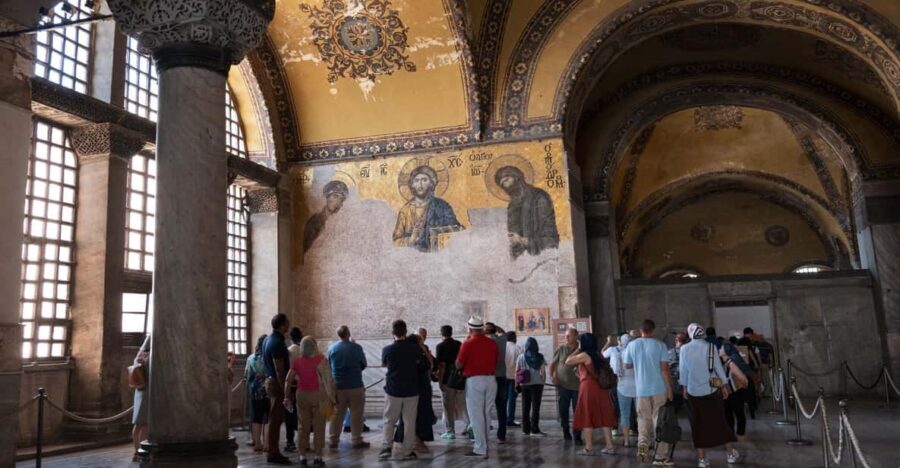
- Hagia Sophia focus includes the Ottoman conversion details plus features like mosaics and İznik tiles
- A short historical walk covers the Byzantine Hippodrome and ends around Sultanahmet Square
- Dress code and security rules are strict, so plan to arrive with the right clothing and a headscarf
Two Icons, One Smart Guided Plan
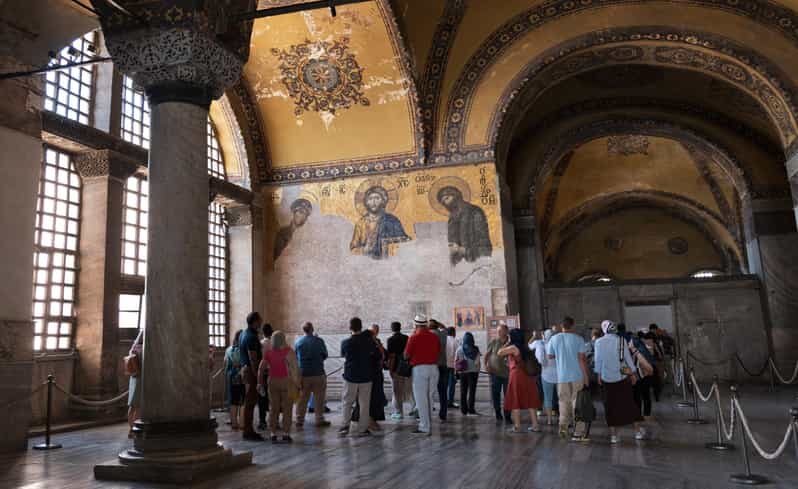
Istanbul does not do half-measures. In a single 2 to 2.5 hour outing, you’re taken into two massive time capsules: an imperial church-turned-mosque and an underground cistern that looks like it belongs in a fantasy film. The best part is the pacing. A guide keeps the narrative tight—Byzantine first, Ottoman second—so the monuments don’t feel like random photo stops.
The tour is designed around what actually slows people down: ticket lines and confusion about what to look for. With priority admission and pre-reserved entries, you spend less time at desks and more time inside, where the details matter.
You can also read our reviews of more tours and experiences in Istanbul


Meeting Up in Sultanahmet or Starting at Galataport (Cruise Option)
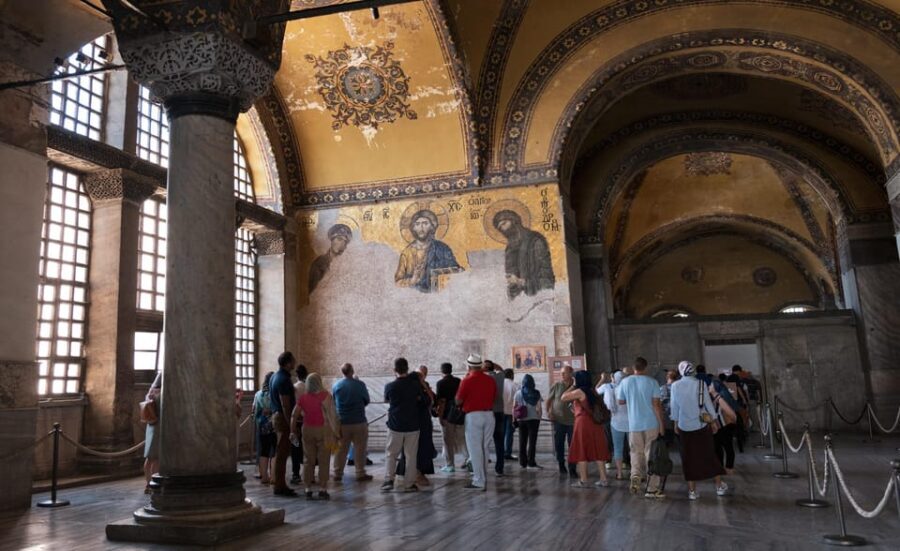
You can meet in either of two places, depending on what you booked.
- If you’re starting from the Galataport cruise port, you meet at Galataport Clock Tower Square near Ersoy Bufe. Your guide then takes cruise guests by tram to Sultanahmet with you.
- If you’re meeting in the Sultanahmet area, you’ll meet at an easy walking-touring spot in that neighborhood.
This matters because cruise stops can be tight. The tram transfer helps you avoid the stress of finding your own route in a short window. Either way, the tour runs on timed entry, so arrive early—15 minutes before start is required because tickets are booked to specific time slots.
Basilica Cistern: Subterranean Palace, Medusa Heads, and 50 Steps
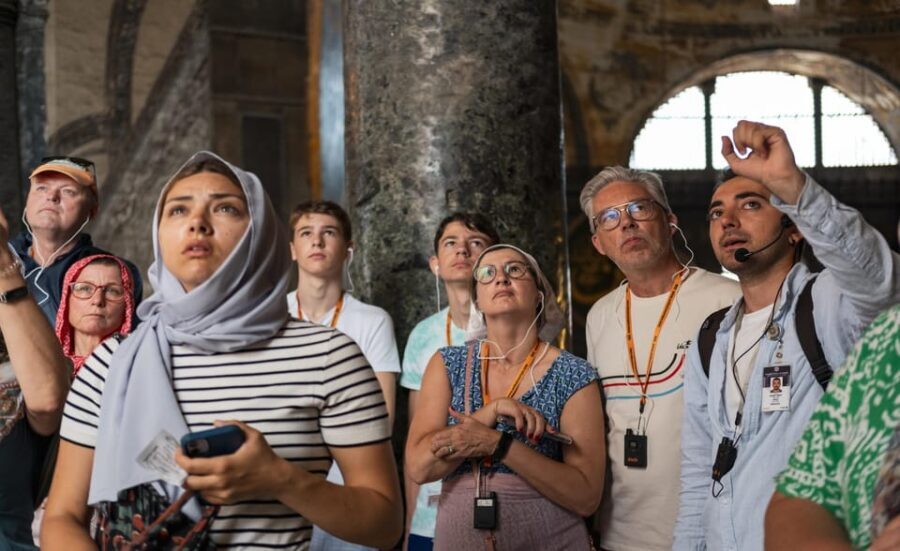
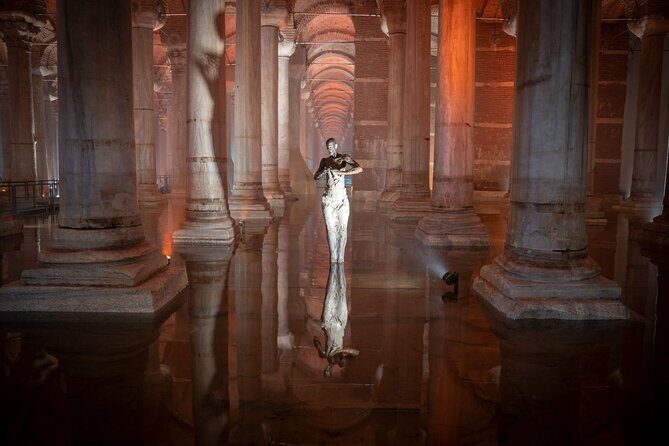
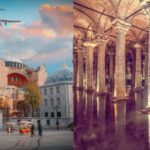
You start underground at the Basilica Cistern, also called the Subterranean Palace. This is one of those places where the guide’s voice becomes part of the experience, because the history is tied to the architecture: how Byzantines engineered water storage, how the space was designed, and what you’re looking at when you see those columns rising from the gloom.
What you can expect during the 45-minute guided segment:
- You’ll walk on wooden walkways over the water, so you can view the room without tripping into the wrong area.
- You’ll spot the iconic upside-down Medusa heads (the guide will point them out and explain why they’re there).
- The guide will connect the look of the space to Byzantine building choices—especially the way the columns create order in a naturally dark setting.
Practical note: this stop is not built for everyone’s legs. The cistern has 50 steps going down and then up, and the tour indicates there is no lift. If mobility is a concern, you’ll want to think hard before booking.
Also plan around security screening. The tour tells you to expect airport-style security, which can take time during busy seasons and holidays.
Hagia Sophia: A Mosque-Meets-Church Story You Can See
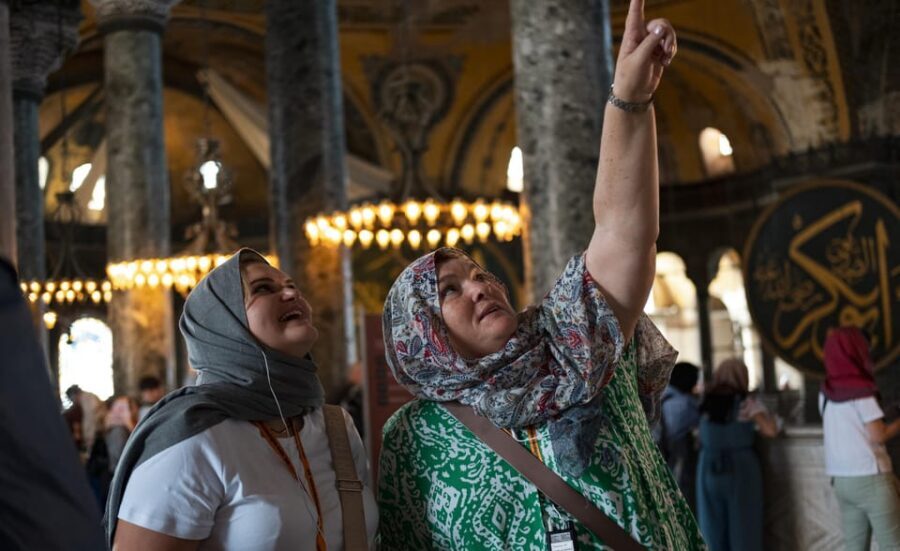
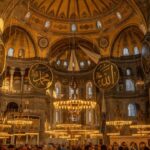
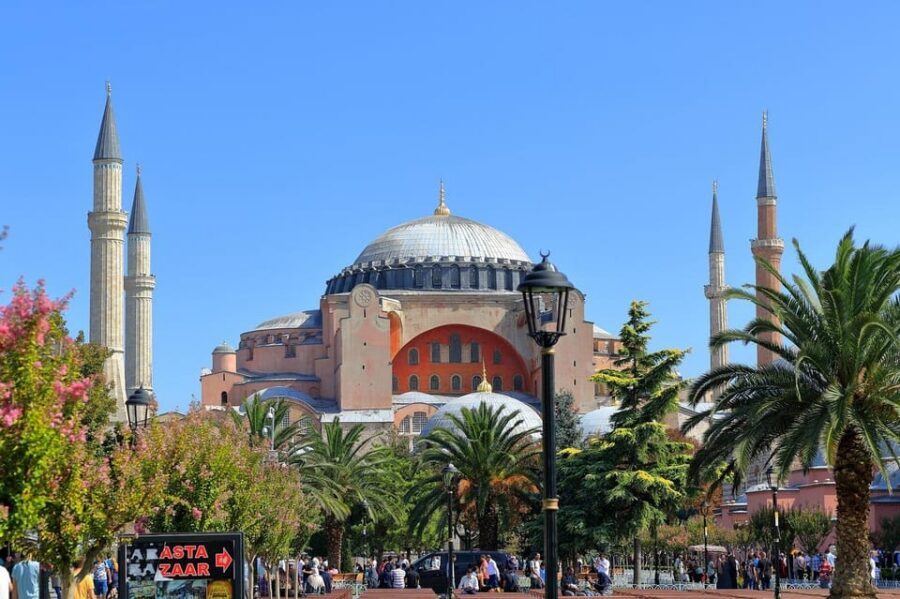
Then you head back above ground and into Hagia Sophia with pre-reserved tickets. This is the site where Istanbul’s layered identity shows up in materials, layout, and decoration.
The guide-led portion focuses on what you’ll notice once you know what to look for:
- How the building transitioned into a mosque after the Ottoman conquest of Constantinople
- How Ottomans buried their sultans in the courtyard
- How Roman columns and Byzantine-era structure still shape the interior feel
- How İznik tiles were added over time in the mosque space
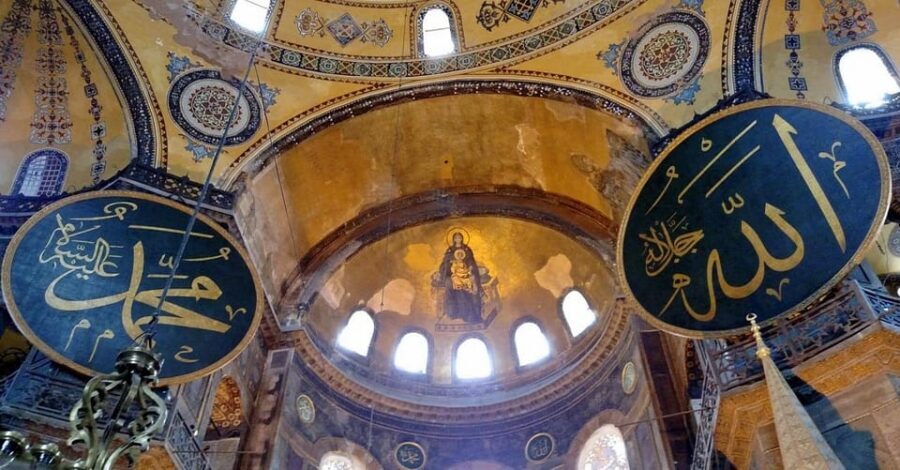
- The creation and significance of the Virgin Mary mosaic
- The contrast of Christian and Islamic elements you see within the same monumental shell
There are also reminders in the tour rules that Hagia Sophia is not a museum set dressing. It’s a place of worship, and you should expect respectful behavior and strict enforcement of entry requirements.
Dress code: don’t treat it like a suggestion
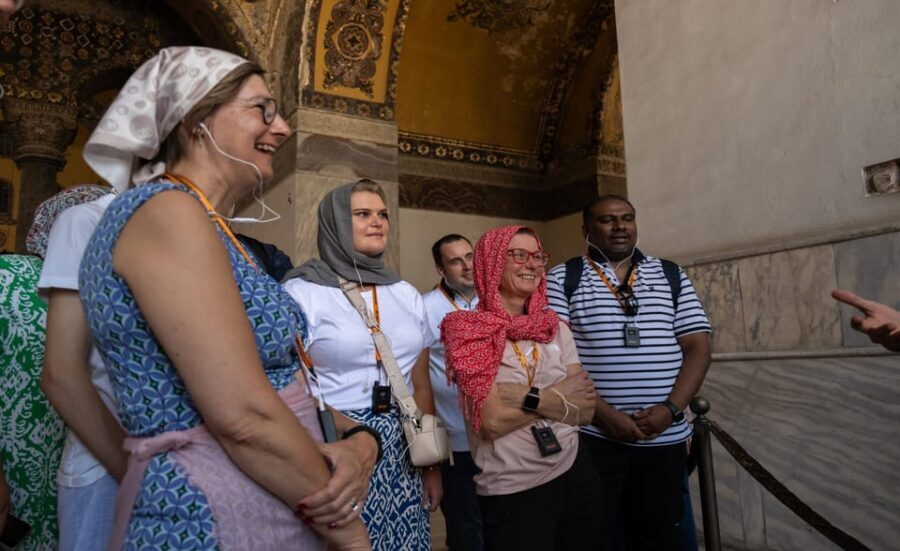
You’ll need a headscarf for women entering the mosque. Both men and women should cover shoulders and knees. The tour specifically says no shorts, no short skirts, and no sleeveless shirts. That’s the kind of rule that can derail your plans if you arrive in the wrong outfit.
One practical tip pulled from recent experiences: if you don’t have the right scarf, there can be a nearby kiosk where people quickly buy one. Still, I’d rather you show up prepared than rely on a last-minute purchase.




The Hippodrome Walk and the Finish at Sultanahmet Square
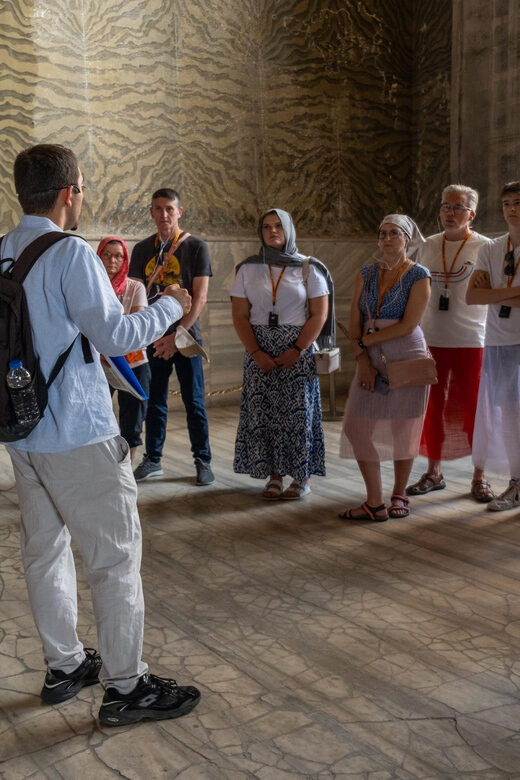
After Hagia Sophia, you’ll continue with a short guided historical walk that touches the Byzantine Hippodrome. This isn’t just a scenic stroll—it’s a way to understand how public space worked in the daily life of the city.
The guide will point out key elements like the obelisks and explain why the Hippodrome mattered. Even a brief stop here helps you connect the dots: monumental buildings weren’t isolated; they sat inside a city that was constantly moving—politics, crowds, and ceremonies all sharing the same stage.
The tour concludes at Sultanahmet Square, with a short wrap-up time from the guide. That end moment is where the practical Istanbul advice often lands: how to move around old town, what order makes sense for next stops, and how to avoid common time-wasters once you’re on your own.
Tickets, Headsets, and Why Skip-The-Line Actually Helps
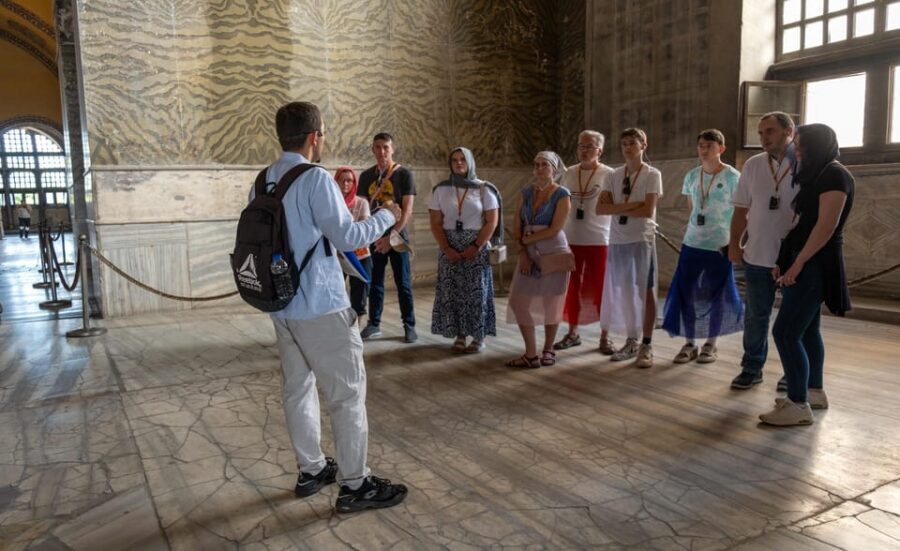
At $141 per person, this is not a “budget only” choice, but it’s also not priced like a luxury private guide. The value is in three things you can feel immediately:
- Priority admission tickets for both Hagia Sophia and Basilica Cistern
- Skip-the ticket line time savings during peak periods
- Headsets included, so you’re not straining to hear inside large spaces
The headsets sound like a small detail until you’re in an environment where people are constantly turning their heads, speaking softly, or moving. The tour also sticks to a guided sequence with timed entry, so you aren’t wasting energy trying to coordinate your own group pace through major checkpoints.
A few guide names show up in recent bookings—Mert, Furkan, Fahrud, and Emre—and the theme is clear: people appreciate guides who explain the objects you’re seeing, not just the big facts. The tour’s structure sets you up for that because it gives the guide room to teach during the most important moments inside.
Price and Value: What You’re Paying For
Let’s talk real value, not just the number.
At $141 per person for roughly 2 to 2.5 hours, you’re paying for:
- Two sets of included admission tickets
- Priority admission / reserved entry for time savings
- A licensed local guide
- Headsets
- A plan that strings together Hagia Sophia and the Basilica Cistern efficiently
If you were doing this alone, you’d still need tickets and time buffering around lines and security. The biggest expense isn’t only the ticket—it’s your time and the mental effort of figuring out what matters inside each site. This tour converts that work into a guided storyline.
It’s also worth considering that Hagia Sophia and major cistern-related experiences involve strict rules. When a guide is part of the process, it’s easier to avoid entry mistakes like clothing problems or timing issues.
Dress Code and Security Rules You Should Know Before You Go
This tour flags airport-style security, and that’s accurate to life in Istanbul’s biggest monuments. Expect that the screening line can be long in high season and holidays.
What the tour specifically prohibits:
- Shorts
- Short skirts
- Sleeveless shirts
- Weapons or sharp objects
- Baby strollers
It also warns that Hagia Sophia dress code is enforced (headscarf for women, and covering shoulders and knees). Plus, security can be strict about what you wear and how you behave inside. In recent experiences, people noted that offensive t-shirts or political messages can get someone turned away, and certain photo gestures (like peace signs) may not be allowed.
So my practical advice is boring but effective:
- Wear long enough clothing to clear the shoulders and knees rule
- Bring a headscarf you’re comfortable wearing
- Keep your phone ready, but follow on-site instructions for photography and conduct
If Hagia Sophia or the Cistern Is Closed, Here’s the Swap Plan
Istanbul schedules can change quickly, and the tour accounts for that.
- Hagia Sophia may close unannounced due to high-level state visits.
- If the Basilica Cistern is closed, the tour indicates you’ll visit either Şerefiye (cistern of Theodosius) or Binbirdirek (Cistern of Philoxenos) instead.
That swap matters because it protects your day. You’re not left wandering or losing your booking because one site is unexpectedly offline.
Who This Tour Fits Best
This is a strong fit if you want:
- A time-efficient way to see two major monuments in one outing
- A guide who explains the Ottoman and Byzantine layers you’re seeing
- A clear schedule with reserved tickets so you don’t burn hours in line
It’s not the best match if:
- You need wheelchair access or have mobility limitations, since the cistern involves 50 steps down and up with no lift
- You’re traveling with children under 7 years
Language options are English and German, and the tour provides headsets, which helps even if you’re not right next to your guide.
Should You Book This Hagia Sophia and Basilica Cistern Tour?
Book it if your top priority is getting inside fast and understanding what you’re seeing—especially the shift from Byzantine to Ottoman storytelling. The reserved tickets, headsets, and the guide’s focus on specific features (Medusa heads, Virgin Mary mosaic, İznik tiles, Ottoman burial details) are exactly the sort of things that are easy to miss on your own.
Skip it or plan carefully if you’re sensitive to stairs. The cistern’s step count is real, and the tour doesn’t offer a lift. Also, if your visit window is fragile (cruise timing, tight connections), double-check you can arrive early for timed entry and security.
If you want a focused old-town experience with less guessing and more meaning, this one is a solid choice.
FAQ
What’s the duration of the tour?
The tour lasts about 2 to 2.5 hours.
Does the tour include tickets for Hagia Sophia and the Basilica Cistern?
Yes. Priority admission tickets for both are included.
How does skip-the-line work?
You get priority admission with pre-reserved, timed entry, which helps you avoid the longest ticket lines.
Where do I meet the guide?
Meeting points can vary depending on your booking. Options include Galataport Clock Tower Square near Ersoy Bufe, or a meeting spot in the Sultanahmet neighborhood.
If I’m on a cruise, do I go by tram to old town?
Yes. If you choose the Galataport cruise option, the guide meets you at Galataport and you ride the tram to Sultanahmet.
Do I need to bring a headscarf?
Yes—bring a headscarf. Women should wear one when entering the mosque.
What should I wear?
You’ll need clothing that covers shoulders and knees. Shorts, short skirts, and sleeveless shirts aren’t allowed.
Is there an accessibility option for the Basilica Cistern?
The tour says it’s not suitable for wheelchair users and people with mobility impairments. The Basilica Cistern has 50 steps going down and then up, with no lift.
What happens if the Basilica Cistern is closed?
If it’s closed, the tour visits Şerefiye (cistern of Theodosius) or Binbirdirek (cistern of Philoxenos).
Are there any important entry/security rules I should expect?
Yes. You must pass through airport-style security, which may be long during peak times. The tour also requires you to arrive at the meeting point 15 minutes early because entry is timed.