REVIEW · ISTANBUL
Istanbul: Hagia Sophia Guided Tour
Book on GetYourGuide →Operated by atourguideinconstantinople · Bookable on GetYourGuide
Big stories start inside Hagia Sophia. This guided walk lines up the monument’s big eras—Byzantine and Ottoman—so the building makes sense instead of feeling like one more huge church-mosque. You’ll also get time saved with skip-the-ticket-line access, plus a route planned to avoid the worst crowd surges.
I like the storytelling style because it’s not just facts. Guides such as Oğulcan, Can, and John are praised for turning architectural details into clear, memorable scenes, and for pointing out what to actually notice as you move. I also like the focus on mosaics and texture—those dozens of images and stone surfaces are what make the place feel alive.
One consideration: skip-the-ticket-line does not erase the reality of security. And you still need to pay the entry ticket separately in cash on the day, plus follow the dress rules (long sleeves, long pants, and a headscarf/scarf).
In This Review
- Key things to know before you go
- Why this Hagia Sophia tour works (especially if it’s your one big stop)
- Meeting near the Blue Mosque tram stop: where the tour starts on purpose
- The one-hour flow once you’re at Hagia Sophia
- Inside Hagia Sophia: how the guide connects 6th-century design to Ottoman-era meaning
- Mosaics and stone texture: what you’ll actually look at during the stops
- Skip-the-ticket-line access: how much time you can really save
- Dress code and what to bring so entry doesn’t become a hassle
- Pricing and value: what you pay for the tour versus the entry ticket
- Who this tour suits best (and who should consider another plan)
- What happens at the end
- Should you book this Hagia Sophia guided tour?
- FAQ
- How long is the Hagia Sophia guided tour?
- Is the entry ticket included in the $29 tour price?
- Where do I meet the guide?
- Do I need to bring a scarf or headscarf?
- What should I wear or avoid for entry?
- Is this tour wheelchair accessible?
Key things to know before you go
- Skip-the-ticket-line access helps you spend more of your hour inside
- English live guide who connects the monument’s eras, not just dates
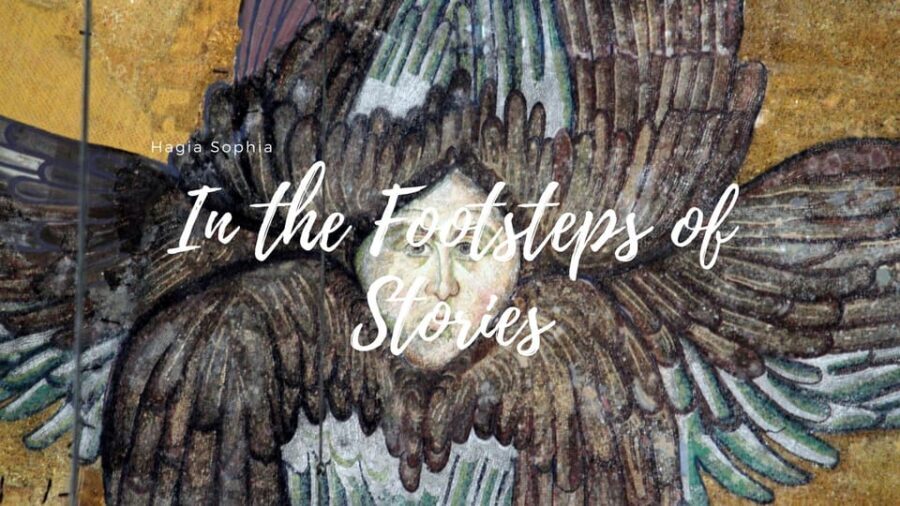
- Mosaics and stone texture focus so you know what you’re looking at
- Peak-hour planning to reduce crowd pressure as much as possible
- Bring cash for the entry ticket since it’s not included in the tour price
- Dress for entry: long sleeves/long pants and a scarf/headscarf are required
Why this Hagia Sophia tour works (especially if it’s your one big stop)

Hagia Sophia can feel overwhelming at first. You see giant scale, dramatic light, and complicated layers of design—but without a guide, it’s easy to miss why the building looks the way it does and what changed over time.
This tour is built for exactly that moment when you want the monument to click. The guide’s job is to map the major historical layers—from the 6th-century Constantinople roots to the later Ottoman period—so you’re not just walking through impressive rooms. You’ll spend your one hour learning what to look for, including the building’s mosaics and stone details that don’t always stand out when you’re rushing.
The best part for me is the tone: you’re not being lectured. You’re being guided to see. When the stories attach to specific corners, textures, and images, you keep your attention longer and you remember more after the visit.
You can also read our reviews of more guided tours in Istanbul



Meeting near the Blue Mosque tram stop: where the tour starts on purpose
Your meeting point is behind the Sultanahmet Blue Mosque Tram Stop, in the park called Mehmet Akif Ersoy, by the Firuz Aga Mosque. Your guide waits with a black atourguideinconstantinople flag.
This matters more than it sounds. If you show up late or arrive from the wrong direction, you can lose time right at the start—then it’s harder to catch a smooth entry window. The instruction to arrive 15 minutes early is smart here, because security can take longer depending on building density.
If you’re trying to orient quickly, use the name atourguideinconstantinople in Google Maps to find photos of the exact spot. It’s one of those small steps that saves real stress.
The one-hour flow once you’re at Hagia Sophia
After the meet, your tour runs straight into the main site. The experience is designed around an efficient route: move first, stop often, and focus on key features so the time doesn’t evaporate.
Even though the tour is listed as +60 minutes, the “real” value comes from how the guide structures that time:
- you enter with skip-the-ticket-line access
- you get told what to notice before you’re standing in front of it
- you get pointed toward mosaics and detailed stonework rather than only large architectural views
- you’re shown corners that tend to be missed when people just follow the crowd
So the hour feels like a guided route through a story, not a timed circuit.
Inside Hagia Sophia: how the guide connects 6th-century design to Ottoman-era meaning

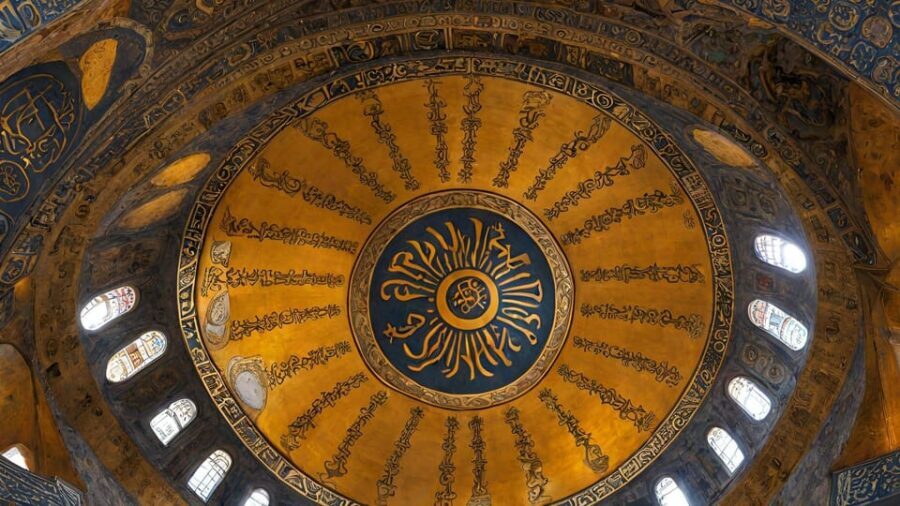
Hagia Sophia is famous for the way it has worn different identities over the centuries. One building. Several roles. And those roles left visible traces.
That’s the big idea behind this tour: you’ll learn to read the monument as a timeline you can walk through. The guide frames what you’re seeing so it stops being random decoration or confusing architectural styles. Instead, the place becomes a set of clues.
You’ll turn back through the centuries as you explore, and the guiding approach aims to answer questions like:
- Why do these spaces feel the way they do?
- What features reflect the Byzantine era, and which ones reflect later Ottoman influences?
- How do mosaics and ornament fit into that story, not just decorate it?
The tour also leans into “hidden corners.” That usually means you’ll be guided past the easiest photo stops and toward areas where details are easier to see—especially the mosaic surfaces and the way light hits stone.
Mosaics and stone texture: what you’ll actually look at during the stops
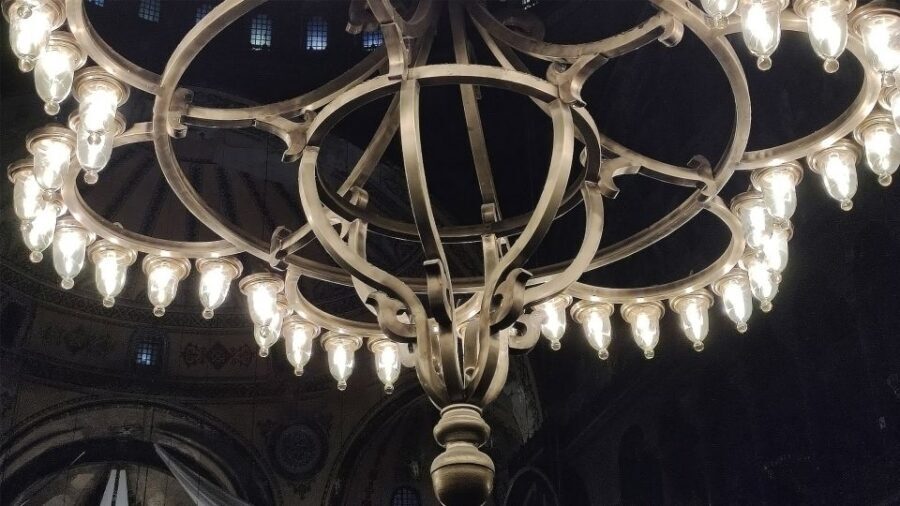
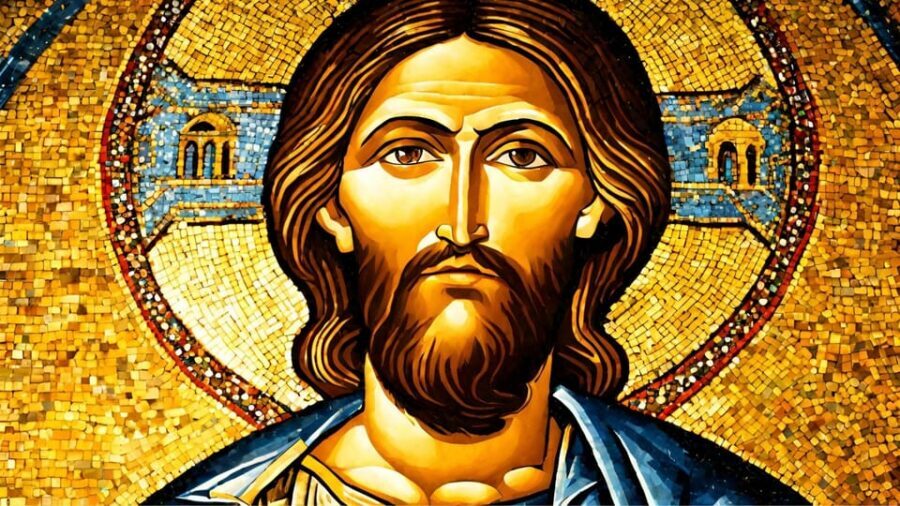
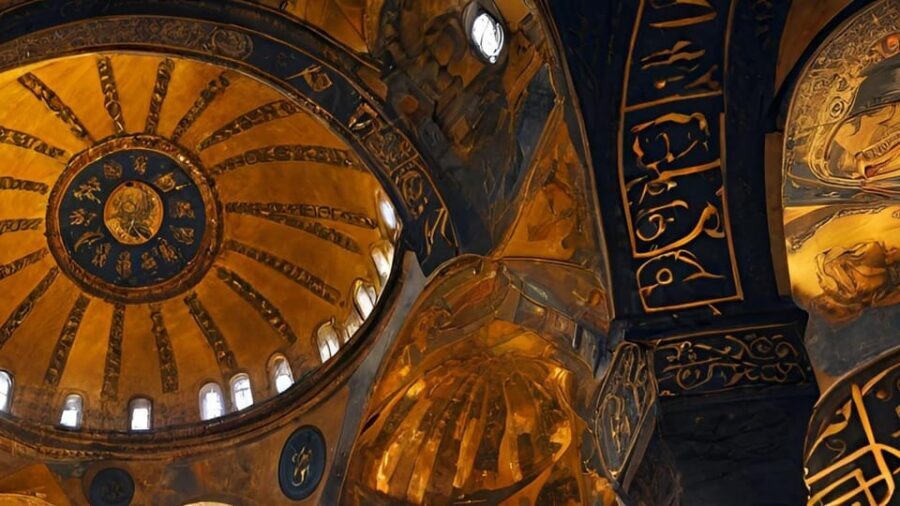
This is where the experience gets memorable. Hagia Sophia’s mosaics aren’t just background art. They’re part of how the building communicates power, devotion, and identity across eras.
You’ll explore dozens of mosaics with a guide who helps you interpret what you’re seeing. The goal is to bring those images into focus, so you’re not simply staring at color from a distance. Expect a guided pace that gives you enough time to notice patterns, placements, and the way designs sit within the architecture.
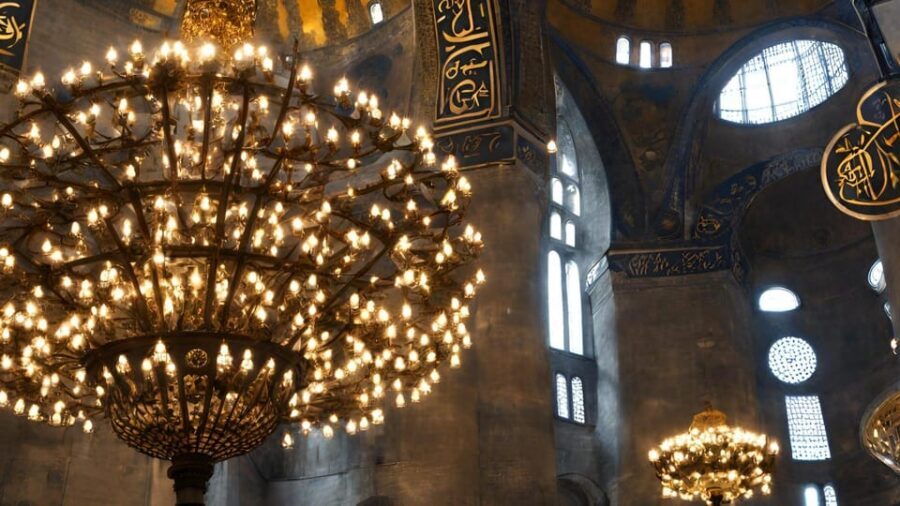
The tour also spotlights ethereal stonework and surface texture. That phrasing is marketing, but the idea behind it is practical: Hagia Sophia is as much about surfaces and material quality as it is about size. When someone points out texture, wear, repair, or how stone elements are arranged, the building’s craftsmanship becomes obvious.
If you’re the type who enjoys detail (ornament, materials, and small visual clues), you’ll likely find this tour satisfying. If you want mostly wide views with minimal interpretation, you might feel the focus is too detail-heavy for your taste—but that’s the whole point of a guided story.




Skip-the-ticket-line access: how much time you can really save
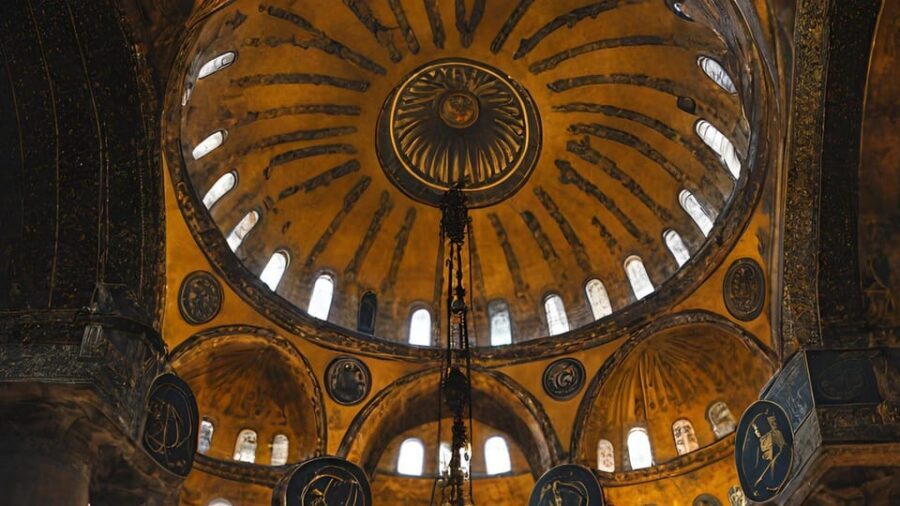
Skip-the-line access is the feature that makes this tour appealing if you hate waiting. In practice, it helps you get moving faster because you’re not standing in the general entry queue.
But there’s an important reality check: security checks can still take longer depending on crowd density. So plan for that in your personal timing. Arriving early helps more than you’d think.
One subtle benefit: a guide often knows when to position you and when to slow down for the best viewing moment. That’s why guides like John are praised for timing choices that lead to a better, less chaotic experience (for example, entering at a point when outdoor crowds and heat are easier to handle).
You should still expect a checkpoint and some waiting. The tour’s value is that your waiting is usually less painful and your time inside is more intentional.
Dress code and what to bring so entry doesn’t become a hassle
Hagia Sophia has a strict approach to visitors’ clothing, and this tour reminds you to follow it. Bring:
- a long-sleeved shirt
- long pants
- a scarf (and a headscarf is mentioned as part of the requirement)
Also note what’s not allowed:
- shorts
- short skirts
- sleeveless shirts
- flash photography
- tripods
- weapons or sharp objects
- alcohol and drugs
- explosive substances
- nudity
A practical note: scarves are not included, so don’t assume one will be available. Pack light, but pack smart. If you show up dressed wrong, you can end up delaying entry while you sort it out.
If you forget your scarf, you may have to deal with whatever’s available nearby, which can add stress. Better to handle it before you leave your hotel.
Pricing and value: what you pay for the tour versus the entry ticket
The tour price is $29 per person and the duration is about one hour. Here’s the key detail: the entry ticket is not included.
Tickets are priced at 25€ per person and must be paid to the guide on the day of the tour, in cash. It also says entry price may vary on the day of your visit, so you should bring the right kind of cash and expect the amount to be confirmed at the meeting.
Is it worth it? Usually, yes—if you value a guided route and you want to reduce wasted time. You’re paying for:
- skip-the-ticket-line access
- an English-speaking local guide
- a structured interpretation of mosaics, stonework, and the building’s layered eras
If you’re comfortable wandering the site on your own and you only need a basic overview, you might decide to save money and skip the guide. But if Hagia Sophia is your must-see and you want it to mean something (not just look big), this format tends to deliver solid value.
Also remember: no hotel pickup or drop-off. You’re going to the meeting point yourself.
Who this tour suits best (and who should consider another plan)
This tour fits best if you want:
- a guided explanation of what you’re seeing
- a focus on mosaics and architectural details
- a visit timed to reduce the worst crowd pressure
- an English storyteller who can connect Byzantine and Ottoman layers into a clear walk
You might want to skip it or look for a different option if:
- you need wheelchair-friendly access (this one is not suitable for wheelchairs)
- you dislike guided time limits and prefer unlimited roaming
- you want only wide panoramic views with little interpretation
That said, the experience can feel flexible inside the hour, especially if the group is small. One of the nicest things about small-group dynamics is that you’re more likely to get answers to your specific questions about what you’re looking at.
What happens at the end
The tour ends back at the meeting point. So you’re not dropped somewhere else to figure out your next move—you simply return to where you started, which is handy if you plan to keep sightseeing around Sultanahmet.
Should you book this Hagia Sophia guided tour?
If Hagia Sophia is on your list and you want to understand what you’re seeing, I’d book it. The combination of skip-the-ticket-line access plus a guide-led focus on mosaics, stone texture, and the Byzantine-to-Ottoman story is what turns a fast visit into a memorable one.
Be honest with yourself about two things: you’ll need to follow the dress rules, and you’ll need cash for the entry ticket. If you can handle that, this is a strong way to make your hour count at one of Istanbul’s most important landmarks.
FAQ
How long is the Hagia Sophia guided tour?
The tour runs for about 1 hour (listed as 1 hour / +60 minutes). Start times vary, so you’ll want to check availability for the schedule.
Is the entry ticket included in the $29 tour price?
No. Entry tickets are not included. You’ll pay the entry fee to the guide on the day of the tour (25€ per person, and it may vary).
Where do I meet the guide?
Meet behind the Sultanahmet Blue Mosque Tram Stop, in the park (Mehmet Akif Ersoy, by the Firuz Aga Mosque). The guide will be waiting with a black atourguideinconstantinople flag.
Do I need to bring a scarf or headscarf?
Yes. The tour information lists bringing a scarf and a headscarf. Scarves are not included with the tour, so plan to bring your own.
What should I wear or avoid for entry?
Bring a long-sleeved shirt and long pants, and avoid shorts, short skirts, and sleeveless shirts. Flash photography and tripods are not allowed.
Is this tour wheelchair accessible?
No. It is not suitable for wheelchairs. Baby strollers are accepted if they’re foldable to carry.