REVIEW · ISTANBUL
Istanbul Off the Beaten Path Tour with Guide, Lunch and Transfers
Book on Viator →Operated by Real Istanbul Tours · Bookable on Viator
This day gives you Istanbul with fewer crowds. You start on the local-facing streets of Karaköy, ride public transit like a real commuter, and spend the afternoon in neighborhoods tied to Greek and Jewish community life. I particularly like the mix of religion, everyday markets, and neighborhood walking, and I also like that the ferry and tram rides are part of the point, not just transport.
One thing to consider: this is a walking-and-transit tour. If you’re sensitive to steps or long stretches outside, you’ll feel it more than you would on a sit-down tour.
In This Review
- Tour at a Glance: What Makes It Work
- Karaköy First: Getting Your Bearings Before the Day Gets Big
- Balat and Fener: Greek and Jewish Neighborhood Streets, Then and Now
- Trams to Eminönü: Using Istanbul’s Real Transit System
- St. George Greek Orthodox Church: A Working Church in Fatih
- Tahtakale Markets and Lunch: Where Locals Do Their Shopping
- Misir Carsısı (Spice Market): Ottoman-Era Color, Plus a Smarter Way to Look
- Süleymaniye Mosque and Turkish Delight: Big Architecture, No Pressure
- Istanbul University Area, Sahaflar Book Market, and Corlulu Ali Pasa Medresesi Coffee
- Guides Make the Difference: Names You Might Hear on This Tour
- Price and Value: What $120.98 Actually Buys
- Who This Tour Suits Best (And Who Should Choose a Different Style)
- Should You Book This Off-the-Beaten-Path Istanbul Tour?
- FAQ
- How long is the Istanbul Off the Beaten Path Tour?
- What is included in the tour price?
- Where does the tour start and end?
- What public transportation do you use during the tour?
- Is the group small?
- Is lunch and drinks included?
- Do I need to be able to walk a lot?
Tour at a Glance: What Makes It Work
- Public transit as a feature: ferry and tram are built into the day, so you get shortcuts for the rest of your trip.
- Neighborhoods with real layers: Balat and Fener help you see how communities shifted over time.
- Religious sites that are still active: the St. George Greek Orthodox Church is described as working and in use.
- Market time in two modes: spice visuals at Misir Carsısı plus a more local shopping stop at Tahtakale.
- Food included at the moments you need it: tea on the ferry, lunch at Tahtakale, plus Turkish delight breaks.
- Small groups: up to 12 people, which makes it easier to keep the pace human.
Karaköy First: Getting Your Bearings Before the Day Gets Big
Most Istanbul tours sprint straight to the big icons. This one does something smarter. You begin in Karaköy, a part of Beyoğlu that feels more “current city” than “museum.” Your guide starts with a quick intro to Istanbul and Karaköy, then you move into the neighborhoods with a sense of place right away.
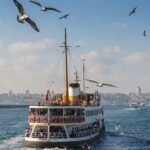
The ferry ride from this area is one of those simple choices that changes everything. You’re not just traveling—you’re getting that classic Istanbul view of water, skyline, and neighborhoods at street level. During the crossing, you get tea and a light snack (bagels or pastries are mentioned), so you’re fed before the walking starts.
Why it matters for you: Istanbul is huge and a bit confusing on day one. Starting with water views and a local-feeling neighborhood helps you orient fast. Even if you only know a few landmarks now, you’ll recognize more later when you’re on your own.
Watch for: the tour is paced enough that you’ll want comfortable shoes early, not later.
You can also read our reviews of more tours and experiences in Istanbul.

Balat and Fener: Greek and Jewish Neighborhood Streets, Then and Now
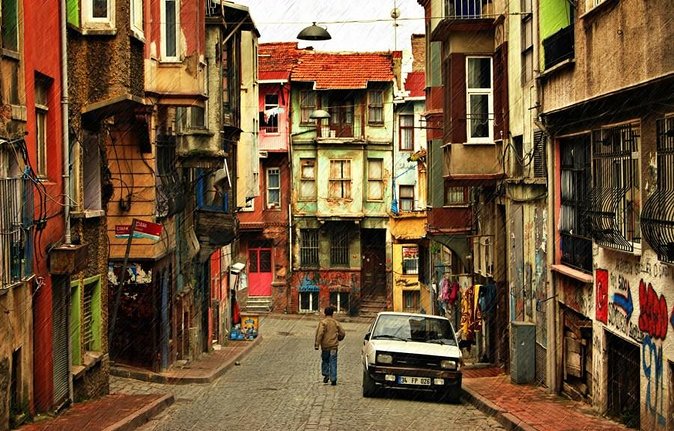
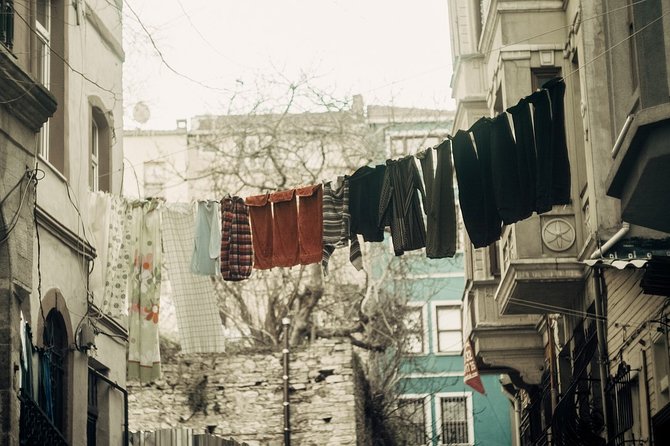
Balat and Fener are the heart of the “off the beaten path” promise. These were Greek and Jewish districts, and the tour approach focuses on what’s still standing—buildings and street patterns that outlast the communities that once filled them. You walk side streets where details like clotheslines show up in everyday life, which makes the past feel less like a lecture and more like something you can see.
Your guide traces the shift from earlier eras to more recent decades, including how Christian and Jewish cultures lived alongside neighbors until around the 1960s. That time marker is useful because it gives you a framework: you’re not just looking at colorful facades, you’re watching how a city changes after major social shifts.
As you move through, you also get a modern read. Today, Fener and Balat are full of cafés and antique shops, and the mix of people makes the area feel lived in. The tour doesn’t pretend it’s unchanged; it treats the neighborhood as evolving.
Why it matters for you: Istanbul history can turn into a checklist. Here, the walking structure helps you connect stories to street geography. You’ll likely notice how close cultures were in real space, not just in books.
Possible drawback: because these streets are the focus, the day can feel like “wandering with purpose.” If you want a strict, monument-by-monument format, you may need to stay patient with the slower rhythm.
Trams to Eminönü: Using Istanbul’s Real Transit System
After Balat and Fener, you hop on the tram and head toward Eminönü. This is a smart move for value. You’re learning the city’s movement system while you’re still excited and fresh, instead of trying to reverse-engineer it later when you’re tired.
You also get a chance to practice staying calm on transit days—line changes, stops, and how locals position themselves. The tour keeps it simple: you ride, you observe, and you arrive ready for the next stop.
Why it matters for you: once you learn the pattern once, you can repeat it. A good city day isn’t only what you see—it’s how you’ll move after.
St. George Greek Orthodox Church: A Working Church in Fatih
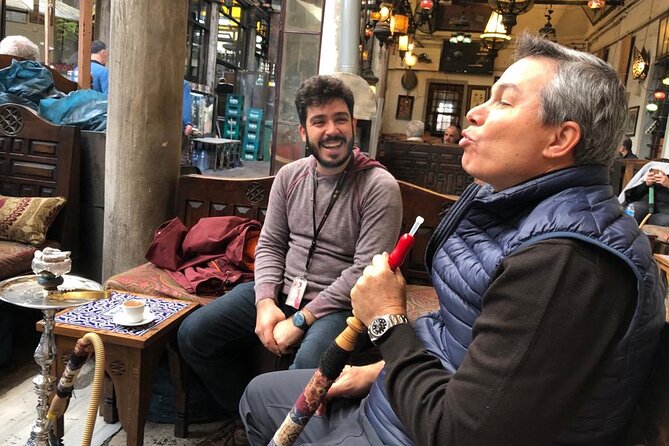
In Fatih, you visit the Cathedral Church of Saint George, a Greek Orthodox church that the tour describes as still in working order. This is one of those stops that feels quieter than the big tourist sites, but it’s also more meaningful if you care about how faith lives in daily routines.
You’re in one of the oldest parts of Istanbul, so the setting supports the story. Rather than treating it like a photo wall, the tour uses it to connect religion to neighborhood life.
Why it matters for you: if you’re already planning Blue Mosque and Hagia Sofia area stops, this adds balance. It shows the city’s religious fabric beyond one tradition, and it does it in a place that remains active.
Tip: dress respectfully. Even when a site is open, Istanbul expects shoulders and legs to be treated with care around houses of worship.
Tahtakale Markets and Lunch: Where Locals Do Their Shopping
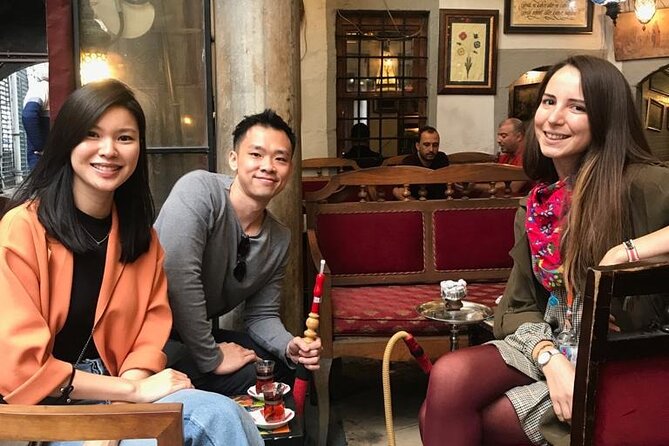
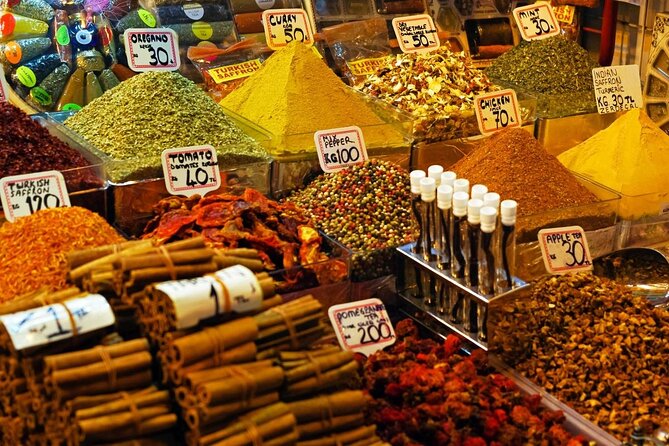
Then comes Tahtakale, and the tour switches gears from sightseeing to everyday commerce. You start with the Egyptian Spice Market area as a quick look—popular and camera-friendly—then you move into Tahtakale Market, where locals are doing their real purchases.
Lunch happens here. The tour includes it, and the vibe is designed to be practical: you eat within the rhythm of the neighborhood. One of the standout themes from guide praise is that the lunch choices feel right for locals, not generic for tourists.
Why it matters for you: market food is often where you learn the difference between eating in a city and eating near it. This stop is built for that.
Watch for: lunch is included, but drinks on the lunch are not. If you want tea, soda, or something stronger, plan for extra cash.



Misir Carsısı (Spice Market): Ottoman-Era Color, Plus a Smarter Way to Look
Misir Carsısı is where you get the visual hit—spices laid out in bright tones, plus lokum (Turkish delight) that looks almost jewel-like. This is the segment where your eyes can run ahead of your brain, so it helps that the tour gives you a guided way to notice what you’re seeing.
The timing is also useful. You’ve already had lunch in Tahtakale, so you can look around Misir Carsısı with energy, not hangry impatience. You also get context for why these goods became famous and how markets like this fit into Ottoman-era trading culture.
Possible drawback: the Spice Market is popular by nature. Even with a guide shaping your route, you may experience the typical tourist density here.
Süleymaniye Mosque and Turkish Delight: Big Architecture, No Pressure
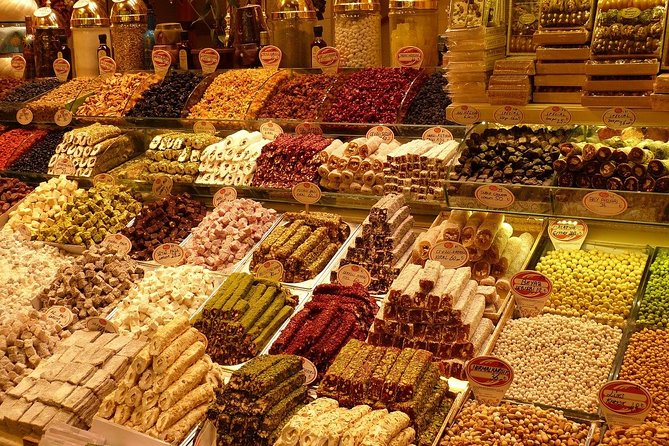
After lunch, you get another built-in comfort break with Turkish delight at a local spot. You also get an explicit no-pressure shopping approach. That’s not a small detail—it changes the feel of the day. When you’re walking markets and bazaars, you don’t want every stop to feel like a sales pitch.
Then you visit the Süleymaniye Mosque, and the tour includes time to take in the grandeur plus learn more about Islamic faith and the significance of what you’re seeing. Even if you don’t consider yourself a religious-history person, this stop helps you understand why architecture in Istanbul is more than decoration.
Why it matters for you: the mosque visit connects your earlier neighborhood stops to the city’s spiritual center. It also gives you contrast against the market energy earlier in the day.
Watch for: mosques require careful dress. The tour includes time inside, so wear clothing you can handle comfortably.
Istanbul University Area, Sahaflar Book Market, and Corlulu Ali Pasa Medresesi Coffee
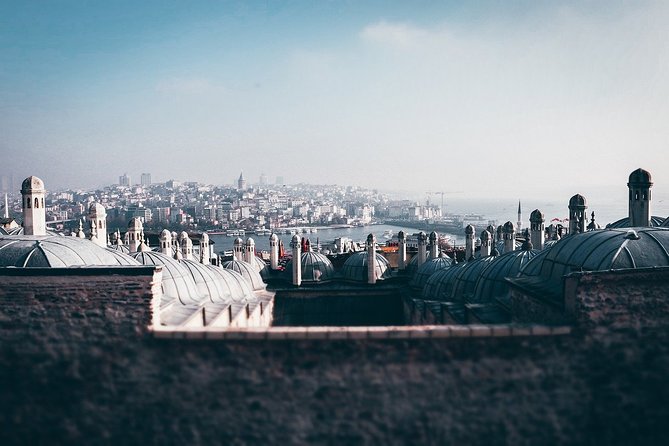
The later part of the tour is where it turns into the kind of day you remember long after the photos fade. You move from religious and market stops into education and street culture.
First, you explore the area around Istanbul University Rektorlugu. The tour frames it as a window into the Turkish education system, which is a nice change of pace from bazaars and mosques.
Then you visit Sahaflar Carsısı, a historic bookstore market described as operating as a book and paper market since Byzantine times. Even if you don’t buy anything, it’s the kind of place where you can browse and feel that Istanbul has long traded in ideas, not only goods.
Finally, you end at Corlulu Ali Pasa Medresesi, an old madrasah that now functions as a coffee shop. Your tour ends near the Grand Bazaar in this historic setting, which is a great way to close. You’ve been walking all day, and you get a real sit-down moment—coffee, conversation, and time to plan your next step around the Grand Bazaar area.
Why it matters for you: education, books, and a repurposed historic school add variety to an Istanbul day. It also connects the city’s layers, not just its highlights.
Guides Make the Difference: Names You Might Hear on This Tour
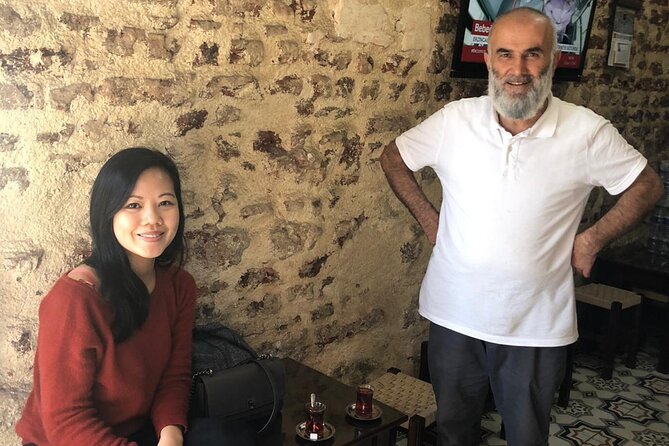
This tour format works especially well when your guide can explain what you’re seeing without overloading you. In the experience’s feedback, names like Ozge, Mohammed, and Furkan show up often, along with praise for friendliness and flexibility.
If you get a guide like Ozge, expect a warm approach and clear storytelling, plus smart recommendations after the tour. If you get Mohammed, the tone is often described as honest and open, with a focus on culture and how Istanbul works day to day. And if your guide is Furkan, you can likely expect a strong emphasis on places you wouldn’t find on your own.
That matters because off-the-beaten-path days can go two ways: either it’s random wandering, or it feels guided. The best versions of this tour sound like the second option—focused, but still relaxed.
Price and Value: What $120.98 Actually Buys
At $120.98 per person for about 6 hours, the value is in the inclusions and the city time you get.
You get:
- a professional guide
- public transportation using ferry and tram
- tea and light refreshment during the ferry ride
- lunch in Tahtakale
- multiple structured stops across different parts of the old city
What you don’t get:
- drinks with lunch
- tipping guidance (tipping is not included)
- hotel pickup and drop-off (you start and end on the street)
Why this price can make sense: If you were to do ferry + tram rides plus a guided day through multiple neighborhoods, the guide time plus lunch often tips the math in your favor. You’re not only paying for attractions—you’re paying for route planning and cultural context in places that would be harder to interpret on your own.
Who it’s best for: people who want a day that complements the big-name sites. It’s also a strong pick if you’re only in Istanbul a short time and want to see how neighborhoods work.
Who This Tour Suits Best (And Who Should Choose a Different Style)
This tour is a good fit if you:
- want local-feeling Istanbul, not only monument photos
- like walking days but can handle moderate effort
- want markets plus religion plus neighborhood stories in one stretch
- plan to keep using public transit after your tour
It may be less ideal if you:
- need minimal walking or mostly seated time
- dislike market environments where shopping temptations are nearby (even with a no-pressure approach at some stops)
- want a very rigid schedule with little flexibility
If you use a car or have special mobility needs, you’ll want to ask ahead. The tour itself is described as public transport and walking, with a suggestion that private tours are better for serious mobility issues.
Should You Book This Off-the-Beaten-Path Istanbul Tour?
I’d book it if you want a day that feels like Istanbul’s real neighborhoods, including Balat and Fener, plus market life and a proper mosque visit. The combination of ferry + tram + food breaks is practical, and the end at Corlulu Ali Pasa Medresesi gives you a calm landing near the Grand Bazaar area.
I’d skip it if your ideal day is only “top sights with minimal walking.” This tour trades some speed for texture. You’ll get more street-level understanding, but it’s not a quick bus-and-photo stop.
FAQ
How long is the Istanbul Off the Beaten Path Tour?
It’s about 6 hours.
What is included in the tour price?
The tour includes a professional guide, light refreshment with tea on the ferry ride, public transportation (ferry and tram), and lunch.
Where does the tour start and end?
It starts at Caribou Coffee in Kemankeş Karamustafa Paşa, Rıhtım Cd. No: 1, Beyoğlu. It ends near the Grand Bazaar in an old madrasah where you have coffee.
What public transportation do you use during the tour?
You use a ferry and a tram as part of the itinerary.
Is the group small?
Yes. The maximum number of travelers is 12 per booking.
Is lunch and drinks included?
Lunch is included, but drinks on the lunch are not included.
Do I need to be able to walk a lot?
The tour involves public transportation and walking, and it’s recommended for travelers with moderate physical fitness. If you have serious mobility issues, the tour suggests booking a private tour.
![Street Food Tour in Istanbul [Don't Miss it] - Hotel pickup and the easy start near Travel Inn Turkey](https://tour.theistanbultraveler.com/wp-content/uploads/street-food-tour-in-istanbul-dont-miss-it.jpg)