REVIEW · ISTANBUL
Istanbul-St Sophia,Blue Mosque,Hippodrome Guided Tour
Book on GetYourGuide →Operated by All Tours Istanbul · Bookable on GetYourGuide
Three hours can feel like centuries. This shared walking tour knits together the Blue Mosque, the Hagia Sophia, and the old Hippodrome under one easy route, with a guide explaining what you’re looking at from Byzantine and Ottoman angles. You’ll also get the kind of on-the-ground landmarks that make Istanbul feel real fast: where the chariot races ran (now below street level) and which monuments survived.
I like that it’s not just a photo stop. You get guided time at Sultanahmet Square, inside Sultan Ahmed Mosque, and at Hagia Sophia, plus a clear story of how the empire changed its beliefs and its architecture. One drawback to plan around: mosque closures and long lines can affect access. Hagia Sophia entry, in particular, isn’t guaranteed because security and queues can run long.
In This Review
- Key things to know before you go
- Sultanahmet Square and the Hippodrome: where the Roman race track went underground
- Blue Mosque (Sultan Ahmed Mosque): Iznik tiles, minarets, and Ottoman style made easy to read
- Hagia Sophia: the building you read like a timeline
- How the pacing works: time in Sultanahmet Square, then two big interiors
- Price and value: what $41 buys you, and what costs extra
- Who this tour suits best
- Should you book this Istanbul-St Sophia, Blue Mosque, Hippodrome guided tour?
- FAQ
- How long is the tour?
- Where do I meet the guide?
- Is hotel pickup available?
- Are entry tickets included?
- Is Hagia Sophia entry guaranteed?
- Can the mosques close during the tour?
- What should I bring?
- Do I need a headscarf?
- What is the cancellation window?
- Are pets or luggage allowed?
Key things to know before you go
- Read Istanbul by monuments: Byzantine churches, Roman chariot-race remains, and Ottoman imperial symbolism in one route
- Hippodrome specifics: the track sits about 2 meters below ground, with key pieces marked on the paving
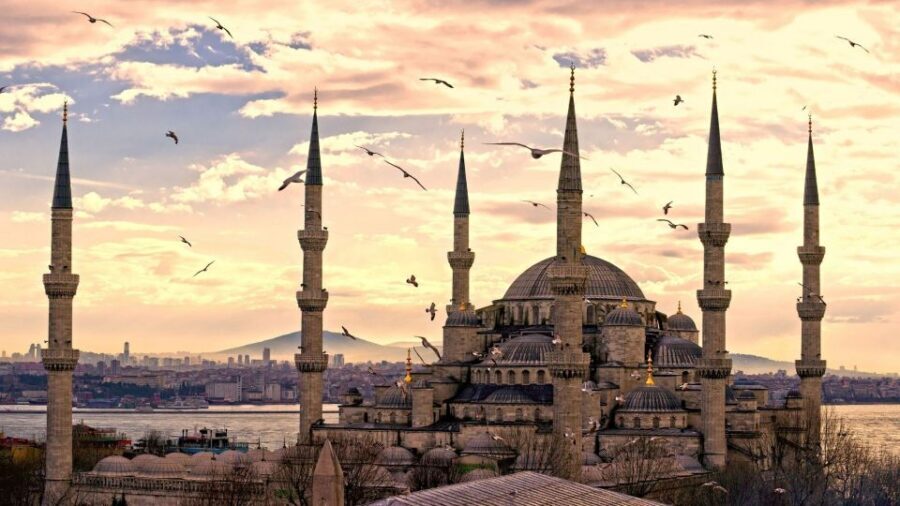
- Iznik tiles and slender minarets: the Blue Mosque is presented as a finished Ottoman design, not just a backdrop
- Hagia Sophia access limits: security is required, and entry can fail if lines are too heavy
- Timing can wobble at the start: the meeting point is busy with many groups launching close together
Sultanahmet Square and the Hippodrome: where the Roman race track went underground
Your tour kicks off in Sultanahmet Square, the right place to start if you want the “how did this area work?” version of Istanbul. From here, you’re walking over the heart of the ancient Hippodrome—the venue for Roman (and later Byzantine) chariot races. The idea is simple but powerful: the action happened where you’re standing, yet the track is now lowered by about 2 meters.
The paving matters. You’ll see markers in the square that indicate where the racecourse ran. That’s the difference between looking at ruins and actually picturing what life felt like: speed, noise, crowds, factions, and drama. It also helps you understand why the area became such a symbolic center for later rulers. Even after the races faded, the imperial government stayed nearby because the location already had meaning.
As you move through the square, your guide points out surviving monuments tied to the Hippodrome era. You’ll get a clear view of:
- the obelisks that still remain,
- the Serpentine Column from Delphi,
- and the Byzantine German Fountain of Wilhelm II.
I love stops like these because they train your eye. Instead of assuming “old stone is old stone,” you learn how objects were repurposed—pulled from elsewhere and displayed like trophies of power. It’s a small detail, but it makes the square feel curated by history rather than just accidental.
If you’re the type who likes learning facts but still wants the walk to flow, this opening section is a good match. It sets the stage for the next two major buildings so you can connect the political shifts to what you see in stone.
You can also read our reviews of more guided tours in Istanbul


Blue Mosque (Sultan Ahmed Mosque): Iznik tiles, minarets, and Ottoman style made easy to read
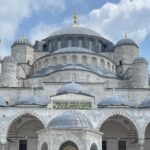
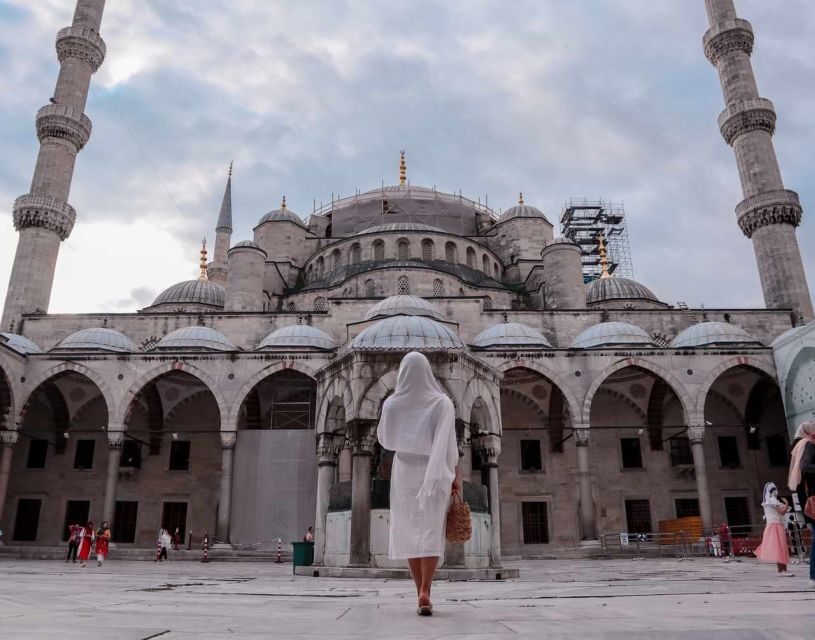
Next comes the Sultan Ahmed Mosque, the Blue Mosque people come for—and for good reason. The main visual payoff is the interplay of geometry and decoration: slender minarets, monumental scale, and the famous Iznik tilework that covers the interior surfaces with patterned color.
What makes a guided visit valuable here is not the obvious wow-factor. It’s learning how to look. Your guide frames the mosque as an Ottoman imperial project, so the design reads like a message, not just ornament. You’ll also hear context that ties back to what preceded it in the same broader area under Byzantine influence.
Practically, plan for the basics. These are functioning mosques. That means the visit can be subject to last-minute changes, and you’ll need to respect entry rules. Airport-style security is required, and you should expect a bit of waiting depending on crowd levels.
One more very real planning detail: women must carry a headscarf. Even if you arrive with everything else, this rule can stop the visit cold. Bring a scarf you’re comfortable wearing, and keep it easy to grab.
When the mosque is open and you have time to enter properly, the Blue Mosque section can be a highlight of the whole day. It’s the part where Istanbul’s artistry feels most intentional—tiles, arches, and the way light moves across surfaces.
Hagia Sophia: the building you read like a timeline
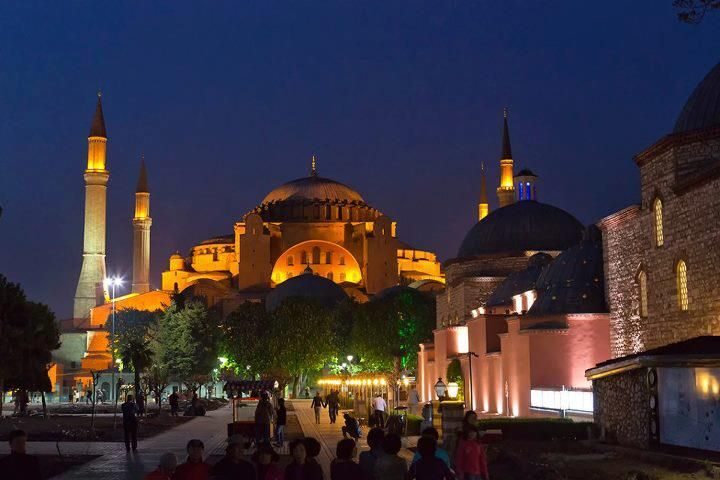
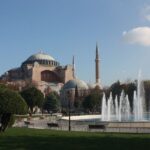
Then you head to Hagia Sophia, also called the Church of Holy Wisdom. This is the stop where your guide can really steer you from “I’ve seen it in pictures” into “I understand why it’s famous.”
Hagia Sophia is one of the greatest architectural achievements in the world for a reason: it’s not one style. It’s a layered symbol of who ruled, what they believed, and what they wanted the building to say. You’ll get a Byzantine framing as you tour, with emphasis on art and architecture and key moments from the empire’s story.
The tour description highlights that the visit includes time at Hagia Sophia under the guidance of an expert in Byzantine history, art, and architecture. That matters because Hagia Sophia rewards interpretation. Without that, you can end up standing in front of a landmark that’s visually stunning but intellectually confusing. With it, you start noticing how different eras expressed authority through design choices.
One quote you may hear is the famous boast attributed to Justinian: Solomon, I have surpassed you. Whether or not you’ve heard it before, the point your guide likely connects to is clear: this building was meant to be world-class, not merely impressive.
Important reality check: Hagia Sophia entry isn’t guaranteed. Long lines and security slowdowns can interrupt plans. So you should enter with the mindset that you might see it fully only if conditions cooperate. The tour also notes Hagia Sophia may start from outside before you transition into guided time, so at minimum you’ll get the architectural orientation even if access gets delayed.
How the pacing works: time in Sultanahmet Square, then two big interiors
The route is set up for a shared walking experience that stays focused on three major zones:
- Sultanahmet Square (about an hour of guided sightseeing),
- Sultan Ahmed Mosque (about an hour),
- Hagia Sophia (about an hour, if entry lines allow).
That time allocation is both the strength and the risk. It’s structured enough that you’ll get real orientation in each place. At the same time, two major sites are subject to crowd and access constraints. If either mosque closes last minute, or if lines run long, the tour can feel shorter than the schedule promises.
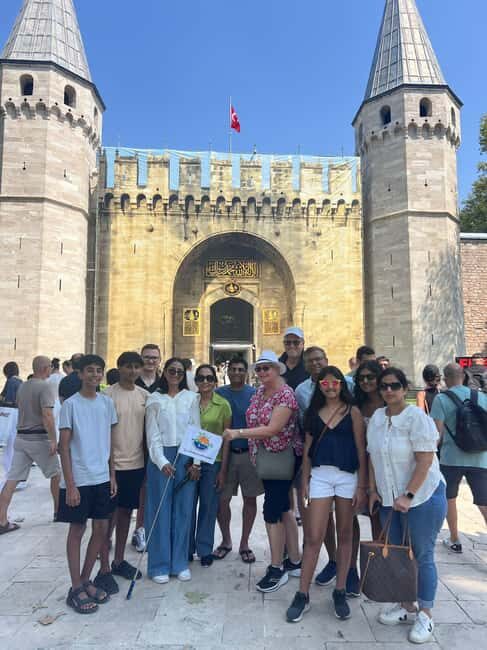
Also note the meeting logistics. You’ll meet your guide in front of the Marmara Universitesi Rektörlük, opposite the obelisk on the Hippodrome. The guide holds a flag with the logo of the operator. Arrive 10–15 minutes early, because the meeting point can be tricky when lots of groups start nearby.
One practical tip: if your plans run late, don’t assume you can just “catch up.” The activity notes that it isn’t possible to join after it has started. If you’re coming from elsewhere in Sultanahmet, give yourself buffer time for walking plus the moment you need to find the correct flag.
Pickup is optional too. If you choose it, you should be ready in your hotel lobby 15 minutes before the pickup time. Vans may not reach every street, so you could be directed to a nearby meeting point if access is limited. The driver waits no longer than 5 minutes after pickup time, so be ready right on the clock.
This is the kind of tour where shoes matter more than you’d think. You’re walking through historic sites at a comfortable but active pace, and you’ll likely do security lines plus mosque entry protocols.
Price and value: what $41 buys you, and what costs extra
At about $41 per person for roughly 3 hours, you’re paying mainly for a licensed English-speaking guide and the structure that keeps you moving between the three anchors. The tour includes service charges and taxes, which simplifies the “what am I really paying?” part.
But entry fees are not included, and that’s important for budgeting. Also, food and drink aren’t included, so plan a snack plan or a post-tour meal. Even if you’re not in charge of the pacing, you’ll want energy for the walk and any waiting.
Whether it feels like good value depends on one thing: how well access works on the day. If both sites are open and Hagia Sophia entry goes smoothly, you’ll likely feel the time is well spent. If a mosque is closed or lines derail entry, the tour can shift into more of a guided walk-by, which can feel thin for the time you budgeted.
The good news is that the guidance itself seems to be a strong point. The tour is designed around explanations—how the empire’s art and architecture connect to the scenes in front of you. If you like “what you’re seeing and why it matters,” this format tends to pay off.



Who this tour suits best
This tour is a smart pick if you want a focused overview of Sultanahmet without turning the day into a maze of tickets and self-guided guesswork. It’s especially good for:
- first-timers who want orientation fast,
- people who like clear explanations about Byzantine and Ottoman shifts,
- and anyone who enjoys historical objects tied to place names, like Delphi’s Serpentine Column being part of the Hippodrome story.
It’s less ideal if you want maximum time inside Hagia Sophia no matter what. Since entry isn’t guaranteed, you could end up with a partial experience if queues spike or if conditions change.
Should you book this Istanbul-St Sophia, Blue Mosque, Hippodrome guided tour?
I’d book it if your priorities are guided context and a route that connects the Hippodrome to two heavyweight monuments. The pricing is reasonable for a guided package, and the emphasis on art and architecture makes a difference at both the Blue Mosque and Hagia Sophia.
I’d hesitate only if you’re very time-sensitive or expecting guaranteed interior entry at Hagia Sophia. Add buffer to your day, and bring patience for security lines. With a flexible schedule and comfortable shoes, it’s a solid way to make Istanbul’s most famous area feel readable instead of overwhelming.
FAQ
How long is the tour?
It runs for about 3 hours.
Where do I meet the guide?
Meet in front of the Marmara Universitesi Rektörlük, opposite the obelisk on the Hippodrome. The guide holds a flag with the operator’s logo.
Is hotel pickup available?
Pickup is optional. If you choose it, be ready in your hotel lobby 15 minutes before the pickup time. Some streets may not be accessible by van, and you may be assigned a nearby meeting point.
Are entry tickets included?
No. All entry fees are not included.
Is Hagia Sophia entry guaranteed?
No. Due to long lines, entry into Hagia Sophia is not guaranteed.
Can the mosques close during the tour?
Yes. Blue Mosque and Hagia Sophia are functioning mosques and could be closed last minute without notice.
What should I bring?
Bring a passport or ID card, comfortable shoes, sunglasses, and a camera.
Do I need a headscarf?
Women must carry a headscarf.
What is the cancellation window?
Free cancellation is available up to 24 hours in advance for a full refund.
Are pets or luggage allowed?
Pets are not allowed, and luggage or large bags are not allowed.