REVIEW · ISTANBUL
Istanbul: Turkish Coffee Trail
Book on GetYourGuide →Operated by ISTANBUL WALKS · Bookable on GetYourGuide
Turkish coffee has a trail, not just a drink. This 4-hour Turkish Coffee Trail strings together history and tastings in central Istanbul: you start with exhibits on how coffee took off under the Ottomans, then move through old coffee houses and bazaars where you can actually taste what you learned. I especially like the hands-on workshop in a historic coffee shop, and I like the route through Eminönü’s tiny streets and old storage buildings, because it makes the story feel grounded in place instead of stuck in a classroom.
One thing to keep in mind: this tour depends on the flow of the guide and the day’s pace. With a small group and a lot of stops, if you want a super tightly timed, perfectly choreographed plan, you’ll want to manage expectations.
In This Review
- Key Highlights Worth Planning For
- Turkish Coffee in Istanbul Is a Full-Contact Experience
- Museum Start: Coffee’s Ottoman Origin Story (1519 and After)
- The Workshop in a Historic Coffee Shop: Learning the Method
- Walking the Eminönü Coffee Route: Old Bazaars and Storage Buildings
- Tasting Stops: When You Start Noticing Differences
- Kurukahvedji Inn and Turkish Delight: Sweet Balance for a Strong Cup
- The Oldest Coffee Shop in Istanbul: Ending on Origin Energy
- Price and Time: Does It Feel Like Value?
- Who This Tour Fits Best (And Who Should Skip It)
- Guides Matter: What to Expect from the Human Side
- Should You Book the Istanbul Turkish Coffee Trail?
- FAQ
- How long is the Istanbul Turkish Coffee Trail?
- What is included in the price?
- Is hotel pickup included?
- How large is the group?
- Is the tour offered every day?
- What language is the tour guide?
- Are pets or large bags allowed?
- Does the tour include Turkish Delight?
Key Highlights Worth Planning For
- Small group (max 6 participants): more time to ask questions during tastings and the coffee workshop.
- Museum start focused on Ottoman-era coffee: you learn how coffee became Turkey’s national drink after the Ottomans brought coffee beans from Egypt in 1519.
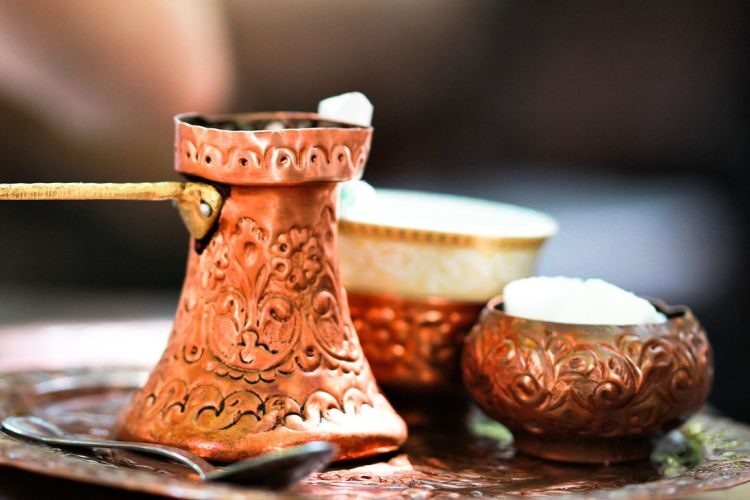
- Hands-on Turkish coffee lesson: a workshop on how to prepare a cup of the right kind of Turkish coffee.
- Eminönü coffee route: old coffee shops, old bazaars, and even Ottoman coffee storage buildings along the way.
- Kurukahvedji Inn Turkish Delight tasting: a sweet stop that fits the coffee experience rather than feeling random.
- The oldest coffee shop in Istanbul: the final pull of history for anyone who loves origin stories.
Turkish Coffee in Istanbul Is a Full-Contact Experience
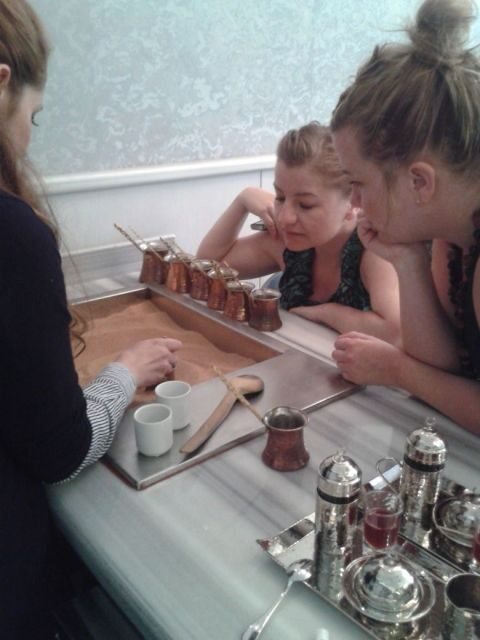
Turkish coffee isn’t just something you order. It’s a ritual: slow cooking, thick foam, and that distinct, strong taste that needs patience. That’s why I like the format of this tour. You’re not hovering around one café for four hours. You’re walking, learning, and sampling in a way that matches how locals actually treat coffee—as culture.
You’ll begin in a museum setting with exhibits on Turkish coffee’s rise. From there, you’ll follow a city-center coffee route down narrow streets in Eminönü, popping into historic coffee houses and market areas. It’s the kind of structure that makes the tastings land better. When you know what you’re looking for—texture, aroma, foam—you taste more than caffeine. You start noticing differences.
If your goal is to understand Turkish coffee as a living tradition you can recreate at home, this is the most natural way to do it in a short visit.
You can also read our reviews of more tours and experiences in Istanbul

Museum Start: Coffee’s Ottoman Origin Story (1519 and After)
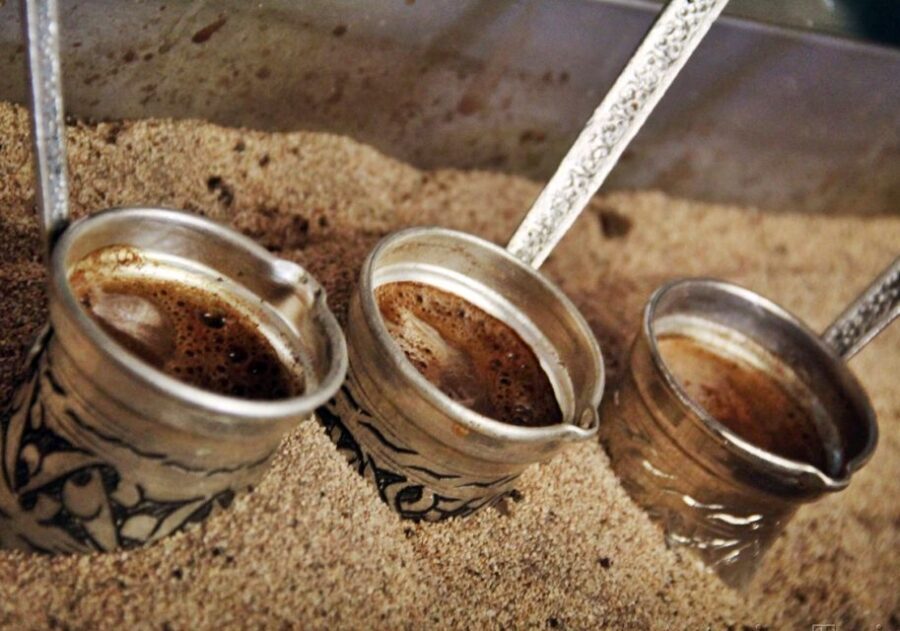
The tour kicks off where coffee’s story starts to make sense: a museum with exhibits dedicated to the history of Turkish coffee. You’ll learn why coffee became Turkey’s national drink after the Ottomans brought the first coffee beans from Egypt in 1519. Then you connect that to what came next—coffee shops emerging in Istanbul, especially in the Eminönü district a few years later.
Why this matters for you: if you’re tasting Turkish coffee for the first time, it helps to know the stakes. This wasn’t just a flavor trend. It’s part of an Ottoman-era lifestyle, traded, served, and built into daily routines. By the time you’re standing outside historic coffee houses later, you’ll recognize what you’re seeing as more than scenery.
It also helps you avoid the most common coffee-tour problem: treating everything as a random sampler platter. This tour gives you the background so each tasting feels like evidence.
The Workshop in a Historic Coffee Shop: Learning the Method
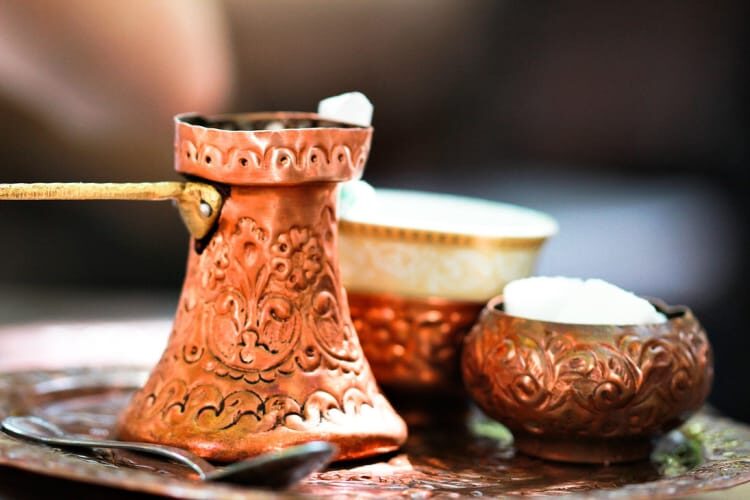
Next you step into the workshop phase, hosted in an historic coffee shop where you learn how to prepare a cup of the perfect Turkish coffee. That’s the heart of the experience, because Turkish coffee is technique-driven.
Here’s what you should pay attention to while you learn:
- Texture and foam: Turkish coffee is known for its thicker body and foam, so your goal isn’t just flavor—it’s the visual and tactile result.
- The order of steps: the method matters. If you’re missing one stage, the cup can come out wrong even if the beans are great.
- How to judge aroma and taste: you’ll be guided through what to look for as you sample.
What makes this workshop especially useful is the setting. You’re not learning in a modern classroom with a ceremonial coffee cup. You’re learning in a shop that feels like it belongs to the story you just heard in the museum.
This is also where the best tour guides shine. In past group experiences, guides like Tuncer (and others such as Yasemin and LUTFI/Lutfi) were described as conversational and attentive—exactly the kind of energy that makes you remember details, not just the fact that coffee got taught.
Walking the Eminönü Coffee Route: Old Bazaars and Storage Buildings
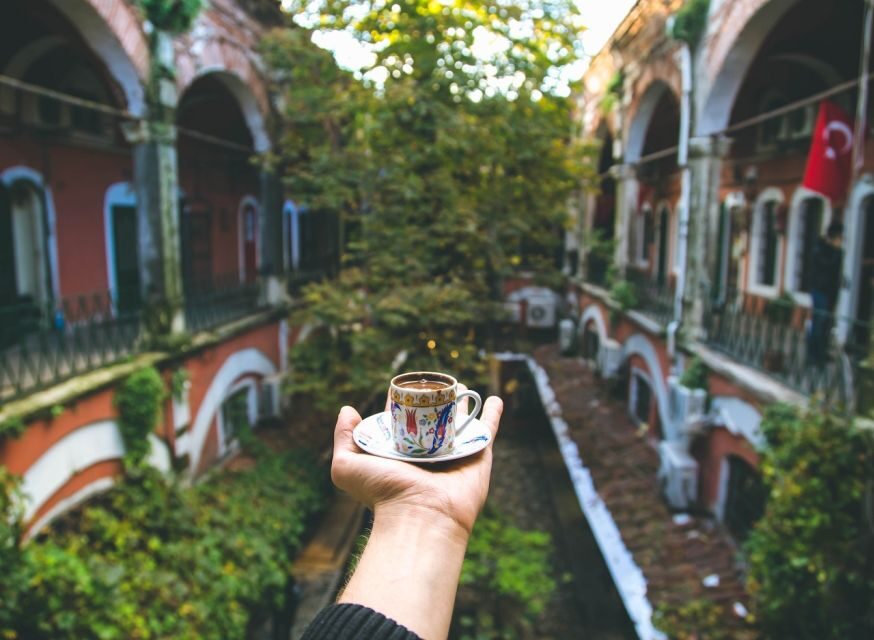
After the workshop, you’ll follow the Coffee Route through Istanbul’s city center: down small streets, into old bazaars, and past storage buildings tied to the Ottoman coffee trade.
This is where the tour becomes more than tasting. You’re getting the “how” of Istanbul—how it’s built on layers. Markets and passageways are not neutral backdrops. They explain why coffee culture could spread and stay strong: coffee was something people moved through daily, not just sipped occasionally.
Along the route, you’ll pop into multiple historic coffee houses and bazaars to get more tasting opportunities. Some locations feel like they’ve kept their bones. In one experience, a stop happened in an ancient environment that had previously been a mosque and a school—now serving coffee and drawing in hookah patrons too. That kind of setting can be memorable, because you’re watching coffee culture operate in real time, not just reading about it.
Practical note for your comfort: you’ll be walking. The tour is short at 4 hours, but it’s still a half-day city-center stroll. Wear shoes you trust.
Tasting Stops: When You Start Noticing Differences
The tour includes coffee tastings as you go, so you can compare what you like rather than guessing. That’s the main value of doing it as a trail instead of ordering one cup at a time.
How to make these tastings work for you:
- Take small sips first, then compare mouthfeel and foam.
- Pay attention to how strong the cup tastes and how long it lingers.
- Notice whether the cup feels more balanced or more intense.
I like this approach because Turkish coffee can feel overwhelming if you treat it like espresso. A guided trail helps you pace your palate. It also gives you a chance to understand your preferences, so you know what to order after the tour ends.
In some versions of the experience, the guide also points you toward places to buy freshly roasted coffee beans for using at home. Even if you’re not planning to buy beans, the recommendation itself is useful—because it tells you what quality looks like after you leave Istanbul.





Kurukahvedji Inn and Turkish Delight: Sweet Balance for a Strong Cup
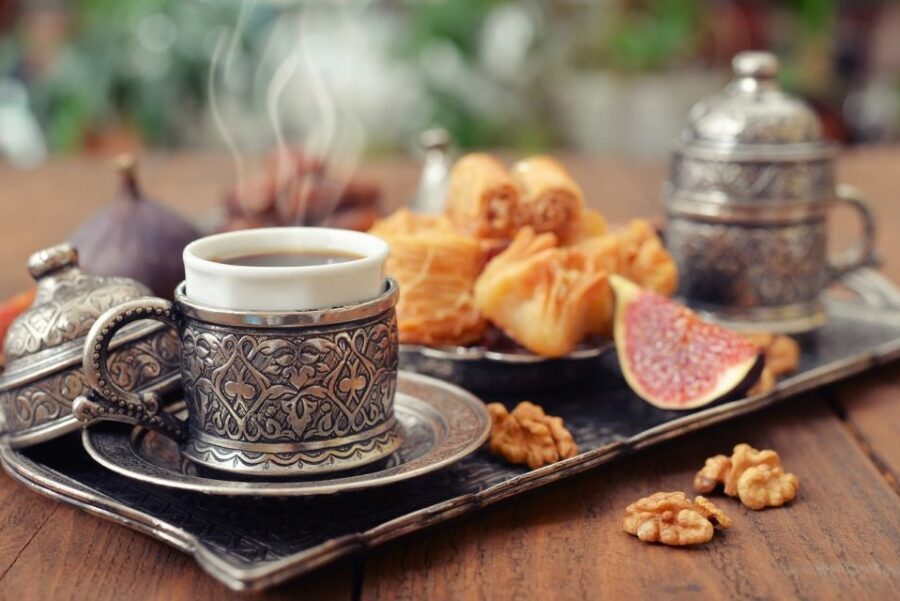
One named highlight is a tasting of authentic Turkish Delight at Kurukahvedji Inn. This stop matters because it addresses something real: Turkish coffee is bold. A sweet bite can soften the bite and reset your palate for the next taste.
The pairing also fits the culture. In many Ottoman-influenced traditions, coffee and sweets show up together, not as an afterthought but as a complementary ritual. If you tend to find strong flavors too intense, the Turkish Delight tasting can make the whole trail feel more comfortable.
What I’d do if I were you: pace your sampling at this stop. Take your time with the sweet, then come back to the next coffee tasting with a fresh palate.
The Oldest Coffee Shop in Istanbul: Ending on Origin Energy
The finale brings you to the oldest coffee shop in Istanbul—another way the tour ties taste to origin. By this point, you’ve already seen the history start in a museum and felt it in old streets, bazaars, and storage buildings. So when you step into the oldest shop, it’s not random “last stop nostalgia.” It’s the payoff of the entire route.
This is where the tour becomes emotionally satisfying, especially if you enjoy traditions tied to specific locations. The oldest-shop visit gives the experience a clear endpoint: you leave with a stronger sense that Istanbul’s coffee culture isn’t invented for tourists. It’s been sustained locally.
If you care about photo stops, this is also one of the best moments. Don’t rush it. Spend a little extra time absorbing the room, because the earlier tastings will help you appreciate what you’re tasting later.
Price and Time: Does It Feel Like Value?
The price listed is $472 per person for a 4-hour tour. That’s not budget travel. So the key question is whether the inclusions justify the cost.
Included items are meaningful for value:
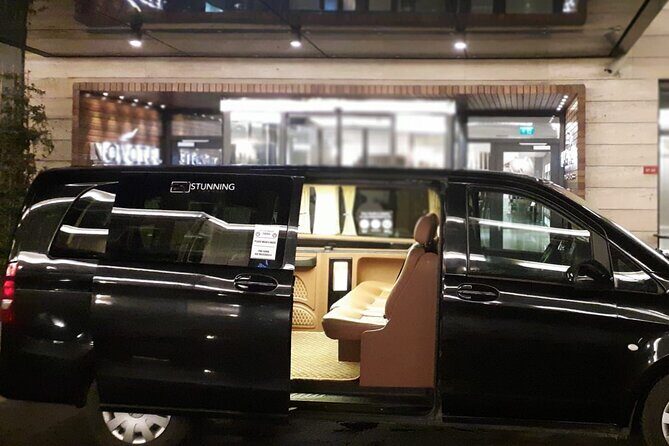
- Hotel pick-up and drop-off from centrally located hotels
- Transportation
- English guide
- Coffee tastings plus Turkish Delight tasting
- Entrance fees
Add in the small group limit of 6 participants, and you’re paying for a guided sequence of stops plus multiple tasting experiences, not just a walk with coffee you could find on your own.
Still, you should know there’s variation in quality. At least one experience described the tour as not having a clear plan, and that left a bad taste despite a nice guide. That’s the biggest reason I’d call this a “depends on the guide” kind of tour.
My practical take: if you’re a Turkish coffee fan or you want to learn the method and actually understand what you’re tasting, the cost can feel fair. If your main goal is a casual caffeine break with minimal structure, you may find it too guided and too expensive for what you expected.
Who This Tour Fits Best (And Who Should Skip It)
This Turkish Coffee Trail is a good match if you:
- like food and drink with context, not just quick samples
- want a hands-on coffee-making experience
- enjoy walking central Istanbul in a focused way
- prefer a small group where you can ask questions
It’s less ideal if you:
- hate walking and want only seated time
- want a perfectly scripted itinerary with zero flexibility
- are looking for value primarily through quantity of coffee (the focus here is method and history, not endless refills)
Also, the tour will not run on Sundays, so plan around the calendar.
Guides Matter: What to Expect from the Human Side
This tour lives and dies by the guide’s style, and the names from past group experiences help you imagine what you might get. Tuncer was described as fantastic, conversational, and good at steering people toward great coffee shops. Yasemin was highlighted for extra context and recommendations, especially when someone was the only participant that day. Lutfi/LUTFI was praised for warmth and attentiveness, plus an interesting shop setting and a certificate.
So when you book, assume the guide will shape the feeling—especially in the street-walk parts and during tastings where questions naturally pop up.
My advice: bring a couple of simple questions before you start. Something like what makes one cup stronger, or how you should judge foam. If your guide is strong, those questions turn the tour from fun into useful.
Should You Book the Istanbul Turkish Coffee Trail?
Book it if you want a structured coffee education in a short half-day: museum start, workshop practice, and a walk through old Eminönü coffee culture, with Turkish Delight included at a named stop. The small group size and hands-on brewing lesson are the two biggest reasons it’s worth considering.
Skip it if you’re mostly hunting for cheap coffee, want a long sit-down, or you prefer to wander Istanbul on your own with no scheduled tastings. Also, if your budget is tight, $472 per person is steep, and you’ll want to be confident you’ll use the knowledge you’re paying for.
If you do book, do it with the right mindset: treat it like a craft lesson plus a guided walk, not a restaurant crawl.
FAQ
How long is the Istanbul Turkish Coffee Trail?
The tour lasts 4 hours.
What is included in the price?
It includes hotel pick-up and drop-off from centrally located hotels, transportation, an English guide, coffee tasting, Turkish Delight tasting, and entrance fees.
Is hotel pickup included?
Yes. You’ll get pickup from centrally located hotels. You should wait in your hotel lobby.
How large is the group?
It’s a small group limited to 6 participants.
Is the tour offered every day?
No. It will not run on Sundays.
What language is the tour guide?
The guide is English.
Are pets or large bags allowed?
No. Pets are not allowed, and you also can’t bring luggage or large bags.
Does the tour include Turkish Delight?
Yes. You’ll sample authentic Turkish Delight at Kurukahvedji Inn.