REVIEW · ISTANBUL
Istanbul Whirling Dervish Ceremony, A Mystical Sufi Experience
Book on Viator →Operated by Tourmania · Bookable on Viator
There’s a reason the dervishes feel otherworldly. This Istanbul Whirling Dervish Ceremony brings you up close to the Mevlevi Sema in Hodjapasha, with live music, a short show time, and extra context from an English info booklet. It’s built around a practice recognized by UNESCO’s Intangible Heritage list and known for its distinctive turning ritual.
I especially love the close, first-row feel at an intimate venue and the fact that the program is treated as a spiritual ritual, not just a stage act. The hour includes a live orchestra and supporting visuals (including 360-video projections), so you get both the sound and the atmosphere without sitting through a long, padded night.
One heads-up: this is meditative and repetitive by design, so if you’re expecting nonstop entertainment, it can feel somber. Also, plan on quiet listening mode, and don’t count on photography during the ceremony.
In This Review
- Key things to know before you go
- Hodjapasha Cultural Center: what the setting tells you
- The hour-long flow: what you’re actually watching
- Why the UNESCO connection matters (and what it changes for you)
- The live orchestra and singing: the part most people remember
- The booklet in English: how to use it without overthinking
- Photography, cameras, and the quiet mindset
- Price and value: is $42.33 a good deal?
- How to get there smoothly (public transport-friendly)
- Who should book this ceremony
- Who might want to double-check accessibility first
- FAQ
- FAQ
- How long is the Istanbul Whirling Dervish Ceremony?
- Where does the ceremony take place?
- Is the experience available in English?
- What’s included in the ticket price?
- Is food included?
- Is hotel pickup or drop-off included?
- Are children allowed?
- What if the event is canceled due to weather?
- Should you book the ceremony?
Key things to know before you go
- Plan to read first: arrive early so you can work through the multilingual booklet before the turning starts
- Live orchestra matters: the ceremony’s music is a big part of why it lands emotionally
- Expect a 1-hour ritual: it’s short, but the structure doesn’t try to speed up for laughs
- Quiet rules apply: you should sit back, focus, and avoid cameras during the ceremony
- Small-ish, close viewing: the venue setup helps you see the dancers clearly
- It’s not for tiny kids: children under 7 aren’t allowed
Hodjapasha Cultural Center: what the setting tells you
The first thing you’ll notice is that you’re not stepping into a generic theater. The ceremony is hosted at the Hodjapasha Cultural Center, and the space is set up to keep you close to what’s happening. That closeness changes the feel of the event. You’re not far enough away for the whole thing to turn into a distant show; you’ll be able to track the movements and the rhythm.
Hodjapasha itself is a real Istanbul neighborhood (not a cartoon version for tourists). Getting there by public transport is part of the point. If you like doing Istanbul like a local—tram, a short walk, and an experience with a specific cultural purpose—this fits.
You can also read our reviews of more tours and experiences in Istanbul.


The hour-long flow: what you’re actually watching
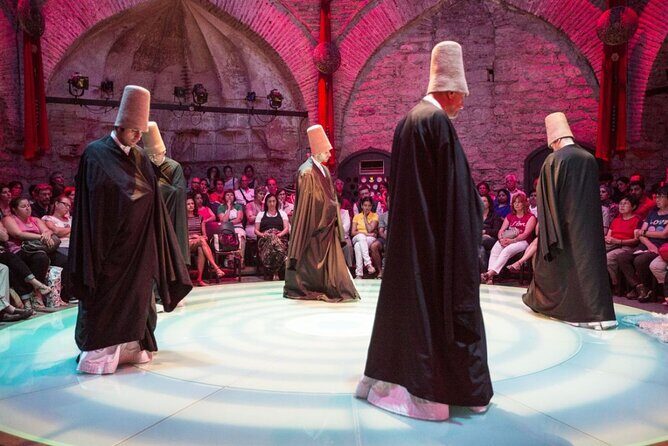
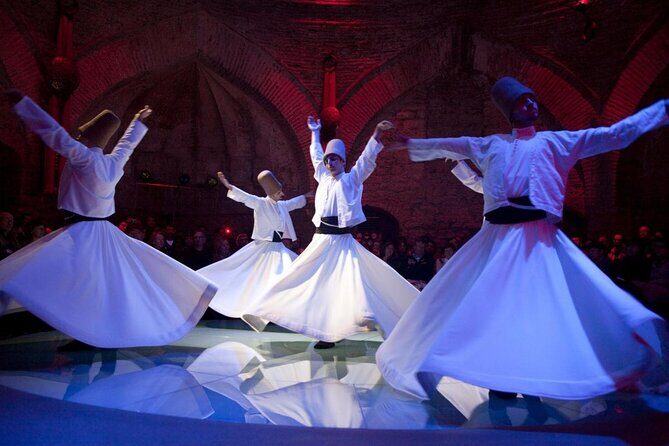
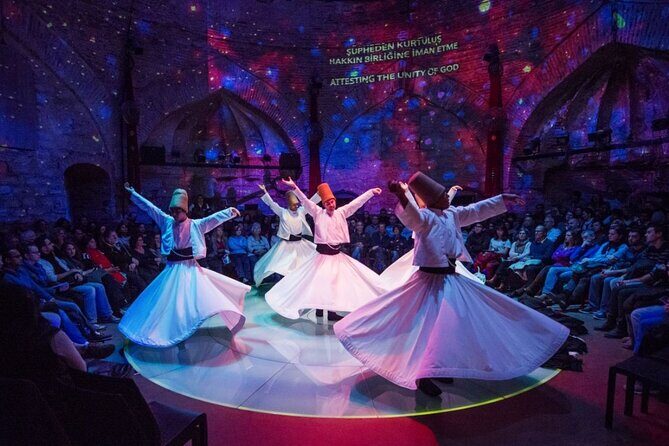
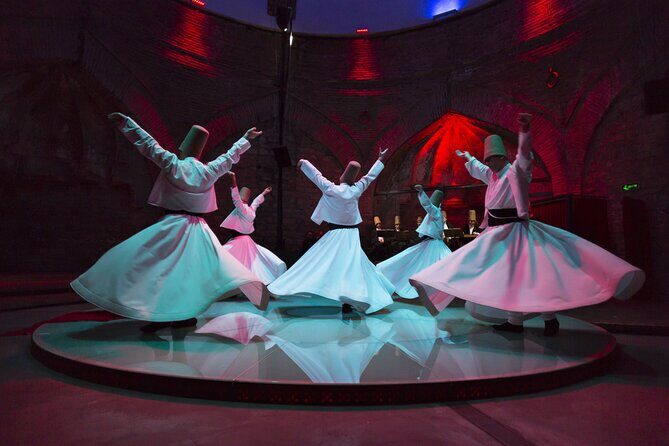
This ceremony is timed to about 1 hour, and the structure is straightforward. You’ll enter, settle in, and take in the context before the turning begins. Then the Whirling Dervishes perform their ritual within the program’s span, supported by live music.
A key part of what you see is that it follows a traditional pattern. The turning is hypnotic, but it’s also repetitive on purpose. If you’re looking for variety or big changes every few minutes, you may feel the pacing is slow. If you’re okay with repetition as part of the practice, the hour becomes much easier to enjoy.
During the ceremony, there’s also 360-video projection support. That can help some people follow the atmosphere and symbolism without needing to understand the theology word-for-word. Still, the show doesn’t replace the live music and the physical ritual—those are the main event.
Why the UNESCO connection matters (and what it changes for you)
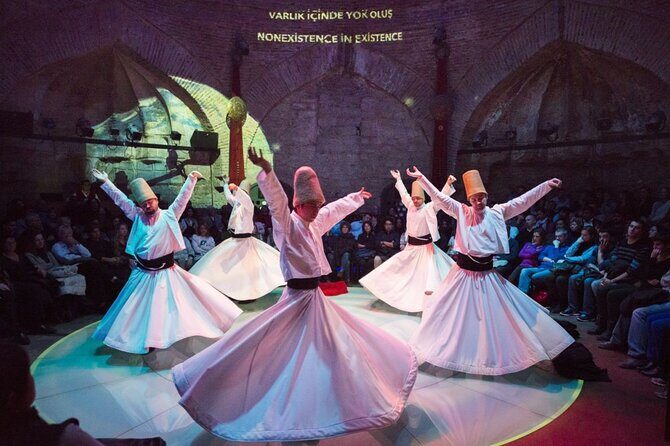
The Mevlevi Sema is described as an 800-year-old tradition preserved on UNESCO’s Intangible Heritage list. That doesn’t mean you’ll get a museum lecture. It means the ceremony is treated as living cultural practice, not just an exotic performance.
When a ritual like this is recognized at that level, it tends to put more pressure on authenticity of the form: the turning, the music, the structure, and the solemn tone. That’s great news if you want something meaningful. It’s less great news if you want a crowd-pleasing, high-energy entertainment show.
A practical way to think about it: go in expecting a ritual you witness, not a show that tries to win you over with jokes.
The live orchestra and singing: the part most people remember
The music is one of the strongest reasons to book. The ceremony includes live orchestra plus singing. The sound fills the space in a way that videos can’t replicate at home. If you like music and you’re open to music doing emotional work (not just background noise), you’re likely to leave happy.
Some people find the performance moving rather than merely impressive. The voices can feel haunting, and the tempo of the ceremony can put you into the same slow rhythm the dancers maintain. It’s not flashy. It’s focused.
The booklet in English: how to use it without overthinking
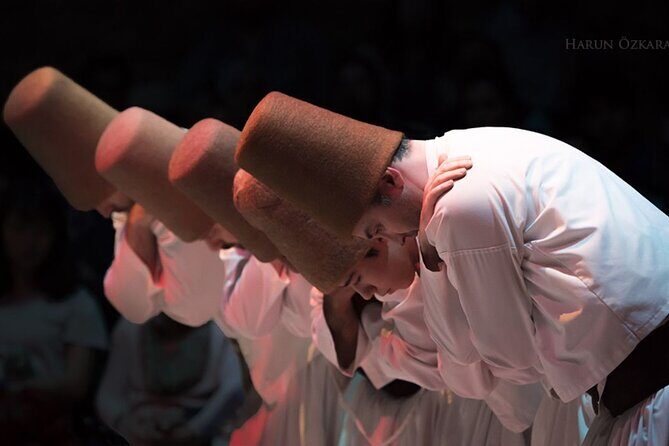
You get a multi-national information booklet, and the experience is offered in English. This is more useful than it sounds. A whirling ritual has a lot going on—symbolism, spiritual ideas, and the choreography’s meaning. The booklet helps bridge that gap so you’re not watching just for motion.
Here’s a simple tip that makes a difference: arrive early. You’ll have time to read before the ceremony starts, instead of scanning afterward when everyone’s already settling and the lights change. That early prep can turn the hour from bewildering to understandable.


Photography, cameras, and the quiet mindset
A few rules and expectations can affect your comfort. One key point: you should plan on not taking photos or videos during the ceremony. This isn’t a place for constant phone-checking or loud camera clicking.
The vibe is also meant to be quiet. People describe it as meditative. So if you want to enjoy it, treat it like you’re attending a sacred cultural moment. Put your phone away. Watch with your eyes first. Let the music do its job.
This matters for value, too. If you’re paying to witness something rare, you’ll get more from showing up mentally prepared than from trying to capture everything.
Price and value: is $42.33 a good deal?
At about $42.33 per person for roughly one hour, the price is in the “mid” category for Istanbul evening experiences. Is it worth it? It depends on what you want.
If you’re someone who values live music, cultural context, and a short, focused event, the value stacks up. You also get bottled water, entry/admission, and the booklet, which helps turn the experience from a simple viewing into something you can make meaning from.
If you want something that feels like a high-energy show—fast changes, constant entertainment beats—then the same $42.33 can feel heavy. The ceremony’s solemn pace and repetitive structure aren’t trying to be entertaining in the typical sense.
My practical take: this is best value for people who want cultural authenticity over crowd-pleasing performance.
How to get there smoothly (public transport-friendly)
The ceremony is described as near public transportation, and one helpful detail from experience is that the venue is accessible by tram. That’s a big deal in Istanbul, where traffic can slow you down and taxis can cost more than you expect.
Aim to give yourself buffer time. Even if your route is easy, you’ll still want a few extra minutes to find the entrance and settle before the music starts. If you arrive late, you miss the booklet time and you’ll likely be more stressed once the room grows quiet.
Who should book this ceremony
Book this if you fit one of these profiles:
- You want to see a UNESCO-recognized ritual close up
- You enjoy live music and serious cultural moments
- You like experiences where the meaning is part of the point, not an afterthought
- You want a short event (about an hour) that you can fit into an evening
It may not be the best fit if:
- You’re hunting for a party-like atmosphere
- You need constant variety to stay engaged
- You’re traveling with small children (under 7 can’t attend)
Who might want to double-check accessibility first
The basic info says most travelers can participate, and the venue is close to transit. But one review raised concerns about difficulty for someone using a wheelchair, including stairs and lack of PMR access at the theater.
So here’s the responsible move: if mobility access matters for you, check directly with the operator before you go. Don’t assume the listing details will match what you’ll face at the entrance.
FAQ
FAQ
How long is the Istanbul Whirling Dervish Ceremony?
It’s about 1 hour (approx.).
Where does the ceremony take place?
It’s held at Hodjapasha, at the Hodjapasha Cultural Center.
Is the experience available in English?
Yes. It’s offered in English, and you’ll receive an information booklet.
What’s included in the ticket price?
Included are the multi-national booklet, bottled water, and entry/admission to the Hodjapasha Cultural Center.
Is food included?
No, food isn’t included.
Is hotel pickup or drop-off included?
No, hotel pickup and drop-off are not included.
Are children allowed?
Children under 7 years of age are not allowed.
What if the event is canceled due to weather?
The experience requires good weather. If it’s canceled due to poor weather, you’ll be offered a different date or a full refund.
Should you book the ceremony?
Yes, if you want a real look at a Mevlevi Sema ritual and you’re open to a spiritual, meditative tone. This is a strong choice for music lovers and cultural explorers who like context, especially since you get an English booklet and live orchestration.
Skip it if you’re expecting nonstop entertainment or big changes every few minutes. The hour is designed to be solemn and repetitive on purpose. If that’s your vibe, you’ll likely feel the event’s emotional pull—quietly powerful, not flashy.
If you tell me your travel dates and what kind of evening you enjoy (lively show vs thoughtful ritual), I can help you decide if this fits your Istanbul plan.