REVIEW · ISTANBUL
Istanbul: Whirling Dervish Ceremony next to Hagia Sophia
Book on GetYourGuide →Operated by Cogito Istanbul Seyahat Turizm Bilet Organizasyon Gıda ve Ticaret LTD STI · Bookable on GetYourGuide
Silence, then a slow turning starts. This Whirling Dervish (Sema) ceremony takes place just steps from the Hagia Sophia area, with classic live Turkish music and a calm, respectful setting that fits the subject. It is built around an Intangible Cultural Heritage tradition linked to centuries of Sufi practice.
I particularly like how the experience is explained in human terms, before and after the ceremony, not just thrown at you. I also like the practical add-ons: a smart audio guide in 7 languages plus a local tea or sherbet to steady your nerves.
One thing to consider: this is not a loud stage show. The pace is slow and meditative, and there are clear silence expectations, so if you want big spectacle, this may feel a bit too quiet.
In This Review
- Key things I’d plan for
- Finding the White Wooden House by the Basilica Cistern
- What the 55-Minute Sema Feels Like with Live Turkish Music
- The Pre- and Post-Ceremony Explanation That Makes It Land
- Tunes Dating to the 1400s: Why the Music Matters
- The Included Tea or Sherbet and the Value of the Quiet Pace
- Price and What You Really Get for $17
- Tips for a Smoother Experience (and Better Photos)
- Who Should Book This Next to Hagia Sophia
- Should You Book This Whirling Dervish Ceremony?
- FAQ
- How long is the Whirling Dervish ceremony?
- Where do I meet the host?
- What’s included in the ticket?
- What languages are available?
- Is there a restroom option before or after?
- Are children allowed?
- Is wheelchair access available?
- What are the rules during the ceremony?
- Do I need cash to book?
- Is there free cancellation?
Key things I’d plan for
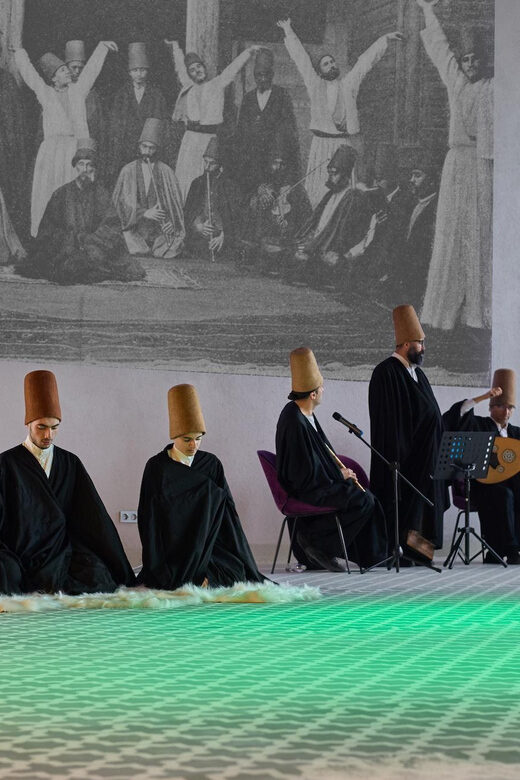
- Next-door to history: the ceremony is staged in a historic-style setting near the Hagia Sophia area, close to the Basilica Cistern meeting point.
- UNESCO-linked ritual: the Whirling Dervish Sema is treated as a cultural and spiritual practice, not just entertainment.
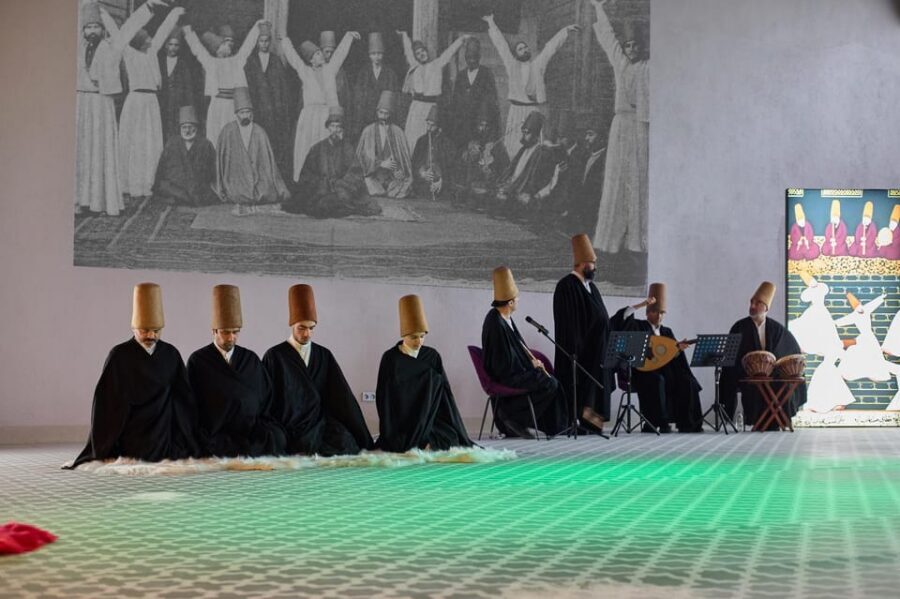
- Classic live Turkish music: instruments like strings, drums, and flutes build the mood before the turning begins.
- Context makes it click: you get a host-led explanation plus a digital audio guide in multiple languages.
- Small, included refreshment: tea or sherbet and water are part of the experience.
Finding the White Wooden House by the Basilica Cistern
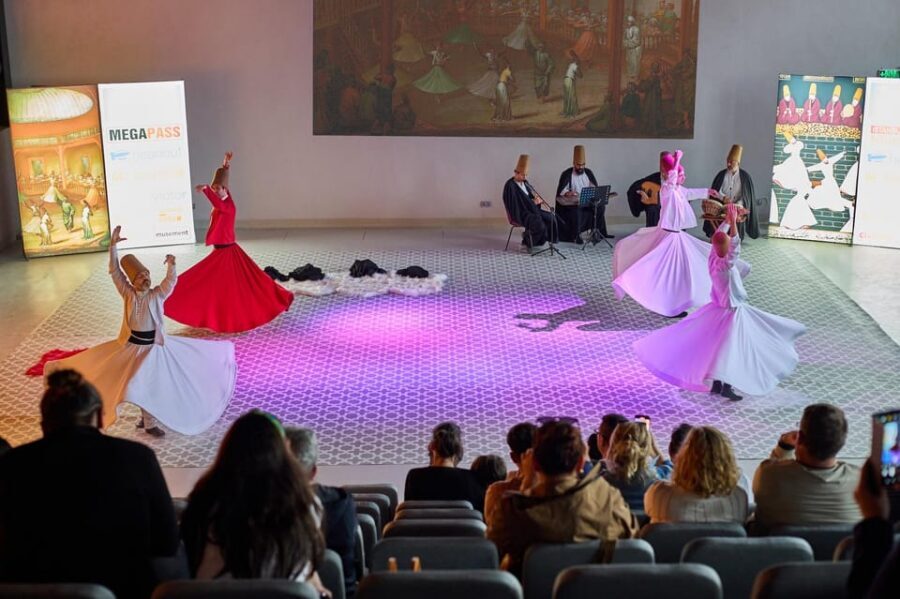
The meeting point is next to the entrance of the Basilica Cistern, and the host reception desk is at the gate of a large, white wooden house. The gate opens about 30 minutes before the ceremony start, which is a big deal. It gives you time to get seated, settle in, and not fumble around while everyone else is trying to stay quiet.
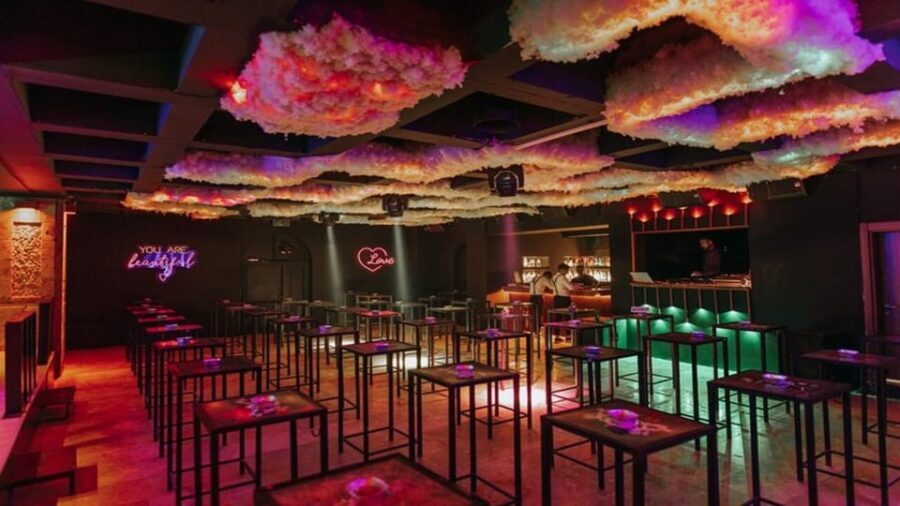
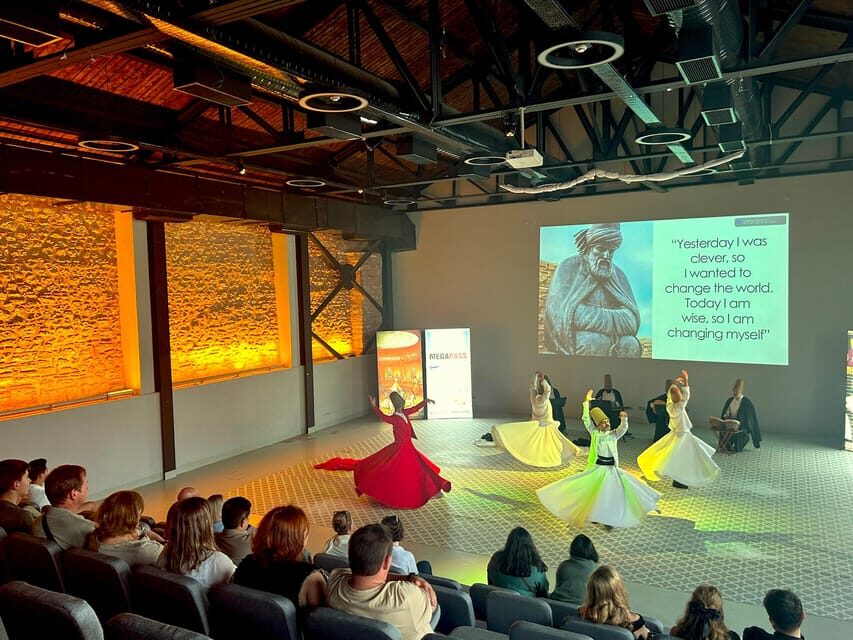
The venue matters more than you might think. One of the most common reactions is that it feels more like a genuine ceremony than a typical tourist performance space. That is partly because of the setting and the way the event flows: calm, intentional, and not built around crowd chaos.
Also, pay attention to the house layout when you arrive. People reported that seating can be very good, but the lighting can be a mixed bag for photos because of reflections from illuminated panels. Translation: if you want pictures, plan on a little trial and error with angles.
And yes, you should use the restroom before you sit down. The experience asks for silence, so you do not want to be the person who needs to sprint out during the ceremony.
You can also read our reviews of more tours and experiences in Istanbul.


What the 55-Minute Sema Feels Like with Live Turkish Music
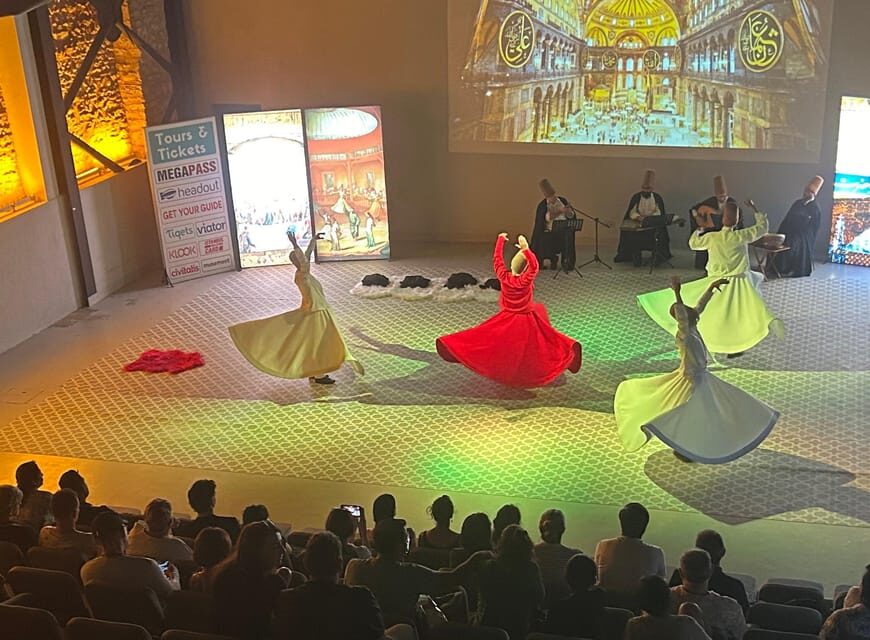
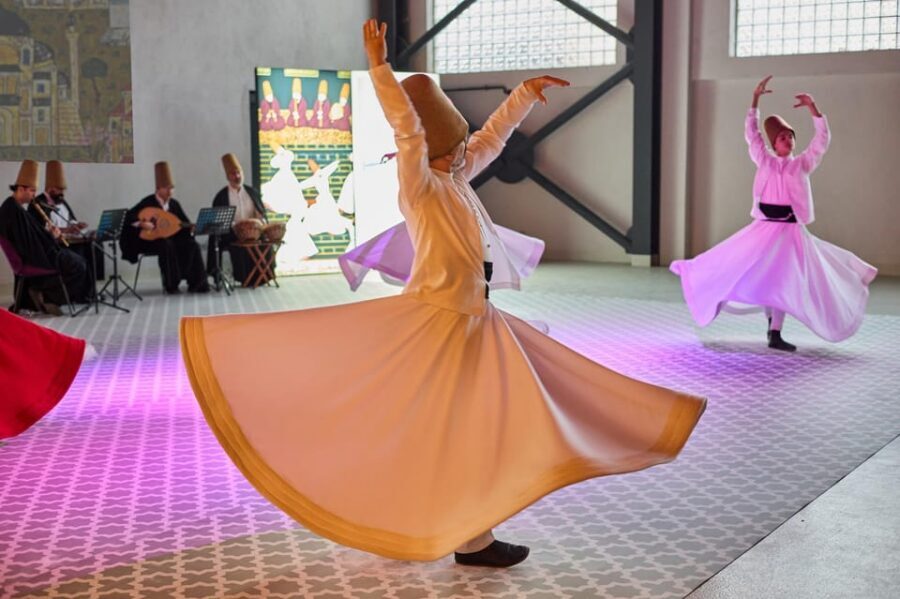
The ceremony runs about 55 minutes, and it moves in stages. It starts with instrumental music using traditional sounds like strings, drums, and flutes. In the early minutes, your job is simple: get your ears used to the style and let the rhythm do the work. A common theme from firsthand reactions is that the music feels strong, even when the overall vibe is quiet.
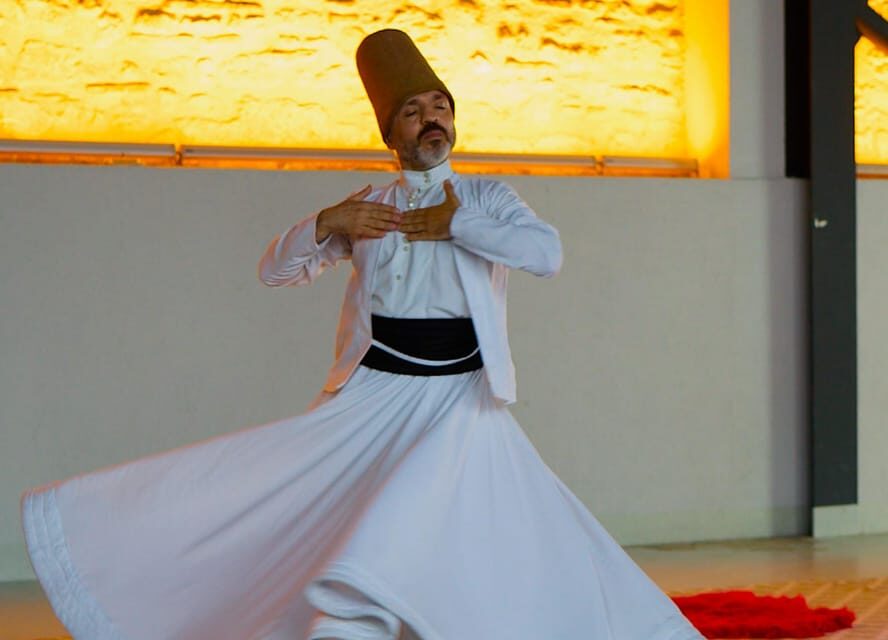
Then the prayers begin. The whirling dervishes arrive in serenity, and the spinning builds according to the rhythm. As the pace increases, the movement is meant to symbolize harmony and a kind of mystical order in the universe. One review described the turning as a representation of letting go of the ego. Another mentioned the symbolism of gestures: one hand raised toward the heavens and the other pointing to the earth, representing receiving divine blessings and sharing them.
Here is the practical part: do not expect a narrative with jokes and crowd cues. This is a ritual. It is meant to be watched with respect, in stillness. Several reactions also warned that phones pull you out of the moment. If you want the experience to land, put your phone away once the ceremony begins.
If you are sensitive to sound, note that there were a couple of reports of audio not being perfectly clear at the start, especially when a speaker was talking. If you are in that situation, sit where you can see well and trust the host explanations plus the audio guide to do the heavy lifting.
The Pre- and Post-Ceremony Explanation That Makes It Land
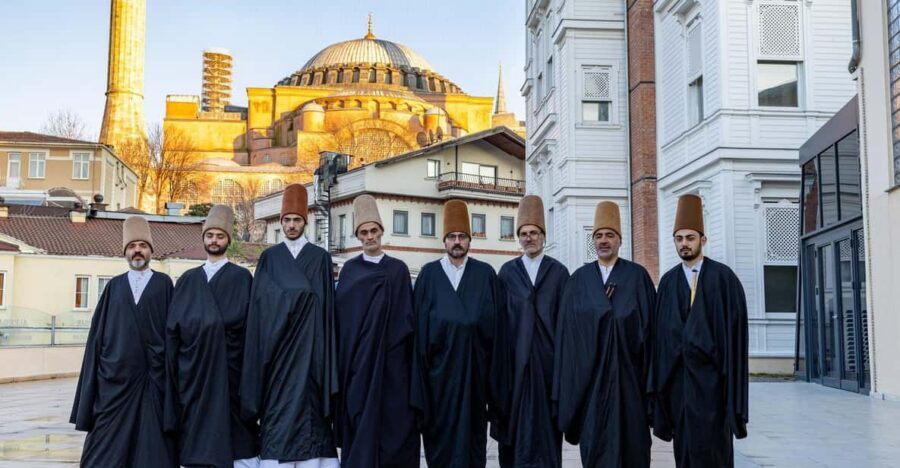
This experience is built around context. Before the ceremony starts, the host explains what you are about to see and why it is done that way. Afterward, there is additional guidance and time for questions, depending on the session flow.
What I like is that the explanation is not generic. It connects the ceremony to Sufi tradition and points to key themes such as the meaning behind the motions and the purpose of the ritual. If you have zero background, this part can save you. More than one reaction called the introduction helpful, educational, and well paced.
Some hosts are especially strong at answering questions. One guide named Kasl got praise for going out of the way to help. So if you have questions while you are there, ask them. But do not turn it into a debate club. This is a spiritual practice, and the tone of the room matters.
You also get a digital info guide through a smart audio system in 7 languages (ENG, DE, FR, ITA, RUS, ESP, ARB). That is a big value add because you can follow along even if the spoken explanation moves fast.
One useful practical tip: if you can, skim or load a few themes before you go. People suggested starting with ideas around Rumi and Shams Tabrizi, and learning about the role of the ney (flute). You do not need to become a scholar. But a little prep can make the music feel less like noise and more like meaning.
Tunes Dating to the 1400s: Why the Music Matters
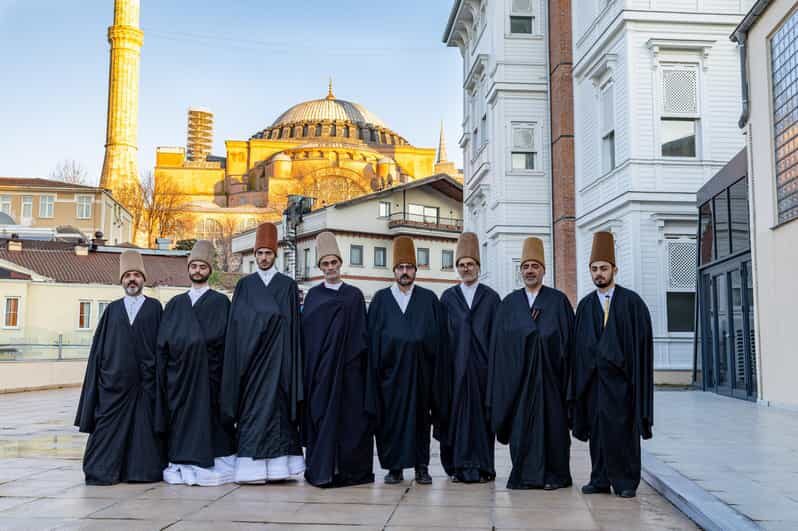
A standout detail is that the musical pieces performed are described as being composed from the 1400s to the early 1800s. That does not mean you should act impressed like it is a museum label. It means you are listening to a tradition that has been carried forward with continuity.
You also hear the music in a way that fits the ritual. The ceremony is not just showing a dance. It is pairing movement with a musical structure: start slowly, build through the rhythm, and let the spiritual tone develop over time.
People often come expecting the spinning and end up remembering the sound as much as the motion. The music is classic Turkish style, performed live with traditional instruments. In a room designed for clear viewing, that combination can feel surprisingly hypnotic, but in a calm way.
One small heads-up from the real world: the sound mix can vary by session. At least one person said the speaker was hard to hear at the beginning. If you are hard of hearing, I suggest arriving early and seating where you can both see the host and hear the musicians.
The Included Tea or Sherbet and the Value of the Quiet Pace
As part of the experience, you get a local drink of the day: tea or sherbet, plus water. It is a small thing, but it adds a local touch and gives you something to hold onto before you sit for the ritual. A few reviews specifically mentioned this as a thoughtful finish.
Just as importantly, the pacing is slow on purpose. The ceremony is designed to build gradually rather than kick into dramatic showmanship. That is why it can feel meditative for people who let the rhythm guide them. Several reactions described the ceremony as peaceful, moving, and almost transportive in tone.
So if you are the type who gets impatient, try this mindset tweak: treat the ceremony like a shared breathing exercise, not a performance you have to “get through.” The best moments come from settling in.
There is also a respectful rule set. Making noise is not allowed, and silence is important. That means you should keep your voice low, silence notifications, and avoid talking during key parts. If someone is whispering near you, it will not hurt the ritual, but it will pull your attention away—so help yourself by keeping your own behavior calm.

Price and What You Really Get for $17
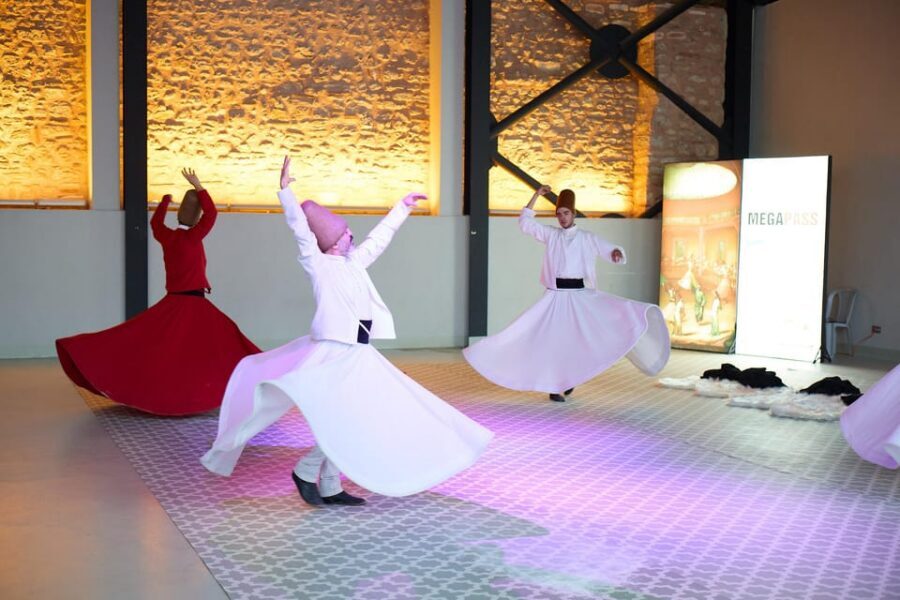
At $17 per person for about 55 minutes, the price-to-time ratio is straightforward. But the real value is in what the ticket bundles:
- Entrance to the Whirling Dervish ceremony with live music and an authentic ritual setup
- A host-led explanation before and after
- A smart audio guide in 7 languages
- A local drink (tea or sherbet) plus water
- A setting close to the Hagia Sophia area, meaning you are not spending the evening crossing Istanbul
On top of the practical value, multiple reactions noted that ticket money supports scholarships through the event’s NGO or arts center purpose. That is not something you should ignore when you compare options. Paying to see a cultural practice feels better when the funds are feeding arts education rather than just going to overhead.
Is it perfect value? It depends on your expectations. If you want a tour with long museum-style history or a high-energy show, you may find it short. If you want a respectful, guided way to experience Sema and understand what you are seeing, this is priced in a way that feels fair.
Tips for a Smoother Experience (and Better Photos)
Here is how to make this go smoothly:
- Go in with a quiet mindset. The ceremony asks for it, and it changes everything.
- Use your phone only before the ceremony. One strong piece of advice: it pulls you out of the moment.
- Arrive early since the gate opens 30 minutes before start. You get seated and oriented without stress.
- Do a restroom stop before or after. During the ceremony, the atmosphere is meant to stay still.
- If you care about photos, understand that some illuminated panels can create reflections. Choose your angle and expect some trial and error.
Also, be patient with explanation pacing. One person had trouble understanding the guide because he spoke quickly, so if you are sensitive to speed, use the audio guide and watch the host rather than trying to catch every word.
Who Should Book This Next to Hagia Sophia
I think this works best for three types of travelers:
- You want something cultural and spiritual that still feels structured, with context built in.
- You prefer quiet experiences over loud nightlife.
- You like authentic practices and do not mind a ceremony that unfolds without stage theatrics.
It may not be ideal if:
- You want a long history lecture or a museum-style deep dive with lots of visuals.
- You get restless during slow, meditative events.
- You struggle with silence expectations.
The good news is that you are not going in blind. The host explanation and the audio guide help you follow what is happening without needing to already know Sufi poetry, symbolism, or instruments.
And if you like learning, you can make the whole night smarter by doing a little prep on Rumi, Shams Tabrizi, and the ney (flute). Even a quick orientation can help the ceremony feel like a message, not a mystery.
Should You Book This Whirling Dervish Ceremony?
Book it if you want a respectful, guided way to see the Sufi Sema with classic live Turkish music, right in the heart of Istanbul near Hagia Sophia. At $17 with the included tea or sherbet, audio guide, and pre/post explanation, it is a solid value, especially if you appreciate authenticity over spectacle.
Skip it if you want a high-energy show, are uncomfortable with silence, or expect nonstop talking throughout. This is a ritual built for stillness.
If you are deciding between it and a generic performance, I would choose this—mainly because you get the context (host + multi-language audio) and the room is set up for the experience to make sense.
FAQ
How long is the Whirling Dervish ceremony?
The experience lasts about 55 minutes.
Where do I meet the host?
Meet the host next to the entrance of the Basilica Cistern. The reception desk is at the gate of the giant white wooden house.
What’s included in the ticket?
You get entrance to the ceremony with live music and authentic ritual, a local traditional drink of the day (tea or sherbet) with water, and a smart audio guide in multiple languages.
What languages are available?
The live tour guide is in English, and the smart audio guide is available in English, German, French, Italian, Russian, Spanish, and Arabic.
Is there a restroom option before or after?
The guidance is to visit the restroom before or after the ceremony, since silence is important during the event.
Are children allowed?
Children under 2 years are not suitable for this experience.
Is wheelchair access available?
Yes, the venue is wheelchair accessible.
What are the rules during the ceremony?
Making noise is not allowed, and silence is important.
Do I need cash to book?
You can reserve now and pay later, which means you can book your spot without paying immediately.
Is there free cancellation?
Yes, you can cancel up to 24 hours in advance for a full refund.