REVIEW · ISTANBUL
Private Day-Tour of Ancient Battle Fields (Troy & Gallipoli)
Book on Viator →Operated by TRAVELIUM · Bookable on Viator
Two wars, one unforgettable day. The pull here is the mix: you start with mythic Troy on a hill above the plain, then end at Gallipoli’s WWI sites where the stories still feel personal. I really like the hotel pick-up and drop-off, which makes the early start painless, and I also love how the day links Ottoman and ANZAC perspectives instead of treating Gallipoli like a single-sided lecture. One thing to plan for: it’s a long day starting at 6:30 am, and museum/ruins entrance fees are not included, so you should expect a bit of extra cost on site.
What makes this tour work well is the pacing. You drive along the Marmara Sea for views of the Dardanelles region, take a ferry across to Troy, then move through the key Gallipoli memorial areas before heading back at sunset. Guides such as Ali and Cenk are mentioned for specialist WWI context, and that kind of interpretation matters when you’re standing where history happened. If you go, bring patience for the drive and comfortable shoes—this is meaningful walking, not a quick photo stop.
In This Review
- Key Reasons This Tour Feels Worth the Price
- Troy Meets Gallipoli: The Big Idea Behind This Day
- Early Departure From Istanbul (6:30 am) and the Scenic Marmara Drive
- Crossing the Dardanelles by Ferry: A Short Trip With Big Payoff
- Dardanelles Strait Stop: Europe-Asia Waterway Geography in Context
- Trojan Horse and Troy Ruins: Myth You Can Actually Walk Through
- Temple of Athena Viewpoint: Big Sightlines, Clear-Day Payoff
- Behram / Assos-Region Stop: A Breather With Aristotle Connections
- Gallipoli Battlefield Areas: Following the Lines of WWI Fighting
- Anzac Cove and the 25 April Landing: Night Landings and Confusing Ground
- Moving Cemeteries and the Ottoman vs ANZAC Perspective
- Logistics That Actually Affect Your Comfort
- What You Get for $541.85: Value Beyond the Sticker Price
- Who This Tour Fits Best (and Who Might Skip It)
- Should You Book This Troy and Gallipoli Private Day Tour?
- FAQ
- FAQ
- What time does the tour start?
- Is hotel pick-up and drop-off included?
- Is this a private tour?
- What sites are included in the day?
- Do I need museum or ruin entrance tickets?
- Are meals included?
- Do I need to bring a voucher and ID?
- Is the tour offered in English?
- What’s the duration of the tour?
- What if I cancel?
Key Reasons This Tour Feels Worth the Price
- Hotel pick-up and drop-off from your Istanbul base cuts the stress of an early departure
- Troy plus Gallipoli in one day means you don’t have to choose between mythology and WWI
- Ferry crossing over the Dardanelles gives you a real sense of place, not just road miles
- A small-group private setup keeps the pace conversational with your guide
- WWI storytelling that includes both sides helps the memorials land with context
- Skip-the-line support with your guide saves time when you want to spend it at the ruins
Troy Meets Gallipoli: The Big Idea Behind This Day
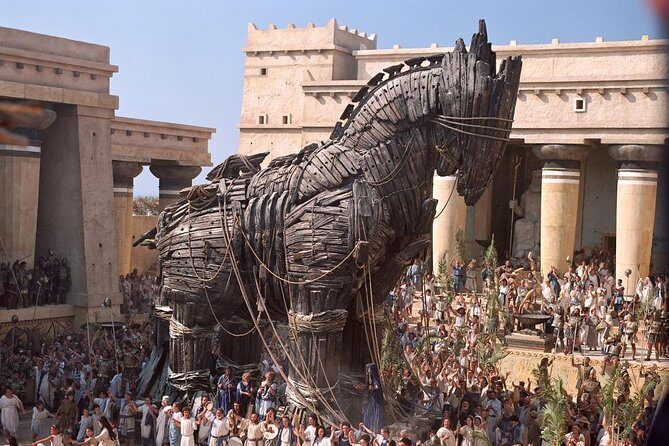
This is the kind of Istanbul day trip you do when you want two of Turkey’s most talked-about stories without spending the night on the road. You’re combining Bronze Age myth with WWI military history, and the contrast is part of the value. It’s not random sightseeing—it’s about moving between two periods that shaped how people think about this region.
You also get a structure that keeps you from burning out. Morning is for Troy and its dramatic views. Afternoon is for Gallipoli’s battlefield geography and cemeteries. Evening is the ride back, timed to catch the light over the Marmara Sea.
You can also read our reviews of more private tours in Istanbul


Early Departure From Istanbul (6:30 am) and the Scenic Marmara Drive
The tour starts at 6:30 am, and pickup is arranged from your hotel or port in Istanbul. You’ll want to be ready in the lobby about 15 minutes before the scheduled pickup time, because early starts can’t wait around. If you book close to departure (less than 48 hours), you’re expected to contact the provider to confirm the pick-up details.
Why this matters: Gallipoli and Troy are not next-door. The longer you wait, the less time you get at the sites. Starting early also improves the feel of the day—there’s less chance of heat stress and you see more in the same amount of time.
The drive follows the European shore of the Marmara Sea, with views of elegant summer villas and sights toward Gallipoli. Even if you care only about history, those coastal stretches help you understand what makes the straits strategically important.
Crossing the Dardanelles by Ferry: A Short Trip With Big Payoff
One of the smarter parts of the plan is the ferry across the Dardanelles. Instead of treating the crossing like a transfer, the tour uses it as a sensory bridge between Europe and Asia—exactly what the straits have been since antiquity.
The Dardanelles (also known as the Hellespont in Classical Greek) is a narrow, internationally significant waterway. Historically, there were castles on both sides of the strait during Ottoman times. Standing near (and then crossing) that kind of choke point makes the later WWI strategy easier to grasp.
Dardanelles Strait Stop: Europe-Asia Waterway Geography in Context
Your first meaningful stop is the Dardanelles Strait area. The route frames it as a boundary between Europe and Asia, separating Asian Turkey from European Turkey. It’s also tied to how ships move—connecting the Sea of Marmara to the Aegean and Mediterranean routes.
This is a good moment for a quick mental reset. Most people think of Troy and Gallipoli as separate destinations. But here, the geography reminds you they’re linked by control of passageways. If you’re into “why here,” this stop does a lot of work.
Trojan Horse and Troy Ruins: Myth You Can Actually Walk Through
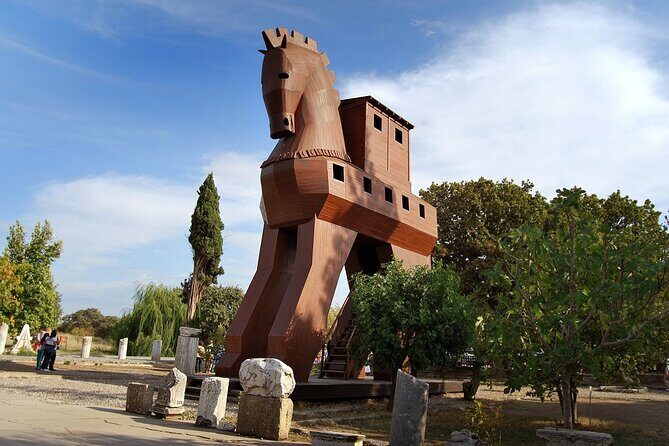
Troy is not a rebuilt Disney set. It’s a Bronze Age site, so manage expectations about grand palaces and full-city restoration. What you get instead is a layered ruin landscape, plus views that make Homer’s stories feel less like abstract text.
From the moment you approach the archaeological area, you’ll notice the tour leans into recognizable highlights:
- City walls and major structures you can still picture as part of an ancient urban system
- Athena’s temple area on a rocky rise
- The Odeon, a preserved stone theater
- A reconstructed Trojan horse you can step inside to experience the famous trick-and-trap story
Here’s why the Trojan horse moment works: it’s not just a photo. It gives your brain a physical cue for the strategy behind the myth—how deception and access control decide outcomes.






Temple of Athena Viewpoint: Big Sightlines, Clear-Day Payoff
At Athena’s temple you get wide views from a rocky crag. The information you’re given includes how, on a clear day, the sightlines can stretch toward Lesbos to the south, Pergamum to the southeast, and Mount Ida in Phrygia to the east.
Even if you don’t get perfect visibility, the point stands: Troy isn’t just a site you visit; it’s a spot that lets you read the surrounding region. That helps you understand why control of routes and sightlines mattered for ancient defenders and attackers.
Behram / Assos-Region Stop: A Breather With Aristotle Connections
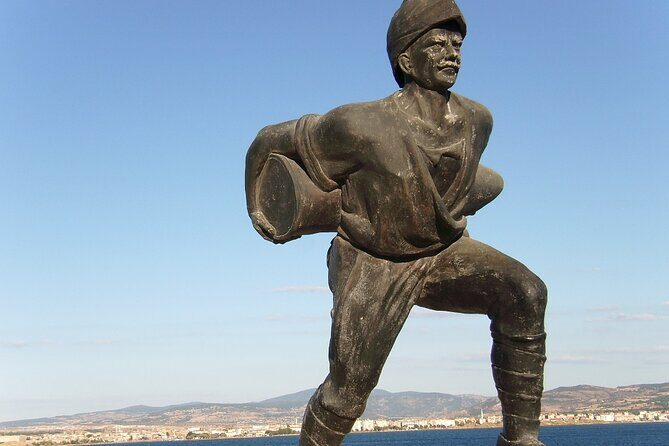
After Troy, there’s a stop described around Behram, tied to the story of Aristotle. You’ll hear the thread connecting his time in the region to Assos, including references to meeting King Hermias and the political risk that followed when Hermias was executed.
This isn’t the main headline like Troy or Gallipoli, but it adds a helpful human layer. You’re moving from myth to military history to philosophy and scholarship. That variety keeps the day from feeling like nonstop facts dumped on a schedule.
There’s also mention of a modern Aristotle statue at the town entrance. It’s a small thing, but it’s the kind of detail that makes the area feel lived-in rather than only archaeological.
Gallipoli Battlefield Areas: Following the Lines of WWI Fighting
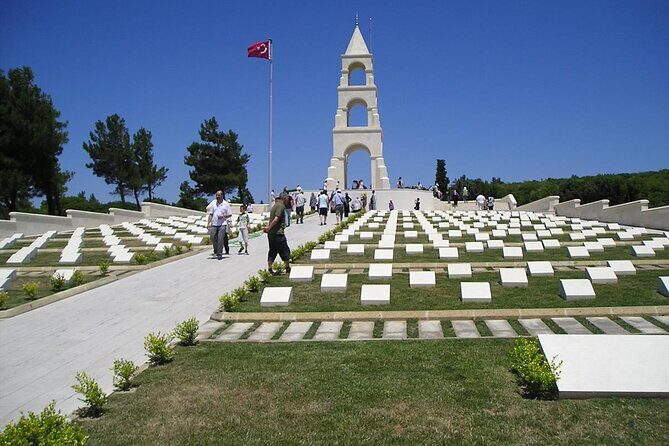
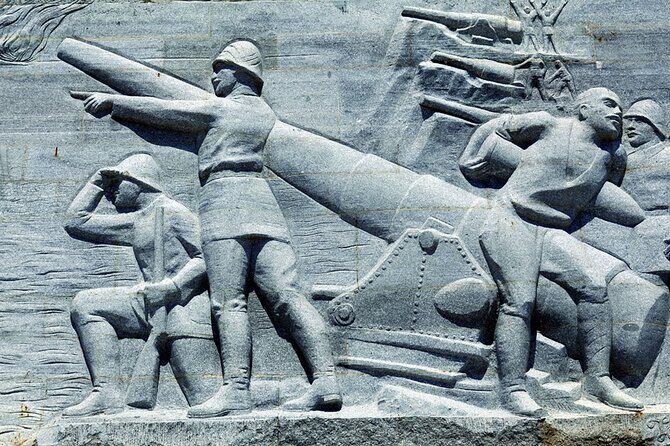
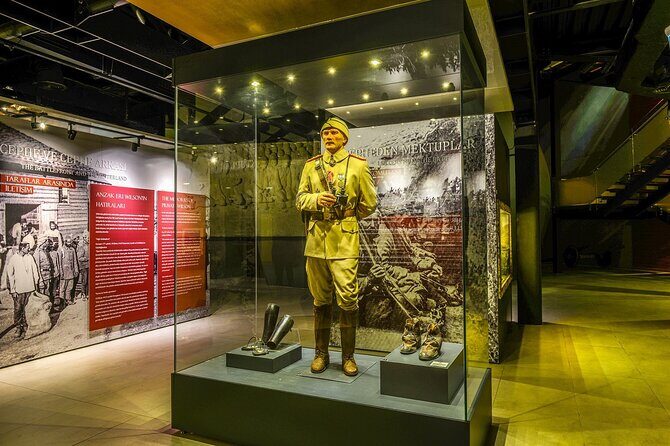
Gallipoli is where the tour changes tone. Instead of “What happened long ago,” it becomes “What happened to real people.” The plan focuses on iconic battlefield zones and moving cemeteries along the Dardanelles.
This is part of the Gallipoli campaign (the Dardanelles campaign) in WWI, running from 17 February 1915 to 9 January 1916. The Entente powers—Britain, France, and Russia—aimed to weaken the Ottoman Empire by taking control of straits linked to supply routes. The attack on Ottoman forts failed early, and then the peninsula landings began.
Why your guide’s interpretation matters here: the battlefield geography is hard to absorb just from walking around. A good guide helps you connect ground shapes to what troops were trying to do, what went wrong, and what changed.
Anzac Cove and the 25 April Landing: Night Landings and Confusing Ground
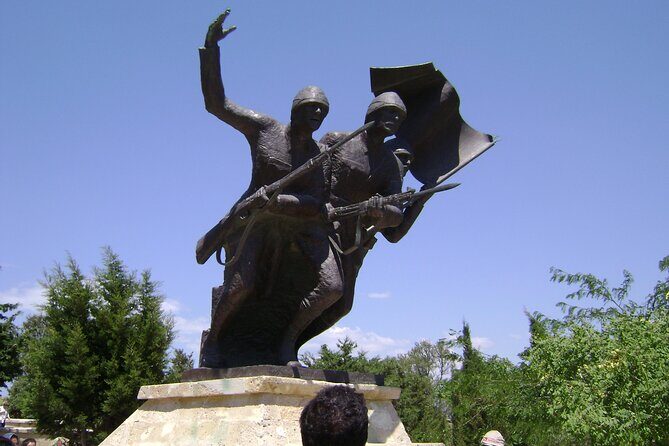
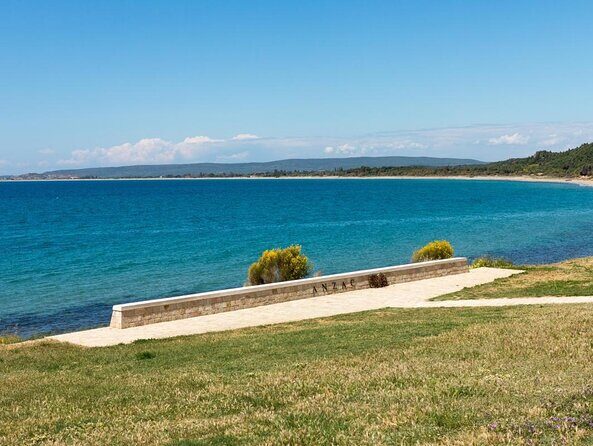
A major Gallipoli highlight is Anzac Bay / Anzac Cove, associated with the landing on Sunday, 25 April 1915 (also known as Gaba Tepe). You’ll hear that the assault troops, mostly from the Australian and New Zealand Army Corps, landed at night and were put ashore about one mile (1.6 km) north of their intended landing beach.
This detail changes how you understand the rest of the story. It’s not just about bravery; it’s about how quickly plans collapse when landings go off target and troops get mixed up in darkness. The tour’s approach keeps the day from being a checklist by giving you a sequence of cause-and-effect.
Moving Cemeteries and the Ottoman vs ANZAC Perspective
The most serious part of the experience is the time spent at cemeteries and memorial areas. The day is framed around fierce fighting between Ottoman and ANZAC troops, and your guide also explains how some people called the conflict a Gentleman’s War.
I like this framing because it avoids turning the day into a single national story. When you hear why people used that phrase, you get a window into attitudes at the time—how soldiers and civilians tried to make sense of a brutal stalemate. It also sets the stage for the respectful tone of the visit.
This is also where your guide’s local perspective is most valuable. The format calls out memories of the First World War from a local viewpoint. If the guide is strong—and guides like Ali and Cenk have been praised for specialist WWI knowledge—you’ll feel like you’re learning context, not just reading dates.
Logistics That Actually Affect Your Comfort
This is a private day tour, meaning only your group participates. That matters because the pace is easier to manage. You can ask questions without feeling rushed or drowned out.
Transportation is handled end to end: hotel or port pickup and drop-off, plus driving to the sites. You also get skip-the-line access with your guide, which helps when entry lines and ticketing desks would otherwise eat into your time.
Physical note: the tour lists moderate physical fitness as a requirement. In plain terms, plan for walking on archaeological ground, stairs or uneven paths at ruins, and cemetery areas where you’ll likely linger for explanation.
What You Get for $541.85: Value Beyond the Sticker Price
At $541.85 per person, this isn’t a budget excursion. The value is strongest if you care about two things: (1) not wasting time on logistics, and (2) having a guide who can tie Troy and Gallipoli into one coherent narrative.
You’re paying for:
- Private transport and hotel pickup/drop-off
- Ferry crossing as part of the routing
- A guide to handle skip-the-line access
- A full day at two major destinations, including time at memorial sites where context matters
Also, this price point can make sense if you’re traveling with a partner or small group and comparing it to the cost of piecing together transport plus guides separately. If you’re comfortable managing your own tickets and you’re purely chasing views, a do-it-yourself approach might be cheaper. But if you want your day to run on time with interpretation built in, this pricing can feel fair.
Who This Tour Fits Best (and Who Might Skip It)
This is a great match if you:
- Want Troy and Gallipoli in one day from Istanbul
- Care about how history connects to geography
- Prefer a guide who explains both mythology and WWI in a grounded way
- Like a calmer pace than big-bus group tours
You might reconsider if:
- You’re hoping for only light walking and minimal driving
- You hate early mornings (the start is 6:30 am)
- You’re strict about sticking to a single all-in price, since museum entrance fees are not included
Should You Book This Troy and Gallipoli Private Day Tour?
I’d book it if you want maximum meaning for a single Istanbul day. The two-part story—mythic Troy with the Trojan horse moment, then WWI Gallipoli with respectful cemetery time—fits together better than you might expect. The private setup and guide-led skip-the-line access make the long day feel controlled, not chaotic.
If you do book, go in with two expectations set correctly: Troy is an archaeological ruin, not a fully restored palace fantasy, and Gallipoli is solemn walking where time matters. Bring comfortable shoes, budget for entry fees, and give your guide room to explain. That’s when the day really clicks.
FAQ
FAQ
What time does the tour start?
The tour starts at 6:30 am, with hotel or port pickup arranged around that early departure.
Is hotel pick-up and drop-off included?
Yes. Transportation from and to your base-location in Istanbul is included, with hotel pickup and drop-off.
Is this a private tour?
Yes. It’s private, and only your group participates.
What sites are included in the day?
The day focuses on Troy and Gallipoli, with stops that include the Dardanelles Strait, Troy highlights (including the Temple of Athena area and a reconstructed Trojan horse), and key Gallipoli battlefields and cemeteries.
Do I need museum or ruin entrance tickets?
Museum entrance ticket fees are not included. The tour includes skip-the-line access with your guide, but you should expect to pay some site fees.
Are meals included?
No. Meals and drinks are not included.
Do I need to bring a voucher and ID?
Yes. When you meet your guide, you’ll be asked to present a printed voucher and photo ID.
Is the tour offered in English?
Yes. The tour is offered in English.
What’s the duration of the tour?
It’s listed as approximately 12 hours.
What if I cancel?
You can cancel for free up to 24 hours in advance for a full refund.
If you tell me your travel dates and whether you’re staying on the European or Asian side of Istanbul, I can suggest how to plan the morning timing and what to prioritize at Troy vs Gallipoli.