REVIEW · ISTANBUL
Private tour: 12-Day Turkish Adventure Package Tour From Istanbul
Book on Viator →Operated by Ada Vegas Travel · Bookable on Viator
Turkey hits you with sights fast. This private 12-day package is built for first-time Turkey visits, with expert guidance and a route that covers big names from Istanbul to Cappadocia without you chasing details all day. I like that the guide work feels personal too; names like Ender and Harron come up for history talk that stays clear and focused, not just recited.
The only drawback: the days are packed with major stops, and you’ll have early pickups (like 08:30 in Sultanahmet) and a lot of walking around big sites. If you want slow mornings every day, you may need to choose when to linger.
What I really liked most is how much is handled for you. Transport between regions, accommodation, and even domestic flights are included, plus you get 11 breakfasts, 9 lunches, and 4 dinners, with only Istanbul lunches/dinners left out. You’ll still have free time now and then on a private tour, but the heavy lifting is done.
In This Review
- Quick hits before you go
- Getting Oriented in Istanbul: Airport Transfer and Sultanahmet Day
- Topkapi, Hagia Sophia, Blue Mosque, and Grand Bazaar: How the Day Actually Feels
- From Istanbul to Gallipoli: WWII’s Shadow and the 1915 Battlefield Context
- Troy and Pergamon: Ancient Power in Two Different Moods
- Ephesus and the House of Mother Mary: Ruins With a Personal Side
- Pamukkale’s Cotton Castle and Demre for St. Nicholas
- Perge, Aspendos, and Konya: Roman-Era Ruins to Sufi-Threaded History
- Cappadocia: Kervansaray Views, Underground Rooms, and Cave Dwellings
- A Goreme Day With Museums, Valleys, Pottery, and Pasabag
- Avanos Area and Your Return to Istanbul by Flight
- Price and value: what $5,890 per person really buys
- What I’d watch for: pacing, walking, and site-light days
- Who this private Turkish Adventure suits best
- Should you book this 12-day adventure?
- FAQ
- Is this tour private?
- What’s included in the price?
- Are airport transfers included?
- Do I get hotel pickup?
- Are drinks included?
- Is there a vegetarian option?
- Can the itinerary change?
- How many days is the tour?
- What is the cancellation window for a full refund?
Quick hits before you go
- Private, not share-a-bus: your group only, so pacing and stops feel more flexible.
- Sultanahmet in one strong day: Topkapi Palace, Hagia Sophia, Blue Mosque, Hippodrome, and Grand Bazaar.
- Gallipoli plus ancient sites: World War I battlefield context followed by Troy and Pergamon.
- Ephesus and the House of Mother Mary: major Aegean ruins paired with a pilgrimage site.
- Pamukkale and Demre: thermal “cotton castle” time plus St. Nicholas in Demre.
- Cappadocia by the day: Goreme Open Air Museum, valleys, pottery, Pasabag, and cave dwellings.
Getting Oriented in Istanbul: Airport Transfer and Sultanahmet Day
Your trip starts with a simple landing: you arrive at Istanbul International Airport, and you’re transferred quickly to your hotel. Day 1 is basically about getting your bearings fast, with a smooth handoff so you’re not dealing with taxis or directions after a flight.
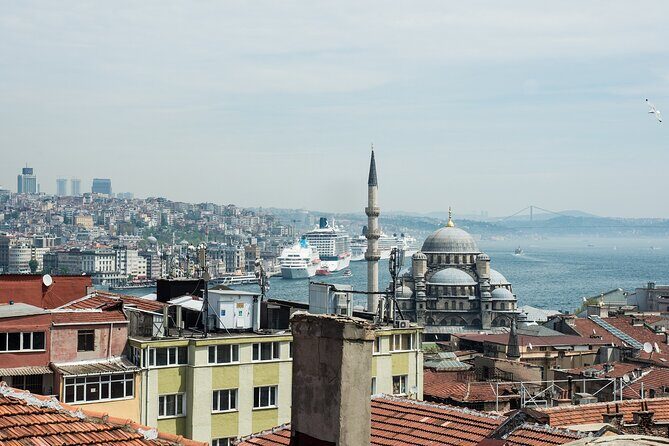
Then comes Day 2, where you tackle the most important historic zone in Istanbul: Sultanahmet. It starts with pickup around 08:30 from your hotel, which is great if you want to beat the midday crush. Your first stop is Topkapi Palace, the Ottoman sultans’ grand residence from the 15th to 19th centuries. Inside, you’ll see the kind of objects empires keep—crystal, silver, porcelain, robes, plus the Imperial Treasury relics (including items tied to the Holy Mantle).
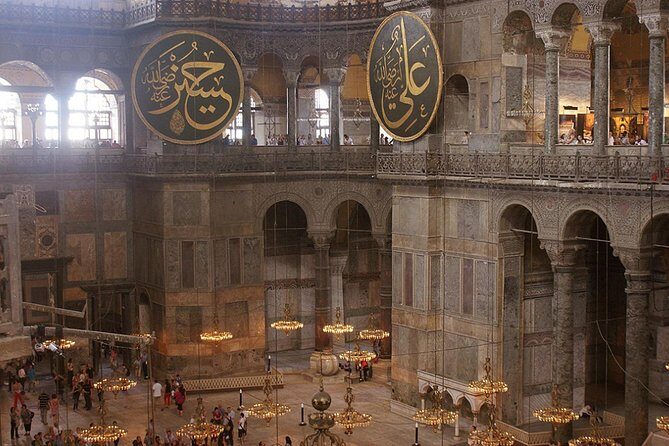
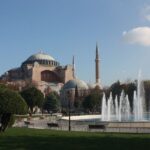
Next up is Hagia Sophia, listed as the Hagia Sophia Museum. This building matters for sheer scale and layering: built by Constantine in the 4th century, reconstructed by Justinian in the 6th, and kept evolving through time. Standing in the space, you get why it became a symbol you can spot on postcards for a reason.
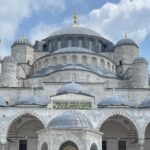
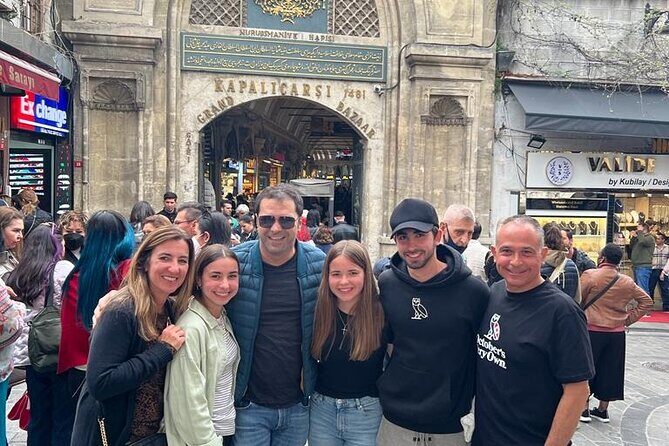
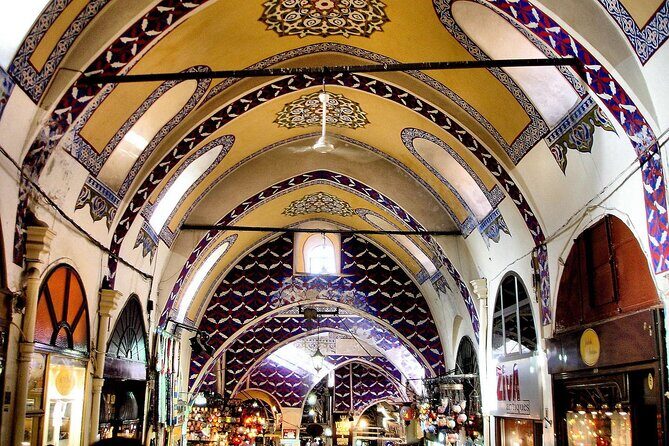
After that, you visit the Blue Mosque, then the nearby Hippodrome. The Hippodrome is shorter on time, but it’s a helpful bridge between big architecture and the city’s older public life—think grand open space, imperial crowds, and the kind of history that sits under the modern streets. You’ll also spend time at Grand Bazaar jewelers, which is a practical stop if you want to see the craftsmanship side without turning the whole day into shopping.
A small note: Topkapi and Hagia Sophia admissions are listed as included, while Blue Mosque and Hippodrome are listed as free. That mix is convenient, but it also means you’ll want a comfortable day plan. Wear shoes that handle stone floors and museum steps.
You can also read our reviews of more private tours in Istanbul
Topkapi, Hagia Sophia, Blue Mosque, and Grand Bazaar: How the Day Actually Feels
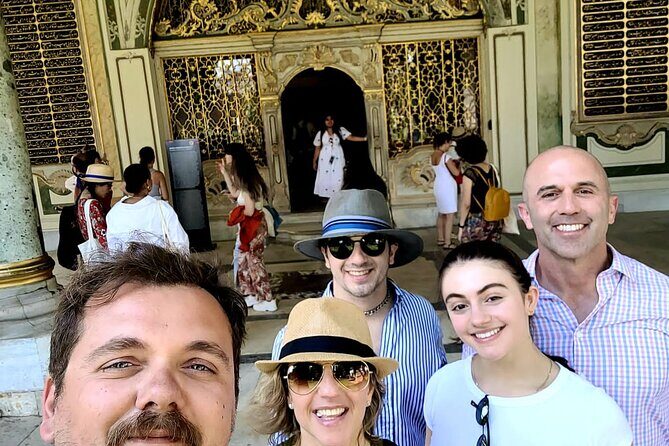
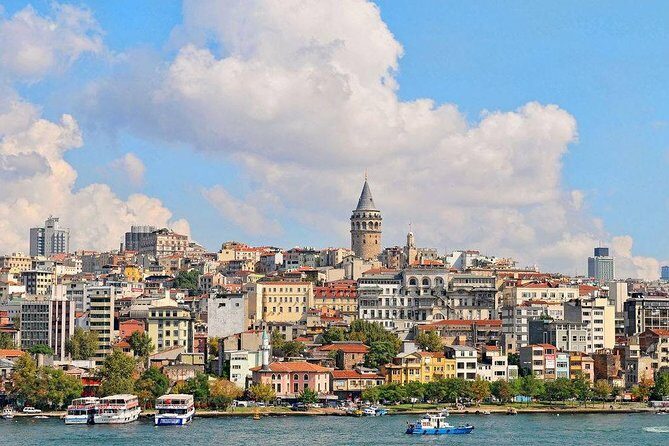
This is one of those days where you don’t just see sights—you feel the “stacked” nature of Istanbul. You move from palace wealth (Topkapi) to monumental spiritual architecture (Hagia Sophia and the Blue Mosque) to public-sphere history (Hippodrome), then you close with a bazaar section.
Here’s the practical benefit: you’re not bouncing between far-flung areas all week. You concentrate in one neighborhood where walking links almost everything. That saves time and cuts down on constant transit.
The potential snag is attention span. Hagia Sophia and Topkapi are both heavy-hitter stops, and by the time you add the Blue Mosque and Hippodrome, you’ll likely want little pauses—just to reset your eyes and let details settle. If your guide is doing history talk (and they should), you’ll enjoy it most if you choose a few things to listen for instead of trying to catch every date.
From Istanbul to Gallipoli: WWII’s Shadow and the 1915 Battlefield Context
Day 3 shifts gears. You head to Gallipoli National Park after breakfast for the WWI battlefields connected to the British attempt at invasion in 1915. This is one of the most meaningful stretches in the whole trip because it adds a modern human layer to your history day—not just ancient ruins, but real-world conflict and geography.
You’ll spend time in Gallipoli and also stop at Canakkale Truva Heykeli in the Canakkale city area. Even if you’re not a battlefield-history person, the setting helps. You’re not learning from a classroom; you’re seeing the terrain that affected decisions.
That night, you’re based in Guzelyali. The value here is pacing: after an emotional day, you’re not immediately jumping to the next huge city. You get a breather before the ancient-sites marathon.
Troy and Pergamon: Ancient Power in Two Different Moods
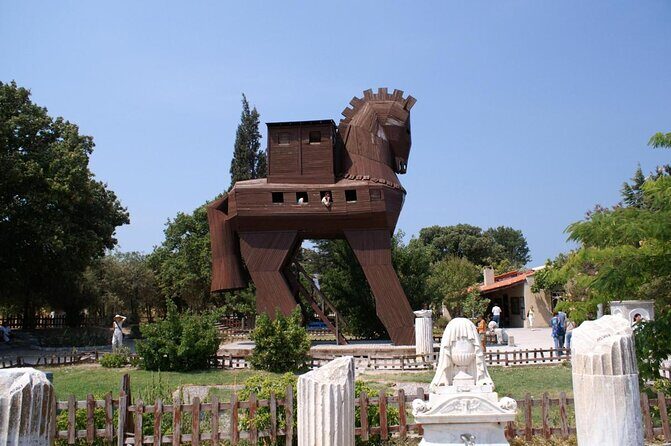
Day 4 is pure “wow, that’s old.” You visit Troy (Truva) with admission listed as included. You get face-to-face with the mythology and the archaeology side of the story, and the guide context usually helps you understand what you’re seeing versus what’s legend.
Then you go to Pergamon Ancient City, including the Pergamon Acropolis. Pergamon feels different than Troy: Troy is tied to story and setting, while Pergamon shows a city-scale power—big slopes, major ruins, and the sense that architecture carried status.
You also stop in Kusadasi for Kusadasi Castle, listed as free entry. This stop is shorter, but it’s a nice change of pace between major museums and long archaeological areas.
Your day ends with the Aegean region rhythm. You’re moving from site to site, but the geography makes sense: you’re building a map of Turkey’s western past.
Ephesus and the House of Mother Mary: Ruins With a Personal Side
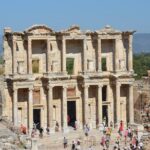
Day 5 is where western Turkey’s star site shows up: Ancient City of Ephesus, with admission listed as included. Ephesus is the kind of place where, even with limited time, you still feel why it mattered. You can walk through wide ruins and start seeing how a city functioned—public life, sacred areas, and the kind of scale that doesn’t feel small.
After Ephesus, you visit Meryemana (The Virgin Mary’s House), also listed as included. This is one of the quieter stops in the route. It has a pilgrimage feel, and it pairs well with the more monumental ruins. It’s like the tour gives you both the public city and the personal devotion.
A practical tip: bring water and plan for sun. This day often means long outdoor stretches, even if your admissions are handled.




Pamukkale’s Cotton Castle and Demre for St. Nicholas
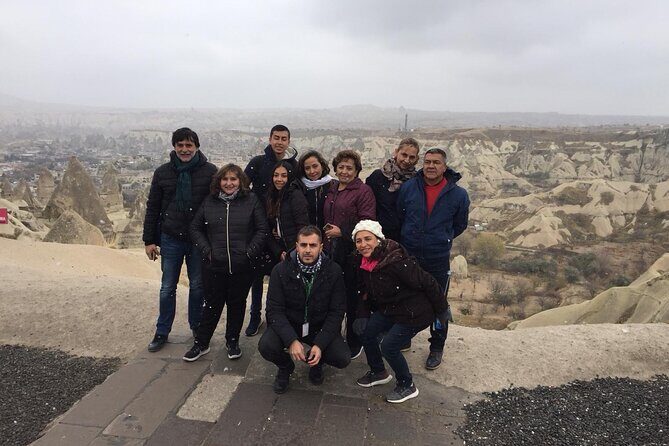
Day 6 is a relaxation day in the best way. You visit Pamukkale Natural Park—the “cotton castle” area. It’s known for the hot springs and the famous white terraces, and your time there is listed as 4 hours with admission included. Even if you’ve seen photos, being there changes how you understand it. The texture and color come alive in person.
You’ll stay the night in Pamukkale, which is smart. You’re not rushing to sleep elsewhere immediately after thermal-time.
Day 7 takes you to Demre, home to the original St. Nicholas (Santa!). The Church of St. Nicholas stop is listed as included. If you like cultural history, you’ll get a different kind of story than the typical saint legend. It’s also a nice contrast after Pamukkale: less geology, more spiritual history in a real place.
Later, you visit an Old Bazaar in Antalya, listed as free entry. This is a lighter add-on that lets you reset after religious and historical sites. It’s also useful if you want to pick up practical items without turning it into a full shopping day.
Perge, Aspendos, and Konya: Roman-Era Ruins to Sufi-Threaded History
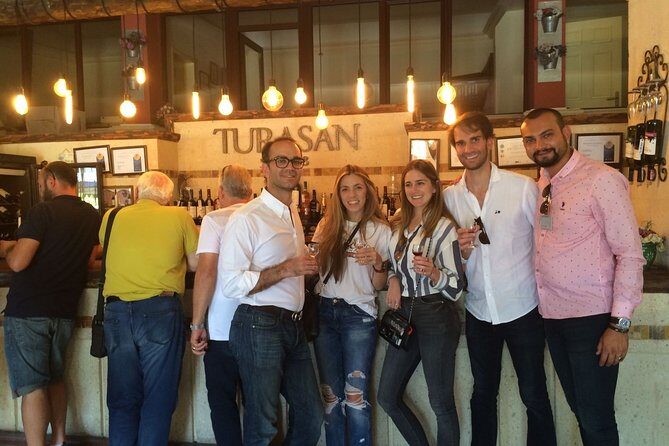
Day 8 begins with Perge Ancient City, admission listed as included. Perge is one of those places that rewards patient walking: you see ruins that feel grounded and “city-made,” not just dramatic columns from a distance.
Then you go to Aspendos Ruins, with the theatre listed as included. Even if you don’t know a thing about Roman performance spaces, the shape and stone work give you an instant sense of what mattered here: crowds, gatherings, and city culture.
Your day continues to Konya Kultur Sokagi, free entry. Then you head to Konya for the night. The itinerary also lines up a later cultural museum visit in Konya, so this sets your base for the next day’s deeper museum time.
Cappadocia: Kervansaray Views, Underground Rooms, and Cave Dwellings
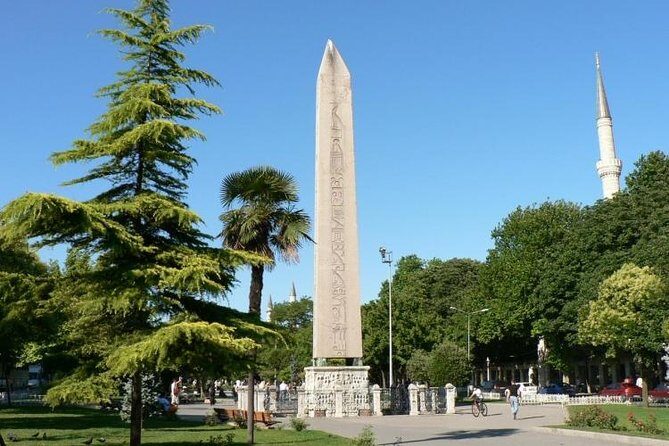
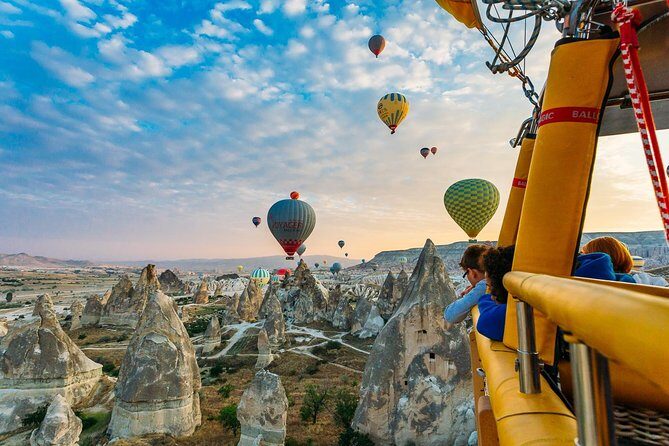
Day 9 is the big transition into Cappadocia. You start at Sultanhani Kervansarayi, listed as included. Kervansarays are travel stops with a sense of purpose: a place where caravans could rest, wait out conditions, and keep moving. It’s a strong “travel theme” site right before you step into a region known for strange rock formations.
Then you visit Mevlana Museum in Konya (as part of the day’s sequence), which helps explain why the region is tied to spirituality and literature. After that, you head into the Cappadocia area described as a lunar terrain created by an ocean over millions of years—strange shapes left behind by geological change.
Next is Saratli Kirkgoz, listed as an underground city. You get a look at survival architecture—rooms carved into earth, designed for human needs when the outside world wasn’t safe.
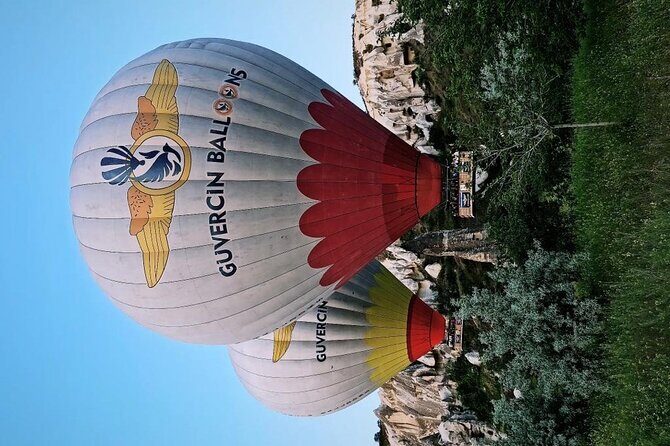
Finally, you visit Cappadocia Cave Dwellings (listed as free entry). This is where you can look at cave homes and feel how people made everyday life inside rock. The setting gives you a different kind of history: not just what rulers built, but how ordinary life adapted.
A Goreme Day With Museums, Valleys, Pottery, and Pasabag
Day 10 is Cappadocia at full speed, but broken into sensible blocks. You’re picked up around 09:30 from your hotel. You begin with Uchisar Castle, described as the highest point of Cappadocia. It’s a viewpoint stop that helps orient you before you get lost in all the cave structures and rock formations.
Then you visit Goreme Open Air Museum, admission listed as included. The key detail here is the frescoes, described as dating to the 10th century and telling stories about Jesus Christ and monks. That combination of art and setting is why Goreme is always on the list.
After that, you head to Cavusin, an abandoned village with old cave Greek houses. It’s a different kind of scene—more quiet, less “museum controlled,” and more like you’re looking into what time did to homes.
Lunch is in Avanos, followed by a pottery workshop where you see how potteries are made. Avanos is known for crafts vibes, and this gives you a real hands-on moment instead of only watching ruins.
Then you go to Pasabag, also called monks valley, with three-headed fairy chimneys mentioned in the route description. You also visit Devrent Valley, free entry, and end at Uchisar Castle again for a short stop. If your legs are tired, plan to sit where you can. This day is scenic, but it’s still outdoors most of the time.
Avanos Area and Your Return to Istanbul by Flight
Day 11 keeps things lighter than a full site day. You visit Avanos Oren Yeri (free entry), with time described around Ihlara valley, fairy chimneys, and archaeological sites across the landscape of the area. Then you fly from Cappadocia to Istanbul. Domestic flights are included, so you’re not spending a whole day in a bus.
Once you arrive, you connect to Istanbul airport for your next step. The tour lists airport transfer time here as part of the plan.
Day 12 is your final airport transfer after breakfast. It’s a clean end: no last-minute scramble to find transport, and you’re back to air travel smoothly.
Price and value: what $5,890 per person really buys
At $5,890 per person, this isn’t a bargain-basement trip. It’s a full-service package price. The value comes from the parts that usually cost you both money and time if you plan yourself:
- All domestic flights are included (not just one jump, but the Cappadocia to Istanbul segment is covered as part of the plan).
- Accommodation and transport are handled end to end.
- Meals are largely included: 11 breakfasts, 9 lunches, and 4 dinners.
- You also get a private tour setup, meaning your group stays together and the guide can pace around you.
What’s not included matters too. Drinks are not included. And dinner and lunch in Istanbul are listed as not included, so you’ll still want to budget for at least a couple meals once you’re back in Istanbul. If you like full freedom to choose cafes, that’s not a dealbreaker. If you want everything wrapped up with no extra thought, this tour will still require a bit of spending in the Istanbul window.
For who it’s worth it: if you’re visiting for the first time and want a route that covers major sites without losing days to logistics, you’ll likely feel the value. If you already know Turkey well and you love controlling every detail yourself, you may find the price less attractive.
What I’d watch for: pacing, walking, and site-light days
This is a “big-sites” tour, and that affects your body plan. You’ll spend hours at major sites like Topkapi, Hagia Sophia, Ephesus, Pamukkale, Goreme, and more. Even when a stop is shorter, the concentration adds up.
Also note that some entries are listed as free while others include admissions. The biggest practical effect: you might feel a mix of long museum-style time and short, more open-air stops. Bring layers. Sun shifts fast, and museums can feel cool even when it’s warm outside.
Finally, the route notes that opening hours can change due to COVID-era conditions, so you should be ready for minor adjustments. The good news is you’re traveling with a guide who handles timing rather than you improvising.
Who this private Turkish Adventure suits best
This fits best if you:
- want a first-time Turkey route that hits Istanbul, the Aegean, central Turkey, and Cappadocia
- prefer a private guide and car/driver setup instead of constant group transfers
- like history context explained in a clear way, with guides known for attentive service (Ender and Harron are named examples)
- want meals and major logistics included so you can focus on seeing
If you’re traveling with limited patience for early mornings and long days, you’ll need to accept the pace. You’ll have private-tour flexibility, but the day blocks are still built around major sights.
Should you book this 12-day adventure?
I’d book it if you want Turkey to feel organized and you don’t want to spend your vacation doing planning math. The route makes strong sense: Istanbul orientation first, then Gallipoli and the ancient west, then Pamukkale and Demre, then Konya into Cappadocia. The domestic flight return keeps you from backtracking.
I wouldn’t book it if you want a slow, mostly free-form trip with lots of lounging. This one moves. You’ll enjoy it most when you’re ready for a history-and-scenery rhythm where the guide helps you connect the dots.
If you do book, do two things: pack comfy walking shoes and decide in advance what you want to linger on at the big sites. That’s where your private pacing turns the whole trip from a checklist into a memory.
FAQ
Is this tour private?
Yes. It’s a private tour/activity, and only your group participates.
What’s included in the price?
All domestic flights, accommodation, transport, and meals are included as listed (11 breakfasts, 9 lunches, 4 dinners). Admission is listed as included for many main sites, while some stops are marked free.
Are airport transfers included?
Yes. You transfer from Istanbul Airport to your hotel at the start, and you’re transferred back to the airport at the end.
Do I get hotel pickup?
Yes. Pickup from your hotel is included.
Are drinks included?
No. Drinks are not included.
Is there a vegetarian option?
Yes. A vegetarian option is available if you advise at booking.
Can the itinerary change?
Yes. The itinerary may change due to opening hours of some attractions (noted for COVID-related conditions).
How many days is the tour?
It’s described as a 12-day tour, approximately 12 days.
What is the cancellation window for a full refund?
You can cancel up to 6 days in advance for a full refund.