REVIEW · ISTANBUL
Private Tour to Historical Peninsula in Istanbul
Book on Viator →Bookable on Viator
Five stops, one smart story of Istanbul.
I love how this private tour walks you through the city’s big shifts in power, from Roman-era Christianity to Ottoman-era Islam, in a tight 5 to 6 hour loop. Hagia Sophia is the star for me, especially the mix of conversion history and the 15th-century Orthodox Christian mosaics you can see under the main dome. The other big win is the guide experience—many groups are guided by Ibrahim, who’s known for making the day feel personal, fast-moving, and full of explanations.
Two practical things you’ll likely appreciate are the focused route and the private pacing. A possible drawback is cost creep: not everything is included, and you may need to budget for paid entrances at Topkapı Palace and Basilica Cistern, plus the Hagia Sophia fee that’s listed separately.
In This Review
- Key Highlights You’ll Actually Feel During the Tour
- Starting at the German Fountain: A Morning Route That Makes Sense
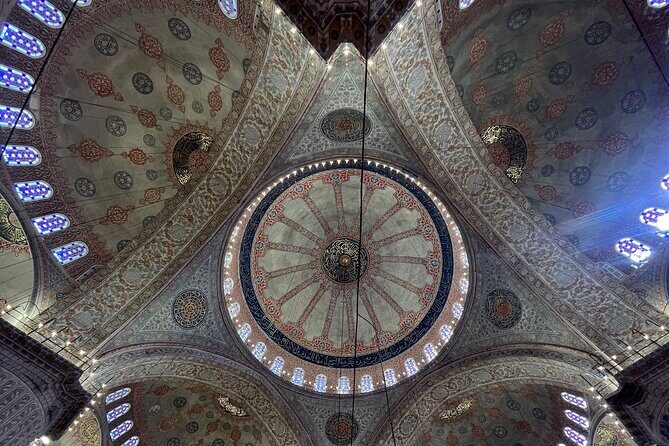
- Hagia Sophia: Conversion History + Mosaics Under the Dome
- Blue Mosque: Why It’s Called Blue and What to Look For
- Hippodrome: Obelisk Stories Spanning Egypt to Rome
- A Galeyan Restaurant Lunch Break That Keeps the Day Moving
- Topkapı Palace: Ottoman Life, Management, and Ceremony
- Basilica Cistern: Roman Water Engineering and the Medusa Head
- Price and Value: What $182.14 Buys for a Private Group
- Getting Around and Timing: What the Plan Means for You
- Who This Tour Suits Best (and Who Might Want Something Different)
- Should You Book This Private Historical Peninsula Tour?
- FAQ
- How much does the private tour cost?
- How long is the tour?
- Is this a private tour?
- What language is the tour offered in?
- Where is the meeting point and when does the tour start?
- Do you get hotel or cruise port pickup?
- Are entrance fees included for all stops?
- What if the weather is poor or I need to cancel?
Key Highlights You’ll Actually Feel During the Tour
- A tight 5–6 hour historical peninsula circuit that hits the major icons without turning it into a marathon.
- Hagia Sophia’s layered story, including Ottoman preservation and those visible Orthodox mosaics under the first dome.
- Blue Mosque design details, including why it’s associated with blue through tiles and hand drawings.
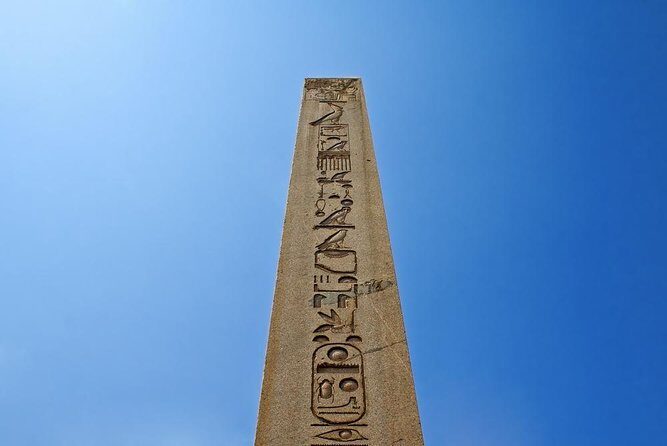
- Hippodrome relics in an open-air setting, including an Egyptian obelisk from Karnak and the serpent column.
- Topkapı Palace’s Ottoman court-life focus, built around how families lived and how ceremonies worked.
- Basilica Cistern’s Medusa head and Roman water management, all underground in one compact stop.
Starting at the German Fountain: A Morning Route That Makes Sense
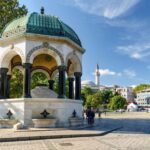
This is a classic early start—8:30 am—meeting at the German Fountain (Binbirdirek) area near At Meydanı Cd in Fatih. If you like spending your day efficiently, that start time helps you hit major sites before crowds fully thicken and keeps the tour from dragging.
It’s private, so your group sets the tempo. That matters on a day like this, because Istanbul’s historic core is dense, and you want someone to keep you moving at a human pace rather than a herd pace.
Pickup is offered, but it’s not a simple hotel-car guarantee. The plan uses public transportation since it’s described as easier and more convenient, and the guide may be able to come closer to your hotel or cruise port depending on the situation.
You can also read our reviews of more private tours in Istanbul


Hagia Sophia: Conversion History + Mosaics Under the Dome
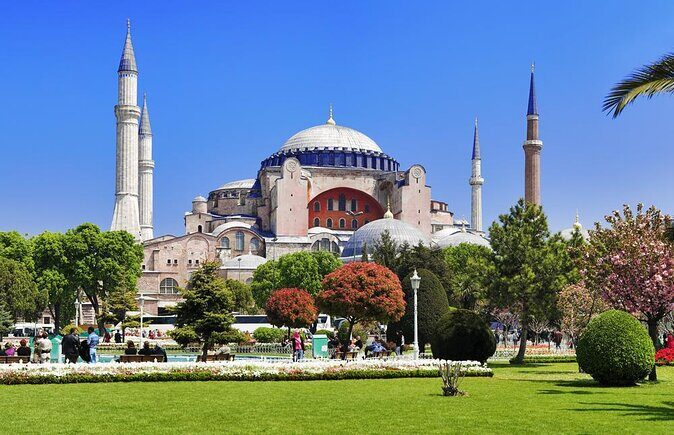
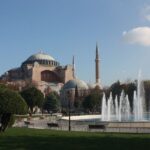
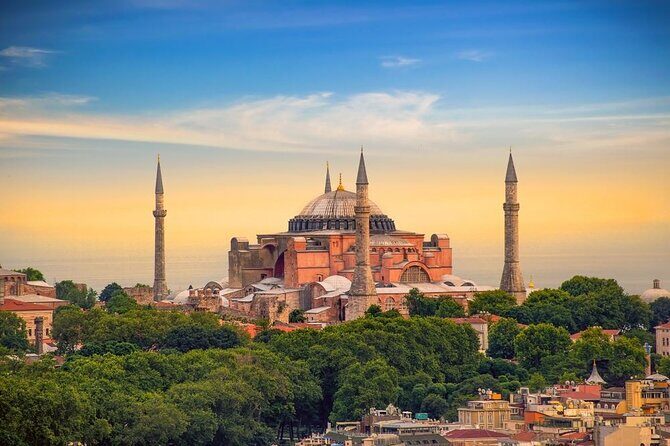
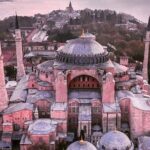
Hagia Sophia Grand Mosque is where the day really starts to click. You’re looking at a living masterpiece of the transition from the Roman era to the Byzantine age—then seeing how Ottoman Turks handled conversion and preservation. It’s not just a pretty building stop; it’s a before-and-after story you can see.
What I love here is the mosaic layer. You get the chance to see 15th-century Orthodox Christianity mosaics located underneath the first dome constructed over a basilica rectangular plan. That’s the kind of detail that makes Hagia Sophia feel like more than a single monument.
As a reality check, note that Hagia Sophia’s entrance is listed as 25 euros per person in the not-included section, even though one part of the tour description says admission ticket free. When you book, it’s smart to confirm what your guide is using for your exact entry setup so you’re not surprised at the counter.
Blue Mosque: Why It’s Called Blue and What to Look For
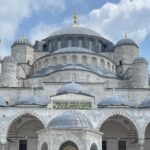
Next up is the Blue Mosque, one of the most important Ottoman-era architectural examples in the classic period. The tour’s angle here is quick but specific: you’ll get an Ottoman history brief and the reason behind the name “Blue” tied to interior tiles and hand drawings.
This is the stop where I’d tell you to slow down for a minute, even if you’re normally a “move fast” traveler. The value is in the design choices—why the colors are there, how the interior patterns work, and how the visuals support the larger historical story the guide is building across the day.
One benefit: the tour description lists admission ticket free for this stop, which helps keep the paid-entry bill under control compared to the bigger museum-style sites later.
Hippodrome: Obelisk Stories Spanning Egypt to Rome
The Hippodrome stop is short—about 30 minutes—but it packs a time-range punch. You’ll see an Egyptian obelisk from Karnak Temple and its basement, with a story that stretches from the 15th century BC of Egypt all the way to the 4th century AD in the Roman empire.
You also get the serpent column and the Hippodrome itself, all in an open-air area. That “in the air” feeling is part of the appeal: you’re not stuck in a dark indoor room trying to read tiny interpretive labels. You’re seeing big stone objects and getting the context spoken aloud.
This is one of the easiest stops to like because you can feel the timeline without needing a long attention span. It also helps you pace the day between the religious monuments above ground and the palace and cistern below.
A Galeyan Restaurant Lunch Break That Keeps the Day Moving
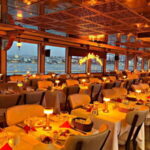
For lunch, the tour includes a break at Galeyan Restaurant or somewhere close by. Lunch itself is not included, so this is more of a practical reset than a paid meal stop.
I like this setup because it respects how the tour flows. After the big sights, you’re not wasting time hunting for food while everyone gets hungry and grumpy. You can grab something quick, fuel up, and then return to the historical pace right away.
If you’re traveling with anyone who needs specific dietary options, you’ll benefit from using the guide here. The day is private, and the guide is described as attentive and flexible about needs and pacing.
You can also read our reviews of more historical tours in Istanbul

Topkapı Palace: Ottoman Life, Management, and Ceremony
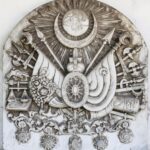
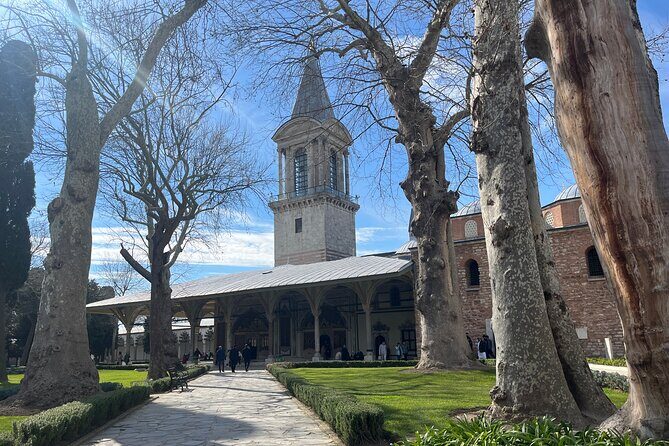
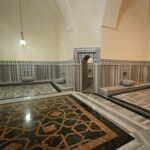
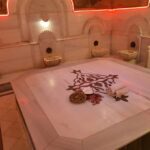
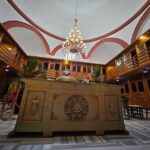
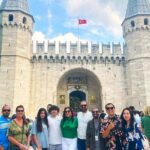
Topkapı Palace is the longest stop after Hagia Sophia—about 2 hours 30 minutes—and it’s where the day becomes distinctly Ottoman. The focus is on the fact that this palace was home to Ottoman Empire families for roughly four hundred years, and the tour visits sections by hearing stories about life, management, and ceremony heritage.
What makes this stop valuable is the angle. Instead of treating it like a generic “big palace” walk, the tour frames the places you see as part of how an empire worked—how people lived, how things were organized, and how ceremonial life had a rhythm.
This is also where you’ll want to be prepared for an additional budget line. The Topkapı Palace entrance fee is listed as 2000 Turkish Liras (about $52) and is not included. That cost is typical for a place of this size, but it’s also the main reason the tour price doesn’t cover everything.
Basilica Cistern: Roman Water Engineering and the Medusa Head
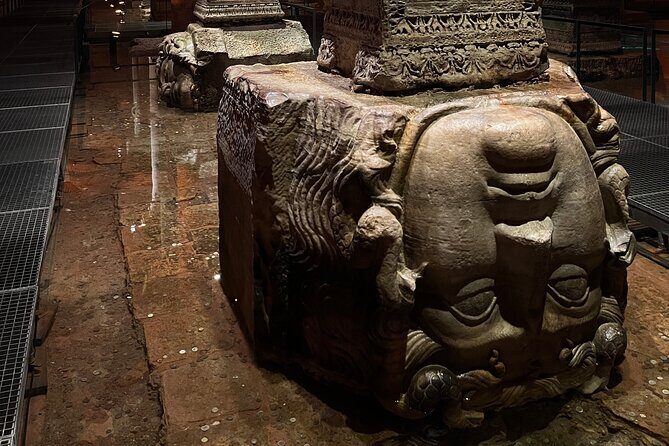
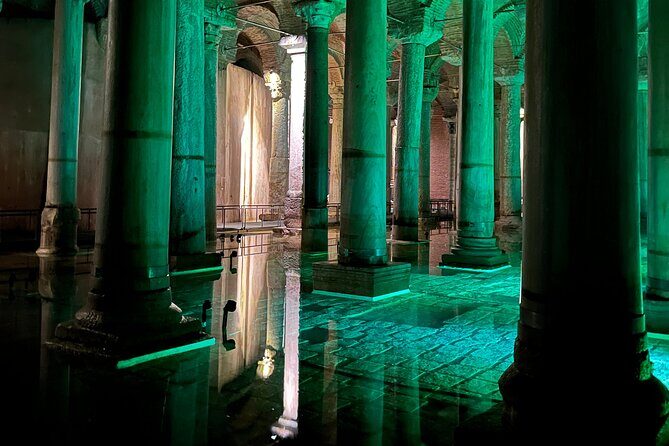
Basilica Cistern is one of those Istanbul experiences that feels almost mythic, even though the explanation stays grounded in engineering. This underground water storage is described as one of the biggest examples in the Walls of Constantinople, and the tour connects it to Roman water supply management in the 5th to 6th centuries.
Then comes the visual moment: the upside-down Marble Medusa Head. The tour frames it as a pagan-era sample, placed into this Roman water system context. Whether you’re into symbolism or engineering, it works because the room itself is cinematic.
The time here is about 30 minutes, and the entrance fee is listed as not included: 1300 TL (about $33). If you’re choosing between doing this stop or skipping it on a DIY day, this guided version is worth it for the story-to-space connection.
Price and Value: What $182.14 Buys for a Private Group
The price is $182.14 per group (up to 4) for a 5 to 6 hour tour. That structure matters. If you’re traveling solo, it’s essentially a private guide cost. If you’re traveling as a small group, it becomes one of the better ways to spread the price and still keep the day comfortable.
Also, “tour guide service” is included, while key site entrances are not. You should plan for the main extras:
- Hagia Sophia entrance listed separately (25 euros per person)
- Topkapı Palace entrance (2000 TL)
- Basilica Cistern entrance (1300 TL)
Lunch is also not included, and transportation is only coordinated through the guide and local options rather than a guaranteed hotel pickup vehicle.
So the value question becomes: do you want a guide who can connect the dots quickly and handle timing and pacing across multiple major stops? This is where the guide experience seems to score. Groups describe Ibrahim as helpful with avoiding long lines through fast track tickets when available and keeping everyone engaged with history, politics, and religion discussed in a way that works even for teens.
One more booking insight: this tour is noted as being booked on average 65 days in advance. If you want your date, especially in peak season, don’t treat this as a last-minute plan.
Getting Around and Timing: What the Plan Means for You
The tour ends back at the meeting point near German Fountain, so you’re not dealing with “now what?” logistics at the far end of the day. That’s a small detail, but it makes the day feel simpler.
There is mobile ticketing, and the tour is described as near public transportation, which matters because Istanbul’s historic areas can be easiest on foot and by tram/short hops. Pickup is flexible in concept, but the base approach is public transportation.
Weather is also a factor. The experience is described as requiring good weather, meaning you should expect that rain or poor conditions could change the plan. The upside is that weather-dependent tours tend to run best with a guide who can shift pacing when the streets get unpleasant.
Who This Tour Suits Best (and Who Might Want Something Different)
This private tour fits best if you want a guided, narrative route through the big Istanbul anchors: Hagia Sophia, Blue Mosque, Hippodrome, Topkapı Palace, and Basilica Cistern. If you like your history explained with clear connections—Roman to Byzantine to Ottoman—this format is made for you.
It’s also a good choice for families and mixed-age groups. Several accounts describe the guide as friendly and attentive with children and flexible with pacing for different interests. If your group includes teens, you’ll likely appreciate a guide who can keep the conversation going without making it lecture-mode.
If you’re the type who likes to wander freely and only stop when something catches your eye, you might find the itinerary pace a bit structured. The stops are fixed, and the guiding flow is part of the value.
Should You Book This Private Historical Peninsula Tour?
Yes—if you want a guided “greatest hits” day that still feels like more than a checklist. The combination of Hagia Sophia’s layered mosaics, Blue Mosque’s design details, Hippodrome’s stone timeline, and the underground wow-factor of Basilica Cistern is a strong set of anchors for a first or second Istanbul trip.
I’d especially book it if your group is small (up to 4), because the private-group pricing makes sense compared to piecing together multiple paid tickets and hiring guide time for each site separately. Also, the guide described here is clearly used to handling the day smoothly, including helping with line management when possible.
Just budget for entrances—Topkapı, Basilica Cistern, and Hagia Sophia are the cost drivers—and keep an eye on weather. If you’re okay with that, you’ll likely end the day feeling like you understood the big changes Istanbul went through, not just that you saw big buildings.
FAQ
How much does the private tour cost?
It costs $182.14 per group, up to 4 people.
How long is the tour?
The tour lasts about 5 to 6 hours.
Is this a private tour?
Yes. It’s private, and only your group participates.
What language is the tour offered in?
It’s offered in English.
Where is the meeting point and when does the tour start?
You meet at the German Fountain (Binbirdirek) at Meydanı Cd, 34122 Fatih/İstanbul. The start time is 8:30 am, and the tour ends back at the meeting point.
Do you get hotel or cruise port pickup?
Pickup is offered, but there’s no guarantee of a car service. The plan is described as using public transportation for convenience, with the guide possibly able to come to a hotel or cruise port depending on the situation.
Are entrance fees included for all stops?
Not all are included. Topkapı Palace entrance (2000 TL) and Basilica Cistern entrance (1300 TL) are not included, and Hagia Sophia entrance is listed separately as 25 euros per person. Blue Mosque and Hippodrome are listed with admission ticket free in the stop details. Lunch is also not included.
What if the weather is poor or I need to cancel?
The tour requires good weather. If it’s canceled due to poor weather, you’ll be offered a different date or a full refund. You can cancel for free up to 24 hours in advance for a full refund.