REVIEW · ISTANBUL
Ruins of Troy and Gallipoli: 2-Day Tour from Istanbul
Book on GetYourGuide →Operated by All Tours Istanbul · Bookable on GetYourGuide
Early history, big emotions.
This two-day run from Istanbul strings together Troy myth and Gallipoli battlefield reality in a way that stays organized and easy to follow. I especially like the tight focus on story at Troy—everything from the Trojan Horse to layered remains from Troy I through Troy IX—and the way Gallipoli is handled with clear, respectful stops for both European and ANZAC soldiers. One heads-up: you’ll spend real time on the road, and the schedule starts early.
The logistics are set up for comfort, not chaos. You ride in a no-smoking, air-conditioned coach with hotel pick-up zones, travel with an English-speaking guide, and keep the group small (limited to 18). If you hate long drives or you need wheelchair access, this won’t fit as well.
In This Review
- Key takeaways
- Two days that start before the sun
- Day 1: Troy ruins and the story behind the Trojan Horse
- Gallipoli Campaign sites: cemeteries, trenches, and equal respect
- Kilitbahir Fortress and the Dardanelles pinch point
- Overnight in Çanakkale: a practical base after a long day
- Day 2: Troy again, but with more of the city’s layers
- Price and value: what $425 per person really covers
- Guides, pacing, and what to watch for
- Who should book this Troy and Gallipoli tour?
- Should you book it?
- FAQ
- How long is the Troy and Gallipoli tour from Istanbul?
- What is the price per person?
- Where does pickup happen in Istanbul?
- What’s included in the tour price?
- Is lunch included on both days?
- What hotel do you stay at overnight?
- What languages are available for the guide?
- Is the tour suitable for wheelchair users?
- What should I bring, and what’s not allowed?
Key takeaways
- Small group (18 max) keeps the experience feeling personal instead of rushed
- English-speaking guides can bring the stories alive on both Troy and Gallipoli sides
- Full guided Gallipoli route includes major memorials and cemeteries across the peninsula
- Overnight in Çanakkale at Troia Anzac hotel gives you a real base for the second day
- Layered Troy ruins let you connect the legend to the physical city across centuries
- Kilitbahir Fortress adds the Dardanelles strategy angle at the narrowest point
Two days that start before the sun
This tour is built around two major historical sites that are far apart. That means an early morning start from Istanbul—hotel pick-ups from areas like Taksim, Beşiktaş, Beyoğlu, Şişli, and the Sultanahmet–Sirkeci–Aksaray zone. Expect an early wake-up, even if you’re on vacation mode.
The upside is timing. You’ll get to Canakkale/Eceabat area with daylight, so your Gallipoli visiting time isn’t swallowed by darkness. And because the ride is done in an air-conditioned coach, you’re not stuck negotiating buses and transfers on your own.
You can also read our reviews of more tours and experiences in Istanbul
Day 1: Troy ruins and the story behind the Trojan Horse
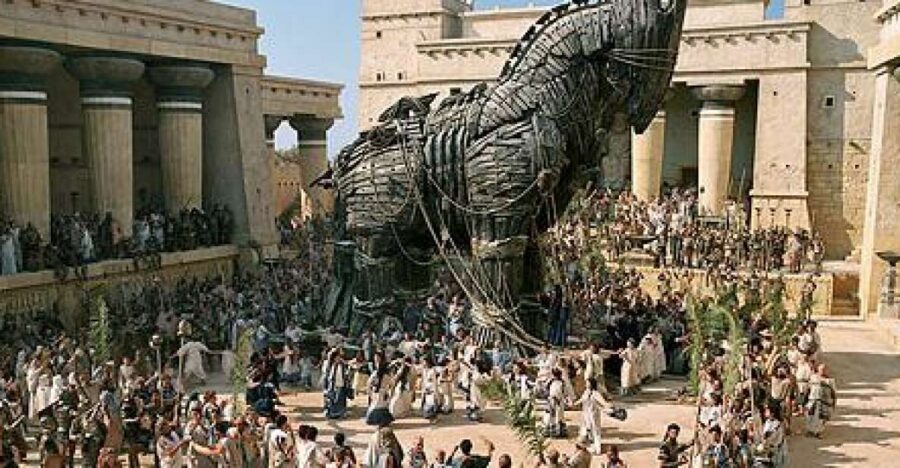
Day one is your Troy day, and it’s structured so you don’t just look at stones. You learn how the famous legend connects to the site itself—Helen, the Trojan Horse, and the big-name clash in the mythic war between Achilles and Hector.
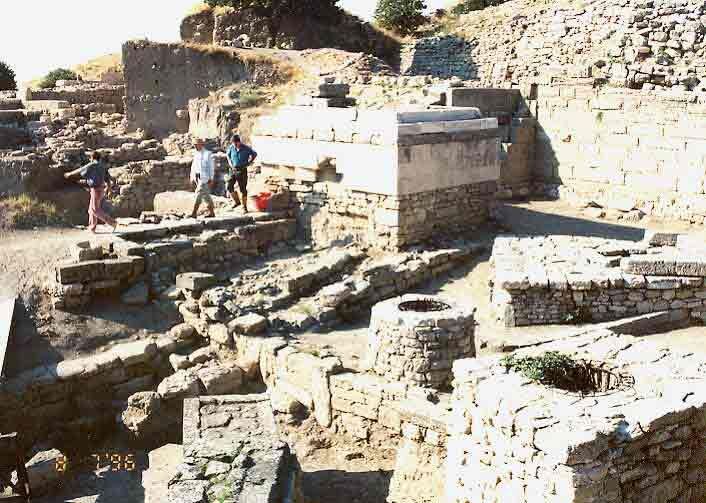
At the ruins, you’ll go through the key stops that help you visualize how the city worked. The visit includes the Trojan Horse area, the Sacrificial Altars, and the impressive 3700-year-old city walls. Even if you know the story from pop culture, seeing walls and streets makes it feel less like a bedtime tale.
Then you move into the layered city. The tour highlights Houses of Troy I (about 3000 BC–2500 BC), plus major public buildings like the Bouleuterion (Senate Building) and the Odeon (Concert Hall). The point isn’t to memorize dates. It’s to understand that Troy wasn’t one single moment—it was a series of rebuilt cities across centuries.
A practical note: Troy ruins are an archaeological site, so plan for uneven ground and lots of walking between stops. Bring sunglasses and a camera, and wear shoes that won’t punish you by midday.
Gallipoli Campaign sites: cemeteries, trenches, and equal respect
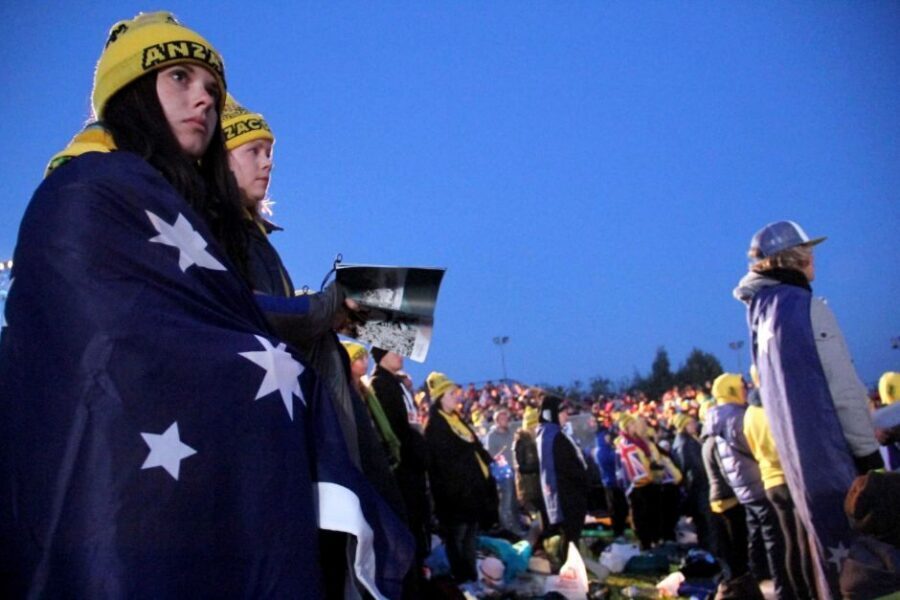
After Troy, the tour shifts tone in a big way: Gallipoli is about what happened here, not what might have happened in a myth. You’ll visit the battlefield sites of the Gallipoli Campaign, centered on April 25, 1915 and the soldiers who died defending these positions.
What I like is the way the route is set up to maintain equal respect. You’re taken through memorials and cemeteries for both sides, including sites linked to European forces and ANZAC troops. This matters because Gallipoli can easily get turned into a single-nation story if you’re not guided.
Your stop list covers many of the famous named points along the peninsula, including Brighton Beach, Beach Cemetery, ANZAC Cove, and Ariburnu Cemetery. You’ll also visit the ANZAC Commemorative Site and the Respect to Mehmetcik Statue, which is a strong way to remember the Turkish soldiers connected to the defense.
Then you’ll work through the memorials that help you place the war on a map you can actually see. Highlights include the Lone Pine Australian Memorial and Johnston’s Jolly, plus Turkish and Allied trenches and tunnels. Seeing those earthworks in person is a reality check: war here wasn’t fought on a stage with perfect lines—it was fought in cramped, harsh terrain.
Near the end of the route, you’ll visit additional key memorials such as Turkish 57. Infantry Regiment Cemetery, and the New Zealand sites, including The Nek and Chunuk Bair New Zealand Memorial. If you want your understanding of Gallipoli to feel grounded, this kind of “stop-by-stop map reading” does it better than just watching documentaries.
Kilitbahir Fortress and the Dardanelles pinch point
Gallipoli isn’t just about beaches. It’s also about geography—how control of the water route mattered. The tour includes a stop to admire Kilitbahir Fortress at the narrowest point of the Dardanelles.
That’s the kind of detail that makes the whole peninsula make more sense. You’ll start to see why both sides cared about holding and crossing these waters. It also gives you a different angle after spending the day at graves and memorials.
If you like panoramic viewpoints, this part is worth your attention. It breaks the day into a new kind of understanding: less “what happened here” and more “why this place mattered.”
Overnight in Çanakkale: a practical base after a long day
After day one, you’ll check in for the overnight in Çanakkale at Troia Anzac hotel, on a bed and breakfast basis. This is a smart setup because it keeps you from having to do more driving immediately after the emotional weight of Gallipoli.
One thing to appreciate here is that the overnight is included. That matters when you’re paying for a tour like this, because lodging in the area is often the hidden cost people forget to budget. With breakfast included, your second day is easier to handle without hunting for food early.
In general, you’ll want to plan for rest. Day one combines a guided Troy visit with a full guided Gallipoli route, and your body will notice. Bring a light layer for evening and aim to sleep. Tomorrow is another Troy day.


Day 2: Troy again, but with more of the city’s layers
Day two is a focused continuation of Troy. You’ll start with an open-buffet breakfast, then head out for your Troy tour with a pickup from your hotel.
This time the tour leans into the main architectural highlights and the multi-city feel of the site. You’ll revisit key Troy components, including the Trojan Horse, Sacrificial Altars, the city walls, and the public buildings like the Bouleuterion and Odeon. The way the stops are arranged helps you connect what you saw yesterday to what you’re seeing now.
The big theme is continuity across time. The route references the remains from Troy I through Troy IX, giving you a clear sense that the site was rebuilt again and again. That’s the difference between seeing Troy as a legend and seeing it as a real place where people lived, rebuilt, and stayed through generations.
Lunch on the second day is listed as extra, so don’t plan your day assuming it’s included. If you’re the type who likes to control food timing, bring a little snack for the ride just in case your appetite hits before lunch.
Price and value: what $425 per person really covers
At $425 per person for two days, the headline number can sound steep until you break down what’s included. You’re paying for long-distance transportation from Istanbul, guided time at two major sites, entrance fees, meals where specified, and one overnight stay.
The tour includes:
- Air-conditioned, no-smoking coach transport
- English-speaking guide
- Breakfast (hotel)
- Restaurant lunches on the first day
- Entrance fees
- Overnight accommodation on a bed and breakfast basis
You can think of the value like this: you’re not just “buying sites.” You’re buying a full structure that removes the mess of arranging transport, finding guides, and timing everything across Istanbul, Canakkale/Eceabat, and the Gallipoli peninsula.
Small group size (18 max) also has value. It means you’re more likely to get questions answered and to keep the day moving without feeling like you’re trapped with a crowd. If you’d rather pay a bit more to reduce stress, this tour fits that mindset.
Guides, pacing, and what to watch for
Pacing here is purposeful and not slow. You have early pick-ups, guided stops that encourage you to keep moving, and a full day on the Gallipoli side. That’s how you cover this much ground without turning the tour into a half-day photo safari.
Guide quality is clearly a cornerstone of the experience. The names that show up in the guide pool include people like Burak and Hassan on the Gallipoli side, and Ibrahim on the Troy side. Another guide name you may hear associated with this format is Cindy for Troy. You can’t guarantee who you’ll get, but the pattern is consistent: the storytelling and on-site explanation are a major part of the appeal.
There’s one other consideration: mobility. This tour isn’t suitable for wheelchair users, and the site walking is part of the point. If you have limited walking ability, you’ll want to think carefully before booking.
Who should book this Troy and Gallipoli tour?
This is a strong pick if you want two classic destinations done with real guidance and minimal planning. You’ll especially like it if you:
- Enjoy history that mixes legend and evidence
- Want Gallipoli presented through memorials, cemeteries, and trenches, not just viewpoints
- Prefer a small group with an English-speaking guide
- Value included lodging and meals instead of assembling the plan yourself
You might skip it if:
- You hate very early mornings and long drives
- You need wheelchair accessibility
- You want a slow, flexible pace with lots of independent time
Should you book it?
I’d book it if your priority is clarity. This tour gives you a guided way to understand Troy’s physical layers and Gallipoli’s named sites, with a format that keeps logistics from stealing your attention. The early start is real, but it pays off in daylight visiting and a guided day that feels complete rather than scattered.
If you’re excited by the mix—myth at Troy, then the weight of 1915 at Gallipoli—this is one of the more efficient ways to do it from Istanbul without turning the trip into a project.
FAQ
How long is the Troy and Gallipoli tour from Istanbul?
It runs for 2 days.
What is the price per person?
The price is listed as $425 per person.
Where does pickup happen in Istanbul?
Pickup is available from Europe-side city center hotels in these areas: Sultanahmet–Laleli–Topkapı–Aksaray–Taksim–Sirkeci and Şişli area.
What’s included in the tour price?
Included items are coach transportation, an English-speaking guide, hotel breakfast, restaurant lunches on the first day, entrance fees, and overnight accommodation on a bed and breakfast basis.
Is lunch included on both days?
Lunch is included on the first day at restaurants. Lunch on the second day is listed as extra.
What hotel do you stay at overnight?
Overnight accommodation is at Troia Anzac hotel.
What languages are available for the guide?
The tour is guided in English.
Is the tour suitable for wheelchair users?
No, it is not suitable for wheelchair users.
What should I bring, and what’s not allowed?
Bring a passport or ID card, sunglasses, and a camera. Pets are not allowed.