REVIEW · ISTANBUL
Tour of Byzantine and Constantinople in Istanbul
Book on Viator →Operated by Magic Way Travel · Bookable on Viator
The Byzantine walls of Istanbul can feel like a story you can walk through. This 6-hour route takes you from the Golden Gate approach to Constantinople-era churches and palace remains, then into Fener and Balat’s old streets. You get a strong sense of how the city defended itself, worshiped, and lived—without spending the whole day in the biggest crowds.
I especially love the focus on the fortifications. Seeing the castle walls and the defensive walls in a guided flow makes the city’s geography click fast. I also like the private tour feel, with hotel pickup and an English-speaking guide who can adjust the tempo to your interests.
One thing to keep in mind: the schedule mixes big, meaningful stops with shorter neighborhood time. If you want only the most famous Byzantine sights, you may find that a couple of the less-monument-heavy segments feel lighter than you hoped.
In This Review
- Key highlights
- Byzantine Walls Start at Yedikule Fortress and the Golden Gate Approach
- The Walls of Istanbul: A Short Stop That Can Still Change Your Perspective
- Vlaherna Meryem Ana Church and the Meaning Behind Sacred Water
- Tekfur Sarayi (Tekfur Palace): A Byzantine Palace Near the Golden Horn
- Fener and Balat: Historic Neighborhoods, Not Just More Sights
- Guides Matter: Emre, Yunus, and Yesil as a Big Part of the Value
- Price and What You Actually Get for $230
- Best for: Who This Tour Suits Most
- Small Practical Tips to Make the Day Feel Easy
- Should You Book This Byzantine and Constantinople Tour?
- FAQ
- How long is the Byzantine and Constantinople tour in Istanbul?
- What time does the tour start, and is pickup included?
- Is this tour private or shared with other people?
- What language is the tour offered in?
- Which stops include admission tickets, and which are free?
- How does the mobile ticket work?
- Is there a cancellation option if plans change?
Key highlights
- Yedikule Fortress and the Golden Gate entry: A classic Byzantine castle setting with strong defensive-wall views.
- The city walls by land and sea: A quick hit that still helps you understand how Constantinople protected itself.
- Vlaherna Meryem Ana Church: One of the oldest churches connected to the Virgin Mary, including references to sacred bath/holy water.
- Tekfur Sarayi (Tekfur Palace): Byzantine palace remains that are now a museum stop near the Golden Horn.
- Fener and Balat neighborhoods: Walk through historic streets shaped by Greek, Bulgarian, and Armenian communities, and an Orthodox setting.
Byzantine Walls Start at Yedikule Fortress and the Golden Gate Approach
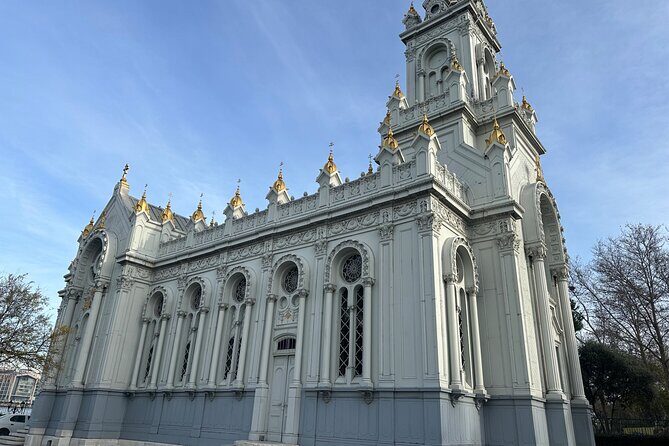
Your day starts with pickup and a clean, practical plan: you’re not trying to navigate the city’s edges on your own before you’ve even had coffee. Once you reach the Yedikule Fortress area, you’re in the zone where Byzantine Istanbul still feels like a defensive machine.
This stop centers on the main castle and the west-side fortifications connected with the Golden Gate approach. You also get time to look along the walls and see how seawalls and defense walls worked together. The site is described as built in 390, which is exactly the kind of timeline you want when you’re learning how Constantinople grew into its role as an imperial capital.
What I like most here is that the fortress isn’t just a photo point. It’s a place where you can understand why the city mattered to everyone who wanted control of the peninsula. The views from the walls help you picture movement—approaches by land, and also how the sea side mattered.
Practical note: plan on steady walking and standing. Even with a guide, your legs will do some of the education.
You can also read our reviews of more tours and experiences in Istanbul.



The Walls of Istanbul: A Short Stop That Can Still Change Your Perspective
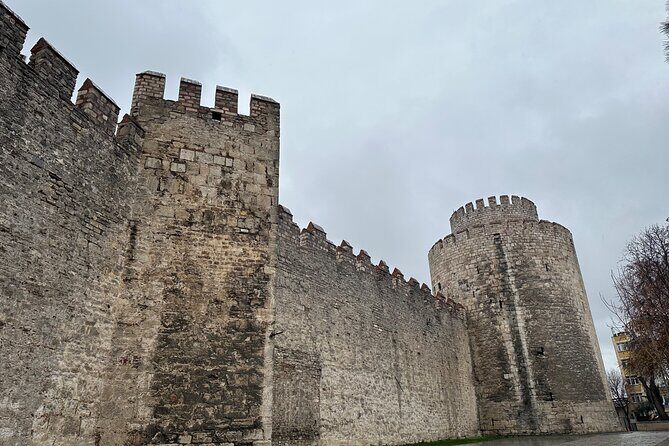
After Yedikule, you’ll get a quick look at the Walls of Istanbul—seawalls and landwalls—described as built in 390. This portion is intentionally brief, around 10 minutes, and ticket entry is free for this stop.
Here’s the trick: even a short segment works if you know what you’re trying to notice. If your guide points out the wall lines and the defensive logic, your brain starts linking the route. You begin to see how Constantinople could slow an invasion and funnel it toward predictable choke points.
If you’re the type who likes to take slow photos and read every plaque, you might wish you had more time. But if you want the big story—the how and why—this quick stop can actually keep your day from dragging.
Vlaherna Meryem Ana Church and the Meaning Behind Sacred Water
Vlaherna Meryem Ana Church is a very different pace from the fortress walls. This is about sacred space, oldest-and-holy reputation, and ritual associations tied to the Virgin Mary. The church is described as built in 457 and connected to the holy mantle and robe.
You’ll have about 30 minutes here, and access is free. The highlight is the church’s importance around sacred bath and holy water—because it’s not only architecture. It’s also meaning. You get a chance to understand why people came here long after the empires shifted.
A respectful heads-up from what I’ve seen and heard from participants: churches can have strict security rules. If you’re visiting with religious attire or religious intent, be ready to follow instructions on what’s permitted. One Orthodox Christian priest raised concern about feeling uncomfortable due to church security practices and restrictions on dress and prayer. Even if your experience is smooth, I’d treat this as a real possibility and plan accordingly: dress modestly, be patient, and let the guide handle questions calmly.
Tekfur Sarayi (Tekfur Palace): A Byzantine Palace Near the Golden Horn
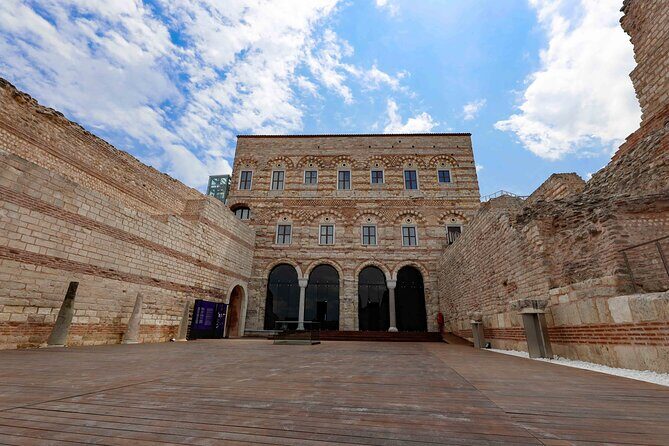
Tekfur Sarayi is one of the most satisfying switches in the itinerary. One moment you’re reading the city’s defense lines; the next, you’re in a palace setting that connects Byzantine rule to later Ottoman reuse. This palace is described as built in 490 by the Byzantine Empire and used as a main palace for several years after—before the conquer. Today, it’s presented as a museum.
You’ll get about 1 hour and admission is included. Located near the Golden Horn, the setting helps. Even if you’re not staring at the horizon the whole time, being near the water gives scale to the Golden Horn story.
What you’ll likely appreciate most is how the stop gives you a sense of everyday imperial life, not only warfare. Fortresses teach defense. Tekfur Sarayi teaches residence.
If you’re a detail person, you’ll want your guide to point out the parts that make it feel Byzantine rather than just old stone. If your guide keeps things at a fast pace, it can feel like you’re sightseeing without enough interpretation. I’d choose this tour expecting that explanation will matter here—because Tekfur Sarayi rewards attention.
Fener and Balat: Historic Neighborhoods, Not Just More Sights
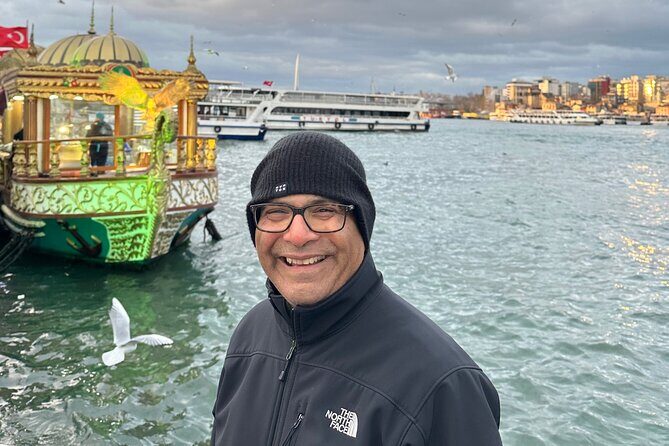
Then the tour shifts into old neighborhoods, and that’s where it becomes more than a museum walk.
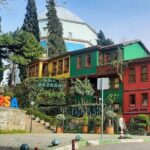
Fener is described as one of the oldest authentic spots in the city, with old Greek, Bulgarian, and Armenian houses and streets. You’ll get about 1 hour and the stop is free. In Fener, I love that the guide can frame the neighborhood like a lived-in history lesson. You’re not only looking at buildings; you’re looking at streets that shaped community life.
Balat follows with about 1 hour in an Orthodox neighborhood described as full of monuments, churches, houses, and shops. Again, free entry. Balat is the kind of place where even if you’re not stopping at every doorway, you’re absorbing the texture: the mix of religious and domestic spaces, plus the way the area keeps its identity.
A practical consideration: neighborhoods mean uneven sidewalks and more time spent walking without big-ticket attractions. Wear shoes you trust and bring water. This is also a good time to ask your guide to slow down or emphasize what you care about—church architecture, neighborhood history, or just where to look for the most character.
If you’re hoping for maximum landmark intensity only, this segment might feel less direct than fortress-and-palace stops. But if you want Constantinople to feel like a real city, Fener and Balat are where that feeling takes root.



Guides Matter: Emre, Yunus, and Yesil as a Big Part of the Value
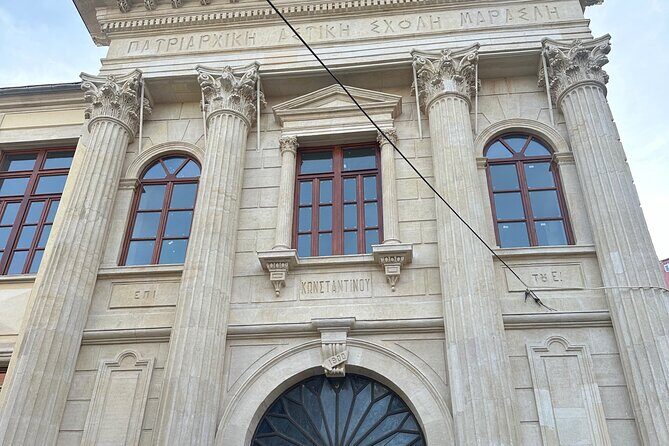
This tour’s reputation really connects to guide quality. Names like Erme/Emre, Yunus, and Yesil came up as guides who were personable, flexible, and able to answer questions clearly.
Emre is described as conscientious and easy to talk to—articulate, knowledgeable, and responsive to personal interests. Yunus is described as allowing the pace to stay close to what you want, with a good mix of information and time to explore. Yesil is highlighted for history handling and strong English.
Here’s the practical lesson for you: if your interest is strict Byzantine history, ask your guide early to focus more on wall logic and palace context. If you want a balanced day, ask for free-time emphasis in Fener and Balat. Guides who can adjust the route make a huge difference in a 6-hour format.
Price and What You Actually Get for $230
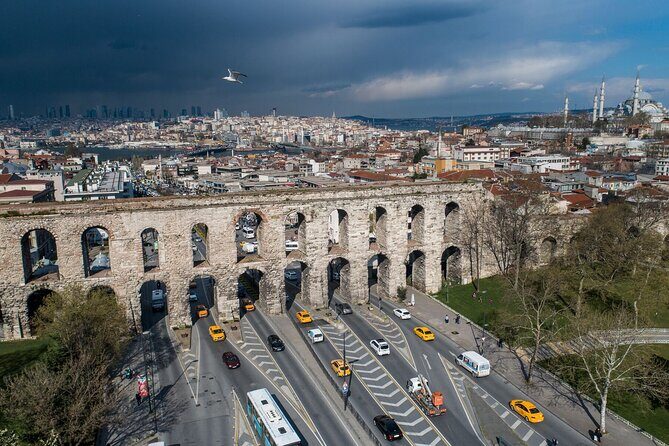
At $230 per person for about 6 hours, the value depends on what you’re looking for.
You do get solid inclusions that help justify the price:
- Hotel pickup (the meeting point is handled with pickup from your hotel or address)
- English-speaking guide
- Private tour setup where only your group participates
- Mobile ticket
- Admission included for the main paid stops (Yedikule Fortress and Tekfur Sarayi)
You also get free-entry stops for parts of the route, including the Walls of Istanbul, Vlaherna Meryem Ana Church, Fener, and Balat. That mix can feel smart: you pay for the places where entry is meaningful and organized, then you walk and interpret the neighborhoods without double-paying for every segment.
One note: some people can prefer a tighter, shorter sequence with fewer stops. If you know you want only fortress and palace-level sites, you might still enjoy this tour—but I’d go in expecting a variety of pacing.
Best for: Who This Tour Suits Most
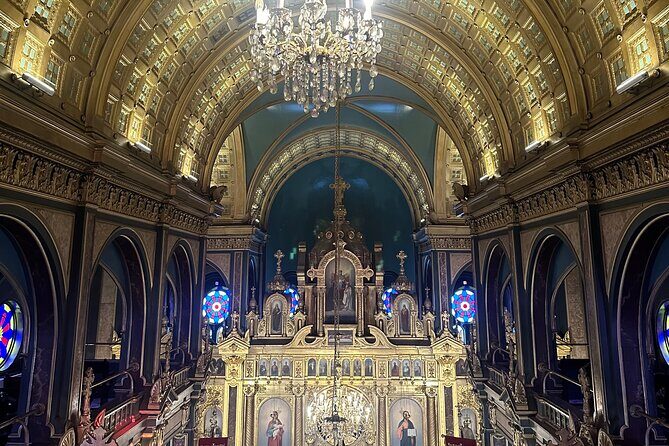
This experience fits best if you want:
- Byzantine Istanbul beyond the postcard highlights, with an emphasis on fortifications and imperial sites
- A route that includes both landmark buildings and the texture of older neighborhoods
- A guide-driven day where you can ask questions and adjust pacing
It’s also a good match if you don’t want to spend your limited time in Istanbul hopping between far-apart locations without context. The route is already built to connect ideas: defense (walls and fortress), sacred space (church), power (palace), and community life (Fener and Balat).
If you strongly prefer only churches or only palaces, you can still take this tour, but you may have to decide which segments you care about most and use your guide to steer time toward them.
Small Practical Tips to Make the Day Feel Easy

To keep the day enjoyable, I’d plan around three realities: walls mean walking and standing, churches mean rules, and neighborhoods mean you’ll want comfortable footwear.
- Bring water and something light to snack on, especially if you’re sensitive to long gaps between seats.
- Wear shoes with good grip. Stone paths and older streets can be slippery.
- If religion and church etiquette matter to you, dress modestly and follow security instructions without arguing. If anything feels unclear, ask your guide to handle questions first.
Also, start time is 10:00 am, so you’ll get good daylight for wall views and better energy for the afternoon neighborhood walk.
Should You Book This Byzantine and Constantinople Tour?
I think you should book this tour if you want a guided route that connects major Byzantine leftovers—walls, fortress, sacred church, and palace—then rounds out the story with Fener and Balat’s street-level character. The strongest payoff is the feeling that the city’s defense and daily life are part of the same big story.
You might skip it if you want a very tight list of only the biggest monuments with long sit-down time at each. This day has variety, and not every stop will hit the same way for every taste.
If you do book, send a note with your interests (walls, Tekfur Sarayi, church history, or neighborhood walking). With guides like Emre/Erme, Yunus, and Yesil highlighted for flexibility and English, you’ll likely get the most out of that 6-hour window.
FAQ
How long is the Byzantine and Constantinople tour in Istanbul?
The tour lasts about 6 hours.
What time does the tour start, and is pickup included?
It starts at 10:00 am, and pickup is offered from your hotel or address.
Is this tour private or shared with other people?
This is a private tour/activity, so only your group participates.
What language is the tour offered in?
The tour is offered in English.
Which stops include admission tickets, and which are free?
Admission ticket is included for Yedikule Fortress and Tekfur Sarayi. Stops like the Walls of Istanbul, Vlaherna Meryem Ana Church, Fener, and Balat are listed as free.
How does the mobile ticket work?
A mobile ticket is included as part of the experience.
Is there a cancellation option if plans change?
Yes. Free cancellation is available, with a full refund if you cancel up to 24 hours before the experience starts.