REVIEW · ISTANBUL
Traditional Home Cooking with a Local in İstanbul City Center
Book on Viator →Operated by Lokal Bond · Bookable on Viator
If Istanbul food could sound like a laugh, it would. This 4-hour, small-group experience pairs a walk through local shops in Kurtuluş with hands-on cooking in a real home kitchen. You’ll shop for ingredients like spices, pickles, and meze staples, then cook and eat a multi-course meal family-style.
Two things I really like about it: you get both the market tour and the cooking, so the flavors make sense before you even start chopping; and the meal is built around everyday Turkish home dishes like lentil soup, salads/meze, pilaf or börek, vegetable dishes, and a pumpkin dessert with tahini. One consideration: you’ll be walking around a neighborhood before you cook, and the class is in a home setting, so wear comfortable shoes and be ready for a bit of day-to-day realism.
In This Review
- What Makes This Cooking Class Work So Well
- Key Highlights You’ll Feel During the Day
- Market Walk in Kurtuluş: Where Turkish Flavor Starts
- Meeting Gülşah’s Kitchen: Family-Style Cooking, Not a Show
- The dishes you’ll likely make
- The Cooking Lessons That Actually Transfer to Your Kitchen
- If you have dietary needs
- Why the Meze and Salad Stop Isn’t Just an Add-On
- Turkish Coffee and Dessert: The Ending That Feels Complete
- Group Size, Time, and Practical Comfort
- Where it starts and ends
- What’s included vs not included
- Value Check: Is $80 a Good Deal for Istanbul Home Cooking?
- Who This Experience Fits Best
- Quick Tips Before You Go
- Should You Book This Istanbul Home Cooking Experience?
- FAQ
- What is the duration of Traditional Home Cooking with a Local?
- Where does the experience start and where does it end?
- Is the tour offered in English?
- How big is the group?
- What’s included in the price?
- What is not included?
- What can I expect to cook and eat?
- Is there a place to buy food or ingredients during the market tour?
- Are service animals allowed?
What Makes This Cooking Class Work So Well
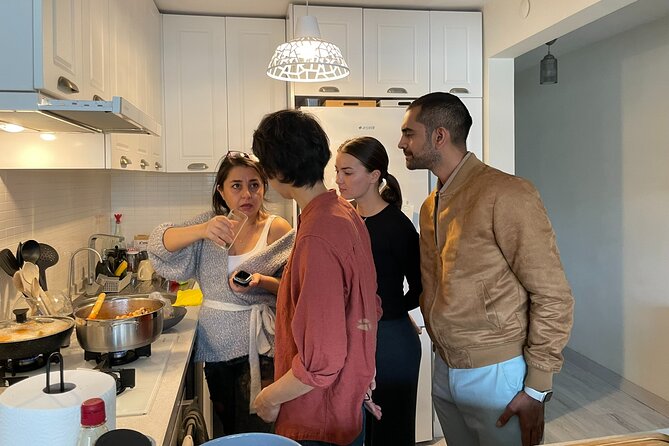
The experience is built around small-group warmth, not a factory-style schedule. You cook with guidance, share conversation at the table, and leave with recipes you can realistically repeat, not just photos.
Also, you’re not stuck in a tourist bubble. The stops focus on what locals buy for daily life, which makes the food feel less like a show and more like a way people actually eat.
Finally, you’re paying for more than “instruction.” The price includes dinner, cooking materials and ingredients, a local market tour, and Turkish coffee/tea plus dessert, so the value is strong if you want the full story from market to table.
Key Highlights You’ll Feel During the Day
- Kurtuluş market shopping: spices, pickles, bread, and produce from local shops, not generic souvenir stands.
- Small group size (max 5): easier conversation and more hands-on time in the kitchen.
- Home-cooked menu style: soup, meze or salad, pilaf or börek, vegetable dishes, and dessert with tahini.
- Clear, practical teaching: you learn the little tricks and stories behind dishes, not just steps.
- Warm hospitality at the pace of a friend: lots of conversation, plus thoughtful help when conditions get rough.
- Turkish coffee and dessert included: the meal ends the way a proper home dinner does.
You can also read our reviews of more tours and experiences in Istanbul.


Market Walk in Kurtuluş: Where Turkish Flavor Starts
The day begins in the Kurtuluş area, a central neighborhood with character and everyday rhythm. You’ll move through a mix of spice shops, produce stalls, family-run charcuteries, and local bakeries. It’s a simple idea with a big payoff: you taste the logic of Turkish cooking while you’re still in the ingredient world.
You also learn to shop like a local. That means noticing the types of spices used for warm, savory dishes; seeing how pickles and meze ingredients get treated like pantry essentials; and understanding what’s worth buying fresh versus what you rely on for texture and flavor. Even if you’ve cooked Turkish food before, the ingredient shopping helps you refine what you think you know.
What to watch for: this part involves walking and standing. Go in with comfortable shoes and a light layer. If weather turns, you’ll still keep moving, because the point is the neighborhood’s daily life, not a scripted studio environment.
Meeting Gülşah’s Kitchen: Family-Style Cooking, Not a Show
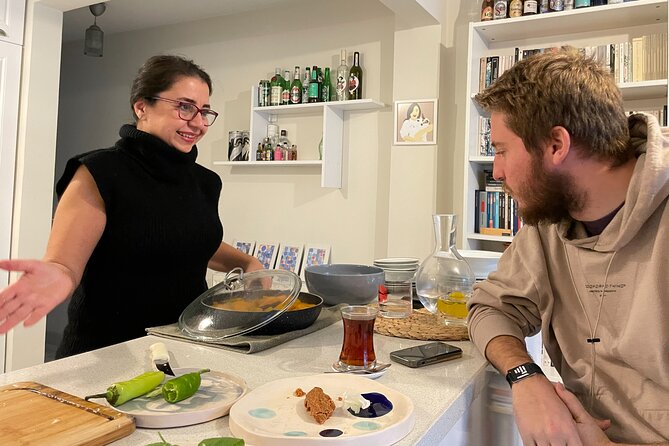
After the market, you head to the home kitchen. The setting matters. In a home space, you cook at the pace of conversation, not the pace of a large commercial classroom. It tends to feel like you’ve been invited for dinner and asked to help, which is exactly how this experience is designed.
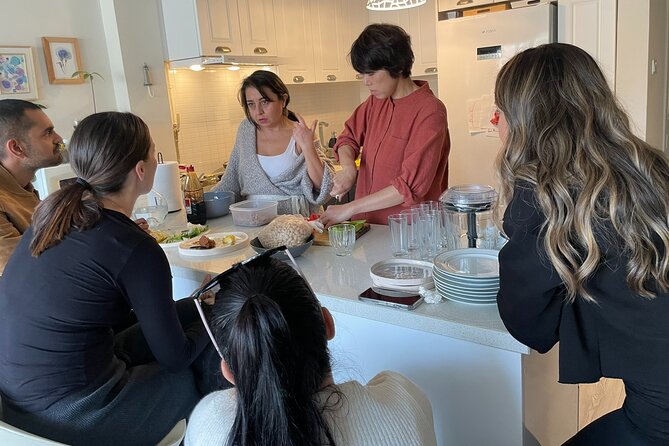
You’ll cook together as a group, with a host who explains dishes and encourages you to participate. Based on the menu examples and the cooking options, you can expect a blend of classics such as lentil soup (lentil or yogurt soup versions), a fresh salad or meze, and a main built around pilaf, börek, or seasonal vegetables. The menu can shift, but the style stays consistent: practical home cooking with recognizable Turkish flavors.
The dishes you’ll likely make
What makes this class so useful is that it mixes “core comfort” dishes with the kind of mezze that makes Turkish tables feel generous. You might work on:
- Soup: lentil soup or a yogurt-based soup
- Starter: salad or meze (cold, fresh, and aromatic)
- Main: pilaf or börek (rice/bulgur flavor or pastry work)
- Vegetable dish: seasonal vegetables prepared in a traditional Turkish way
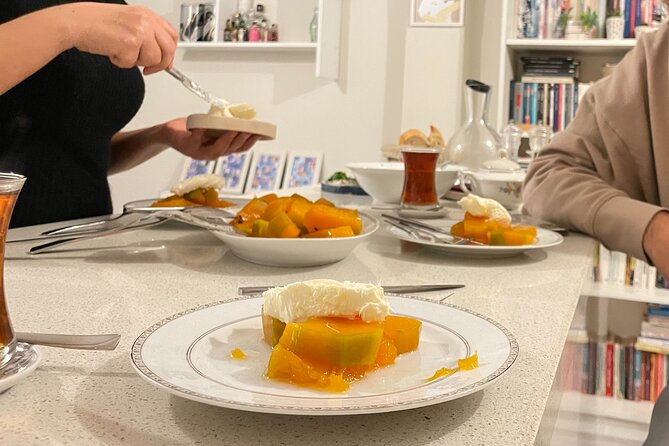
- Dessert: Turkish pumpkin dessert with tahini
You might also hear about or make variations such as kuru fasülye, karniyarik, or dolma, plus bulgur or rice dishes. The important bit for you is not the exact menu. It’s the method: how to build flavor step by step, how textures come from correct timing, and how Turkish food often balances warm mains with cool starters.
The Cooking Lessons That Actually Transfer to Your Kitchen
This type of class is at its best when the teaching is practical. And that’s the theme here: you get guidance that helps you repeat the results later, whether you’re an absolute beginner or someone who cooks often.
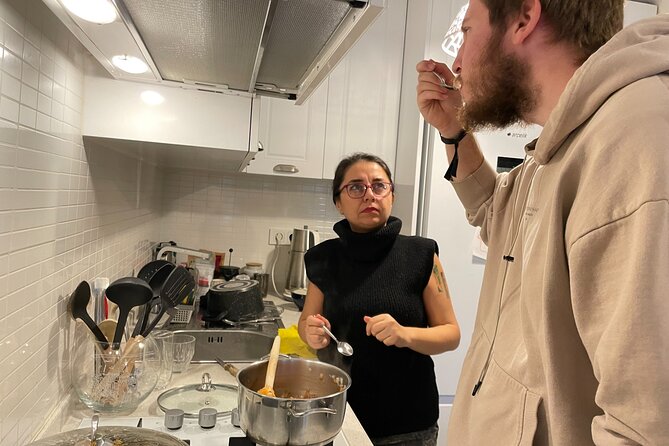
A useful detail: the host doesn’t just give directions. She explains the stories and tricks behind dishes. That matters because Turkish home cooking often depends on small decisions: the way spices are handled, how you season, and what you expect a dish to look like before you move on.
In the home setting, you also learn by doing. You chop, stir, and plate as you go, so it’s not passive watching. People in the kitchen can ask questions naturally, and that changes the experience from memorizing steps into actually understanding the dish.




If you have dietary needs
The experience is flexible in the way it’s taught. There’s mention of being considerate of vegetarian dietary wishes, so if you’re flexible about what course changes, you can likely find a comfortable version of the menu. Still, since your specific menu isn’t guaranteed in the data, it’s smart to message your dietary details when you book.
Why the Meze and Salad Stop Isn’t Just an Add-On
Meze is a big deal in Turkey, and in this experience it’s treated like more than a snack. The included starter is a cold appetizer bursting with Turkish flavor, typically either a salad or meze. This is where you learn how Turkish tables stay bright and balanced, especially alongside warm mains.
You’ll work with freshness: tomatoes, cucumbers, yogurt bases, herbs, and spice-forward flavors that don’t rely on heavy sauces. The practical value for you is that these starters translate well at home. They don’t require special equipment. And they teach you how to build flavor without hiding it.
Turkish Coffee and Dessert: The Ending That Feels Complete
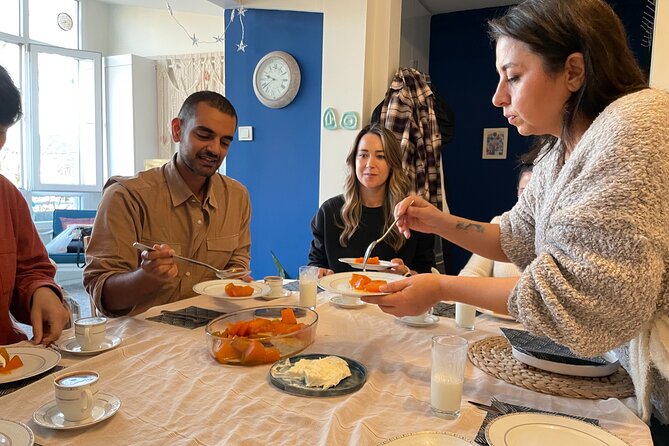
Dinner wraps with Turkish coffee and dessert. The dessert listed is Turkish pumpkin dessert with tahini. Even if you’re not sure you’ll like pumpkin in dessert form, the tahini connection is a hint at why this works: nutty richness plus sweetness plus spice-level warmth.
Turkish coffee is included too. This is one of those cultural details that makes the whole day feel like an actual Turkish home evening, not a timed activity. It also gives you a calm moment after cooking, when you can talk, ask more questions, and compare notes on what you liked most.
Group Size, Time, and Practical Comfort
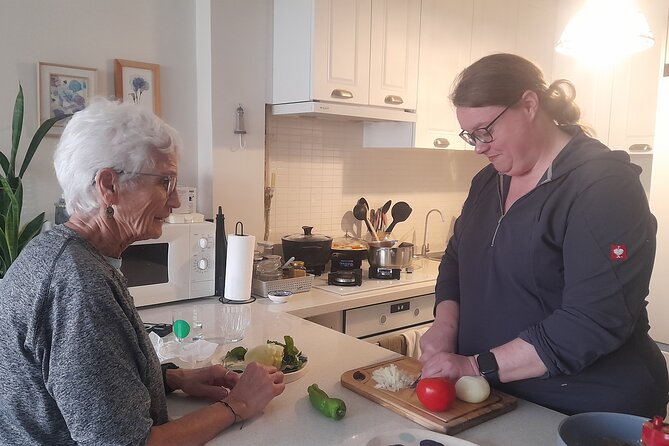
This is designed for a maximum of 5 travelers, and that small cap changes everything. You’re not pushed through in a long line. The host can answer more questions, and you get enough kitchen time to feel you truly made the food.
The duration is about 4 hours. In practice, that’s enough time to shop, cook, eat, and still have real conversation. If your schedule is tight, this is one of the easier Istanbul food experiences to fit in without feeling rushed.
Where it starts and ends
You meet at Ramada Plaza by Wyndham Istanbul City Center in Şişli (Ergenekon area). The activity ends back at the meeting point, so you’re not left figuring out transportation after dinner.
What’s included vs not included
What you do get (included) matters for your budgeting:
- Dinner
- Cooking materials and ingredients
- Local market tour
- Authentic Turkish dessert
- Coffee and/or tea, including Turkish coffee
What’s not included:
- Tips/gratuities
- Purchases you make during the market tour
- Private transfer (available on request)
- Alcoholic beverages
For value: the $80 price makes more sense because ingredients and the full meal are part of the deal. You’re paying for the host’s time, the market experience, and the dinner components, not just “a cooking class.”
Value Check: Is $80 a Good Deal for Istanbul Home Cooking?
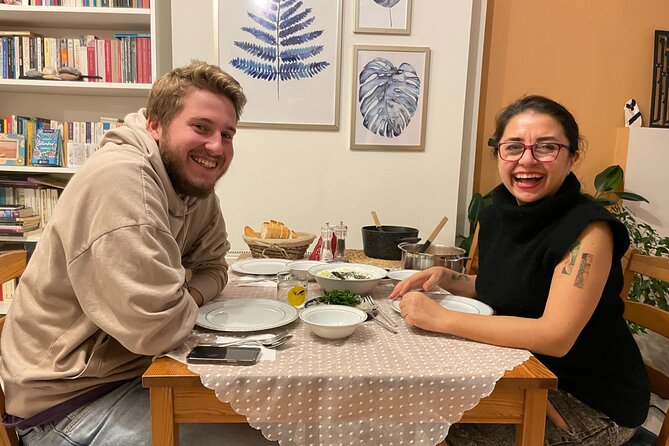
At $80 per person for about 4 hours, the value really depends on what you’re trying to get from Istanbul.
If you only want a meal, there are cheaper ways to eat. But if you want three things together—market shopping, hands-on cooking, and a full dinner with dessert and coffee—the package is more fair. You’re also learning ingredient choices and techniques you can reuse.
You’re not in a huge tour group, either. That small-group setup means the experience isn’t watered down, and you can actually follow what’s happening in the kitchen.
My take: this is best value for food lovers who care about how dishes are built, and for people who want a real local home meal instead of a commercial production.
Who This Experience Fits Best
This is a strong match if you:
- Love Turkish food and want to understand the ingredients behind it
- Want a more personal experience than a big group cooking tour
- Enjoy conversation as much as cooking
- Like cooking lessons that lead to dishes you can repeat at home
It also works well for solo travelers because you’re paired with up to a couple of other guests in the small group structure. And if you’re a beginner cook, this class style tends to feel forgiving: you’re guided while you do real steps, not stuck with expert-level tasks.
Quick Tips Before You Go
- Bring a jacket and comfortable shoes. You’ll be out walking around the neighborhood first.
- If you’re vegetarian or have preferences, flag that when you book so the menu can be adjusted as needed.
- The market tour includes local shops, so you might want to carry a card or some cash in case you see something you genuinely want to buy.
- Save your appetite for dinner. This isn’t a quick snack stop. It’s a full meal.
Should You Book This Istanbul Home Cooking Experience?
Book it if you want the best kind of souvenir: a handful of meals you can make later, plus the feel of a neighborhood evening in Istanbul. The market-to-home structure, the small group size, and the inclusion of dinner, dessert, and Turkish coffee/tea make it feel complete rather than rushed.
Skip it only if you hate walking in local neighborhoods or if you’re looking for a purely sightseeing-heavy day. This is a food-and-people experience, and that focus is exactly what makes it work.
If you want to eat Istanbul like you belong there for a night, this one is a very strong choice.
FAQ
What is the duration of Traditional Home Cooking with a Local?
It runs for about 4 hours.
Where does the experience start and where does it end?
You start at Ramada Plaza by Wyndham Istanbul City Center (Şişli) and the activity ends back at the meeting point.
Is the tour offered in English?
Yes, the experience is offered in English.
How big is the group?
The maximum group size is 5 travelers.
What’s included in the price?
Dinner, cooking materials and ingredients, the local market tour, an authentic Turkish dessert, and coffee and/or tea (including Turkish coffee) are included.
What is not included?
Tips/gratuities, anything you buy during the market tour, private transfer (available on request), and alcoholic beverages are not included.
What can I expect to cook and eat?
You’ll shop in local markets and cook Turkish dishes with a menu that can include soup, a salad or meze, a main such as pilaf or börek, a vegetable dish, and Turkish pumpkin dessert with tahini. Turkish coffee and/or tea are included.
Is there a place to buy food or ingredients during the market tour?
The tour includes a market walk, and you may buy items during that time, but those purchases are not included in the price.
Are service animals allowed?
Yes, service animals are allowed.