REVIEW · ISTANBUL
Turkey 09 Days Tour
Book on Viator →Operated by Look Vacations Ltd · Bookable on Viator
Istanbul to Cappadocia in one trip can work. This 9-day Turkey circuit is built around big-name highlights—Istanbul’s imperial landmarks, then on to Ankara, Cappadocia’s rock-carved churches, Pamukkale’s travertines, and ancient sites like Ephesus and Troy. It’s a shared-group tour (max 35 people) with professional guides, plus private transport between stops and a flight from Istanbul to Ankara to cut down on wasted time.
I love that the itinerary mixes included guided time with smart “free and photo stop” moments, so you’re not stuck listening nonstop. I also like the value shape: pre-booked 4-star hotels plus a bundle of meals and admissions (many of the headline sites have tickets included).
One thing to consider: the pace can feel intense because Turkey’s top sights are spread out. Long road transfers are part of the deal, and Istanbul nights can be noisy depending on where your hotel sits—so pack patience along with your camera gear.
In This Review
- Key points I’d mark before you book
- The route and pace: why this itinerary feels efficient
- Istanbul day one: the royal sights at Topkapı, Hagia Sophia, Blue Mosque, and the Hippodrome
- Ankara on the itinerary: Anıtkabir and the Anatolian Civilizations Museum
- Cappadocia essentials: Kaymaklı underground city, Göreme open-air churches, and Uçhisar photos
- Konya-area culture: Mevlana Museum and the Seljuk caravanserai at Sultanhanı
- Pamukkale and Hierapolis: travertines plus the ancient Roman layer
- Ephesus: walking marble streets and standing in the middle of a story
- From Asklepion to Troy: healing myths and Homer’s legendary town
- Gallipoli strait: ferry photos and a quick transfer back toward Istanbul
- Your final Istanbul day: Bosphorus cruise, Spice Market, Galata Bridge area, Taksim, and Beylerbeyi Palace
- Price and hotel value: what $1,550 buys you in real terms
- Guides and group flow: why names like Hesna and Caner Kasapci matter
- Shopping stops: bazaars and leather time without derailing your day
- Upgrades: hot-air balloon ride and a more private feel
- Who this tour suits best (and who should skip it)
- FAQ
- What languages is the tour offered in?
- Do I get picked up from the airport or my hotel?
- How many people are in the group?
- What time does the tour start each day?
- Are hotels included, and what star level are they?
- Are meals included?
- Is a flight included from Istanbul to Ankara?
- Can I upgrade to a hot-air balloon ride or a private experience?
- What’s the cancellation window for a full refund?
- Should you book this Turkey 09 Days Tour?
Key points I’d mark before you book
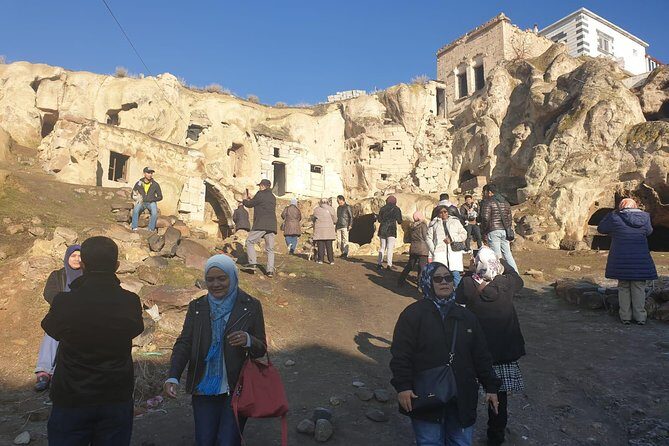
- Guided highlights across multiple regions: Istanbul, Ankara, Cappadocia, Konya area, Pamukkale, Ephesus, Troy, Gallipoli area, and back to Istanbul.
- Private transportation between stops with parking handled, so you spend less time figuring logistics.
- 4-star hotel stays for 8 nights plus breakfast, lunch, and dinner included on set days.
- Many major entry tickets included, but not every site (like Anitkabir).
- A small-group feel with a cap of 35 travelers.
- Optional upgrades for a hot-air balloon ride or a more private experience.
The route and pace: why this itinerary feels efficient
You start in Istanbul, then you’re flying to Ankara so you don’t lose a day to slower overland travel. After Ankara, the tour swings into Central and Western Turkey: Cappadocia for the strange rock landscapes, the Konya area for Mevlana Rumi culture, then down to Pamukkale and onward to Ephesus. After that comes Troy and the Gallipoli strait area (mostly ferry views), finishing with Bosphorus cruise and Ottoman-era palaces back in Istanbul.
This works best if you want breadth. In less time than a slower self-paced trip, you get a strong “greatest hits” overview. The tradeoff is stamina: you’ll spend more hours on the road than if you were based in one or two cities and took day trips.
You can also read our reviews of more tours and experiences in Istanbul.

Istanbul day one: the royal sights at Topkapı, Hagia Sophia, Blue Mosque, and the Hippodrome
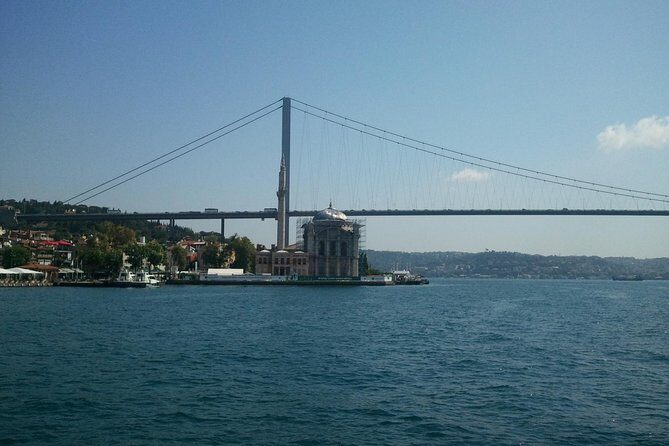
On your first full Istanbul tour day, the focus is the classic Sultanahmet cluster—where empire buildings crowd together and every corner feels like it has a story behind it.
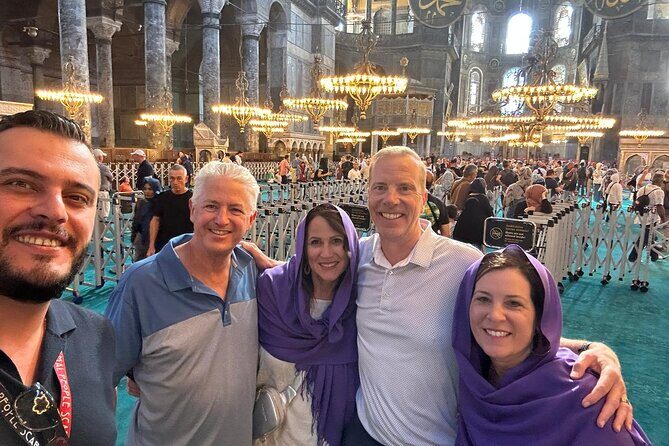
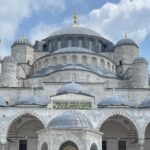
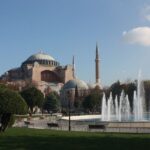
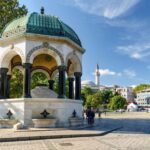
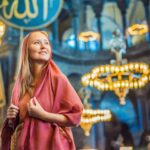
You’ll visit Topkapı Palace with a guided tour and admission included. This is one of the best places to start because it anchors the Ottoman world in a physical way. After that, you’ll move through nearby landmarks: Hippodrome area photo stops, the Blue Mosque (admission-free in this tour’s setup), and Hagia Sophia where you get photo time rather than a long guided museum-style stop.
Practical tip: go in expecting crowds, then plan your strategy around timing. With a guided flow, you’ll usually beat some of the worst congestion. Also, since Hagia Sophia is listed as photo only, don’t count on a slow, sit-down visit there.
The day ends with Grand Bazaar time for shopping. You get guided context, then room to wander.
What I like about this Istanbul plan: it front-loads the big icons, then gives you a Bazaar runway to spend your energy on browsing instead of searching.
Ankara on the itinerary: Anıtkabir and the Anatolian Civilizations Museum
Ankara is where the tour turns from Ottoman grandeur to a more modern story. You’ll visit the Anadolu Medeniyetleri Müzesi (Anatolian Civilizations Museum) with admission included. This museum stop matters because it fills in the background layer—showing how Anatolia’s civilizations connect across time. If you like archaeology and the “how did we get here” angle, this is a solid use of time.
Then there’s Anıtkabir, the Tomb of Atatürk. In this tour, that site is included as a stop but its admission is not included. That’s an important detail for your budget. The good news: you’re still guaranteed the visit time, and it’s central to understanding the Republic’s founding story.
Possible drawback: if you’re the type who loves deep museum time, Ankara may feel shorter than you want. The tour is structured to keep the circuit moving, so you’ll see the essentials and move on.
Cappadocia essentials: Kaymaklı underground city, Göreme open-air churches, and Uçhisar photos
After Ankara, you step into Central Anatolia’s “how is this real?” terrain. Cappadocia in this itinerary is built around three stops: an underground refuge, the most famous open-air church area, and a high viewpoint.
You’ll visit Kaymaklı Underground City with admission included. The tour describes it as only about 10% of the total area you can experience, and you’ll go down to a maximum of five floors. This is the kind of site where the guide’s explanation really changes what you think you’re seeing. It’s not just tunnels—it’s survival design.
Next comes Göreme Open Air Museum with admission included. This is where the rock-cut churches and their frescoes do the heavy lifting. Even if you don’t read every label, the visual impact is the point. The key is that it’s guided and time-limited—so you get the main church clusters without losing half your day.
Then it’s a quick Uçhisar village stop with a photostop rather than a paid castle visit. That’s a good compromise: you get the view energy without turning this day into a ticket-heavy marathon.
If you care about comfort: underground sites can feel cool. Bring something light you can layer, especially in shoulder seasons.
Konya-area culture: Mevlana Museum and the Seljuk caravanserai at Sultanhanı
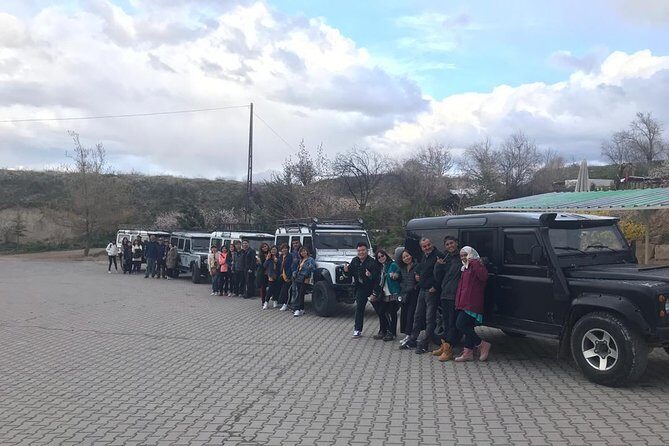
Day five shifts the tone. You move from natural and ancient spectacle to a more spiritual-and-historic culture stop.
At Mevlana Museum, admission is free in this tour’s structure. You’ll visit the 13th-century setting linked with Mevlana Celaleddin-i Rumi and the tradition of the Mevlevi dervishes. This isn’t just a building stop; the museum concept helps you understand why whirling and poetry are more than performance in Turkey.
After that, you’ll stop at Sultanhanı Kervansarayı with admission included. Caravanserais were like travel hubs—part lodging, part stables, part safety system for long routes. Even with a shorter visit, the idea lands: this is how people traveled and traded before modern highways.
Why I think this works: Cappadocia is about outer space and rock geometry. Konya is about inner space—how belief and movement shaped daily life across centuries.

Pamukkale and Hierapolis: travertines plus the ancient Roman layer
Pamukkale is one of those places where the “icon” part is true. You get two connected stops here: the modern natural attraction and the ancient site that sits right next to it.
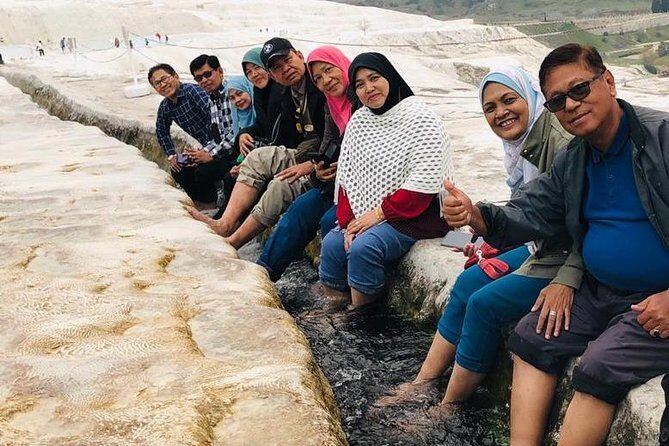
You’ll visit Pamukkale Natural Park, including the cotton castle and travertens portion, with admission included. The experience is visual and immediate. If you want photos, this is where you’ll spend the most time aiming your lens.
Then you’ll also visit Hierapolis & Pamukkale with admission included. This is where you shift from calcium cliffs to Roman-era remains—ruins, a necropolis graveyard, Roman baths, and basilica areas. It’s a smart pairing because it gives you both the natural wonder and the reason that civilizations chose this region.
If you’re sensitive to walking on uneven surfaces, take it slow. Travertine areas can be slippery depending on conditions.
Ephesus: walking marble streets and standing in the middle of a story
Ephesus is the stop that many history lovers remember most. In this tour, you get a guided visit with admission included at Ephesus, including a walk through major structures.
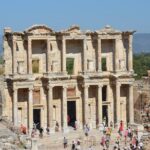
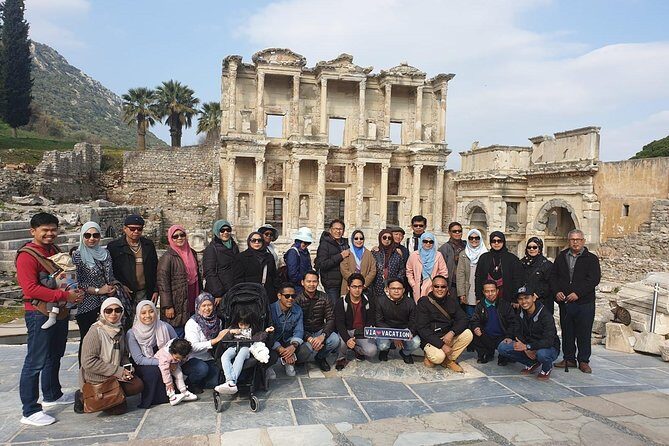
The list of what you’ll see includes well-preserved marble streets and key highlights like the Library of Celsus, Odeon, Grand Theatre, Temple of Hadrian, Roman Bath, and St. Mary House.
What makes Ephesus special is scale. Even a guided route can feel like you’re moving through a whole city museum where streets still have momentum. You don’t just see ruins; you see how public life worked—culture, politics, religion, and daily routines layered together.
Small note: Ephesus can be long and warm. Bring water from the meals you’re given or expect to buy water since drinks aren’t included.
From Asklepion to Troy: healing myths and Homer’s legendary town
Day seven continues the ancient-world thread.
You’ll first visit Asklepion, a healing center from Greek times, with admission included. It’s a good palate cleanser after Ephesus because it’s more focused. You get a theme: health, ritual, and the way ancient societies approached illness.
Then comes Troy (Truva) with admission included. You’ll visit the Athena temple, and you’ll also hear about the famous legendary story connected to Homer. The tour includes time to view the Troy horse concept at the Çanakkale center (the idea used for the Troy movie), which helps connect myth to modern storytelling.
The value here is contrast. Ephesus feels civic and urban. Troy feels epic and dramatic—like a stage set built for a story.
Gallipoli strait: ferry photos and a quick transfer back toward Istanbul
This day is intentionally light on visits. You’ll pass the Gallipoli strait by ferry, with chances for photos of the World War I area from the water plus a castle photo view.
Then you’re driven onward to Istanbul. No museum stop is listed for the day.
This can be a relief if your legs are tired. But if you expected more on Gallipoli itself, adjust your expectations. Think of this as a view-and-context day rather than a deep dive.
Your final Istanbul day: Bosphorus cruise, Spice Market, Galata Bridge area, Taksim, and Beylerbeyi Palace
The last day is a confidence boost. You’re back in Istanbul, and you end with a mix of water views, markets, and Ottoman splendor.
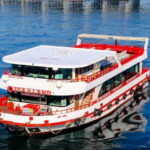
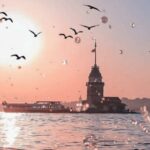
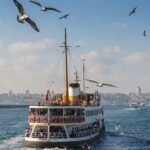
You’ll take a Bosphorus Strait cruise by regular boat with a guide explaining the luxury old houses history and key photo stops like Dolmabahçe Palace, Beylerbeyi Palace, Rumeli Fortress, and Kız Kulesi. Admission is included for this cruise stop.
Next comes Mısır Çarşısı (Spice Market) with admission included. It’s the kind of place where you’ll see spices, sweets, and everyday trade packed into a compact area. You’ll get one hour.
You’ll also stop at the Galata Bridge area on the Golden Horn, with free time around the fish restaurant stretch. Then you head to Taksim Square and İstiklal Street for 30 minutes with shopping and international brands nearby.
Finally, you visit Beylerbeyi Palace on the Bosphorus with admission included. It’s positioned as one of the last palaces of the Ottoman Empire, and it gives your final day a clear historic anchor.
Tip for this finish: if you’re shopping, this is the day to do it. You’ll have enough variety without disrupting earlier archaeology days.
Price and hotel value: what $1,550 buys you in real terms
At $1,550 per person, you’re paying for an organized circuit with transportation, guides, and a lot of included value. The best way to judge it is not by the headline price alone, but by what’s bundled:
- 8 nights in 4-star hotels with pre-booked accommodation
- Breakfast (8), lunch (7), dinner (5) included, with dinners at Istanbul and Ankara specifically not included
- Major entry tickets included for many core sights (Topkapı, Göreme, Kaymaklı, Pamukkale/Hiearopolis, Ephesus, Asklepion, Troy, the Bosphorus cruise, Spice Market, Beylerbeyi Palace)
- Transport and parking fees handled
- A flight component from Istanbul to Ankara
- A guided structure with a small group cap of 35
Drinks aren’t included, and tips for guide/driver are not included. That’s normal for tours like this, but it’s worth planning for so you don’t get surprised at the end.
Food note from real-world experience: some people find Turkish meals different from what they’re used to. If you’re picky, eat carefully at included meals and be ready to adapt. The tour does not list alternate menus, so having a flexible attitude helps.
Guides and group flow: why names like Hesna and Caner Kasapci matter
This kind of itinerary rises or falls on the guide. One reason this tour performs well is the consistent praise for guide behavior: staying attentive, keeping the group safe, and giving clear explanations that make sites click.
Names that have stood out in past groups include Jimmy Chan, Hesna, Utku Mohammad, and Mr. Caner Kasapci (who was described as engaging the group even during long bus hours with stories tied to the Iliad & Odyssey). Even if you don’t get the exact same guide, the pattern matters: the tour is designed for people who want guidance, not just transportation.
Also, when guides help with practical needs—like making sure everyone can find their way back or helping with small shopping concerns—that’s where the experience feels smooth.
Shopping stops: bazaars and leather time without derailing your day
You’ll have structured shopping moments. Grand Bazaar gets an hour. The Spice Market is also timed. There’s also a stop connected to a leather store where you get time for shopping (plus mention of a fashion show component).
Here’s how to handle shopping stops smartly:
- Decide what you want before you arrive (leather? spices? souvenirs?).
- Use the free time window to compare prices.
- Treat shopping time as part of the schedule, not a last-minute scramble.
If you prefer strictly historical places and hate shopping, you can still enjoy the market atmosphere without buying. The key is staying calm and using your time well.
Upgrades: hot-air balloon ride and a more private feel
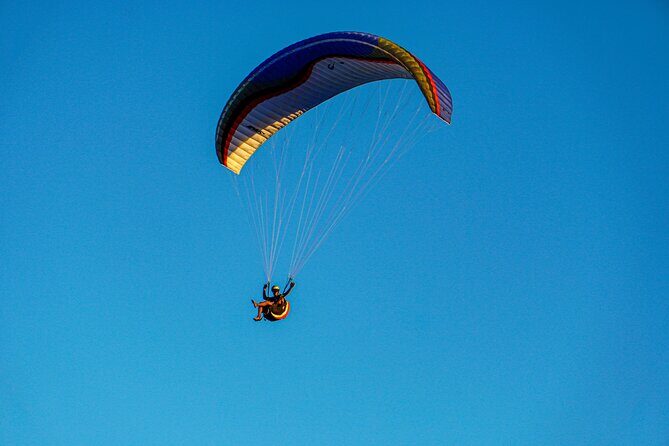
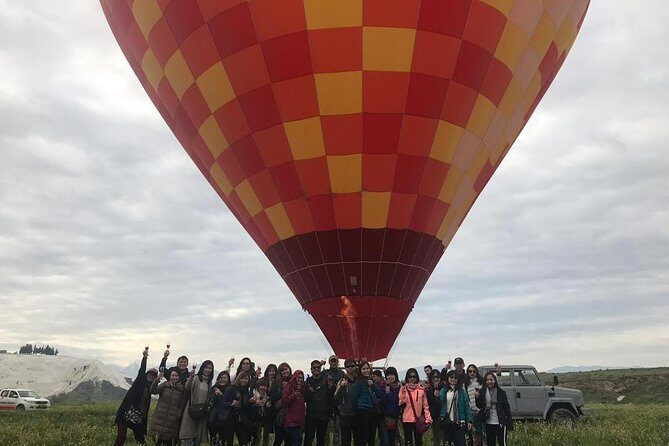
The tour offers an option to upgrade for a hot-air balloon ride. If that’s your “must-do” in Cappadocia, this is usually the best moment to add it because the itinerary is already built around Cappadocia.
There’s also an upgrade path for a more private tour experience. That’s worth considering if you want less group pacing or more flexibility when you’re at a specific site.
What you should do before upgrading: ask the operator what’s included in the balloon upgrade package (ride only, transfers, timing, and any additional costs). The listing confirms the upgrade exists, but exact balloon bundle details aren’t spelled out here.
Who this tour suits best (and who should skip it)
This tour is a strong match if you:
- Want a high-hit itinerary that covers multiple regions without planning trains and hotels yourself
- Like guided explanations at major sites like Topkapı, Göreme, Pamukkale/Hiearapolis, and Ephesus
- Prefer 4-star hotels and planned meals over constant decision-making
You might skip it if you:
- Want deep, unhurried time in only one or two areas
- Get cranky with long transfer days
- Really dislike shopping stops or prefer fewer market-style segments
FAQ
What languages is the tour offered in?
The tour is offered in English.
Do I get picked up from the airport or my hotel?
Yes. Pickup is arranged based on your flight details and arrival port details, including SAW airport Istanbul, and from centrally located hotels in Istanbul before 09:00 AM.
How many people are in the group?
The tour has a maximum of 35 travelers.
What time does the tour start each day?
The listed start time is 9:00 am.
Are hotels included, and what star level are they?
Yes. It includes 8 nights of 4-star hotel accommodation.
Are meals included?
Breakfast is included 8 times, lunch 7 times, and dinner 5 times. Drinks are not included, and dinner at Istanbul and Ankara is not included.
Is a flight included from Istanbul to Ankara?
Yes. The tour includes a flight ticket from Istanbul to Ankara.
Can I upgrade to a hot-air balloon ride or a private experience?
Yes. You can upgrade to include a hot-air balloon ride, or upgrade for a private tour experience.
What’s the cancellation window for a full refund?
You can cancel up to 6 days in advance for a full refund.
Should you book this Turkey 09 Days Tour?
If you want a well-paced “Turkey highlight reel” with guides, transport, 4-star hotels, and lots of included admissions, I’d say yes. It’s especially good value if you’d otherwise spend time stitching together flights, hotels, and entrance tickets.
If you’re the type who hates schedule pressure, then be honest with yourself: this circuit is a lot of movement and it leans on guided pacing. For most people, that’s exactly why it works. For the few who want slow travel, it can feel busy. Pick your style—and you’ll enjoy the ride.