REVIEW · ISTANBUL
Turkish Coffee and Traditional Turkish Dessert Cooking
Book on GetYourGuide →Operated by Lokal Bond · Bookable on GetYourGuide
Sweet smoke, foamy coffee, real home talk. This small-group lesson in Istanbul pairs classic künefe technique with old-fashioned Turkish coffee, all in a welcoming local apartment setting. You’ll cook dessert, brew coffee slowly, and share a relaxed table moment with the people teaching you.
I love the hands-on kitchen work: you’ll layer, cook over heat, and aim for that golden flip for künefe. I also love the people factor—hosts like Nuran (and often her sister-in-law Feyza) make it feel like you’re part of the family table, not a stage show.
One drawback to flag up front: künefe contains dairy and gluten, so if you’re avoiding either, tell the host before you book.
In This Review
- Key points to know
- A Kâğıthane Home Where Dessert Feels Personal
- Künefe From Scratch: The Technique You’ll Actually Remember
- What can go sideways (and how to avoid it)
- Turkish Coffee the Traditional Way: Slow, Frothy, and Meaningful
- A fun bonus: coffee grounds reading
- The Table Moment: Eat Warm, Talk Easy
- What Desserts You May Make (and Why Variety Helps)
- Price and Value: $59 for a Small-Group Home Lesson
- Who This Class Fits Best in Istanbul
- Allergy and Food Considerations for Künefe
- Should You Book This Turkish Coffee and Künefe Class?
- FAQ
- FAQ
- How long is the cooking class?
- Where is the meeting point?
- What is the group size?
- What languages are offered by the instructor?
- What desserts and drinks are included?
- Do we learn how to make Turkish coffee?
- What allergens should I know about?
- Can I cancel and get a refund?
Key points to know
- Kâğıthane home setting: you enter the family home and cook at the source, not in a commercial kitchen
- Traditional künefe method: shredded pastry, regional butter, homemade syrup, then flame cooking and flipping
- Old-school Turkish coffee brewing: slow, frothy, with cultural context and a chance to try making a cup
- Dessert options can vary: you may also make classics like flour halva and semolina cookies
- Small group, real conversation: up to 6 people, so you’re not waiting around
- Family-table moments: unexpected drops-ins can happen, and Feyza may do an unofficial coffee-grounds reading
A Kâğıthane Home Where Dessert Feels Personal
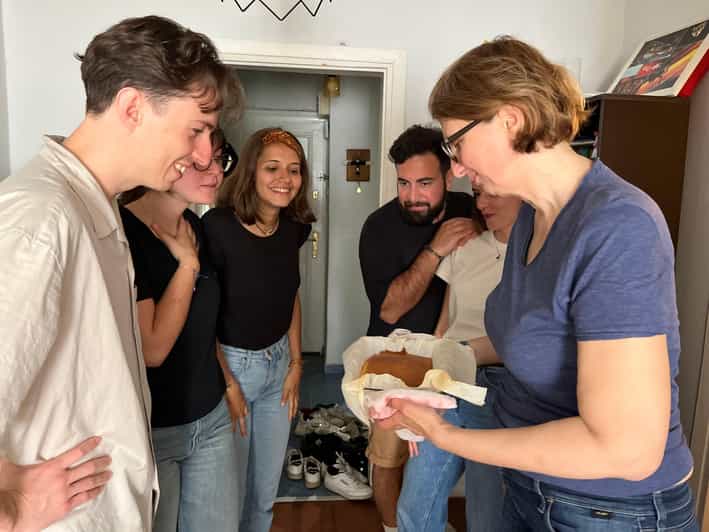
This is the kind of Istanbul experience that’s hard to replicate from a restaurant or tour bus. The meeting point is in Kâğıthane, and once you arrive at Talatpaşa, Büyükbey Sk. No:4 D:11, D:11, 34400 Kâğıthane/İstanbul, the host lets you in. From there, you’re not just learning recipes—you’re stepping into the routine of a Turkish household.
What makes it work is the pacing. The class is only 2.5 hours and keeps moving: prep, cook, brew, then eat together. It’s also capped at a small group of 6 participants, which means you can ask questions and actually handle the food instead of watching from the sidelines.
There’s also a nice continuity in the way Nuran’s home and family circle show up through the lesson. Expect warm hospitality, and don’t be surprised if a relative drops by for a minute or two while künefe is finishing. Those little interruptions are part of how everyday Turkish life looks at home.
You can also read our reviews of more tours and experiences in Istanbul.



Künefe From Scratch: The Technique You’ll Actually Remember
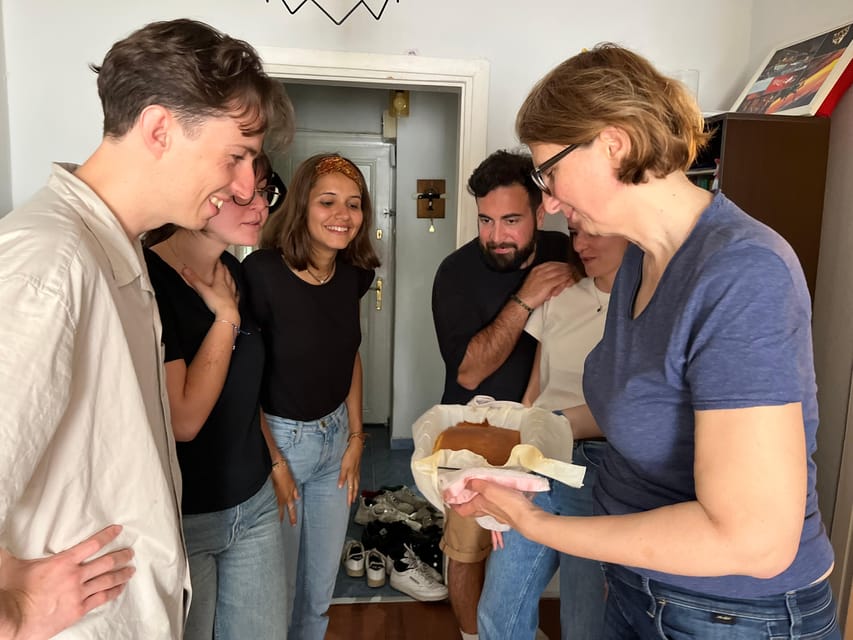
Künefe isn’t just a dessert. It’s a skill test—texture, timing, and heat control all matter. Here, the process is taught like it’s done in local kitchens, with you making key steps yourself rather than assembling pre-made components.
You start by preparing künefe with:
- Shredded pastry (the classic base)
- Regional butter
- Homemade syrup
Then comes the hands-on part that makes this class more than a food tasting. You’ll learn how to layer the pastry, how to cook over flame, and how to flip it golden. That flipping moment is where künefe goes from “learning a recipe” to “figuring out a technique,” because you’re trying to get crisp edges and a fully cooked interior.
What I like about this is practical learning. Even if you never become a dessert chef, you’ll leave knowing what “right” looks like. You’ll be able to judge when the layers are set, when the syrup timing matters, and why künefe can go wrong if the heat is off or the pastry isn’t layered evenly.
What can go sideways (and how to avoid it)
Künefe is sensitive to butter distribution and syrup timing. If you’ve never worked with shredded pastry before, it may feel fiddly at first—but the instructor guides you through it. Just be ready for a sticky, warm, hands-on process. It’s messy in the best way.
Turkish Coffee the Traditional Way: Slow, Frothy, and Meaningful
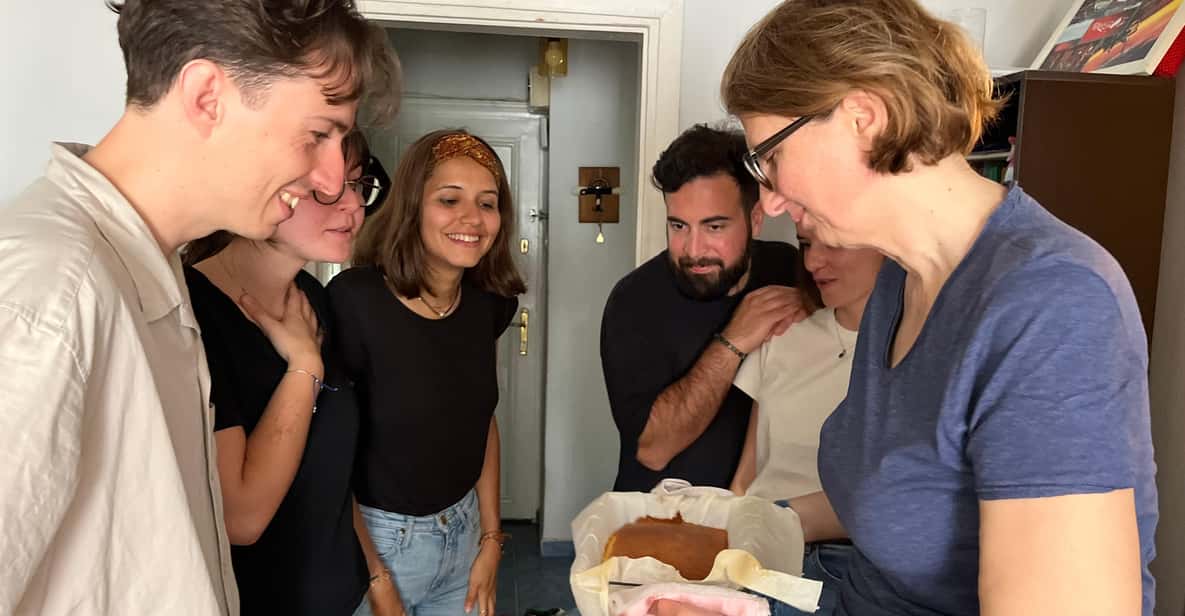
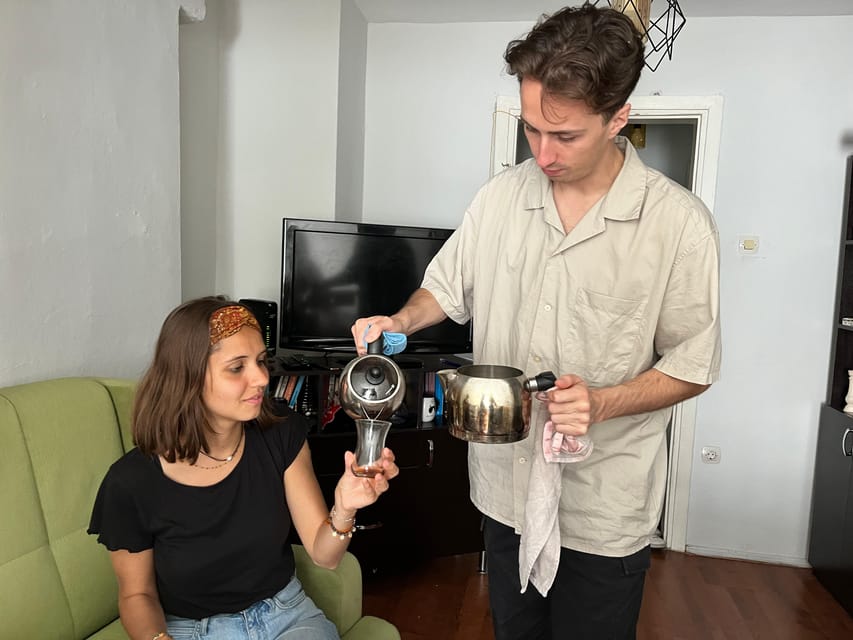
While the künefe cooks, the class shifts to the stove for Turkish coffee. This isn’t instant coffee or a quick pour. You’ll brew it the old-fashioned way so you get that characteristic slow texture and frothy top.
You’ll also get the cultural context that makes Turkish coffee matter beyond taste. In Turkey, coffee is a social ritual—something tied to conversation, welcoming guests, and taking a few quiet minutes rather than rushing through. In this class, that meaning is part of the lesson, not an afterthought.
And yes, you might get a chance to try making a cup. The idea is that you learn the method, not just watch it happen.
A fun bonus: coffee grounds reading
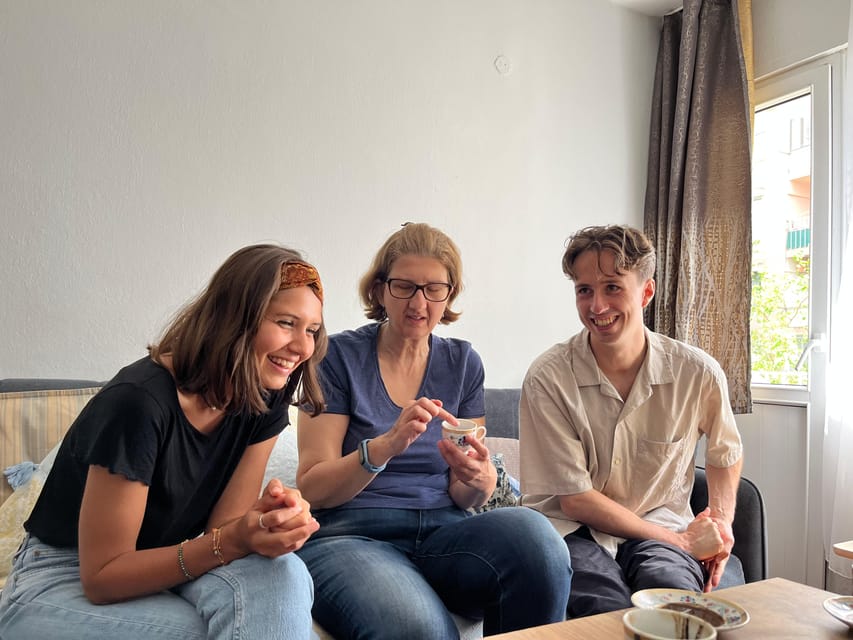
One memorable thing that can happen in this setting is an unofficial reading of coffee grounds. On some afternoons, Feyza has done it for participants. It’s not a formal part of instruction, but it’s very much in the spirit of Turkish coffee culture—playful, a little mysterious, and tied to a warm conversation.



The Table Moment: Eat Warm, Talk Easy
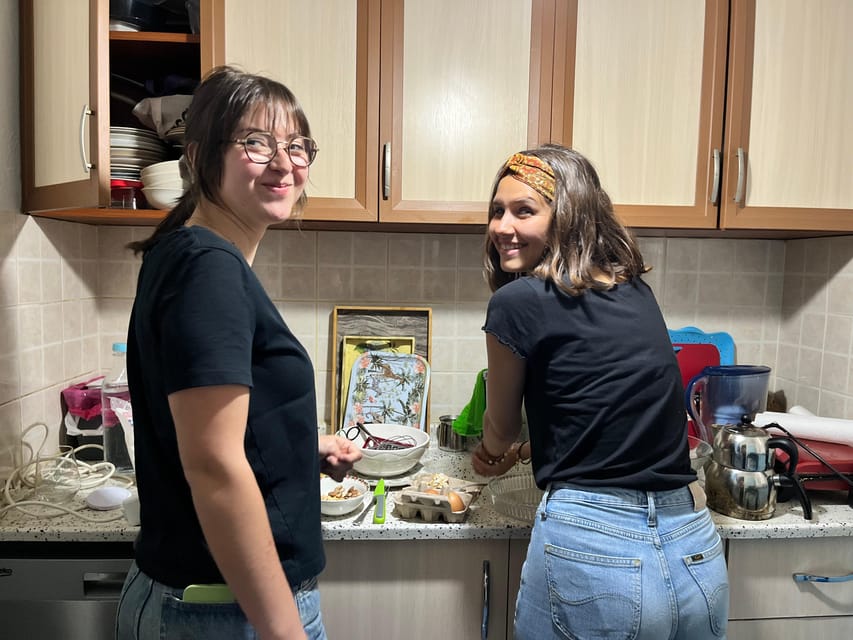
The best part of cooking at a home table is that you eat while you’re still in learning mode. Once the desserts are ready, you sit down and enjoy both the warm sweets and your coffee (or tea). This matters because you taste what you built, right when the texture is at its peak—crisp pastry, hot filling feel, and syrup warmth.
Conversation is the glue. You’ll hear stories and get answers to questions, and because the group is small, it stays easy. In at least one class experience, a cousin and nephew even stopped by at just the right time to enjoy the dessert—exactly the kind of spontaneous family moment that makes a home lesson feel real.
If you’re the type who likes your food learning to include people, this format is ideal. You’re not only collecting recipes; you’re collecting small cultural cues: how hospitality works, how coffee gets shared, and how dessert becomes part of a social rhythm.
What Desserts You May Make (and Why Variety Helps)
This class centers on künefe, but it’s also designed to teach more than one sweet. Depending on the session, you may cook 2 or 3 Turkish desserts.
So even if you go mainly for künefe, you may come away with additional skills and ingredients you can actually find and recreate later. Past sessions have included flour halva and semolina cookies, which are great complements to künefe because they show different textures and baking or cooking approaches.
That variety helps in two ways:
- You learn how Turkish dessert styles differ—crisp and syrupy versus dense and comforting.
- You leave with more than one “party trick” recipe for later.
If you’re trying to build confidence quickly, multiple desserts are a smart choice. You’ll practice more technique during the same 2.5-hour window, and that makes your final results more varied and satisfying.
Price and Value: $59 for a Small-Group Home Lesson
At $59 per person for about 2.5 hours, the value isn’t in the setting alone. You’re paying for three concrete things:
- Hands-on cooking instruction (not just tasting)
- Traditional methods (künefe and Turkish coffee brewing)
- Tea/coffee included with the dessert meal
Compared to a standard food tour, this class gives you more time with your hands on the process. Compared to a private cooking class, it stays affordable because the group is small and shared, maxing at 6 people.
The biggest value lever here is the size. Small group teaching matters when you’re learning technique like layering and flipping künefe. With a bigger crowd, you’d wait your turn or get less direct feedback. With this format, you spend more of the session actually doing the cooking.
One more practical note: the class is instructor-led in Turkish and English, so you’re not stuck translating or guessing what you’re doing while heat and timing are moving. That’s a real value for non-Turkish speakers.
Who This Class Fits Best in Istanbul
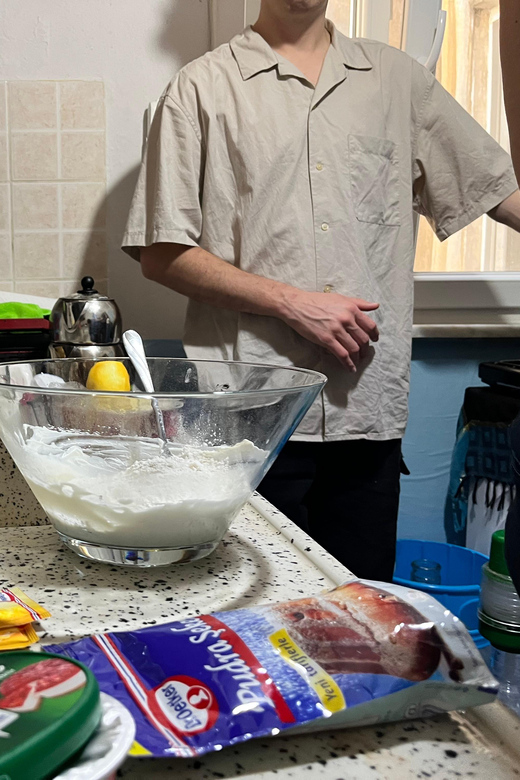
This is a strong pick if you want Istanbul beyond the photo stops. It’s designed for people who like culture through everyday skills—cooking dessert, brewing coffee, then eating together like a family afternoon.
It also fits well if you:
- enjoy hands-on workshops more than museum-style learning
- want a small, local experience away from the highest tourist traffic
- like learning methods you can repeat at home with store-bought ingredients
If you’re traveling solo, the small group size still feels social, not isolating. And if you’re traveling with a partner or friend, the home-table format makes it easy to enjoy the cooking and then share the results.
Allergy and Food Considerations for Künefe
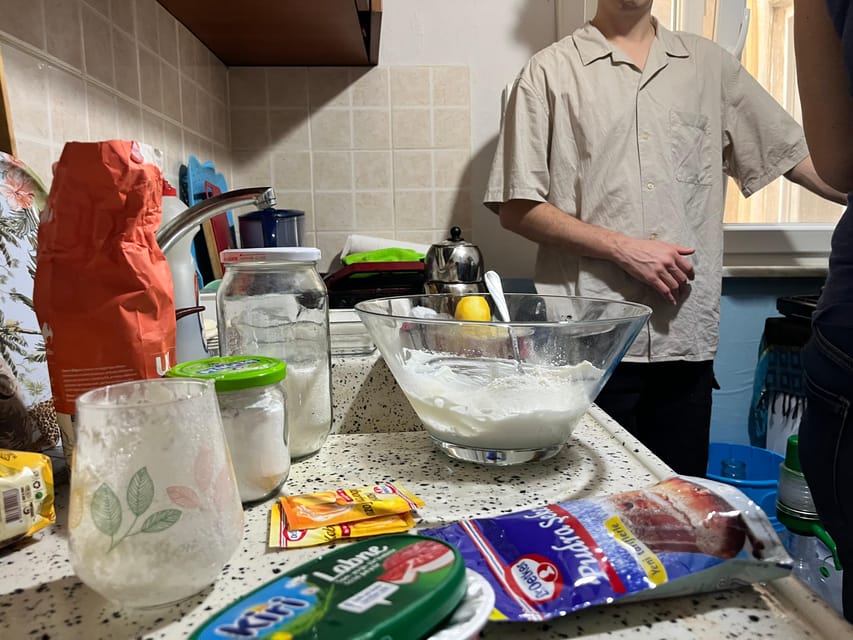
Please treat the allergen note as important, not optional. Künefe contains dairy (cheese and butter) and gluten (shredded wheat pastry). If you have a dairy or gluten allergy, tell the host in advance so they can guide you on what’s possible.
Even if you don’t have allergies, it’s smart to mention sensitivities (for example, if you avoid certain dairy) before you arrive. In a home cooking setting, ingredients are baked into the method, so it’s best to communicate early rather than trying to improvise at the stove.
Should You Book This Turkish Coffee and Künefe Class?
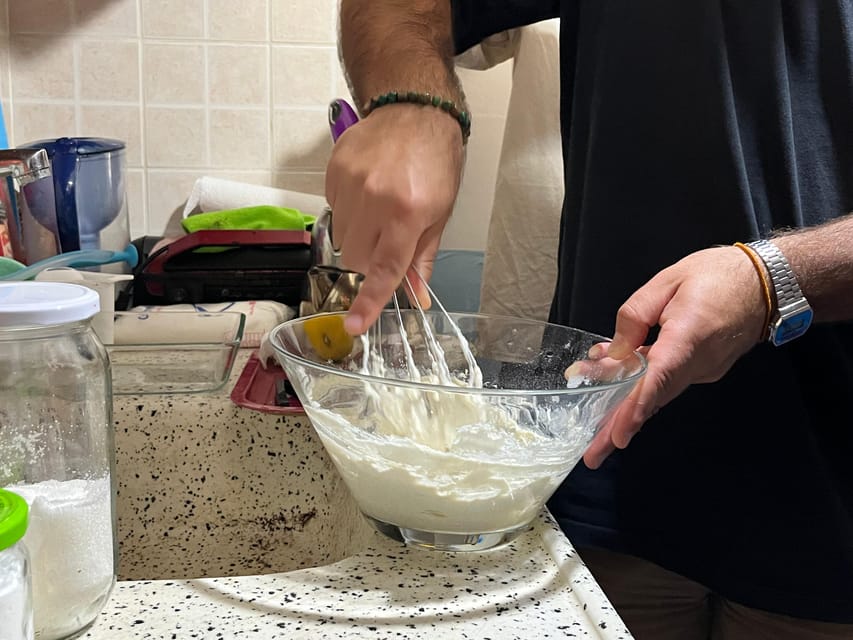
I’d book it if you want a real Istanbul day that mixes technique and conversation. The künefe focus plus the old-fashioned Turkish coffee brewing is a great combo, and the small group size makes it feel personal. You’re also likely to get more than one dessert skill from the session, which helps you leave with recipes you can actually use again.
I’d skip (or at least ask hard questions first) if dairy and gluten are deal-breakers for you, since künefe is central and those allergens are part of the standard ingredients. If that’s your situation, contact the host before booking.
If you like home-cooked learning, warm hospitality, and the satisfaction of eating something you made with your own hands, this is a very solid choice for your Istanbul time.
FAQ
FAQ
How long is the cooking class?
The class lasts 2.5 hours.
Where is the meeting point?
The meeting point is Talatpaşa, Büyükbey Sk. No:4 D:11, 34400 Kâğıthane/İstanbul, and the host lets you in when you arrive.
What is the group size?
The group is a small group limited to 6 participants.
What languages are offered by the instructor?
The instructor speaks Turkish and English.
What desserts and drinks are included?
The class includes cooking 2 or 3 Turkish desserts and tea/coffee.
Do we learn how to make Turkish coffee?
Yes. The session includes brewing Turkish coffee the old-fashioned way, and you may even try making a cup yourself.
What allergens should I know about?
Künefe contains dairy (cheese and butter) and gluten (shredded wheat pastry). Let the host know in advance if you have allergies.
Can I cancel and get a refund?
Yes. Free cancellation is available up to 24 hours in advance for a full refund.