REVIEW · ISTANBUL
Turkish Coffee Trail
Book on Viator →Operated by Istanbul Walks · Bookable on Viator
Istanbul runs on coffee stories. This Turkish Coffee Trail mixes old-school tastings in historic venues with a hands-on coffee making class that ends with a certificate. You’ll also get plenty of context for why coffee in Istanbul became a bit of a big deal long before it became a daily habit.
I love the 30-minute workshop part because you don’t just drink—you learn how Turkish coffee turns frothy over a sand stove in a copper vessel (cezve). I also love how the route connects the dots: Ottoman coffee storage, Eminönü shop history, and classic stops like Haci Bekir and Kurukahveci-style coffee houses.
One possible drawback: you’ll likely drink several strong coffees in a short span, so consider a caffeine slow-down if you’re sensitive. There’s often tea available at stops, but the main event is still caffeinated.
In This Review
- Quick Coffee Highlights You Should Know
- Entering the German Fountain Start Point and Getting Oriented Fast
- The 30-Minute Coffee Making Class on Sand and Copper
- Ottoman Coffee Rules, 1519 Legends, and Eminönü Street Storytelling
- Coffee Shop Tastings: What You’re Actually Learning by Trying Several Cups
- Spice Bazaar and Ottoman Coffee Storage: The Stops That Make It Tangible
- Kurukahveci Stops and the Classic “Old Business” Feeling
- Price and Time: Is $239.65 Worth It for a 3 to 4 Hour Afternoon?
- Practical Tips: How to Make This Tour Comfortable and Enjoyable
- Who Should Book the Turkish Coffee Trail (and Who Might Not Love It)
- Should You Book This Tour With Istanbul Walks?
- FAQ
- How long is the Turkish Coffee Trail tour?
- What time does the tour start?
- Is hotel pickup included?
- Is the tour offered in English?
- Do you get a certificate?
- Can I cancel and get a full refund?
Quick Coffee Highlights You Should Know
- Certificate at the end of your coffee making class gives the afternoon a satisfying finish.
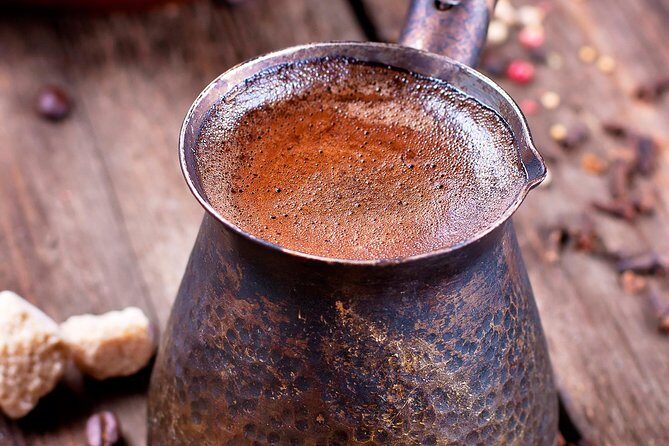
- Sand stove cezve method shows how the foam forms, not just how the beans taste.
- Eminönü streets and old coffee shops help you understand why Istanbul’s coffee culture took off.
- Spice bazaar + sweets stops (including Turkish delight and hard candy) make the tasting feel complete.
- Small group size (up to 4 people) usually means more time for questions and pacing.
Entering the German Fountain Start Point and Getting Oriented Fast

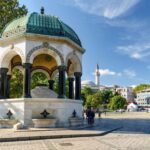
Your afternoon begins at the German Fountain on Binbirdirek Street (At Meydanı Cd), in Fatih. Pickup is offered for centrally located hotels on the European side of Istanbul, and the tour ends back at the meeting point. Start time is 1:30 pm, so you’ll be walking into the late afternoon pace of the city rather than the early-morning rush.
If you’re not getting picked up, make sure you can reach the meeting area without a long scramble. The start point is also described as being near public transportation, which matters if you’re juggling Metro/tram connections and keeping your shoes on.
This is a walking-forward experience. The route is focused on small lanes, historical walkways, and old bazaar corridors, so comfy footwear is a must. You’re not touring museums where you sit and wait—you’re moving, tasting, and learning.
You can also read our reviews of more tours and experiences in Istanbul

The 30-Minute Coffee Making Class on Sand and Copper
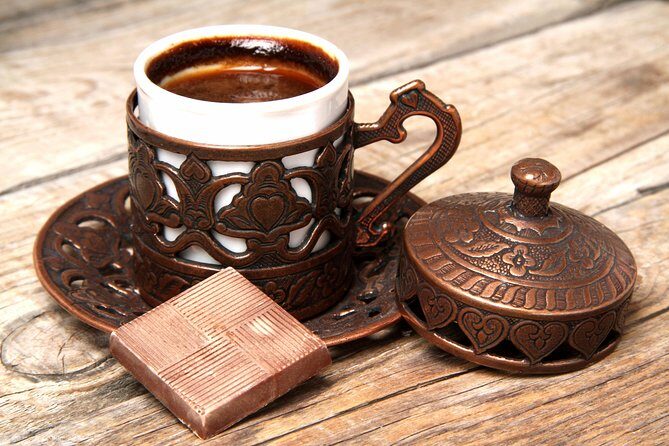
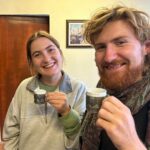
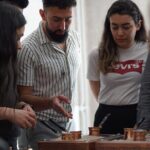
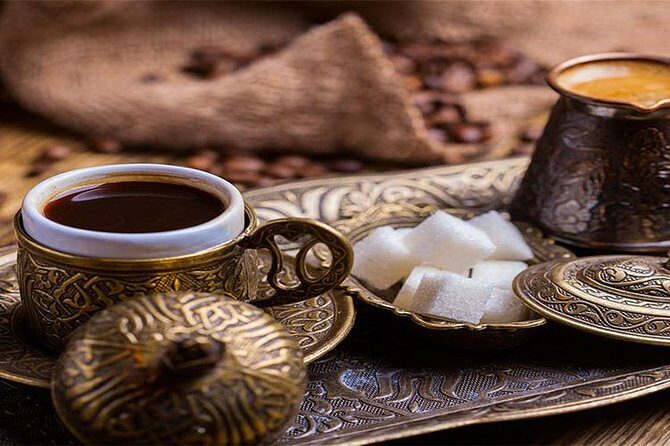
This is the heart of the tour. You’ll join a 30-minute coffee making workshop right after meeting your guide, using the classic Turkish method: heating coffee in a traditional copper vessel over a sand stove. The process is simple in steps but specific in technique.
Here’s what you should expect: the coffee gets heated over a small flame, and at the right point it becomes frothy. Then you taste the cup you made yourself. This is one of those “once you see it, you get it” skills—especially if you usually order coffee and never wonder how it gets that signature texture.
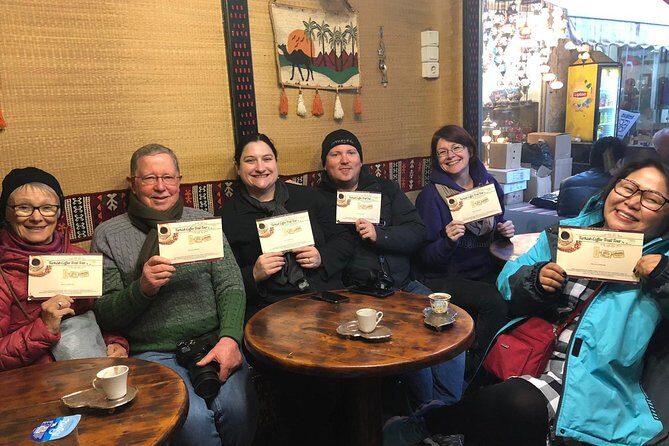
The certificate is also a nice touch. It’s not just a souvenir; it signals that you completed the class portion and finished the workshop properly. In practical terms, it also gives structure to what can otherwise feel like a loose series of coffee stops.
Ottoman Coffee Rules, 1519 Legends, and Eminönü Street Storytelling
After you’ve made your first cup, your guide turns the afternoon into a timeline. You’ll hear how Ottoman-era rules shaped coffee’s path into Istanbul, including references to prohibition mandates discussed around 1519, after coffee beans were imported to the city. The tour also frames how coffee shops appeared later—about 30 years after those early import stories—especially in the Eminönü district.
The walking portion matters because it gives you a sense of place. You’re not just hearing dates; you’re seeing the kind of tight corridors and old trading routes that fit the idea of coffee culture spreading street by street. Your guide’s commentary helps connect why coffee became a social habit, and how coffee shops became part of everyday city life.
Expect some humor and quick explanations along the way. Different guides have different styles—names like Diana, Ilker, Oguzhan, Tuncer, Yasmin, and Sanem show up in the experience history—and a common theme is that the pace stays friendly. If you like questions, this is the part where you can ask why certain shops look the way they do, or what makes Turkish coffee preparation different from other styles.
Coffee Shop Tastings: What You’re Actually Learning by Trying Several Cups
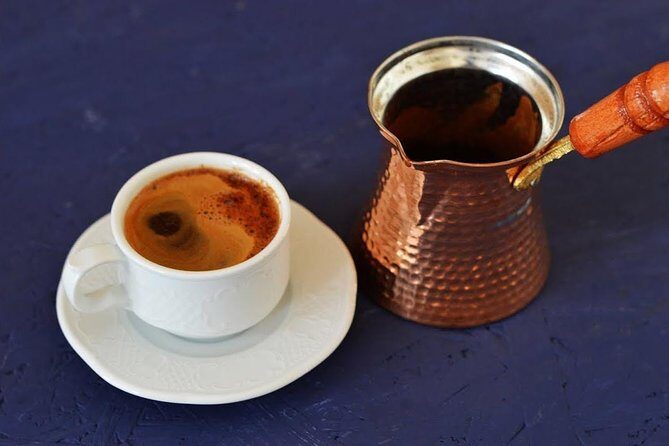
The tastings are where your brain starts to compare. You’ll sample coffee at a few shops tied to Istanbul’s heritage route, each stop adding another layer—how the coffee is served, how strong it feels, and how the flavors come across in small sips.
A key detail: you may also find tea available at most stops. That’s helpful if the coffee is moving faster than your body likes. Still, the main warning is honest—there can be a lot of caffeine in a compact time frame. If you’re the type who gets jittery from even one strong cup, plan to lean on tea or take smaller tastes.
Also watch your own pace. The tour format is designed for enjoyment, not pressure. In tight historic storefronts, it can be tempting to rush because you don’t want to slow the group, but this is a small group experience, and your guide can typically adjust to keep it comfortable.
Spice Bazaar and Ottoman Coffee Storage: The Stops That Make It Tangible
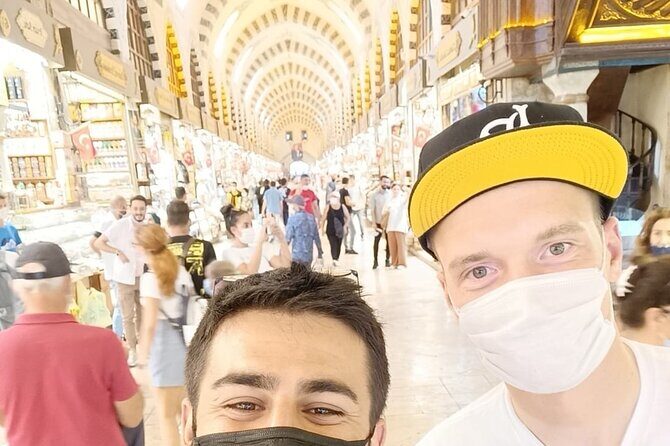
One of the most memorable parts of this tour is when it becomes practical. You’ll see references to where Ottomans stored their coffee, which turns coffee history from an idea into something physical you can picture. It’s the kind of detail that makes the whole tour feel more real: coffee wasn’t only a drink; it was a traded commodity with a logistics side.
Then you’ll connect that to the broader market world with a stop at a spice bazaar. This is more than a scenic detour. The point is context—coffee travels alongside other goods, and the environment of bazaars explains why scents, sweets, and drink culture were tied together.
This is also where sweets come into play. A stop at Haci Bekir is part of the experience, and that matters if you want your coffee tasting to feel complete. Haci Bekir is known for traditional Turkish sweets like Turkish delight and hard candy, and pairing sweet bites with strong coffee helps you understand why coffeehouse culture includes more than just a cup.




Kurukahveci Stops and the Classic “Old Business” Feeling
Another anchor point is visiting an old coffee business connected with Kurukahveci-style heritage (often associated with the Kurukahveci Mehmet Efendi name). The value here isn’t only the brand—it’s the impression of a place that has been doing coffee the same way for a long time.
You may also get a chance to see how coffee is ground. In past experiences, that kind of behind-the-scenes detail stood out because it connects the raw product to what you end up tasting. Even if your specific route timing differs, the structure is designed so the coffee experience stays tied to craft.
If you want a “real Istanbul” moment, this is it: you’re in older shop corridors and traditional spaces where coffee isn’t a photo-op accessory. It’s a working habit of the city.
Price and Time: Is $239.65 Worth It for a 3 to 4 Hour Afternoon?
The price is $239.65 per person, and the tour runs about 3 to 4 hours. At first glance, that’s not cheap for something that sounds like “walk and drink coffee.” But here’s how I’d judge value based on what you actually get.
You’re paying for five things that are hard to replicate on your own:
- A guided route that ties Eminönü coffee shops to Ottoman-era stories (dates and context, not just landmarks).
- Multiple tastings in historical venues, rather than one or two random cafés.
- A hands-on workshop with a sand stove and copper cezve, not just ordering.
- A certificate at the end of the class portion.
- Hotel pickup/drop-off for European-side hotels, which saves time and confusion in a city with complicated traffic and navigation.
If you’re staying in the European side and you want the “I learned something real” version of a coffee tour, this price starts to make more sense. If you’re only chasing caffeine and don’t care about technique, you might find cheaper coffee tastings elsewhere. But if you want the method plus the story plus the specialty shop stops, the package is more balanced.
Practical Tips: How to Make This Tour Comfortable and Enjoyable
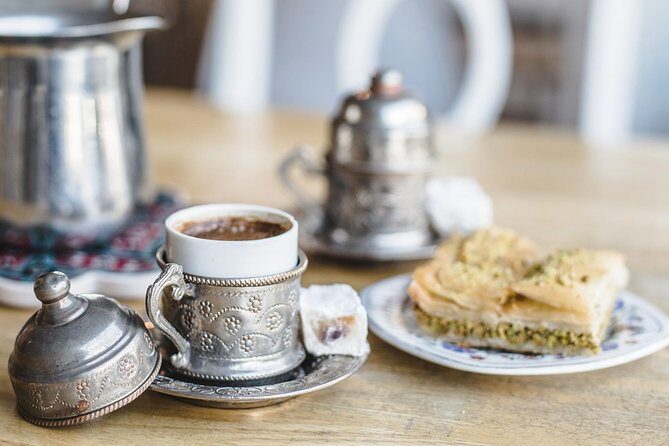
Bring your curiosity and a steady stomach. Turkish coffee is thick, strong, and served in ways that don’t always match the casual “grab a cup and go” vibe you might be used to.
A few practical pointers:
- Wear shoes you can walk in for historic streets and short stair-like sections.
- Decide early if you want full coffee tastes or smaller ones, and use tea when available.
- If you’re sensitive to caffeine, consider telling your guide at the start so they can suggest pacing.
- For restroom comfort, know that some older coffeehouse stops can have basic setups. One participant report mentioned a floor-squat bathroom and felt it was handled in a gendered way. If restroom comfort is a concern for you, it’s smart to ask your guide how they plan rest breaks.
Also, the tour is offered in English, and you’ll have a professional guide throughout. A mobile ticket is included, so you won’t be hunting for printed documents right before you meet.
Who Should Book the Turkish Coffee Trail (and Who Might Not Love It)
This tour is a great fit if you love coffee craft, cultural stories, and the kind of guided walking that gives you context while you enjoy real food and drink. It’s also ideal if you’re staying near central areas on the European side and want pickup and drop-off to simplify the afternoon.
It’s also a good option if you want to see Eminönü beyond big-ticket sights. This route is about the smaller, older corners of Istanbul where everyday habits like coffee drinking shaped neighborhoods.
You might want to think twice if:
- You’re very caffeine-sensitive and don’t enjoy strong coffee.
- You prefer long seated breaks rather than walking segments.
- You’re looking only for a quick photo route, not a technique-based class.
Should You Book This Tour With Istanbul Walks?
If you want Turkish coffee in a structured way—technique, tastings, and historic context—this is a strong choice. The workshop on sand and copper, the certificate, and the blend of old coffeehouse stops with spice bazaar shopping context make it more than a simple “coffee tasting walk.”
Book it if you like guided storytelling and you’re comfortable with a short afternoon of walking plus multiple drinks. Skip or choose a lighter pace version if caffeine can hit you hard.
If you do book, do one smart thing: tell your guide your coffee tolerance and ask for pacing suggestions right at the start. That small step helps you enjoy the history without feeling like you’re being chased by espresso.
FAQ
How long is the Turkish Coffee Trail tour?
It runs about 3 to 4 hours.
What time does the tour start?
The start time is 1:30 pm.
Is hotel pickup included?
Yes, hotel pickup and drop-off are included for hotels on the European side of Istanbul only.
Is the tour offered in English?
Yes, it is offered in English.
Do you get a certificate?
Yes. After the coffee making workshop, you receive a course certificate.
Can I cancel and get a full refund?
Yes. You can cancel up to 24 hours in advance for a full refund. If you cancel less than 24 hours before the start time, the amount paid is not refunded.