REVIEW · ISTANBUL
Turkish Dance Show at Hodjapasha Cultural Centre in Istanbul
Book on GetYourGuide →Operated by TOURMANIA · Bookable on GetYourGuide
Dance and bath history, in one hour. At Hodjapasha Cultural Centre, the 15th-century hammam becomes your theater, which is a smart change from the usual “sit and watch” setup. I also like the Rhythm of the Dance format: Anatolian folk steps paired with Ottoman palace-style choreography, with live music cues (including drum-led moments). One watch-out: it’s only about an hour, and food isn’t included.
You’ll get help keeping the experience readable. If you select it, hotel pickup and drop-off means you won’t be stuck figuring out Istanbul traffic after a show. There’s also an English host/greeter, plus a program booklet that explains what you’re seeing, not just what you’re watching.
The room itself helps you focus. The venue is small, so you tend to view the performers from closer in, and the stage lighting does a nice job showing movement and costume details. Since the show is short, plan to treat it like a focused cultural stop rather than a full evening.
In This Review
- Key highlights worth your attention
- Hodjapasha Cultural Centre: a 15th-century hammam turned dance hall
- Rhythm of the Dance: Anatolian folk steps and Ottoman palace styles
- The program booklet, English host, and why context improves the show
- Viewing comfort and stage lighting in a small, close-up room
- Hotel pickup and drop-off in Istanbul: reducing friction after dark
- Price and value: what $43 includes and what you’re paying for
- Who this Turkish dance show is best for (and who should skip it)
- Quick tips to make your hour go smoothly
- Should you book the Hodjapasha Turkish Dance Show?
- FAQ
- Where is the meeting point for the Turkish dance show?
- How long is the performance?
- How much does the show cost?
- Is hotel pick-up and drop-off included?
- What’s included with admission?
- Is food included?
- Can I cancel for a full refund?
Key highlights worth your attention
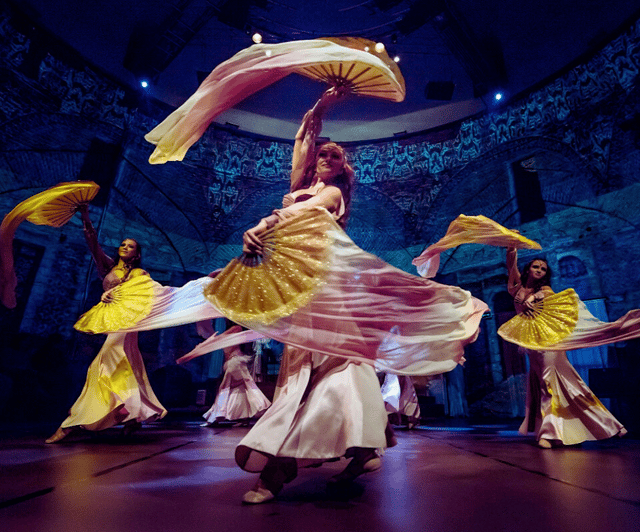
- 15th-century hammam setting: a historic bath restored into a cultural venue
- Anatolia-to-Ottoman dance mix: folk traditions alongside Ottoman palace-style segments
- Live music moments: performances include musicians, with notable drum-driven sections
- Close viewing in a small hall: you can see details without feeling far away
- Program booklet + bottled water included: helpful context and one less thing to carry
- Optional hotel pickup and drop-off: extra comfort in Istanbul
Hodjapasha Cultural Centre: a 15th-century hammam turned dance hall
Hodjapasha Cultural Centre is special because the building does half the work for you. You’re not just attending a show in a generic venue. You’re walking into a restored hammam dating back to the 15th century, and the architecture shapes how the room feels.
That matters. In Istanbul, the difference between a “nice performance” and a “memorable night” often comes from atmosphere. Here, the historic bath setting gives you an instant sense of place. Even before music starts, you’re already inside a Turkish space with Ottoman-era echoes, not outside looking in.
The venue also plays in your favor for viewing. Because it’s described as small, you don’t get that distant, theater-in-the-round feeling where you can’t read what’s happening. Instead, you generally feel close to the performers, which makes facial expressions, costume movement, and footwork easier to catch.
One practical note: because it’s a cultural centre built in a historic structure, you should expect comfort to be “show-focused,” not like a big modern auditorium. If you’re sensitive to seating or you need a lot of personal space, plan accordingly and arrive with a flexible mindset.
You can also read our reviews of more tours and experiences in Istanbul.


Rhythm of the Dance: Anatolian folk steps and Ottoman palace styles
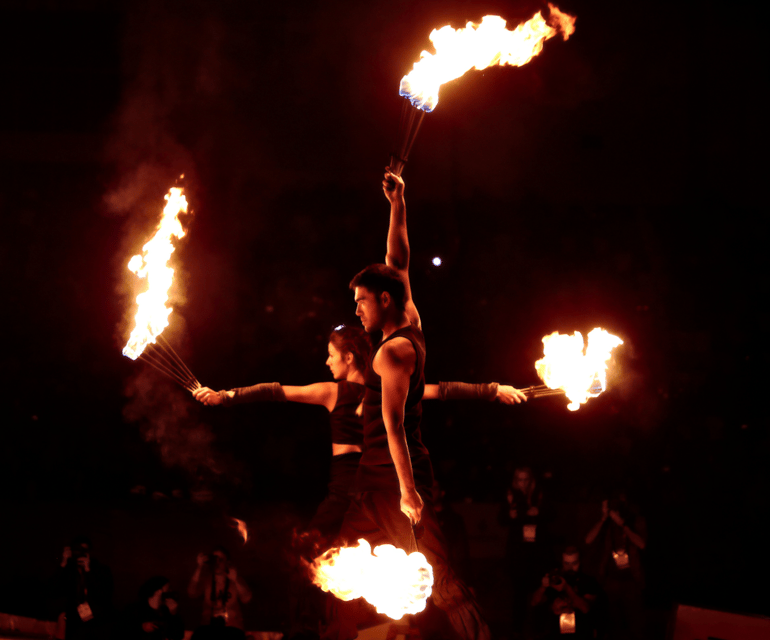
This show is built around variety. The core promise is traditional Turkish dance, and you get it in two main flavors: Anatolian folk traditions and Ottoman palace-style choreography.
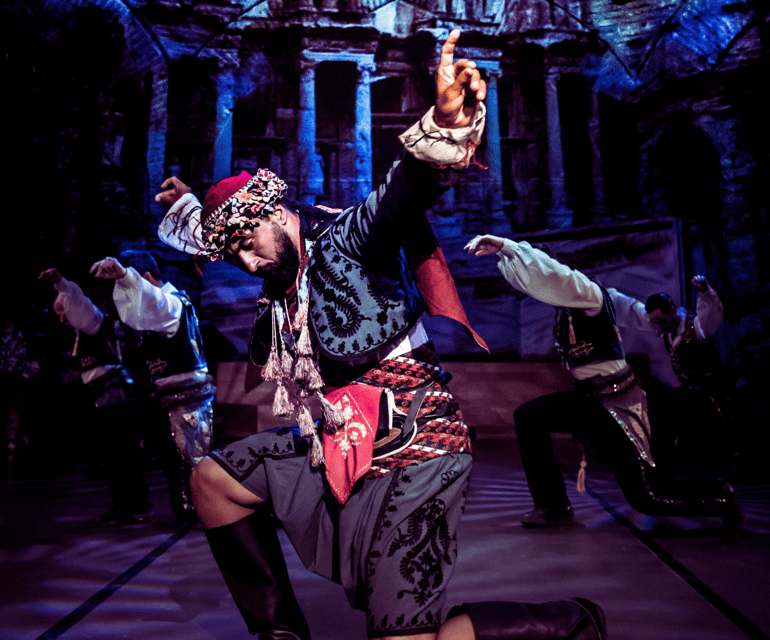
Anatolia is where you see regional movement language—more grounded, story-like, and connected to traditional village and local influences. Ottoman palace styles shift the feel toward courtly elegance: the armwork, timing, and formation changes become more stylized. When both are on the program in the same evening, you start to notice how Turkish dance can be both expressive and disciplined, depending on the style.
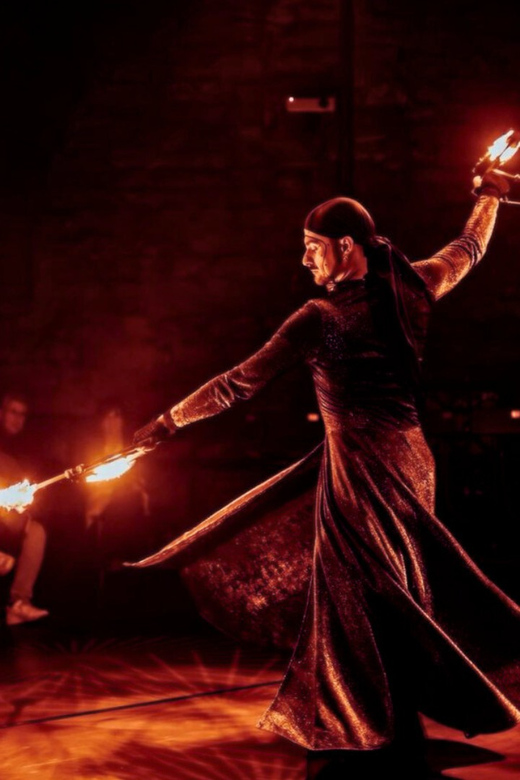
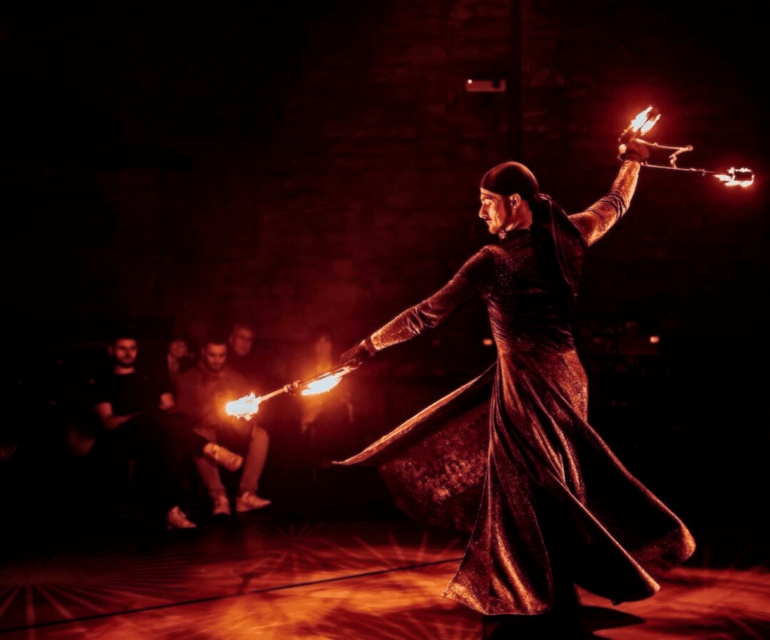
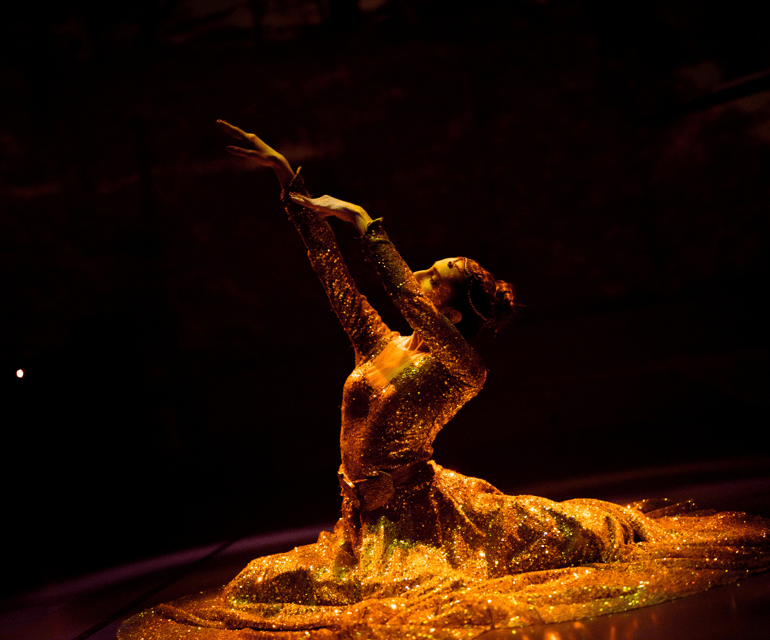
The performance also stands out for craft, not just costume. One highlight that comes up often is a one-man dance with the famous floating-skirt effect. If you like choreography that’s precise and controlled, that segment is exactly the kind of visual payoff you’re hoping for.
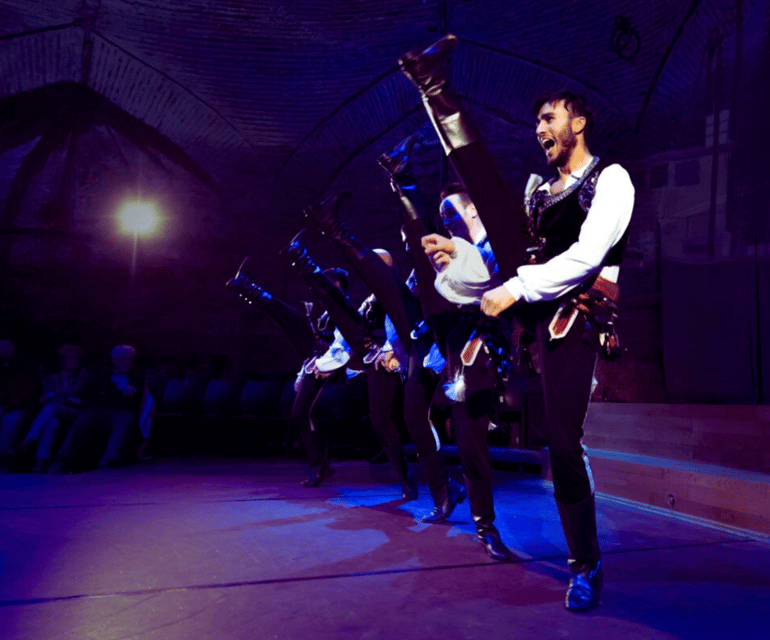
Music matters here too. The show includes live musicians, and drum-led moments create strong rhythmic anchors for the dancers. You don’t just hear background sound; you feel the beat guiding the pace of transitions. That keeps the show from turning into a costume parade. It stays performance-first.
If you’ve seen other dance shows in Istanbul, you’ll recognize the difference between staged “tourist entertainment” and something built around technique and timing. The best part of this kind of program is that it shows dance as a living tradition—something with rules, character, and regional identity—without getting overly academic.
Also, the format is audience-friendly. There’s a program booklet, and the host/greeter provides English support. That means you’re not stuck guessing which dance style is which while the costumes spin by.
The program booklet, English host, and why context improves the show
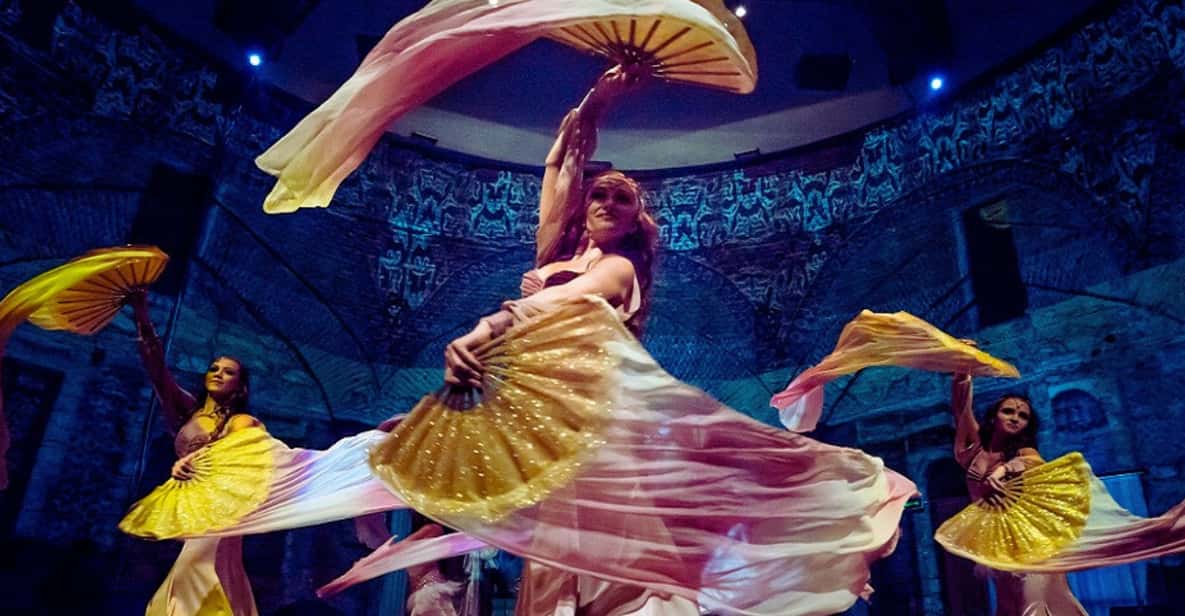
A show like this is visual, but it’s also structured. Without a bit of context, you can enjoy it and still miss what makes each segment different. That’s where the program booklet helps.
You’re given a complimentary guide that explains the dance styles and their significance. It doesn’t need to turn you into a dance scholar. It just helps you notice patterns: what changes when the music style changes, how the dancers signal different traditions with gestures and stance, and why the choreography style shifts from Anatolian to Ottoman.
Then there’s the human touch: an English-speaking host/greeter. That matters more than people expect. When staff share simple show info—like where to sit and how the program flows—you waste less time during check-in and settle faster. In at least one account, the greeter named Gafar was credited with helping people get good seats and providing reminders that kept the night running smoothly. Another guest note singled out Veronica for helpful support.
Even if your greeter isn’t named the same in your night’s schedule, the key idea stays: you’re not left alone with a ticket and a guess. You get guidance in English, plus written support in the booklet.
You also get a bottle of water included. This is a small thing, but in Istanbul that bottle can be the difference between “I’m good” and “Why does my throat feel like sand right now?” It keeps you comfortable through the full hour.
Viewing comfort and stage lighting in a small, close-up room
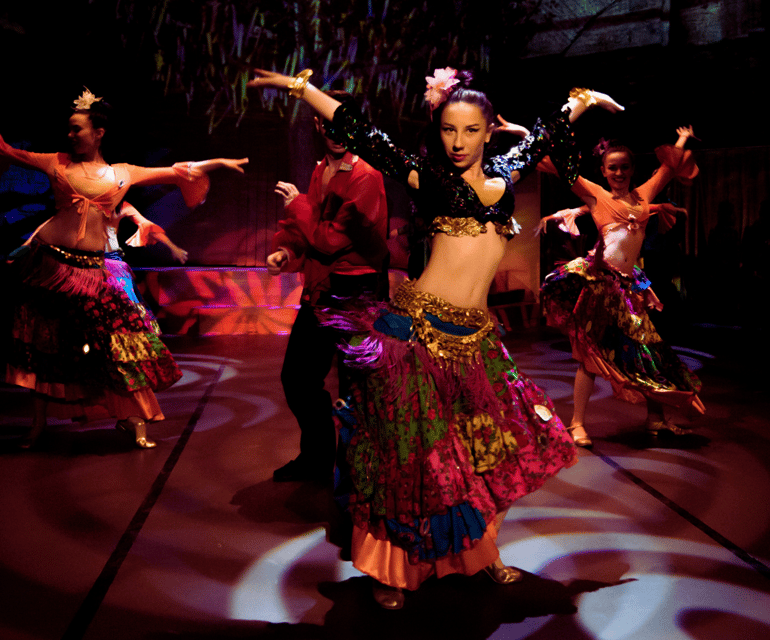
This is the kind of performance where lighting and proximity matter. The venue is described as small, and that affects your experience in a good way. When you’re closer, you can see the choreography rather than just the final poses.
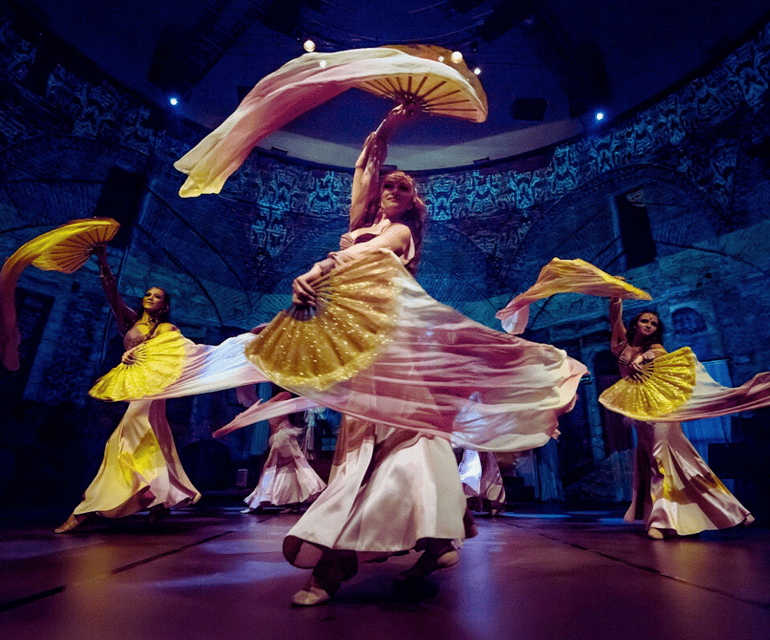
The stage lighting is also part of the story. Notes mention that the lights help highlight choreography beauty. In practice, that means you’re more likely to catch the transitions: when a dancer’s arm line shifts, how skirts or costume fabric move, and how footwork creates crisp rhythm. Even if you don’t know the cultural background, you’ll understand what’s being emphasized.
You should expect the show to be tightly paced and focused. With only one hour, there’s not much “padding.” That keeps energy up, but it also means you’ll want to be settled and ready when the show begins.
If you’re the type who likes lingering in lobbies and taking 30 photos before the first note, this show may feel a bit fast. The flip side: you won’t feel trapped for hours either. It’s a clean, concentrated cultural hour.
Hotel pickup and drop-off in Istanbul: reducing friction after dark
Istanbul has a special talent for making simple travel feel complicated. Traffic, lines, and getting your bearings can eat your evening.
That’s why optional hotel pickup and drop-off is worth considering here. The experience includes transport if you select it, and it takes you to Hodjapasha Cultural Centre and back after the performance. You can use that time to relax instead of navigating.
This kind of pickup is also good for people who don’t want to add another “where is it, how do I get there, how long will it take” variable. One hour shows work best when your schedule is tight. Pickup helps protect that.
If you’re already staying nearby or you enjoy walking, you might skip pickup. But if your hotel is far from the venue—or you plan to spend the daytime elsewhere—pickup turns the evening into a simpler plan.


Price and value: what $43 includes and what you’re paying for
At about $43 per person for a one-hour live show, the value comes from what’s bundled, not just the ticket number.
Your admission includes:
- Entry to the performance at Hodjapasha Cultural Centre
- A program booklet
- Bottled drinking water
- The live performance itself
- The ability to skip the ticket line
If you choose the option, hotel pickup and drop-off can also be included.
So you’re not only paying for dance. You’re paying for:
- A historic setting (the restored hammam)
- A short, professionally staged performance
- Context support (booklet + English host)
- A couple of comfort details (water, and easier check-in)
Where the math might not feel perfect is also clear: food isn’t included. If you were hoping to turn this into a full dinner-and-show night, you’ll need to eat before or after elsewhere.
Still, for people doing a packed Istanbul itinerary, this is the kind of experience that fits. One hour is long enough to feel like you did something cultural and focused. It’s short enough that you can still enjoy other areas of the city afterward.
Who this Turkish dance show is best for (and who should skip it)
This show is a strong match if you want a cultural performance that’s both easy to follow and clearly rooted in Turkish dance traditions. If you enjoy music-driven choreography and you like seeing different styles side by side, this format makes sense.
It’s also a good choice for first-timers who want a single, understandable evening activity. The program booklet and English host reduce the “what am I looking at” uncertainty.
If you’re traveling with limited time, this one-hour structure is practical. And if you like smaller venues where the performers feel closer, the hall’s size works in your favor.
Who might skip it? If you’re looking for a long night with dinner included, or if you want a full-blown history lecture in a museum setting, this isn’t that. It’s a live show in a historic venue, and it stays focused on performance.
Also, if you dislike being indoors for any reason related to historic buildings (temperature, acoustics, or seating style), you should think about what “historic hammam converted into a cultural center” means for your comfort.
Quick tips to make your hour go smoothly
Before you go, I suggest you treat this like a performance you should show up for, not a background activity.
- Bring the program booklet mindset. Even quick reading helps you connect dances to style changes.
- Plan your meal timing since food isn’t included. Eat first, then go enjoy the show without juggling hunger.
- If you choose hotel pickup, keep your schedule simple so you don’t miss the return drop-off timing.
- Since the hall is described as small, settle in so you don’t disrupt others once the performance begins.
If you like detail, watch for how transitions happen when the music shifts. Those switches are often the most instructive part of the show, even when you don’t know every dance name.
Should you book the Hodjapasha Turkish Dance Show?
I’d book it if you want a high-signal Istanbul night: a historic 15th-century hammam, live dance with Anatolian and Ottoman elements, and clear help understanding the program. At $43 for an hour, it’s priced like a focused cultural activity, not a full-day tour substitute.
I wouldn’t book it if you need food included, you want something longer than an hour, or you’re looking for a museum-style history experience rather than live choreography.
If you do book, aim to make it a dedicated stop. Go in ready to watch, and you’ll leave with that rare combination: Turkish dance you can actually follow, inside a building that feels like part of the story.
FAQ
Where is the meeting point for the Turkish dance show?
You should go to the Hodjapasha Cultural Centre.
How long is the performance?
The duration is 1 hour.
How much does the show cost?
The price is $43 per person.
Is hotel pick-up and drop-off included?
Hotel pick-up and drop-off are included if you select that option.
What’s included with admission?
Admission includes the live performance, a program booklet, bottled drinking water, and the option to skip the ticket line.
Is food included?
No. Food and beverages are not included.
Can I cancel for a full refund?
Yes. You can cancel up to 24 hours in advance for a full refund.