REVIEW · ISTANBUL
Whirling Dervish Ceremony: Go on a Spiritual Journey
Book on Viator →Operated by Istanbul Walks · Bookable on Viator
The Whirling Dervish Ceremony in Istanbul feels like stepping into a different rhythm of time. What makes it special is the focus: this is a Sufi Sema ceremony set to live music, with the whirling performed as part of the ritual itself.
I love two things about this experience: the setting in the Hodjapasha building (once a Turkish bath space, now a ceremony theater), and the way the show is built around the music and meaning, not a flashy entertainment script. It’s also easy to settle in because seating is assigned, so you’re not stuck hunting for a view.
One possible drawback: if you expect a fast-paced, camera-friendly dance performance, you may feel the hour is a slow cycle of spinning and listening. And since photography is not allowed, you’ll have to experience it without recording the moment.
In This Review
- Key highlights you’ll care about
- Hodjapasha Dance Theater: a former bathhouse feel in Sirkeci
- The 7:00 pm plan: how the hour actually moves
- What you’ll see in the Mevleviye Sema (45 minutes of whirling)
- The live music experience: the orchestra is not background noise
- Ceremony etiquette: no photos, silence, and how not to feel awkward
- Getting there in Sirkeci: ease, confusion, and a smart plan
- Drinks and snacks: what you should expect to pay for
- Price and value: is $120.14 for one hour fair?
- Who should book this Sema ceremony (and who might not enjoy it)
- After the ceremony: what to do with your time
- Should you book the Whirling Dervish Ceremony in Istanbul?
- FAQ
- What time does the Whirling Dervish Ceremony start?
- How long is the ceremony?
- Where does the tour meet?
- Is hotel pickup or drop-off included?
- Is photography allowed during the ceremony?
- Are drinks or snacks included in the ticket price?
- What is included in the tour?
- Is there a minimum age?
- What is the cancellation policy?
- Does it use a mobile ticket?
Key highlights you’ll care about
- Hodjapasha Theater setting in a historic building tied to traditional bathhouse architecture
- Live orchestra and instruments that drive the atmosphere (including kettledrum, flute, and cymbals)
- The Mevleviye Sema in a UNESCO-recognized tradition, presented for about 45 minutes
- Strict ceremony behavior: silent viewing and no photos or video
- A real post-show hang option with drinks/snacks available to purchase
Hodjapasha Dance Theater: a former bathhouse feel in Sirkeci
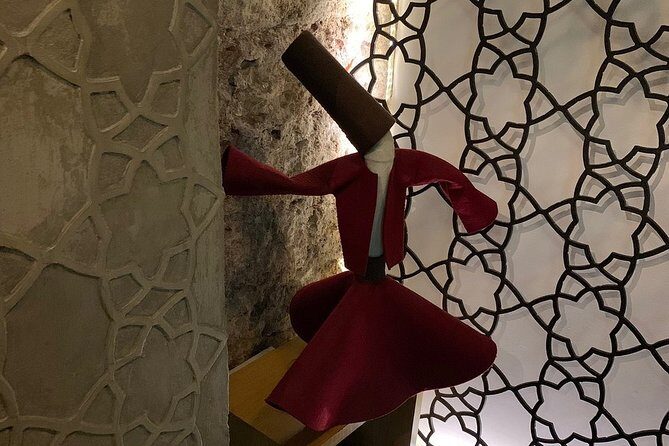
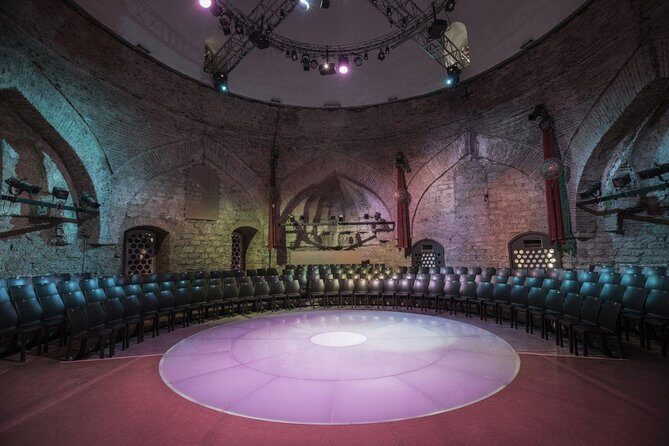
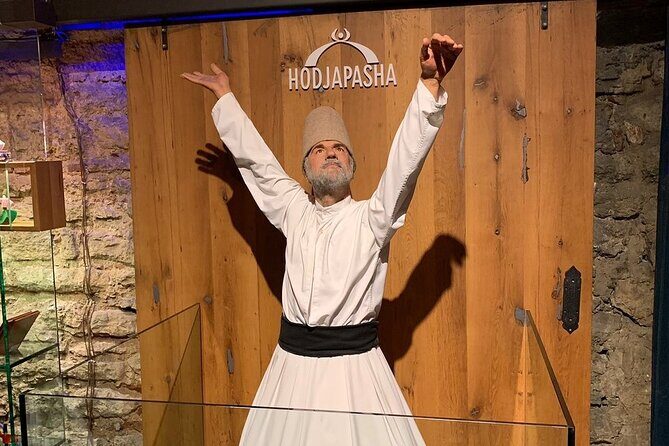
Your evening starts in the Sirkeci area, near public transportation, heading to the Hodjapasha Dance Theater. The venue sits in a historic structure from the 15th century, originally used as Turkish baths and now repurposed for ceremonial performances.
That bathhouse background matters more than you might think. Stone walls, an older layout, and enclosed indoor acoustics help the live music land differently than it would in a modern concert hall. You also get that sense of attending something that belongs to the building, not just borrowing the space for a performance.
You’ll arrive before the ceremony so you can get oriented. There’s a bar area described for purchasing drinks, plus Turkish delight and snacks, though some people report the selection can be limited (at minimum, bottled water may be available). Either way, plan to keep it simple: bring your patience and decide early that this is about the ritual, not a full nightlife stop.
You can also read our reviews of more tours and experiences in Istanbul.


The 7:00 pm plan: how the hour actually moves
The show runs about 1 hour in total, starting at 7:00 pm. Timing can vary slightly, so I’d treat it like a start window rather than a hard stopwatch moment.
What happens in the ceremony itself follows a clear arc. First, you get roughly 15 minutes of traditional Turkish music. Then the main portion begins: the Mevleviye sema dance performed by the semazens (the whirling dervishes) for about 45 minutes.
After the whirling, the ceremony ends and you can stay briefly in the venue. This is your chance to decompress—grab a snack or drink if they’re serving what you want—and reflect on what you just saw.
The biggest thing to know: this isn’t built like a typical stage act. The repetition and steady structure are part of the design. If you’re the kind of person who likes a show with constant surprises, you might have to adjust your expectations early.
What you’ll see in the Mevleviye Sema (45 minutes of whirling)
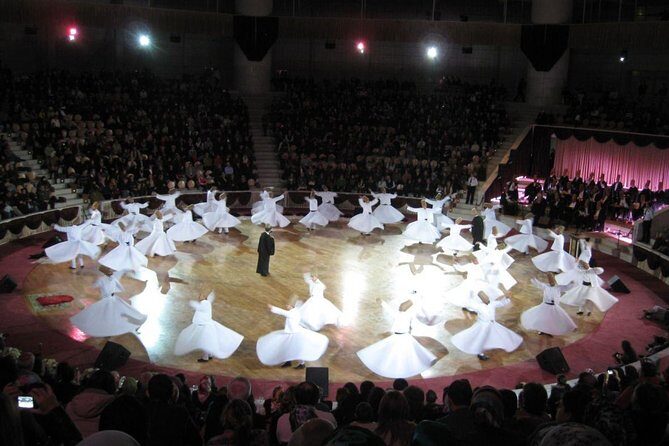
The heart of the evening is the Mevleviye sema, a ritual dance tied to the Mevlevi tradition. The experience description frames it as an 800-year-old ceremony tradition and notes its place on UNESCO’s Intangible World Heritage List.
Visually, you’ll notice the semazens whirling in a choreographed pattern—spinning like a white top, then gliding as the movement flows through its sequence. The dancers are performing a spiritual ritual, not just entertaining movement on stage.
The sound design is a big part of what you’ll take in. The ceremony is accompanied by musicians using traditional instruments, including a kettledrum, flute, and cymbals. Over the course of the whirling, these sounds set the pace and emotional tone, especially if you settle in and stop trying to identify every musical cue.
You may also hear ancient Persian prayers and poetic songs. That language layer can make the whole experience feel more like listening and watching in tandem than simply watching dance.
The live music experience: the orchestra is not background noise
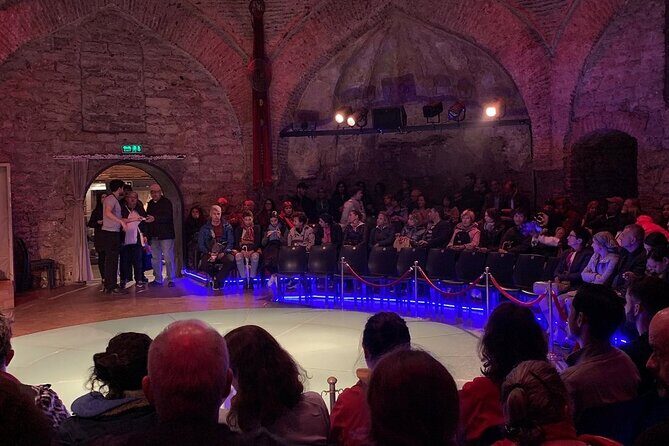
One of the most praised parts of the evening is the live music. People describe the orchestra as a key part of the atmosphere, not a filler track.
In this ceremony, you’re not listening to a playlist. You’re hearing a full traditional setup, performed alongside the whirling. That’s why the music can feel powerful even when the visuals are repetitive: it’s providing variation in texture and energy while the dancers hold the ritual structure.
If you love Turkish classical or traditional music, you’re in the right place. If you’re indifferent to live music, you may still find the sound matters, because the ceremony is built to be experienced as one system—music setting the frame for motion.
Ceremony etiquette: no photos, silence, and how not to feel awkward
Rules are a big part of making the ceremony work. No photography or video is allowed, and you’ll be expected to follow quiet viewing norms. In practical terms, that means little to no talk once the ceremony begins.
This matters because the experience isn’t designed for audience interaction. You shouldn’t expect clapping, filming, or chatting your way through. Some people find this strictness frustrating, especially if they like capturing everything. But if you respect the format, it helps the whole room stay focused on the ritual.
Also expect assigned seating. That’s a plus for your comfort—you’re not competing for sight lines during the main whirling portion. One caution: if you arrive late, you may need to adjust quickly and accept that you might not get the exact angle you hoped for.
How to prepare in your own behavior:
- Treat the hour like a quiet performance, not a sightseeing stop
- Keep your phone away once the ceremony starts (even casual use can distract)
- Set your mindset to observe and listen, not chase moments for a camera
If you go in relaxed about those rules, the experience tends to feel more meaningful.


Getting there in Sirkeci: ease, confusion, and a smart plan
The ceremony is near public transportation, which is great. The Sirkeci neighborhood is well served, and once you know the exact venue name, it’s easier to navigate.
Still, there’s a theme in feedback: the location can be hard to find if you rely only on casual directions. Some people mention taxis not knowing where the center is, and others get lost because there are multiple whirling dervish options around the area.
So here’s the practical move: before you leave, confirm the exact venue name and use that wording with taxi drivers. Don’t just say whirling dervishes in general. Ask specifically for Hodjapasha Dance Theater, and give yourself a buffer so you’re not rushing in right when the ceremony begins.
If you’re also planning dinner nearby, keep it flexible. The venue sits among restaurants, so grabbing food after is easy. Just don’t bet your entire schedule on the exact show start time happening exactly when printed.
Drinks and snacks: what you should expect to pay for
Your ticket experience includes admission and the Sufi music concert. Anything involving food and drinks is an own expense item.
The experience description says there’s a bar and that you can purchase drinks and snacks. However, some people report that the bar wasn’t available in the way they expected, with bottled water being what was readily offered.
So don’t plan your evening around cocktails. If you want something specific, consider grabbing a drink before you arrive. If you just want water and a small snack, you’re likely covered.
This is also one of those details that can shape how people judge value. If you think you’re buying an event-night out, you may feel disappointed. If you see it as a ceremony ticket plus a simple refreshment, it fits perfectly.
Price and value: is $120.14 for one hour fair?
At $120.14 per person, this isn’t a budget evening. The price feels steep if you measure the experience by clock time alone—especially because many viewers describe it as repeating motion once the ritual begins.
But here’s the value argument that makes sense. You’re paying for:
- A real ceremony setting in a historic venue
- Live traditional music performed with the dance
- A structured Mevleviye sema presentation lasting about 45 minutes inside a 60-minute program
- Assigned seating and a guided flow through a ritual format (you’re not left wandering)
So the honest answer is: the price works best if you genuinely care about the spiritual tradition and appreciate the deliberate pace. If you want constant variety, you might feel you’re paying for stillness and whirling that can run long in your head.
A helpful way to decide: ask yourself what you enjoy most in travel evenings. If you love listening to music, learning cultural context, and respecting ritual rules, this is easier to justify. If you prefer lively performance pacing and audience engagement, you may not feel the value.
Who should book this Sema ceremony (and who might not enjoy it)
This experience is ideal if you’re interested in Turkey’s spiritual traditions and Sufi culture. You’ll likely enjoy it most if you see it as a ceremony rather than a stage performance.
It’s also a good fit for people who can sit still and focus. Reviews highlight a calm, meditative energy and a sense of learning through observing. Some people even mention it as a meaningful experience for kids, though the minimum age is 7.
You might want to skip or reconsider if:
- You expect audience participation
- You want photos and video to capture the event
- You dislike slow, repetitive movement
- You’re easily bored by a single structured performance format
This isn’t a problem with the dancers. It’s the design of the ritual. The ceremony aims for a steady rhythm, not a series of plot beats.
After the ceremony: what to do with your time
Once the whirling ends, you can remain at the venue area. This is a good moment to breathe, let the sound fade, and decide whether you want to explore further in the cultural space.
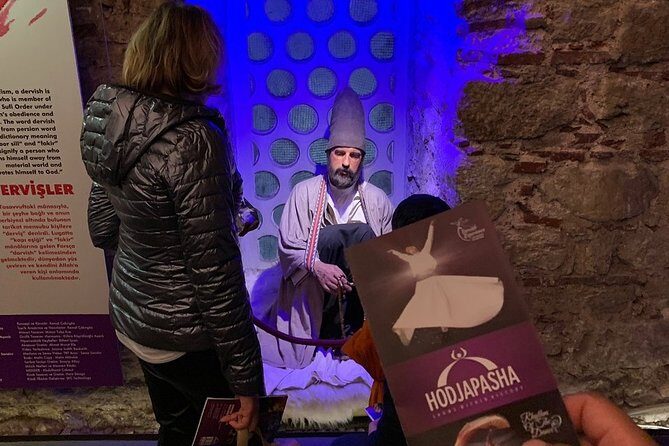
One helpful tip from the experience context: there may be an overview setup inside the cultural center that explains the ceremony’s development and significance. Even if you don’t catch every detail, it can give you a framework for what you just watched—especially if the ceremony felt abstract while you were in your seat.
Then step back into the Sirkeci neighborhood for dinner or an easy walk. The area has plenty of restaurants around the theater, which makes it simple to turn one quiet spiritual evening into a full night out.
Should you book the Whirling Dervish Ceremony in Istanbul?
Book it if you want a meaningful cultural evening focused on a living ritual—Mevleviye sema with live music, in a historic Hodjapasha venue, and a format that asks you to watch quietly. If you’re the kind of person who enjoys ritual rules, slow pacing, and listening as much as looking, you’ll probably feel it was worth the time.
Hold off if you need entertainment fireworks. If you’re counting on filming, clapping, or a high-energy show style, you’ll be happier finding a different performance in Istanbul.
My bottom-line take: this is one of those rare experiences where the rules (silence, no photos, steady structure) are part of the value. Go with that mindset, and the hour can feel like more than a show.
FAQ
What time does the Whirling Dervish Ceremony start?
The start time is 7:00 pm.
How long is the ceremony?
The show is about 1 hour.
Where does the tour meet?
You’ll meet at the Hodjapasha Dance Theater in the Sirkeci neighborhood area.
Is hotel pickup or drop-off included?
No, hotel pickup and drop-off are not included.
Is photography allowed during the ceremony?
No, photography is not allowed.
Are drinks or snacks included in the ticket price?
You can purchase drinks and snacks for your own expense. The show information says there is a bar area, though what’s available can be limited.
What is included in the tour?
Admission includes the Whirling Dervishes Ceremony (Sema) and a Sufi music concert.
Is there a minimum age?
Yes, the minimum age is 7 years.
What is the cancellation policy?
You can cancel for a full refund up to 24 hours before the experience’s start time.
Does it use a mobile ticket?
Yes, it includes a mobile ticket.