REVIEW · ISTANBUL
Wonders of Turkey – Gulet: Istanbul, Cappadocia, Ephesus, Fethiye
Book on Viator →Operated by Fez Travel · Bookable on Viator
Turkey feels different from the sea.
This combo trip stitches together big-name sights and real time-on-the-water. I love the 3-night gulet cruise start, because it slows the whole trip down and gives you room to just enjoy the coastline. I also love that the land days are guided, so places like Sultanahmet and Ephesus come with clear context instead of guesswork. One consideration: your daily sea plan can shift, since the captain decides the program on the spot.
On the water, you’ll be in a traditional wooden yacht with 16 cabins and private bathrooms, plus a sun deck that’s made for long, quiet hours. Most nights you’ll anchor rather than rush back to a big port, and meals are included on the gulet, so you’re not constantly budgeting. Still, you should know the tour guide does not travel with you during the gulet section, so you’ll rely on the skipper and crew for the day-to-day pace.
For history fans, the itinerary is serious, not showy. Gallipoli covers WWI sites like Lone Pine and Chunuk Bair, and the Pamukkale stop includes a dip in the Roman-era hot springs near Hierapolis. The potential drawback is simple: this is a lot of ground in 13 days, so you’ll want good energy and a flexible mindset when schedules tighten.
In This Review
- Key things I’d underline before you book
- The 3-Night Gulet Cruise: Where the Trip Really Starts
- Istanbul on Two Continents: Sultanahmet Day Done the Right Way
- Gallipoli, Troy, and Behramkale: History With Weight
- Ephesus Museum, Carpet Village, and a Selçuk Wine Tasting
- Fethiye Harbour to Turquoise Bays: Snorkeling and Anchor Nights
- Gocek and the Roman Baths: Swimming in History’s Footprints
- Pamukkale and Hierapolis: Travertines Plus Roman-Era Soaking
- Konya and Ankara: Silk Road Stops and Modern Turkey’s Anchor Point
- Cappadocia in One Day: Fairy Chimneys and an Underground City
- Price and Logistics: What You’re Really Paying For
- Who Should Book This Tour, and Who Might Want a Different Style
- Should You Book Wonders of Turkey – Gulet?
- FAQ
- Is there a gulet cruise included, and how long is it?
- Do I get private accommodations on the gulet?
- Are meals included on the water?
- Are entrance fees included in the price?
- Does the land guide travel with you during the gulet portion?
- What if the weather is bad?
Key things I’d underline before you book
- A small 16-passenger gulet with private bathrooms for a calmer shipboard feel
- Meals included on the gulet, so the cruise days stay easy on your wallet and your calendar
- Land guiding where it matters, including Istanbul Old City and Ephesus
- Gallipoli WWI battlefields plus Troy and Behramkale for history with emotion and texture
- Swims built into the route, including snorkeling stops around the Turquoise Coast
The 3-Night Gulet Cruise: Where the Trip Really Starts
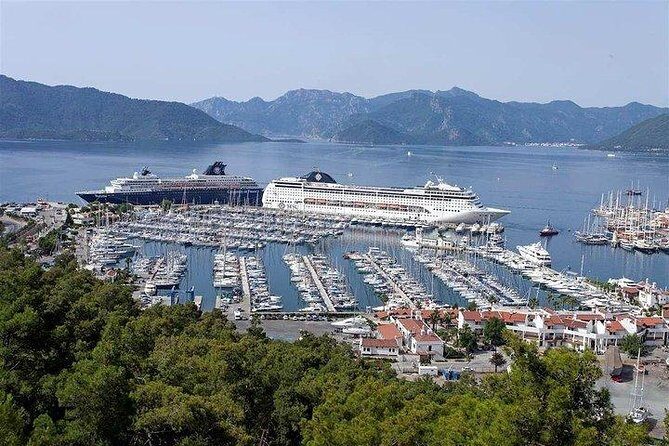
The easiest way to understand this tour is to treat the gulet as your reset button. You board in Fethiye around 15:00, and within a few hours you’re out on the water, cruising clear inlets and anchoring overnight (except the last night in Marmaris). The ship is described as a traditional wooden yacht with 16 cabins, each with a private bathroom. That matters more than it sounds. You won’t have the usual “where do I shower” chaos that can happen on smaller boat trips.
The ship layout also helps you feel comfortable in between stops. There’s a saloon bar, dining room, and a sun deck made for long stretches of doing nothing in the best way. Meals are included on the gulet, which is a practical win. When you’re sailing, the day is already full of motion and swim breaks, so having food handled takes pressure off.
One more detail you’ll appreciate: the tour guide does not accompany the group during the gulet portion. The skipper and crew run the show, and that can actually feel more local and relaxed. Just be ready to follow their timing closely and ask questions early if you want a specific plan while docked.
You can also read our reviews of more tours and experiences in Istanbul.


Istanbul on Two Continents: Sultanahmet Day Done the Right Way
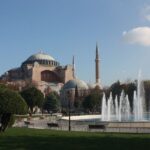
Your Istanbul day is built around the Sultanahmet core, the area that’s basically the highlight reel for the Old City. After breakfast, you get a fully guided tour of the Blue Mosque, the St Sophia Museum, Topkapi Palace (including Hagia Irene), and the Hippodrome. That’s a lot of ground, but it works because the guide can connect what you’re seeing. These places can feel like separate monuments if you visit alone; with a guide, you start noticing patterns.
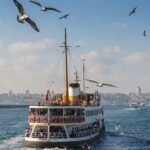
Then you get water time. In the afternoon, the itinerary includes a cruise between Europe and Asia on the Bosphorus, with an optional half-day Bosphorus cruise mentioned. Even if you don’t take every optional add-on, the key idea is this: Istanbul is a city you understand faster from the water. It also helps break up the heavy concentration of domes and palaces with a calmer kind of sightseeing.
Practical note: this is a guided day with major indoor stops. Wear shoes you can walk in for a while, and keep a light layer. Istanbul weather can change quickly, and you’ll feel it more when you’re shifting between shaded courtyards and open areas.
Gallipoli, Troy, and Behramkale: History With Weight
Two of the most emotionally intense days on the route come early.
Gallipoli is the WWI focus, with visits to Lone Pine and Chunuk Bair Memorials, ANZAC Cove, The Nek, Johnston’s Jolly, and the original trenches and tunnels. This isn’t the kind of history that stays abstract. The description alone signals it’s about physical places tied to memory. Go in prepared for a sober tone, and don’t treat it like a box-checking day.
Then you move to Troy (Truva). You’ll explore the ancient city (UNESCO World Heritage Site) and the award-winning Troy Museum. After that, you continue to Behramkale, a small village setting with stone houses and narrow streets. This stop gives you a breather from pure monument hopping. Even if you keep it simple with tea or a short wander, it’s a chance to see how people actually live in the region today.
The biggest practical thing to remember: these are long travel days with a lot to see. If you get tired, don’t try to “push through” every viewpoint. Instead, pick one or two places where you slow down and let it land. Gallipoli especially benefits from that approach.
Ephesus Museum, Carpet Village, and a Selçuk Wine Tasting
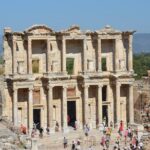
Ephesus is one of those sites where order matters. You’re getting a guided tour of the Ephesus ruins, including the Temple of Artemis area, the Library of Celsus facade, and the amphitheater. You also visit the Ephesus Archaeology Museum, which helps you understand what you’re standing near outside. Artifacts in the museum often make the scale of the site click.
Then the itinerary adds two smaller but useful experiences:
1) A carpet village visit, where you can learn how carpets are made by hand and what affects their value. This is the kind of cultural stop that’s easy to skip on other tours, but it’s worth it because it explains the craft, not just the shopping.
2) A wine tasting in Selçuk, described as three local wines included.
This day is a good example of what makes the tour feel balanced. You get big ancient ruins, but you also get local skills and a relaxed food-and-drink moment to reset your senses.
Tip for your comfort: keep your daypack light. You’ll likely have a mix of museum time and outdoor ruin time, and the guided route can involve steady walking.
Fethiye Harbour to Turquoise Bays: Snorkeling and Anchor Nights
Once you reach Fethiye, the trip shifts from land tours to sea days.
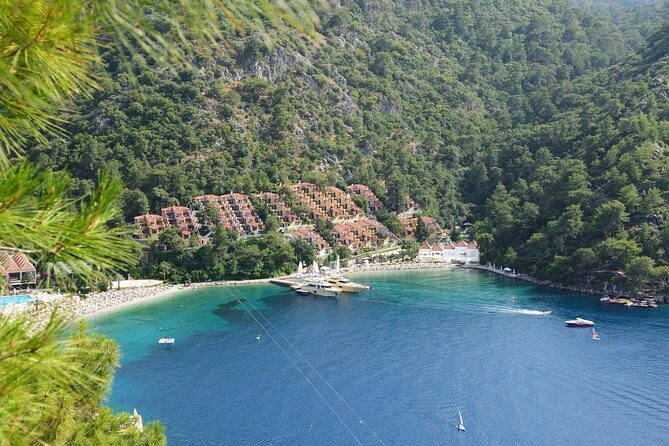
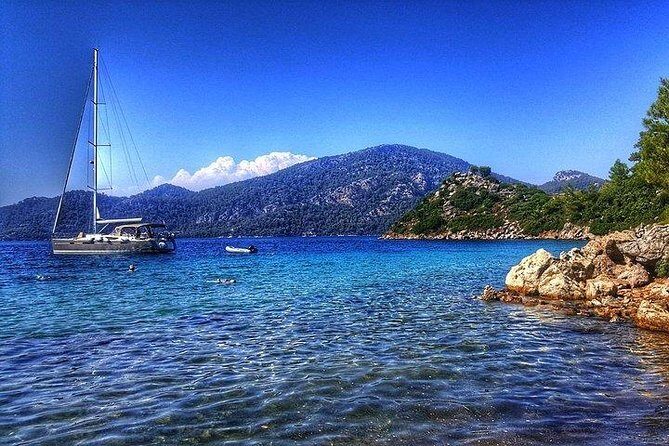
On the gulet boarding day, you cruise past islands toward Tersane Island (Dockyard Island), and you’re built in for swimming and snorkeling around Turunc Bay or Tarzan Bay. These names matter because they signal the route is about water time, not just coastline views. If you enjoy getting in the water, this is where you’ll feel the tour’s value quickly.
Later, the itinerary keeps leaning toward the same theme: day after day, you sail, anchor, and swim. You’ll pass the Yassica Islands and Gocek Islands, which are described as mostly unnamed with safe anchorage and secluded sandy beaches. You even get a final swim at Red Island on the way back to Fethiye.
What I like about this setup is the rhythm. You don’t have to choose between “relax” and “see things.” They’re tied together. The trade-off is that you’ll spend less time on long shore excursions. If you love shopping districts and big town wandering, you may wish there were more dockside time. But if you’re happy letting the boat be the main event, this section delivers.



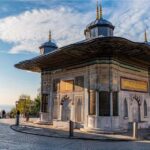
Gocek and the Roman Baths: Swimming in History’s Footprints
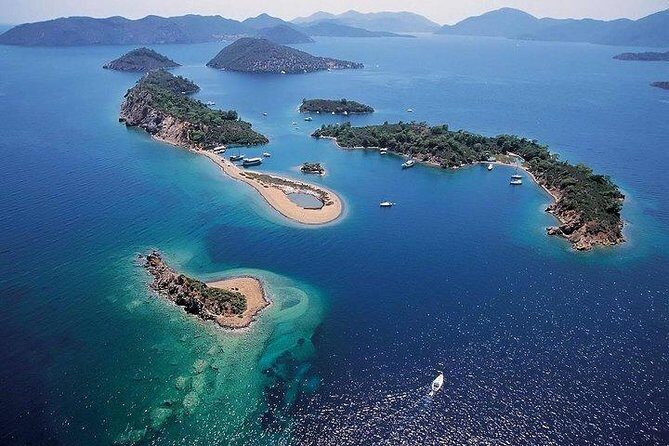
The day trip from the boat side continues to be structured around bays and short hikes.
You head toward Hamam Bay, where there’s a swim opportunity near Roman Baths built by Mark Antony as a gift for Cleopatra. That’s a striking detail because it connects the water experience to a specific story, not just a generic “nice ruins” moment. Then you sail to Sarsala Bay, surrounded by pine, and you have a 45-minute hike option to a Lycian town, noted for inscribed walls dating from the 3rd century BC.
Next is Bedri Rahmi Bay, named after a Turkish painter. From a practical point of view, this is where you can decide your own energy level: swim, explore, or just stay put on the water. The tour format here is smart because it respects different travel styles. Some people want their legs moving; some want their towel out.
One thing to consider: hikes and swims are optional in practice, but the day still runs on sea schedules. Bring a swimsuit you can rinse fast, and pack sun protection you don’t mind reapplying.
Pamukkale and Hierapolis: Travertines Plus Roman-Era Soaking
This is one of the most visually iconic stops on the route. You’ll travel to Pamukkale for the white calcium terraces (travertines) and tour Hierapolis.
What makes this stop feel worth it on a multi-city tour is the combination of scenery and action. You’re not just walking around looking at white rock formations. You also get to take a dip among ancient columns in the hot springs used in Roman times for therapeutic powers. That detail matters because it turns a photo-stop into a physical experience. You’ll remember it with your senses more than your camera roll.
A practical caution: Pamukkale can be hot and bright. Plan to spend time early or later when light changes how the terraces look, and bring something for sun protection. Also, consider comfortable footwear for uneven surfaces around ruins.
Konya and Ankara: Silk Road Stops and Modern Turkey’s Anchor Point
After the cruise and Roman-era sights, the itinerary pushes into inland Turkey with two purposeful stops.
In Konya, you visit the Sultanhani Caravansary and the Mevlana museum. This is the Silk Road theme, and the caravansary gives you a tangible sense of what travel routes looked like when people moved goods and stories on long journeys. The museum stop adds a cultural layer, and there’s an optional traditional Turkish folklore evening for tonight’s pace.
Then you head to Ankara, where the itinerary includes Anitkabir, the mausoleum of Mustafa Kemal Ataturk, before returning to Istanbul. This is less about ancient ruins and more about how modern Turkey frames its national story.
If you like your days to have a clear through-line, these two days help. You go from ancient empire geography to the “how the country sees itself” moment.
Cappadocia in One Day: Fairy Chimneys and an Underground City
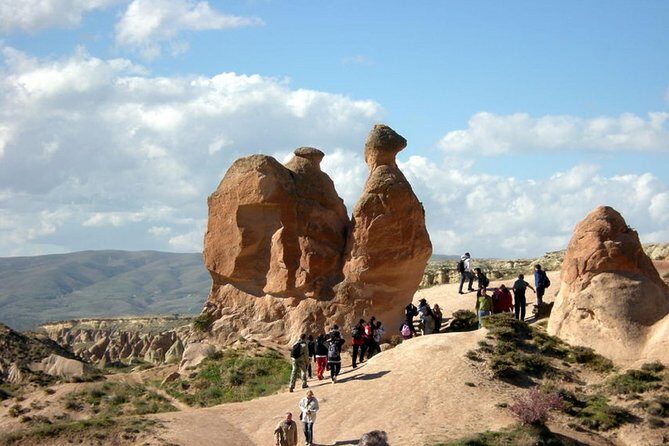
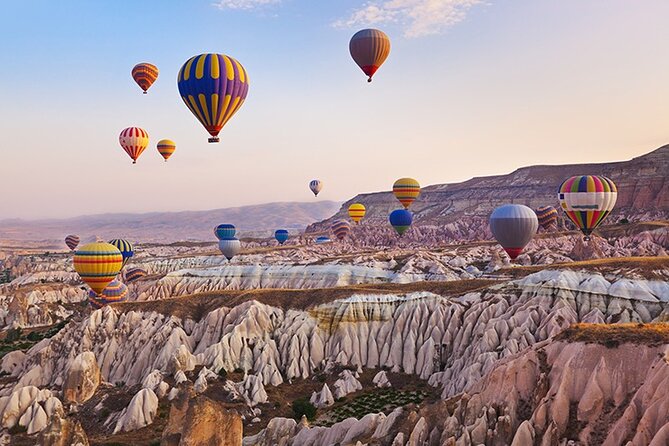
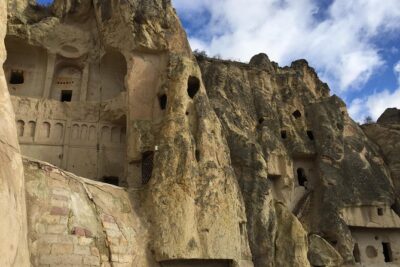
Cappadocia can be a whole multi-day vacation on its own, but here you get a concentrated taste. You’ll visit the Goreme Valley Open Air Museum and the fairy chimneys, plus explore many levels of an underground city.
This “two-part” structure works. Surface views from the valley give you the iconic shapes and rock formations. Then the underground city experience adds the practical, human side: how people adapted to living in harsh conditions.
One drawback is time. One day won’t let you see every corner, and you might want more. But if your goal is to get the big Cappadocia moments without adding extra days, this itinerary does the job.
Practical tip: wear layers and be ready for changes in temperature. Rock can feel surprisingly cold in shade and sweaty in sun.
Price and Logistics: What You’re Really Paying For
The price is $2,356.81 per person for this 13-day route. The value comes from the mix of guided land days plus a cabin-based gulet experience, not from a single attraction.
Here’s how to think about what’s included:
- 3 nights on board a gulet with private bathrooms
- Air-conditioned vehicle for land segments
- Wine tasting (three local wines)
- Professional English-speaking land guide
- Meals on the gulet are included
- Entrance fees are mostly not bundled in one clean package. The guide data notes an entrance fee payable on the spot in cash of €240.00 per person.
So yes, you should plan for extra cash on hand for entrances. Also plan for drinks: alcoholic drinks aren’t included and are available to purchase.
Logistics you should take seriously: you’ll need a copy/image of your passport at booking time. You also have a luggage limit of one suitcase and one carry-on. Oversized items may be restricted, so if you travel with anything unusual, ask ahead.
Finally, the gulet itineraries are subject to change without notification, with the captain deciding the program at the time. Build flexibility into your expectations. That uncertainty is annoying only if you insist on a fixed checklist.
Who Should Book This Tour, and Who Might Want a Different Style
This tour fits best if you want:
- A mix of major cultural sights (Istanbul, Ephesus, Cappadocia)
- Emotionally strong sites like Gallipoli
- A real sea day experience, with swims and snorkeling built in
- A group size that stays small enough to feel friendly: maximum 16 passengers
It may not fit as well if you prefer:
- Lots of long, independent time in each town
- A strict, unchanging schedule for every day on the water
- Minimal walking and maximal rest time. The itinerary is packed, even if it has breaks.
If you’re traveling as a single, there’s a single supplement, and you’ll have the hotel room and/or gulet cabin to yourself, which can be a nice benefit if you like privacy.
Should You Book Wonders of Turkey – Gulet?
I’d say this is a strong choice if you want Turkey’s big moments plus a gulet cruise that kicks off your trip in a relaxed way. The best part is that the cruise isn’t a token add-on. It’s a real 3-night experience with meals handled, swim stops, and anchor nights.
Be honest about two things: you’ll pay extra for entrances (cash €240.00 per person), and you’re signing up for a full itinerary where not every day is slow. If that sounds like your style, book it. If you need more breathing room between destinations, you might consider a shorter route or a separate focus trip for Cappadocia or the Aegean.
One more nudge from the vibe of the provided feedback: the gulet cruise is often the part people highlight first, especially as a way to start a Turkey trip on the right foot.
FAQ
Is there a gulet cruise included, and how long is it?
Yes. The tour includes 3 nights on board a gulet, with your cruise starting after you board in Fethiye around 15:00 and continuing through sea days and anchoring nights, with the last night in Marmaris.
Do I get private accommodations on the gulet?
You’ll have a cabin with a private bathroom. The gulet has 16 cabins for up to 16 passengers, and the tour mentions a maximum of 2 passengers per cabin.
Are meals included on the water?
Yes. The information states that all meals are included on the gulet. On land, some meals are marked optional in the inclusion list, so plan for at least some meals to be on your own during travel days.
Are entrance fees included in the price?
Not fully. The tour data says there is an entrance fee payable on the spot in cash of €240.00 per person.
Does the land guide travel with you during the gulet portion?
No. The information states that the tour guide does not accompany the group during the gulet section. The skipper and crew handle the cruise portion.
What if the weather is bad?
The experience requires good weather. If it’s canceled due to poor weather, you’ll be offered a different date or a full refund. The itinerary can also change based on the captain’s decisions while you’re on the craft.