REVIEW · ISTANBUL
8 Days Istanbul, Cappadocia, Konya, Pamukkale, Ephesus by flights
Book on Viator →Operated by Private & Small Group Ephesus & Istanbul & Turkey Tours · Bookable on Viator
Big Turkey sites, handled without the hassle.
This 8-day small-group route stitches together Istanbul and Ephesus with Cappadocia cave hotels in the middle, using domestic flights to cut down long road time. I especially like the max 15-person group feel (you actually hear your guide) and the practical pre-paid ticket approach that helps you waste less time in lines.
The main thing to weigh is the pace. You’ll cover a lot of ground each day, including a very long travel day when you head from Cappadocia toward Pamukkale—so you’ll want comfortable shoes and patience for transit.
In This Review
- Key Points You’ll Care About
- Why This Istanbul–Cappadocia–Ephesus Itinerary Fits First-Timers
- Istanbul: Hippodrome, Topkapi Palace, Hagia Sophia, the Blue Mosque, and the Grand Bazaar
- Hagia Sophia After Jan 15, 2024: How to Prepare for the No Live-Guiding Rule
- Cappadocia by Minibus: Fairy Chimneys, Pigeon Valley, and Ozkonak Underground City
- Pasabağ, Avanos Pottery, Göreme Open-Air Museum, and Uchisar Castle Views
- The Long Transition Day: Konya’s Mevlana Mausoleum and the Trip to Pamukkale
- Pamukkale and Hierapolis: Travertines, Theatre Views, and Ancient Necropolis Walks
- Ephesus and the Virgin Mary’s House: Roman-Scale Ruins With a Pilgrimage Stop
- Hotels, Meals, and What Your Money Actually Buys
- The Guide and Group Size Factor: Why It Feels Personal
- Practical Tips So You Don’t Lose Time or Get Turned Away
- Should You Book This Istanbul–Cappadocia–Pamukkale–Ephesus Tour?
- FAQ
- What airports does the tour use for pickups and transfers in Istanbul?
- Are domestic flights included in the price?
- How big is the group?
- Is a guide included?
- Are entrance fees included?
- What meals are included during the tour?
- What kind of hotels will I stay in?
- Is the Hagia Sophia interior visit guided?
- Is there thermal pool time in Pamukkale?
- What is the cancellation deadline for a full refund?
- What physical readiness do I need?
Key Points You’ll Care About
- Max 15 travelers with minibus transport, so the tour stays personal but still efficient
- Pre-paid tickets carried by your guide to help you skip the worst line delays
- Hagia Sophia rule after Jan 2024: no live guiding inside; you’ll need headphones (3.5 USD if you lack them)
- Cappadocia cave-hotel stays (options like Melekler Evi, Zeydem Suites, Fresco Konakları) instead of generic rooms
- Thermal pool time in Pamukkale with access until 22:30
- Guides with real people skills, with names like Orkun, Gurkan, Yavuz, Ozzy, and Ozgur praised for keeping the day moving and fun
Why This Istanbul–Cappadocia–Ephesus Itinerary Fits First-Timers
This tour works best if you want big-name sights without turning your vacation into a logistics test. You get private airport transfers in Istanbul and on the Cappadocia leg you fly, which matters when you’re trying to hit Istanbul, Cappadocia, Konya, Pamukkale, and Ephesus in just 8 days.
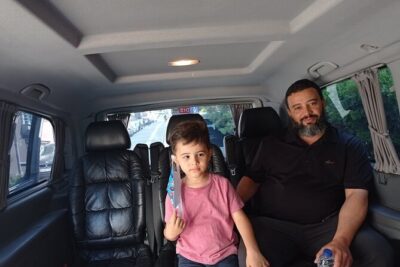
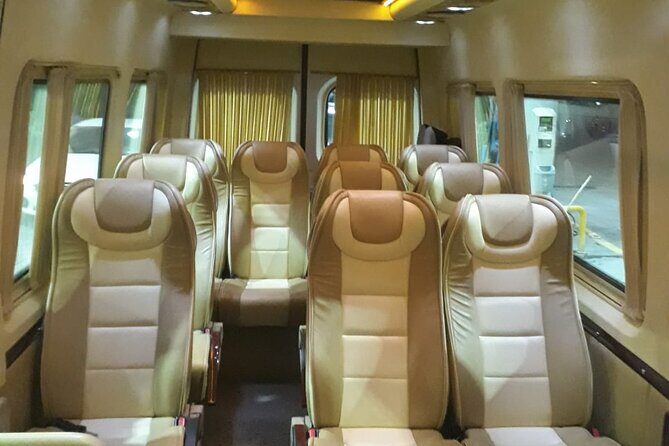
The small-group size (up to 15) isn’t just a marketing line. It changes the feel of the walk through historic centers: you’re not competing with a crowd to hear what’s important. And because you’re riding in an A/C vehicle with your group, you’re less likely to lose time figuring out the next stop.
The other thing you should notice is the planning style. Your guide handles entrance fees using pre-paid tickets and keeps the order sensible: you don’t just “see” buildings, you move from one context to the next—Byzantine and Ottoman Istanbul, then Cappadocian underground life, then ancient Roman grandeur at Ephesus.
You can also read our reviews of more tours and experiences in Istanbul.


Istanbul: Hippodrome, Topkapi Palace, Hagia Sophia, the Blue Mosque, and the Grand Bazaar
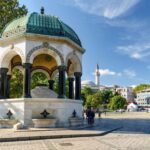
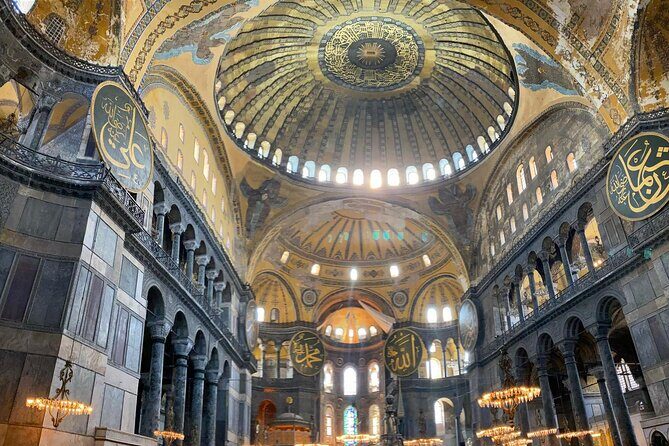
Istanbul day is built like a greatest-hits album, but with enough structure to make it understandable. You start at the Hippodrome, tied to Byzantine chariot races and earlier political unrest. It’s a good warm-up because it gives you a sense of the city as a power stage, not just a pretty postcard.
Next comes Topkapi Palace, and the tour specifically includes the weapons section. That’s a smart choice if you want Ottoman history to feel less abstract. Instead of only decorative rooms, you see how power actually operated—armor, artifacts, and the tools of rule.
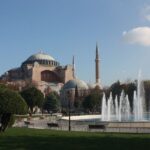
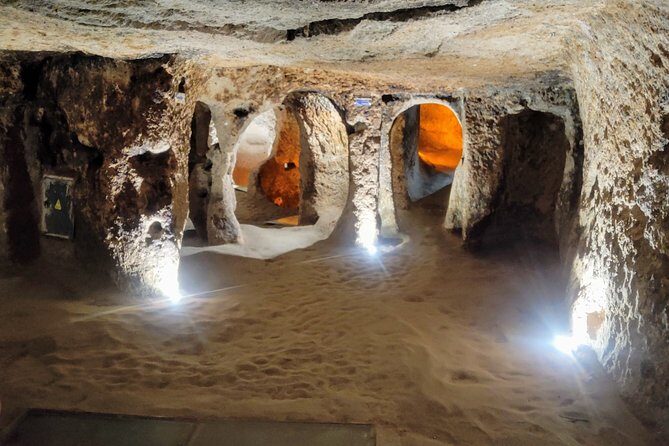
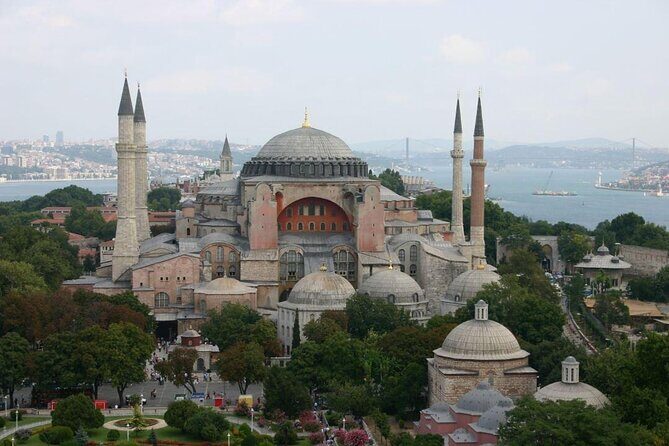
After a short walk, you’ll go to Hagia Sophia (entry included), then the Blue Mosque for its famous Iznik tile work. If you’ve been to a lot of big religious buildings, you’ll still feel the scale here. The trick is to keep your expectations realistic: even with a guide, it’s a high-demand stop, so your best move is to listen for the big-picture cues and avoid getting lost in every single detail.
You end at the Grand Bazaar, one of the world’s oldest covered markets, and it’s exactly what you think it is: jewelry, pottery, spices, and a lot of hands-on atmosphere. It’s short enough (about 1.5 hours) that you won’t feel trapped, but long enough to buy a couple of gifts—or just enjoy the sensory overload and move on.
Hagia Sophia After Jan 15, 2024: How to Prepare for the No Live-Guiding Rule
Here’s a practical detail that can make or break your experience at Hagia Sophia: live guiding inside is not allowed after Jan 15, 2024. The tour update says you’ll follow a self-guided audio setup using your smartphone and headphones.
You’ll want to plan for two scenarios:
- If you have a smartphone with headphones, you can use the system like an audio guide.
- If you do not have headphones, you can buy them at the entrance for 3.5 USD.
I recommend you pack a cheap wired earbud set or bring a backup charging plan for your phone. This is one of those “small admin” things that prevents a stress spiral in the middle of a landmark visit. Also, dress matters here and in every mosque stop on the tour: knees and shoulders covered, and shoes are not allowed in mosques.
Cappadocia by Minibus: Fairy Chimneys, Pigeon Valley, and Ozkonak Underground City
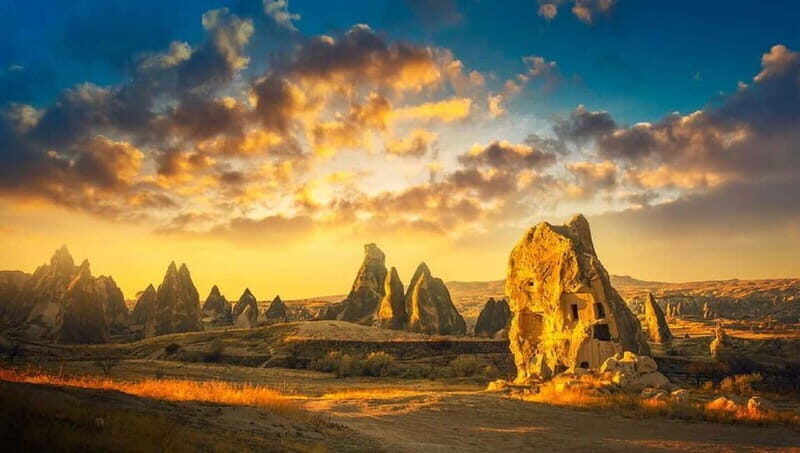
Cappadocia is where this tour earns its keep. It’s not only a scenic place; it’s a whole human story carved into rock. You start with the classic photo trio at Three Sisters (Fairy Chimneys) in Ürgüp. The formations are visually iconic, but your guide’s job is to connect them to how people lived and sheltered themselves in the area.
Then you head to Pigeon Valley, where you’ll see pigeon houses carved into the cliffs. This isn’t just a quirky stop. It explains how local life worked around the rock—and why those “homes” look oddly like human architecture.
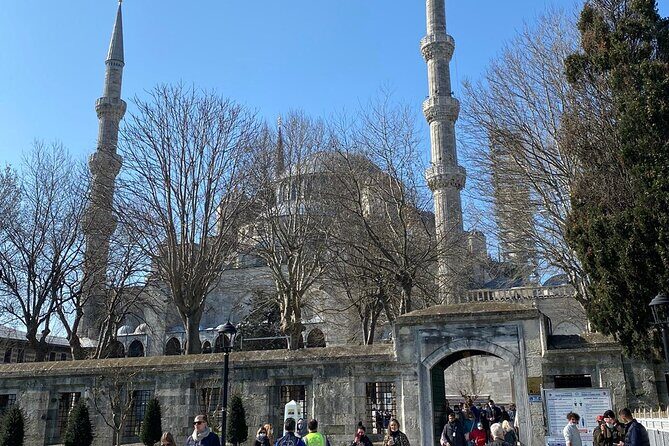
One of the most memorable stops is Ozkonak Underground City. You descend into volcanic granite layers, with rooms connected by tunnels and even a ventilation pipe system described as unique compared to Kaymaklı and Derinkuyu. Whether or not you remember every structural detail, the effect is the point: you feel what underground life meant during sieges, with carved rooms and the logic of survival.
The pacing across Cappadocia is carefully spread out across two days. Day 3 stays focused on rock life and underground shelter. Day 4 expands into the best “surface” viewpoints and church walls, so you get both halves of the story.
Pasabağ, Avanos Pottery, Göreme Open-Air Museum, and Uchisar Castle Views
Day 4 is where you slow down just enough to enjoy Cappadocia’s variety. You begin at Pasabağ (Pasabağ Fairy Chimneys Valley), home to some of the most dramatic chimney shapes, including twin and even triple rock caps. Locals even have a nickname for them because they look like mushroom tops.
Next is Avanos, known for tile and pottery workshops. There’s also a lunch break here, which matters because Cappadocia days can otherwise turn into “see, move, see, move” fatigue.
Then you visit the Göreme Open-Air Museum, with rock-cut churches and frescos from different centuries. This is a stop where you’ll feel the difference between seeing buildings and understanding what you’re looking at. Your guide helps you spot the meaning of the spaces and the way the paintings were used.
Finally, you climb to Uchisar Castle, the highest point in the area. It’s short but powerful: you get panoramas that make Cappadocia’s shape feel real, not just camera-friendly.

The Long Transition Day: Konya’s Mevlana Mausoleum and the Trip to Pamukkale
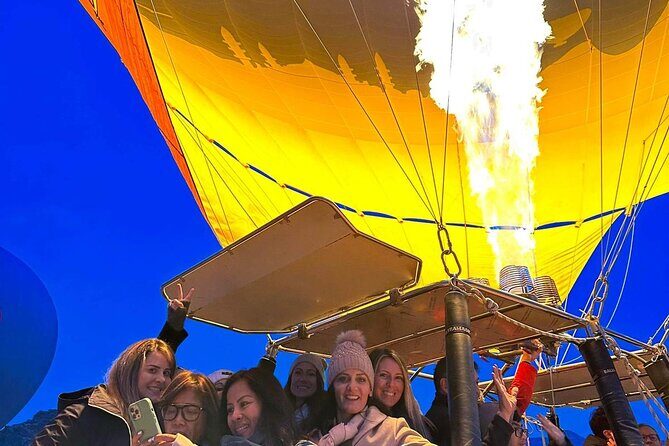
One day on this tour is a patience test: leaving Cappadocia and traveling toward Pamukkale is scheduled as a 10-hour drive. On the way, you visit Konya and the Mevlana Museum / Mausoleum of Mevlana.
This works well for two reasons. First, it breaks up the travel time with a culturally meaningful stop. Second, it gives you a totally different Turkey rhythm than rocks and ruins. Konya is a reminder that this itinerary isn’t only about ancient architecture—it’s also about living traditions.
When you arrive in Pamukkale, you check into your thermal hotel. You also get a chance to swim in the thermal pools until 22:30. That’s a big deal after long driving. It turns a day that could feel exhausting into a day that ends with hot mineral water and a slower heartbeat.
Pamukkale and Hierapolis: Travertines, Theatre Views, and Ancient Necropolis Walks
Pamukkale is famous for the white terraces, and this tour includes time at the travertine terraces and the ancient site of Hierapolis. The idea is simple: walk among the mineral springs, then connect what you’re seeing to the city that grew up there.
Your day includes 4 hours focused on Pamukkale area viewing, followed by a longer Hierapolis & Pamukkale visit including the ancient city highlights. You’ll see the Theatre, the Apollo Temple, and the Necropolis (graveyard), plus the travertines described as stunning mineral-spring formations that look like snow or cotton balls.
This combination is smart. Travertines are the visual hook, but Hierapolis gives the human reason they mattered. If you like history you can walk through, you’ll appreciate that the tour doesn’t treat Hierapolis as an afterthought.
After the sites, you drive to Kuşadası for overnight. That sets you up for an early-ish start toward Ephesus the next day.
Ephesus and the Virgin Mary’s House: Roman-Scale Ruins With a Pilgrimage Stop
Ephesus is the day you’ll feel in your legs. Even with guided pacing, it’s a walk through major ruins spread across a large area—so wear footwear that won’t punish you later.
You start with the Temple of Artemis, one of the seven wonders of the ancient world. The stop is short, but it frames what comes next: Ephesus wasn’t small-town Rome. This was a major center.
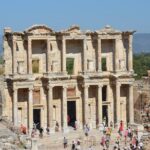
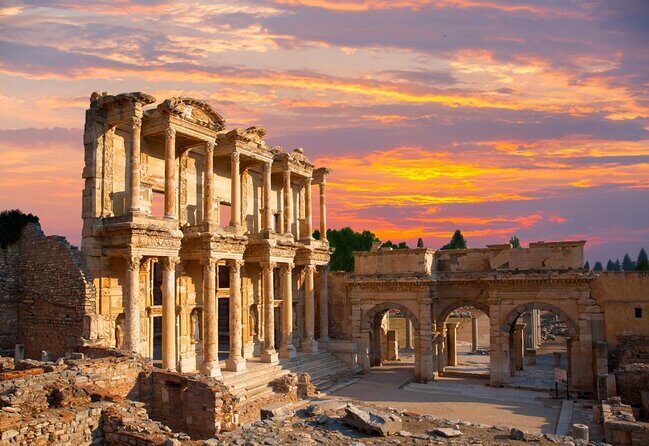
Then you spend about 2 hours in the Ancient City of Ephesus, walking marble streets lined with public buildings. Your itinerary includes major stops like the Celsus Library, the Grand Theater (expanded to 24,000 spectators by Romans), the Odeon, the State Agora, the Temple of Domitian, and more. You’ll get a guided route that hits the headline structures without turning the day into a pure checklist.
After Ephesus, you visit Meryemana (the House of Virgin Mary) on the Aladag Mountains, about 5 miles from Ephesus. It’s described as connected to pilgrimage tradition and a visit by Pope Paul VI in 1967. Even if you’re not into religious history, it changes the mood: it’s calmer and more reflective than the ruins.
Finally, the tour connects you to your flight out of Izmir, so the day ends with transportation to the airport and then back to Istanbul for your final night.
Hotels, Meals, and What Your Money Actually Buys
At $1,579 per person, the value depends on what you want to trade: planning time and transport stress versus a bundled package. This one bundles a lot. Domestic flights are included, entrance fees are handled with pre-paid tickets, and you get organized transfers in Istanbul.
You also get a solid sleep lineup:
- Istanbul: boutique hotels such as Recital Hotel / Recital Park / Yasmak Sultan or similar
- Cappadocia: cave hotels like Melekler Evi / Zeydem Suites / Fresco Konakları or similar
- Kuşadası: Efe Butik / Neopol Deluxe or similar
- Pamukkale: Colossae Thermal / Pam Thermal Hotel or similar
Meal-wise, you get 7 breakfasts and 2 dinners. That matters on a tour with long driving days because it reduces the number of times you have to decide where to eat while you’re tired.
One fair note: hotel quality can vary day to day. In the feedback I saw, one person described a less-than-ideal night above a noisy bar, while another praised Cappadocia accommodations as particularly good. So I’d treat the hotel list as a strong average, not a guarantee that every single night feels perfect.
The Guide and Group Size Factor: Why It Feels Personal
This tour leans on one key ingredient: the human guide. The feedback includes guides with names like Orkun, Gurkan, Yavuz, Ozzy, and Ozgür, and they’re praised for being friendly, patient, and good with families and slower walking paces.
That’s not fluff. When you’re touring big sites like Topkapi and Ephesus, what you really want is context you can use. You want to understand why the weapons collection matters, why Roman theater size is jaw-dropping, and how underground architecture worked.
The group max of 15 helps your guide manage pace. It also makes it easier to ask questions about Turkish culture and norms when you’re between stops. On a tour like this, those small conversations often become the most memorable parts of the trip.
Practical Tips So You Don’t Lose Time or Get Turned Away
Before you go, lock in three practical items from the tour rules:
- Dress code: knees and shoulders covered for places of worship, for both men and women
- Shoes: no shoes in mosques
- Phones and headphones: for Hagia Sophia interior visits, bring what you need since live guiding is not allowed after Jan 15, 2024
Also think about physical effort. The tour notes moderate physical fitness is required. That’s realistic for Ephesus walking, museum steps, and underground-city sections.
Then plan your day habits:
- Start each morning with a water bottle mindset since you’ll be outside in sun and stone
- Bring a small power setup for your phone if you’re using the Hagia Sophia audio system
- Wear shoes you can stand in for long stretches; you’ll do a lot of walking even with minibus transfers
Should You Book This Istanbul–Cappadocia–Pamukkale–Ephesus Tour?
I’d book this tour if you want a structured Turkey trip that hits the headline sites with small-group attention, guided context, and domestic flights to save time. It’s also a strong choice if you value the thermal break at Pamukkale and you like the idea of staying in real cave hotels rather than generic rooms.
I’d hold off if you hate long travel days or you want lots of free time between stops. The itinerary is packed, and the Cappadocia to Pamukkale transfer is scheduled as a long ride. Also, if you’re going to Hagia Sophia, don’t show up without a plan for headphones and phone use.
If you’re okay with a busy but well-organized schedule, this is a practical way to experience Turkey’s major regions without getting buried in planning.
FAQ
What airports does the tour use for pickups and transfers in Istanbul?
Private pick up and transfer are provided from Istanbul Airport (IST) and Sabiha Gokcen (SAW).
Are domestic flights included in the price?
Yes. Domestic flight tickets are included for Istanbul to Cappadocia and Izmir to Istanbul, with 15 kg checked luggage and 8 kg cabin.
How big is the group?
The tour has a maximum of 15 travelers and uses minibus transportation.
Is a guide included?
Yes. The tour includes a professional licensed tour guide/guides.
Are entrance fees included?
Entrance fees are included for the sights marked as included, and your guide has pre-paid tickets to skip the lines.
What meals are included during the tour?
The tour includes 7 breakfasts and 2 dinners.
What kind of hotels will I stay in?
You’ll use boutique hotels in Istanbul (examples include Recital Hotel/Recital Park/Yasmak Sultan), cave hotels in Cappadocia (examples include Melekler Evi/Zeydem Suites/Fresco Konakları), a hotel in Kuşadası (examples include Efe Butik/Neopol Deluxe), and a thermal hotel in Pamukkale (examples include Colossae Thermal/Pam Thermal Hotel).
Is the Hagia Sophia interior visit guided?
Live guiding is not allowed in Hagia Sophia after Jan 15, 2024. You’ll need a smartphone with headphones, and if you don’t have headphones you can buy them at the entrance for 3.5 USD.
Is there thermal pool time in Pamukkale?
Yes. At your thermal hotel in Pamukkale, you’ll have a chance to swim in the thermal pools until 22:30.
What is the cancellation deadline for a full refund?
You can cancel up to 6 days in advance for a full refund. The policy also specifies partial refunds depending on how close you cancel.
What physical readiness do I need?
The tour notes you should have a moderate physical fitness level.