REVIEW · ISTANBUL
Bohemian Istanbul: Fener and Balat’s Charm-Private Walking Tour
Book on Viator →Operated by Food Trail Istanbul Tours · Bookable on Viator
Graffiti-colored streets meet late-antique walls. This private walk through Fener and Balat pairs everyday neighborhood life with serious monuments, so you get beauty and context in the same 5-hour block. You’re guided by an expert, and the route is built around a mix of Christian holy places, Jewish heritage, and that layered “how did all this overlap?” feeling Istanbul does so well.
I really like the setup: it’s private for your group alone, so the pace and stops can fit you. And the experience includes skip-the-line priority for museum tickets where needed, which helps when you’re trying to make the most of a limited time window. The main thing to consider is simple: this is a walk-heavy day with some steep hills, so you’ll want comfy shoes and a steady pace.
In This Review
- Key points to know before you go
- Where Fener and Balat Feel Most Like Real Istanbul
- Meeting the Guide and Getting to the Start (Without Losing Time)
- Theodosius Land Walls and Vlaherna Meryem Ana Church: Holy Water at the Sea Walls
- Ahrida Synagogue and the Power of Mosaic Storytelling
- St Stephen of the Bulgarians: A Church Built With Cast Iron
- The Red School: Architecture That Remembers Ottoman-Era Education
- Fener and Balat Streets: Color, Cafés, Vintage Shops, and Churches
- Fener Rum Patrikhanesi and St George Church: A Spiritual Center by the Golden Horn
- Tekfur Palace: The Byzantine Palace You Can Still See
- Walking Budget, Clothing, and How to Pace a 5-Hour Private Day
- Price and Value: What $250 per Group Really Buys You
- Who This Tour Fits Best
- Should You Book Bohemian Istanbul: Fener and Balat’s Charm?
- FAQ
- How much does the Bohemian Istanbul private walking tour cost?
- How long is the tour?
- Is this tour private or shared with other groups?
- What’s included, and is skip-the-line available?
- Where can pickup happen?
- Is lunch included?
- Is the tour available in English, and is it accessible for most travelers?
Key points to know before you go
- Private group experience: up to 8 people, so you’re not squeezed into a big crowd rhythm
- Fener and Balat’s layered faiths: Greek Orthodox, Bulgarian Orthodox, Jewish history, and more in one route
- Late-antique fortifications included: the Theodosius Land Walls set a dramatic backdrop early on
- Cast-iron church engineering: St Stephen of the Bulgarians was brought as iron slabs and assembled on-site
- Greek Orthodox education heritage: the Red School shows Ottoman-era community life through architecture
- Tekfur Palace rarity: a rare surviving 3-story Byzantine palace you can actually see up close
Where Fener and Balat Feel Most Like Real Istanbul
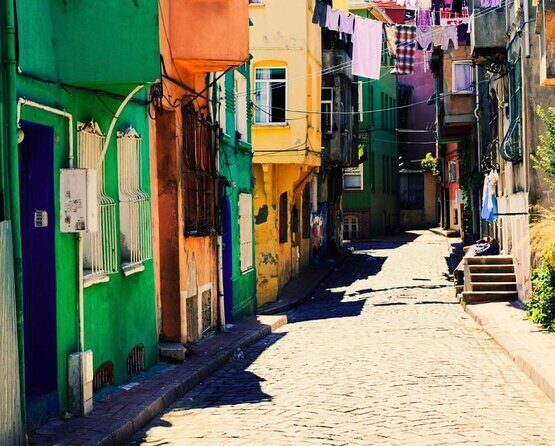
Fener and Balat don’t feel like a “stand in front of the famous view” area. They feel like a place people still live in, shop in, worship in, and pass through. The tour uses that advantage on purpose: you’re not just looking at monuments, you’re walking the same kind of streets you’d use if you were spending time in the neighborhood.
What makes this route especially interesting is the contrast. You start with massive stone fortifications tied to late antiquity, then you move into smaller religious spaces with very specific stories attached—holy water sites, mosaic heritage, and even a church built from cast iron. By the time you reach the Golden Horn, you’re not only seeing landmarks. You’re understanding why Istanbul’s faith communities settled where they did, and how the city kept changing without erasing the old layers.
If you’ve got limited time in Istanbul, I’d also think of this as a high-effort day that’s well spent. The walking is a commitment, but the route is dense with meaning.
You can also read our reviews of more walking tours in Istanbul



Meeting the Guide and Getting to the Start (Without Losing Time)
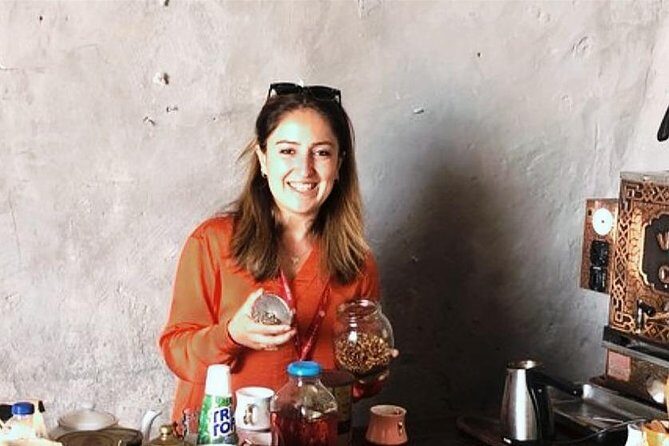
Pickup is offered from centrally located Sultanahmet, Sirkeci, Karaköy, and Taksim hotels. If your hotel is outside that central zone, you’ll set a meeting point after booking. That matters because it keeps the day focused: you’re not spending your tour hours figuring out transit or backtracking.
You’re also close to public transportation along the way, which is helpful if you need a reset mid-walk. Since this is a private tour, the guide can also manage small timing changes better than a group tour would.
One practical note: this is a 5-hour experience, and much of that time is on foot. If you want energy for the steep bits, plan a light breakfast and carry water if you normally get thirsty while walking.
Theodosius Land Walls and Vlaherna Meryem Ana Church: Holy Water at the Sea Walls
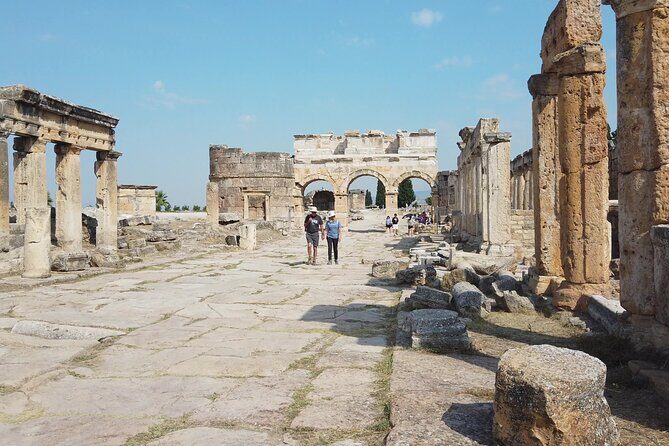
You begin with one of the most impressive late-antique monuments in Istanbul: the Theodosius Land Walls, built in the 5th century during the early reign of Emperor Theodosius II (408–450). These walls famously held through attacks for centuries, including until 1453. Starting here gives you scale fast. It’s a strong “why this city mattered” moment.
From the walls you head toward Vlaherna Meryem Ana Church, a beautiful historic church near the northern tip of the fortifications. The church is associated with Empress Pulcheria and her husband Emperor Marcian, dated to the mid-5th century. What really makes this stop memorable is the Hagiasma—the fountain of holy water—tied to the story of water flowing from the hands of a marble statue of the Virgin Mary.
This is one of those stops where the architecture is only half the point. The other half is the belief system and the idea of sacred water as a focal point for community life. Even if you’re not religious, you’ll likely find the cultural logic compelling: places like this functioned as landmarks, gathering spots, and spiritual symbols all at once.
Admission is listed as free for this church stop, which also makes it easier to keep the day moving without worrying about ticket timing.
Ahrida Synagogue and the Power of Mosaic Storytelling
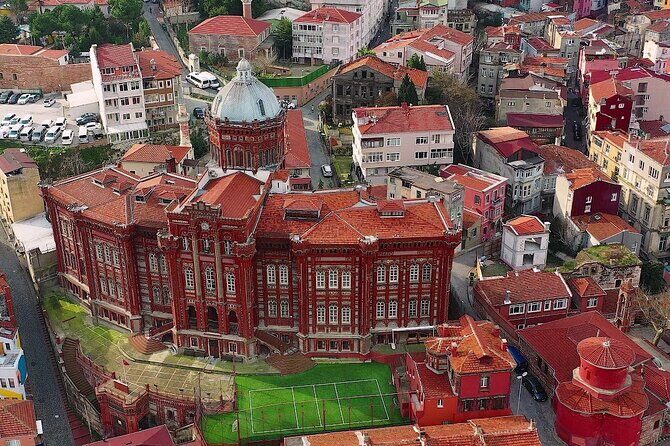
Istanbul has religious sites that overlap like layers of paper. One of the clearest examples on this walk is the Ahrida Synagogue, dating to the early 15th century. The standout feature here is the mosaics—an artistic choice that communicates identity, craft, and community priorities.
Even with limited time, I like stops like this because they shift your attention away from only grand monuments. You start noticing details: how design choices become cultural signatures, and how history survives through decoration even when communities change.
A practical upside: this kind of stop is a good mental breather. After the heavy stone feeling of the walls, you get something more intimate to look at. That rhythm helps when the walking day keeps going.
St Stephen of the Bulgarians: A Church Built With Cast Iron
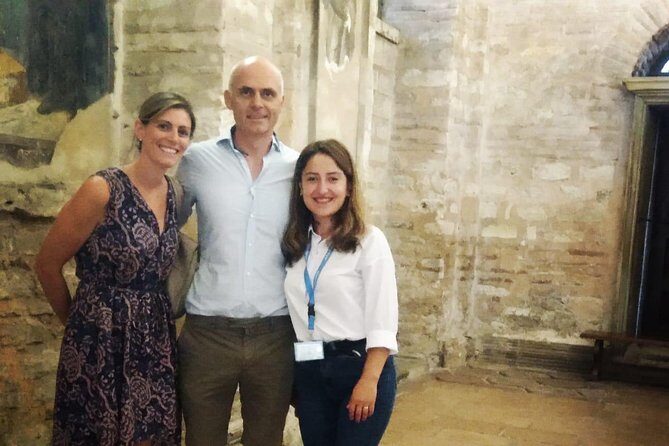
Next comes St Stephen of the Bulgarians Church (Sveti Stefan), a church on the Golden Horn made from cast iron. The story is unusual enough that it sticks.
The church uses poured iron slabs that were floated on cargo ships—starting from Vienna, then down the Danube, across the Black Sea, through the Bosphorus, and finally assembled on-site. The engineering is extraordinary, and the fact that it was transported over water routes across Europe and into Istanbul makes the church feel both local and surprisingly international.
If you like “how did they do that” moments, this is your stop. You’re not just observing a building. You’re learning how technology and trade shaped religious architecture in a specific era.
Admission for this stop is listed as free, and the time on it is set at about 45 minutes, which is enough for photos and a slow look without dragging the day.
You can also read our reviews of more private tours in Istanbul



The Red School: Architecture That Remembers Ottoman-Era Education
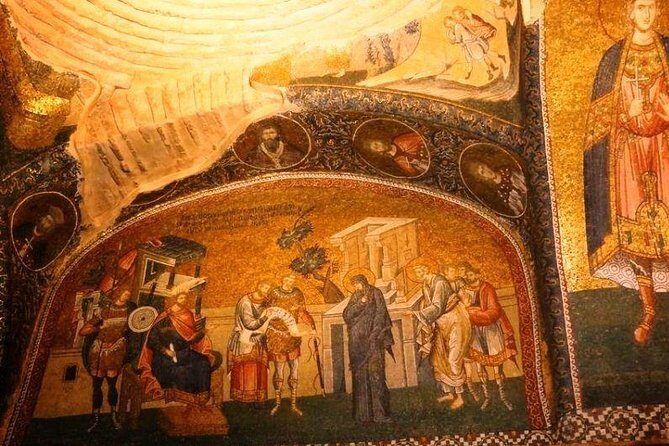
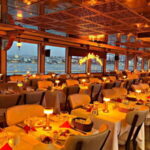
The walk then turns toward a building that’s easy to overlook unless someone points it out: the Red School, one of Istanbul’s few remaining Greek Orthodox schools. It’s visually striking, and it also serves a deeper purpose.
This school educated children of prominent Greek and Bulgarian families during the Ottoman period. In other words, it wasn’t only a place of learning—it was part of how specific communities maintained identity in a changing city.
In the best scenario, this stop also sharpens your perception of the neighborhoods around it. When you see a school preserved like this, you start connecting streets, households, worship places, and community infrastructure. The building becomes a key for reading the neighborhood.
You’ll have time on this part of the route, so it’s worth slowing down and looking at the exterior as architecture first, not only as a background object for photos.
Fener and Balat Streets: Color, Cafés, Vintage Shops, and Churches
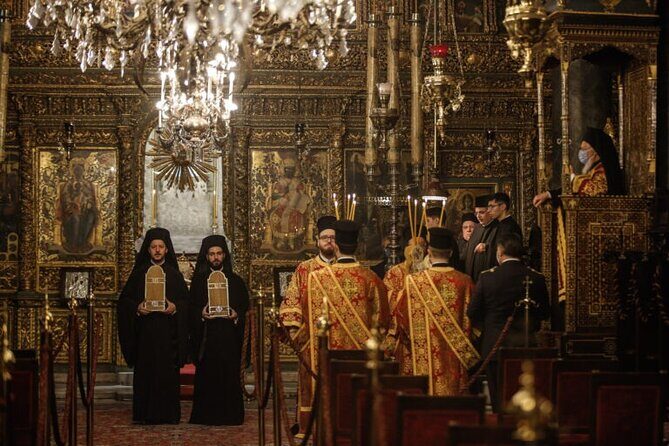
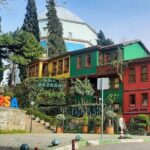
Now you step fully into the neighborhood feel of Fener and Balat. These were historically Greek Orthodox and Jewish neighborhoods, and today the area is known for colorful old wooden houses, designer cafés, and vintage stores. On this tour, the neighborhood walk isn’t random. It’s used to connect the religious sites to the daily geography of where communities lived.
This is also where you’ll likely feel the day’s physical side most clearly. The route includes enough hillside walking that it’s smart to keep your pace steady. If you take breaks as needed, you’ll still enjoy the streets—especially the churches you pass, which can look dramatic against the surrounding homes and shopfronts.
If you’re the type who loves wandering, this part will feel like the payoff. If you prefer minimal walking, this is the section where you’ll want to be prepared.
Fener Rum Patrikhanesi and St George Church: A Spiritual Center by the Golden Horn

One of the major anchors on the route is the Fener Greek Orthodox Patriarchate Istanbul complex, known as the spiritual center of the Greek Orthodox world since around 1600. It sits behind the sea walls fronting the Golden Horn, which instantly makes it feel like a guarded, historic world within the city.
Inside the compound, you’ll spend time at the 19th-century Patriarchal Church of St George. This stop ties the neighborhood story to a broader religious geography. You’re not only seeing a church; you’re seeing how a spiritual institution functioned as a center for a wider community.
Admission is listed as free for this stop, and it’s scheduled for about 45 minutes—enough time to appreciate the setting and absorb the sense of continuity.
Tekfur Palace: The Byzantine Palace You Can Still See
You finish with Tekfur Palace, described as the only surviving structure of Blakernia Palace. It was used mostly between the 11th and 15th centuries, and it sits just within Istanbul’s city walls near Edirnekapı gate.
Why this matters is simple: you’re looking at a 3-story Byzantine palace that is considered the only Byzantine palace left standing in the world. That makes it a rare physical link to the Byzantine era that you can view firsthand, not just imagine from descriptions.
The time for this stop is short (about 45 minutes), but that’s usually enough for Tekfur Palace because the building itself is the show. The walls, the scale, and the way the structure rises within the city’s modern fabric give you a clear “before and after” feeling, which pairs well with the earlier fortification stop at the beginning of the day.
Walking Budget, Clothing, and How to Pace a 5-Hour Private Day
This tour is about 5 hours and is heavy on walking. Based on prior groups’ experience, planning for roughly 8–10 miles is realistic for a full day on this kind of route. Hills are part of the deal, so I’d treat this as a “good shoes and a slow start” kind of itinerary.
For clothing, you’ll be visiting churches, so dress modestly and comfortably. Bring what you need to keep your day steady: water, sun protection if you run hot, and a small bag you can carry easily on uneven sidewalks.
Because it’s private, you’re not locked into a rigid group pace. That’s a real benefit if you get tired. A good guide will adjust when needed.
Price and Value: What $250 per Group Really Buys You
The price is $250 per group (up to 8). That’s how you should judge this tour: it’s not priced per person at a high individual rate, it’s priced as a group hiring cost for a 5-hour walking experience.
You also get several value multipliers built in:
- Private guiding rather than audio-only sightseeing
- Skip-the-line priority for museum tickets where applicable (museum time is often the fragile part of city days)
- Multiple stops with free admission listed for key religious sites, which helps keep the day from turning into a ticket-shopping exercise
- Pickup offered from central neighborhoods, which reduces time waste
What’s not included is also clear: lunch, museum tickets (where needed), and transportation. That means you’ll want to plan a simple lunch strategy off the route or eat before/after.
Is it the cheapest option in Istanbul? No. But for a private 5-hour route that strings together major sights without ticket friction, it’s one of the better value ways to see a specific neighborhood well.
Who This Tour Fits Best
This is ideal if you want:
- a private day with a guide explaining what you’re looking at
- a neighborhood focus on Fener and Balat, not just a list of monuments
- a route that mixes faith history with architectural surprises
It’s less ideal if you hate walking or have limited mobility. The day is designed as a full walking experience, including steep sections.
Should You Book Bohemian Istanbul: Fener and Balat’s Charm?
I’d book this if you want a guided, story-rich walk that connects Istanbul’s fortifications, multiple faith communities, and neighborhood texture in one coherent day. The combination of Theodosius Land Walls, Hagiasma holy-water lore, a cast-iron church with a transport story, and Tekfur Palace makes the day feel more than just sightseeing.
Skip it if you want a short, easy stroll with minimal stairs and hills. This tour rewards effort, so bring the right shoes and expect to move.
If your priority is deep context without getting stuck in long ticket lines, this one fits the bill.
FAQ
How much does the Bohemian Istanbul private walking tour cost?
The tour costs $250.00 per group, up to 8 people.
How long is the tour?
The tour duration is about 5 hours.
Is this tour private or shared with other groups?
It’s a private tour/activity, so only your group participates.
What’s included, and is skip-the-line available?
The tour includes a private guiding service and skip-the-line priority to buy museum tickets. Museum tickets themselves are not included.
Where can pickup happen?
Pickup is available from centrally located Sultanahmet, Sirkeci, Karakoy, and Taksim hotels. For non-central hotels, a meeting point can be set after booking.
Is lunch included?
No, lunch is not included.
Is the tour available in English, and is it accessible for most travelers?
The tour is offered in English and most travelers can participate. Service animals are allowed, and it’s near public transportation.