REVIEW · ISTANBUL
Istanbul: Colorful Fener & Balat Walking Tour w/Expert Guide
Book on GetYourGuide →Operated by TOURMANIA · Bookable on GetYourGuide
Fener and Balat have a way of grabbing you fast. I love how this walk strings together major landmarks like the Bulgarian Iron Church and Saint Mary of the Mongols without making it feel like a museum checklist. You also get that fun neighborhood feel—colorful streets, photo moments, and a final cup of Turkish coffee. One drawback to plan for: the area is hilly with steep, cobblestone streets, and churches have clothing rules.
In just 2 hours, you’ll follow a guided route across centuries of Greek, Armenian, Jewish, and Bulgarian presence, with an English-speaking expert leading the way. You’ll step by or into several religious sites, see architectural details most people miss on their own, and end with a calm breather at the finish. If you’re prone to ankle issues or you’re not ready for dress-code checks, this is still doable—you just need to prepare.
In This Review
- Key highlights to notice on this Fener & Balat walk
- Fener and Balat: how this walk gives you context, not just sights
- Starting at Balat Merkez Şekercisi: your first “small win” is getting oriented
- Fener highlights: Greek schools, Cantemir, and the Church of Saint Mary of the Mongols
- Renkli Merdivenler and stairways: the fun part where the guide shapes your photos
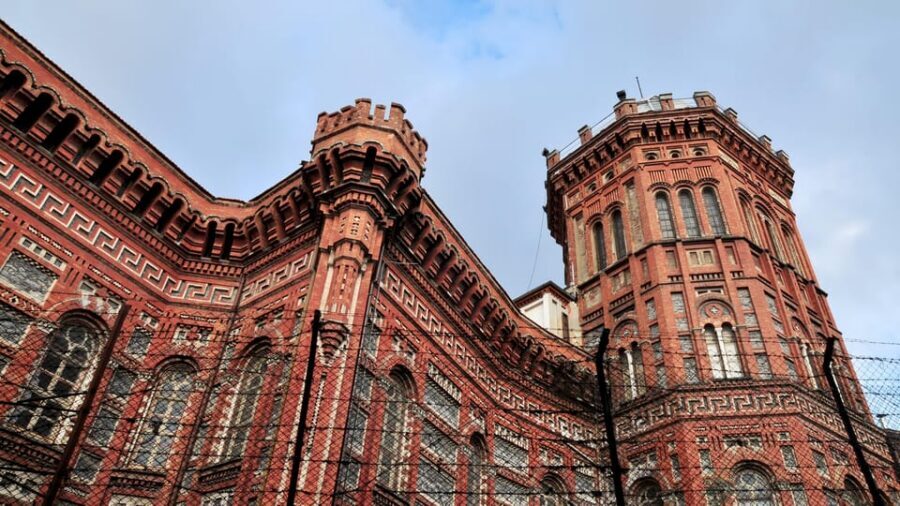
- Balat’s Bulgarian Iron Church: why the cast-iron name matters
- Ahrida Synagogue and St. George’s Cathedral: ending on a powerful shift
- Turkish coffee at the end: small pause, big payoff
- Price and value: is $18 really fair for this route?
- Who should book this Fener and Balat walking tour (and who should reconsider)
- Should you book this Istanbul Fener & Balat tour?
- A simple way to decide
- FAQ
- Where is the meeting point?
- How long is the walking tour?
- How much does it cost?
- What’s included in the price?
- Are food and drinks included?
- Is the tour in English?
- Do I need a headscarf?
- Are there photography rules?
- What should I bring?
- Is the tour wheelchair accessible?
- What if I arrive late?
Key highlights to notice on this Fener & Balat walk
- Bulgarian Iron Church (Balat): a striking church structure known for its cast-iron identity
- Saint Mary of the Mongols (Fener): dates back to 1266, and it’s a big historical anchor
- Ahrida Synagogue (Balat): one of the oldest synagogues in Istanbul, dating to the 15th century
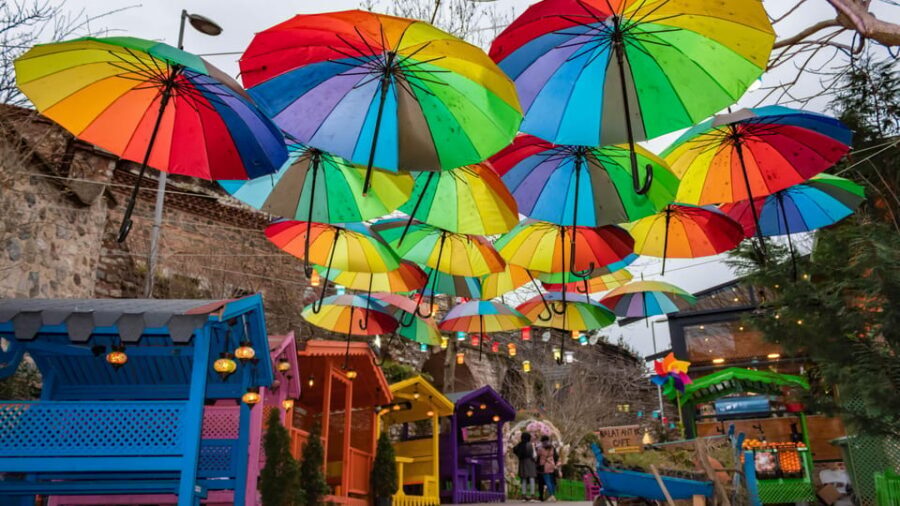
- Colorful stairways and photo stops: the Renkli Merdivenler section is made for cameras
- Greek school and education sites: you’ll see the Phanar Greek Orthodox College area and related stops
- Turkish coffee finish: a simple, very Istanbul way to close the story
Fener and Balat: how this walk gives you context, not just sights
Istanbul has a lot of famous stops. Fener and Balat are different. This tour is built around the idea that the best way to understand a neighborhood is to walk it—slow enough to look, structured enough to know what you’re seeing.
You’ll be moving through districts tied to Greek, Armenian, Jewish, and Bulgarian communities, and the mix shows up in places like churches, synagogues, and the surrounding street life. I especially like that the route doesn’t treat religion as a separate topic. Here, faith shows up as architecture, education, and community memory.
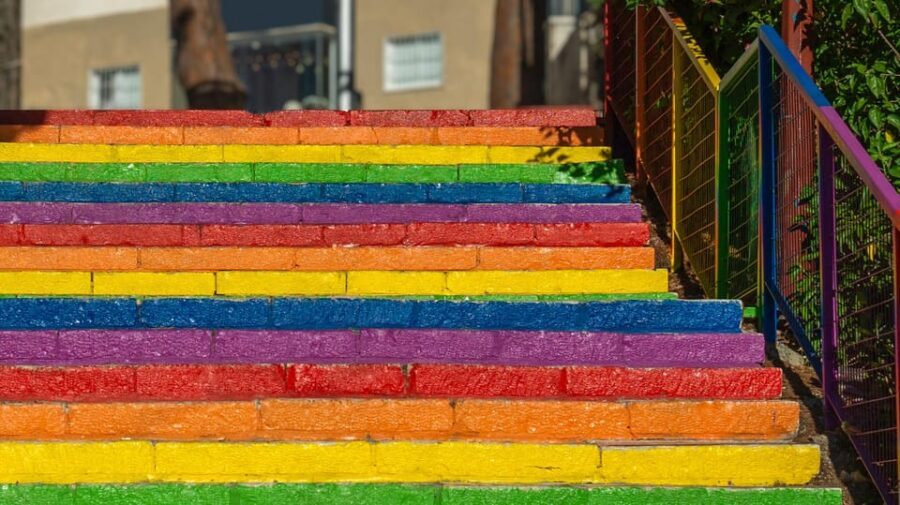
And yes, it’s visually fun. The colorful stairways and preserved Ottoman-era details are the kind of thing you notice more when you’re guided to look for them. You’ll also get small breaks along the way, which matters because this isn’t a flat stroll.
Possible snag: the day can feel physically demanding. Expect cobblestones, slopes, and uneven pavement. If that’s tough for you, wear the best shoes you own and keep your energy for the long part near the middle.
You can also read our reviews of more walking tours in Istanbul



Starting at Balat Merkez Şekercisi: your first “small win” is getting oriented
The meeting point is in front of Balat Merkez Şekercisi. Look for the guide holding a flag with the Tourmania logo—this saves you from wandering around the neighborhood like a confused character in an Istanbul movie.
Arrive on time. The guide won’t wait if you’re more than 5 minutes late, and once the tour starts, the guide can’t pause to handle latecomers or phone calls. That’s not a power trip; it’s how group walking stays on pace when you’re hitting multiple religious sites.
This tour also gives you a practical advantage: it includes entrance fees and skips the ticket line. That means more time walking and less time stuck figuring out where to queue.
One more note that can catch people: flash photography isn’t allowed. If you want photos, plan on natural light, steady hands, and patience around darker church interiors.
Finally, modesty rules are real here. Bring the right clothing and accessories, because some churches require visitors to cover up (more on this when you’re heading into the religious stops).
Fener highlights: Greek schools, Cantemir, and the Church of Saint Mary of the Mongols
Fener is where the tour starts to explain Istanbul’s layers in a concrete way. You begin by stepping into a Greek Orthodox church, which immediately sets the tone: this neighborhood isn’t just colorful buildings—it’s living heritage.
From there, you’ll pass and/or enter places tied to education and community life. The route includes a historic Greek primary school area and the Phanar Greek Orthodox College. This is a great section if you like history that shows up in daily life, not just stone monuments.
Next comes the stop around Dimitrie Cantemir, including the former residence connection and a museum café moment tied to his story. Cantemir’s presence is a reminder that Istanbul’s identity has always been bigger than the city limits you picture on a map.
Then you reach one of the tour’s major anchors: the Church of Saint Mary of the Mongols, dating to 1266. If you’re the type who reads signs after you see a building, you’ll love how the guide frames it so the date isn’t just a number. In this neighborhood context, it becomes a clue to how long certain communities have left their mark.
You’ll also encounter a cluster of church sites in Fener, including Panagia Paramythia Church and Sveti Stefan Church along the way, plus other pass-by moments like Virgin Mary Greek Orthodox Church. Some of these are photo pauses; some are more of a slow look. Either way, you’ll learn what architectural details to pay attention to.
Dress note for Fener churches: some places can be strict about what you wear. Plan for possible checks of knees and shoulders. If your outfit is too bare, you might be asked to adjust, and some people report being directed toward a purchase option to gain entry.
Renkli Merdivenler and stairways: the fun part where the guide shapes your photos
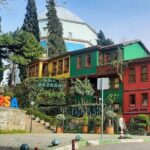
Fener and Balat’s steep streets make walking feel like you’re constantly switching levels. That’s why the Renkli Merdivenler (colorful stairways) section is more than scenery. It’s the photo moment that also teaches you how the neighborhood was built—how people lived on slopes, how routes formed, and why certain buildings look the way they do.
You’ll get a break time there, plus a chance for photo stops and guided context. This is also where it helps to know what to photograph. The guide tends to point out specific angles and details so you don’t just snap random color.
If you’re traveling with a camera, bring it out during the stairway section, because after that you’ll be balancing churches, synagogues, and more walking. A quick reminder: no flash.
This part of the route is also a good gauge of how your body is handling the cobblestones. If you feel your ankle complaining here, slow down slightly and let the guide know so you can keep pace comfortably.
Balat’s Bulgarian Iron Church: why the cast-iron name matters
Balat is where the tour earns its reputation for showing people a different side of Istanbul. The center of this section is the Bulgarian Church, known as the Iron Church due to its cast-iron structure.
This stop isn’t just a visual wow. It’s a story about how a community’s identity can show up in construction choices. When you’re standing in that setting, it becomes easier to understand how neighborhoods preserve meaning through the physical built environment.
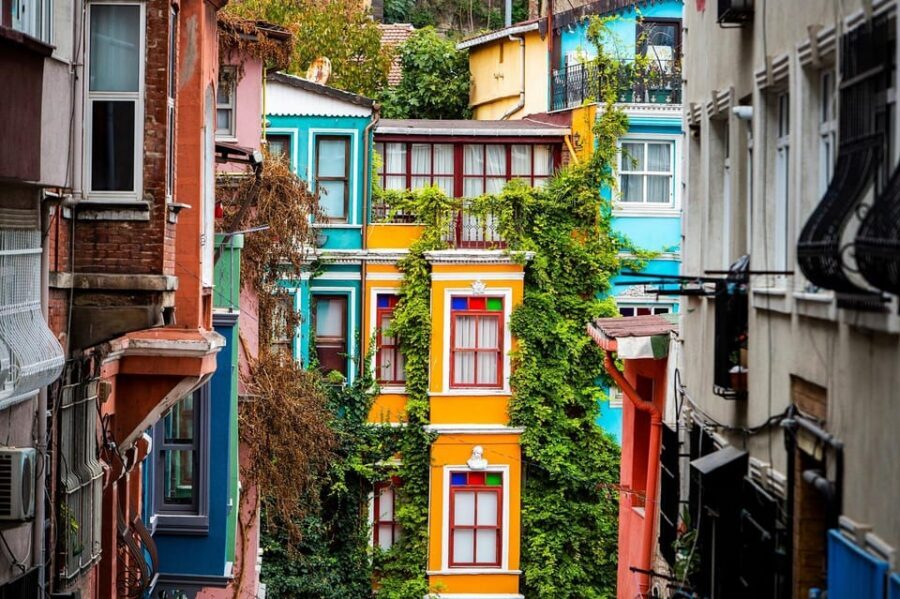
As you move through Balat, you’ll notice beautifully preserved Ottoman-era wooden houses. Pay attention here. These aren’t just pretty façades; they show how heritage survives when communities maintain it and when streets remain part of everyday movement.
You’ll also get photo stops around key street views and pass by other landmarks that help explain how Balat’s mixed communities coexisted over time. The guide’s job is to give you the “why” behind what looks like an artistic street.
Religious-site etiquette is important in Balat. Even if you’re only viewing from the outside at some moments, the tour keeps you respectful of the spaces you’re entering. For women, a headscarf is required. Bring one you’re comfortable wearing for the full walk, not just a quick cover.
And again, dress code can matter. One practical tip: wear clothing that won’t make you scramble mid-walk. If you don’t want issues, choose longer pants and something that covers shoulders.
You can also read our reviews of more guided tours in Istanbul


Ahrida Synagogue and St. George’s Cathedral: ending on a powerful shift
The tour closes the Balat story at the Ahrida Synagogue, described as one of the oldest synagogues in Istanbul, dating to the 15th century. This is a strong emotional moment because synagogues read differently than churches. You’ll notice how the guided context helps you shift your attention from general architecture to specific community history.
After that, the route includes a photo stop and free time around St. George’s Cathedral, Istanbul. This is one of the moments where you can slow down slightly and soak in the surroundings without feeling rushed.
A practical tip for this phase: keep your phone and camera ready, but watch for cues about when you should lower them. Religious spaces are still active places in many ways, even when tours are happening.
If you care about understanding Istanbul’s layers as a single story, this ending works well. You’ve moved from neighborhood street life into major community sites, and by the time you reach the synagogue and cathedral area, the walk feels like it has momentum.
Turkish coffee at the end: small pause, big payoff
The tour ends with a cup of Turkish coffee. That might sound like a simple finishing touch, but it’s actually helpful. Walking through multiple religious sites can blur details, especially when you’re hearing dates, names, and architectural terms. A coffee pause gives you a moment to reset and remember what you just learned.
This is also a good time to ask quick, practical questions if your guide is still in talk mode. People often pick up the best local advice here, like what to eat nearby or which streets are worth a second look after your tour ends.
And yes, Balat and Fener are great for continuing on foot afterward. This area has the kind of side-street vibe where you can browse and grab something without feeling like you’re trapped in a tourist circuit.
Price and value: is $18 really fair for this route?
At $18 per person for a 2-hour guided walk, this is strong value—mostly because the tour includes things that usually cost extra in Istanbul.
You’re getting:
- a professional English guide
- entrance fees
- skip-the-line convenience
- and time spent in several notable religious and historic stops
The “value” part isn’t just the price. It’s the structure. For $18, you’re not just walking between random buildings. You’re getting pointed explanations and context that turns what would be confusing streets into a readable story.
A fair caution: this tour doesn’t include food beyond the Turkish coffee. If you plan to eat lunch during the walk, budget for snacks separately. Also, because it’s a walking tour with steep streets, factor in your comfort needs. Good shoes are not optional here—they’re part of the value you’ll get from the experience.
Who should book this Fener and Balat walking tour (and who should reconsider)
This tour fits best if you:
- like neighborhoods with mixed faith heritage and want it explained in plain English
- enjoy photo stops like colorful stairways and historic façades
- want a short, well-paced overview without spending half a day on transport
It may not fit as well if you:
- have ankle problems or struggle with steep cobblestones
- need wheelchair-friendly routes, since it’s not suitable for wheelchair users
- are sensitive to dress-code requirements at religious sites
One more practical point: you’ll be visiting religious spaces, so plan to follow rules about clothing and behavior. For women, bring your headscarf. For everyone, aim for modest coverage, especially around knees and shoulders.
If you’re the type who panics at rules, it helps to prepare early. Wear comfortable layers, keep a light scarf in your bag, and treat the churches and synagogue with the same respect you’d want in any cultural site.
Should you book this Istanbul Fener & Balat tour?
If you want a compact, high-impact introduction to Istanbul beyond the headline attractions, I think this is a very reasonable booking. The combination of Iron Church, Saint Mary of the Mongols (1266), and the Ahrida Synagogue (15th century) gives you three big historical anchors in one walk.
Book it if you can handle a hilly route and you’re ready to dress appropriately for churches. Skip it or choose another style of tour if cobblestones and slopes would ruin your day.
A simple way to decide
- If your priority is understanding this neighborhood, not just ticking off photos, book it.
- If your priority is easy walking, consider a different area or a flatter route.
FAQ
Where is the meeting point?
The meeting point is in front of Balat Merkez Şekercisi. Look for the guide holding a flag with the Tourmania logo.
How long is the walking tour?
The tour lasts 2 hours.
How much does it cost?
It costs $18 per person.
What’s included in the price?
The price includes the walking tour of Fener and Balat, a professional guide, and entrance fees.
Are food and drinks included?
Food and drinks are not included. The tour highlights mention a cup of Turkish coffee at the end.
Is the tour in English?
Yes, the live tour guide is English.
Do I need a headscarf?
Yes. A headscarf is required for women.
Are there photography rules?
Flash photography is not allowed.
What should I bring?
Bring comfortable shoes, a hat, a camera, water, and a headscarf.
Is the tour wheelchair accessible?
No. It is not suitable for wheelchair users.
What if I arrive late?
If you’re more than 5 minutes late, the guide will not be able to wait. Once the tour starts, late arrivals cannot join.