REVIEW · ISTANBUL
Istanbul: Private Guided Walking Tour
Book on GetYourGuide →Operated by Laal Dmc · Bookable on GetYourGuide
This is the kind of day that makes Istanbul feel personal. You’ll walk the Old City with a licensed local guide, hit the big icons in a planned order, and keep moving just fast enough to stay excited. I especially like the flexibility some guides bring—people in recent tours have had standout experiences with guides like Nazmiye, Ilker, and Naci—and that means you can steer the day toward what you care about most.
Two things I really like: you get a private setup (only your group), and you’re built for asking questions as you go, not just snapping photos and shuffling along. One possible drawback: entrance fees are not included, so your final cost will rise once you add tickets for the major sites.
In This Review
- The 7-hour flow: what you’ll actually spend your time on
- Key takeaways before you book
- Why this private walking tour is such good value
- Meeting up: how to plan your start point
- The plan in order: your day from photo stop to palace to bazaar
- Sultanahmet Square and the Hippodrome area: get your bearings fast
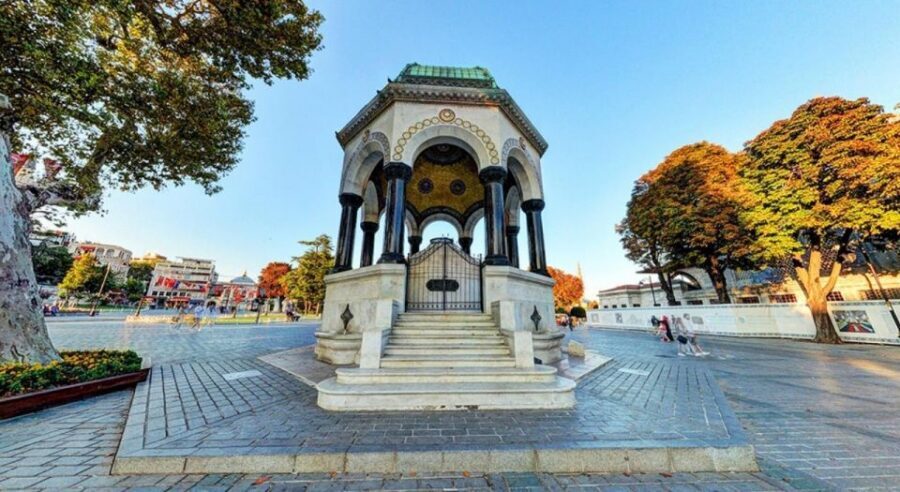
- German Fountain and the photo-stop moment
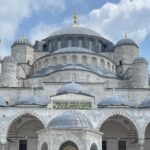
- Blue Mosque (Sultan Ahmed Mosque): more than blue tiles
- Basilica Cistern (Yerebatan Cistern): the shock of going underground
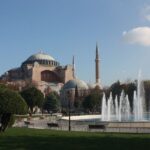
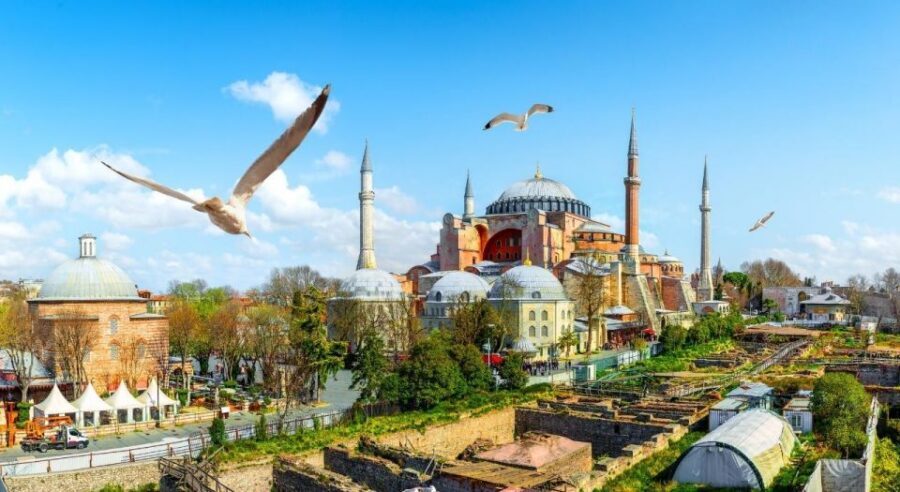
- Hagia Sophia: where context makes the building land
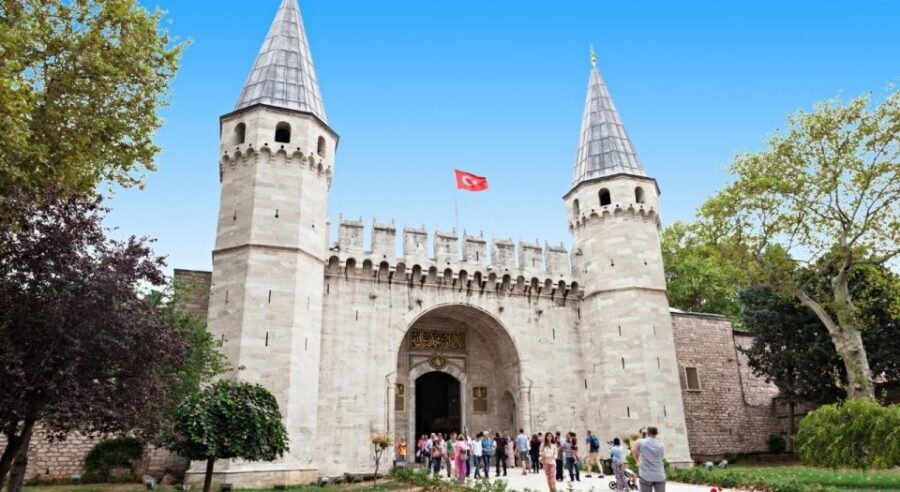
- Topkapi Palace: Ottoman life without the museum fatigue
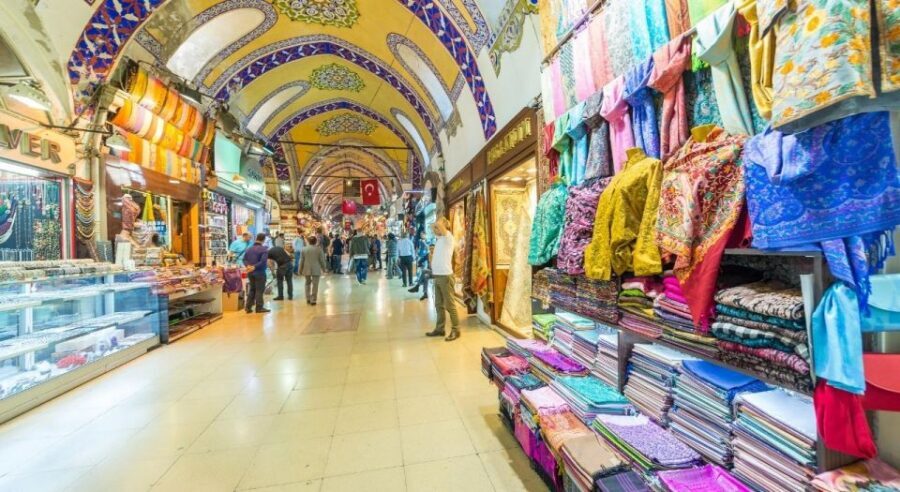
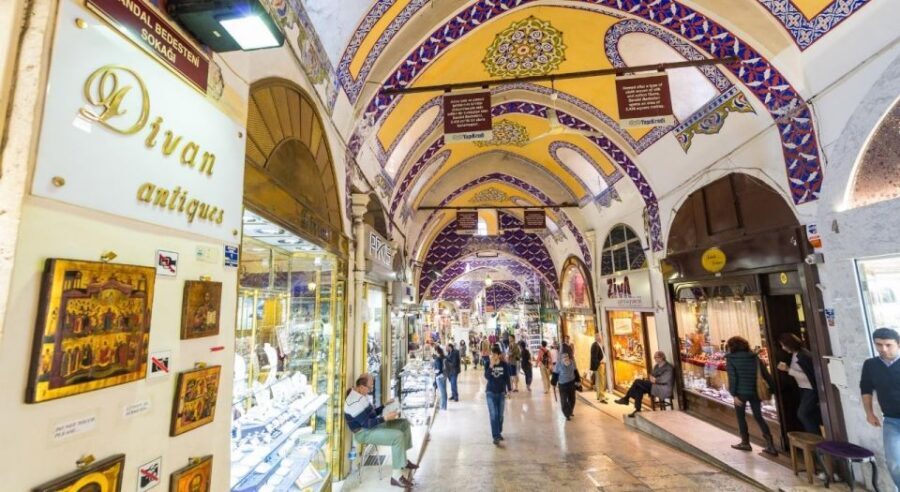
- Grand Bazaar: shopping with a guide so it stays fun
- The Spice Market, Eminönü, and the Golden Horn: texture beyond the monuments
- Pace and comfort: walking for 7 hours is the real variable
- Skip-the-line help and entrance fees: where budgets can surprise you
- Guides and language: what matters when you’re listening for details
- Lunch and drinks: plan for real life
- Who should book this tour (and who should skip it)
- Should you book this private guided walking tour?
- FAQ
- How long is the Istanbul private guided walking tour?
- What is included in the tour price?
- Are entrance fees included for places like Hagia Sophia or Topkapi Palace?
- Is this tour private?
- What languages are available for the live guide?
- Where do we meet for the tour?
- Is it wheelchair accessible?
- What should I bring?
The 7-hour flow: what you’ll actually spend your time on

You’re covering a classic Sultanahmet route with careful time blocks, including a guided start, mosque and cistern time, then Topkapi and the Grand Bazaar. It’s a walking tour, and the info also lists it as not suitable for people with back problems, heart problems, high blood pressure, or pregnancy—so plan around your comfort level.
Also, while the activity says wheelchair accessible, the same details say it’s not suitable for people with mobility impairments. If that matters for you, confirm with the operator before you book.
Key takeaways before you book
- Private group pacing: your guide can slow down, speed up, or adjust the day to your interests.
- Sultanahmet “greatest hits”: Hagia Sophia, Blue Mosque, Hippodrome area, German Fountain, Basilica Cistern, Topkapi Palace, Grand Bazaar.
- Skip-the-line ticket handling: you can avoid some waiting at entrances when tickets are involved.
- A guide who talks like a storyteller: past guests highlighted strong explanations and humor from guides such as Naci and Ilker.
- You shop with context: the Grand Bazaar visit is guided, not just wandering through noise.
You can also read our reviews of more walking tours in Istanbul



Why this private walking tour is such good value
At $74 per person for a full 7 hours with a licensed guide, the price makes sense if you’re trying to squeeze the most famous Old City landmarks into one day without dealing with “tour herding.” The private part is a key value driver: you’re not stuck with the speed and interests of strangers. If your group includes teens, history fans, or people who just want to focus on architecture and atmosphere, this format can save time and frustration.
Still, it’s not a “set-and-forget” deal. Entrance fees are extra, and that matters because some of the biggest stops on the route are ticketed sites. You’ll want to budget for that rather than treating the $74 as the full day cost.
What you get for your money is a clean plan and a professional guide who can connect the dots—why these buildings matter, how the Old City’s layers fit together, and what to look for so the places stop being vague postcard backdrops.
Meeting up: how to plan your start point
The meeting point can vary depending on which option you pick. Options listed include Alman Çeşmesi, Sultan Ahmet Parkı No:2, and German Fountain. This matters because Sultanahmet is dense, and getting the exact start right reduces stress before you even begin walking.
Tip: if you’re arriving by tram or walking in from your hotel, give yourself an extra buffer for getting oriented. Even with a private tour, you’re expected to show up on time for the guide’s schedule.
The plan in order: your day from photo stop to palace to bazaar
This tour keeps a steady rhythm. You start with a short guided introduction in the Sultanahmet area, then you move through key stops with set guidance time blocks. Here’s how the day is structured on the ground:
- You begin with a guided tour about 15 minutes in the Sultanahmet district.
- Then there’s a photo stop about 10 minutes at the German Fountain area.
- After that, you get a guided period around Sultanahmet Square (about 30 minutes).
- Next comes Sultan Ahmed Mosque (Blue Mosque) for about 45 minutes with a guided visit.
- Then you head underground to Basilica Cistern for about 30 minutes.
- After the cistern, you spend about 1 hour at Hagia Sophia.
- Then it’s about 2 hours at Topkapi Palace.
- Finally, you close with about 1 hour at the Grand Bazaar.
On paper, it’s a lot. In practice, the private guide format is what prevents it from feeling like a checklist.
Sultanahmet Square and the Hippodrome area: get your bearings fast
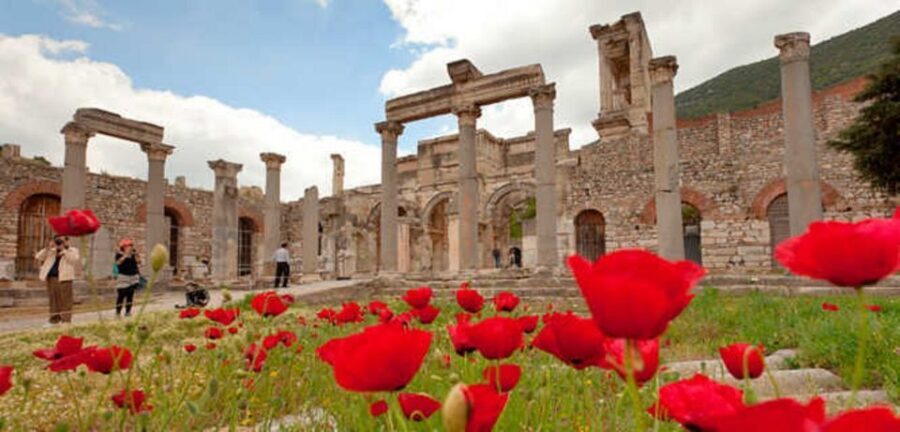
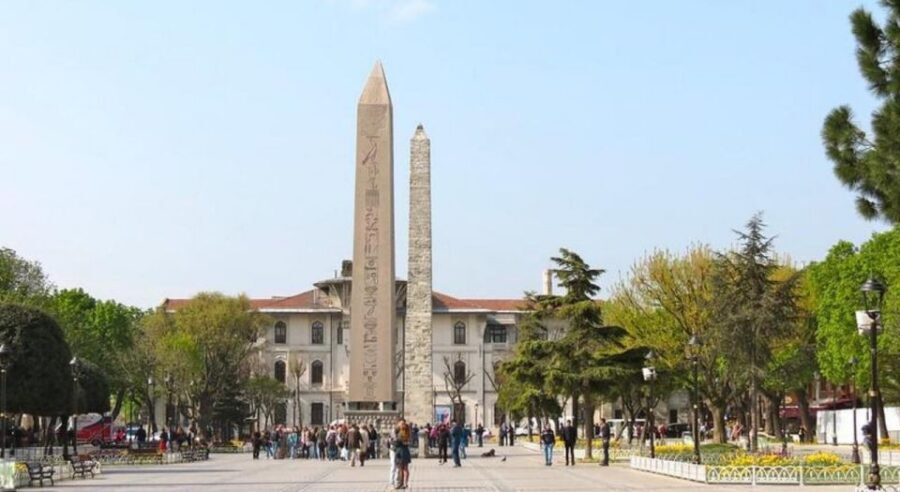
The route includes a guided stop in the Sultanahmet Square area, and the highlights also point to the Hippodrome. This is a smart “orientation” move because it’s where you start understanding how the Old City’s landmarks relate to each other.
Here’s what I think makes this stage work for you: instead of arriving at the big sites already tired, you get a guided frame first. Your guide can set the context—what you’re looking at, why it’s famous, and what stories connect it to the sites you’ll see next.
If you’re the type who likes to understand the why behind the wow, this early setup pays off later when you walk into the mosques and palaces.
You can also read our reviews of more guided tours in Istanbul




German Fountain and the photo-stop moment
You’ll have a dedicated photo stop (about 10 minutes) at the German Fountain / Alman Çeşmesi area. Even though it’s short, don’t treat it like a throwaway. This is one of those Old City spots that helps you connect the street-level walk with the larger historical picture your guide is building.
Practical tip: wear shoes you can move in comfortably for the whole day, because Istanbul walking is not gentle. A quick photo pause won’t fix tired feet.
Blue Mosque (Sultan Ahmed Mosque): more than blue tiles
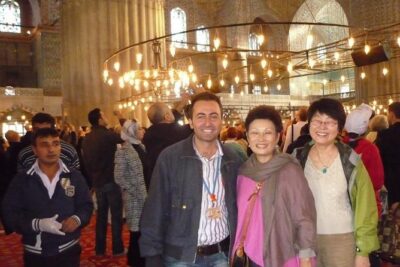
Your guide-led stop at the Sultan Ahmed Mosque is about 45 minutes. The tour specifically mentions you’ll learn how the Blue Mosque earned its famous nickname, which tells you this won’t be a “look up, take photo, move on” visit.
What you’ll get from a guided stop like this is the chance to interpret what you see. You’ll likely notice details visitors miss when they rush. The value here isn’t just standing in front of a landmark—it’s understanding the features you’re seeing and what makes the building so recognizable.
One consideration: mosque visits can feel stricter than outdoor spots. I’d come with clothing that won’t make you adjust constantly and expect some rules around entry and behavior.
Basilica Cistern (Yerebatan Cistern): the shock of going underground
After the mosque, you head to Basilica Cistern for about 30 minutes, and the tour highlights it as an underground Yerebatan cistern (sometimes described as an underground cistern). This contrast is one of the best pacing choices in the day.
Why it works: the cistern breaks the visual intensity of the day and gives your brain a different kind of focus. Above ground, you’re dealing with domes and minarets and palace scale. Underground, you’re slowing down and letting the space do the talking.
If you tend to get overwhelmed by crowds, this stop can feel like a quiet reset. Just remember: you’re still walking between sites, and the day has real movement.
Hagia Sophia: where context makes the building land
You get about 1 hour at Hagia Sophia, and the tour frames it as a moment you’ll be awed by. With a guide, that awe gets translated into specifics—what makes it so important and how the stories around the building connect to the city around it.
This is where your guide’s communication style becomes noticeable. Many past guests praised guides for explanations that made the sites click, and people specifically mentioned guides who were clear, flexible, and comfortable answering questions. That’s exactly what you want at Hagia Sophia, because it’s easy to feel like you’re staring at something too big for your brain to process—until someone helps you look the right way.
If you love architecture but don’t want a technical lecture, aim for questions like: what should I notice first, and what’s the most misunderstood detail here?
Topkapi Palace: Ottoman life without the museum fatigue
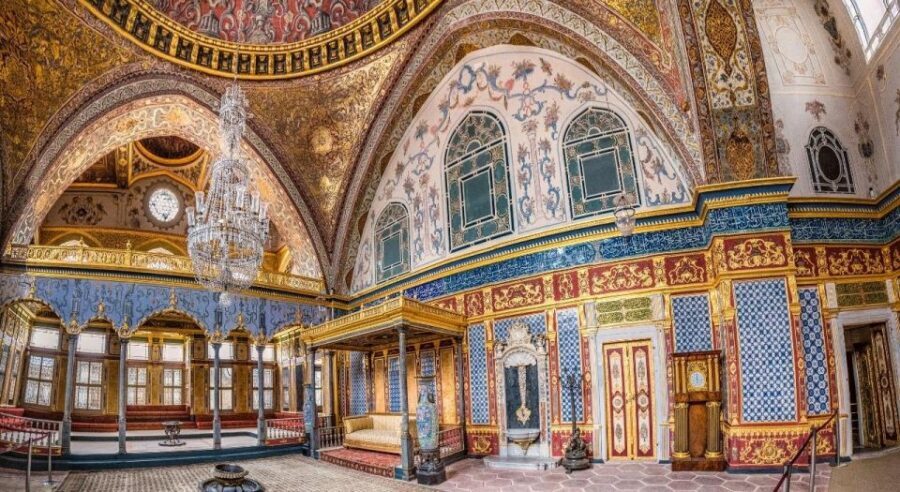
The tour includes about 2 hours at Topkapi Palace, and it’s positioned as your chance to understand the lavish lifestyles of Ottoman sultans and their harem. That framing matters because it points the visit toward people and power, not just rooms and hallways.
A palace visit can turn into museum fatigue fast. The private format helps you keep it lively: you can ask questions, your guide can adjust pacing, and you can spend more time on the parts you care about. If you’re interested in how Ottoman life worked at the top level, this is one of the day’s strongest stops.
Practical note: Topkapi takes mental energy. I recommend taking breaks when your guide offers small pauses, and keeping an eye on your energy level so you don’t burn out right before the Grand Bazaar.
Grand Bazaar: shopping with a guide so it stays fun
You’ll finish with about 1 hour in the Grand Bazaar. The tour description is clear about what makes this visit meaningful: you can find everything from carpets to Turkish delight, and your guide is there to make it less random.
A guided bazaar visit is a sweet spot. Without a guide, the bazaar can feel like you’re being pulled by every direction at once. With guidance, you can focus on the types of stalls that match what you want—souvenirs, gifts, and the classic edible treats—while still getting some cultural context from your guide.
If your group enjoys shopping, this ending slot works well because you’re already in “Old City mode.” If you hate shopping, you can still enjoy the architecture and atmosphere while letting your guide steer the time.
The Spice Market, Eminönü, and the Golden Horn: texture beyond the monuments
The tour highlights include Spice Market, Eminönü, and the Golden Horn. Even when the itinerary details don’t break out exact minutes for these specific spots, they add a layer that pure landmark-hopping can miss.
This part is valuable because it shows you Istanbul as a living place, not just a timeline of big buildings. It also helps you break up the day so it doesn’t become only domes, cisterns, and palace halls.
If you love food markets and street scenes, you’ll probably enjoy this stretch a lot. If you’re not into shopping or busy waterfront areas, treat it as a view-and-photo moment and keep moving with your guide’s pace.
Pace and comfort: walking for 7 hours is the real variable
The tour is 7 hours long and explicitly a walking experience with no transportation included. That means your footwear and stamina are not “nice to have.” Comfortable shoes and a sensible plan for water breaks matter.
The tour information also says it’s not suitable for people with back problems, mobility impairments, heart problems, or high blood pressure, and it notes it’s not suitable for pregnant women. At the same time, it lists wheelchair accessible. That contradiction is important: if mobility needs are part of your planning, ask the operator directly how the route will be handled in practice.
From the positive experiences shared by guests, a strong guide also helps with pace—past reviews mentioned comfortable walking speed and flexibility when planning shifts. That’s one of the reasons private tours feel better than group bus tours.
Skip-the-line help and entrance fees: where budgets can surprise you
The tour includes skip the ticket line, which is a real time-saver at high-demand stops. But here’s the balance: entrance fees are extra. So you save time on the ticket process, not money on ticket prices.
What I suggest you do: treat the $74 as the guide fee plus organization, then add a separate “tickets” budget for Hagia Sophia and Topkapi Palace (and any other ticketed sites that come up). People on past tours mentioned that the day became more expensive once they paid entrance fees on site. That’s normal here, so plan for it.
One more practical note: skip-the-line doesn’t mean skip all lines. You may still face security checks. The benefit is usually that you avoid the worst bottleneck.
Guides and language: what matters when you’re listening for details
This is where the tour can feel like it’s tuned to you. You get a professional licensed local tour guide, and the tour lists many language options, including English, Italian, Russian, Arabic, French, German, Japanese, Chinese, Portuguese, and Spanish.
Past guests highlighted excellent guide styles, including flexibility and humor. People named guides like Ilker, Naci, and Eren, and praised them for speaking excellent language and adapting the day. That’s what you should look for when picking a language: you’re spending hours with your guide, so clarity matters more than you think.
If your group wants something specific—architecture focus, photo priorities, or story-driven explanations—tell your guide early. Reviews also mention guides tailoring to interests right from the start.
Lunch and drinks: plan for real life
Lunch and drinks during the tour are not included. However, some guides do offer suggestions for where to eat. If you want a smooth day, think of lunch as an “arrive hungry, eat well nearby” plan rather than a guaranteed included meal.
Bring a credit card and some cash as suggested. You’ll also want access to ID (passport or ID card), especially for entry rules at major sites.
Who should book this tour (and who should skip it)
Book it if you want:
- a private, guided Old City day with major stops done in one go
- time with someone who can explain what you’re seeing, not just point
- a manageable day length that still leaves room for an afternoon of your own
Skip it if:
- you’re dealing with conditions listed as not suitable (back problems, heart issues, high blood pressure, pregnancy)
- your group wants a totally relaxed pace with lots of unscheduled downtime
- you’re not willing to pay entrance fees on top of the tour price
If you’re a first-timer to Istanbul, this is one of the fastest ways to understand Sultanahmet. If you’ve been before, a good guide can still make it feel new by focusing your attention on the right details.
Should you book this private guided walking tour?
Yes, if you want a structured Old City day and you value having a guide explain the big names—Hagia Sophia, the Blue Mosque, Topkapi Palace, and the Grand Bazaar—while also fitting in stops like the German Fountain and Basilica Cistern. The private format is the big win, and the strong track record of guides like Ilker and Naci is exactly what you’re paying for.
Just go in with two realities: you’ll likely pay entrance fees separately, and you should be honest about walking comfort for 7 hours. If that matches your needs, this tour is a smart way to make Istanbul feel real, not just famous.
FAQ
How long is the Istanbul private guided walking tour?
The duration is 7 hours.
What is included in the tour price?
It includes a professional licensed local tour guide. The tour also includes skip the ticket line.
Are entrance fees included for places like Hagia Sophia or Topkapi Palace?
No. Entrance fees for historical sites are not included and are extra.
Is this tour private?
Yes. It’s a private group tour, so only your group will be escorted.
What languages are available for the live guide?
The guide language options listed are Italian, Russian, Arabic, French, German, Japanese, English, Chinese, Portuguese, and Spanish.
Where do we meet for the tour?
Meeting points may vary depending on the option booked. Listed starting options include Alman Çeşmesi, Sultan Ahmet Parkı No:2, and German Fountain.
Is it wheelchair accessible?
The activity lists wheelchair accessible, but it also states it’s not suitable for people with mobility impairments. If mobility is a concern, confirm details with the operator before booking.
What should I bring?
Bring passport or ID card, comfortable shoes, a camera, credit card, comfortable clothes, and cash.