REVIEW · ISTANBUL
Cappadocia, Antalya, Pamukkale and Ephesus 6-Day Tour
Book on Viator →Operated by City of Sultans · Bookable on Viator
What makes this route stand out is the way it stacks totally different worlds without you having to plan every move: Cappadocia’s volcanic fairy chimneys, a Mediterranean break in Antalya, Pamukkale’s white travertine terraces, and the big Greco-Roman drama of Ephesus. I like the hotel-port-airport pickup in Istanbul and the fact that the core logistics are handled. One caution: the itinerary is active, and entrance fees for sites are not included in the price.
I also like the pace for a multi-stop trip. You get breakfast and lunch on most days, and the tour runs in English, which is huge when you’re trying to understand what you’re actually looking at—like why the cave churches at Göreme matter or how the Ephesus monuments fit together.
If you want your Turkey highlights packaged into a tight circuit, this one delivers. It’s also where you should manage expectations: it’s well-run overall, but you might wish itinerary details (like the exact stay and flight timing) were shared earlier in the process.
In This Review
- Key things that make this tour work
- Six days of Turkey, with the hard work handled
- Day 1 in Cappadocia: Devrent, Fairy Chimneys, Göreme, and Avanos pottery
- Day 2 Cappadocia valleys and Derinkuyu: more variety, more walking
- Day 3 Antalya: a break with sea air and an easy change of pace
- Day 4 Antalya: Duden Waterfalls, Kaleiçi old town, and Tünektepe views
- Day 5 Pamukkale and Hierapolis: the travertine terraces and thermal pools
- Day 6 Ephesus and Meryemana: a guided downhill walk through Roman power
- Price and value: what $1,259 covers and what you still need to pay
- Who should book this tour, and who should skip it
- Should you book this Cappadocia to Ephesus tour?
- FAQ
- How long is the tour?
- How much does the tour cost?
- Is pickup offered in Istanbul?
- Does the price include accommodation and domestic flights?
- Are meals included?
- Are entrance fees included?
- Is the tour in English?
- Is free cancellation available?
Key things that make this tour work
- Pickup in Istanbul (hotels, ports, airports) reduces the stress of day one
- Accommodation + domestic flights included means less scrambling between regions
- Cappadocia with valleys plus Derinkuyu gives you more variety than just the main viewpoint
- Antalya built in as a real change of pace after Cappadocia’s active days
- Pamukkale includes both ruins and thermal pools for a sightseeing + relax day
- Ephesus organized as a downhill walk starting at Magnesia Gate so you see the major monuments in sequence
Six days of Turkey, with the hard work handled
This is the kind of trip you choose when you want a best-of circuit without the time sink of coordinating flights, hotels, guides, and transfers yourself. You’ll cover four major areas—Cappadocia, Antalya, Pamukkale/Hierapolis, and Ephesus—plus return to Istanbul at the end.
The value comes from what’s actually included: pickup in Istanbul, accommodation, domestic flights, and a steady rhythm of breakfast and lunch. That matters because these regions aren’t close, and moving between them can eat half your trip if you’re doing it independently. With a group size capped at 15, you’re not stuck in a huge crowd where it’s hard to hear explanations.
The tradeoff is simple: you’re moving each day more than you would on a slower itinerary. You’ll be outside, on foot, and sometimes in heat. And because site entry fees are not included, you should budget extra for the museums and ruins you’ll visit.
You can also read our reviews of more tours and experiences in Istanbul.


Day 1 in Cappadocia: Devrent, Fairy Chimneys, Göreme, and Avanos pottery
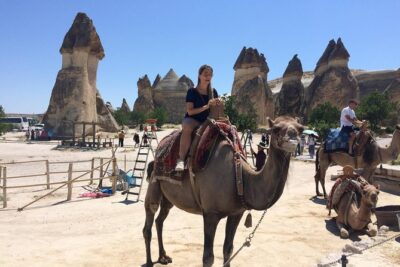
Cappadocia is one of Turkey’s UNESCO-branded wonders, shaped by volcanic rock and time. On this day, you’ll focus on the famous rock formations and the human layer on top: cave churches and the crafts of the area.
You start with Devrent Valley, where the guide’s job is basically to help you see the formations the way locals do—like “fairy chimney” shapes rather than random rock. It’s a short stop, but it’s the kind that gets your eye tuned. Even if you’ve seen Cappadocia photos, this is one of those places where your brain needs a moment to stop calling everything background scenery.
Next is Fairy Chimneys, with the most “mushroom” shapes. The key here is pace. Don’t rush for one perfect photo. Walk a little, compare angles, and you’ll notice how the rocks look different depending on where the light hits.
Then you’ll get the spiritual and historical side at the Göreme Open-Air Museum. This is the cave-city idea: early Christians built cave churches by carving into the landscape to protect faith and community. If you’re only there for the scenery, it’s worth slowing down for the cave churches because that’s what turns Cappadocia from just a cool place into a place with real meaning. The museum time window is long enough to see multiple cave churches without feeling like you’re sprinting.
Finally, you’ll shift to Avanos Pottery Workshop. Avanos is known for traditional pottery, and the workshop gives you a hands-on break from walking. If you like souvenirs that aren’t just mass-produced, this is the day to pay attention. Look for the tools, the clay process, and how the forms are made—then decide what you actually want to buy.
Practical note: Bring a light layer. Cappadocia can feel cooler than you expect, especially if you’re traveling early or late in the day.
Day 2 Cappadocia valleys and Derinkuyu: more variety, more walking
Day 2 is about diversity—different valley shapes, different formation styles, and a big underground stop that changes the tone of the whole trip.
You’ll start in Red Valley, known for its fairy chimney formations and the reddish tones that can make photos look extra dramatic. This is a good warmup day visually after yesterday’s “core” sites. You’ll also likely get better at spotting the patterns by now, so the views feel more intentional instead of overwhelming.
Next is Çavuşin, a village setting framed by valleys. The wording in the itinerary points to a mystic ambiance, and that’s how you’ll feel here: stone, distance, and the way the formations shape the space around the village.
Then you’ll visit Pigeon Valley, which is especially good if you enjoy walking. It’s described as perfect for trekking and hiking, so don’t just treat it like a checkbox. Even a short stroll helps you see why people come back here for longer walks.
The day’s biggest curveball is Derinkuyu Underground City. You’re stepping into a UNESCO-protected structure designed for survival: underground protection, narrow passages, and rooms that show how communities adapted to risk. This isn’t just “cool tunnels.” It gives context for how people could live below ground, and why the region’s geography mattered.
Fitness consideration: This is where moderate fitness becomes real. Even if you don’t do long hikes, the underground city and the valleys both involve uneven walking and time on your feet.
Day 3 Antalya: a break with sea air and an easy change of pace
Cappadocia is dramatic. Antalya is a reset.
Antalya is described as having a split personality—spring-like conditions for much of the year, with summer warmth strong enough for Mediterranean swimming. The itinerary even notes the idea that you can ski in the morning and swim in the afternoon, which is mostly about the region’s geography and climate variety (nearby mountains vs. the coast). Translation: it’s a place where the weather can feel flexible, so you’ll want to check the day’s forecast rather than pack one single “perfect” outfit.
On this day, the plan is lighter: you’ll be in Antalya and then prepare for the more packed sightseeing day that follows.
What you should take from this stop is mental. By now, you’ve done rock formations and cave churches and an underground city. Antalya is where you can slow down a bit, refresh, and come into the next day ready to enjoy waterfalls and old-town streets.
Day 4 Antalya: Duden Waterfalls, Kaleiçi old town, and Tünektepe views
Day 4 is where Antalya turns from coastal break into full-day sightseeing.
First up: Lower Duden Waterfalls. The park around the falls is described as shaded and cooling, almost like a tropical oasis, with birds and a calmer atmosphere than typical city sightseeing. This stop works because it gives you motion (water, sound, walking paths) without the long, exhausting “ruins marathon” feeling.
Next is Kaleiçi, or Old Antalya. You’ll see Ottoman-style houses, get views from a park area, and visit the harbor area. The plan also includes major landmarks like Hadrian’s Gate. This is one of those parts of Turkey where you can wander without needing to memorize everything—just enjoy the layers of architecture and the way the old town hugs the water.
You’ll also have time for a short boat trip connected to the old harbor/castle area. Even if you keep it brief, it helps you understand the geography.
Then you head to Tünektepe Teleferik Tesisi (the cable-car area on Tünektepe hill). Tünektepe is 618 meters high, and the point is views plus facilities—observation terraces, food options, and the feeling of looking down over Antalya and pine-covered slopes. The rotating restaurant detail is specifically mentioned, so if you like the idea of skyline views while you eat, this is where you’ll understand why that feature exists.
Practical note: If you’re prone to motion sickness, consider whether cable cars might bother you. The itinerary doesn’t specify, so bring your own comfort level to the decision.

Day 5 Pamukkale and Hierapolis: the travertine terraces and thermal pools
This day is the “wow-white” stop.
You’ll start at Hierapolis and Pamukkale. Hierapolis is closely tied to the Roman city that existed here, and the itinerary points to things like remains you can walk around, plus the “Cotton Castle” idea—Pamukkale’s travertines. You’ll also see sarcophaguses in the area, and the stop is described as both a visual site and a place with ancient structures.
A note on why this matters: Pamukkale is one of those destinations where the main attraction is visual, but it’s also a place where the history under your feet changes how you interpret the terrain. You’re not just looking at white terraces; you’re seeing a mineral system created over time, plus the Roman city that grew around it.
After the ruins time, you go to Pamukkale Thermal Pools. The itinerary frames it as a walking among Roman remains and then moving into thermal pools. This is the day to pace yourself. Bring your swim gear if you plan to use the pools, and remember you’re mixing heat, walking, and water—so take breaks.
Later, you transfer to Kuşadası. It’s described as a seaside resort close to Ephesus, and it’s also framed as having beach and a fishing-village character. This is a smart move because it gives you an overnight base in the right region for the next day’s big ruins.
Day 6 Ephesus and Meryemana: a guided downhill walk through Roman power
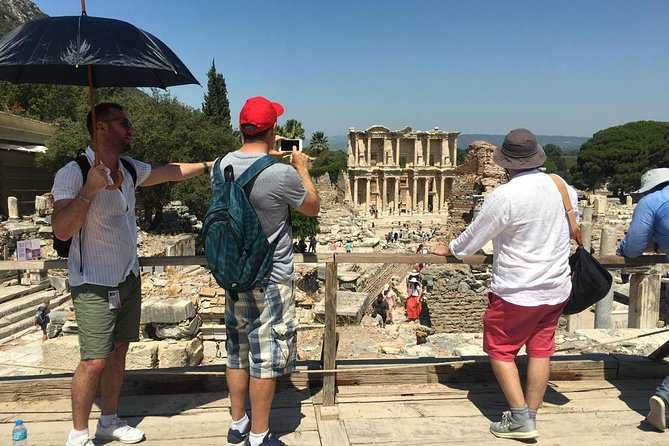
Ephesus is the headline in the Aegean. Here, your guide starts you at Magnesia Gate, and the route becomes a downhill walk through the ruins. That’s a big deal because it shapes your experience. If you’re walking down through the site, you naturally see monuments in a logical visual order, instead of bouncing around.
You’ll pass major structures including:
- Odeum
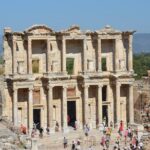
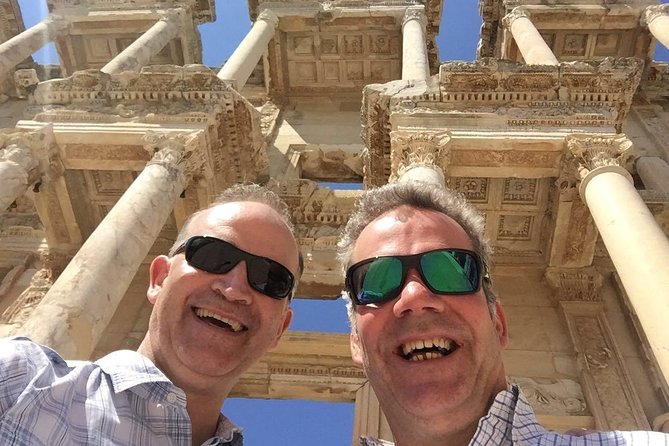
- Celsus Library
- Temple of Hadrian
- Fountain of Trajan
- Great Theater
This is where you’ll feel what organized guiding does. The buildings are impressive, but the explanations turn them from random stones into a working city.
After Ephesus, you move to Meryemana (The Virgin Mary’s House). It’s presented as the place associated with Mary’s last days in the region and includes the Basilica of St. John, linked in local belief with St. John’s later life and burial on the slope of Ayosolug Hill. Even if your background is different from the religious tradition here, it’s still a meaningful stop because you’re seeing how belief and place overlap.
Then you visit the Temple of Artemis, described as one of the seven wonders of the ancient world. Not every visitor understands how much was lost over time, so let the guide’s context help you see what remains and why it mattered.
To finish, you transfer to İzmir Airport and fly back to Istanbul, with the tour ending upon arrival.
Practical note: The Ephesus walk includes steps and uneven ground. Wear shoes you trust.
Price and value: what $1,259 covers and what you still need to pay
At $1,259 per person, this tour isn’t cheap, but it also isn’t only sightseeing. The big “value” pieces are the included accommodation, domestic flights, and pickup in Istanbul. For a six-day route that covers Cappadocia, Antalya, Pamukkale/Hierapolis, and Ephesus, those inclusions can easily offset the cost of trying to arrange everything solo.
You’re also getting five breakfasts and five lunches. Those meals are not glamorous, but on multi-city trips they’re practical. You avoid daily decision fatigue, and you keep your energy for the walking days.
What’s not included is entrance fees to museums and sites. Even though some specific stops list admission ticket statuses, the overall rule is that you should expect extra charges on top of the tour price. Budget for it so you don’t get surprised at ticket counters.
Finally, the tour includes English guidance and runs for groups of up to 15 travelers, which tends to help the experience feel more connected and less rushed.
Who should book this tour, and who should skip it
This tour fits best if you want:
- Major Turkey highlights in one trip
- A planned circuit with flights and hotels included
- Guided time at Ephesus and cave churches where context matters
- A reasonable group setting (up to 15 people)
You might want to look elsewhere if:
- You hate packed days and don’t want to walk on uneven ancient paths
- You’d rather spend more time slowly in one region instead of moving between four
Also, keep your expectations aligned with your own comfort level. The tour calls for moderate physical fitness, which is exactly right for the mix of valleys, underground city passages, travertine terrain, and Ephesus walking.
Should you book this Cappadocia to Ephesus tour?
I’d book it if you’re the kind of traveler who wants big variety, reliable logistics, and less planning overhead. The route is smart: Cappadocia’s formations and cave churches on days 1–2, a reset in Antalya on day 3–4, Pamukkale’s thermal and travertines on day 5, and Ephesus plus Meryemana and Artemis on day 6.
The main reason not to book is money + energy. Entrance fees add up, and you’ll be on your feet. If that sounds fun, go for it. If you want a slower, deeper dive into just one area, this might feel too packed.
FAQ
How long is the tour?
The tour runs for 6 days (approximately).
How much does the tour cost?
The price is $1,259 per person.
Is pickup offered in Istanbul?
Yes. Pickup is offered from central Istanbul hotels, ports, and airports.
Does the price include accommodation and domestic flights?
Yes. Accommodation and domestic flights are included.
Are meals included?
Yes. Breakfast is included 5 times and lunch is included 5 times.
Are entrance fees included?
No. Entrance fees to museums and sites are not included.
Is the tour in English?
Yes, the tour is available in English.
Is free cancellation available?
Yes. You can cancel for a full refund up to 24 hours in advance of the experience’s start time.
If you want, tell me your travel month and your comfort with walking. I can help you decide how to budget for site entry fees and what to prioritize so the packed schedule feels fun instead of exhausting.