REVIEW · ISTANBUL
Daily Gallipoli Tour from Istanbul
Book on Viator →Operated by Sally Tour · Bookable on Viator
One day like this reshapes how you read history. This Daily Gallipoli Tour from Istanbul focuses on the World War I Battle of the Dardanelles—then connects the dots through memorials and burial sites tied to the Australian and New Zealand Army Corps (ANZAC). I love the emotional weight of seeing the Gallipoli memorial sites in person, and I also like the small-group feel (max 15 people), which makes the long day feel more human. The main drawback is simple: it’s a full 13-hour schedule starting at 7:00 am, so you’ll want a calm morning and comfortable shoes.
The route is packed with recognizable stops—Brighton Beach, ANZAC Cove, Lone Pine, Johnston’s Jolly, and the Nek/Chunk Bair area—plus a museum that honors the casualties. The pace is built around one long Gallipoli block (about 4 hours on site), which helps you actually absorb what you’re seeing instead of sprinting from one photo spot to the next. You also get a mobile ticket, and pickup is offered, which is a big deal when you’re leaving Istanbul early.
In This Review
- Key details I think you’ll care about
- What makes this Gallipoli route special
- A moving Gallipoli day trip from Istanbul at 7:00 am
- How the 13-hour schedule works (and what the 4-hour Gallipoli stop really means)
- Museum and memorials: your first crash course in the Battle of the Dardanelles
- Tracing the ANZAC route: Brighton Beach, Beach Cemetery, ANZAC Cove, Ariburnu
- Brighton Beach and Beach Cemetery
- ANZAC Cove
- Ariburnu Cemetery
- Johnston’s Jolly and the 57th Regiment Turkish Memorial: seeing both sides of the ground
- Johnston’s Jolly (trenches and tunnels)
- 57th Regiment Turkish Memorial
- The Nek and Chunk Bair: where commemoration turns into names and meaning
- The Nek
- Chunk Bair New Zealand Memorial
- Price and value: is $299 per person worth a 13-hour day?
- Who should book this Gallipoli tour (and who might skip it)
- Final call: should you book the Daily Gallipoli Tour from Istanbul?
- FAQ
- How long is the Daily Gallipoli Tour from Istanbul?
- What time does the tour start?
- Is pickup offered?
- What is the group size limit?
- How long will you spend at Gallipoli?
- Is museum admission included?
- Do I receive a mobile ticket?
- Is the meeting point easy to reach?
- Can I cancel for a full refund?
- Who provides the tour?
Key details I think you’ll care about
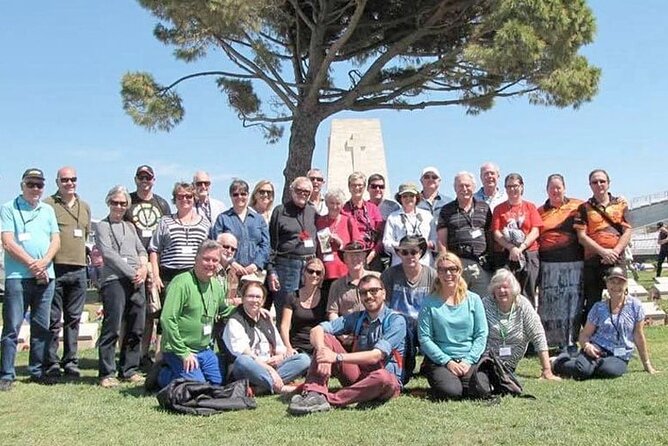
- The tour is run by Sally Tour and starts at 7:00 am
- It’s priced at $299 per person
- Duration is about 13 hours
- Gallipoli time is about 4 hours, with museum admission included
- Group size is capped at 15
- Free cancellation is available up to 24 hours before the start time
What makes this Gallipoli route special
- ANZAC-focused stops with multiple memorial styles: from beach landing areas to dedicated commemorations
- Johnston’s Jolly trenches and tunnels: a rare chance to see the trench-and-battle geography up close
- Turkish and Allied memorials in the same day: Johnston’s Jolly and the 57th Regiment Turkish Memorial bring a broader perspective
- Cemeteries tied to named locations: Ariburnu Cemetery and Beach Cemetery make the sacrifice feel tangible
- The Nek and Chunk Bair: two of the most talked-about commemoration areas for Australian and New Zealand remembrance
- Small-group cap (15): helps the guide manage timing and questions on a long day
You can also read our reviews of more tours and experiences in Istanbul.



A moving Gallipoli day trip from Istanbul at 7:00 am
Gallipoli is not the kind of place you treat like a normal sightseeing stop. It’s war memory turned into geography—beaches, ridges, cemeteries, trenches, and formal memorials. That’s exactly why this tour works: it organizes the day around the Battle of the Dardanelles and the ANZAC story, so the sites aren’t random. They connect.
The early start is also part of the value. A 7:00 am departure matters when your day depends on road time and a tight schedule. You’re not paying $299 just to sit in traffic all morning; you’re paying for a guided structure that gets you into the Gallipoli area for a concentrated visit. And because the Gallipoli portion is about 4 hours, you’re given enough time to slow down at memorials instead of only rushing for views.
One more practical point: pickup is offered, and the meeting point is near public transportation. That combination is useful if you’re staying somewhere far from easy taxis or if you prefer not to build your day around complicated local transfers. If you’re planning this from the European side of Istanbul, the pickup option can genuinely simplify the morning.
How the 13-hour schedule works (and what the 4-hour Gallipoli stop really means)
This is a full-day outing—about 13 hours total. That means the day will feel long, even if the on-site touring time is “only” about 4 hours. For your comfort, treat it like a day trip plus a field visit: you’ll want to eat before you go, bring water, and keep your camera ready but not constant.
The tour is designed around one main Gallipoli block. That’s important. When tours try to cover too much, they end up reducing each place to a quick glance. Here, the Gallipoli visit is the centerpiece, so you can actually read what’s in front of you: names, memorial plaques, and the layout of the battlefield areas.
Also, the pace is helped by the group size limit: max 15 travelers. In practice, that usually translates to fewer bottlenecks and smoother timing at the places that matter most to you—especially the stops you’ll want to linger at.
Museum and memorials: your first crash course in the Battle of the Dardanelles
The first Gallipoli focus is on the war memorials and a museum that honors the many casualties of the World War I Battle at the Dardanelles. Even if you’re not a museum person, this is the section that turns the rest of the day from scenery into meaning.
Think of it as your “read the map first” moment. Gallipoli can be confusing if you only look at beaches and cliffs. A museum stop early in the route helps you understand what you’re about to see: why these sites matter and why visitors come back year after year. The tour also notes that admission to the museum is free for this stop, which improves value. You’re paying for the day, not for extra entry fees.
If you’re someone who likes context, you’ll probably appreciate having this museum framing before you walk through the more specific memorial sites. If you’re more of a “show me the place” person, you still benefit—because it helps you connect the later stops (ANZAC Cove, Lone Pine, and others) to the broader story.
Tracing the ANZAC route: Brighton Beach, Beach Cemetery, ANZAC Cove, Ariburnu
Once you leave the museum focus, the tour moves through a set of named locations that are tied to the ANZAC experience. It’s not just a list of names—it’s a sequence that follows the logic of where people landed, fought, and were remembered.
Here’s what that sequence helps you do:




Brighton Beach and Beach Cemetery
Brighton Beach and Beach Cemetery are the kind of stops where the geography hits you fast. When you’re standing near a named beach area, the area stops being “a coastline” and becomes a specific point in a larger campaign. Then adding a cemetery nearby turns the emotional dial up. This is one of those combos where you’ll likely feel more than you can explain, so give yourself a minute and don’t rush photos.
ANZAC Cove
ANZAC Cove is one of the famous anchors of the Gallipoli visit. If you’re visiting for ANZAC remembrance, this is the stop where the day most directly matches the reason many people travel here in the first place. The tour includes it for a reason: it’s a focal point for understanding the start of the battle’s story.
Ariburnu Cemetery
Ariburnu Cemetery adds the next layer: the permanence of loss. Cemeteries don’t work like standard sightseeing attractions. You’re not collecting sights; you’re encountering remembrance. If you’re visiting with someone who’s emotionally invested, Ariburnu Cemetery is usually the place that brings the group’s mood together.
What I like about how this tour is laid out is that it doesn’t treat these locations as separate photo opportunities. It threads them into an organized remembrance route, so each stop has a role in your understanding of the day.
Johnston’s Jolly and the 57th Regiment Turkish Memorial: seeing both sides of the ground
Gallipoli can be easily turned into a one-sided story if you’re not careful. This tour’s strength is that it includes stops connected to Turkish remembrance as well as Allied and ANZAC commemoration.
Two of the most important stops for that balance are:
Johnston’s Jolly (trenches and tunnels)
Johnston’s Jolly is specifically described as Turkish and Allied trenches and tunnels. That wording matters. It signals that you’re not only visiting memorial markers—you’re also confronting the kind of terrain where the battle actually lived: confined spaces, defensive lines, and the complicated movement that trench systems demand.
Even if you don’t consider yourself a history “expert,” trench-and-tunnel sites help you understand why the fighting was so difficult. This isn’t abstract. It’s built into the geometry of the place.
57th Regiment Turkish Memorial
The tour also includes the 57th Regiment Turkish Memorial. Adding a formal Turkish memorial after a trench/tunnel stop helps keep the story balanced. You finish this section with a fuller sense of how the ground meant different things to different armies—without turning it into a competition.
If you care about seeing Gallipoli as shared human loss rather than a single national narrative, this is one of the best sections of the whole day.
The Nek and Chunk Bair: where commemoration turns into names and meaning
This is where many people slow down. The tour lists The Nek and the Chunk Bair New Zealand Memorial, and those two stops give the ANZAC story a clearer finish.
The Nek
The Nek is included as a named commemoration area tied to the battlefield story. For you, the value here is not just the view (views are fine, but they’re not the point). The value is that you’re standing in an area that is repeatedly referenced in ANZAC remembrance. That repetition changes your reading of the terrain—you start recognizing it as part of a larger narrative rather than a random ridge.
Chunk Bair New Zealand Memorial
Then the tour moves to the Chunk Bair New Zealand Memorial. Memorials like this help you connect the day’s places back to people—through names, formal remembrance, and the way nations choose to honor specific parts of the campaign.
If you’re visiting with a New Zealand connection, this stop often lands hardest. If you’re visiting only for general history, it still works because it translates the day’s geography into a clear commemorative message.
Price and value: is $299 per person worth a 13-hour day?
$299 per person sounds steep until you break down what you’re actually buying. This is a full-day guided trip out of Istanbul focused on Gallipoli. You’re getting:
- A day length of about 13 hours, meaning the provider is handling the time-consuming logistics
- Pickup offered (huge for early departures)
- A small group cap of 15
- Museum admission is listed as free at the Gallipoli stop
- A mobile ticket, so you’re not juggling printed vouchers
The best way to judge the value is to ask: does this tour do the one thing you need it to do? In this case, yes. It takes the most meaningful Gallipoli sites—ANZAC Cove, Lone Pine, Ariburnu, Johnston’s Jolly, The Nek, Chunk Bair—and organizes them into one coherent route.
The one caution I’d give is time. If you hate early starts or you want a relaxed day with no schedule pressure, a 7:00 am departure might feel like too much. But if you’re okay with a long day for a once-in-a-lifetime memorial visit, the price starts to make sense.
One small bonus for peace of mind: free cancellation up to 24 hours before the start time is offered. That makes it easier to plan if your Istanbul schedule is still shifting.
Who should book this Gallipoli tour (and who might skip it)
This tour fits best if you:
- want a guided, single-focus Gallipoli day rather than a rushed mix-and-match itinerary
- care specifically about ANZAC remembrance and the key memorial sites linked to Australia and New Zealand
- also want Turkish memorial context, not just one side of the story
- prefer a smaller group (max 15) for questions and pacing at memorial stops
It may be less ideal if you:
- don’t handle early mornings well (7:00 am start)
- want to spend the whole day wandering independently without a set sequence of stops
- prefer lighter days where you’re not on the road for most of the day
Final call: should you book the Daily Gallipoli Tour from Istanbul?
If your main goal is to see Gallipoli in a way that feels organized, respectful, and emotionally coherent, I’d book it. The tour’s structure—museum framing, then a route through ANZAC-linked beaches, cemeteries, and memorials, ending with areas like The Nek and the Chunk Bair New Zealand Memorial—is the kind of plan that helps the day mean something beyond photos.
The decision comes down to your tolerance for a long day and an early start. If you can handle that, this looks like strong value for $299: pickup option, small group size, and museum admission included, with a focus on the places that people actually come to remember.
FAQ
How long is the Daily Gallipoli Tour from Istanbul?
The tour duration is about 13 hours.
What time does the tour start?
The start time is 7:00 am.
Is pickup offered?
Yes, pickup is offered.
What is the group size limit?
The tour has a maximum of 15 travelers.
How long will you spend at Gallipoli?
Gallipoli stop time is listed as 4 hours.
Is museum admission included?
Yes, admission ticket is listed as free for the Gallipoli stop.
Do I receive a mobile ticket?
Yes, the tour includes a mobile ticket.
Is the meeting point easy to reach?
The meeting point is near public transportation.
Can I cancel for a full refund?
Yes. Free cancellation is available up to 24 hours in advance of the experience start time.
Who provides the tour?
The experience provider is Sally Tour.