REVIEW · ISTANBUL
From Istanbul: Gallipoli Private Full-Day Tour
Book on Viator →Operated by SAILNSTAY · Bookable on Viator
Early morning, big emotions.
This private Gallipoli tour is built for people who want more than a quick stop photo. You’ll start with a hotel pickup in Istanbul at 7:00am, then settle in for the long drive to the battlefields with a professional English-speaking guide. What makes it special is the pacing and the site order, which helps you connect the geography to what happened—without feeling rushed.
I also like how the experience stays human, not just factual. With guide APO, the storytelling can be passionate and very detailed, while still being clear, objective, and respectful. One thing to consider is the total time: it’s roughly 15 hours end-to-end, so plan for a long day and bring the right comfort basics (especially for the drive).
In This Review
- Key highlights to know before you go
- Why this private Gallipoli tour is worth the long Istanbul day
- 7:00am pickup and the 4.5-hour drive to Eceabat
- Eceabat lunch: fuel before you start walking and looking closely
- From Brighton Beach to Anzac Cove: seeing the coastline like a map
- Cemeteries and Lone Pine: where the fighting becomes personal
- Gallipoli National Park: trenches, tunnels, and memorial points you can actually stand on
- Price and logistics: what $421.44 buys you in real terms
- Who this Gallipoli tour suits best
- Should you book this Gallipoli private full-day tour?
- FAQ
- What time does the Gallipoli tour start?
- How long is the full-day tour?
- Is this tour private?
- What’s included in the price?
- What’s not included?
- Is there any ticket or confirmation detail I should know?
Key highlights to know before you go
- Private vehicle, hotel door-to-door service so you’re not packed into a large group bus.
- APO’s clear English and careful, compassionate tone at sensitive sites.
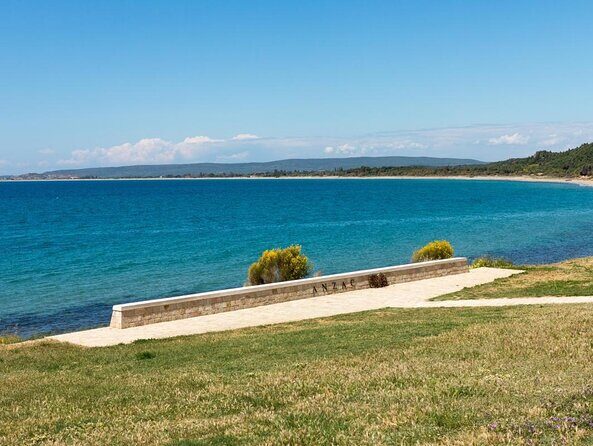
- ANZAC first-landing viewpoints like Brighton Beach and Anzac Cove, tied to what you’re seeing.
- John Simpson Kirkpatrick at Beach Cemetery plus major memorial stops like Lone Pine and Chunuk Bair.
- Gallipoli National Park trench and tunnel area visits, including Johnston’s Jolly and the NEK.
- Help finding family names/headstones on memorial walls if you need that moment.
Why this private Gallipoli tour is worth the long Istanbul day
Gallipoli is not a place you can truly understand in a snapshot. The strength of this tour is how it threads the story through the actual ground—beaches, coves, cemeteries, and memorial points—so the terrain starts to make sense. Even if your knowledge is basic, you’ll leave with a map in your head and a clearer timeline of what each area represents.
The private format matters. You’re traveling with only your group in an air-conditioned vehicle, and that changes the feel of the day. It’s quieter, you can ask questions without competing over the guide’s attention, and you’re more likely to step away for a moment when the subject hits harder than you expected. One detail that really comes through in how people describe the experience: the driver, Omar, is noted for steady, capable driving—exactly what you want for a long road day.
That said, you’re signing up for a full day. You’re looking at an early start, significant driving time, and a late return to Istanbul. If you’re hoping for a relaxed “half-day history walk,” this isn’t that. Think: structured, reflective, and endurance-friendly.
You can also read our reviews of more private tours in Istanbul



7:00am pickup and the 4.5-hour drive to Eceabat
You’ll be picked up from your Istanbul hotel at 07:00am. Then you’re on the road for about 4 hours 30 minutes toward the Gallipoli region. This is the part of the day many people underestimate. The good news is that the travel is handled by a private, air-conditioned vehicle, so you can settle in and stop thinking about logistics.
Why this drive time matters: the battlefields are spread out, and efficient routing is the difference between seeing key points and just seeing the highlights. By arriving with a planned sequence, you’ll spend your energy where it counts—on the ground—rather than burning the morning on unnecessary transfers.
What to pack mentally for the ride: water, a light layer (vehicles can vary), and something to keep you comfortable through a long stretch. Drinks aren’t included, and dinner isn’t included either, so you’ll want to manage your energy. Also, the day is long enough that snack planning can make the difference between a calm visit and a grumpy one.
Eceabat lunch: fuel before you start walking and looking closely
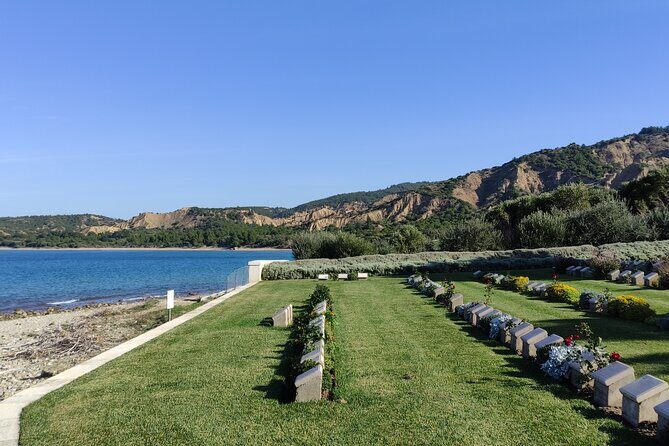
In Eceabat—also known as Maydos—you’ll meet your local guide before heading to lunch. Lunch is provided at a local restaurant in Eceabat, and it’s described as simple but delicious. This matters because it keeps the day grounded. You’re not eating in a tourist trap setting built only for convenience.
After lunch, you’ll drive to the ANZAC Battlefield area, and the guide helps set expectations so you understand why the next stops are arranged in that particular order. This is where “private tour” turns into real value: you’re getting narrative continuity, not random parking-lot history.
A practical point: lunch is included, but drinks aren’t. If you’re sensitive to dehydration on long days, bring a plan for water. Also, since you’re not getting dinner as part of the tour, aim to treat lunch as your main comfort meal.
From Brighton Beach to Anzac Cove: seeing the coastline like a map
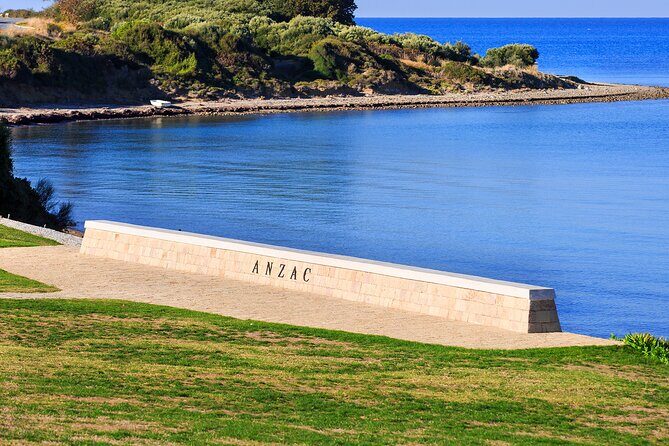
Once you’re at the ANZAC Battlefield zone, the tour moves through key landing and memorial areas in a logical sequence. First comes Brighton Beach, described as the intended landing place. This stop sets the stage: you’re looking at the kind of coastline that shaped the campaign—where terrain and approach directions mattered.
Next is Beach Cemetery, about 1 hour, where admission is included. This is one of the most important emotional stops because it connects a specific person to the story. You’ll see the grave of John Simpson Kirkpatrick, the famous soldier associated with a donkey. Even if you only know the name from history summaries, standing there helps you understand why this figure has become a symbol rather than just a footnote.
Then you head to Anzac Cove, the landing place of the first wave of ANZAC troops and home to up to 30,000 soldiers during the campaign. This stop is powerful because it’s big enough in scale to feel like a real event, not just a small graveyard. You’re also hearing the story anchored to what you can see around you, which makes the geography click.
The potential drawback here is pacing. Because the morning starts early and you’ve already driven for hours, you might feel a little tired during transitions between viewpoints. The fix is simple: take your time at each stop when you can, and don’t rush your photos at the expense of listening to the guide.
Cemeteries and Lone Pine: where the fighting becomes personal
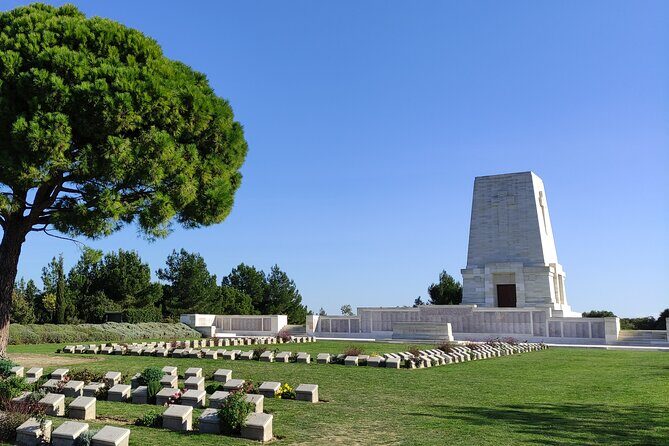
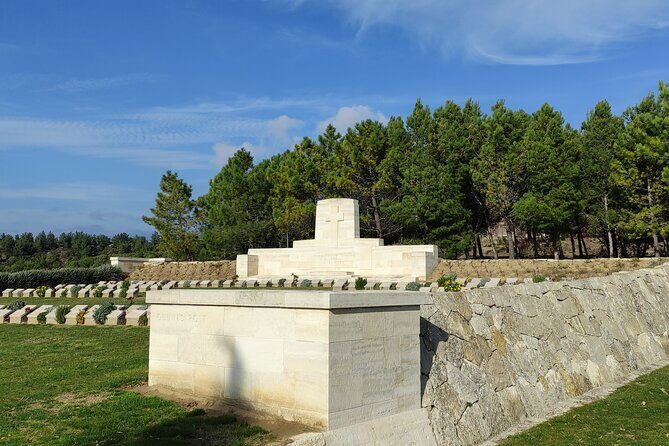
After Anzac Cove, the tour continues to Ariburnu Cemetery, again about 1 hour with admission included. This area is associated with the First ANZAC Day Commemorative Service and sits on the northern tip of ANZAC Cove. Cemeteries like this do two things at once: they honor real individuals and they show you how close the conflict came to the locations people now visit quietly.
Then comes Lone Pine Memorial, about 30 minutes with admission included. This is where you’ll learn about a successful attack and the capture of Turkish trenches by Australians during the August offensive. Lone Pine is important because it marks turning points in the campaign’s movement and momentum—what broke through, what held, and what changed.
Why these stops are valuable: they help you understand Gallipoli as a chain of actions across space, not as one generic “battle.” You start seeing cause-and-effect—why one point matters to the next point.
Also, for many people, these are the places where you’ll feel your emotions catching up to the facts. If you’re traveling with family history, it can land even harder. The good part is that the guide’s tone is designed for this. People praise APO’s ability to be passionate while staying diplomatic and compassionate.
You can also read our reviews of more tours and experiences in Istanbul



Gallipoli National Park: trenches, tunnels, and memorial points you can actually stand on
This is the portion of the day where the tour shifts from “looking at names” to “understanding positions.” In Gallipoli National Park, the visit lasts about 2 hours, with admission included. Here you’ll see a set of named sites that help you connect the war story to the ground.
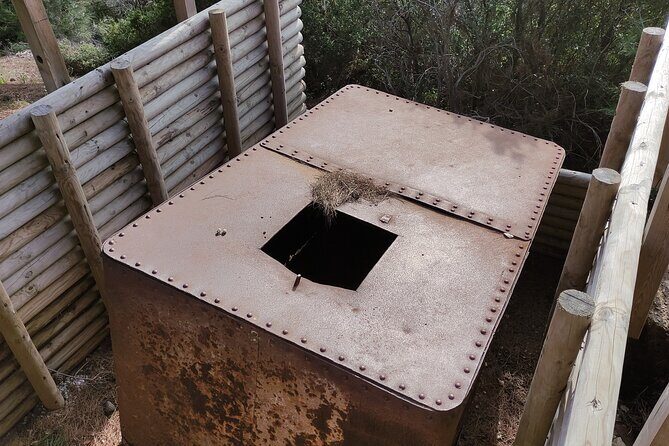
You’ll start with Johnston’s Jolly, where you can visit original Allied and Turkish trenches and tunnels. Even without being a military expert, seeing trenches and tunnel areas makes the narrative physical. It turns the words into something your brain can picture.
Next are Trenches and Tunnels and the 57th Regiment Turkish Memorial. Including Turkish memorials matters because it broadens the story beyond one side’s experience. You’re seeing the same battlefield from different memorial perspectives, which helps you understand why commemorations exist in multiple languages and meanings.
Then you’ll visit the NEK, noted as the site of the famous Light Horse charge shown in the Gallipoli movie. This is a spot where popular culture and real geography meet. Just keep your expectations grounded: this is not about reenactment. It’s about using recognizable references to help you place events in context.
After that comes Walkers Ridge and Chunuk Bair, the New Zealand memorial. Chunuk Bair is described as a highest point captured by New Zealanders during the August offensive. Standing at a high point matters because it helps you understand why altitude influenced movement, visibility, and control.
One of the most moving parts of the day is what the guide can do for family history. If you had relatives who fought and died and were commemorated at Gallipoli, the tour guide helps you locate the headstone or the name on memorial panels on the memorial walls. That practical support—help with locating the exact wording—can be more valuable than any view.
Price and logistics: what $421.44 buys you in real terms
At $421.44 per person for a private full-day tour, the price isn’t “cheap,” but it’s also not just paying for a driver and a checklist. You’re buying time, structure, and guided interpretation across multiple key sites—plus hotel pickup and drop-off, lunch, a professional English-speaking guide, air-conditioned transport, and entry to the Gallipoli Battlefield areas included.
The most obvious value is avoiding a large crowded bus experience. When you’re traveling for about 15 hours total, crowd pressure can drain your patience. Here, the private group setup keeps things calmer and easier for conversation.
There’s also value in having the guide manage the sensitive moments responsibly. APO is praised for clear English and for being objective and logical while still compassionate and diplomatic. That balance is exactly what you want on a site like this.
A fair consideration: drinks aren’t included, and dinner isn’t included. If you’re the type who hates surprises, plan ahead. Also, since it’s a long day, comfort beats style. You’ll thank yourself for bringing layers and something to keep your feet happy.
Booking-wise, this tour is often reserved well in advance (on average about 103 days). If your travel dates are fixed, you’ll do yourself a favor by booking sooner rather than later.
Who this Gallipoli tour suits best
This tour fits you if:
- You want a private day with hotel pickup and drop-off.
- You care about guided meaning, not only sightseeing.
- You want both ANZAC viewpoints and major Turkish memorial context.
- You’re comfortable with a long day—roughly 15 hours.
It may be less ideal if you:
- Need a short, low-effort itinerary.
- Want a day without early starts.
- Don’t do well with extended sitting during long drives.
The big win for many people is the calm, structured flow. You’re not improvising your route across multiple sites. You’re following a plan that connects coastline, cemeteries, memorial points, and trench areas in a way that builds understanding.
Should you book this Gallipoli private full-day tour?
If you want a Gallipoli day trip that feels organized, respectful, and actually helps you understand what you’re seeing, I think this is a strong choice. The private format, English-speaking guide, and included lunch remove a lot of friction on a very long day. And the emotional weight of Gallipoli lands better when the guide tone is steady and careful—something APO is specifically noted for.
Book this if:
- You’re traveling with a group that values conversation and pacing.
- You want to reduce crowd stress on a tight schedule.
- You’d appreciate help locating names on memorial panels if you have family ties.
Skip it or look for alternatives if:
- You’re trying to keep the day under 8 hours.
- You don’t want to spend most of the day on the road.
- You prefer self-guided visits where you set your own stops without a guide’s narrative.
FAQ
What time does the Gallipoli tour start?
The tour starts with pickup from your Istanbul hotel at 07:00am.
How long is the full-day tour?
The duration is about 15 hours.
Is this tour private?
Yes. It’s a private tour/activity, and only your group participates.
What’s included in the price?
Included are private transportation in an air-conditioned vehicle, lunch, a professional English-speaking tour guide, hotel pickup and drop-off, and entry/admission to the Gallipoli Battlefield site included on the itinerary.
What’s not included?
Tips for the driver and guide, dinner, and drinks are not included.
Is there any ticket or confirmation detail I should know?
You’ll receive confirmation at booking, and the tour uses a mobile ticket.
If you want, tell me your travel month and how many people are in your group, and I’ll suggest what to prioritize (which sites to spend extra time on, and how to plan your day so the 15 hours feels manageable).