REVIEW · ISTANBUL
Gallipoli Full-Day Tour from Istanbul
Book on GetYourGuide →Operated by Crowded House Tours · Bookable on GetYourGuide
Gallipoli hits you fast. This full-day Gallipoli tour from Istanbul puts the World War I ANZAC landings and battlefields right in front of you, with planned stops at cemeteries and memorials across the peninsula. I especially like the way the tour is organized around major sites like ANZAC Cove and Lone Pine.
I also love the human side of this trip: the guides (think Charlie, Burak, Hasan, Bulant, and Ibrahim) explain the events with maps, photos, and clear pacing, while staying respectful to all nationalities involved. It’s not just facts dumped on a bus—it’s context that helps you read the ground.
One real consideration: this is a long day, and the Gallipoli portion can feel tight once you factor in the drive. Many people end up with a powerful emotional visit, but not the slow, lingering pace you’d get with a longer stay in the area.
In This Review
- Key things you should notice before you go
- A long day in a comfortable minibus: the Istanbul-to-Gallipoli rhythm
- Price and value: what $154 really buys you
- Pickup reality: Taksim and Sultanahmet only (and why that affects your timing)
- En route to Eceabat: refreshment stops and that pre-battle pause
- ANZAC Cove and Arı Burnu: seeing the landing ground with your own eyes
- Beach Cemetery and Lone Pine Memorial: where reflection takes over
- The Nek and Chunuk Bair: the terrain that explains the failures
- Guides make or break the day: Charlie, Burak, Hasan, Bulant, and Ibrahim
- Transport comfort and pacing: what the bus day feels like
- What to bring: small items that matter on a memorial-heavy route
- Who should book this Gallipoli day trip from Istanbul?
- Should you book it? My call
- FAQ
- How long is the Gallipoli full-day tour from Istanbul?
- What does the price include?
- Are breakfast and dinner included?
- Where is hotel pickup available?
- Is there pickup from the Asian side of Istanbul?
- What time does pickup start in the Taksim area?
- What time does pickup start in the Sultanahmet area?
- What language is the guide?
- What should I bring for the tour?
- Is free cancellation available?
Key things you should notice before you go
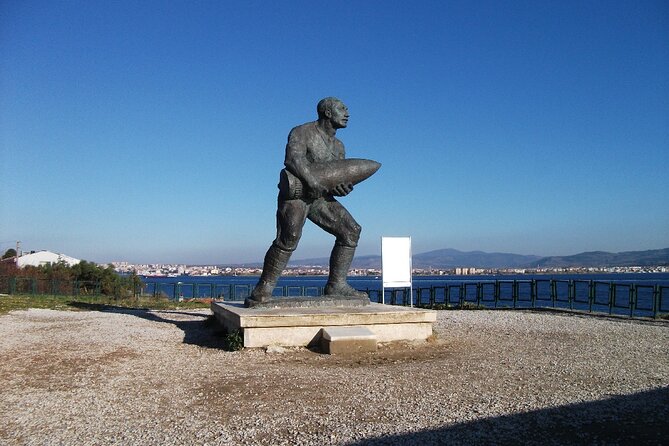
- Early start from central Istanbul: pick-up in the Taksim and Sultanahmet areas begins before sunrise.
- A minibus that’s built for the long haul: you’re travelling by air-conditioned, reconfigured minibus.
- 11+ planned stops on the peninsula: expect a structured route through landing sites, cemeteries, and memorials.
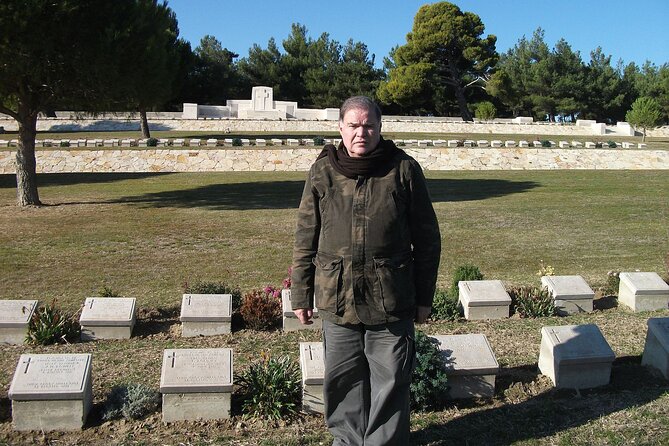
- Commonwealth cemeteries and memorials: you’ll pause at places like Beach Cemetery and Lone Pine Memorial.
- Guides use maps to make the terrain make sense: guides such as Charlie and Burak often anchor explanations to what you’re seeing.
A long day in a comfortable minibus: the Istanbul-to-Gallipoli rhythm
If you’re planning the Gallipoli Peninsula as a day trip, you’re really planning your whole day. The tour runs about 18 hours, with a long highway transfer—your first big reality check is that most of the time is spent getting there and back.
The good news: it’s done by air-conditioned minibus, not a cramped scramble. You’ll also have scheduled breaks en route, so you’re not just stuck on the road with nowhere to reset.
There’s also an emotional rhythm to how the day unfolds. You drive into the region, stop for basic refreshment needs, have lunch, then the tour shifts into a guided sequence of cemeteries and battlefields where talking naturally lowers in volume.
You can also read our reviews of more tours and experiences in Istanbul


Price and value: what $154 really buys you
At $154 per person (for this Gallipoli full-day tour from Istanbul), you’re paying for more than just sightseeing. You’re buying round-trip transport between Istanbul and Eceabat by minibus, a fully guided route, and lunch on the day.
That matters because Gallipoli sites are spread out. If you try to self-drive without a plan, you lose time figuring out routes, and you often miss the historical map-to-ground connection that makes the sites click.
The meal setup is also part of the value equation. Lunch is included, but breakfast and dinner are not, and drinks during meals aren’t included. So budget a little extra for your morning stop and your evening meal back in Istanbul.
Pickup reality: Taksim and Sultanahmet only (and why that affects your timing)
This tour is set up for hotels in Taksim and Sultanahmet. If you’re staying elsewhere—especially on the Asian side—this one won’t pick you up directly, and you’ll need to plan your own way to a supported pickup point.
Pickup timing starts very early. For the Taksim area, pick-up is between 06:00–06:20. For the Sultanahmet area, pick-up is between 06:30–07:00. Your exact meeting point can vary depending on where your hotel sits, so you’ll want to confirm your time and location ahead of departure.
This is one reason to avoid being vague about your departure morning. Set a firm alarm, have your ID ready, and wear shoes you can walk in—because once you’re at the sites, you won’t be hanging around for long.
En route to Eceabat: refreshment stops and that pre-battle pause
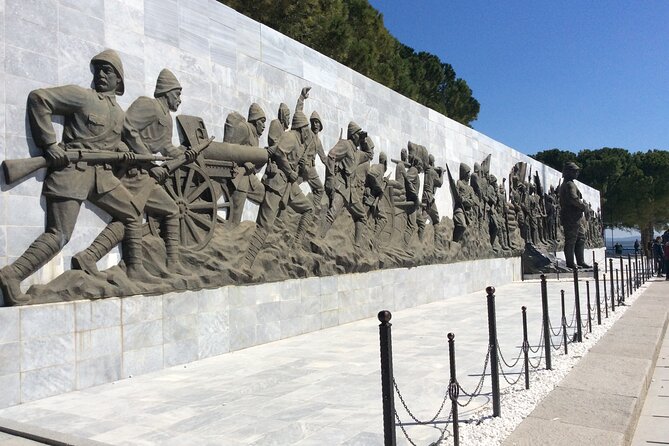
The tour transfers to Eceabat, which is where the pacing starts to feel more real. There’s time on the way for a refreshment stop, and breakfast is served at your own expense, not included.
After that, you’ll reach the peninsula region for lunch. The lunch is included, and it’s also a practical reset before the day turns into a string of memorial spaces where you’ll want your energy.
One thing to keep in mind: this kind of day trip can have stops that vary in how satisfying the food options are. A few people felt lunch quality could be better, while others found it fine. So treat lunch as fuel, not a highlight.
There’s also a break later during the return—so the day isn’t purely drive, then drive again. That mid-day structure helps, especially on a route where the calendar time adds up fast.
ANZAC Cove and Arı Burnu: seeing the landing ground with your own eyes
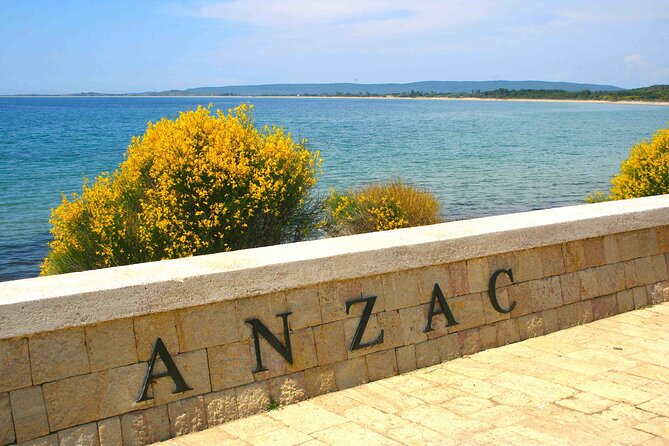
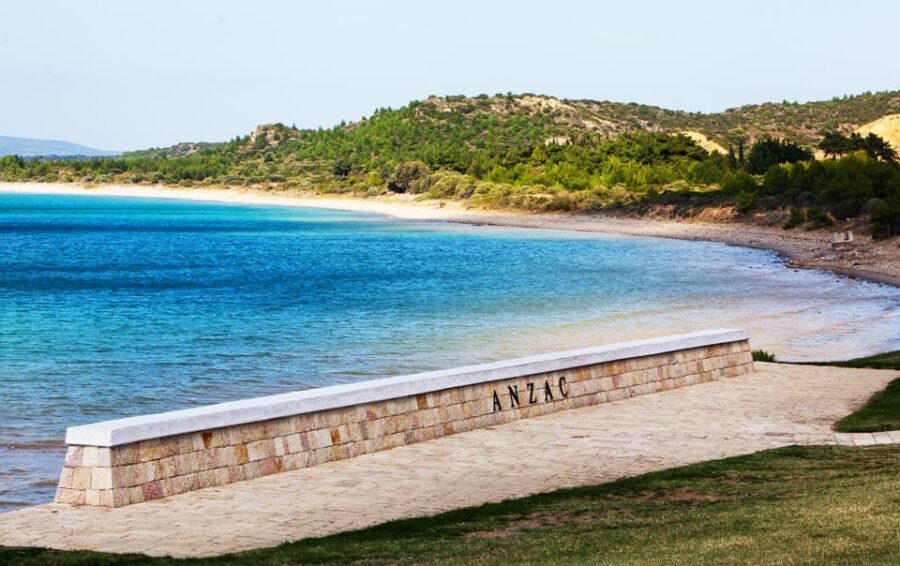
After lunch, the focus shifts strongly to the ANZAC sector—and this is where the tour’s guiding style matters most. You’ll visit ANZAC Cove, the iconic landing area where the campaign began, and then continue through key landing and cemetery stops on the same side of the peninsula.
ANZAC Cove is the kind of place where history can feel abstract until you stand there and realize you’re looking at the shoreline and the approach that soldiers faced. The guides often help you read the place—what you see, where movements likely went, and why certain areas became points of struggle.
From there, you’ll go to Arı Burnu Cemetery. Cemeteries here do something that museums can’t: they show you the human cost, but they also force you to slow down. Even if you came in with a list of names, you’ll usually leave remembering fewer names and more of the terrain they endured.





Beach Cemetery and Lone Pine Memorial: where reflection takes over
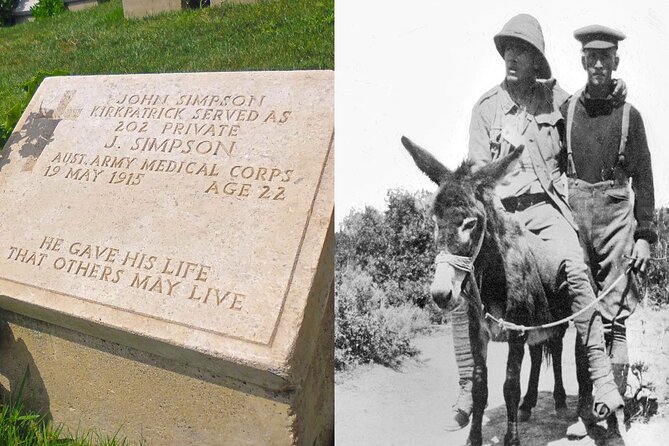
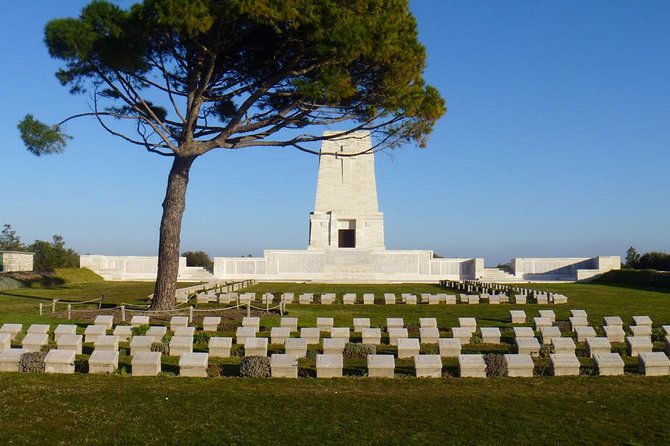
Two stops that tend to leave the biggest mark are Beach Cemetery and Lone Pine Memorial. These are Commonwealth sites that connect the campaign’s story to individual graves—or, in Lone Pine’s case, to those who have no known grave.
In plain terms, this part of the tour changes the mood. The guide commentary still covers events and strategy, but your attention also shifts toward what memorials mean: remembrance, absence, and the long echo of the campaign.
If you’re Australian or New Zealand, you’ll probably feel this especially strongly. Several guides on this route are used to explaining the sites with the right cultural tone and the right level of empathy, while still keeping the account balanced.
You should also plan for sun and wind. Cemeteries don’t offer much shelter, and the day trip is long enough that even mild conditions can feel persistent. That’s why comfortable shoes, sunglasses, and a hat matter more than you’d think.
The Nek and Chunuk Bair: the terrain that explains the failures
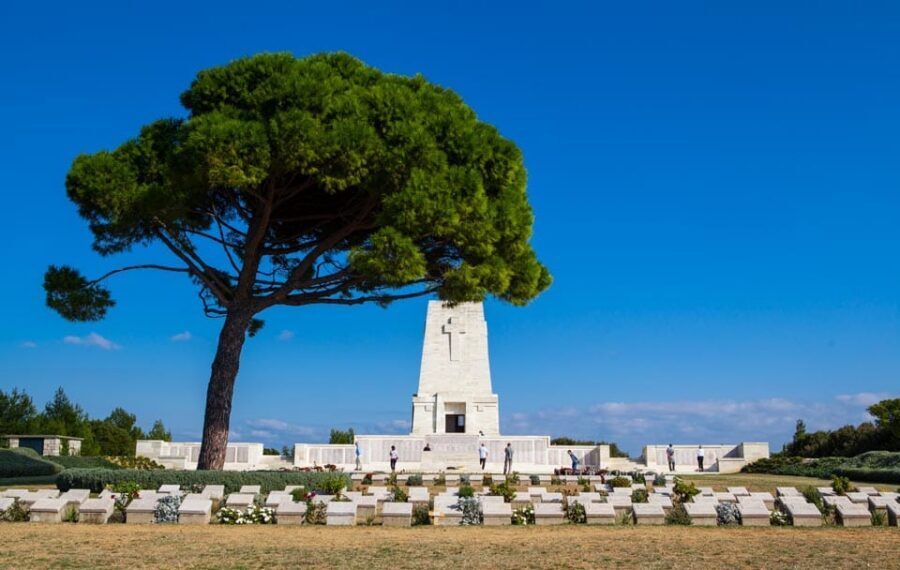
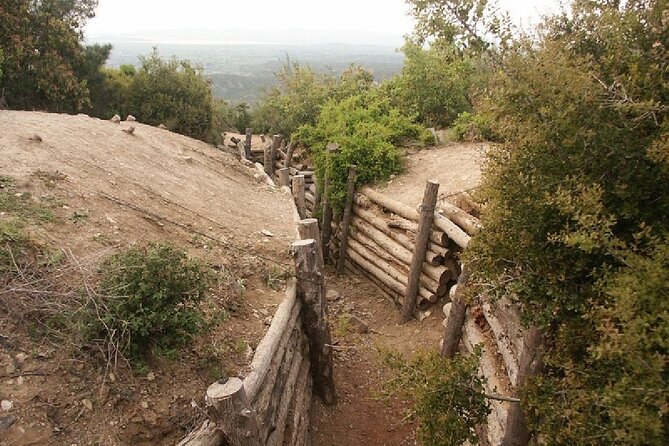
For me, the most important part of Gallipoli is the terrain. The Nek and Chunuk Bair are where the ground stops being scenery and starts acting like a character in the story—because the battles were fought with hills, ridges, narrow approaches, and visibility issues that pushed people into repeating mistakes.
This tour includes key battlefield stops such as The Nek Cemetery and Chunuk Bair. You’re not just watching a view. The guides typically lay out what the forces were trying to do, what went wrong, and how the land amplified those problems.
You’ll also see sites like Johnston’s Jolly Cemetery and the Mehmetçik Monument. The value of hitting these locations together is that you get a fuller sense of the campaign rather than a single national storyline. Several guides are known for weaving in perspectives across sides without turning the day into an argument—more like a careful map of where each side stood and why.
This is one reason the tour works even if you’re not a die-hard WWI nerd. You start to understand why the campaign became so costly—and why there were no clean winners. The ground gives you the answer faster than any speech can.
Guides make or break the day: Charlie, Burak, Hasan, Bulant, and Ibrahim
A huge portion of this tour’s praise comes down to guide delivery. People consistently mention guides like Charlie, Burak, Hasan, Bulant, and Ibrahim using maps and clearly structured explanations to connect story to place.
You’ll feel this in how the tour moves. A good guide doesn’t just talk while you stand still; they help you place yourself. One guide approach described a map used early on the landing area, then repeated context added throughout the day so the peninsula stops feeling like a list and starts feeling like a path.
Another standout trait in the feedback: guides are often funny in a controlled way and respectful in serious moments. That mix helps because the day is emotionally heavy. If the guide never cracks a smile, you can tune out. If they treat it casually, it can feel wrong. The best guides land in the middle—serious facts with human tone.
Also worth noting: there are moments where the guide focus can extend beyond the main sites. Some departures included help for descendants trying to locate relatives connected to the campaign. That’s not something you can count on from every tour, but it signals the kind of care the guides bring.
Transport comfort and pacing: what the bus day feels like

Let’s be honest: this is a long ride. One review mentioned that the highway travel is around 7–8 hours, and that the day is heavily weighted toward driving. Even with breaks, you’ll likely want to treat this as a day for sitting, listening, and occasionally stretching.
Most people describe the minibus as comfortable, and several mention good drivers and safe, calm driving. Still, there was at least one complaint that the bus was super uncomfortable, so this can be subjective. If you’re picky about seats or prone to back stiffness, plan to bring your own comfort items.
The day’s stop count can also create a feeling of speed once you reach the peninsula. One person felt the Gallipoli segment was rushed—about four fast hours around the main sites—which matches the reality of a full Istanbul day trip. If you want slow reflection and extra time at each memorial, you might do better with a multi-day stay in the region instead.
What to bring: small items that matter on a memorial-heavy route
This tour’s essentials are simple, and they’re the ones you’ll actually use. Bring passport or ID, comfortable shoes, sunglasses, and a sun hat. In summer, add sunscreen.
Dress for the season. The tour guidance suggests a raincoat in autumn and warm layers in winter. Because you’ll be outside at cemeteries and memorials, don’t rely on the bus being your main climate control.
One practical tip: wear shoes you can walk in on uneven ground near memorials. Even if the stops are “quick,” there’s still walking time built in, and you’ll be grateful you didn’t bring delicate footwear.
Who should book this Gallipoli day trip from Istanbul?
This is a good fit if you want a structured, high-impact introduction to the Gallipoli Peninsula without spending days coordinating transport. If you’re an Aussie or Kiwi, it also has added emotional weight, and the guides on this route often understand the cultural nuance.
It also works well for first-timers who don’t want to guess which memorial to prioritize. Seeing ANZAC Cove, Beach Cemetery, Lone Pine Memorial, The Nek, and Chunuk Bair in one run is the fastest way to get the full shape of the campaign.
If you hate long drives, this may test your patience. One of the best “self-checks” is this: if you’re okay with a long travel day for a meaningful, focused overview, you’ll enjoy it. If you want a leisurely, slow day where you can sit with each place longer than planned, you’ll probably wish you had more time on the peninsula.
Should you book it? My call
If you’re visiting Istanbul and want Gallipoli on your schedule, I think this tour is a strong option. You get round-trip transport, an English-speaking guide, lunch, and a guided route hitting the big memorials and battlefield areas that explain the ANZAC story.
Just go in with realistic expectations: it’s an 18-hour day, so the Gallipoli experience is intense and structured, not slow. If you want the best balance, pack for comfort, listen closely to your guide (Charlie, Burak, Hasan, Bulant, and Ibrahim-style map guidance can matter a lot), and treat the cemeteries as the main event.
FAQ
How long is the Gallipoli full-day tour from Istanbul?
The tour duration is about 18 hours.
What does the price include?
It includes round-trip transportation between Istanbul and Eceabat by air-conditioned minibus, a fully guided Gallipoli tour with an English-speaking guide, and restaurant lunch.
Are breakfast and dinner included?
Breakfast and dinner are not included. Lunch is included.
Where is hotel pickup available?
Pickup is available only from hotels in the Taksim and Sultanahmet areas.
Is there pickup from the Asian side of Istanbul?
No. There is no pickup and drop-off service available from the Asian side of Istanbul.
What time does pickup start in the Taksim area?
Pickup for the Taksim area is between 06:00 and 06:20 am.
What time does pickup start in the Sultanahmet area?
Pickup for the Sultanahmet area is between 06:30 and 07:00 am.
What language is the guide?
The guide is English-speaking.
What should I bring for the tour?
Bring passport or ID card, comfortable shoes, sunglasses, and a sun hat. Also dress for the season (raincoat in autumn, warm clothes in winter).
Is free cancellation available?
Yes, you can cancel up to 24 hours in advance for a full refund.