REVIEW · ISTANBUL
From Istanbul: Pamukkale and Ephesus Tour 2-Day By Flights
Book on GetYourGuide →Operated by WE GO TURKİYE TRAVEL · Bookable on GetYourGuide
Two days, two ancient worlds. This tour strings together the Aegean Coast’s biggest UNESCO names—Ephesus and Pamukkale—with flights from Istanbul so you don’t burn a day just getting there. You’ll also get a full guide-led day in the ruins, plus an overnight in Selçuk or Kuşadası so the schedule doesn’t feel purely rushed.
I especially like the way the day-by-day flow is built for real sightseeing. A guide like Harun is highlighted for navigating crowd surges and pointing out photo-friendly spots, and the driving is handled carefully on narrow routes, including the approach to Mary’s House. I also like that entrance fees are wrapped into the guided time, and the group stays small (up to 15), which helps you keep your bearings instead of fighting for space.
The only thing to consider is the pace. Two days is tight for this much sightseeing, so if you want slow museum time or lots of unstructured wandering, you may feel a bit time-pressured, especially around the peak parts of Ephesus and Pamukkale.
In This Review
- Key highlights to know before you go
- Why flying from Istanbul makes sense for Ephesus and Pamukkale
- Day 1 in Kuşadası: Ephesus and the major stops you should actually plan for
- Overnight in Selçuk or Kuşadası: rest is part of the itinerary
- Day 2 to Hierapolis and Pamukkale: Apollo, amphitheaters, and white terraces
- Pamukkale practical reality: what the white terraces feel like
- Food and pacing: breakfast, two local lunches, and time to breathe
- Price and what you get for $768 per person
- Who this tour suits best (and who might feel squeezed)
- Final call: should you book this 2-day flight tour?
- FAQ
- What are the main sites included in this 2-day tour?
- Where do you stay overnight?
- How many people are in the group?
- What languages are available for the live guide?
- What meals are included?
- Are entrance fees included?
Key highlights to know before you go
- Small group (up to 15) keeps the experience controlled and easier to follow
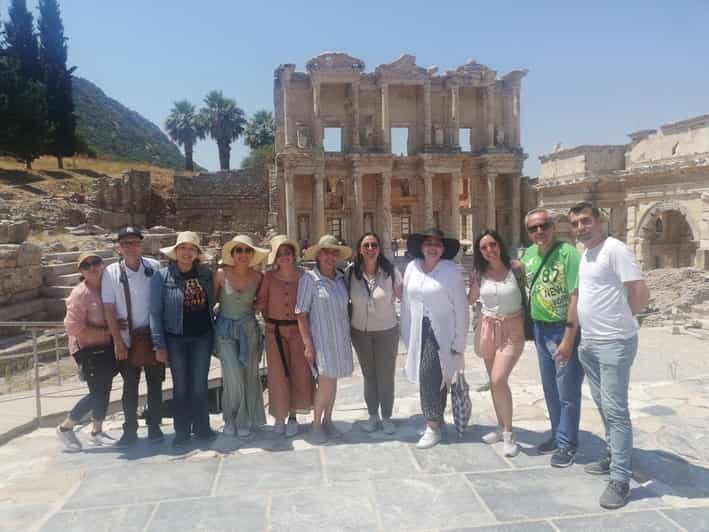
- Ephesus essentials: Temple of Artemis area, Library of Celsus façade, and major Roman ruins
- House of Virgin Mary adds a personal, faith-linked stop beyond the archaeology
- Hierapolis + Apollo: amphitheater scale and the marble staircase details
- Pamukkale walk on white terraces and time at Cleopatra’s Pool for that classic hot-springs feel
Why flying from Istanbul makes sense for Ephesus and Pamukkale
On a longer multi-stop trip, you can afford to drive or slow-roll the Aegean Coast. But on a short timetable, flying is the smartest kind of convenience. This tour uses return flights from Istanbul to Izmir, then connects you with guided driving between the sites. That matters because both Ephesus and Pamukkale are “big day” destinations on their own.
The value isn’t just saving hours. It’s also how the schedule stays sightseeing-first. You start day 1 with a flight and a clear handoff to the local team, so you’re not spending your limited daylight figuring out trains, taxis, or routes. The same approach continues on day 2: drive to the next archaeological zone, see the key sights with a guide, and then return to the airport without turning the experience into a logistics project.
One more thing I like: the tour is designed around guided structure. You’re not left guessing what matters most at every stop. With Ephesus and Hierapolis, that’s huge, because both sites are sprawling. When you know where to look, you get more out of the time you’re actually standing in the ruins.
You can also read our reviews of more tours and experiences in Istanbul
Day 1 in Kuşadası: Ephesus and the major stops you should actually plan for
Day 1 starts with pickup in Istanbul, then a calm drive to the airport. From there, you fly to Izmir and meet your guide at the airport before heading to the tour base in Kuşadası. There’s also lunch in a local restaurant early on, which is a practical move. Ruins days can run long, so you’ll want energy before you hit the first wave of walking.
Once you’re at Ephesus, the main rhythm is straightforward: you’ll move through the city’s preserved streets while your guide connects structures to what they represent. Ephesus isn’t just “old buildings.” It’s a living lesson in how the ancient Eastern Mediterranean worked—civic space, religion, trade, and entertainment all in one footprint.
Here’s what you’ll focus on in the guided part of Ephesus:
- Temple area linked to Artemis: you’ll get the scale and significance of this worship center as part of the overall city story.
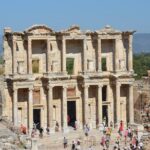
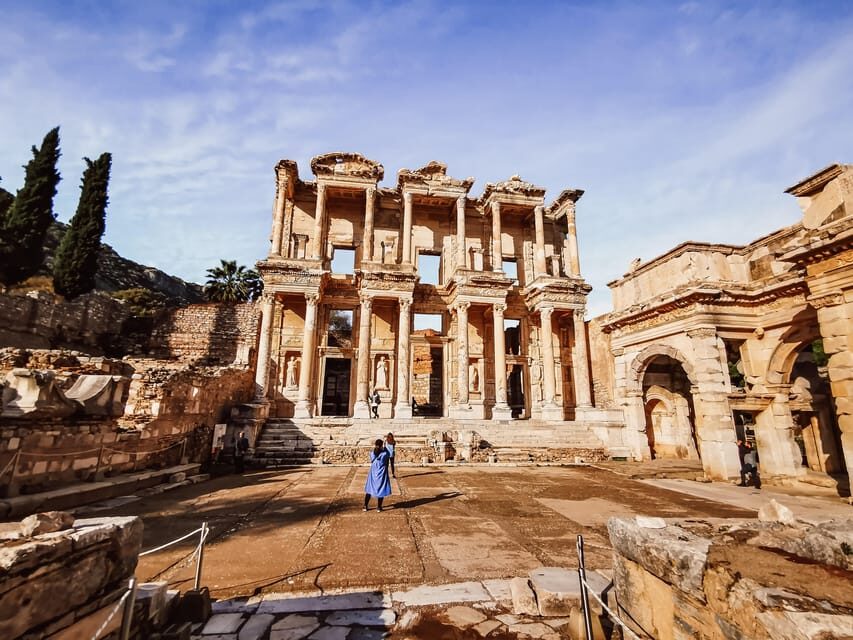
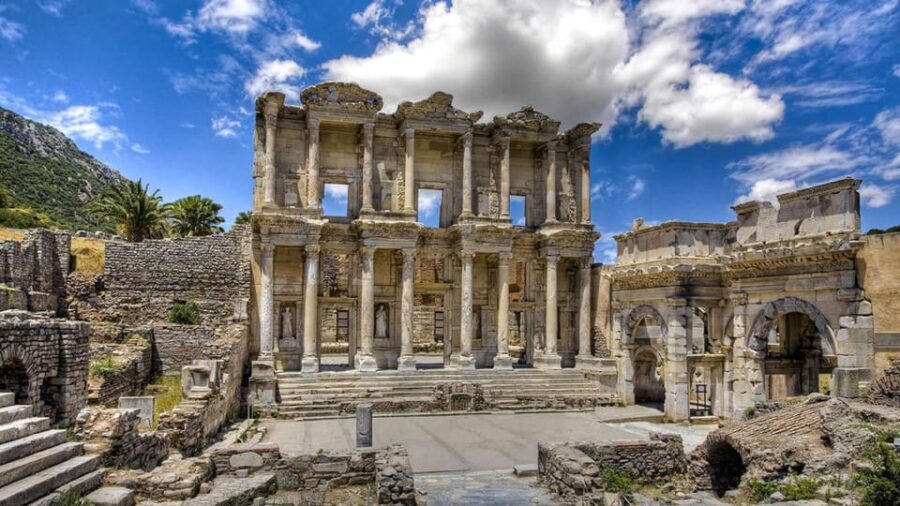
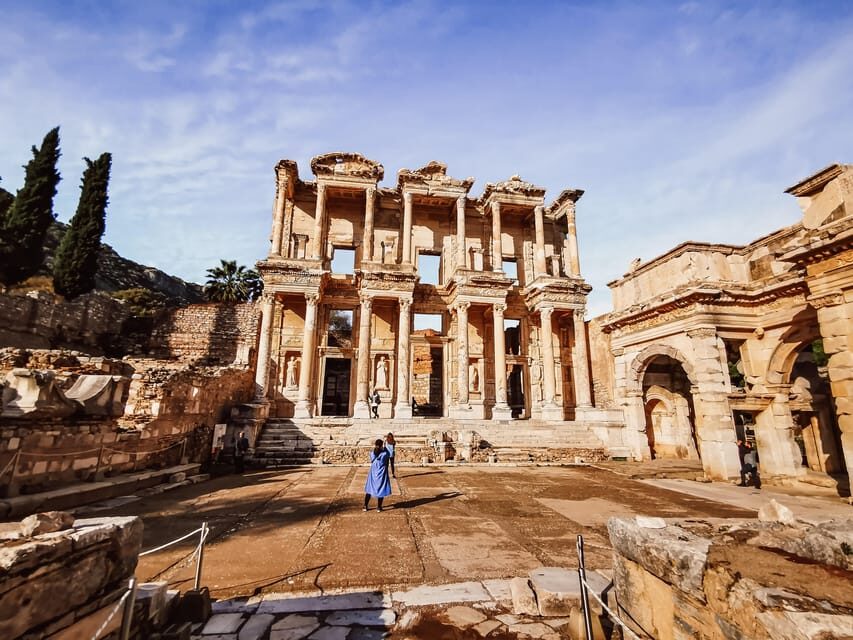
- Library of Celsus façade: even if you can only see part of it, it’s one of the most recognizable Roman-era visual moments here.
- Roman amphitheater remains: you’ll see what elite public life looked like, from performances to public gatherings.
Then you’ll shift from the big-city archaeology to a more intimate stop at the House of Virgin Mary, where tradition holds that Mary spent her last days. This isn’t the same kind of site as Ephesus’s city grid. Instead, it’s about atmosphere and meaning. In the driving approach to the location, the tour highlights careful navigation on narrower roads, which helps you arrive without feeling frazzled.
To cap day 1, you’ll drive to your overnight base in Selçuk or Kuşadası. That choice is smart because it keeps you close to both Ephesus and the next morning’s route toward Hierapolis.
Small group size matters here. You’ll be able to hear the guide and move as a unit, without the “everybody break off on their own” chaos that happens on larger tours.
Overnight in Selçuk or Kuşadası: rest is part of the itinerary
You’ll stay overnight in a 3-star hotel or similar boutique property, with breakfast included. Dinners aren’t included, so you’ll either eat on your own or use the hotel area as your starting point. This is one of those details that affects comfort more than people expect.
If you like walking late or grabbing something simple, staying in Kuşadası can be convenient. If you want closer access to Ephesus’s general region and a calmer base, Selçuk often feels more like a classic entry town. The tour gives you both options, so you can pick based on the vibe you want for the evening.
Practical note: because day 2 also includes major walking at Hierapolis and Pamukkale, you’ll be better off treating the evening as recovery time. Hydrate, plan your shoes strategy, and don’t overbook your night with extra long dinners or late plans. Pamukkale’s terrace walk and warm-spring moments can be surprisingly physical.
Also, since guided entrance fees are included during the tours, your evening doesn’t come with extra “ticket hunt” stress. You can focus on resting so you’re ready for the next day’s ruins circuit.
Day 2 to Hierapolis and Pamukkale: Apollo, amphitheaters, and white terraces
Day 2 begins with pickup from your hotel, then a scenic drive through Turkish countryside toward Pamukkale. Your guide keeps the narrative going with cultural context while you ride. That helps turn the drive into more than dead time, especially when you’re hopping between archaeological zones.
Before Pamukkale proper, the tour takes you into Hierapolis, where the main draw is scale. Hierapolis feels grand in a different way than Ephesus. You’re dealing with another full archaeological city, and the morning stops emphasize monumental Roman structures.
You’ll visit:
- A massive Roman amphitheater with an audience capacity of about 15,000. Standing near the structure, you can see why amphitheaters mattered for entertainment and civic identity.
- The Greek Temple of Apollo, including the marble staircase details that help you visualize how people moved through sacred space.
Your guide points out the significant structures in the archaeological site, which is key because it’s easy to walk past important remnants if you don’t know what you’re looking for. This is one of the reasons a licensed guide is worth paying for here.
Lunch comes before Pamukkale ruins time, at a local restaurant. Eating before the white terraces is smart. Pamukkale is famous, but it’s also a physically active stop—especially when you factor in the steps and the heat near the springs.
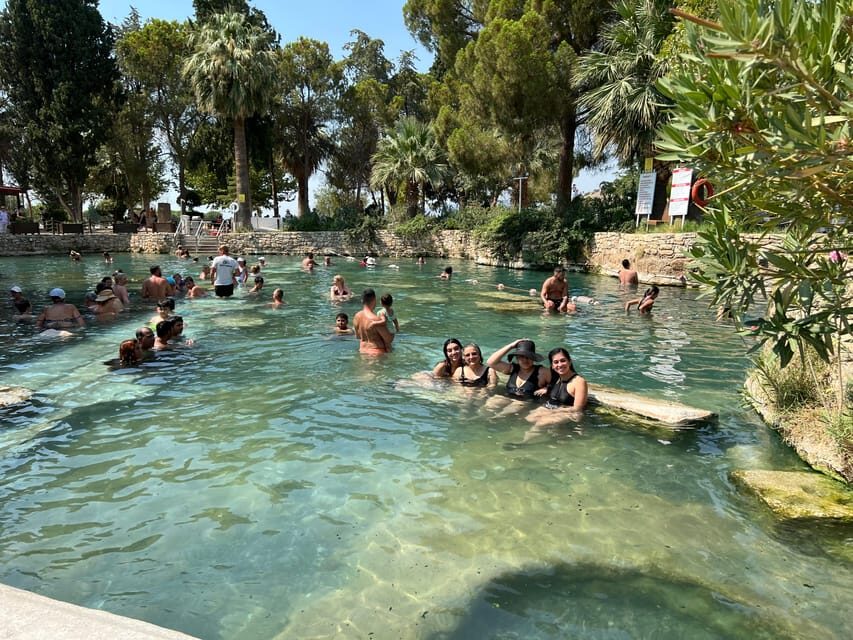
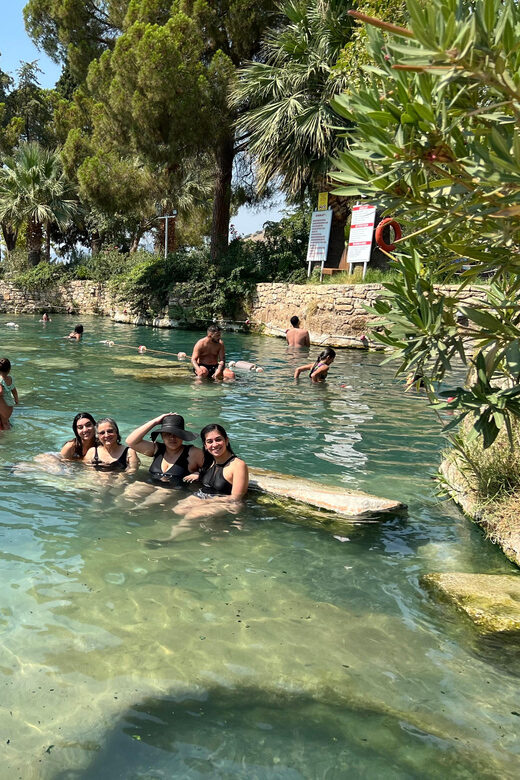
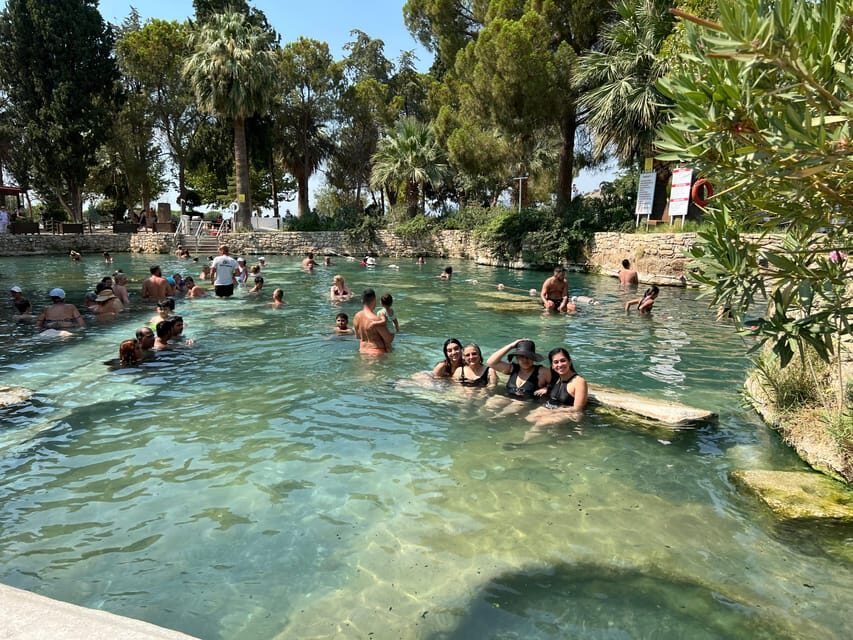
Then you get the classic moment: you’ll take off your shoes and walk along Pamukkale’s white terraces formed from mineral deposits. After that, you’ll have time to dip your feet in the natural hot springs and visit Cleopatra’s Pool, where you can swim among the ruins of a temple area.
The afternoon includes free time so you can explore at your own pace. That buffer matters when you want photos, a slower look at carvings, or a break from the fixed group rhythm.
Finally, you’ll ride back to the airport to catch your flight home, with a driver transfer waiting in Istanbul upon arrival.
Pamukkale practical reality: what the white terraces feel like
Pamukkale’s big selling point is visual, but the on-the-ground experience is about texture and micro-details. Those white terraces aren’t just pretty. They’re formed by mineral deposits and create a stepped, glossy surface that changes as you move from one section to another.
Because you’ll walk on these terraces barefoot, think in terms of comfort and cleanliness. Bring a small plan for towels or quick dry needs so you don’t spend the rest of the day feeling sticky or uncomfortable. Also, wear something you can easily remove and put back on fast. You’ll have to coordinate shoe removal and then re-dress after the hot-springs time.
Cleopatra’s Pool is another big highlight, with time to swim amid the ruins of a temple area. The setting is iconic, but water time can also make the afternoon feel longer than you expect. If you get cold easily, pack for changing temperatures after water time. If you run warm, just make sure you keep your energy up because the combination of walking plus water can sneak up on you.
One more thing: the terraces can be crowded, particularly around peak visiting hours. This is where skip-the-line guidance and a coordinated flow through the sites helps. You still see plenty of people, but you’re not standing around waiting for your turn as long.



Food and pacing: breakfast, two local lunches, and time to breathe
Food here is straightforward and functional. You’ll get breakfast at your hotel. Lunch is included at local restaurants during the tour—your day 1 meal and day 2 meal are both built in.
That’s a practical design choice. You aren’t relying on finding a restaurant while you’re trying to keep your place in a moving group. You also avoid the common trap of spending lunch time sprinting between ruins and cafes.
The pacing is the larger balancing act. Day 1 is concentrated around Ephesus and then the House of Virgin Mary. Day 2 expands to Hierapolis and Pamukkale. You’ll get free time in the afternoon after the Pamukkale terraces experience, which is where you can reset and take your own photos without someone calling time every few minutes.
If you like structured sightseeing but still want a little freedom, this setup fits. If you prefer long, slow museum-style wandering, you might find the tour’s tempo too tight. In that case, you’d want a longer trip with more standalone time in each archaeological zone.
Price and what you get for $768 per person
At $768 per person for 2 days, this tour isn’t a budget bargain. It’s a comfort-and-convenience package. You’re paying for flights from Istanbul, professional licensed guiding, entrance fees during guided visits, air-conditioned bus transportation between stops, plus an overnight in Selçuk or Kuşadası with breakfast.
When you compare that to piecing it together yourself, the main value points are:
- Time saved with flights rather than losing a full day to overland travel
- Guided entrance coverage so you don’t spend time figuring out what to buy and when
- A licensed local guide who helps you interpret ruins so you don’t miss the best parts
- Small group size that keeps movement more manageable
What you’ll likely add yourself are personal expenses and dinners. Shopping facility stops may also happen if timing allows, which can either be a minor break or an annoyance, depending on your style.
If you want the highlights with less planning stress, this is where the price starts to make sense. If you’re the kind of person who loves independent travel and already knows how to build tight itineraries, you might find cheaper options. But you’d trade away the guide-led flow and included structure that make these two days work.
Who this tour suits best (and who might feel squeezed)
This tour fits best if you:
- Want the big Ephesus + Pamukkale hits in a short time window
- Like guided context so you understand what you’re seeing at each ruin stop
- Prefer a small group (up to 15) rather than a giant bus and a free-for-all
You might want to look elsewhere if you:
- Need lots of downtime between major stops (the schedule is dense)
- Strongly dislike shoe-off experiences and barefoot terrace walking
- Want dinners included automatically (dinners aren’t part of the package)
It also works well if you travel with someone who likes structure. One person can focus on photos and pacing while the guide handles the route logic and interpretation.
Final call: should you book this 2-day flight tour?
If your goal is to see Ephesus, Hierapolis, and Pamukkale without turning your trip into a transportation puzzle, I think this is a solid booking. The tour is built around what most people actually come for: major archaeological sites, a meaningful stop at Mary’s House, and that unmistakable Pamukkale terrace walk.
The decision hinges on your tolerance for a packed schedule. If you can handle a quick, efficient two days with guided stops and short breaks, you’ll likely feel satisfied. If you want slow travel, extra museum time, or lots of independent wandering, you might feel rushed.
As a final confidence boost, the tour’s small-group approach and experienced handling of crowd flow came through clearly in the feedback, with named support like Harun for navigating peak moments and caring assistance linked to the WE GO TURKİYE TRAVEL team under Timur Tas.
FAQ
What are the main sites included in this 2-day tour?
You’ll visit Ancient Ephesus, the House of Virgin Mary, the Temple of Artemis area, Hierapolis, and Pamukkale (including the white terraces and time at Cleopatra’s Pool).
Where do you stay overnight?
You stay overnight in Selçuk or Kuşadası, depending on the tour arrangement.
How many people are in the group?
The group is limited to 15 participants.
What languages are available for the live guide?
The live tour guide is available in English and Spanish.
What meals are included?
Breakfast is included at the hotel, and lunch is included at local restaurants during the tour days. Dinners are not included.
Are entrance fees included?
Yes. Entrance fees to the museums during the guided tours are included.