REVIEW · ISTANBUL
Full Day Istanbul 1, 2 or 3-Day Private City Guided Tour
Book on GetYourGuide →Operated by Unique Ephesus Tour · Bookable on GetYourGuide
Istanbul can feel like ten trips at once. This private, licensed-guided tour lets you customize what you see, from the Blue Mosque and Hagia Sophia to Topkapi and the big markets. I especially like that you’re not just dropped at landmarks; your guide helps the story click as you walk. One real consideration: Istanbul traffic can slow things down, even with a plan.
The best part is the flexibility across lengths. Go for a focused one-day sweep, or string together 2–3 days that mix monuments with neighborhoods like Balat/Fener and views up at Pierre Loti Hill. You’ll also get practical perks like pickup options and skip-the-ticket-line, though entrance fees and lunch aren’t included.
In This Review
- Key highlights worth planning for
- How Private Pickup and a Licensed Guide Change the Day
- Day 1 in Sultanahmet: Blue Mosque, Hagia Sophia, Topkapi, and the Grand Bazaar
- Blue Mosque and Sultan Ahmed Mosque Area
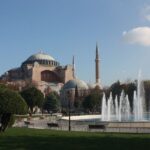
- Hagia Sophia and the Dome That Rules the Skyline
- Topkapi Palace: Ottoman Power in a Calm Garden
- Basilica Cistern: The Underground Pause
- Hippodrome of Constantinople: Column of Constantine
- Grand Bazaar: The Market City Within the City
- Day 2: Spice Market, Bosphorus Cruise, Dolmabahce, and Taksim to Galata
- Spice Market (Egyptian Market): Smell First, Ask Questions Next
- Bosphorus Cruise: Two Continents in One Breath
- Dolmabahce Palace: Ottoman Administration With a Seaside View
- Taksim Square and Istiklal Street: City Life, Not Monument Photos
- Lunch on the Day’s Schedule
- Day 3: Suleymaniye, Chora Church, Balat/Fener, and Pierre Loti’s View
- Suleymaniye Mosque: Ottoman-era Monumental Focus
- Chora Church: Byzantine Details That Feel More Intimate
- Balat and Fener: Color, History, and Street-level Istanbul
- Pierre Loti Hill: A View Stop That Changes Your Perspective
- Skip-the-Ticket-Line vs Entrance Fees: The Real Cost Picture
- When Istanbul Traffic Makes or Breaks Your Schedule
- Shopping With a Plan: Grand Bazaar and Spice Bazaar Without the Stress
- Grand Bazaar: Use the Time, Then Browse
- Spice Market: Smell, Taste, Compare
- What You’ll Take Away: Byzantine-to-Ottoman Through Real Places
- Should You Book This Private Istanbul Tour?
- FAQ
- How long is the tour?
- What’s included in the price?
- Are entrance fees included?
- Is transportation included?
- Which languages are available for the guide?
- Are there any days when key sights are closed?
- What should I bring, and are there any restrictions?
Key highlights worth planning for
- Private guide + customization so the day matches your interests instead of a fixed checklist
- Skip-the-ticket-line access that can save hours at the busiest stops
- Sultanahmet focus on the Blue Mosque, Hagia Sophia, Hippodrome, and Topkapi
- Two big markets: Grand Bazaar plus the Egyptian/Spice Market
- Bosphorus and Ottoman power with a cruise and Dolmabahce Palace
- Day 3 neighborhoods like Balat/Fener for a different Istanbul mood
How Private Pickup and a Licensed Guide Change the Day
This isn’t a hop-on hop-off tour. It’s a private group format with a licensed guide who stays with you through the big walking chunks and helps you connect what you’re seeing.
Pickup is flexible. You can arrange pickup from your hotel lobby or from the port, and the tour also lists pickup/drop-off around Sultanahmet and Yerebatan Cd. No:38. That matters because you lose time in Istanbul by default—so having a person ready to meet you makes your first hours feel civilized.
The other advantage is that your route can be adjusted to what you actually care about. The core sites stay in the mix (Byzantine and Ottoman monuments), but you’re not locked into a rigid order that assumes you like every stop equally. In practice, that’s what turns a “sights tour” into a personal day.
One more practical note: the tour is not aimed at people with mobility impairments. If mobility is a concern, keep that in mind before you book, since the plan includes lots of walking and steps.
You can also read our reviews of more guided tours in Istanbul


Day 1 in Sultanahmet: Blue Mosque, Hagia Sophia, Topkapi, and the Grand Bazaar
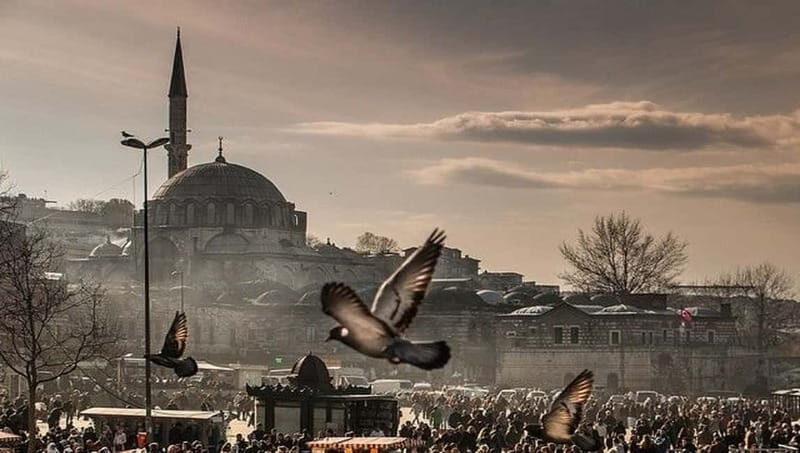
A good first Istanbul day is about getting your bearings. This route starts you in Sultanahmet, then threads through the Byzantine and Ottoman center in a smart sequence: you see the big icons early, then move into markets and cisterns.
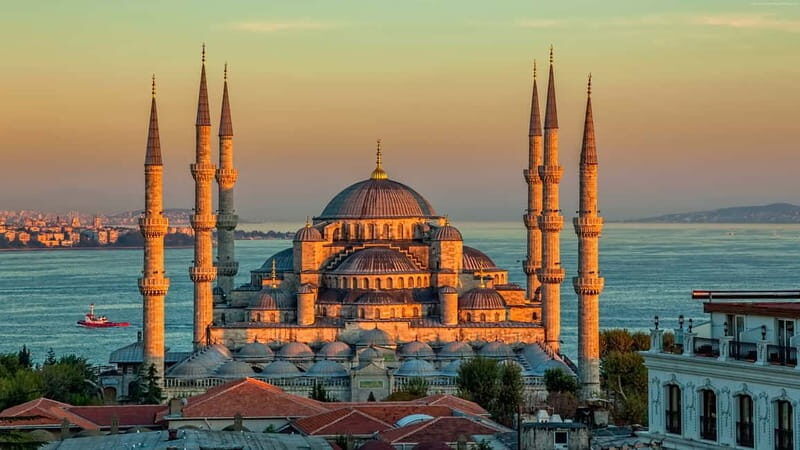
Blue Mosque and Sultan Ahmed Mosque Area
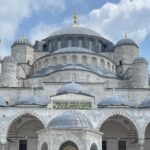
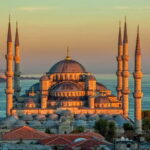
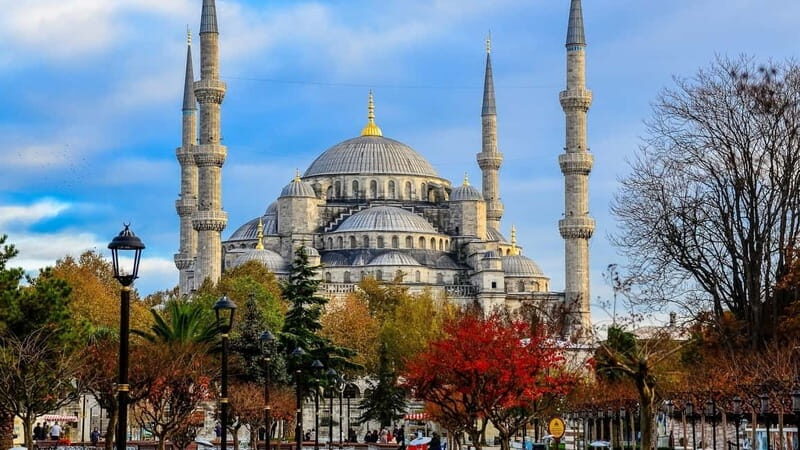
You’ll start with the Sultanahmet/Blue Mosque area, with time to visit and time for photos. The big draw is the famous blue Iznik tiles that cover interior surfaces and pull your eye upward. Even if you don’t love churches or mosques, the architecture and tilework are hard to ignore.
Real-world tip: you’ll have a short break built in, but the area can be crowded. If your group enjoys slow looking, time your photos for when lines move.
Hagia Sophia and the Dome That Rules the Skyline
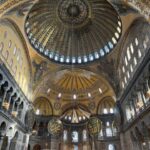
Hagia Sophia is the stop most people plan their Istanbul trip around—and this day treats it like a centerpiece. You’ll get a guided visit that frames it as a key monument for both Byzantine and Ottoman eras, dedicated to Hagia Sophia, divine wisdom. It’s also famous for its scale, including the detail that its dome is considered the 4th largest after St. Paul’s in London, St. Peter’s in Rome, and Florence’s Duomo.
This is one of those places where context really helps. A guide can point out what changed when regimes changed, so you don’t just see a beautiful building—you understand what you’re looking at.
Topkapi Palace: Ottoman Power in a Calm Garden
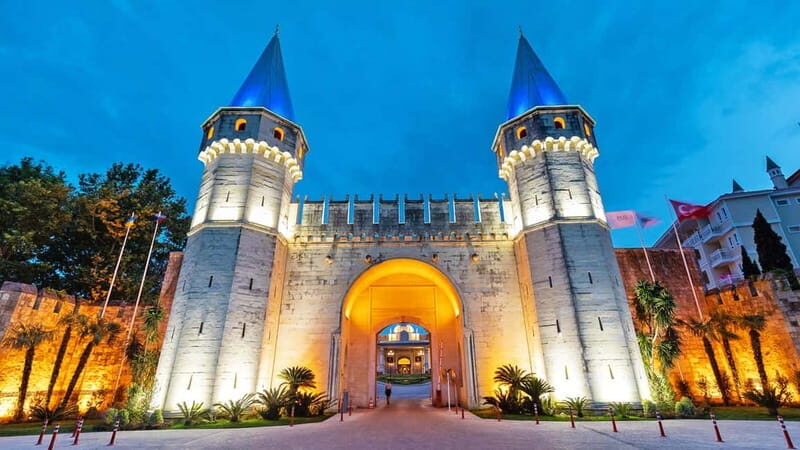
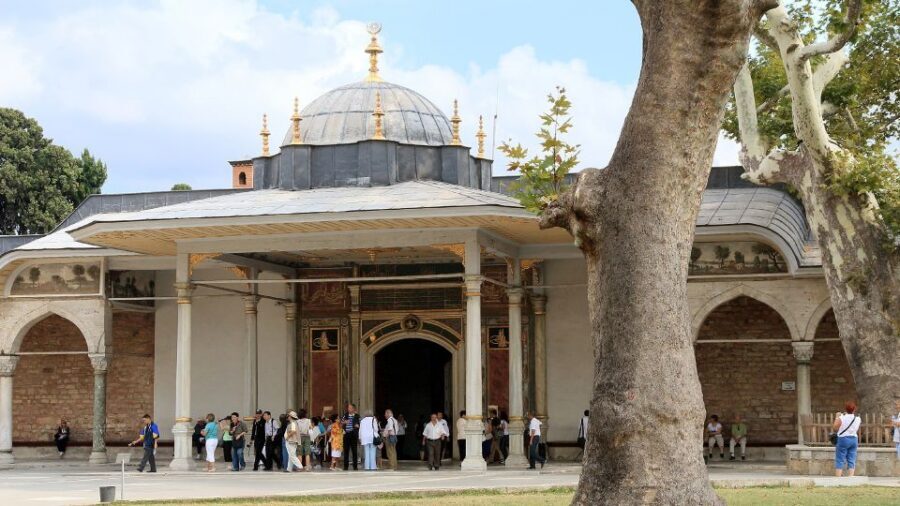
Topkapi Palace is scheduled with a photo stop and guided time inside. The palace sits in tranquil gardens overlooking the Golden Horn, which is a welcome shift from the dense crowds of Sultanahmet.
I like the way this stop is described: it isn’t just “a palace,” it’s Ottoman administration and home life at scale. The palace peaked at an estimated population of about 4,000 people and hosted 25 sultans over roughly 400 years. You’ll also be able to see ornate spaces tied to the harem and gorgeous Iznik tilework.
A heads-up: Topkapi Palace is closed on Tuesdays (and Hagia Sophia has its own closure pattern). If you’re picking a day for Day 1 or choosing between 1–3 day options, plan around those calendar rules so you don’t lose a centerpiece.
You can also read our reviews of more city tours in Istanbul
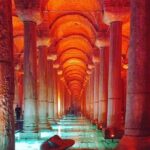

Basilica Cistern: The Underground Pause
Basilica Cistern is a smart mid-day addition because it resets your brain. You go from monumental exteriors to an underground space that feels cool and shadowy—ideal when Istanbul heat ramps up.
There’s no entrance-fee detail here, but the tour does include guided time, which helps you appreciate why this place is famous and what to look for once you’re inside.
Hippodrome of Constantinople: Column of Constantine
You’ll hit the Column of Constantine with photo time and a guided explanation. This is one of those “small from the outside, big in story” stops. It links the Byzantine city to public spectacle—chariot racing and imperial display—so it adds meaning after you’ve already seen the palaces and churches/mosques.
Grand Bazaar: The Market City Within the City
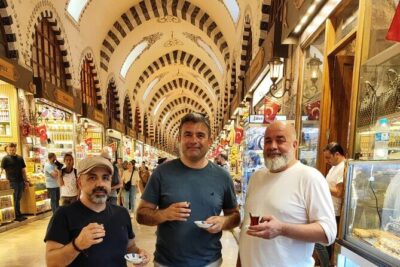
The Grand Bazaar is scheduled for guided time plus free time and shopping. It’s one of the largest and oldest covered markets on earth, filled with hundreds of small handcraft shops selling everything from carpets to Turkish coffee.
This is where you get to practice your bargaining skills if you want to. The best part is having a guide who can tell you what’s worth your attention and how to avoid being swept into a bad deal just because the building is packed and the sales energy is intense.
Important: the Grand Bazaar is closed on Sundays. If your travel dates land on a Sunday, you’ll want to confirm which market time gets swapped.
Day 2: Spice Market, Bosphorus Cruise, Dolmabahce, and Taksim to Galata
Day 2 shifts from the historic core to the “Istanbul in motion” part of town. You’ll keep the Ottoman story going, but you’ll also get broad city views, food-market energy, and a different side of daily life.
Spice Market (Egyptian Market): Smell First, Ask Questions Next
The day begins at the Spice Market in Fatih, known as the Egyptian Market because during the Ottoman period it sold Egyptian exports there. If you like sensory travel, this is a highlight. You’ll have guided time and shopping opportunities.
I love these kinds of markets with a guide because they help you sort “tourist souvenir” from genuinely good spices, teas, and food gifts. It’s not just buying—it’s learning what to buy and why.
Bosphorus Cruise: Two Continents in One Breath
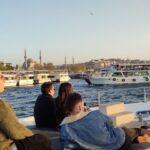
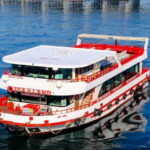
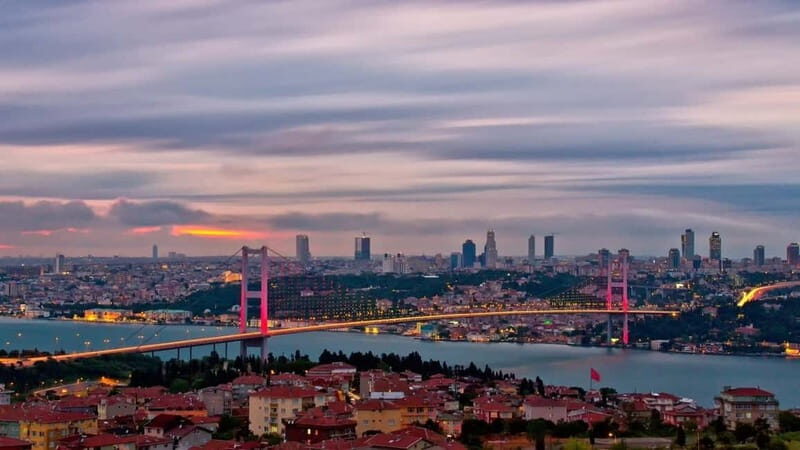
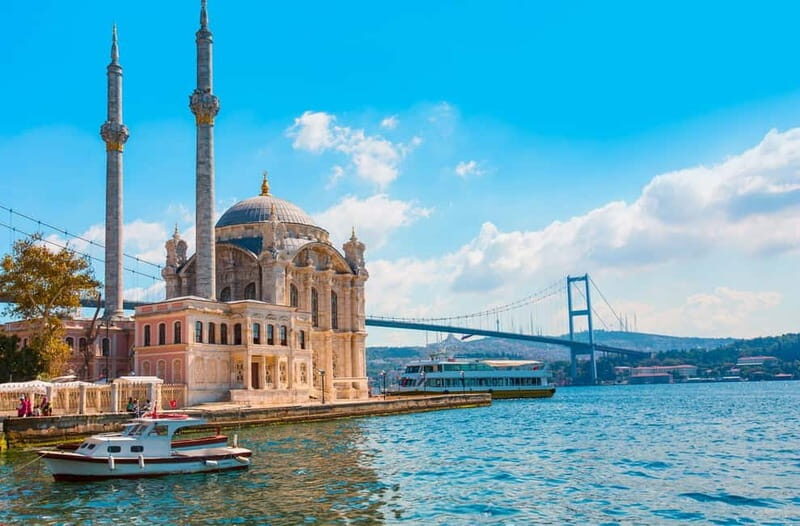
Then you go for a Bosphorus cruise. The Bosphorus is the narrow strait connecting the Black Sea to the Marmara Sea, separating Europe and Asia in a way that still feels surreal when you’re there.
A cruise time also works as a break from intense walking. You get skyline views without constantly negotiating streets and crowds.
Dolmabahce Palace: Ottoman Administration With a Seaside View
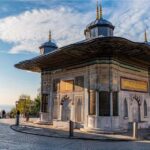
Dolmabahce Palace is next, with photo time and a guided visit. It served as the administrative center of the Ottoman Empire and housed some of the last Ottoman sultans.
The name has a story: the palace site was created by filling in a small bay on the Bosphorus. Dolma means filled or stuffed, and bahce means garden. It’s a neat reminder that Ottoman power was built not only with money, but with engineering and land use.
Taksim Square and Istiklal Street: City Life, Not Monument Photos
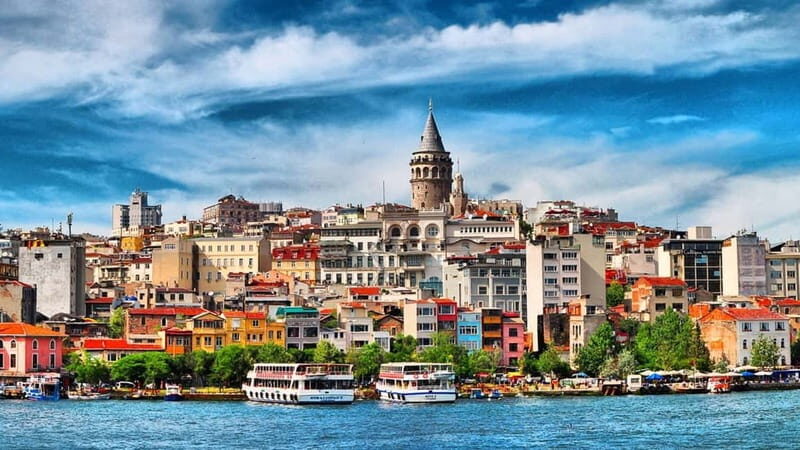
Taksim Square and Istiklal Street are scheduled with guided time, free time, and stops that support wandering. Istiklal Street is described as full of shops, restaurants, and bars, and there’s also a scenic 2-kilometer walk down toward the Tunel Galata Tower area.
This segment is where you stop thinking like a camera operator and start thinking like a person. If you enjoy people-watching and simple street-level Istanbul, this part will feel like payoff.
Lunch on the Day’s Schedule
You’ll also have lunch time built into the later part of Day 2. The tour itself doesn’t include lunch, but the plan sets aside time for it, and the guided segment can help you pick a good option that fits your pace.
Day 3: Suleymaniye, Chora Church, Balat/Fener, and Pierre Loti’s View
If Day 1 gets you oriented and Day 2 gives you variety, Day 3 is for texture. This day pulls you toward religious landmarks and neighborhood exploration.
Suleymaniye Mosque: Ottoman-era Monumental Focus
Suleymaniye Mosque is on the Day 3 list with photo time and guided visit. This is another major Ottoman-era religious site, and it works well after you’ve already seen Ottoman power at Topkapi and Dolmabahce.
For many people, this day is where you stop collecting buildings and start feeling the city’s scale and worldview.
Chora Church: Byzantine Details That Feel More Intimate
Chora Church is included with a guided stop. The value here is that you’re still in the Byzantine world, but the experience can feel less like the big-ticket crowd and more like a focused architectural moment.
The itinerary also suggests you’ll get enough guided time to notice details rather than just rushing through.
Balat and Fener: Color, History, and Street-level Istanbul
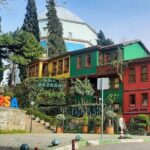
Fener/Balat districts appear next with a guided visit and time to wander. These neighborhoods add a different Istanbul mood than Sultanahmet. You’ll have time for photos and shopping/sightseeing, and the “feel” is more about getting lost on purpose.
Pierre Loti Hill: A View Stop That Changes Your Perspective
Finally, you’ll reach Pierre Loti Hill. This is a viewpoint that acts like a closing chapter. After temples, palaces, and markets, a high look lets you see how the city stretches and overlaps.
It also helps you end the day without feeling like you have to cram one more indoor museum.
Skip-the-Ticket-Line vs Entrance Fees: The Real Cost Picture
This tour includes skip-the-ticket-line, which is a big deal in Istanbul where lines can be brutal. But entrance fees are not included, so you’ll need to budget separately.
Here’s how I think about value with this kind of tour:
- You’re paying for time savings and a guide who helps you get in efficiently.
- You’re paying extra for the private pacing, which means you’re not stuck waiting for a larger group.
- You still pay the museum tickets yourself, so the final total depends on which sites are open on your travel days.
Because your days are structured around major attractions, your entrance costs will likely be significant anyway. The question is whether you want to pay those same fees while also handling ticket lines and navigation yourself. A private guide plus line-skipping often makes the whole day feel smoother.
When Istanbul Traffic Makes or Breaks Your Schedule
One theme you should plan around: traffic. Istanbul traffic can cause delays, even when you start on time and even with a driver.
This is where the “private” setup helps more than you might think. If your guide knows how to time stops around crowd flow and traffic, you get fewer dead hours. You still might not feel rushed, but you also might not hit every minute perfectly.
There’s also an important note about transportation. Transportation is listed as not included unless you book that option, and pickup/drop-off is offered. In some cases, a car can be useful because distances between stops aren’t always walk-friendly—but in other cases, you might realize you’re not using much vehicle time, especially in the Sultanahmet zone.
Shopping With a Plan: Grand Bazaar and Spice Bazaar Without the Stress
Istanbul markets can either be fun or exhausting. The difference is whether you have a plan before you enter.
Grand Bazaar: Use the Time, Then Browse
You’ll get guided time plus free time inside the Grand Bazaar. Two hours usually works best if you treat it like a circuit: see what you came for, compare a few shops, then decide if you want to buy.
You’ll likely pass by carpets, ceramics, and tea/spice-type stalls. A guide can also help you avoid getting funneled into the most aggressive sales areas while you’re still trying to orient yourself.
Just remember: the Grand Bazaar is closed on Sundays. If your itinerary lands on Sunday, that market time may not be available.
Spice Market: Smell, Taste, Compare
The Spice Market is built for buying. You’ll have shopping time and guided context, and that helps because spice quality varies a lot, even when stalls look similar from far away.
If you like food gifts, you’ll probably leave with small bags of spices, teas, and snacks. If you don’t love shopping, you can still enjoy it as a cultural stop, since it’s also a lesson in what Istanbul exports and imports historically.
What You’ll Take Away: Byzantine-to-Ottoman Through Real Places
This tour makes it easier to see Istanbul’s big shift in power without drowning you in facts. You move from Byzantine architecture like Hagia Sophia to Ottoman visual language like Iznik tiles and Ottoman palace life at Topkapi.
A few details I’d pay attention to while you’re there:
- Iznik tiles: both the Blue Mosque and Topkapi highlight how art traveled with empire and taste
- The size of Hagia Sophia’s dome: you’ll get a sense of why it dominated for centuries
- Topkapi as a living empire: about 4,000 residents at peak and 25 sultans over 400 years is a mental image you’ll carry
- Dolmabahce and the Bosphorus bay fill: it’s architecture tied to reshaping the shoreline
- Hippodrome landmarks: public spectacle anchors the Byzantine story beyond buildings
And you’ll notice something else: a good guide keeps the pacing human. In the feedback I reviewed, guide names like Cicek, Fuat, Enver, Mehmet G, and Kerim came up often, with people praising clear explanations and good timing. That kind of “keep the day flowing” energy is exactly what you want when you’re spending hours walking and entering sites.
Should You Book This Private Istanbul Tour?
Book it if you’re a first-time visitor or you want a shortcut to the core sights without doing the stress work yourself. It’s a strong value when you care about having a licensed guide, skipping the busiest entry lines, and getting a day plan that can adapt to your interests.
I’d think twice if you need very minimal walking, because the schedule includes several monument visits and neighborhood time. Also, if your dates hit market or palace closure days—Grand Bazaar Sundays, Topkapi Tuesdays, and Hagia Sophia Mondays starting from October—make sure your chosen day length won’t leave you staring at closed doors.
FAQ
How long is the tour?
The duration is listed as 6.5 hours, with options that stretch to 2 or 3 days depending on what you book.
What’s included in the price?
Included items are a licensed guide and pickup/drop-off from your hotel or port.
Are entrance fees included?
No. Entrance fees are not included, so you’ll need to pay them separately for the sites you visit.
Is transportation included?
Transportation is not included unless you book an option that includes it.
Which languages are available for the guide?
The guide is available in French, German, Spanish, Portuguese, and English.
Are there any days when key sights are closed?
Yes. The Grand Bazaar is closed on Sundays, Topkapi Palace is closed on Tuesdays, and Hagia Sophia is closed on Mondays starting from October.
What should I bring, and are there any restrictions?
Bring sunglasses and sunscreen. Pets are not allowed on this tour, and it’s not suitable for people with mobility impairments.
If you want, tell me your exact travel dates and whether you’re doing 1, 2, or 3 days—I can help you map the sites to the closure calendar so you don’t lose a highlight.