REVIEW · ISTANBUL
Glass Melting and Shaping with Flame with the Senior Glass Master
Book on Viator →Bookable on Viator
Fire and glass slow your day down.
In Istanbul, this hands-on flameworking session lets you melt Efetre rods with a torch around 1200°C, then shape your own bead-to-jewelry creation. I like that it’s taught step-by-step, so you’re not stuck watching from the sidelines.
I also love the small-group feel (typically 2 to 5 people), with personal coaching as you sip coffee or tea. One drawback to plan for: the workshop can’t run with just 1 person, so you’ll need at least two in your booking.
The experience is offered in English, and it ends right back at the meeting point in Beyoğlu. You put on protective glasses and an apron, make your piece, then it’s cooled in a heat blanket before you take it home.
In This Review
- Key Highlights You’ll Care About
- What Flameworking Really Is, and Why It Works for Beginners
- The Beyoğlu Studio Setup: Coffee, Small Groups, and Protective Gear
- The 1 Hour 45 Minute Flow: Demos, Choices, and Then the Flame
- Start with demonstrations
- Then you choose your piece
- Then you make it
- From Melting to Shaping: What You’ll Feel as Glass Changes State
- Turning Your Finished Bead into Jewelry (and Taking It Home)
- Meet the Instructors: Gamze and Her Team Behind the Flame
- Price and Value: What $96.11 Buys You in Istanbul
- Who Should Book This (and Who Might Rethink It)
- Getting There in Beyoğlu: Near Public Transport, Simple Start and End
- Should You Book This Istanbul Glass-Flame Workshop?
- FAQ
- How long is the glass melting and shaping session?
- What group size is the workshop?
- Is the workshop offered in English?
- What happens during the session before I start making?
- Will I be able to make jewelry, or is it only beads?
- Do I get protective gear and an apron?
- What is included in the price?
- Is lunch included?
Key Highlights You’ll Care About
- A small class size (2–5 people) means you get real attention at the flame
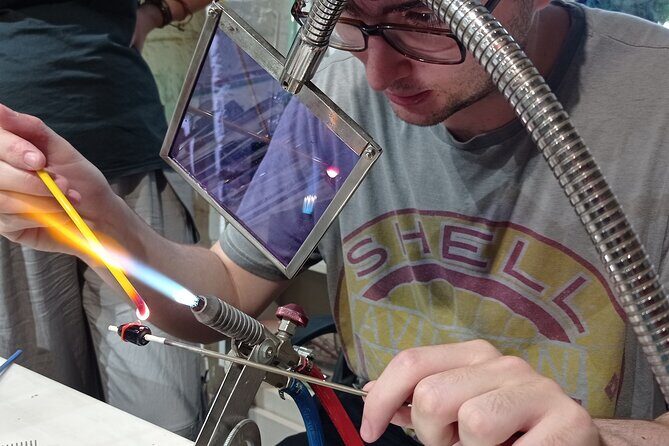
- Torch melting around 1200°C explains the craft in a practical, visual way
- Two demo sessions first, then you choose colors and the style you want
- Your bead becomes jewelry, using auxiliary parts and hand tools
- Final cooling in a heat blanket so your piece is handled safely
- English instruction with a certified guide, plus coffee or tea included
What Flameworking Really Is, and Why It Works for Beginners
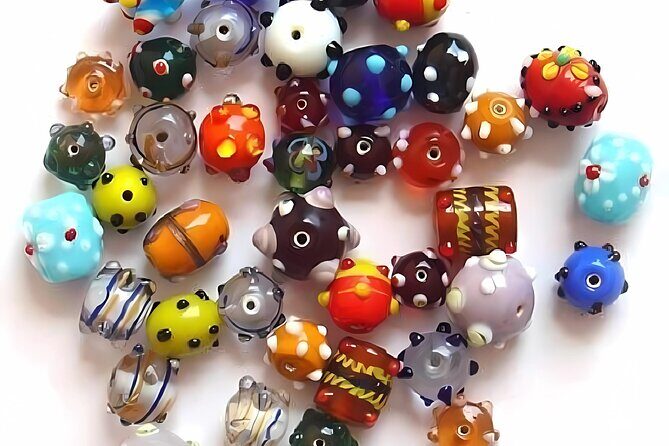
Flameworking is basically glass made personal. Instead of heating glass in a furnace, you melt Efetre rods using a torch flame that reaches about 1200°C. That heat is what turns solid glass into something you can shape, twist, pull, and form into beads.
What makes this workshop especially approachable is the structure. You get a couple of demonstration sessions first, so you see the tools and the basic moves before you make choices. Then the artist helps you translate those moves into your own color picks and bead style.
This is also one of the rare “learn-by-doing” activities that doesn’t feel like a craft class bottleneck. You’re working with a technique that has roots going back to older lampworking methods, but you’re experiencing it with modern torches and today’s safety setup. The result is that you’ll leave with a stronger sense of what glass art actually takes, not just what it looks like.
You can also read our reviews of more tours and experiences in Istanbul.


The Beyoğlu Studio Setup: Coffee, Small Groups, and Protective Gear
Your session starts at Dega Cam Sanat Atölyesi, on Beyoğlu’s Camekan Sk. 1/C. The workshop ends back at the same meeting point, so you won’t lose time figuring out what comes next.
The pacing is built around a 2–5 person group. That matters because flameworking isn’t “stand near the artist and admire.” It requires attention to what’s happening at the torch and how your piece responds to heat. With a small group, the instructor can slow down when someone is trying to understand the technique or keep their bead on the right path.
You’ll sit with coffee and/or tea while the artist explains tools and materials. Then you switch into protective mode. You’ll put on aprons and protective glasses before you start making your piece, so the experience stays focused on creating instead of worrying about basic safety steps.
The 1 Hour 45 Minute Flow: Demos, Choices, and Then the Flame
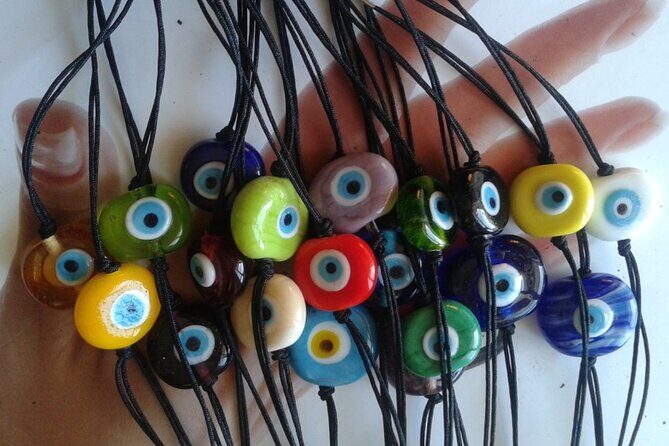
The workshop runs about 1 hour 45 minutes, and it feels like a tight, satisfying arc. There’s a clear rhythm: watch and learn first, then build, then finish.
Start with demonstrations
You begin by watching two demo sessions. This is where you learn what matters: how the glass behaves when it softens, how the flame affects the shape, and how you use simple tools to guide the bead. It’s also where you learn what you can realistically achieve in this amount of time.
Then you choose your piece
After the demos, you decide on the shape, style, and colors based on samples. This is a big deal for value. If you’ve ever done a “make whatever the teacher picks” class, you know how frustrating that can be. Here, your time at the torch is tied to a plan you actually like.


Then you make it
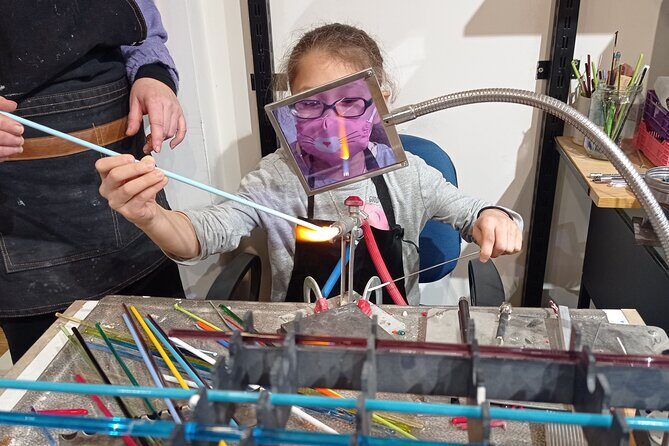
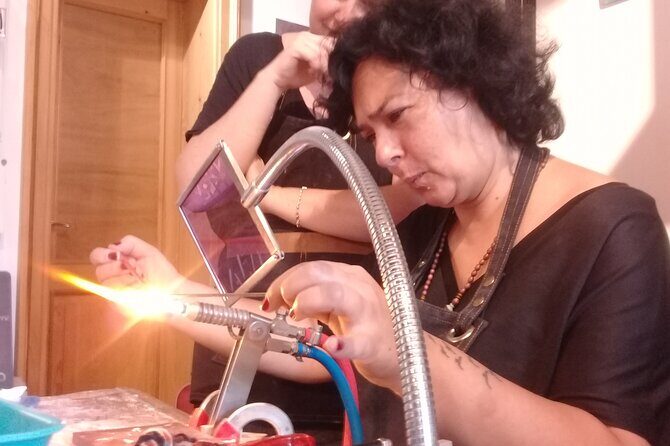
Once you’ve chosen, you put on apron and protective glasses and start working with the artist’s support. The instructor doesn’t just provide the torch and leave you to guess. You’ll get guidance while you melt and shape, and you’ll learn enough along the way to understand what’s working as you go.
From Melting to Shaping: What You’ll Feel as Glass Changes State
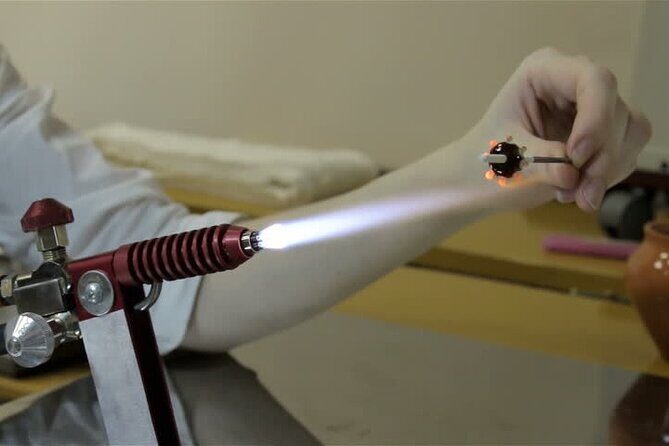
One of the most fun parts of flameworking is watching the transformation. The technique literally moves from solid to liquid as heat rises, and you’ll see that shift up close. You’re not reading about it—you’re controlling the heat enough to turn glass into something you can shape.
Efetre rods soften and melt under the torch flame, and your goal is to gather the right amount of molten glass and shape it into a bead-like form. The instructor’s coaching helps you avoid the common beginner issue of trying to shape too soon or losing the bead’s form while it’s too hot or too cool.
Even if you don’t know glasswork at all, this is the kind of task where your eyes and hands learn fast. You’ll be able to connect cause and effect: change the way you hold the rod, adjust contact with the flame, and the bead changes. That feedback loop is what makes this feel less like an art lecture and more like learning a skill.
Turning Your Finished Bead into Jewelry (and Taking It Home)
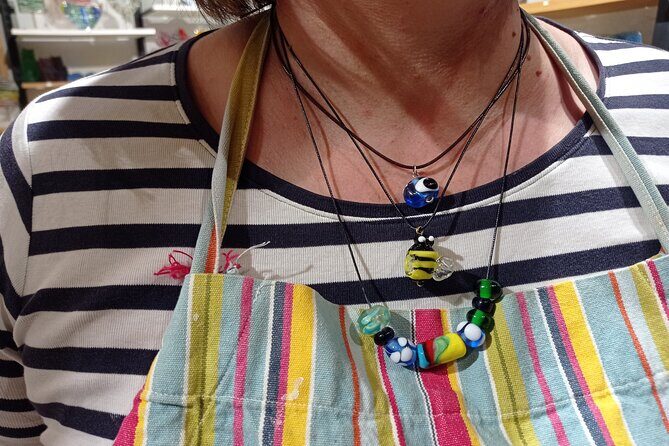
In this workshop, you don’t just leave with a decorative lump of glass. The plan is that you’ll create a first glass artwork and then turn it into jewelry.
After the main bead-making, you use auxiliary parts and hand tools to connect it into something wearable. The workshop framing is practical: make something you can use, or give as a gift. And because you’re working with the studio’s tools and guidance, you’re not stuck inventing your own jewelry solution from scratch.
A nice touch is the finishing process. When your work is done, your piece is cooled in a heat blanket. That cooling step is there for a reason—it helps handle the fragile transition from hot to fully set glass. Then the studio hands the finished piece back to you.
Some people end up making creations that feel more like small wearable accessories, such as keychain-style items, depending on how they choose to build the final jewelry. Either way, the key takeaway is that you’ll leave with an actual finished object you made, not just a memory of watching someone else work.
Meet the Instructors: Gamze and Her Team Behind the Flame
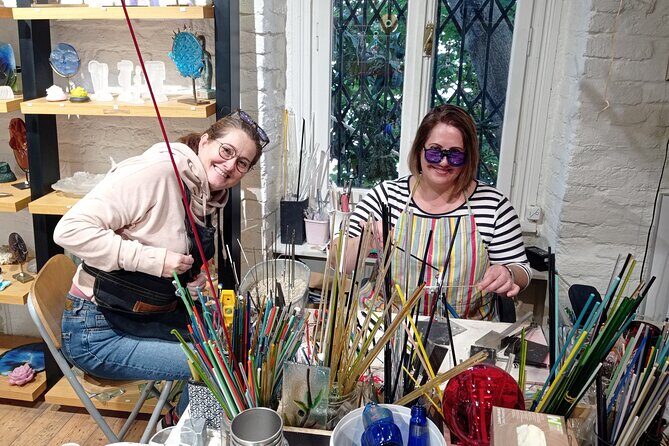
You may hear names like Gamze during your session. In past sessions, the studio team has been described as a welcoming duo, with Eyyup (sometimes spelled as Ayoub in written reports) working alongside Gamze. Another name that has come up in reports is Selcuk.
I’d treat this as a helpful clue, not a promise. The workshop experience still follows the same structure: explain, demonstrate, then guide you while you shape your own piece. The consistent theme is patience and clear instruction, which matters a lot when you’re handling something as reactive as hot glass.
If you care about learning the craft rather than just getting a souvenir, this coaching-first approach is exactly what you want. You’ll understand why certain steps matter, not just copy a result.
Price and Value: What $96.11 Buys You in Istanbul
The price is $96.11 per person for about 1 hour 45 minutes. On paper, that can sound like a splurge. In practice, the value is in three places that travel budgets often ignore.
First, you’re paying for real-time instructor attention. With a 2–5 person group, you’re not competing for time at the torch. That makes the session feel like a workshop, not a show.
Second, the session includes coffee and/or tea, and it includes all fees and taxes. That removes the usual “add-ons and surprises” feeling you get with some activities.
Third, you get a finished, cooled glass piece you can keep. A workshop with a take-home object is easier to justify because the value is tangible, not abstract.
If you want a hands-on Istanbul experience that isn’t just another photo stop, this is the kind of activity that pays you back immediately while you’re still there, and keeps paying you back when you use the item later.
Who Should Book This (and Who Might Rethink It)
This workshop is labeled as something most travelers can participate in, which is encouraging if you’re a beginner. It also works well if you want something different from walking tours or museum-heavy days.
It’s especially suited to:
- People who like workshops and want guided creative time
- Anyone curious about how glass becomes art, not just how it looks
- Couples, friends, and small groups who want shared “we made this” memories
It may be less suited to you if:
- You’re traveling solo and don’t have a second person to join (the class can’t run with only 1 participant)
- You want a fully hands-off experience, because the goal here is learning through doing at the flame
Getting There in Beyoğlu: Near Public Transport, Simple Start and End
The studio is in Beyoğlu, and it’s marked as near public transportation. That’s helpful, because you can plan this without locking yourself into a long taxi ride.
Since the activity ends back at the meeting point, you can slot it neatly into your day. For a smooth flow, I like pairing this with other Beyoğlu neighborhoods on the same side of the city, so you’re not crisscrossing Istanbul after the workshop.
Also, you’ll receive a confirmation at booking time and the ticket is mobile. That’s the kind of low-friction detail that makes small activities actually feel small—in a good way.
Should You Book This Istanbul Glass-Flame Workshop?
Yes—if you want a short, guided, hands-on creative experience with a clear result. The structure is beginner-friendly: demos first, then you choose colors and style, then the instructor helps you shape and finish your piece. You also get a practical take-home outcome that feels personal.
Book it especially if you’re the type who likes learning a process, not just buying a product. Flameworking is fascinating because you can see the state changes and understand why the technique works.
Just make sure you’re able to book with at least two people. If you’re traveling solo, look for a friend or partner session rather than trying to go alone. With that one catch handled, this workshop is an excellent value stop in Istanbul’s art-and-craft corner of Beyoğlu.
FAQ
How long is the glass melting and shaping session?
It lasts about 1 hour 45 minutes.
What group size is the workshop?
The workshop can be held with 2 to 5 people, and it cannot be held with only 1 person.
Is the workshop offered in English?
Yes, it’s offered in English.
What happens during the session before I start making?
You’ll sit with coffee and/or tea while the artist explains tools and materials, then you’ll see two demonstration sessions before choosing the shape, style, and colors you want to create.
Will I be able to make jewelry, or is it only beads?
You’ll make your own glass artwork and then turn your bead into jewelry using auxiliary parts and hand tools.
Do I get protective gear and an apron?
Yes. You’ll put on aprons and protective glasses before you start making your piece.
What is included in the price?
All fees and taxes are included, along with coffee and/or tea and a certified guide.
Is lunch included?
No, lunch is not included.