REVIEW · ISTANBUL
Istanbul: 1 or 2 -Day Private Guided City Tour
Book on GetYourGuide →Operated by Moira Travel Agency · Bookable on GetYourGuide
Istanbul can feel like a blur. This private route is built to give you real order by pairing major landmarks with the market streets and palace grounds that explain how the city changed. You get a licensed guide, plus a plan that typically connects Sultanahmet, the bazaars, and Ottoman power sites in a way that feels logical instead of random.
I especially like the combo of Hagia Sophia and Topkapi Palace. At Hagia Sophia, you get time for its famous mosaics and the scale of its interior dome, not just a quick photo stop. At Topkapi, you go beyond walls and views to see the ornate rooms and details such as the Iznik tiles and harem-area highlights.
One thing to consider: this is a full-day walking-and-standing experience, with limited shade and lots of places where you’ll watch your step. Also, religious site hours can affect your timing; even the Blue Mosque has been reported as closed part of the day on certain weekdays, so a flexible guide itinerary matters.
In This Review
- Key highlights worth your time
- The big idea: see Istanbul in layers, not as a checklist
- Basilica Cistern: the underground reset you’ll be glad you planned
- Hagia Sophia Museum: mosaics, scale, and the dome’s impact
- Blue Mosque (Sultanahmet Mosque): blue tiles and imperial prestige
- Hippodrome zone and the German Fountain: tiny monuments with big stories
- Grand Bazaar: controlled chaos for browsing, not just shopping
- Topkapi Palace: where Ottoman power feels physical
- Sultanahmet district free time: where you get your own bearings
- Dolmabahçe Palace and the Bosphorus connection
- Beyoğlu and Taksim: the Istanbul beyond the landmarks
- Bosphorus Strait: the Europe–Asia seam you can actually read
- Price and value: what $35 really buys you
- Guide quality matters more than you’d think
- Who this tour suits best (and who should rethink)
- Should you book this Istanbul private guided tour?
- FAQ
- What’s included in the private guided tour?
- Are entrance tickets included?
- How long is the tour?
- Where do I meet the guide?
- What languages are the guides available in?
- Is the tour wheelchair accessible?
- Can I cancel for a refund?
Key highlights worth your time
- Private, licensed guide who can connect architecture, religion, and empire politics into one story
- Skip-the-ticket-line access for the big sites (entrance fees still aren’t included)
- Hagia Sophia + Blue Mosque as a side-by-side lesson in Byzantine and Ottoman design
- Basilica Cistern for the cool, atmospheric water-storage underground break
- Grand Bazaar time built for browsing and bargaining, not just a photo and rush
- Dolmabahçe, Beyoğlu, Taksim, and Bosphorus if you choose the longer option and want modern city texture too
The big idea: see Istanbul in layers, not as a checklist
This is the kind of Istanbul tour that makes sense on a first trip. You start in the Sultanahmet area—where the city’s Byzantine and Ottoman identities overlap—and you work outward into bazaars and palaces. It is efficient without feeling like a sprint, mostly because the stops are chosen to explain each other.
The private format is the key. You’re not stuck following a crowd’s pace, and your guide can adjust the order to avoid congestion. That matters in Istanbul, where a small delay can snowball fast.
You can also read our reviews of more guided tours in Istanbul



Basilica Cistern: the underground reset you’ll be glad you planned
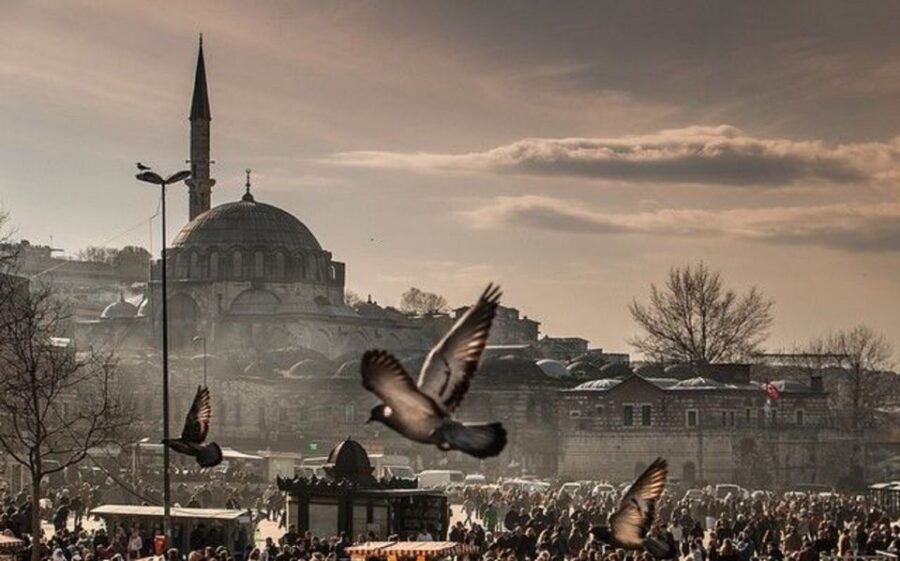
You’ll spend about an hour at the Basilica Cistern, a former water storage site that today feels like a cool, dim cathedral. It is the rare Istanbul stop that slows your mind instead of speeding it up. After bright courtyards and open squares, walking into that water-lit space is a real contrast.
This stop also works as a practical break. The tour keeps going afterward, so using the cistern as your mid-morning or mid-afternoon reset helps your energy. Wear comfortable shoes; the floors can be uneven and you’ll be looking down as much as you’ll be looking up.
Hagia Sophia Museum: mosaics, scale, and the dome’s impact
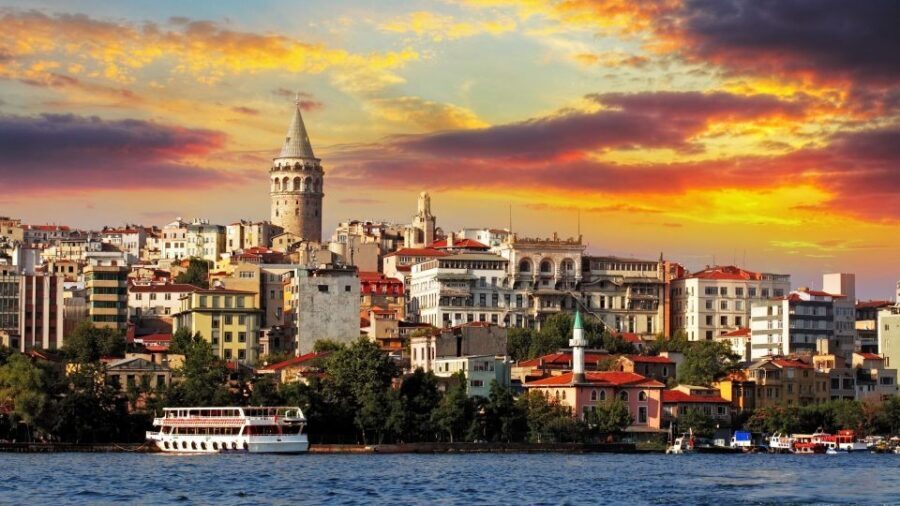
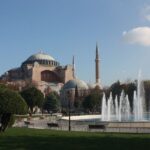
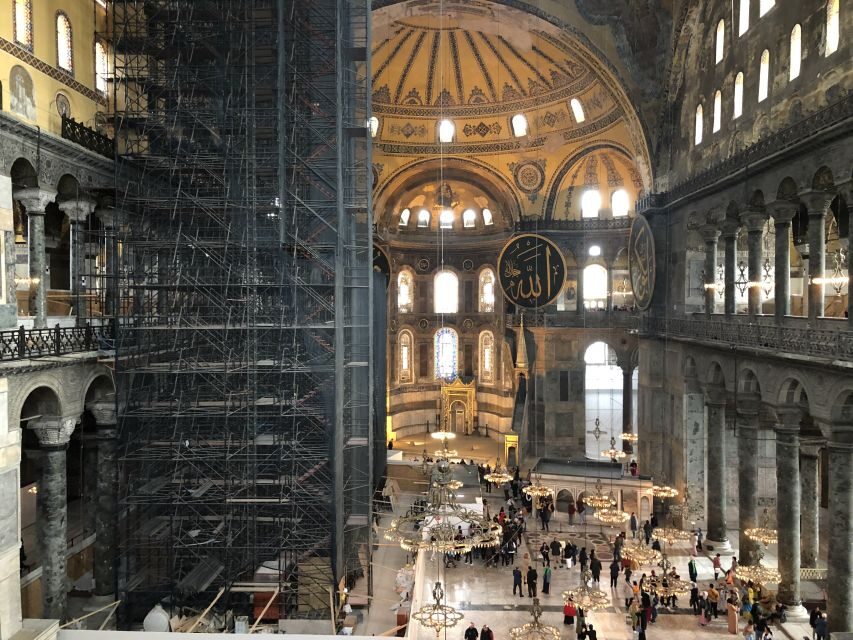
Hagia Sophia is on the itinerary for a reason: it’s not only iconic, it’s instructional. You’ll get guided time to understand the mosaics and the sheer scale of the interior dome. The dome is the moment your brain starts treating the building like an event, not an object.
In a guided visit, the advantage is context. You’ll be able to connect why this site mattered during Byzantine rule and why it later transitioned under Ottoman influence. Even if you already know the basics, a good guide can point out small visual cues—arrangement, light, and materials—that make it click.
A nice touch: the tour doesn’t treat Hagia Sophia as a standalone stop. It positions it so you can see how the surrounding landmarks echo similar themes of power and worship.
Blue Mosque (Sultanahmet Mosque): blue tiles and imperial prestige
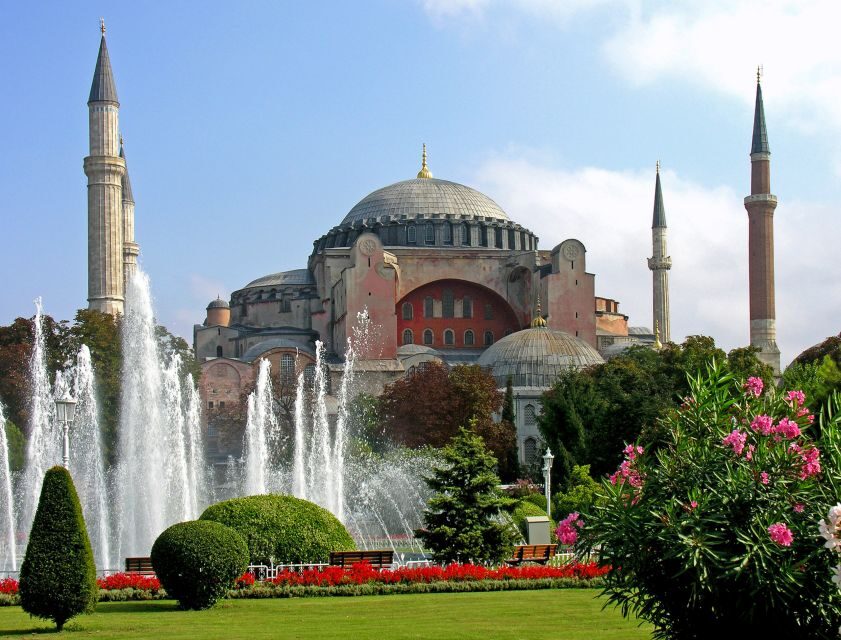
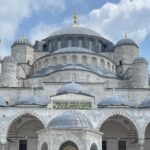
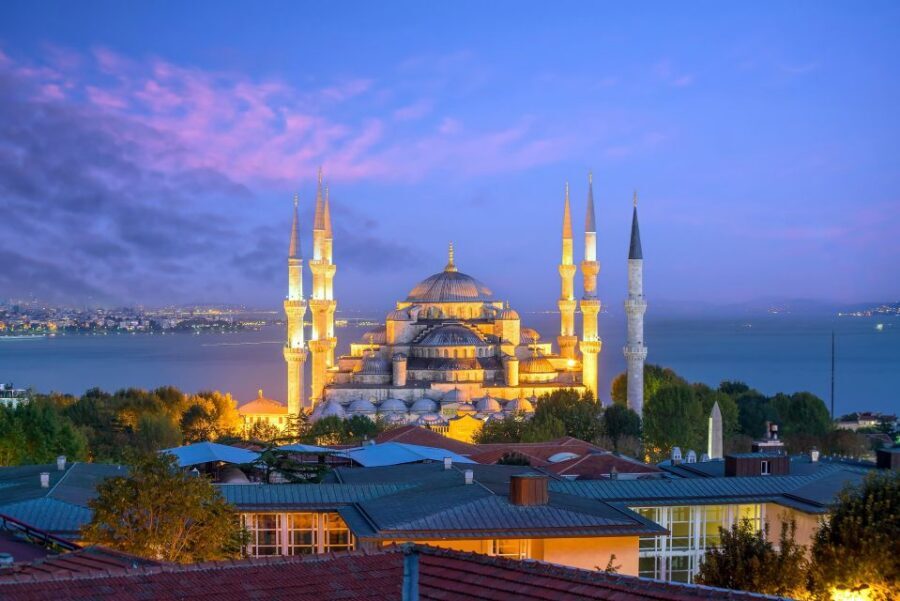
From Hagia Sophia, you head toward the Blue Mosque, officially the Sultanahmet Mosque. The famous blue tiles are the obvious attraction, but the deeper value is how the design signals authority. The mosque is close to Topkapi, and the proximity helps you understand how Ottoman rulers planned their ceremonial and religious space.
Expect a guided visit plus time for photos. You’ll also have a walk in the Sultanahmet district afterward, with a chance to soak up the area beyond just the gates. That extra time is useful because you’ll want a few minutes to orient yourself—street corners, views, and the shape of the square areas.
Also, heads-up on timing. In one booking that was described as a problem, the Blue Mosque was reported as closed until mid-afternoon on a Friday. If your trip includes days with religious closures, a guide who can flex the order is worth paying for.
Hippodrome zone and the German Fountain: tiny monuments with big stories
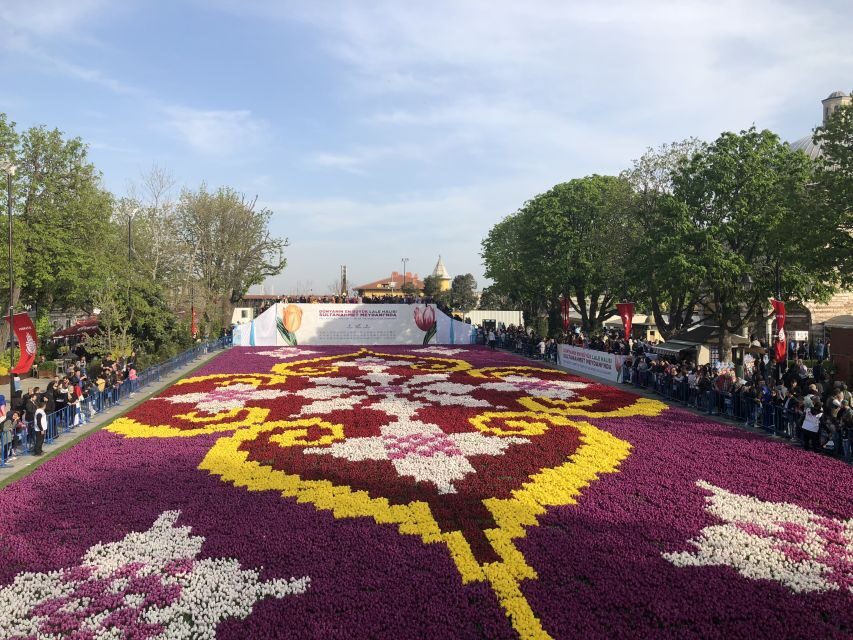
Even though you’re mostly focused on Hagia Sophia and the mosque, you’ll also connect with the nearby Hippodrome of Constantinople area. This is where older layers of the city show up through monuments.
The highlights you might notice include the Egyptian Obelisk, the Serpentine Column, and the Constantine Column. Then there’s the German Fountain of Wilhelm II, made from eight marble columns, which is also tied to the tour’s meeting point area. These are small compared to the major buildings, but they’re like bookmarks for earlier empires.
You can also read our reviews of more city tours in Istanbul




Grand Bazaar: controlled chaos for browsing, not just shopping
Then you pivot into the Grand Bazaar, and that change is part of the fun. The bazaar is one of the largest and oldest covered markets in the world, with hundreds of small craft shops. The atmosphere is energetic in a way that makes you slow down and look—carpets, spices, textiles, and the whole theater of bargaining.
You’ll typically get about two hours here, with a guided start and then self-guided browsing. That format helps. A guide can help you understand where to look and what trade groups tend to sell where, then you can explore at your own pace without feeling lost.
Tip for getting good value: decide early what you’re actually shopping for. This is where people waste time because the options feel endless. If you’re serious about one category—like carpets or ceramics—tell your guide so you can build a route inside.
Topkapi Palace: where Ottoman power feels physical
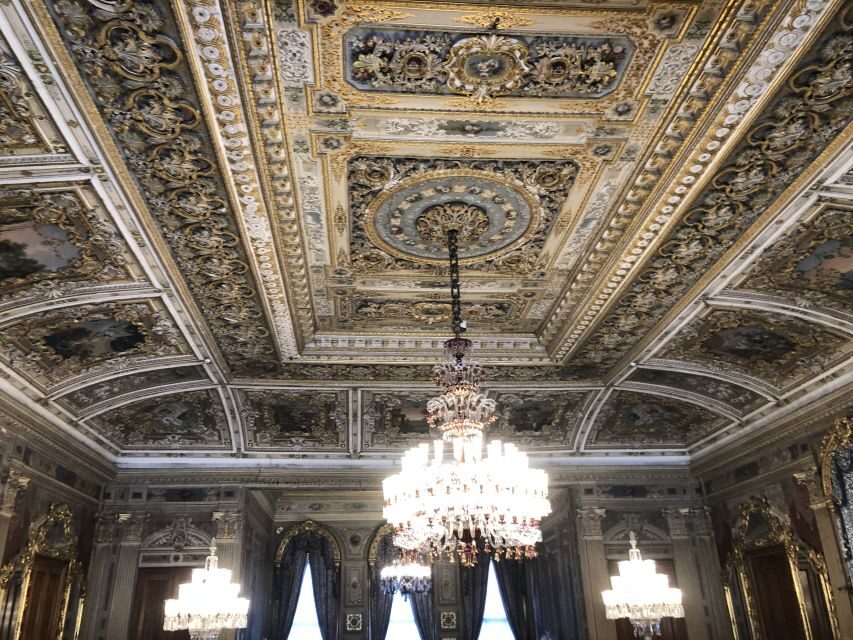
Topkapi is a must, and the itinerary gives it solid time. You’ll get guided access with a focus on the big story beats, plus you’ll see memorable design details such as Iznik tiles. The palace isn’t just pretty—at its best, it makes Ottoman court life feel real.
This is also where the harem-area rooms come up, and the tour description emphasizes ornate, decorated spaces. Even if you’re not a museum person, Topkapi makes sense because you’re walking through a physical map of authority: who lived where, how the palace functions, and how ceremonies shaped daily life.
In recent bookings, guides such as Ebru were praised for clear explanations specifically at Topkapi and Dolmabahçe. Another example name that came up was Ayla, described as offering competent explanations and tailoring to the group since they were traveling as two people and moving on foot. That’s a good signal: the private format isn’t just about speed—it can be about adapting to your interests.
Sultanahmet district free time: where you get your own bearings
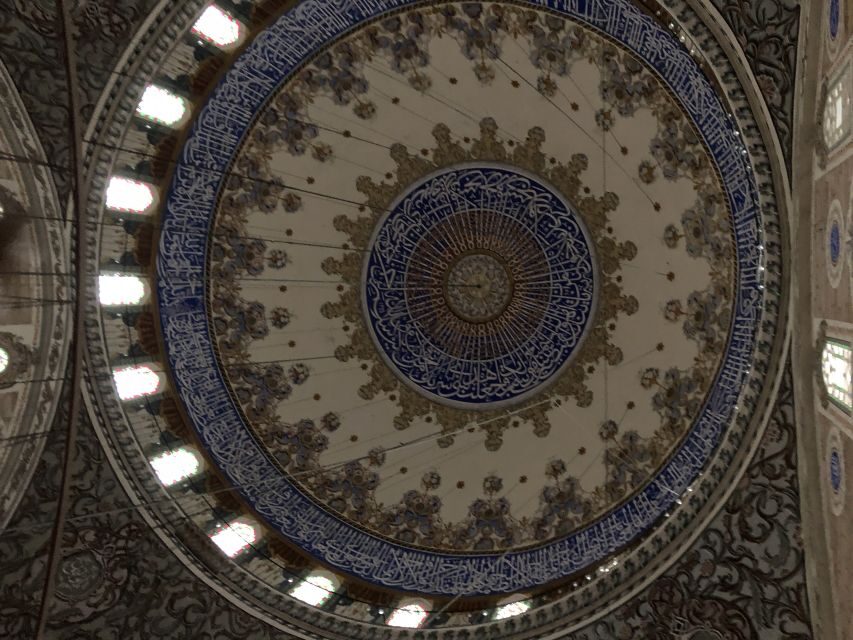
After the mosque area, you’ll have time in the Sultanahmet district. This part of the tour is smart because it lets you breathe. You can step back from the schedule for a bit, take photos where you want, and decide whether you want an extra snack stop or a longer look at a street view.
It also helps with logistics. If you’re walking between major sights, having a buffer keeps you from feeling like you’re always chasing the group.
Dolmabahçe Palace and the Bosphorus connection
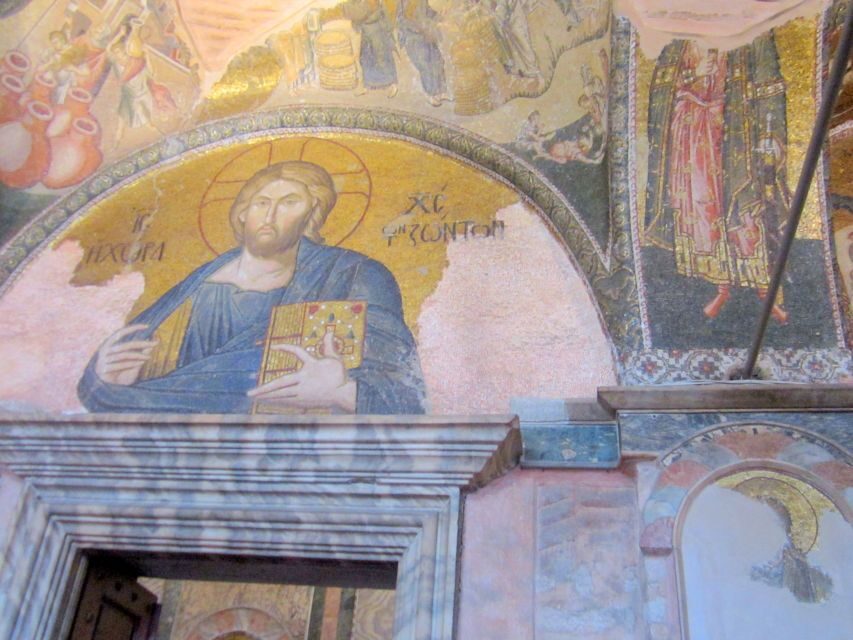
If you choose the longer option, you’ll reach Dolmabahçe Palace, built in the 19th century and tied to the Ottoman Empire’s administrative center role. The palace sits by the Bosphorus, and the tour description notes the site was created by filling in a bay on the strait. That detail matters because it explains why the palace feels tied to water power and movement.
You’ll get guided time plus free time to wander and shop. The palace visit is a good contrast to older Byzantine/early Ottoman sites: it feels more modern and more European-influenced in spirit. Even if you don’t love palaces, this stop helps you understand Istanbul as a capital city that kept changing its face.
Beyoğlu and Taksim: the Istanbul beyond the landmarks
After the palace focus, the tour shifts to Beyoğlu and Taksim Square, and that shift is where you see more city life. Expect guided time for major sights and streets, plus shopping and free time.
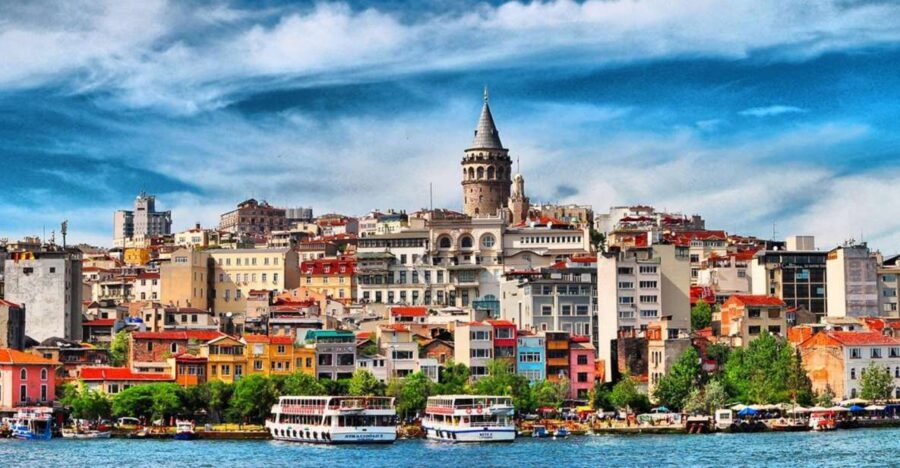
The tour plan also points you toward İstiklal Street and the walk toward the Tünel/Galata Tower area. That’s a useful stretch because it shows Istanbul’s everyday rhythm: storefronts, side streets, and the constant mix of locals and visitors.
If you want your trip to feel like more than museums and monuments, this is the section that helps. It makes the city feel lived-in.
Bosphorus Strait: the Europe–Asia seam you can actually read
The Bosphorus stop is built around the idea that this is not just scenery. It is a narrow, navigable strait connecting the Black Sea to the Marmara Sea, and the tour notes fortresses at the narrowest point: Rumeli Fortress and Anadolu Fortress. You’ll also be guided to watch for Ottoman palaces and mosques along the shoreline.
This is the part that rewards slow attention. You might not get everything you’d get on a full boat cruise, but you do get a grounded view of why Istanbul is strategically important. The strait literally splits continents, and the city grew into that position.
Price and value: what $35 really buys you
The price is listed as $35 per person. For that rate, you’re paying for a private, professional licensed guide and typically transportation if you book the option that includes it. You are also getting a skip-the-ticket-line benefit, which can save time at high-demand sites.
The part to watch: entrance tickets are not included. That means your true day-of cost will depend on which sites you enter and what ticket types apply. Still, if you plan to see Hagia Sophia, Topkapi, and the other major attractions, hiring a private guide can quickly become good value because it bundles logistics, timing, and interpretation into one package.
One more value question: do you want to be “shown” or do you want to “browse”? Some people love a structured day. Others want more freedom. This tour offers both: guided time at the big sites, then self-guided time inside places like the Grand Bazaar and during sections with free time.
Guide quality matters more than you’d think
Private tours are only as good as the person guiding them. The overall rating is strong, but there are mixed reports that underline a simple rule: your guide should be actively managing your experience, not just standing aside.
In one reported case, a guide was criticized for pushing a shopping-heavy approach and for ending the guidance early after around four hours. In another account, a guide was reported as leaving before the full day was complete and leaving the group with limited directions.
On the positive side, names like Ebru were praised for deep knowledge and clear, engaging explanations at major sites. Naje was praised for history knowledge. Ayla was described as punctual and responsive to personal wishes. Melek was included in a criticized booking with concerns about the guidance flow.
Takeaway: if you book, set expectations early. If the tour offers you choices, tell the guide what you care about most—architecture, palace rooms, mosaics, or bazaar browsing—and ask for a practical plan.
Who this tour suits best (and who should rethink)
This tour fits best if you want the classic Istanbul core without spending your trip time mapping out routes. It’s also a good choice if you like a guided “explain as you go” style, because the emphasis is on architecture and imperial context.
It may not fit as well if you prefer total unstructured freedom. It’s also not suitable for people with mobility impairments per the tour notes, even though wheelchair accessibility is mentioned. If mobility is a concern for you, you should clarify step-free routes and on-site accessibility before going.
Should you book this Istanbul private guided tour?
Book it if you want one organized plan that ties together Hagia Sophia, the Blue Mosque, Topkapi Palace, and the bazaar experience, with a cool-down stop at Basilica Cistern. The private guide format usually pays off in time saved and in how much meaning you squeeze out of each site.
Consider skipping or choosing a different format if you’re easily overwhelmed by long walking days, limited shade, or site-hour surprises. Also, entrance tickets are on you, so budget for that.
If you do book, I’d suggest going in with two priorities: pick the top two places you want explained in depth, and then use the free time segments to breathe and explore at your own pace. That’s how this itinerary turns into a real Istanbul day instead of a hurried list.
FAQ
What’s included in the private guided tour?
You get a private professional licensed guide and a 1 or 2-day tour option depending on what you choose. Transportation is included if you book the option that includes it.
Are entrance tickets included?
No. Entrance tickets are not included.
How long is the tour?
It’s listed as 7 hours to 2 days, depending on availability and which option you select.
Where do I meet the guide?
The meeting point is in front of the German fountain.
What languages are the guides available in?
The tour guide is available in English, French, German, Spanish, and Portuguese.
Is the tour wheelchair accessible?
The tour information says wheelchair accessible, but it also states it is not suitable for people with mobility impairments. If accessibility is a key concern for you, it’s smart to confirm step-free access and on-site conditions before booking.
Can I cancel for a refund?
You can cancel up to 24 hours in advance for a full refund.