REVIEW · ISTANBUL
Istanbul Ancient Monasteries Full-Day Tour with Lunch
Book on GetYourGuide →Operated by ISTANBUL WALKS · Bookable on GetYourGuide
Byzantine Istanbul walks better than you’d think. This full-day route packs two of my favorite payoffs: the Chora Monastery’s art and the Tekfur Palace views from the old city walls. You’ll also feel the day’s physical side, with enough walking and some uphill stretches that you should plan for.
I like that the tour doesn’t treat these places like isolated ruins. You get an English guide, skip-the-ticket-line entry, and a mix of still-sacred sites and architectural leftovers that help the story make sense. One caution: it is not for wheelchair users, and there’s no room for luggage or large bags.
In This Review
- Key Highlights You’ll Actually Care About
- Byzantine Monasteries Still Matter When You Visit Istanbul
- Price and What’s Included (So You Can Judge Value)
- Meeting in Fatih: Pickup, Walking Pace, and Bag Rules
- St. Polyeuktos Ruins and the Pantokrator Complex
- St. Polyeuktos Church ruins
- Pantokrator Church complex
- Aspar Cistern: Why Byzantine Water Engineering Feels So Human
- Pammakristos Church and St. John the Forerunner Chapel
- Pammakristos Church, now a mosque
- Chapel of St. John the Forerunner
- Chora Monastery (St. Saviour in Chora / Kariye camii) and the Art That Steals the Day
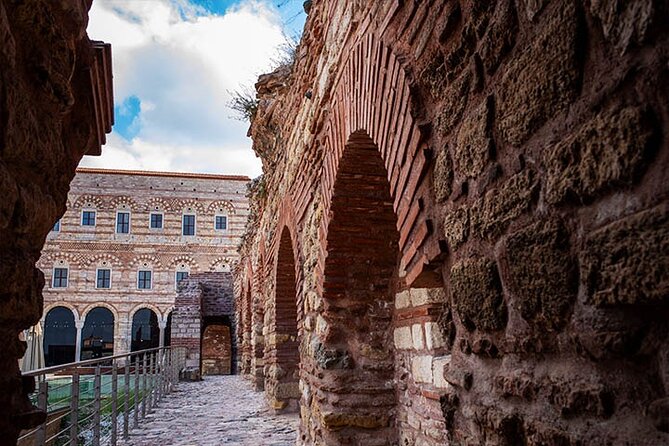
- Tekfur Palace: The Imperial Aftertaste You Don’t Want to Miss
- Lunch Break: Included, With a Real Break in the Middle
- How the Best Guides Keep the Day Smooth
- What to Prepare Before You Go
- Who This Tour Is For (and Who Should Skip It)
- Should You Book This Istanbul Ancient Monasteries Tour?
- FAQ
- FAQ
- How long is the Istanbul Ancient Monasteries full-day tour?
- Where does pickup take place?
- Is lunch included in the price?
- Are beverages during lunch included?
- Is the guide available in English?
- Are entrance fees included?
- Is skip-the-ticket-line access included?
- Is transportation included?
- Is the tour suitable for wheelchair users?
- What happens if a museum closure occurs?
- Can I cancel for a full refund?
Key Highlights You’ll Actually Care About
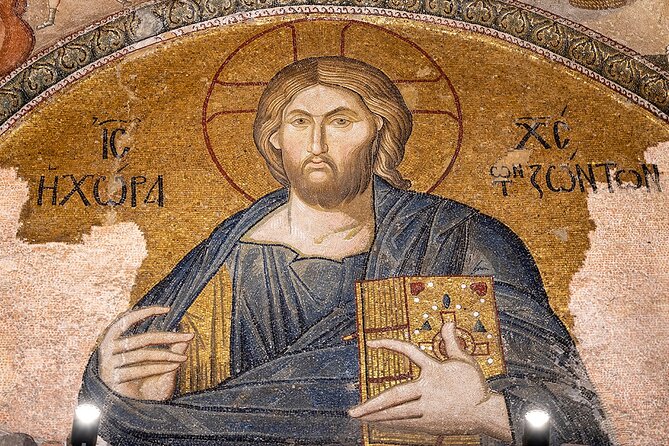
- Chora Monastery (Kariye camii): mosaics and frescoes that turn church history into something you can read with your eyes
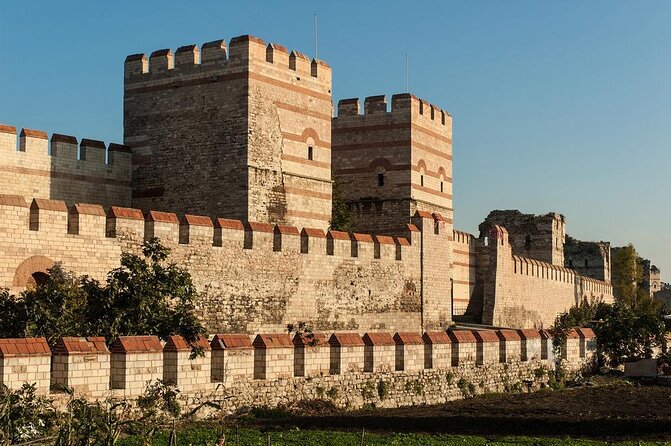
- Tekfur Palace: the only surviving Byzantine imperial palace in Istanbul, now an interactive museum with strong wall views
- Aspar Cistern: Byzantine water engineering you can stand inside and really grasp
- Churches that changed roles: spots like Pammakristos, now a mosque, show how Istanbul’s faith layers overlap
- Guides who connect details: past guides such as Dogus Cosar, Diana, and Ludwig helped turn art and access logistics into a smoother day
Byzantine Monasteries Still Matter When You Visit Istanbul
Istanbul’s best history isn’t stuck behind a single door. It’s layered: old churches becoming mosques, palaces repurposed over centuries, and religious art still doing its job even when the calendar changes.
That’s exactly why this kind of day tour works. You move through buildings from the Byzantine era and still see how that world connects to today’s Istanbul—especially around Fatih. If you’re the sort of traveler who likes architecture, sacred art, and the practical reasons cities build what they build, this route is built for you.
And if you’re more into people watching than peeling back centuries, the tour’s structure still helps. Your guide connects what you’re seeing to the bigger story, so the sites don’t blur together as you bounce from church to cistern to palace.
You can also read our reviews of more tours and experiences in Istanbul

Price and What’s Included (So You Can Judge Value)
The price is $561 per person for an 8-hour day, which is not cheap. But the value angle here is the amount that gets handled for you.
Included items are a big part of the equation:
- English guiding services
- Public transportation tickets
- Entrance fees
- Lunch
- Donations to churches
- Transportation to and from your hotel
That last part matters more than you might think in Istanbul, where timing and traffic can eat half a day if you’re winging it. Also, the tour notes that it skips the ticket line, which saves you time at the most frustrating spots.
What’s not included is simpler:
- beverages during lunch
- personal expenses
So the real budgeting question is not just the base price. It’s how much you want to spend solving logistics on your own. If you’d rather show up, walk, and let someone handle access and transitions, you’ll feel the value.
Meeting in Fatih: Pickup, Walking Pace, and Bag Rules
The tour begins with pickup from centrally located Istanbul hotels in areas such as Taksim Square, Şişli, Beşiktaş, Sultanahmet, and Fatih. Your specific pickup location is listed as Fatih, which is handy if you’re staying on the historic side and want to start quickly.
Duration is 8 hours, with a guided walking stretch of about 4 hours. That tells you the day is more than a drive-by photo tour. You should plan for real walking, and at least one past participant specifically flagged the uphill effort.
A practical heads-up: luggage or large bags are not allowed. If you’re traveling light, great. If you’ve got a big backpack, consider packing it into something smaller or planning storage elsewhere before the pickup.
Also, it’s not suitable for wheelchair users. That’s worth respecting early, because older sites and uneven ground tend to make “just go slowly” unrealistic.
St. Polyeuktos Ruins and the Pantokrator Complex
This is the part of the day where you start learning to see Byzantine churches as layered systems, not just single buildings.
St. Polyeuktos Church ruins
St. Polyeuktos is one of those places where the scale of what’s left can surprise you. Even as ruins, the remnants signal how important early Byzantine Christianity was in Istanbul’s spiritual landscape. The payoff here is understanding that you’re not looking at random stones; you’re reading a former statement of faith and power.
You can also read our reviews of more tours and experiences in Istanbul

Pantokrator Church complex
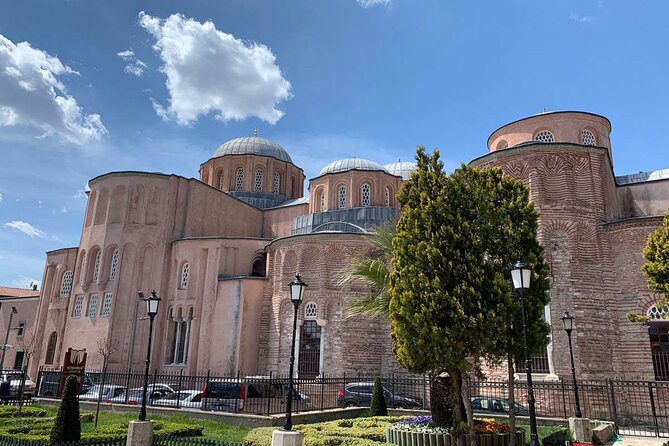
From there, the tour shifts to the Pantokrator Church complex, described as churches and monasteries with mosaics and a long historical footprint. The best way to enjoy this stop is to slow down and look for patterns: how church spaces relate to each other, and how the idea of a monastery wasn’t only about quiet prayer, but also about how communities organized their religious life.
If you like art, this is a warm-up. By the time you reach Chora later, you’ll be more prepared to notice the styles and storytelling approach.
Aspar Cistern: Why Byzantine Water Engineering Feels So Human
You might think a cistern is just a cistern. In Istanbul, that’s where you get surprised.
The Aspar Cistern is famous for showing how Byzantine engineering met daily life. You’re standing in the city’s hidden infrastructure, built to store water and keep the flow going when the city needed it. It’s practical history, not museum-history.
One reason I think people remember cistern stops is sensory. You don’t just see history—you experience its conditions: the enclosed space and the quiet you get underground. You’ll likely come away with a stronger sense of how cities functioned, beyond churches and palaces.
Pammakristos Church and St. John the Forerunner Chapel
This is where the tour turns from buildings into continuity.
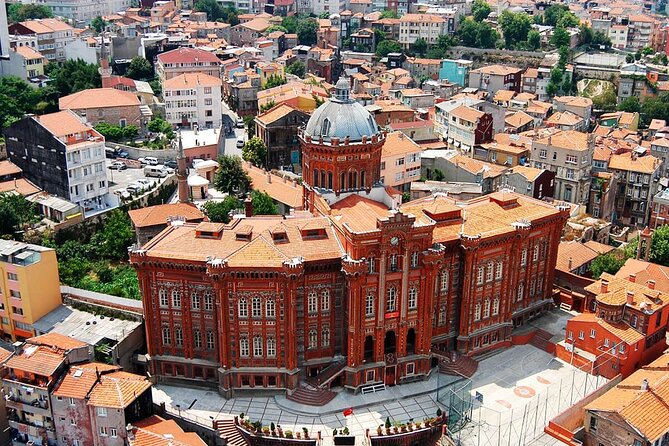
Pammakristos Church, now a mosque
Pammakristos is described as a historic church that’s now a mosque. That change of use matters. It means you’re seeing architecture built for worship that continues to serve worship in a new form. It’s one of the clearest reminders that Istanbul didn’t replace its past with a blank page. It adapted.
When you’re there, keep your eyes open for the ways sacred design reads across centuries: circulation, entry points, and how sacred space shapes movement.
Chapel of St. John the Forerunner
Next comes the Chapel of St. John the Forerunner. This part is about atmosphere. The tour frames it as a serene sanctuary with deep spiritual significance. Even if you’re not chasing religious symbolism, the feeling of a chapel is easy to grasp: these spaces are meant to lower your volume and slow your thinking.
If you want the trip to feel more than just sightseeing, this is one of the stops that helps.
Chora Monastery (St. Saviour in Chora / Kariye camii) and the Art That Steals the Day
This is the stop that earns the loudest praise, and for good reason.
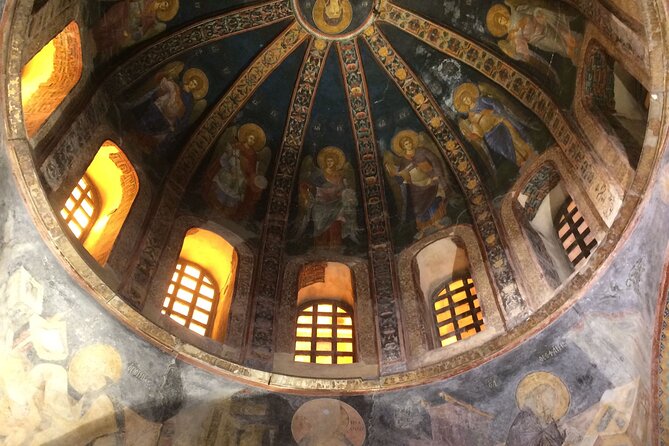
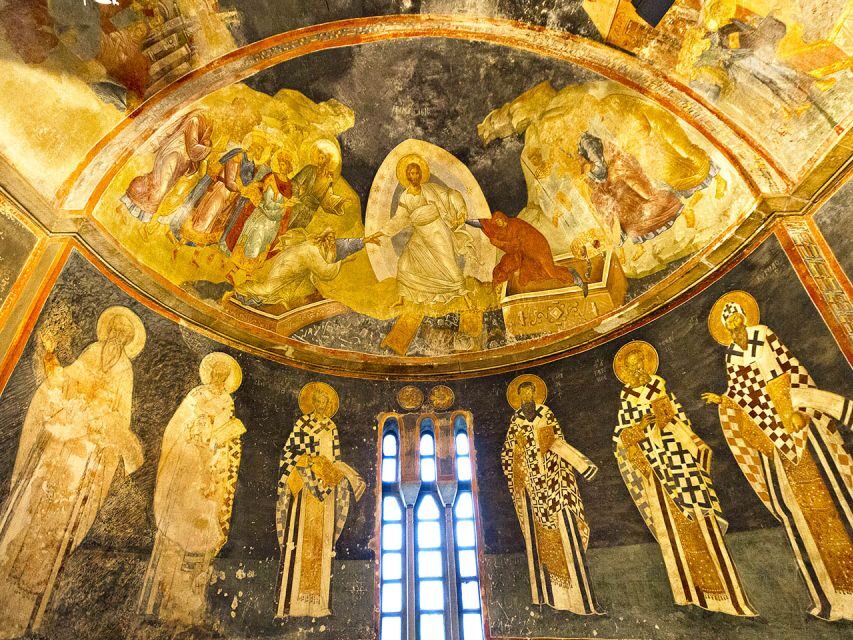
The St. Saviour in Chora Monastery, also known as Kariye camii, is famous for its mosaics and frescoes that narrate sacred stories. In multiple accounts, this is described as a must-see for art lovers, and one highlight specifically called out the magnificent frescoes and mosaics.
Why it hits so hard: the art isn’t decoration. It’s narrative. You move through scenes and get a sense of theology through images—like a visual reading experience. If you’ve ever felt overwhelmed by big church interiors, here you can make progress by focusing on storytelling details. Your guide helps connect what you’re seeing to why those images were built.
A key practical point: the tour notes that in some cases, museum closures mean an alternative similar museum may be visited. That matters because Chora is one of the hardest places to substitute. Still, the plan aims to keep the art-and-Byzantium focus intact.
Also, one review specifically mentioned the newly refurbished state of the Chora monastery, which usually means better visibility and a smoother visitor experience.
Tekfur Palace: The Imperial Aftertaste You Don’t Want to Miss
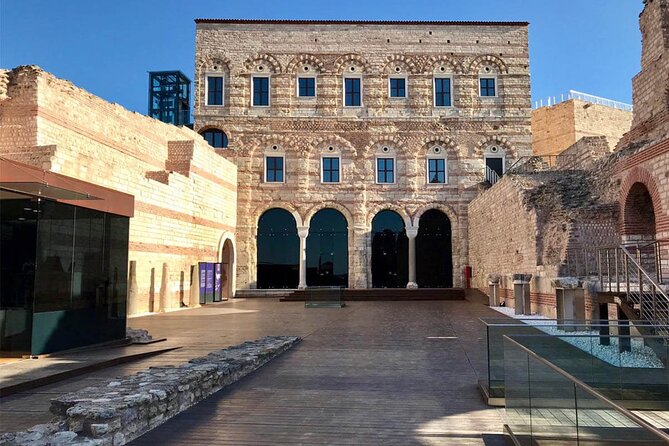
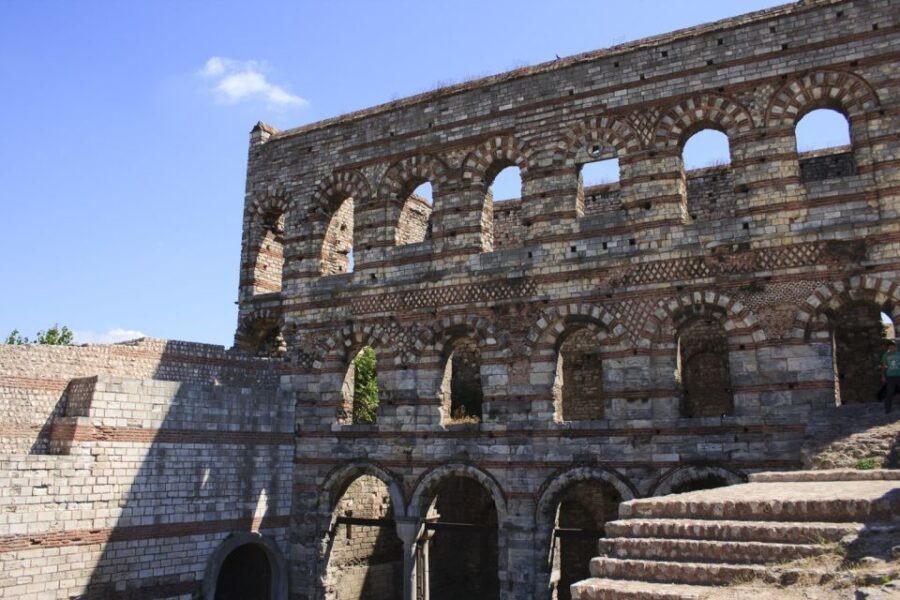
After so much religious art and church space, Tekfur Palace feels like a change in gear. This is the only surviving Byzantine imperial palace in Istanbul, now used as an interactive museum.
The big value here is the perspective. The palace sits where you can connect with the ancient city walls and understand the geography of power. If you’re an architecture nerd, you’ll enjoy how this building represents imperial presence rather than monastic devotion.
If you like views, this is a strong finish. One recent description praised the museum format and highlighted great views on the ancient city walls.
Lunch Break: Included, With a Real Break in the Middle
Lunch is included, but you’ll want to budget extra for beverages since those are not included.
In one of the detailed comments, lunch was served at a restaurant with a roof-terrace setting. Even if your day is different, the main point is the same: you get a pause after walking blocks of sacred space and before you head into the next building.
This break matters on an 8-hour day tour. Without it, you’d start skipping details just to make it through. With it, you can actually stay sharp.
How the Best Guides Keep the Day Smooth
A tour is only as good as its guide, and the feedback patterns are clear.
Guides named Dogus Cosar, Diana, and Ludwig were singled out for helping connect the sites to the larger Byzantine story. Dogus Cosar was described as an archaeological lecturer from Istanbul University, and Diana was praised for friendly, thoughtful exchanges that added depth to each stop.
Another practical strength that shows up in the notes: guides organizing access to mosques and churches. That’s not glamorous, but it makes your day feel easy instead of stressful. Istanbul has its share of timing surprises, so having someone manage the flow is a real quality marker.
What to Prepare Before You Go
Here’s what I’d plan for, based on what the tour structure and participant notes point toward.
- Bring comfortable shoes. There’s enough walking for people to mention uphill stretches.
- Keep bags small. Large luggage is not allowed.
- Expect an older-site pace. Even when the tour is well-organized, you’ll be moving through places with stairs, narrow passages, and uneven ground.
- Photo energy is worth saving. Chora and Tekfur are where your pictures will feel most rewarding.
One extra note: if museum closures happen, the tour says you’ll visit an alternative similar museum. It helps to be flexible in your expectations, especially for the art-focused parts of the day.
Who This Tour Is For (and Who Should Skip It)
This is a strong fit if you:
- care about Byzantine churches and their art
- want a structured route that connects multiple sites into one coherent story
- like guided explanations rather than reading a guidebook alone
- prefer having entrance fees and transport tickets handled
It’s not a great fit if you:
- use a wheelchair (not suitable)
- need to bring large bags or luggage on the day
- want a low-effort outing with minimal walking
If you’re traveling with kids or anyone who gets tired quickly, you might find the walking and the stop density tough. This is a day built for people who enjoy history in motion.
Should You Book This Istanbul Ancient Monasteries Tour?
If your travel style is: show up ready to walk, love church art, and want someone to connect the dots, I think this is a smart booking.
The biggest reasons to say yes are simple:
- Chora (Kariye camii) is the art highlight that justifies the day on its own.
- Tekfur Palace adds an imperial counterpoint with serious wall-view payoff.
- The inclusions are real: entrance fees, donations, lunch, hotel transfer, and an English guide.
The biggest reasons to pause are also simple:
- It’s long and active for one day (and some uphill walking is expected).
- It isn’t accessible for wheelchair users.
- You’ll need to travel light since large bags aren’t allowed.
If you match the walking-friendly, art-interested profile, you’ll likely leave with the feeling that Byzantine Istanbul isn’t just a chapter in a book. It’s a place you can see, walk through, and understand.
FAQ
FAQ
How long is the Istanbul Ancient Monasteries full-day tour?
The tour duration is 8 hours.
Where does pickup take place?
Pickup is available from centrally-located Istanbul hotels within Taksim Square, Şişli, Beşiktaş, Sultanahmet, and Fatih neighborhoods. The tour’s pickup location is listed as Fatih.
Is lunch included in the price?
Yes, lunch is included.
Are beverages during lunch included?
No, beverages during lunch are not included.
Is the guide available in English?
Yes, the live tour guide is in English.
Are entrance fees included?
Yes, entrance fees are included.
Is skip-the-ticket-line access included?
Yes, the tour includes skip-the-ticket-line.
Is transportation included?
Yes, transportation to and from your hotel is included, and public transportation tickets are also included.
Is the tour suitable for wheelchair users?
No, it is not suitable for wheelchair users.
What happens if a museum closure occurs?
If any museum closures happen, the tour will visit an alternative similar museum.
Can I cancel for a full refund?
Yes. You can cancel up to 24 hours in advance for a full refund.