REVIEW · ISTANBUL
Istanbul: Basilica Cistern Tour, Discovering Medusa
Book on GetYourGuide →Operated by atourguideinconstantinople · Bookable on GetYourGuide
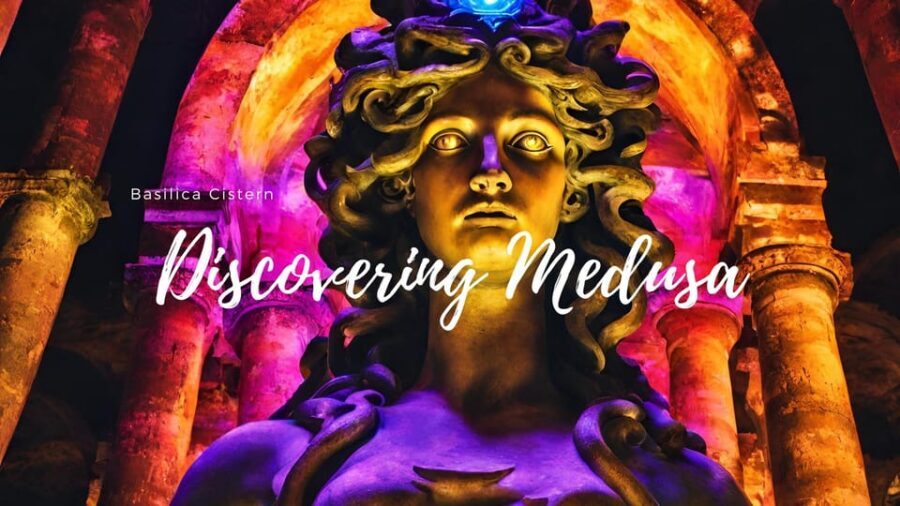
Medusa waits in the dark. This guided trip into the Basilica Cistern turns the underground space into a story, with Medusa heads, Roman engineering, and even references to 007 and Inferno filming. You’ll step through shadowy columns and see how the cistern still works as an atmospheric space under Istanbul’s streets.
I like two things right away: the skip-the-ticket-line access that saves you from queue time, and the chance to have a real professional guide connect the myths to the building itself. In particular, guides like Can bring visuals and videos, while Çun leans into the lesser-known angles and keeps things friendly and clear.
One thing to plan for: entry tickets aren’t included in the price you pay upfront, and you may need to pay a museum fee in cash before the tour begins.
In This Review
- Key highlights worth your attention
- Finding the meeting point behind the Blue Mosque tram stop
- Getting into the Basilica Cistern faster with a separate entrance
- What you actually learn in the 30-minute guided visit
- Medusa heads: myth and mystery in the cistern’s atmosphere
- Roman engineering: how this underground space was built to last
- Movie trivia in the cistern: 007 and Inferno filming spots
- Guide quality makes or breaks this cistern visit
- Price and tickets: what $29 really covers
- Planning your time: how long you should budget
- Who should book this Basilica Cistern tour?
- Should you book this Basilica Cistern tour?
- FAQ
- How long is the Basilica Cistern guided tour?
- Is the tour available in English?
- Are entry tickets included in the $29 price?
- Where is the meeting point?
- Do you get a headset during the tour?
- Is the tour wheelchair accessible?
Key highlights worth your attention
- Skip-the-ticket-line entrance means less time stuck in crowds and more time inside
- Medusa-focused storytelling brings the famous heads into context
- Roman engineering explained so you understand how this underground structure survived
- Movie spotting for 007 and Inferno adds a fun, modern layer to the setting
- Headsets over 14+ people help you actually hear the guide in the echoes
- Guide quality shows up in details, from visual aids to photo help for solo visitors
Finding the meeting point behind the Blue Mosque tram stop
Your tour starts at a park area behind the Sultanahmet Blue Mosque tram stop, near Firuz Aga Mosque—meeting point instructions point you to Mehmet Akif Ersoy park. The guide will be easy to spot with a black atourguideinconstantinople flag.
I’d treat this as a “get there early on purpose” kind of activity. The instructions ask you to arrive 15 minutes ahead, and they also note that last-minute phone calls about the meeting point may get missed if the guide is welcoming other guests. Translation: show up, breathe, and let the group roll.
Once you’re together, the guide handles the flow and takes you to the cistern. The tour ends back at the same meeting point, so you’re not dealing with an unfamiliar drop-off or a scavenger hunt through Sultanahmet.
You can also read our reviews of more tours and experiences in Istanbul.


Getting into the Basilica Cistern faster with a separate entrance
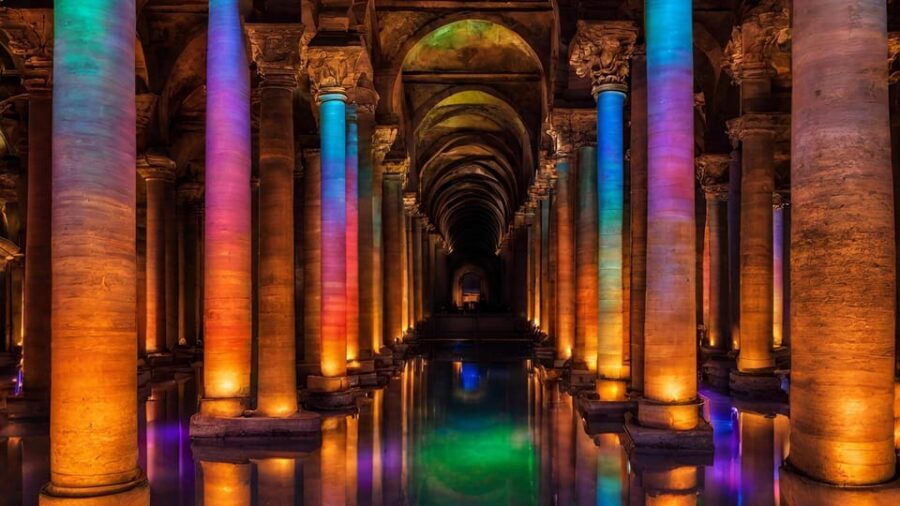
The Basilica Cistern experience here is built around one practical advantage: skip-the-ticket-line access through a separate entrance. That matters in Istanbul because lines can eat up your precious sightseeing time, especially when you’re trying to fit in multiple landmarks over a few days.
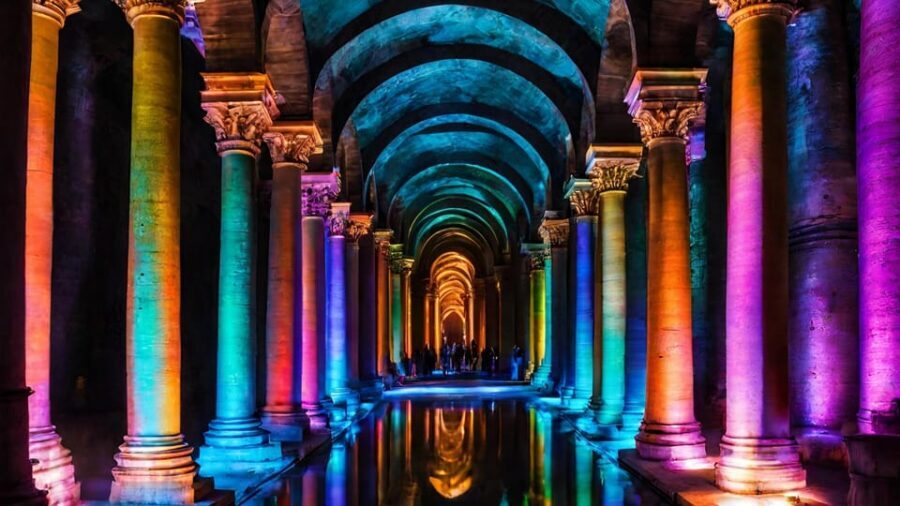
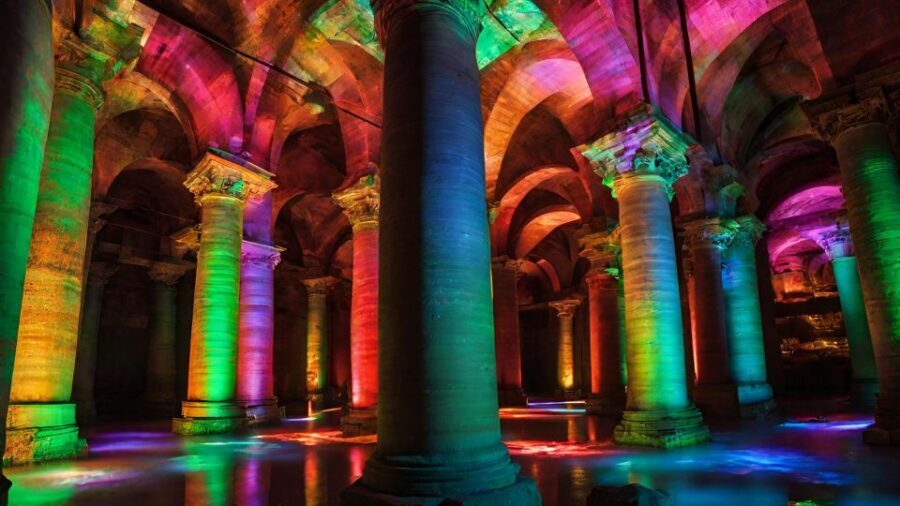
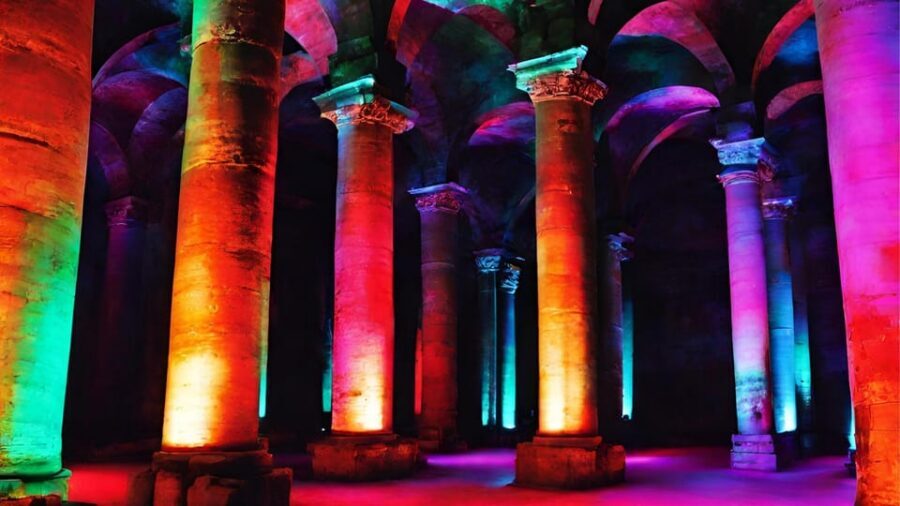
Inside, you’re looking at an underground space lit for viewing—think illuminated columns and a hushed, echoing atmosphere where water and stone do the talking. The tour format gives you a guided introduction without asking you to sit through a long lecture. It’s designed as a focused visit: the active guiding portion is about 30 minutes.
Also, if you’re going with a larger group, you’ll get headsets when there are more than 14 people. That’s a small detail that makes a real difference in a place where voices bounce around.
Tech is part of the experience too. You get an upgraded experience with an add-on tech component and a Golden Content Pack with exclusive Istanbul information from the provider. You’re still walking through the cistern, but the guide has extra tools to help the story land.
What you actually learn in the 30-minute guided visit
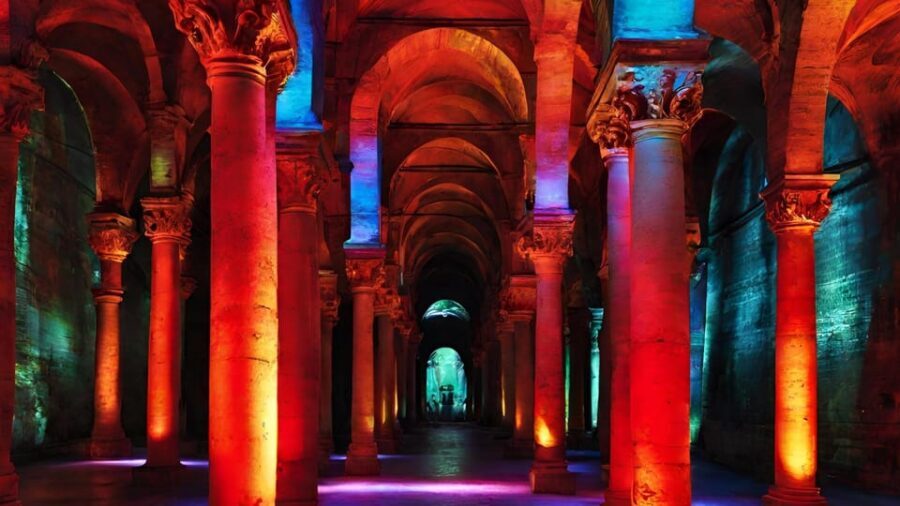
This isn’t the “look around and figure it out later” version of the Basilica Cistern. The guide’s job is to put structure on what you’re seeing in the moment.
You’ll walk through the cistern’s main elements: the shadowy columns, the tranquil water, and the echoing chambers. Then the guide ties those visuals to the big themes—myth, engineering, and the way Roman builders solved practical problems while creating a lasting monument.
The timing is the key. Thirty minutes is enough to understand the cistern’s purpose and main features, but it’s not meant to replace a slow, independent stroll. If you’re the type who likes to spend a long time photographing every corner, you may want extra time before or after the guided window.
In terms of language, it’s English with a live guide. It’s also wheelchair accessible, which is good to know if you need step-free options. (You’ll still be in an underground historic site, so I’d keep expectations realistic and go in prepared for a different kind of terrain.)
Medusa heads: myth and mystery in the cistern’s atmosphere
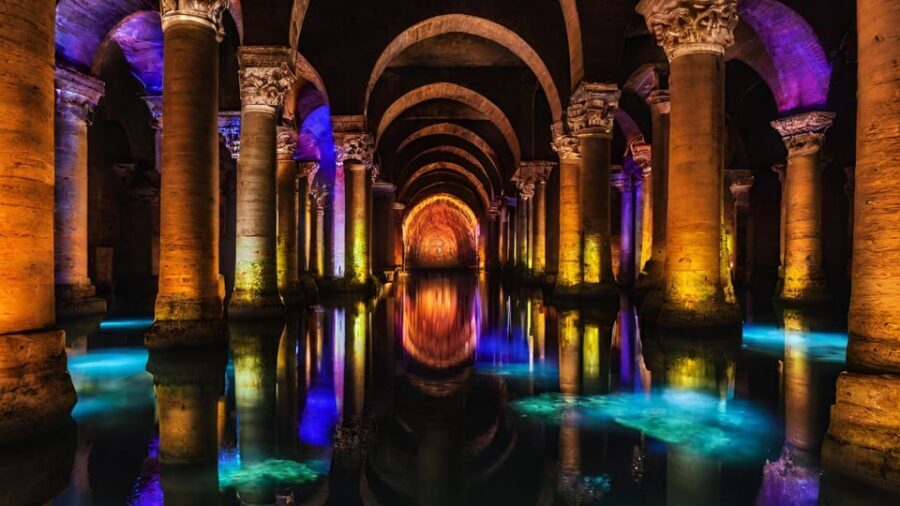
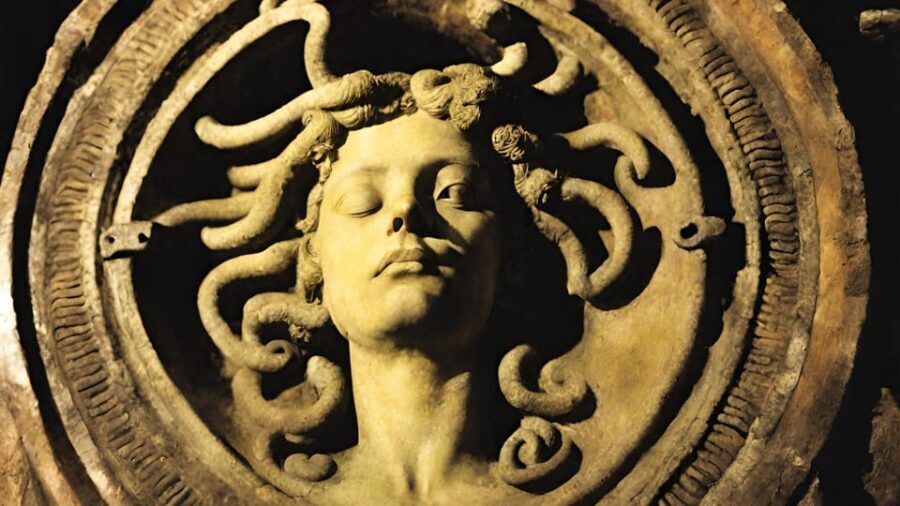
This tour’s theme is Medusa, and it doesn’t treat her as a random decoration. You’re guided to the famous Medusa heads and given the story behind why they’re remembered—and how that myth connects to the cistern’s underground setting.
What I like about this approach is that it uses the cistern as more than a backdrop. When the columns rise out of dim light and the water is right there, Medusa stops being just a statue detail from an art-history postcard. You start seeing why the story sticks: the place feels like it was built for legends—cool, enclosed, and a little unnerving in the best way.
The guide also shares exclusive Medusa-related details that go beyond the basic retelling. One guide, Çun, is highlighted for teaching a lesser-known side of the cisterns and making Medusa’s presence feel connected to the site rather than pasted on.
Even if you already know the myth of Medusa, this is a good chance to learn how the cistern’s specific setting changes the way you interpret the symbols. And it gives you a clear narrative path, instead of leaving you to wander and hope the right meaning shows up.
Roman engineering: how this underground space was built to last
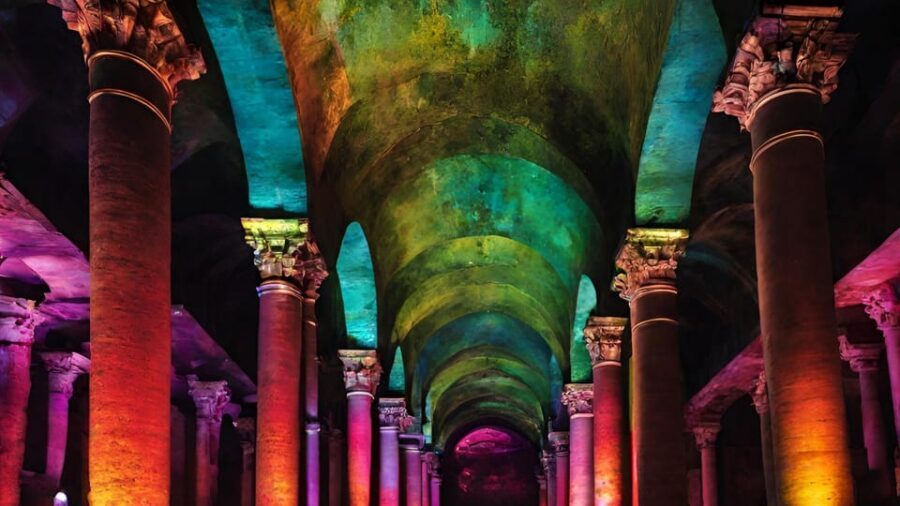
The Basilica Cistern is famous for how it was preserved, and this tour focuses on the engineering feats behind it. You’ll learn about Roman techniques used to create this extraordinary underground structure and why it’s still standing and still usable as a space for visitors.
You won’t need a background in architecture. The guide’s role is to translate the “how” into plain words tied to what you can see: columns, water, and the layout of an underground system that had to work reliably in the real world.
I think this is one of the strongest value points of a guided tour here. The cistern can look like a cool room full of columns—until someone explains how Romans solved the problem of storing and moving water under a dense city. Once you understand that, your eyes change. You start noticing the logic in the structure rather than just the drama.


Movie trivia in the cistern: 007 and Inferno filming spots
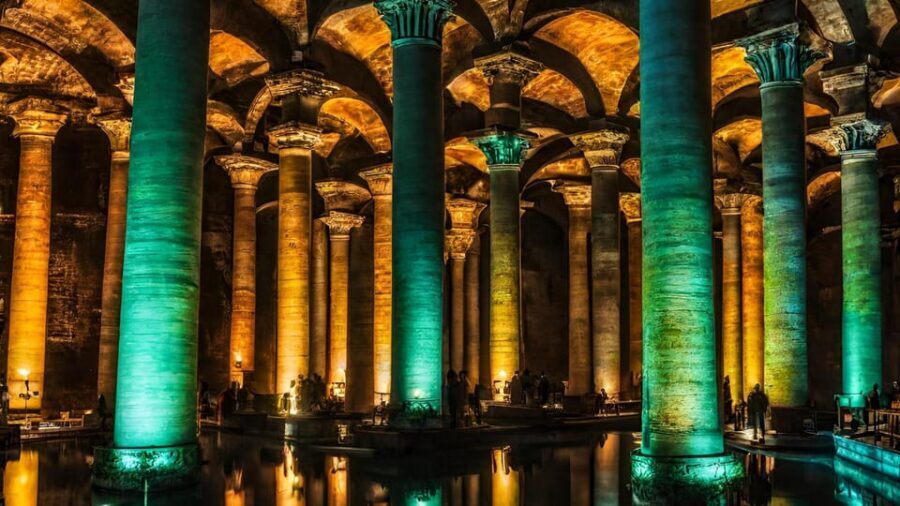
If you like recognizing places from screen-time, this is where the tour gets fun. The experience specifically includes where 007 and Inferno movies were filmed at the Basilica Cistern.
You don’t need to be a movie buff to enjoy this part. It’s more like a shortcut for your imagination: you can picture sets, lighting, and angles that match the cistern’s atmosphere. The guide helps connect the film locations to what you’re seeing in front of you, so it’s not just trivia tossed into the air.
This modern layer is useful if you’re visiting Istanbul with limited time and you want the landmark to feel alive—not only historical on paper.
Guide quality makes or breaks this cistern visit
You’re paying for more than an entry ticket. You’re paying for a guided experience with a real human delivering the facts in a way you can remember.
One standout example is Can. He’s described as having a PhD and using lots of visual aids and videos to make the cistern and Medusa feel clearer. That kind of support matters in a dark, echo-heavy space—if you can’t easily see or hear details, visual explanation helps you connect the story to the physical site.
Çun is another guide who gets strong praise for being friendly and professional, and for taking extra care with visitors who are traveling alone (including photo help). The guide style also gets described as enthusiastic and patient, with a pace that makes the experience feel like a personal visit rather than a hurried stop on a checklist.
There’s also a practical note about flexibility: one guide was praised for being flexible when someone couldn’t make the original timeslot. That’s a small sign that the tour team understands how travel days go, especially when crowds, transit, or weather don’t cooperate.
If you care about story, context, and hearing it explained right while you’re standing inside the setting, this guided format is the point.
Price and tickets: what $29 really covers
The advertised price is $29 per person, for the guided experience with skip-the-ticket-line access. The part that trips people up is the ticket itself.
Entry tickets are not included. The information provided says museum tickets are priced at 35€ per person and must be paid to the tour guide before the activity begins during the meeting. It also states that you can’t always predict future entry fees, and the price may vary on the day of your visit, so the guide may need to collect the current entry fee at that time. The key practical takeaway: come prepared to pay in cash.
So how does this stack up value-wise? Here’s the honest math in travel terms:
- If you were to enter on your own, you’d likely still face lines.
- Paying for a guide is less about “extra talking” and more about getting Medusa storytelling, Roman engineering context, and movie-location framing while you’re inside a space that’s hard to interpret alone.
- The headsets and tech add-ons can justify the difference if you don’t want to miss key points in the acoustics.
In short: the tour price buys the experience and the access rhythm. The museum ticket is the site fee you’ll pay on arrival.
Planning your time: how long you should budget
The guided portion is 30 minutes. That means you should think of this as a short, structured visit—ideal when you’re sightseeing hard in a few days and want maximum meaning per unit time.
If you want to linger, plan a little extra. Istanbul’s big sights are often best when you do both: a guided overview first, then your own slow look. The guided window gives you the “what matters” checklist, and then you can spend your own time on the corners that catch your attention most.
Also, because you’re meeting behind the Blue Mosque tram stop and ending back at the same point, it’s easier to stitch into a day without complicated rerouting.
Who should book this Basilica Cistern tour?
This works best for you if:
- You want Medusa explained in a way that connects to the actual site.
- You don’t want to waste time in line when you’re squeezing Istanbul into a tight schedule.
- You care about context: Roman engineering, myth, and film locations are all part of the package.
- You like getting your questions answered while you’re still in the atmosphere, not after you’ve left.
You might consider skipping the guided version if:
- You prefer quiet, long self-paced exploring over narration.
- You already feel comfortable interpreting the cistern and don’t want the story threaded through your visit.
- You dislike cash payments for entry fees at the start of an activity.
Should you book this Basilica Cistern tour?
Yes—if you’re choosing between “see the cistern” and “understand the cistern.” The skip-the-ticket-line access plus a guided story focused on Medusa, Roman engineering, and even 007/Inferno filming gives you more payoff than a self-guided wander.
Just go in with the right expectations: you’ll pay the site entry fee separately (cash, and it may be 35€ or a different amount depending on the day). Arrive 15 minutes early at the park behind the Blue Mosque tram stop, look for the black atourguideinconstantinople flag, and then let the guide do the heavy lifting of turning darkness and columns into a clear, memorable story.
FAQ
How long is the Basilica Cistern guided tour?
The active guided portion is about 30 minutes.
Is the tour available in English?
Yes, the tour is in English.
Are entry tickets included in the $29 price?
No. Entry tickets are not included. Tickets are priced at 35€ per person and must be paid to the tour guide before the activity begins, in cash. The entry fee may vary on the day.
Where is the meeting point?
The meeting point is behind the Sultanahmet Blue Mosque Tram Stop in the park (Mehmet Akif Ersoy, by the Firuz Aga Mosque). The guide waits with a black atourguideinconstantinople flag.
Do you get a headset during the tour?
Headsets are included over 14 people in the group.
Is the tour wheelchair accessible?
Yes, the activity is wheelchair accessible.