REVIEW · ISTANBUL
Istanbul: Best of the City 1, 2 or 3-Day Private Guided Tour
Book on GetYourGuide →Operated by Guided Istanbul Tours · Bookable on GetYourGuide
Istanbul, tailored to your interests and pace. This private guided experience lets you shape the order of major sights and add neighborhoods like Fener-Balat, guided by a multilingual local who meets you at your hotel or port. You can choose a 1-, 2-, or 3-day version, so the plan fits both first-timers and repeat visitors.
I love two things most: custom itinerary flexibility and skip-the-line access to buy tickets for the big attractions. With private time, you spend less effort figuring things out and more time actually seeing inside places like Topkapi Palace and the Hagia Sophia area.
One drawback to plan around: you’ll be doing a lot of walking, and mosque access can change with prayer times. On Fridays, Hagia Sophia and the Blue Mosque may be viewed from outside, so you need a little flexibility in expectations.
In This Review
- Key points that make this tour work
- Private Istanbul, built around your priorities
- Day 1: Sultanahmet highlights with Topkapi, Hagia Sophia, Blue Mosque, and the bazaar
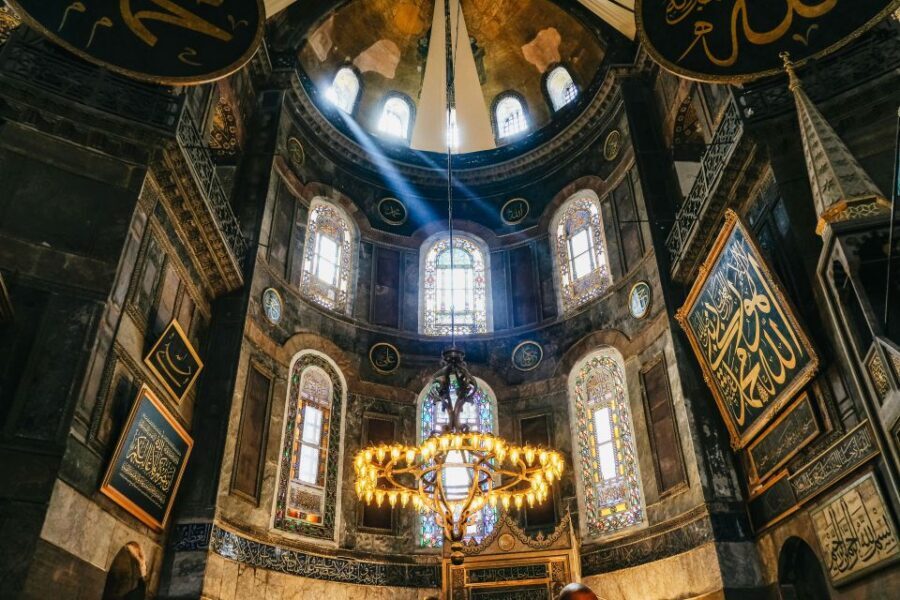
- Hagia Sophia and the church-to-mosque story
- Blue Mosque: Iznik tiles and the great dome
- Topkapi Palace: the Ottoman sultans at their imperial residence
- Hippodrome Square and the surrounding public-life context
- Grand Bazaar: shopping energy at the end of the day
- Day 2: ferry to the Bosphorus, then Dolmabahce and the city’s modern axis
- Bosphorus ferry and cruise: Europe on one side, Asia on the other
- Dolmabahce Palace: Ottoman-era palace style with a real access note
- Taksim Square, Istiklal Street, Galata area, and Çiçek Passage
- Spice Market: an easy win for senses and souvenirs
- Day 3: Fener and Balat on foot, Pierre Loti views, Iron Church, Chora Church, and Suleymaniye Mosque
- Fener-Balat streets: layers of community history
- Cable car and Pierre Loti panoramic hill
- Iron Church (St. Stephen Church)
- Chora Church and Suleymaniye Mosque
- Basilica Cistern: the smart backup when mosque access is limited
- Skip-the-line access: what it helps and what it won’t
- Timing rules that affect your exact itinerary
- Transportation, pickup, and how the private van option can help
- Price and value: $102 per person plus you plan for entrance fees
- Who should book this Istanbul private tour
- Should you book it?
- FAQ
- What does the tour price include?
- Are there entrance fees included?
- Does skip-the-line work for active mosques?
- Will Hagia Sophia and the Blue Mosque always be entered on Fridays?
- What happens if a mosque visit can’t be done?
- Which days are major sights closed?
Key points that make this tour work
- Your day is built around you: you meet your guide and adjust the route to match your interests.
- Big Ottoman and Byzantine icons, in a smart sequence: Topkapi Palace and Hagia Sophia headline the first-day plan.
- Water + both sides of Istanbul: public ferry and Bosphorus cruise options help you connect the city’s geography to the monuments.
- Real-world backups are planned in: if a mosque can’t be visited, Basilica Cistern is used as a replacement.
- Day 3 trades grand monuments for street-level Istanbul: Fener and Balat plus Pierre Loti and Chora-area stops.
Private Istanbul, built around your priorities
The best thing about this tour is control. Instead of a one-size-fits-all checklist, you work with your guide to create a route that matches how you like to travel. If you care more about imperial power, you’ll lean harder into Ottoman stops. If you want religion and art transitions, you’ll structure days around Hagia Sophia, the Blue Mosque, and the church-to-mosque stories.
You also get a private group setting, which matters more than it sounds. When you’re moving between sites that have different opening hours, the ability to adjust the schedule is what keeps the day from feeling like a scramble. In past tours, guides like Ahmet and Ezgi were praised for adjusting plans to the group and keeping the pace comfortable, which is exactly what you want on a city trip with huge crowds.
The trade-off is simple: because you’re customizing, you’ll want to communicate clearly before you start. If you list must-sees early, your guide can protect them in the schedule.
You can also read our reviews of more guided tours in Istanbul


Day 1: Sultanahmet highlights with Topkapi, Hagia Sophia, Blue Mosque, and the bazaar
Day 1 is where Istanbul history gets its loudest. The route focuses on the Byzantine-and-Ottoman core, using the area as a living timeline: grand church traditions turning into mosque spaces, Ottoman imperial residences, and public-square energy nearby.
Hagia Sophia and the church-to-mosque story
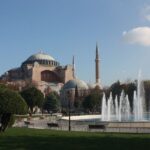
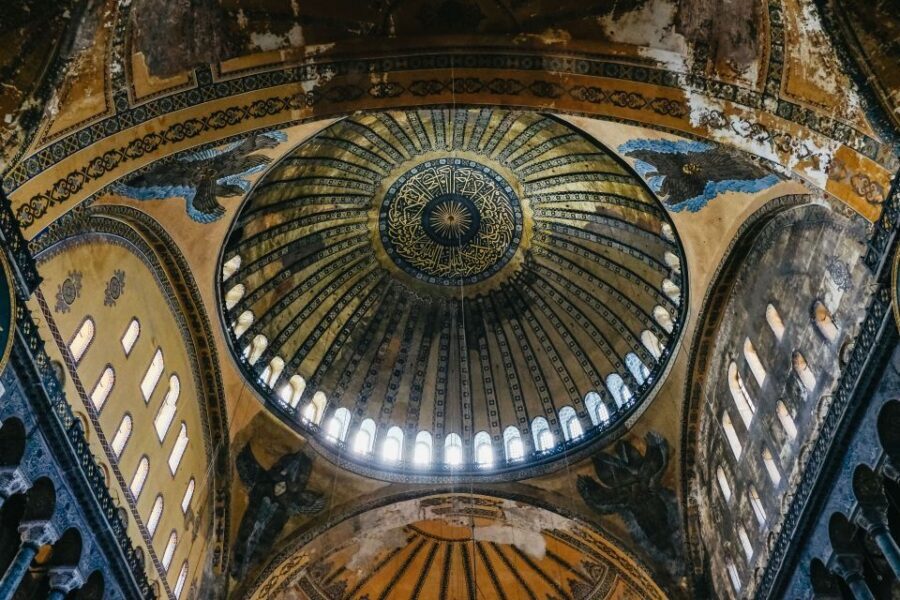
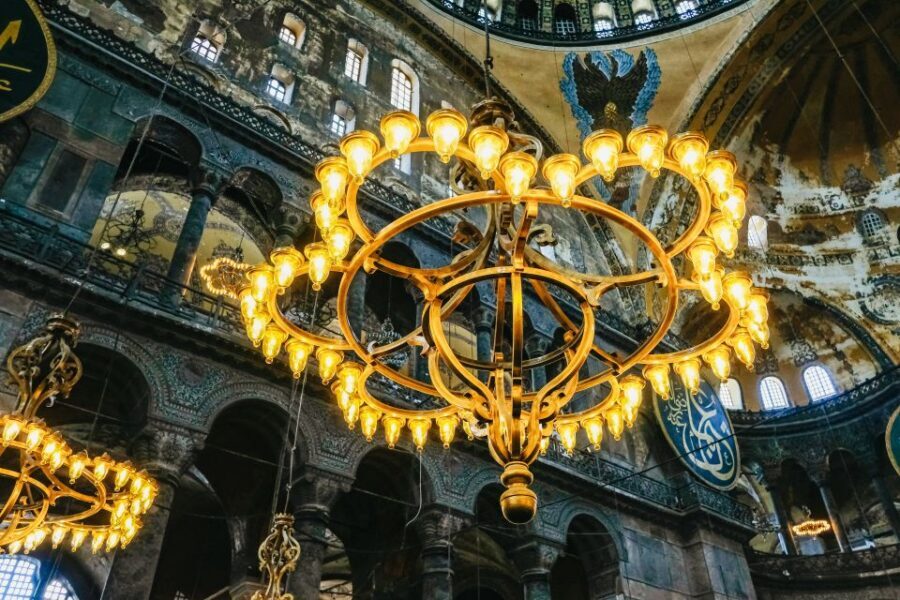
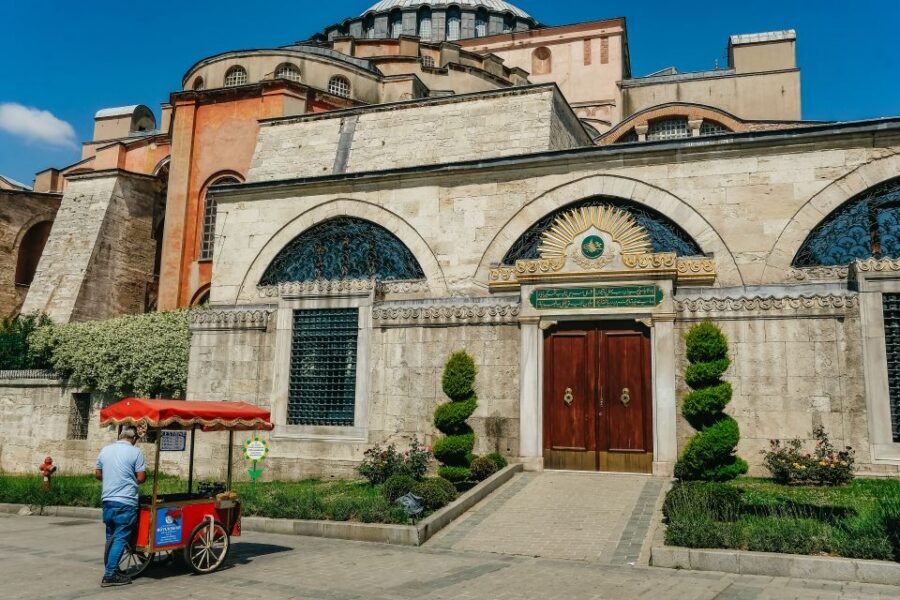
Hagia Sophia is a centerpiece. The tour includes the former church turned to a mosque, which is the key idea here: you’re not just seeing a building, you’re seeing how a place can change identity over centuries. The experience is also shaped by real rules. During worship/praying time, access can be restricted, and on Fridays Hagia Sophia may be viewed from outside.
Practical advice: treat Hagia Sophia as both a destination and a timing challenge. Your guide will adjust if access is limited, and there’s a planned alternative if a mosque stop can’t happen.
Blue Mosque: Iznik tiles and the great dome
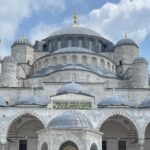
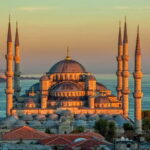
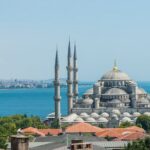
The Blue Mosque stop is built around visual impact: those blue Iznik tiles and the famous great dome. This is one of those sights where a private guide helps because you’re not just looking for the big silhouette—you’re connecting the decorative details to how the building was meant to be experienced.
Timing also matters. The tour notes that on Fridays the Blue Mosque may be visited from outside due to worship, and it’s closed until 2 pm on Fridays. That means if you’re planning a Friday visit, you’ll want your schedule designed with flexibility.
Topkapi Palace: the Ottoman sultans at their imperial residence
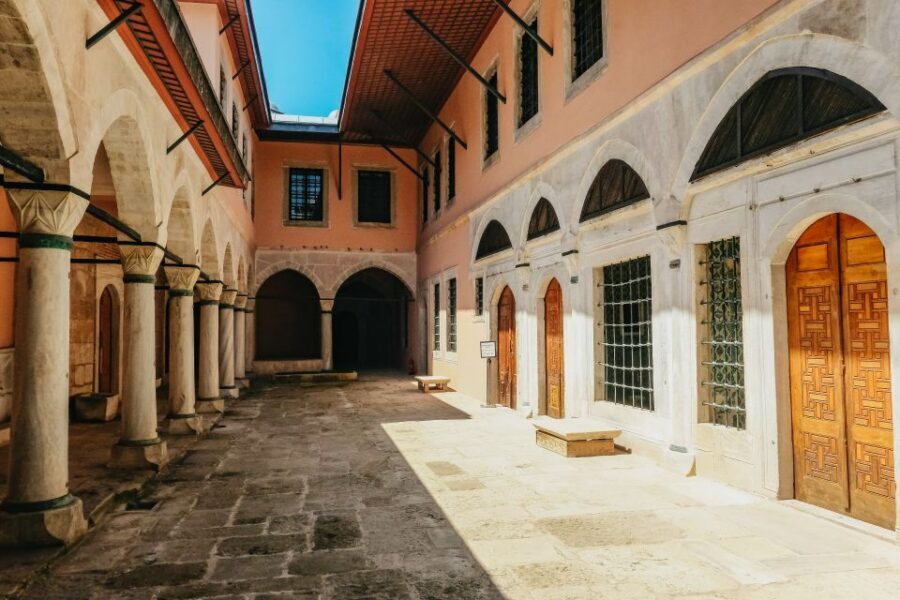
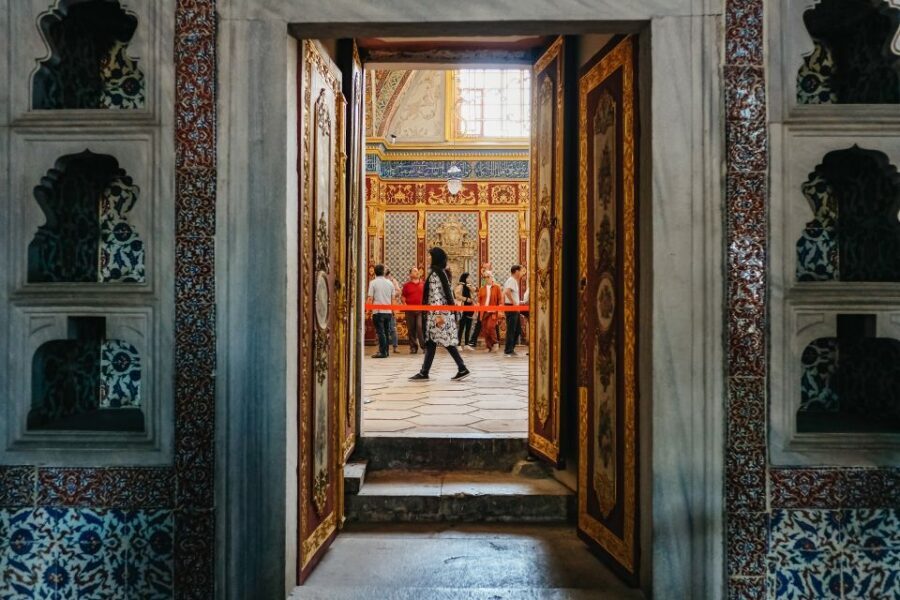
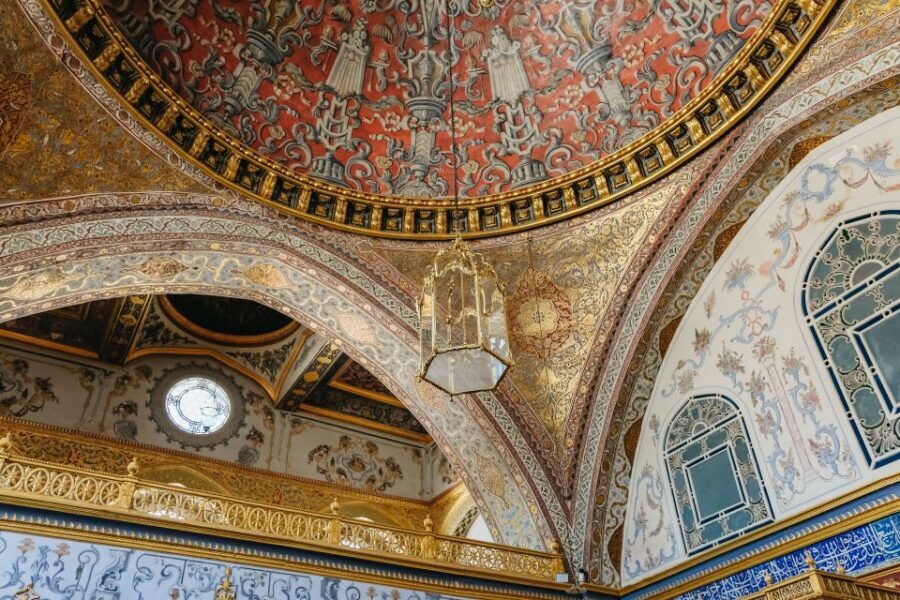
Next up is Topkapi Palace, described as the Ottoman sultans’ imperial residence. Even if you’ve seen photos, being inside changes the scale in your mind. This stop works well for anyone who likes power, politics, and daily life at court level—think of it as a guided look at how the Ottoman empire organized its center of gravity.
One more timing factor: Topkapi Palace is closed on Tuesdays. If you’re visiting on a Tuesday, the day’s rhythm will shift around that.
You can also read our reviews of more city tours in Istanbul



Hippodrome Square and the surrounding public-life context
The plan also includes Hippodrome Square. Even without getting overly technical, this is useful because it grounds the story in public space. Istanbul didn’t develop only through palaces and temples; it also grew through crowds gathering in major squares.
Grand Bazaar: shopping energy at the end of the day
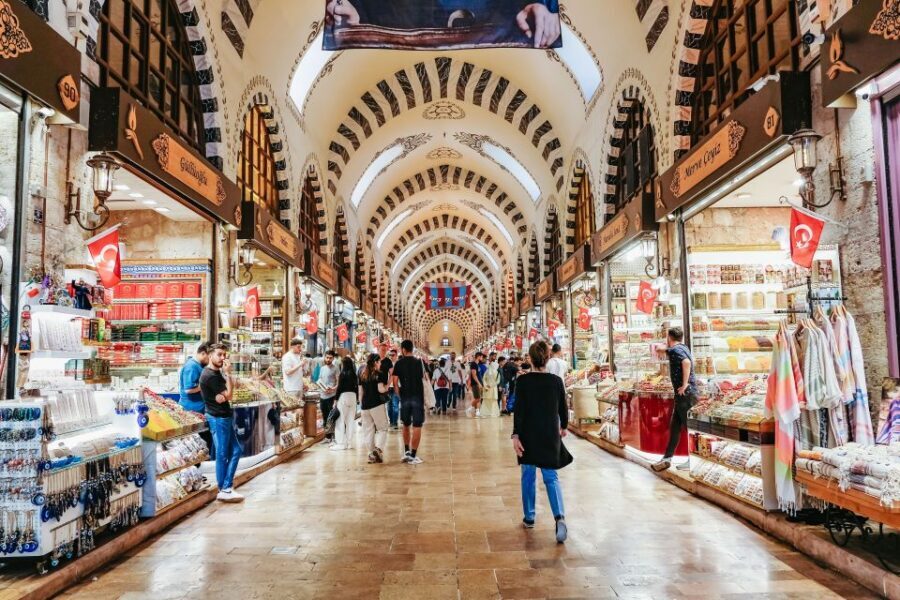
Grand Bazaar is included as a highlighted stop, but it’s important to know it’s closed on Sundays. If you’re visiting on a Sunday, your guide will need an alternate plan for bazaar time, so don’t assume you’ll see every shopping stop on the same calendar day.
One thing I like about having a guide here is navigation. You’re not wandering for hours through maze-like lanes. You’re moving with purpose, and you can still shop at your own tempo once you know where you are.
Day 2: ferry to the Bosphorus, then Dolmabahce and the city’s modern axis
Day 2 is designed to stretch you beyond the historic core. You start by taking the public ferry to the Bosphorus, which is the simplest way to understand Istanbul as a city split between Europe and Asia. Then you connect that geography to big-palace architecture and modern city life.
Bosphorus ferry and cruise: Europe on one side, Asia on the other
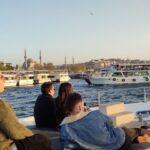
You’ll get the European and Asian sides of Istanbul from the water. This is more than a scenic extra. It changes how you interpret everything you saw on Day 1 because you start thinking in terms of routes, sightlines, and strategic placement along the strait.
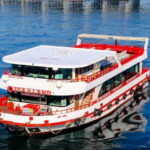
The tour also includes a Bosphorus cruise in the suggested plan. If you’re choosing between options, your guide can help you pick the version that best fits your day’s timing.
Dolmabahce Palace: Ottoman-era palace style with a real access note
Dolmabahce Palace brings a different palace feel than Topkapi. The standout value here is the change in style and scale, which helps you see Ottoman rule as an evolving story, not one static snapshot.
But there’s a critical limitation: Dolmabahce Palace is closed on Mondays, and due to regulations, a live guide service isn’t available at Dolmabahce. In practice, that means you may have more self-guided time there. Still worthwhile, just plan your expectations for how the commentary works during that segment.
Taksim Square, Istiklal Street, Galata area, and Çiçek Passage
After the palace, you head toward Istanbul’s modern axis: Taksim Square and Istiklal Street. This part of the day balances the grand interiors with street-level city texture.
The route also includes the Galata area, plus Çiçek Passage, and Galata Tower is listed from the outside. That works well if you want skyline context without turning the day into a ticket hunt.
Spice Market: an easy win for senses and souvenirs
The Spice Market is part of the Day 2 plan. It’s included as a highlight because it’s instantly engaging and practical—perfect for grabbing small edible gifts and learning what’s local without needing a long detour.
Day 3: Fener and Balat on foot, Pierre Loti views, Iron Church, Chora Church, and Suleymaniye Mosque
Day 3 is a shift in style. Instead of focusing only on the biggest landmarks, it leans into neighborhoods and religious architecture with a walking route that feels more like exploring with a friend.
Fener-Balat streets: layers of community history
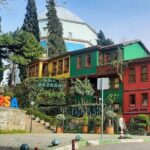
You’ll do a walk through Fener and Balat. The payoff is the neighborhood scale: you get to see how places feel when you’re not always looking at the largest monument on the street. This is a good day if you like atmosphere—small churches, old walls, and street rhythm.
Cable car and Pierre Loti panoramic hill
The route includes a cable car ride and views from Pierre Loti Hill. This is one of the best ways to get your bearings quickly after a day of walking. Even if you’re not a view person, it helps you connect the neighborhood setting to the wider city shape.
Iron Church (St. Stephen Church)
St. Stephen Church, commonly referred to here as the Iron Church, is included. It’s a strong contrast stop, and it’s especially useful on Day 3 because it breaks up the walking with a specific architectural landmark.
Chora Church and Suleymaniye Mosque
Day 3 also includes Chora Church (or alternatives) and Suleymaniye Mosque. If you’re building a story across Istanbul’s religious architecture, these stops tie together the theme: sacred spaces with different eras, aesthetics, and cultural influences.
One more scheduling reality: as with other mosques, visits can be affected by worship time. Your guide will adapt.
Basilica Cistern: the smart backup when mosque access is limited
This tour doesn’t treat the big mosque sites as the only possible payoff. It includes Byzantine Cistern, an underground water storage from the Roman period, and it can be used as a replacement if one of the mosque visits can’t happen.
That matters because Istanbul’s major religious buildings operate on schedules you can’t control. If worship timing blocks access, you’ll still get a major sight rather than losing time. Basilica Cistern is also a nice change of pace from the bright open courtyards and long lines.
Skip-the-line access: what it helps and what it won’t
You get skip-the-line access to buy tickets for many major attractions. That’s a big deal in Istanbul, where ticket lines can eat up hours and leave you with a half-day of stress.
But there’s an important limit: the skip-the-line service is not available for active mosques. Expect queues at entrances for mosque visits. One guide might be great at timing and routing, but the rules still apply.
In plain terms: this tour reduces friction, not reality. You’ll still be arriving at religious sites and working with opening and worship patterns. What you’re buying is a smoother approach to the ticketing step and better navigation between sights.
Timing rules that affect your exact itinerary
This tour includes several schedule constraints that can change what you see and when you see it. The good news is your guide adjusts, but it helps if you plan with these in mind:
- Topkapi Palace and Hagia Irene Church are closed on Tuesdays.
- Grand Bazaar is closed on Sundays.
- Dolmabahce Palace is closed on Mondays.
- On Fridays, Hagia Sophia and the Blue Mosque are often only visited from outside due to worship, and the Blue Mosque is closed until 2 pm.
- Hagia Sophia entrance can be restricted during praying time.
- If a mosque stop doesn’t happen, Basilica Cistern is used as the replacement.
- If your tour starts later than 11 am, you may need to skip one or a couple of sites because many places close by 7 pm.
This is also where the best guides earn their keep. In reviews, guides such as Sema, Can, and Kerim were praised for planning routes that avoid rushing. That skill is what helps you protect the sights that matter most to you.
Transportation, pickup, and how the private van option can help
Your pickup is included from centrally-located hotels in Istanbul, meeting your guide at your lobby or at the port. The information also notes you’ll be picked up on foot, and a van is available if you book that option.
In a city built on hills, traffic, and long walking stretches, that matters. A van can reduce travel time between distant stops. Without it, you’ll likely be walking more, which can be great if you like moving at a human pace, but it’s a real factor if you’re short on energy.
The tour is not suited for people with mobility impairments, so you’ll want to think carefully about the walking load if anyone in your group has physical limitations.
Price and value: $102 per person plus you plan for entrance fees
The listed price is $102 per person, with a range of durations from about 7 hours up to 3 days, depending on your chosen option. That price is mainly paying for the private guide, multilingual support, and the ticket-line advantage where it applies.
Entrance fees and lunch aren’t included, so you should budget separately for museum and palace tickets and for meals. Still, the value can be strong if you:
- want to see the big-ticket icons without wasting time in ticket lines,
- care about making sense of layers of Byzantine and Ottoman influence,
- prefer a route that matches your interests instead of a forced itinerary.
When a private guide is well matched to your pace, the cost feels justified fast. Reviews specifically praised guides for keeping the day from turning into a lecture, including excellent communication and plenty of room for questions. That’s not guaranteed with every tour company, but it’s what many of the best experiences here are built on.
Who should book this Istanbul private tour
This is a great fit if you:
- want a custom plan across Ottoman and Byzantine highlights,
- like asking questions and getting context beyond basic signage,
- prefer a guide who can adjust schedules when mosques or timings change,
- plan to spend time moving between neighborhoods like Sultanahmet, Galata, and Fener-Balat.
It’s also a smart choice for families, because children aged 7 and under are free of charge at certain museums, as long as you have passport copies to verify ages. Just keep expectations realistic: the walking volume is substantial, and most major sites have timing constraints.
If you hate crowds and want zero walking, you might find this style less comfortable. But if you want the city’s major chapters told in a practical order, this tour is built to do that.
Should you book it?
Book it if you want Istanbul’s top sights with someone handling the timing and navigation, especially the big indoor sites like Hagia Sophia and Topkapi. The combo of private guide flexibility, ticket-line help, and the neighborhood focus on Day 3 gives you more than a sightseeing parade.
Skip it or choose a lighter plan if you’re set on a slow pace, or if mosque timing changes would frustrate you. The tour can’t control worship schedules, and on Fridays you may get outside views for Hagia Sophia and the Blue Mosque.
If you do book, my best advice is simple: tell your guide your must-sees first, and give them a little room for schedule changes. That’s where this experience turns from a list of attractions into a route that actually feels tailored.
FAQ
What does the tour price include?
It includes a private tour, a multilingual tour guide, skip-the-line access to buy tickets, and pickup from your accommodation (centrally-located hotels or the port). Transportation by van is included only if you choose that option.
Are there entrance fees included?
No. All entrance and attraction fees are not included.
Does skip-the-line work for active mosques?
No. Skip-the-line access is not available for active mosques, and there will be a queue for entrance.
Will Hagia Sophia and the Blue Mosque always be entered on Fridays?
Not necessarily. On Fridays, Hagia Sophia or the Blue Mosque may be visited from outside because of worship. Hagia Sophia entrance can also be restricted during praying time.
What happens if a mosque visit can’t be done?
If one of the mosques is not visited, the tour will include Basilica Cistern as a replacement.
Which days are major sights closed?
Topkapi Palace and Hagia Irene Church are closed on Tuesdays. Grand Bazaar is closed on Sundays. Dolmabahce Palace is closed on Mondays.